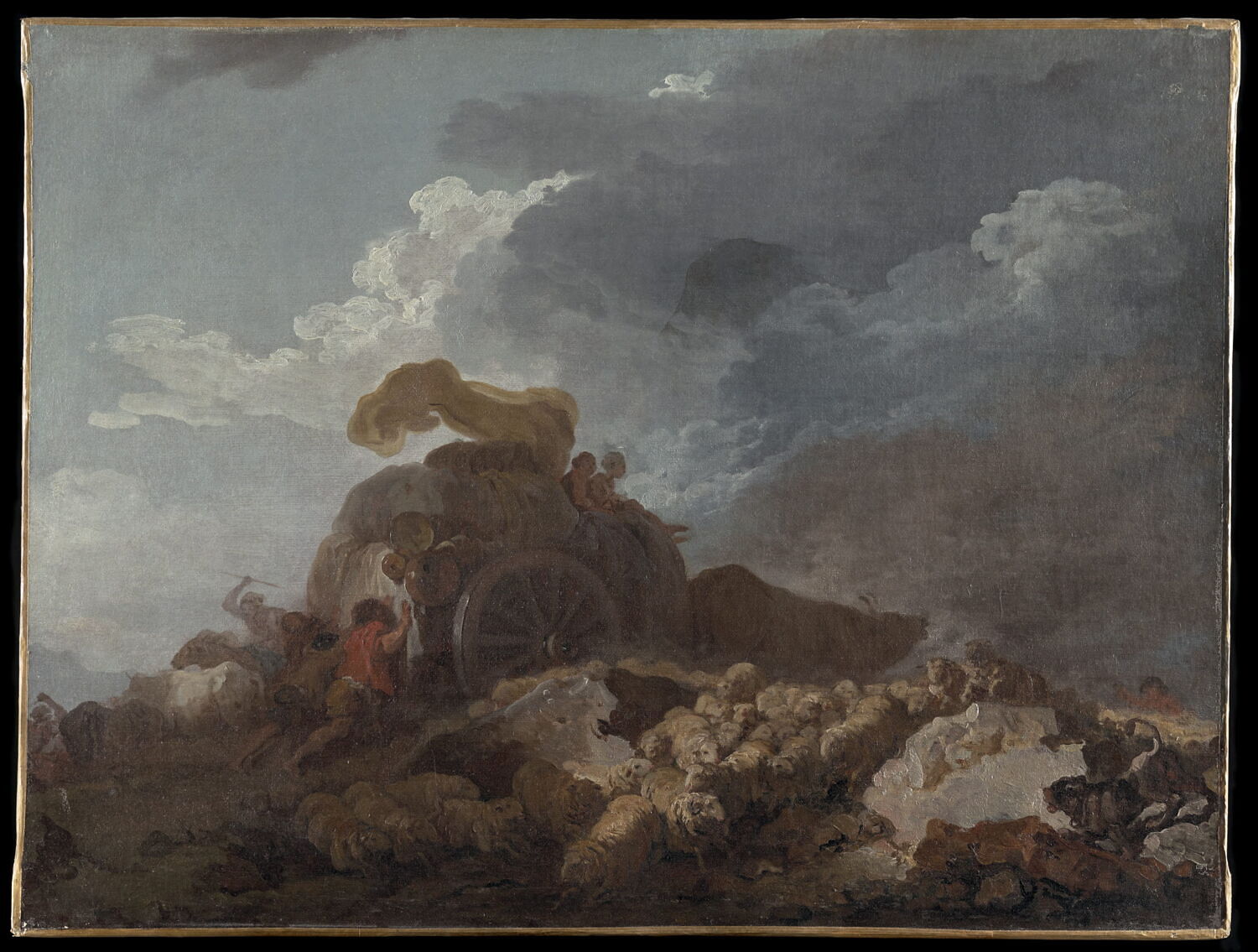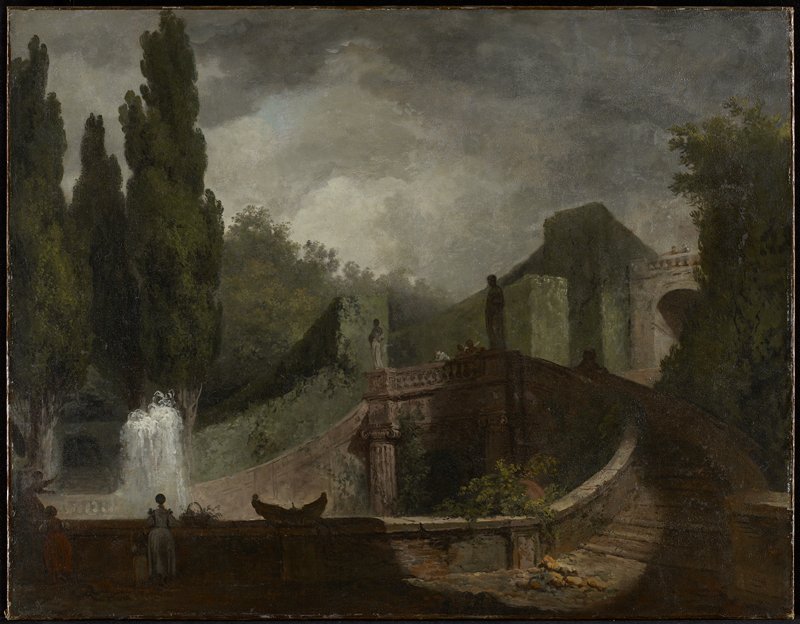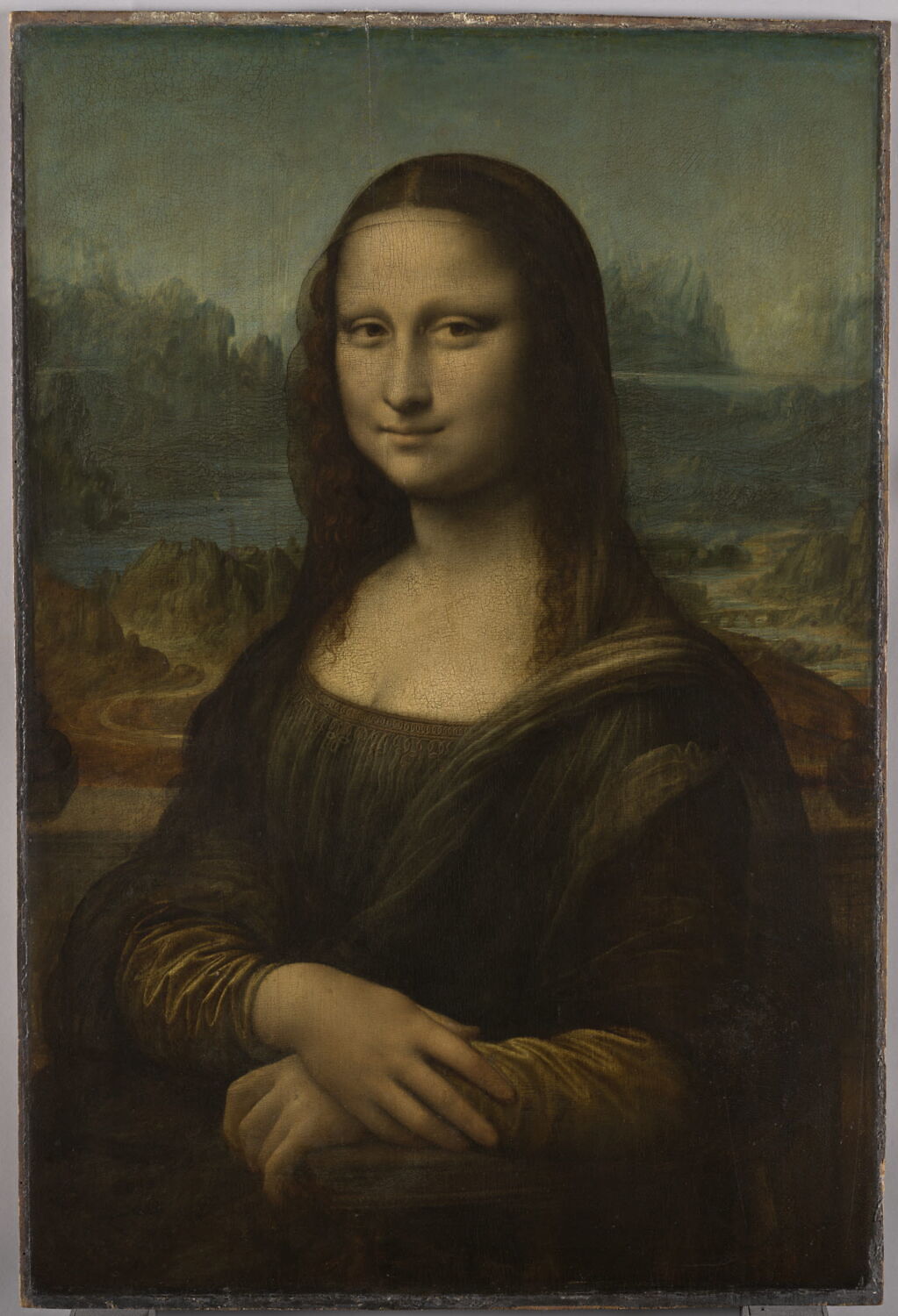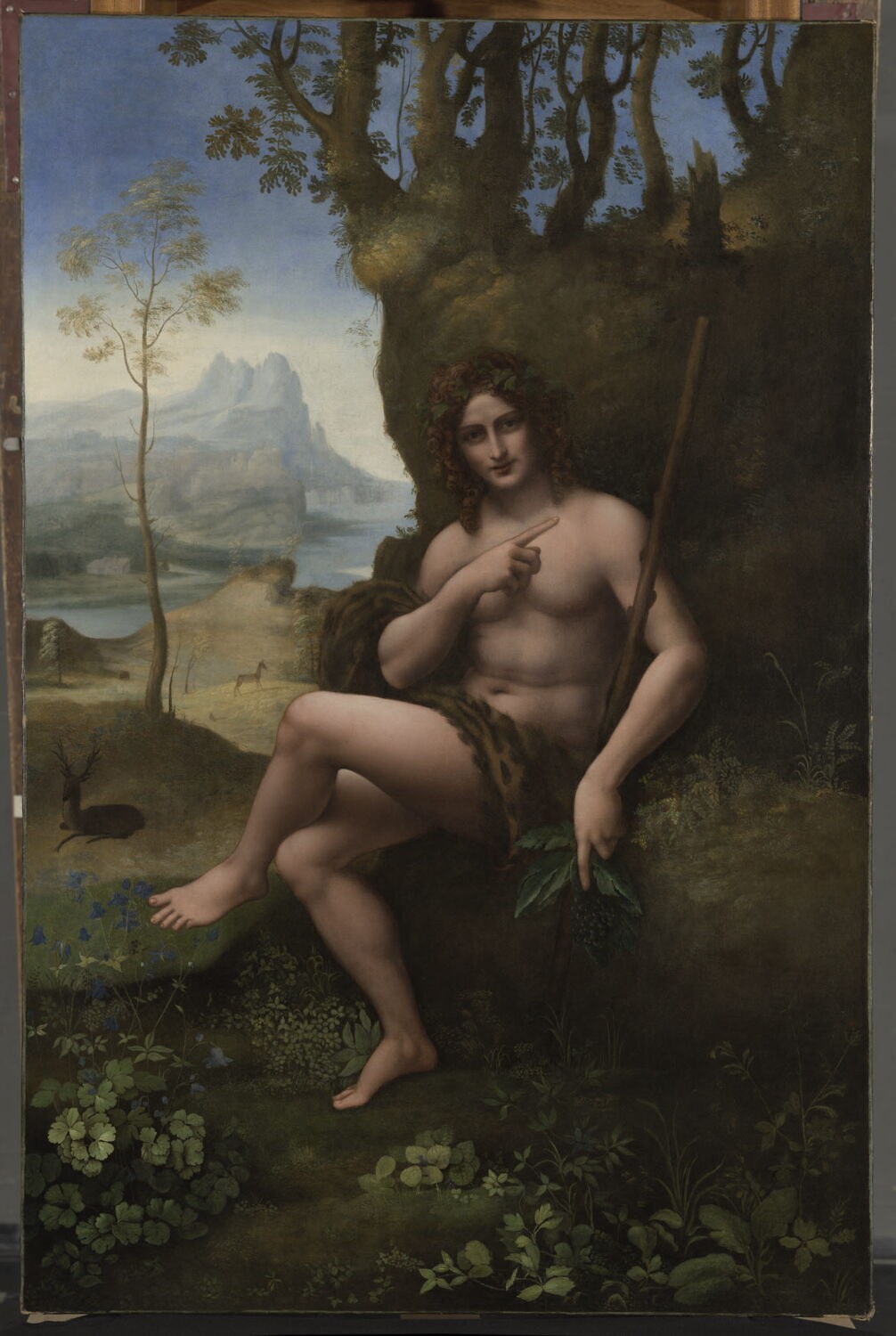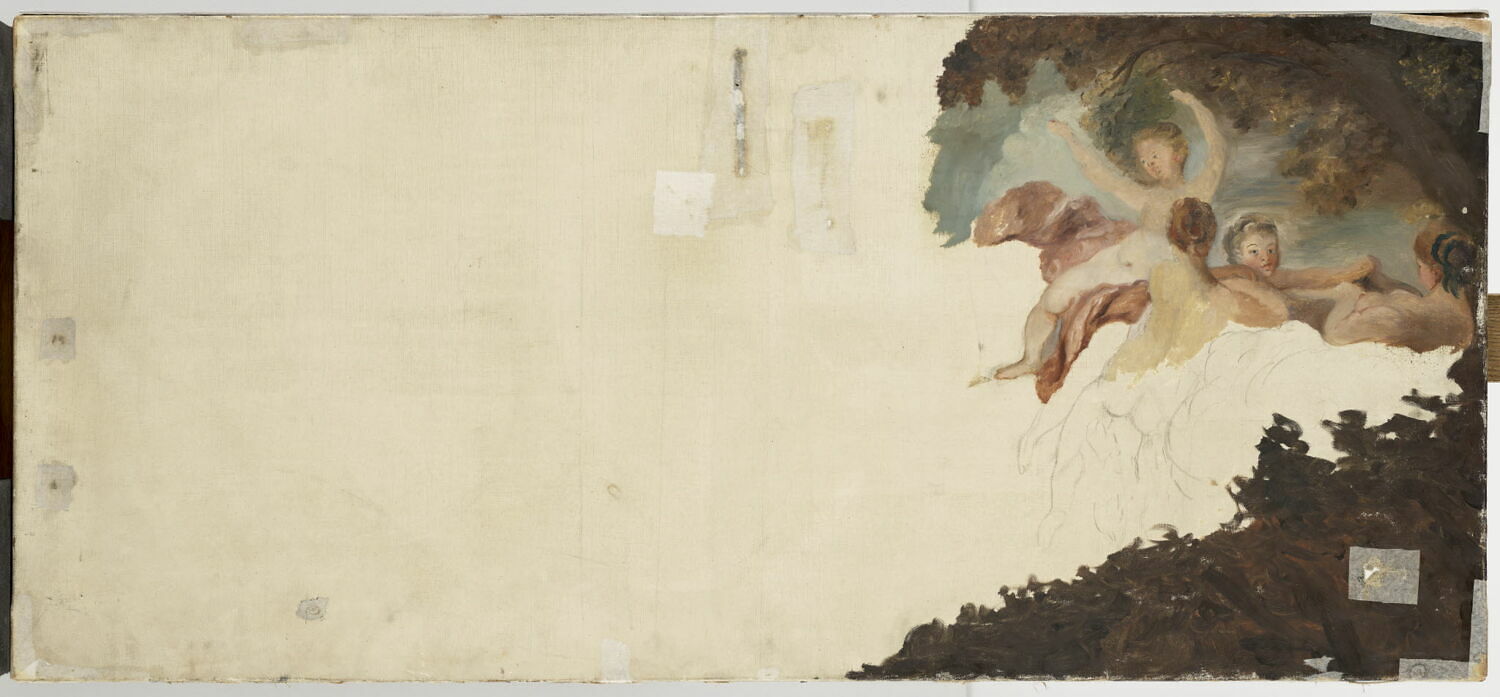
 Jean-Honoré FragonardFrance, 1732–1806
Les Baigneuses.
Peut-on la voir ?
Pas exposée actuellement
Où est « Les Baigneuses. » aujourd’hui ? Collection: Musée du Louvre, Paris. Pas exposée actuellement. Vérifié 26 septembre 2026.

Paris, France
Elle appartient à la collection, mais n’est pas présentée en ce moment.
- Vérifié
- Dans cet état depuis
- Source
- Le musée
Notice
- Numéro d’inventaire
- INV 20715
Au catalogue
Sources
- Musée du Louvre
- Image : Musée du Louvre — © 2022 GrandPalaisRmn (musée du Louvre) / Mathieu Rabeau
Dans la vie de Jean-Honoré Fragonard
La vie entièrec. 1761
Studio in the Louvre
On his return to Paris he received a studio in the Louvre palace, where he lived, and was put in charge of the decoration of the Galerie d'Apollon.
1761
Return to France via Venice and southern Italy
Having lived in Rome until April 1761, he left the Eternal City with his patron the Abbé de Saint-Non and Hubert Robert: he visited Florence, Bologna and Venice, where he studied Tiepolo, made a journey to southern Italy, and returned to France.
1765
"Coresus and Callirhoe" at the Salon: admission to the Academy
He exhibited at the Paris Salon the painting "Coresus and Callirhoe" (now in the Louvre), for which the Royal Academy of Painting and Sculpture admitted him as a member. Diderot devoted a lavish panegyric to it, and the king bought the painting and ordered it reproduced at the Gobelins manufactory.
second half of the 1760s
Abandoning history painting for "gallant scenes"
Despairing of attaining the position of first painter in the classical genre, he abandoned it for erotic genre scenes, which enjoyed the greatest success at the court of Louis XV. He soon became a fashionable artist — a master of pastoral landscapes, female portraits and small-format "cabinet pictures."