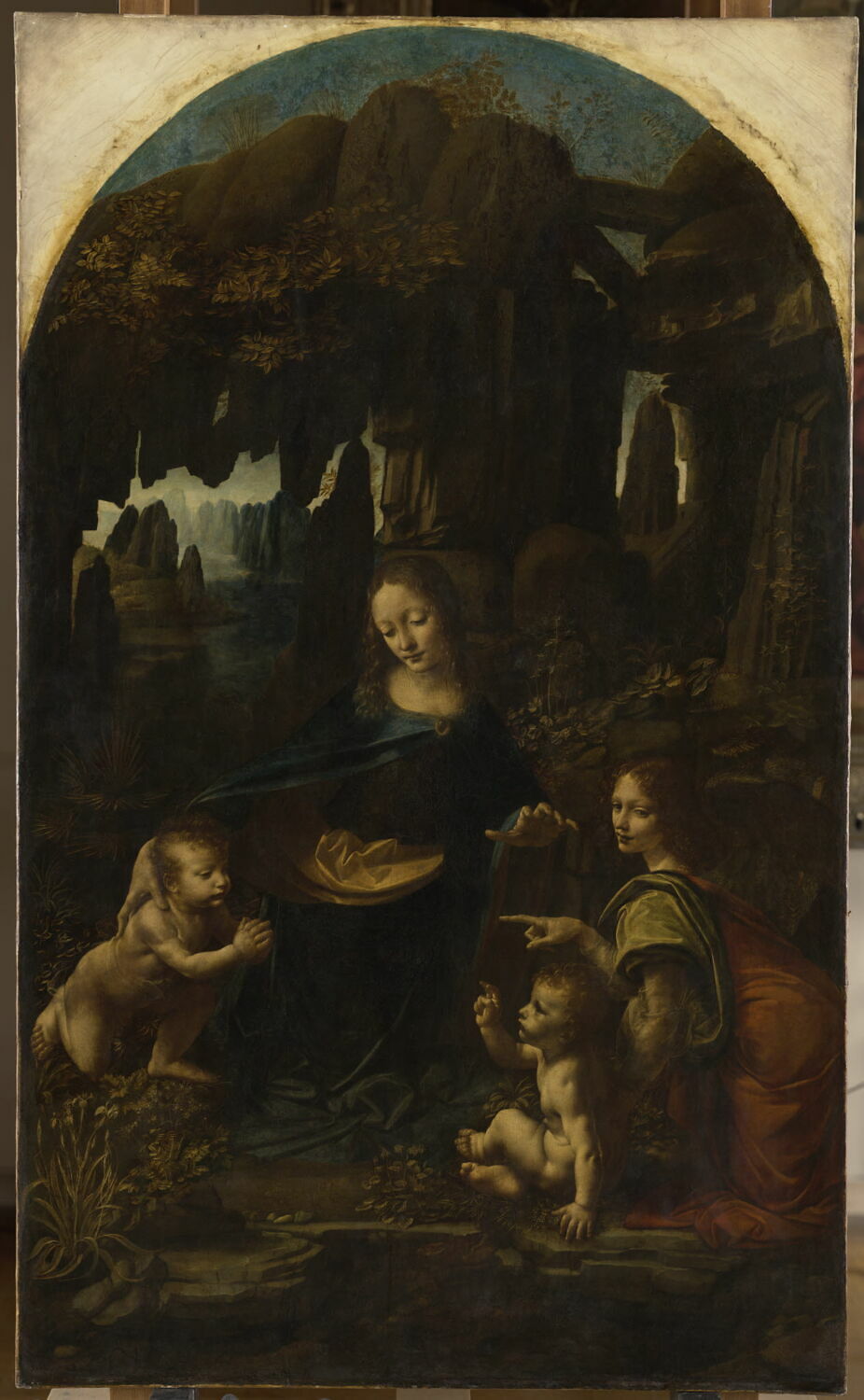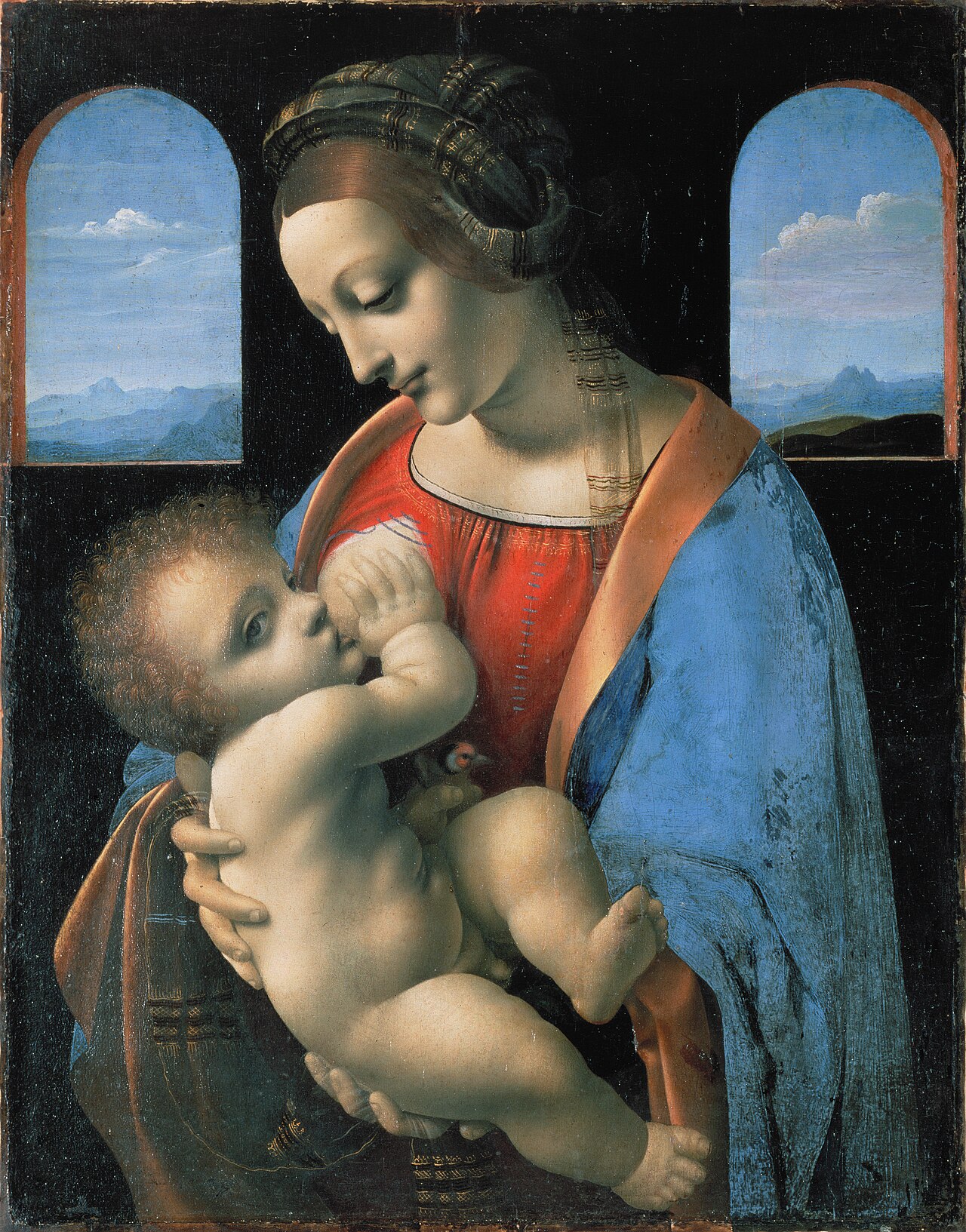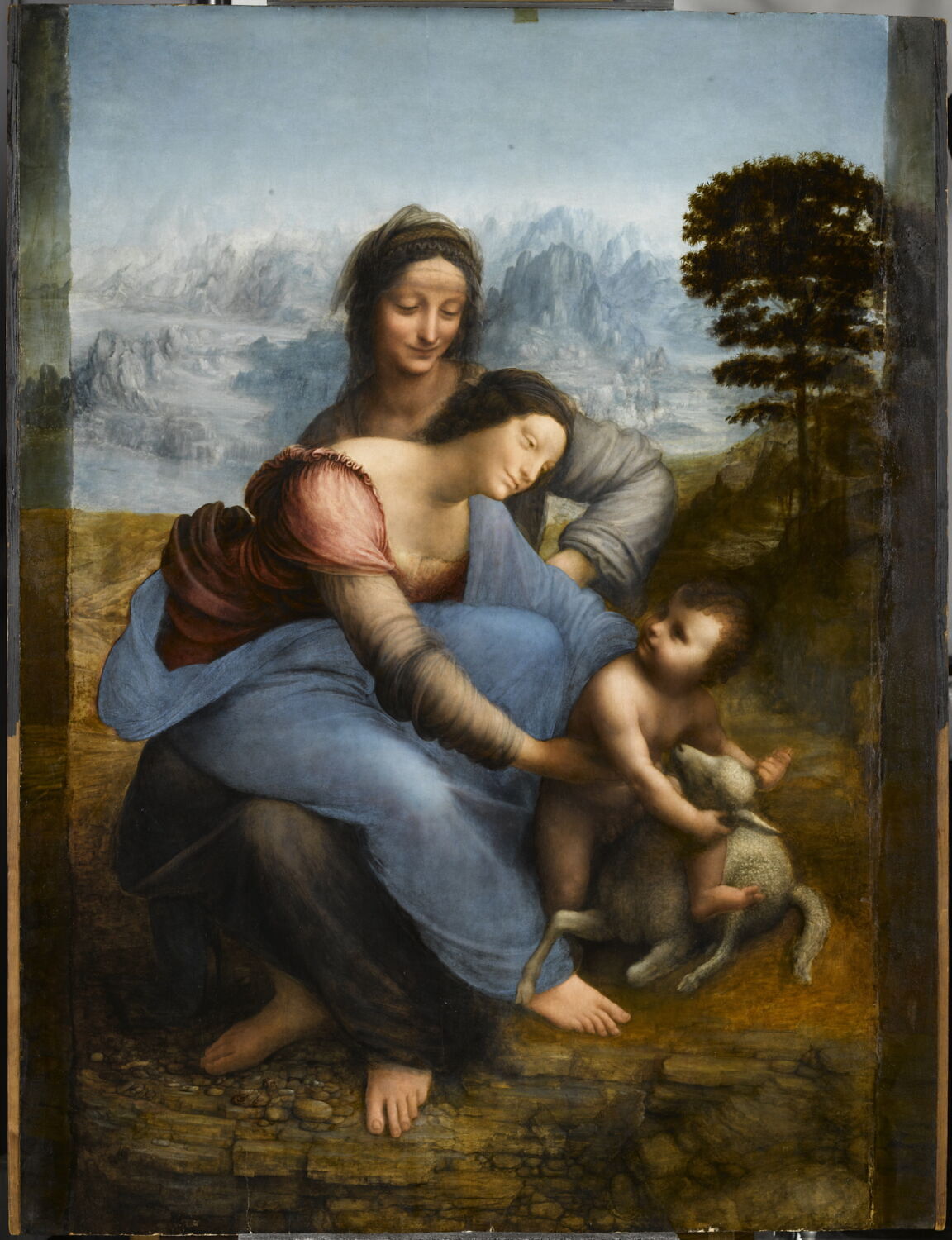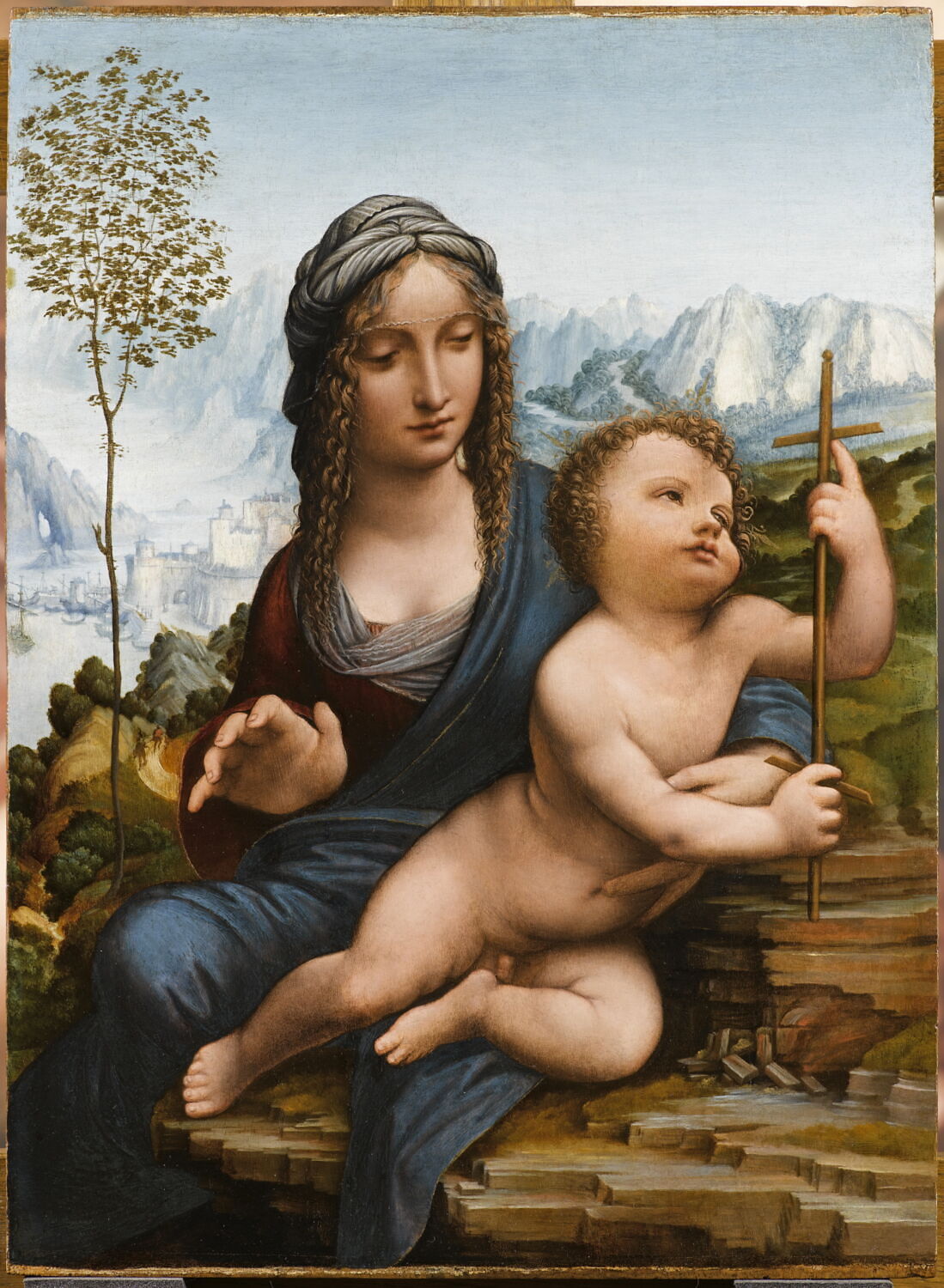
 Leonardo da VinciItalie, 1452–1519
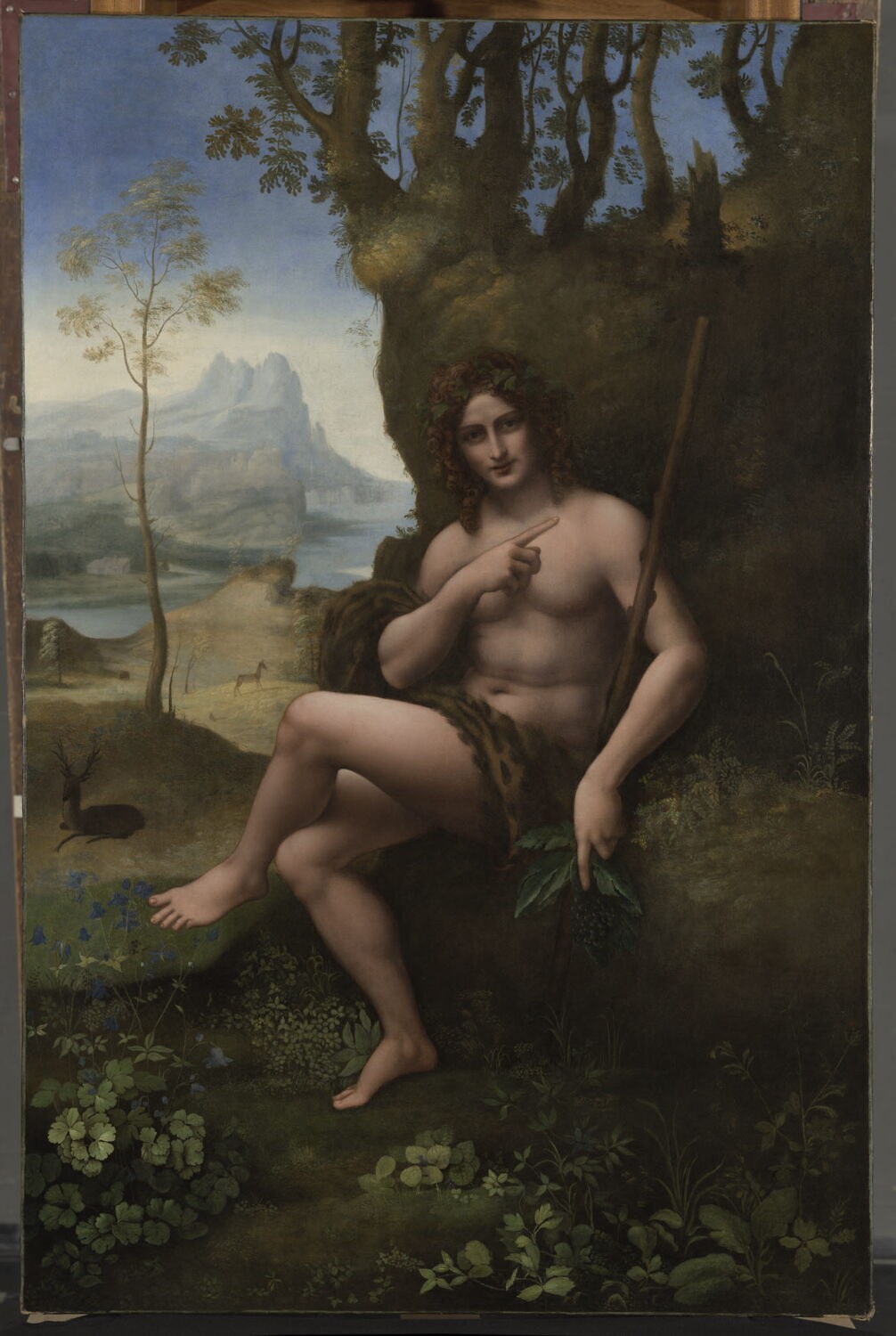
Bacchus
Saint Jean Baptiste
Peut-on la voir ?
Oui, exposée actuellement
Où est « Bacchus » aujourd’hui ? Musée du Louvre, Salle 710, Aile Denon, Niveau 1, Paris. Oui, exposée actuellement. Vérifié 26 septembre 2026.

Fermé· ouvre à 9:00
Présentée au public.
- Vérifié
- Dans cet état depuis
- Source
- Le musée
À propos du tableau
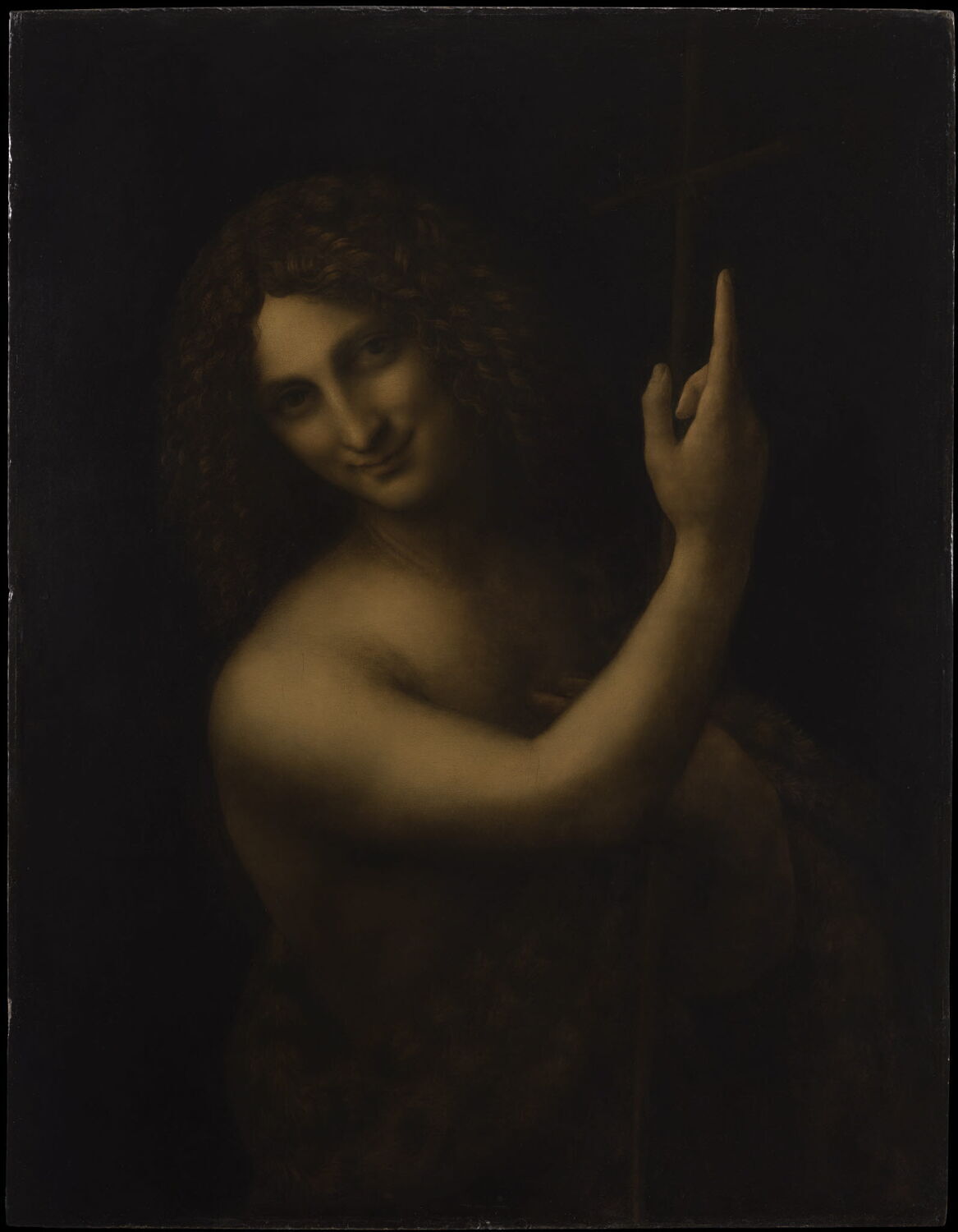
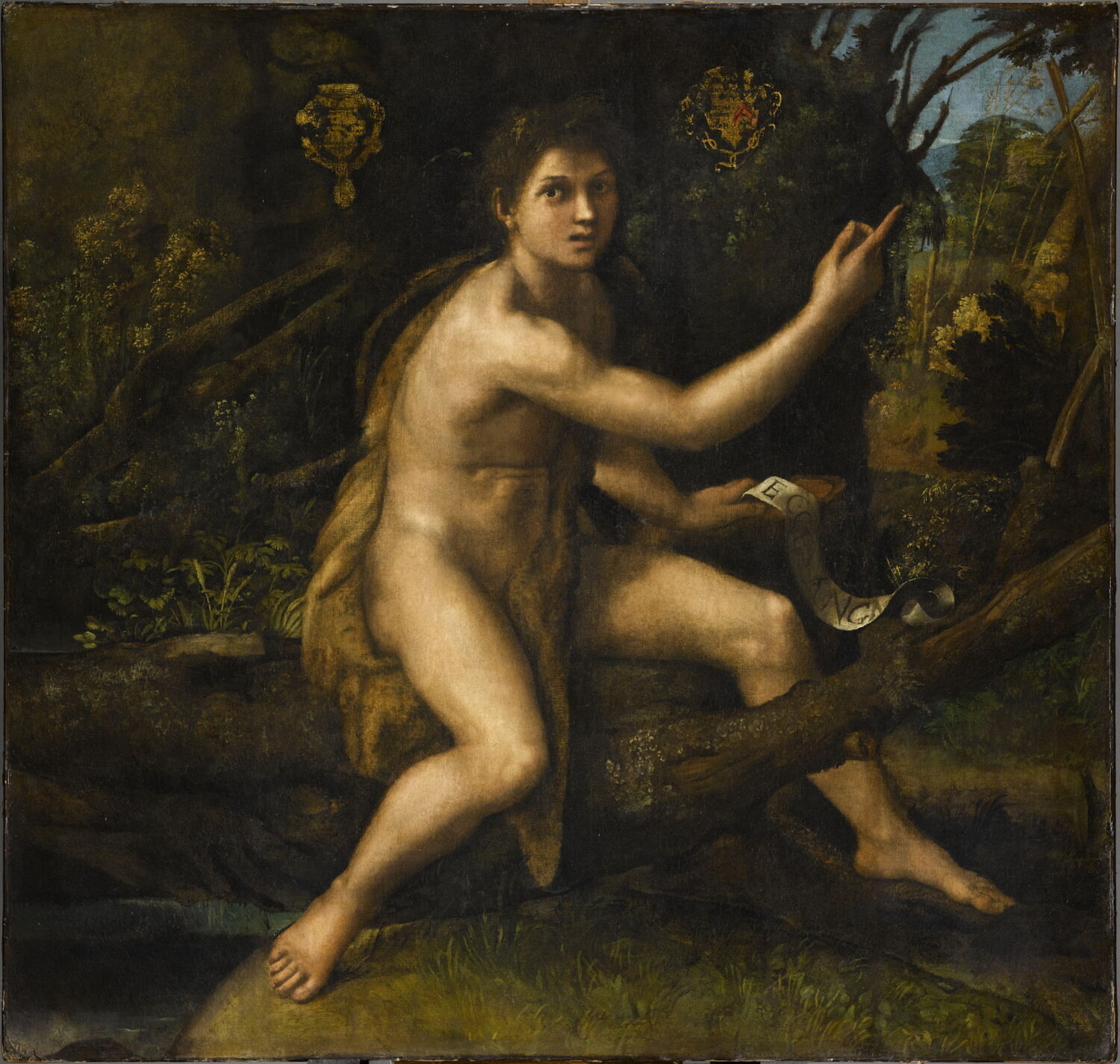
Bacchus est un tableau attribué à Léonard de Vinci ou à son atelier.
Actuellement conservé au musée du Louvre, à Paris, ce tableau aurait été peint entre 1517 et 1520 par un disciple de Léonard de Vinci, probablement issu de son atelier, comme Francesco Melzi, d'après une composition du maître. Parmi les peintres lombards auxquels a pu être attribuée cette œuvre, on peut citer aussi Cesare da Sesto, Marco d'Oggiono ou Cesare Bernazzano.
Lire plus
Dans l’inventaire des biens d'un autre élève de Léonard, Gian Giacomo Caprotti, dit Salaì, rédigé en 1525, sont listées des copies d’après des créations du maître, dont un tableau d’un « grand saint Jean » qui pourrait être une version de la composition du Saint Jean-Baptiste du musée du Louvre. Ce tableau est mentionné pour la première fois en 1625 par Cassiano dal Pozzo au Château de Fontainebleau, comme une œuvre de Léonard de Vinci. Mais après sa restauration en 2019, le musée du Louvre a attribué le tableau à Melzi, plutôt qu'à Salai, héritier des seuls tableaux de la main de Léonard, en rapprochant plusieurs détails, comme les fleurs de la prairie, le paysage en arrière plan ou le corps du saint, du Vertumne et Pomone de la Gemäldegalerie de Berlin, et en estimant qu'il aurait été peint plus tardivement, vers 1517-1520 pour François Ier.
Notice
- Numéro d’inventaire
- INV 780
Au catalogue
Sources
- Musée du Louvre
- Image : Musée du Louvre — © 2019 GrandPalaisRmn (musée du Louvre) / Michel Urtado
Dans la vie de Leonardo da Vinci
La vie entière1513–1516
Illness in Rome, perhaps a first stroke
In Rome Leonardo fell ill, in what may have been the first of several strokes that eventually led to his death.
19 December 1515
At the meeting of Francis I and Leo X in Bologna
Leonardo attended the meeting of King Francis I of France and Pope Leo X. For Francis he built a walking mechanical lion from whose chest a bouquet of lilies appeared; it may have greeted the king in Lyon or been used during the talks with the pope.
1516
Moves to France at the invitation of Francis I
Leonardo accepted the French king's invitation and settled at the Château du Clos Lucé near the royal Château d'Amboise. As First Painter, Engineer and Architect to the King he received an annual pension of a thousand écus.
c. 1517
His right hand goes numb
Two years before his death Leonardo's right hand went numb, and he could barely move about without help. He spent his third year in Amboise in bed.
23 April 1519
His will: Francesco Melzi the principal heir
Leonardo made his will. His principal heir was his pupil and friend Francesco Melzi, who took charge of the master's paintings, tools, library and papers; his pupil Salaì and a servant each received half of his vineyards.
2 mai 1519
Died

![Wreath of Laurel, Palm, and Juniper with a Scroll inscribed Virtutem Forma Decorat [reverse], Leonardo da Vinci, c. 1474/1478](https://api.nga.gov/iiif/ff62e8d0-45c4-498f-ad36-6358de827e04/full/!2400,2400/0/default.jpg)
![Ginevra de' Benci [obverse], Leonardo da Vinci, c. 1474/1478](https://api.nga.gov/iiif/8f29e3c9-a289-4d53-abf0-31a66e9e98fa/full/!2400,2400/0/default.jpg)