ART WIKI33 040 en salle
CarteCollectionArtistesMuséesExpositionsJournal
Connexion

ART WIKI

Où est accroché le chef-d’œuvre, et quand on vous laisse entrer.

Collections : Art Institute of Chicago, Cleveland Museum of Art, Galerie Tretiakov, Hirshhorn Museum and Sculpture Garden, J. Paul Getty Museum, Metropolitan Museum of Art, Minneapolis Institute of Art, Musée de l'Ermitage, Musée des Beaux-Arts Pouchkine, Musée du Louvre, musée national d'art asiatique, Musée russe, Musées d'Art de Harvard, Museum of Modern Art, National Gallery of Art, National Portrait Gallery, Rijksmuseum Amsterdam, Smithsonian American Art Museum, Statens Museum for Kunst, Victoria and Albert Museum, Villa Getty, Whitney Museum of American Art, Catalogue d’État du fonds muséal de Russie (274 musées), Europeana (19 musées), Wikidata (6 musées), Paris Musées (12 musées) et Joconde, la base des musées du ministère de la Culture (495 musées). Les images appartiennent à leurs ayants droit.

Rubriques

  • Carte
  • Recherche
  • Collection
  • Chefs-d’œuvre
  • Exposées en ce moment
  • Artistes

Et aussi

  • Musées et galeries
  • Expositions
  • Journal
  • D’où viennent les données
  • Confidentialité et cookies
AccueilCarteCatalogue
  1. Collection/
  2. Cleveland Museum of Art/
  3. La Loïe Fuller
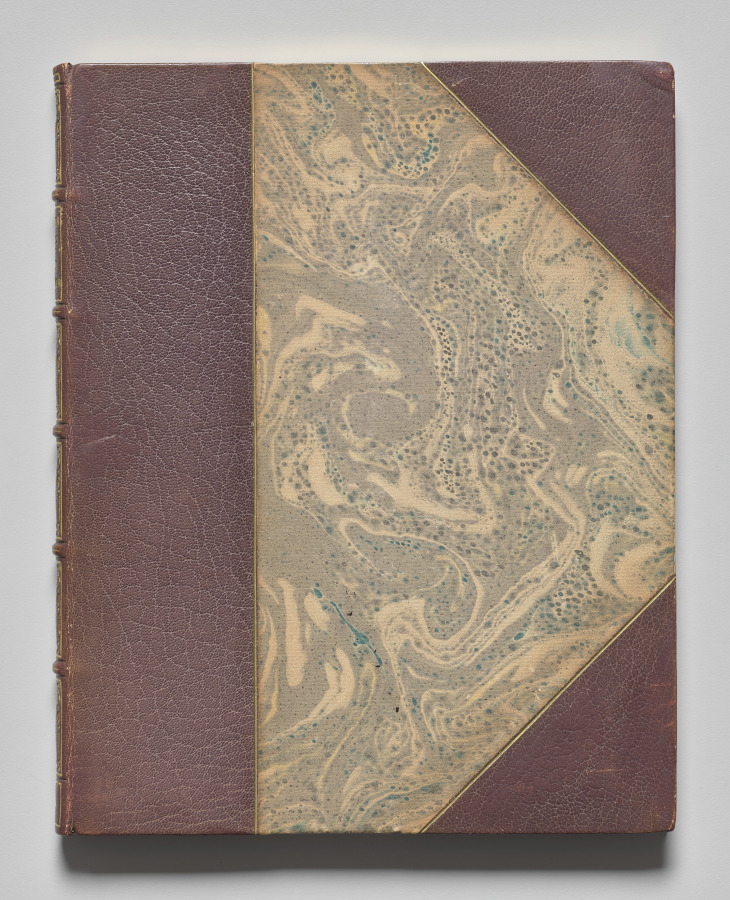
La Loïe Fuller, Pierre Roche, 1904
PPierre RocheFrance, 1855–1922

La Loïe Fuller

1904 · Bound Volume

Peut-on la contempler ?

Elle ne reçoit pas en ce moment

Cleveland Museum of Art

Cleveland, États-Unis

Elle appartient à la collection, mais n’est pas présentée en ce moment.

Vérifié
il y a 9 jours
Dans cet état depuis
19 août 2026
Source
Le musée
Sur la cartePage du musée

À propos du tableau

Although best known as a sculptor, Roche was a versatile and prolific artist who worked in many mediums. Loïe Fuller, the pioneer of modern dance who took Paris by storm in 1892, was one of his favorite subjects. He portrayed her in clay, bronze, marble, plaster, and in a series of gypsographs that illustrated an essay by the art critic Roger Marx. The book was described as "a precious monument to Loïe Fuller."
Cleveland Museum of Art

Notice

1904 · à 49 ans
18551922
Numéro d’inventaire
1995.54

Au catalogue

PeinturesPeinture françaiseImpressionnismeModernismeXXe siècleFrance, early 20th Century

Sources

  • Cleveland Museum of Art
  • Image : Cleveland Museum of Art — Museum open access

Autres œuvres : Pierre Roche

Toutes les œuvres
Notre Dame du Folgoet (Our Lady of Folgoet), Pierre Roche

Notre Dame du Folgoet (Our Lady of Folgoet)

Non exposée · National Gallery of Art

Saint Herve, Pierre Roche

Saint Herve

Non exposée · National Gallery of Art

Saint Euson, Pierre Roche

Saint Euson

Non exposée · National Gallery of Art

Sainte Azenor de Goelo, Pierre Roche

Sainte Azenor de Goelo

Non exposée · National Gallery of Art

Saint Guenole, Pierre Roche

Saint Guenole

Non exposée · National Gallery of Art

Saint Iltud, Pierre Roche

Saint Iltud

Non exposée · National Gallery of Art

Saint Brieuc, Pierre Roche

Saint Brieuc

Non exposée · National Gallery of Art

Saint Guenole, Pierre Roche

Saint Guenole

Non exposée · National Gallery of Art

Sous le même toit : Cleveland Museum of Art

Page du musée
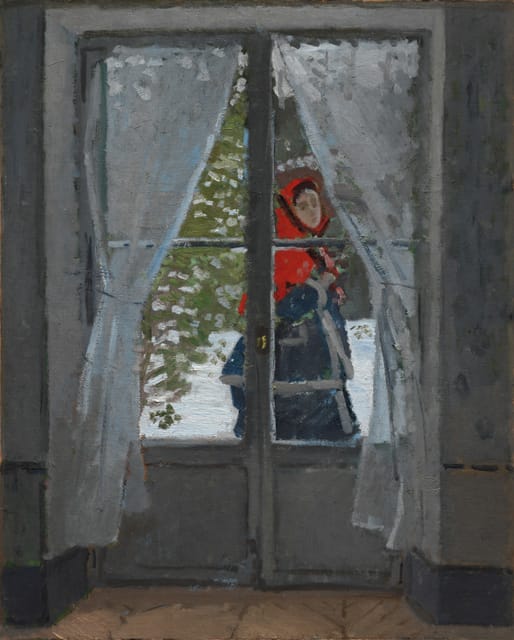
The Red Kerchief, Claude Monet, c. 1868–73

Claude Monet

The Red Kerchief, c. 1868–73

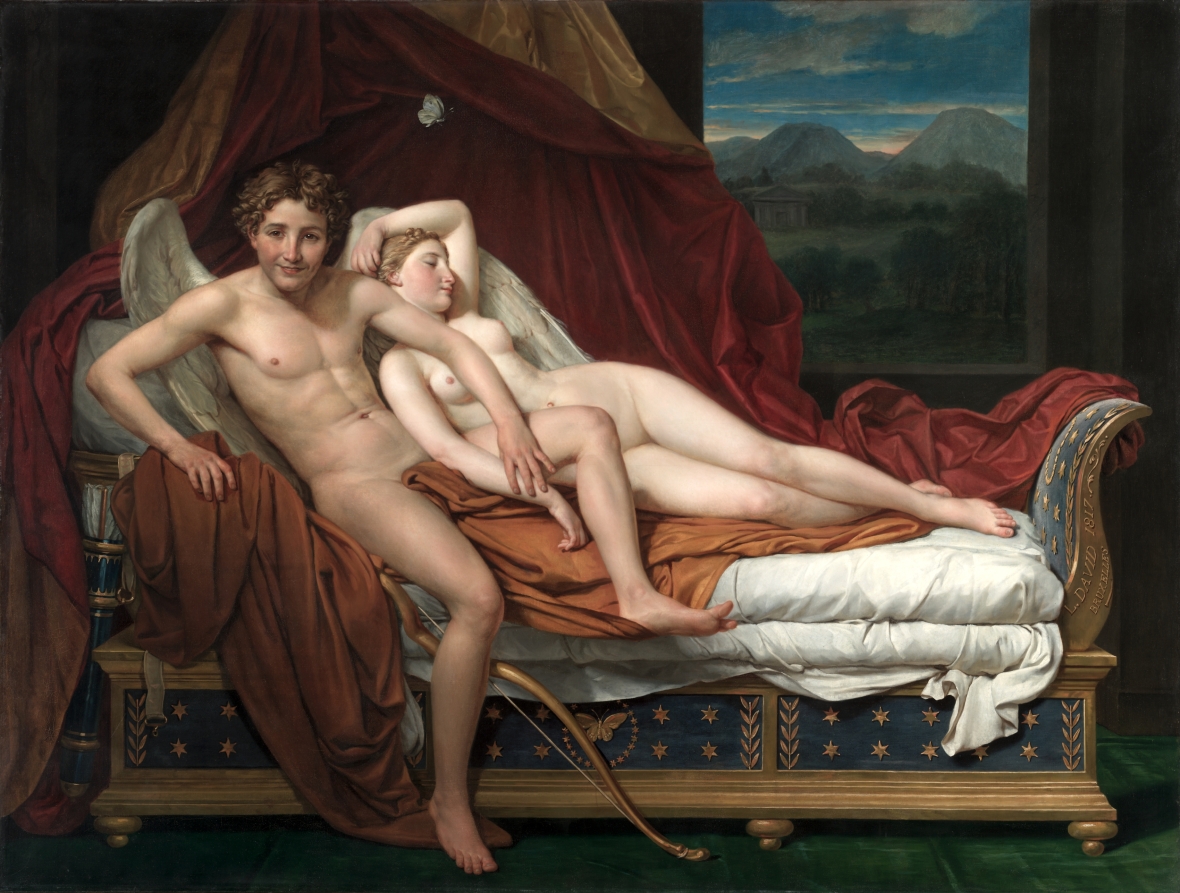
Cupid and Psyche, Jacques-Louis David, 1817

Jacques-Louis David

L'Amour et Psyché, 1817

Mars, Venus, and Eros, Marcantonio Raimondi possibly after Andrea Mantegna, 1508

Andrea Mantegna

Mars, Venus, and Eros, 1508

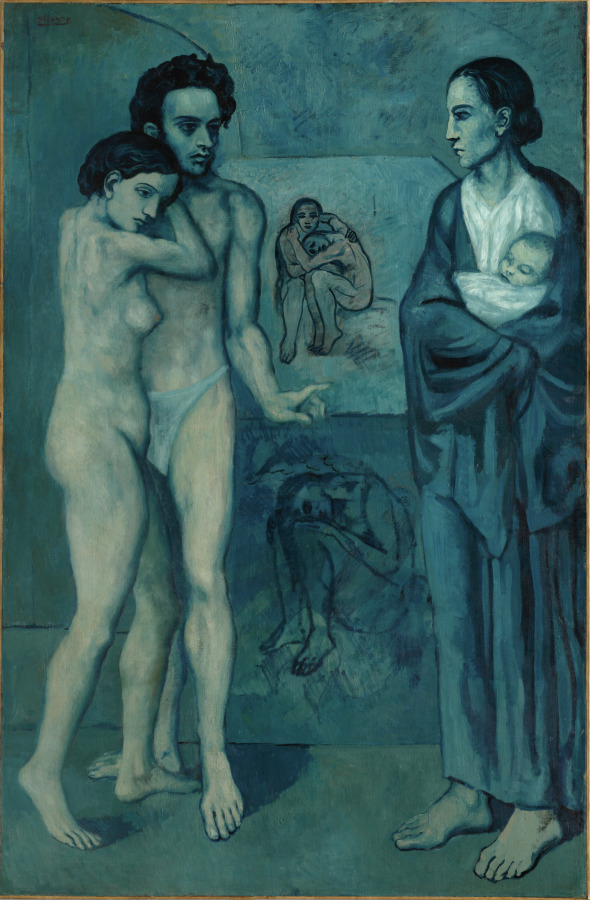
La Vie, Pablo Picasso, 1903

Pablo Picasso

La Vie, 1903

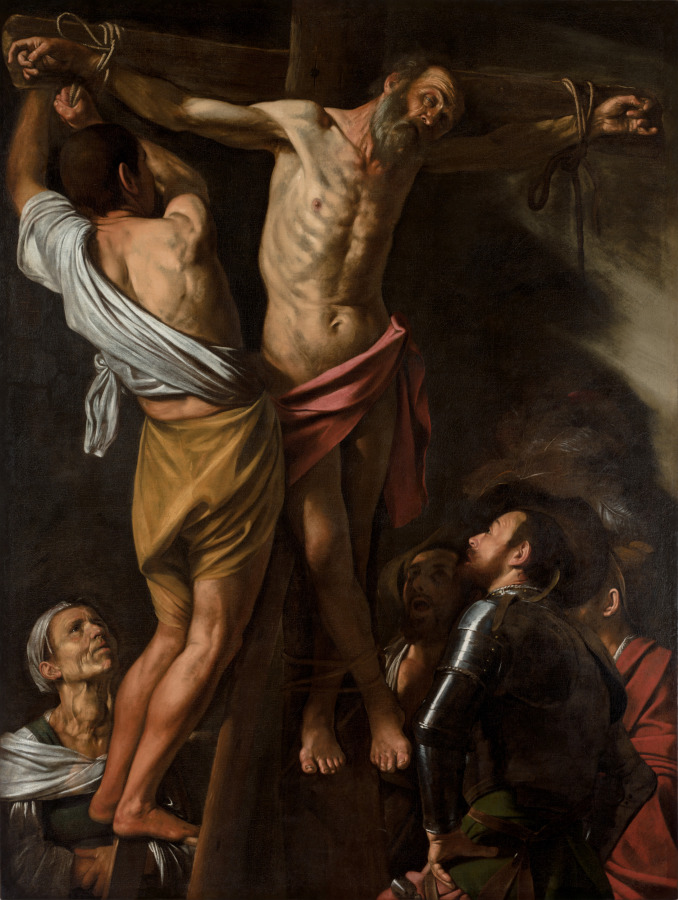
The Crucifixion of Saint Andrew, Caravaggio, 1606–7

Caravaggio

The Crucifixion of Saint Andrew, 1606–7

Stag at Sharkey's, George Bellows, 1909

George Bellows

Stag at Sharkey's, 1909

Twilight in the Wilderness, Frederic Edwin Church, 1860

Frederic Edwin Church

Twilight in the Wilderness, 1860

The Cleveland Apollo: Apollo Sauroktonos (Lizard-Slayer) or Apollo the Python-Slayer, Praxiteles, c. 350–200 BCE

Praxiteles

The Cleveland Apollo: Apollo Sauroktonos (Lizard-Slayer) or Apollo the Python-Slayer, c. 350–200 BCE