ART WIKI32 963 en salle
CarteCollectionArtistesMuséesExpositionsJournal
Connexion

ART WIKI

Où est accroché le chef-d’œuvre, et quand on vous laisse entrer.

Collections : Art Institute of Chicago, Cleveland Museum of Art, Galerie Tretiakov, Hirshhorn Museum and Sculpture Garden, J. Paul Getty Museum, Metropolitan Museum of Art, Minneapolis Institute of Art, Musée de l'Ermitage, Musée des Beaux-Arts Pouchkine, Musée du Louvre, musée national d'art asiatique, Musée russe, Musées d'Art de Harvard, Museum of Modern Art, National Gallery of Art, National Portrait Gallery, Rijksmuseum Amsterdam, Smithsonian American Art Museum, Statens Museum for Kunst, Victoria and Albert Museum, Villa Getty, Whitney Museum of American Art, Catalogue d’État du fonds muséal de Russie (274 musées), Europeana (19 musées), Wikidata (6 musées), Paris Musées (12 musées) et Joconde, la base des musées du ministère de la Culture (495 musées). Les images appartiennent à leurs ayants droit.

Rubriques

  • Carte
  • Recherche
  • Collection
  • Chefs-d’œuvre
  • Exposées en ce moment
  • Artistes

Et aussi

  • Musées et galeries
  • Expositions
  • Journal
  • D’où viennent les données
  • Confidentialité et cookies
AccueilCarteCatalogue
  1. Collection/
  2. Minneapolis Institute of Art/
  3. Judith Beheading Holofernes
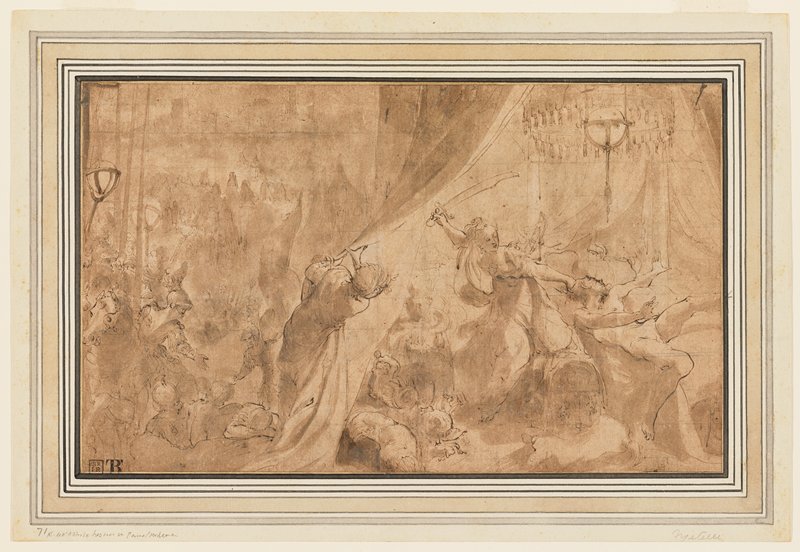
Judith Beheading Holofernes, Ludovico Carracci, c. 1583–85
Ludovico Carracci, portraitLudovico CarracciItalie, 1555–1619

Judith Beheading Holofernes

c. 1583–85 · Drawing · 23.5 × 39 cm

Peut-on la contempler ?

Elle ne reçoit pas en ce moment

Minneapolis Institute of Art

Minneapolis, États-Unis

Elle appartient à la collection, mais n’est pas présentée en ce moment.

Vérifié
il y a 3 jours
Dans cet état depuis
25 sept. 2026
Source
Le musée
Sur la cartePage du musée

À propos de l’œuvre

Ludovico Carracci’s exceptional gifts as a storyteller are displayed in this depiction of the Jewish heroine Judith, who saved a city besieged by the Assyrians. Sneaking behind enemy lines, she feigned loyalty to Holofernes, the Assyrian general, and he became enamored of her. After a banquet, when he was weak with drink, she beheaded him.

Lire la suite

Like David with Goliath, Judith was commonly shown triumphantly holding the victim’s severed head. Yet there was also a tradition of representing the moment before the slaying, as Ludovico has done: Holofernes, naked and struggling, and Judith, sword raised, gripping his hair to steady his head. In a novel twist, Ludovico added suspense by having Judith’s maid discovering the assassination along with the viewer. Emerging from the darkness, she pulls back the tent curtain to expose the horrific scene within. Ludovico used various compositional devices to dramatize the moment. The diagonal line of the curtain creates movement and tension, enhanced by an intersecting diagonal thrust extending across Holofernes’ muscular body to Judith’s arms. The shimmering wash, which casts half the scene in darkness, adds mystery and excitement.

Minneapolis Institute of Art

Notice

c. 1583–85
15551619
Numéro d’inventaire
2012.58.15

Au catalogue

Dessins et aquarellesPlumeRenaissanceXVIe siècleItalie

Sources

  • Minneapolis Institute of Art
  • Image : Minneapolis Institute of Art — public domain

Autres œuvres : Ludovico Carracci

Toutes les œuvres
Madonna with Child, St Anthony, St Lawrence, St Elizabeth, St John the Baptist and St Barbara (St Catherine ?), Ludovico Carracci

Madonna with Child, St Anthony, St Lawrence, St Elizabeth, St John the Baptist and St Barbara (St Catherine ?)

Musée de l'Ermitage

La Vierge et l'Enfant, Carrache, Ludovic, Fin du XVIe siècle - début du XVIIè siècle (1575 - 1625)

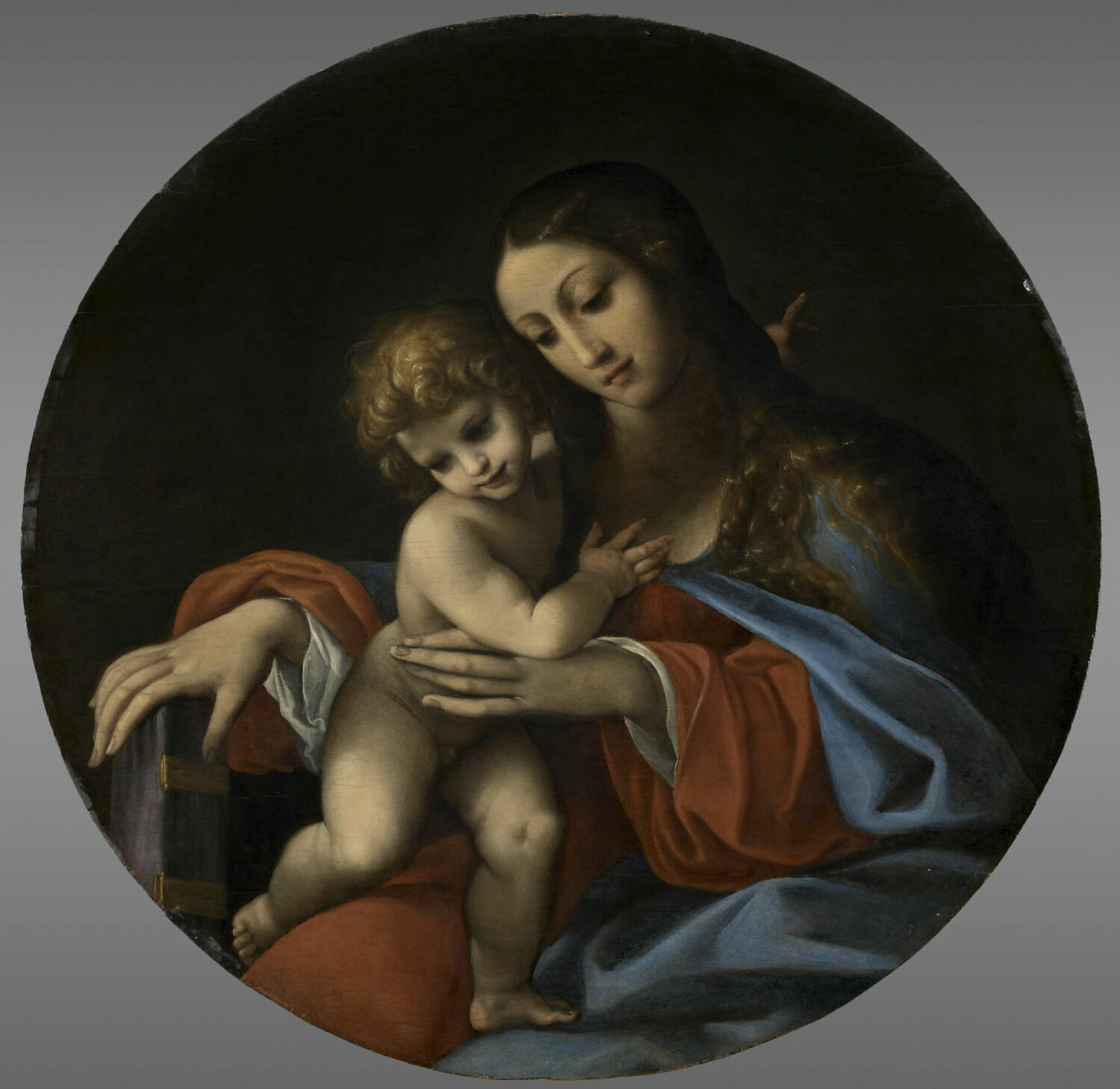
La Vierge et l'Enfant

Fin du XVIe siècle - début du XVIIè siècle (1575 - 1625) · Musée du Louvre

The Lamentation, Ludovico Carracci, ca. 1582

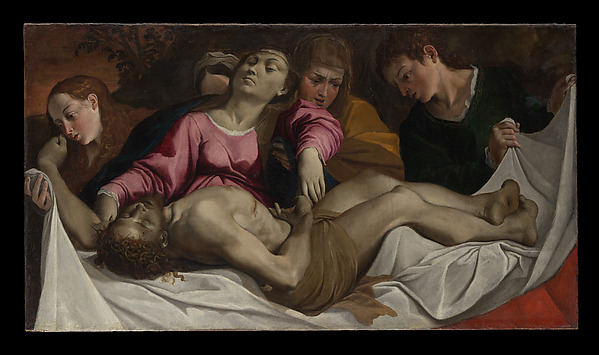
The Lamentation

ca. 1582 · Metropolitan Museum of Art

Het visioen van de heilige Franciscus van Assisi, Ludovico Carracci, 1583 - 1585

Het visioen van de heilige Franciscus van Assisi

1583 - 1585 · Rijksmuseum Amsterdam

L'Apparition de la Vierge et de l'Enfant Jésus à saint Hyacinthe, Carrache, Ludovic, 4e quart du XVIe siècle (1594)

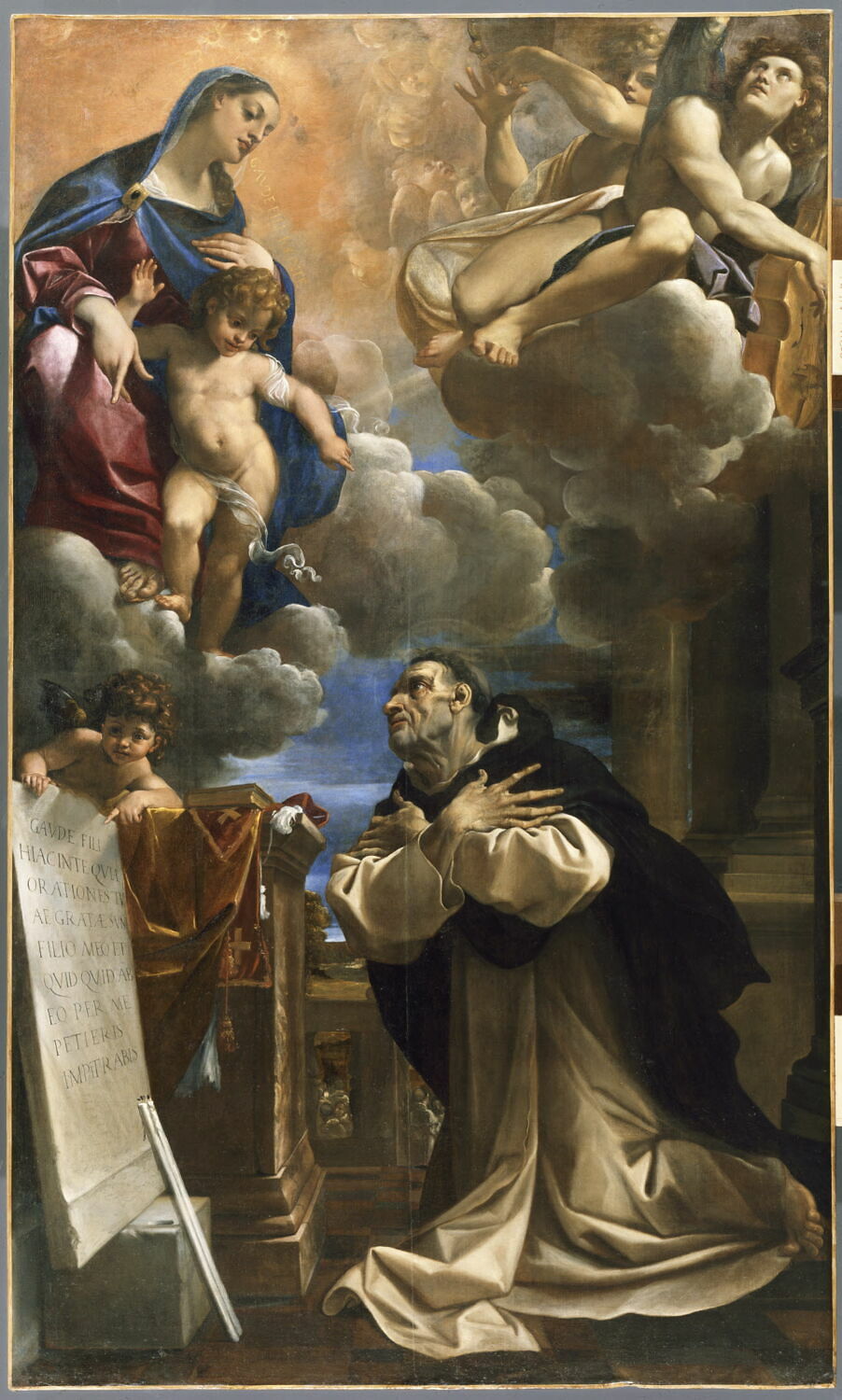
L'Apparition de la Vierge et de l'Enfant Jésus à saint Hyacinthe

4e quart du XVIe siècle (1594) · Musée du Louvre

Madonna and Child with Saints, Ludovico Carracci, 1607

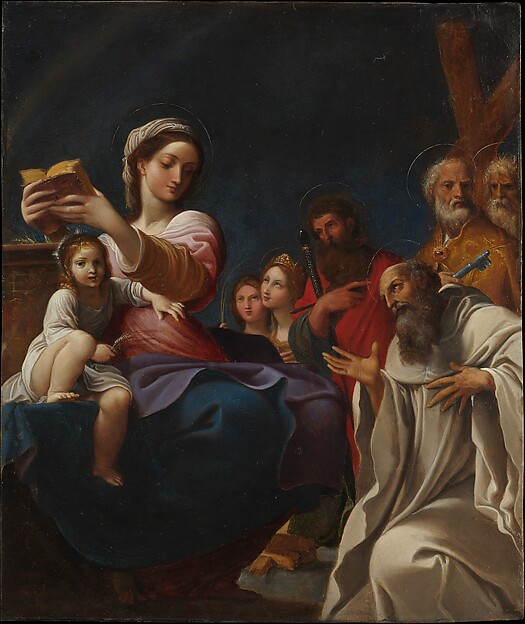
Madonna and Child with Saints

1607 · Metropolitan Museum of Art

Saint Sebastian Thrown into the Cloaca Maxima, Ludovico Carracci, 1612

Saint Sebastian Thrown into the Cloaca Maxima

1612 · J. Paul Getty Museum

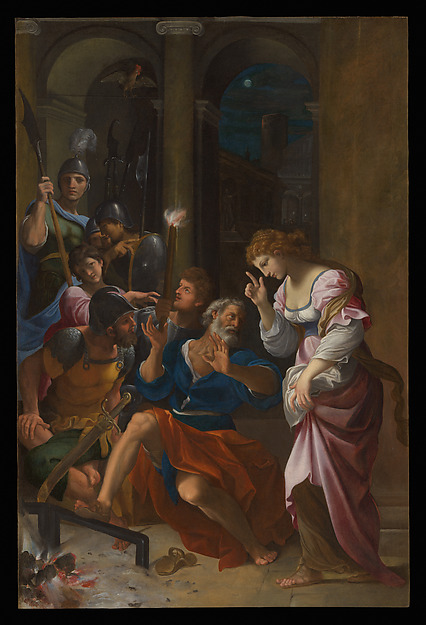
The Denial of Saint Peter, Ludovico Carracci, ca. 1616

The Denial of Saint Peter

ca. 1616 · Metropolitan Museum of Art

Sous le même toit : Minneapolis Institute of Art

Page du musée
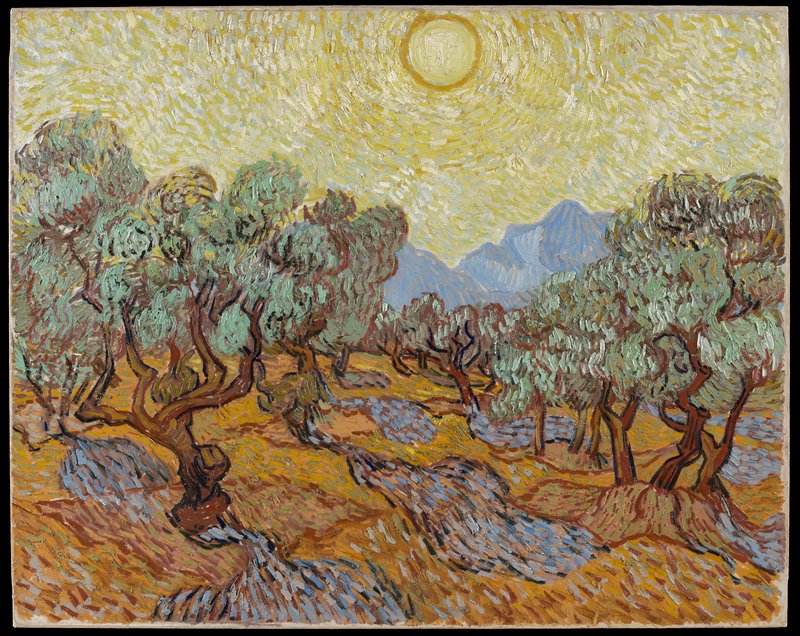
Olive Trees, Vincent van Gogh, 1889

Vincent van Gogh

Olive Trees, 1889

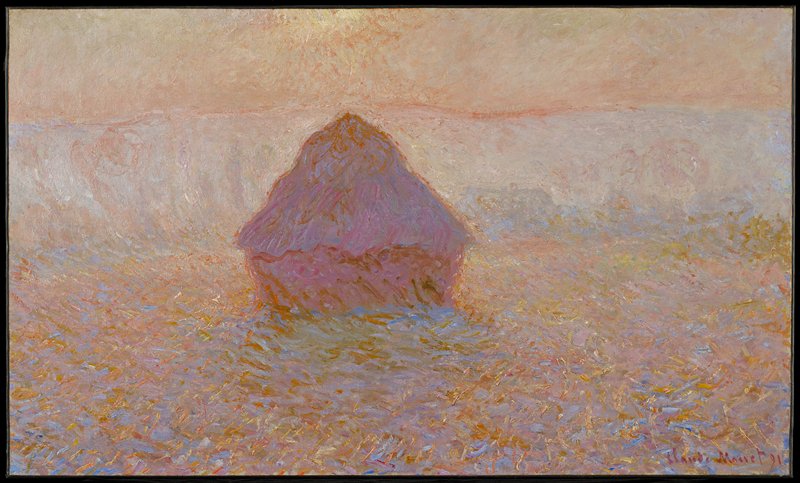
Grainstack, Sun in the Mist, Claude Monet, 1891

Claude Monet

Grainstack, Sun in the Mist, 1891

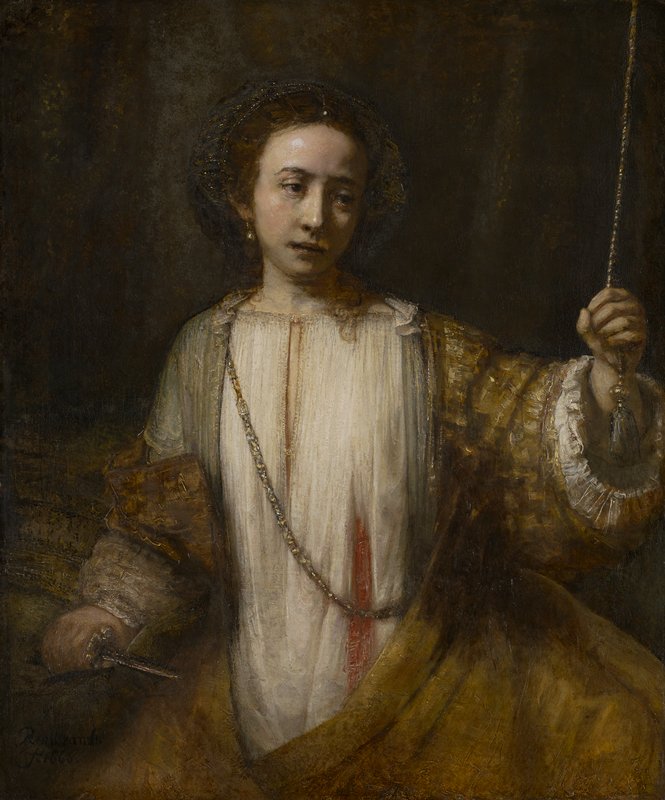
Lucretia, Rembrandt van Rijn, 1666

Rembrandt van Rijn

Lucretia, 1666

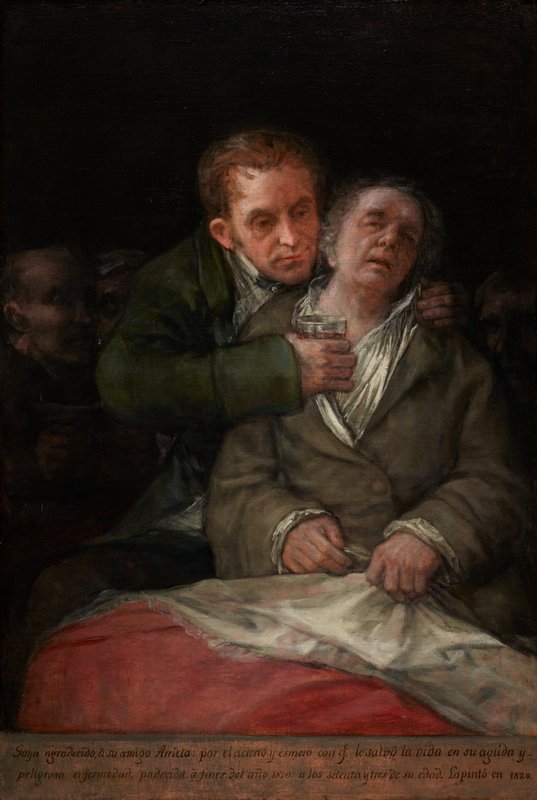
Self-Portrait with Dr. Arrieta, Francisco José de Goya y Lucientes, 1820

Francisco de Goya

Goya et son médecin, 1820

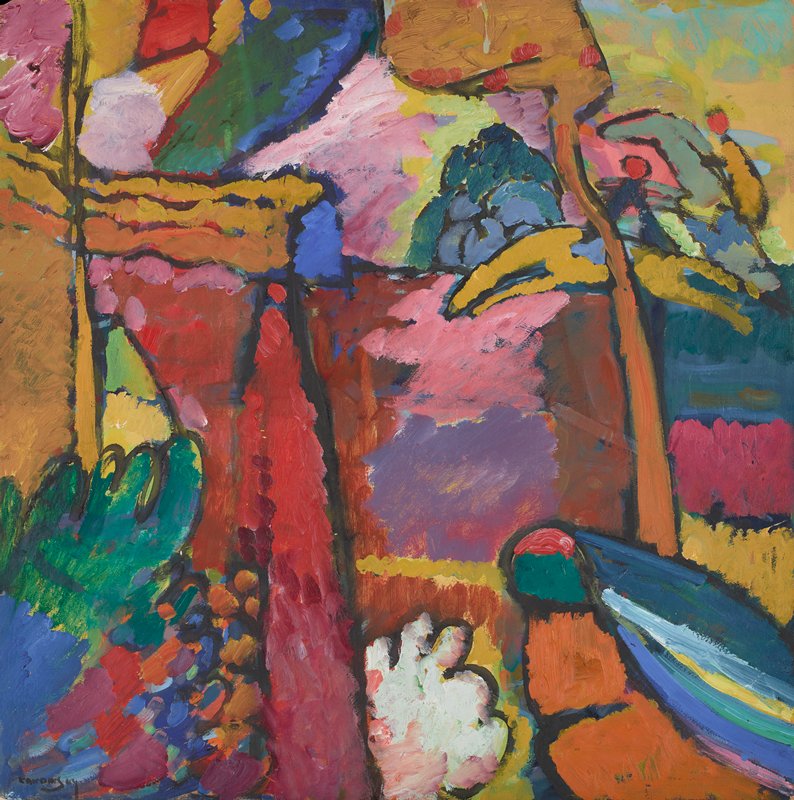
Study for Improvisation V, Vassily Kandinsky, 1910

Vasily Kandinsky

Study for Improvisation V, 1910

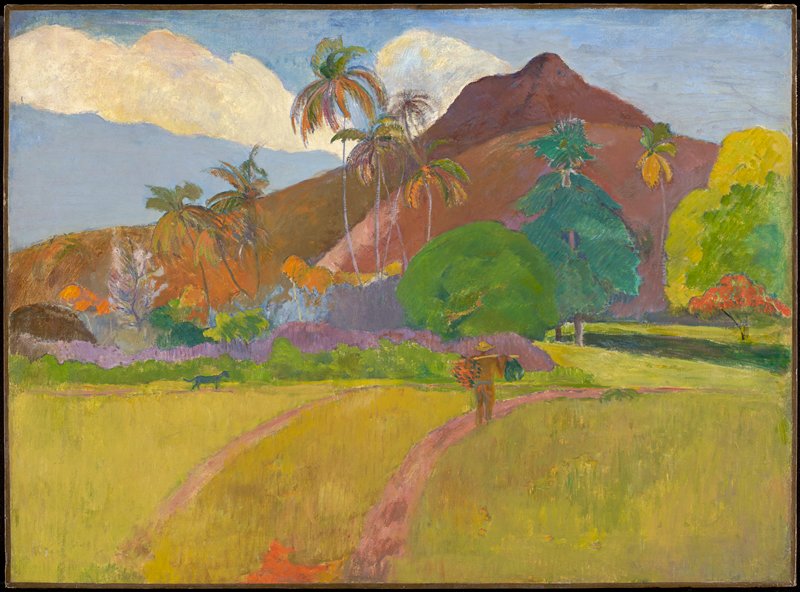
Tahitian Landscape, Paul Gauguin, 1891

Paul Gauguin

Tahitian Landscape, 1891

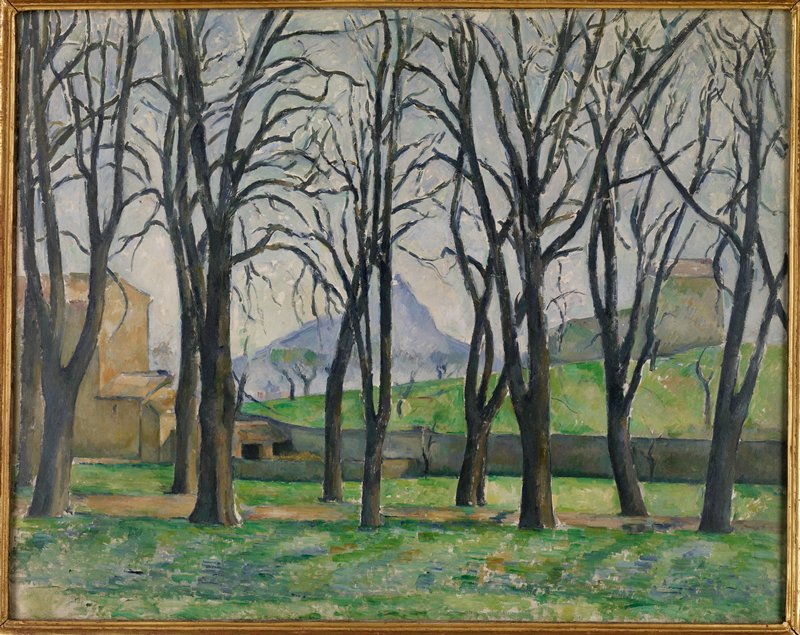
Chestnut Trees at Jas de Bouffan, Paul Cézanne, c. 1885–86

Paul Cézanne

Chestnut Trees at Jas de Bouffan, c. 1885–86

The Union of England and Scotland (Charles I as the Prince of Wales), Peter Paul Rubens, 1633–34

Peter Paul Rubens

The Union of England and Scotland (Charles I as the Prince of Wales), 1633–34