ART WIKI33 040 en salle
CarteCollectionArtistesMuséesExpositionsJournal
Connexion

ART WIKI

Où est accroché le chef-d’œuvre, et quand on vous laisse entrer.

Collections : Art Institute of Chicago, Cleveland Museum of Art, Galerie Tretiakov, Hirshhorn Museum and Sculpture Garden, J. Paul Getty Museum, Metropolitan Museum of Art, Minneapolis Institute of Art, Musée de l'Ermitage, Musée des Beaux-Arts Pouchkine, Musée du Louvre, musée national d'art asiatique, Musée russe, Musées d'Art de Harvard, Museum of Modern Art, National Gallery of Art, National Portrait Gallery, Rijksmuseum Amsterdam, Smithsonian American Art Museum, Statens Museum for Kunst, Victoria and Albert Museum, Villa Getty, Whitney Museum of American Art, Catalogue d’État du fonds muséal de Russie (274 musées), Europeana (19 musées), Wikidata (6 musées), Paris Musées (12 musées) et Joconde, la base des musées du ministère de la Culture (495 musées). Les images appartiennent à leurs ayants droit.

Rubriques

  • Carte
  • Recherche
  • Collection
  • Chefs-d’œuvre
  • Exposées en ce moment
  • Artistes

Et aussi

  • Musées et galeries
  • Expositions
  • Journal
  • D’où viennent les données
  • Confidentialité et cookies
AccueilCarteCatalogue
  1. Collection/
  2. Art Institute of Chicago/
  3. Cotton Pickers
Cotton Pickers, Thomas Hart Benton, 1945
Thomas Hart Benton, portraitThomas Hart BentonÉtats-Unis, 1889–1975

Cotton Pickers

1945 · Painting

À propos du tableau

Thomas Hart Benton first saw laborers cultivating cotton on a trip to Georgia in the late 1920s, and he returned to the subject in this painting in 1945. In Cotton Pickers, the artist rendered the figures with a sinuous, curvilinear style to articulate the exertion of their movement along the landscape. Cotton sharecropping, a system of tenant farming that developed after the Civil War, allowed landowners to rent land to poor farmers in return for a portion of the crops. Because the practice kept agricultural workers impoverished, it became a symbol of a racially and economically unjust system. Benton’s vision of modernism was firmly rooted in figuration. He often explored themes of US history, centering African Americans in those shared narratives.

Art Institute of Chicago · CC BY 4.0

Notice

1945 · à 56 ans
18891975
Numéro d’inventaire
2013.4

Pendant ce temps, chez Thomas Hart Benton

La vie entière
  1. 1929–1974

    92 lithographs, 1929–1974

    From 1929 to 1974 Benton produces 92 lithographs in editions ranging from 2 to 500; the signed, limited-edition lithographs are sold at five dollars each through the Associated American Artists Galleries in New York.

  2. 1939–1944

    Illustrates Twain and Steinbeck

    Creates illustrations for Mark Twain's “Tom Sawyer” (1939), John Steinbeck's “The Grapes of Wrath” (1940), Twain's “Huckleberry Finn” (1941) and “Life on the Mississippi” (1944).

  3. 1944

    In the film series “Passing Parade”

    Appears in an episode of John Nesbit's Passing Parade titled “Grandpa Called It Art”, which shows several contemporary artists at work; Benton demonstrates his process for the camera, from obtaining a farmer's permission to sketch his farm through making a three-dimensional model of the scene to the final painting.

  4. after 1945

    Regionalism falls from favor

    After the war Regionalism falls from favor, eclipsed by the rise of Abstract Expressionism; Benton remains active for another 30 years, but his work contains less contemporary social commentary and portrays pre-industrial farmlands.

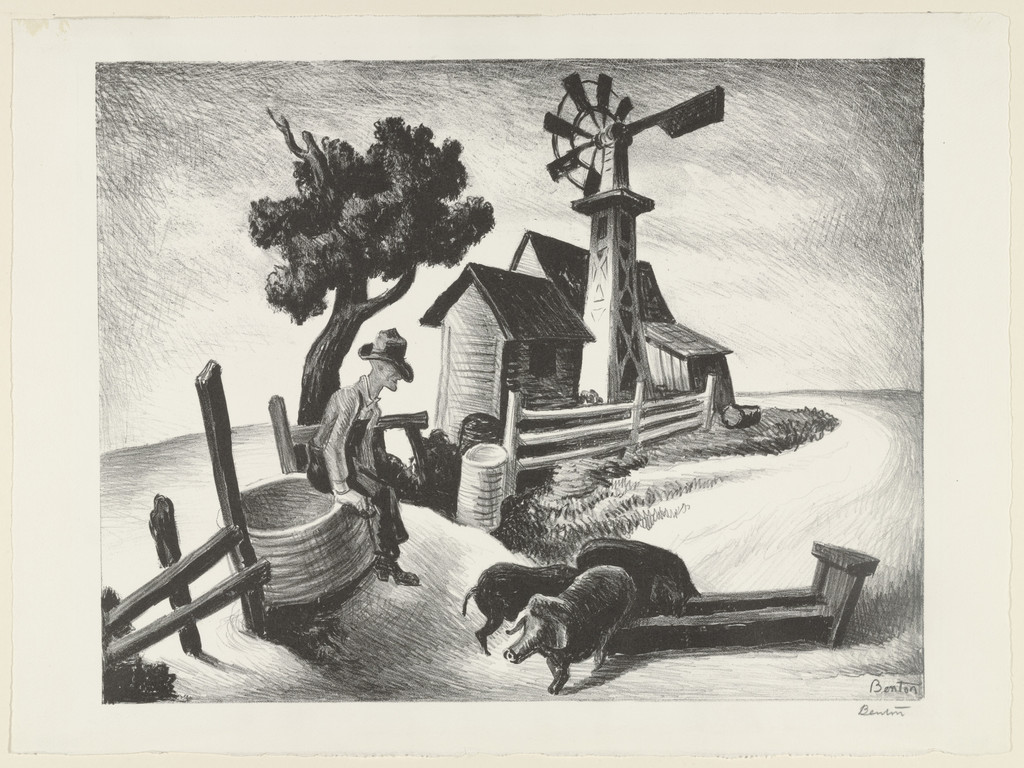
Autres œuvres : Thomas Hart Benton

Toutes les œuvres

Dans la même salle · Gallery 263, Art Institute of Chicago

Page du musée

Sur le même thème · People

Toutes les œuvres sur ce thème

Peut-on la contempler ?

Oui, elle reçoit

Art Institute of Chicago

Chicago, États-Unis

Salle263

Présentée au public. Qui s’en porte garant est indiqué ci-dessous.

Vérifié
il y a 9 jours
Dans cet état depuis
19 août 2026
Source
Le musée
Sur la cartePage du musée

Ce qu’elle montre

PeopleFarm lifePortrait

Au catalogue

PeinturesHuilePeinture américaineArt d’après-guerreXXe siècleModernismeÉtats-Unis

Sources

  • Art Institute of Chicago
  • Image : Art Institute of Chicago — © the artist or rights holder
Martha's Vineyard, Thomas Hart Benton, c. 1925

Martha's Vineyard

c. 1925 · National Gallery of Art

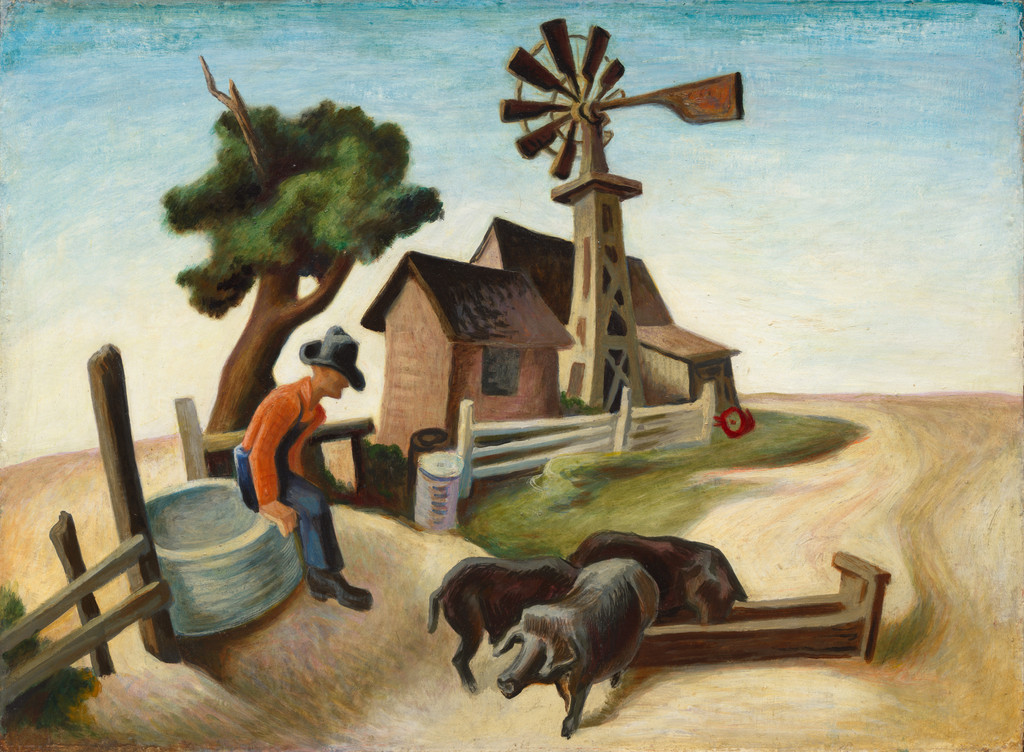
Homestead, Thomas Hart Benton, 1938

Homestead

1938 · Museum of Modern Art

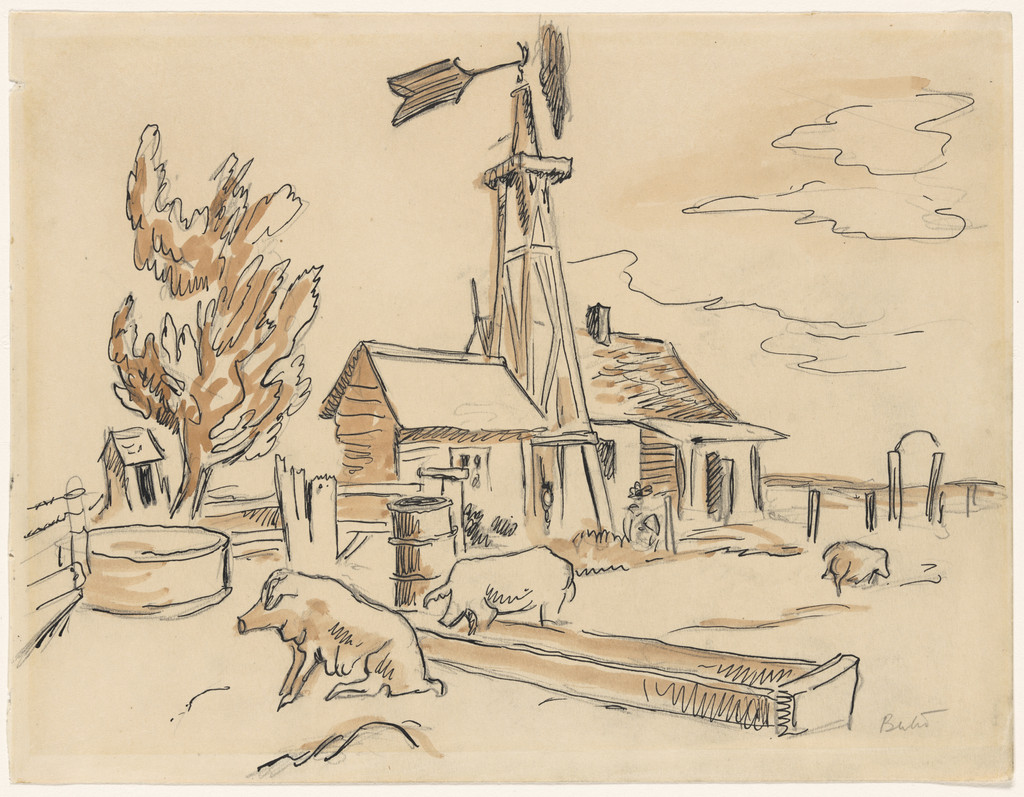
Study for Homestead, Thomas Hart Benton, 1928-1930

Study for Homestead

1928-1930 · Non exposée · Museum of Modern Art

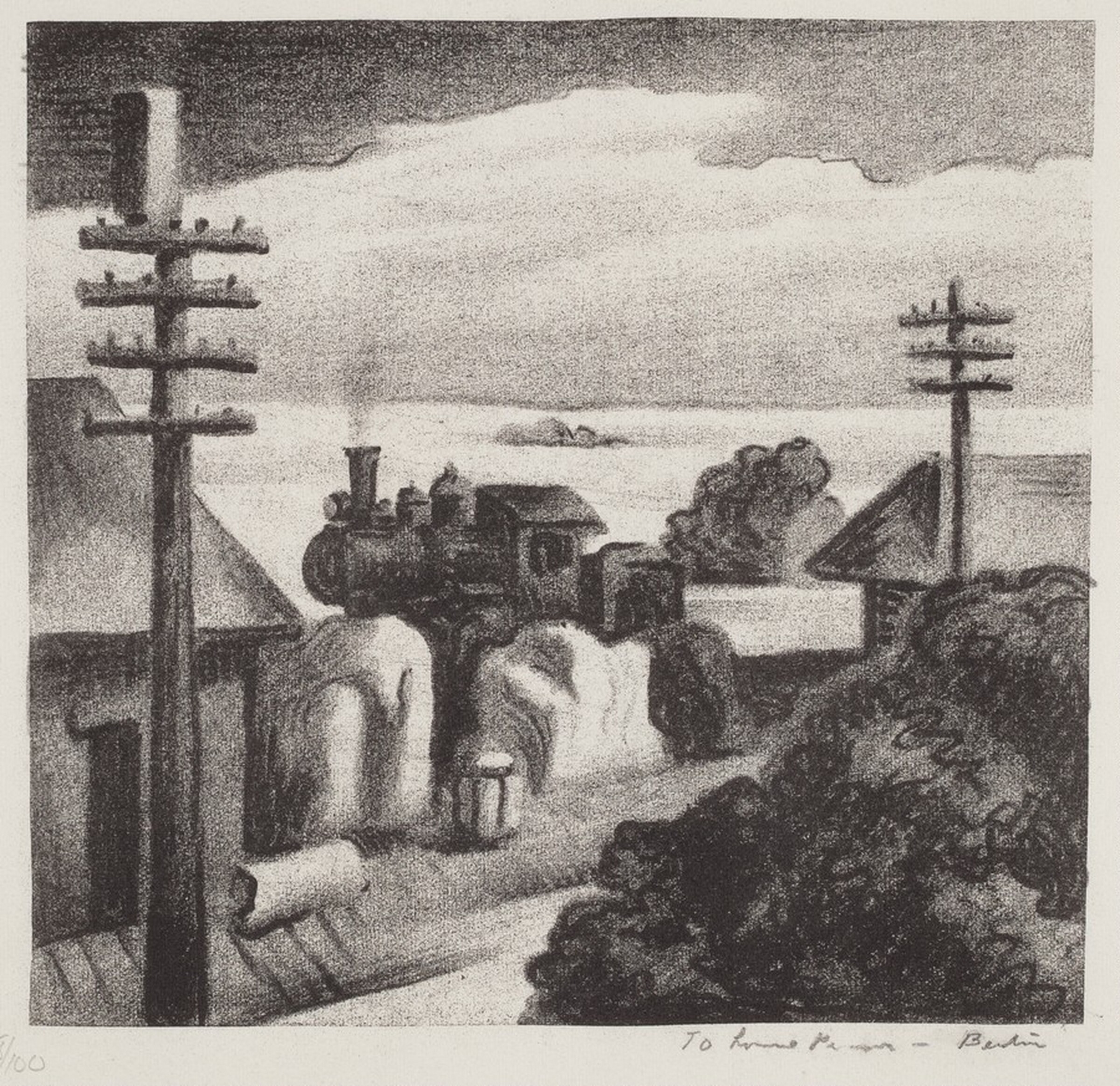
The Station, Thomas Hart Benton, 1929

The Station

1929 · Non exposée · National Gallery of Art

Plowing it Under, Thomas Hart Benton, 1934

Plowing it Under

1934 · Non exposée · National Gallery of Art

Going West, Thomas Hart Benton, 1934

Going West

1934 · Non exposée · National Gallery of Art

Homestead, Thomas Hart Benton, 1934

Homestead

1934 · Non exposée · Museum of Modern Art

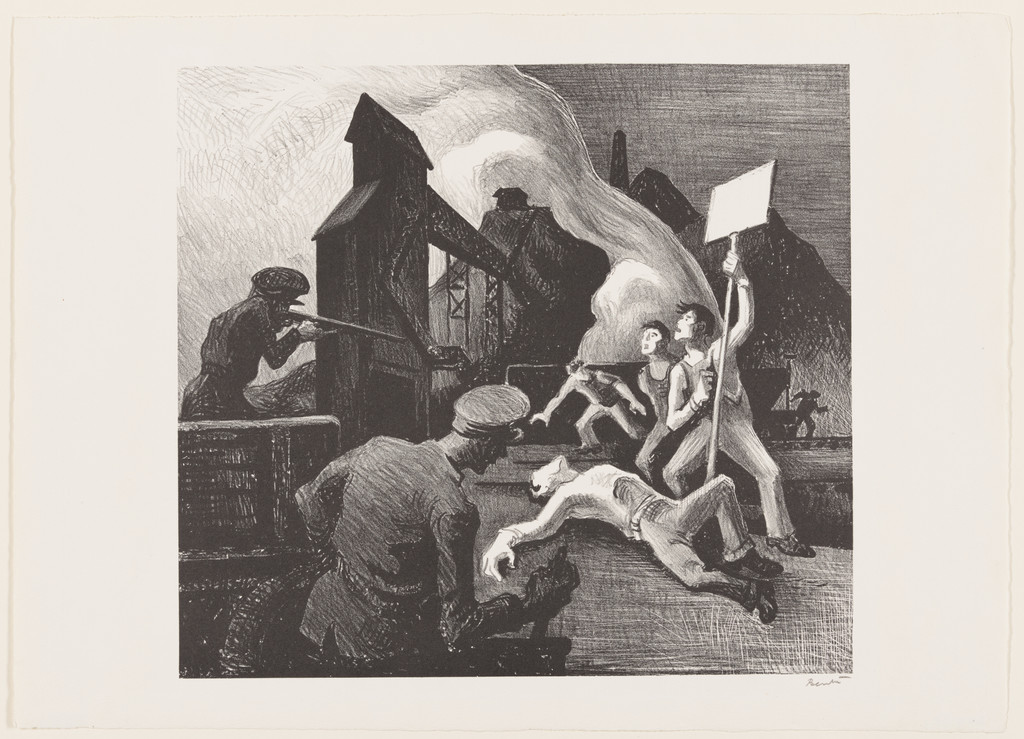
Mine Strike from The American Scene, no. 2, Thomas Hart Benton, 1936

Mine Strike from The American Scene, no. 2

1936 · Non exposée · Museum of Modern Art

American Gothic, Grant Wood, 1930

Grant Wood

American Gothic, 1930

Picture of Dorian Gray, Ivan Albright, 1943–44

Ivan Albright

Picture of Dorian Gray, 1943–44

The Room No. VI, Eldzier Cortor, 1948

Eldzier Cortor

The Room No. VI, 1948

The Wedding, Jacob Lawrence, 1948

Jacob Lawrence

The Wedding, 1948

Weaving, Diego Rivera, 1936

Diego Rivera

Weaving, 1936

Train Station, Walter Ellison, 1935

Walter Ellison

Train Station, 1935

Zapata, José Clemente Orozco, 1930

José Clemente Orozco

Zapata, 1930

Head, Fang, Mid–late 19th century

Fang

Head, Mid–late 19th century

American Gothic, Grant Wood, 1930

Grant Wood

American Gothic, 1930

Art Institute of Chicago

Nighthawks, Edward Hopper, 1942

Edward Hopper

Nighthawks, 1942

Art Institute of Chicago

Figure with Meat, Francis Bacon, 1954

Francis Bacon

Figure with Meat, 1954

Art Institute of Chicago

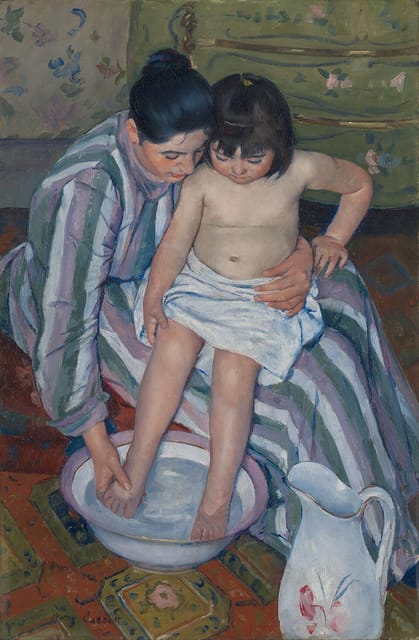
The Child's Bath, Mary Cassatt, 1893

Mary Cassatt

Le Bain, 1893

Art Institute of Chicago

American Collectors (Fred and Marcia Weisman), David Hockney, 1968

David Hockney

American Collectors (Fred and Marcia Weisman), 1968

Art Institute of Chicago

The Advance-Guard, or The Military Sacrifice (The Ambush), Frederic Remington, 1890

Frederic Remington

The Advance-Guard, or The Military Sacrifice (The Ambush), 1890

Non exposée · Art Institute of Chicago

The Fountain, Villa Torlonia, Frascati, Italy, John Singer Sargent, 1907

John Singer Sargent

The Fountain, Villa Torlonia, Frascati, Italy, 1907

Art Institute of Chicago

Arrangement in Flesh Color and Brown: Portrait of Arthur Jerome Eddy, James McNeill Whistler, 1894

James Abbott McNeill Whistler

Arrangement in Flesh Color and Brown: Portrait of Arthur Jerome Eddy, 1894

Non exposée · Art Institute of Chicago