ART WIKI32 963 en salle
CarteCollectionArtistesMuséesExpositionsJournal
Connexion

ART WIKI

Où est accroché le chef-d’œuvre, et quand on vous laisse entrer.

Collections : Art Institute of Chicago, Cleveland Museum of Art, Galerie Tretiakov, Hirshhorn Museum and Sculpture Garden, J. Paul Getty Museum, Metropolitan Museum of Art, Minneapolis Institute of Art, Musée de l'Ermitage, Musée des Beaux-Arts Pouchkine, Musée du Louvre, musée national d'art asiatique, Musée russe, Musées d'Art de Harvard, Museum of Modern Art, National Gallery of Art, National Portrait Gallery, Rijksmuseum Amsterdam, Smithsonian American Art Museum, Statens Museum for Kunst, Victoria and Albert Museum, Villa Getty, Whitney Museum of American Art, Catalogue d’État du fonds muséal de Russie (274 musées), Europeana (19 musées), Wikidata (6 musées), Paris Musées (12 musées) et Joconde, la base des musées du ministère de la Culture (495 musées). Les images appartiennent à leurs ayants droit.

Rubriques

  • Carte
  • Recherche
  • Collection
  • Chefs-d’œuvre
  • Exposées en ce moment
  • Artistes

Et aussi

  • Musées et galeries
  • Expositions
  • Journal
  • D’où viennent les données
  • Confidentialité et cookies
AccueilCarteCatalogue
  1. Collection/
  2. Minneapolis Institute of Art/
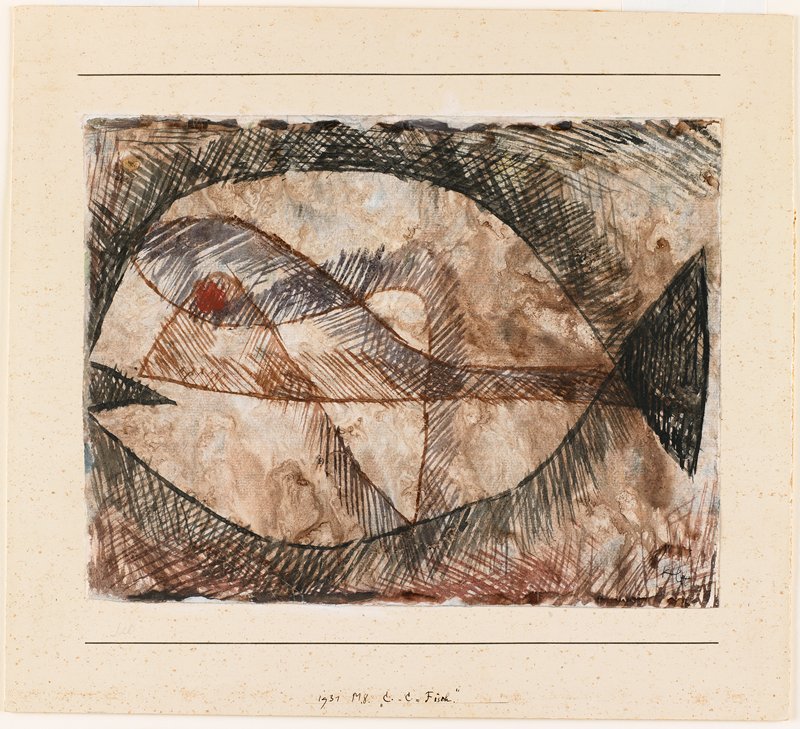
  3. C. - C. = Fisch
C. - C. = Fisch, Paul Klee, 1931
Paul Klee, portraitPaul KleeAllemagne, 1879–1940

C. - C. = Fisch

1931 · Drawing · 23.18 × 31.43 cm

Peut-on la contempler ?

Elle ne reçoit pas en ce moment

Minneapolis Institute of Art

Minneapolis, États-Unis

Elle appartient à la collection, mais n’est pas présentée en ce moment.

Vérifié
il y a 3 jours
Dans cet état depuis
25 sept. 2026
Source
Le musée
Sur la cartePage du musée

À propos de l’œuvre

With the title C. - C. = Fisch, Paul Klee emphasizes the creative process at the heart of his drawing. According to the equation, Klee subtracted one letter C from another to form the fish's body, with the extended intersection of the two mirrored Cs defining the tail fin. The fish's eye and lateral fin can be discerned among a tangle of expressive, freely-drawn lines that also suggest a sense of motion, as if the fish is swimming forward. Throughout the compostion, Klee emphasizes the basic geometric elements of shape and line that are characteristic of much of his work, while reminding us that the artmaking process itself is the essential part of the picture. The notation S.cl on the mount of the drawing means Sonderclasse, or Special class in English. It was inscribed by Klee to identify those works he especially liked.

Minneapolis Institute of Art

Notice

1931 · à 52 ans
18791940
Numéro d’inventaire
77.41

Au catalogue

Dessins et aquarellesAquarelleModernismeXXe siècleSuisse

Sources

  • Minneapolis Institute of Art
  • Image : Minneapolis Institute of Art — © Minneapolis Institute of Art

Pendant ce temps, chez Paul Klee

La vie entière
  1. 1921–1931

    The preliminary course on the “theory of form”

    Klee developed a preliminary course in the “theory of form” that began with the “point as the beginning of all beginnings”, moving through space, and the “cosmic egg” from which line, spiral, square, circle and cube are born. Students listened to lectures illustrated with Klee’s own abstract watercolours and then painted their own, trying to express movement, balance, flight and tension.

  2. 1928–1929

    A journey to Egypt

    Egypt impressed Klee less than Tunisia, yet in the desert he felt an almost mystical bond with the land: he was drawn to the proportions of the ancient funerary monuments and to the esoteric numerology by which they were built. His later “Ad Parnassum” was influenced by the trip.

  3. 1931

    Leaving the Bauhaus for the Düsseldorf Academy

    Teaching at the Bauhaus shifted ever more from painting towards an architectural aesthetic, which no longer suited Klee: in 1931 he gave up his post there and became a professor at the Düsseldorf Academy of Art.

  4. 1933

    Nazi harassment, a house search and dismissal

    When the Nazis came to power a campaign of persecution was launched against Klee: the press called him a “typical Galician Jew”, his flat in Dessau was searched, and in Düsseldorf he was barred from work until he produced documents proving Aryan descent. He was forced to give up his professorship.

  5. late 1933

    Emigration to Switzerland

    At the end of 1933, at his wife’s insistence, Klee left Germany and returned to Bern. He applied for Swiss citizenship, but a positive answer came only after his death.

  6. 1933–1934

    Shows in London and Paris, and a meeting with Picasso

    In 1933–34 Klee had shows in London and Paris and finally met Pablo Picasso, whom he greatly admired.

Autres œuvres : Paul Klee

Toutes les œuvres
New House in the Suburbs, Paul Klee, 1924

New House in the Suburbs

1924 · National Gallery of Art

May Picture, Paul Klee, 1925

May Picture

1925 · Metropolitan Museum of Art

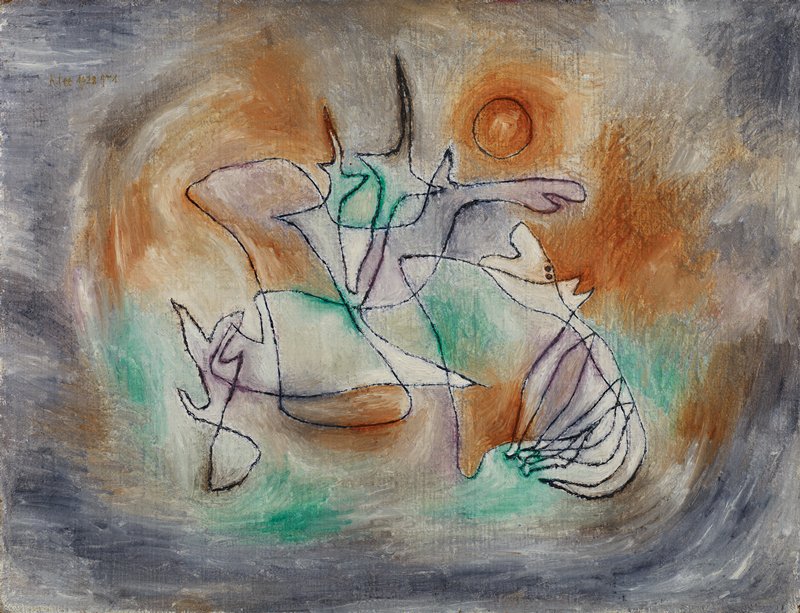
Howling Dog, Paul Klee, 1928

Howling Dog

1928 · Minneapolis Institute of Art

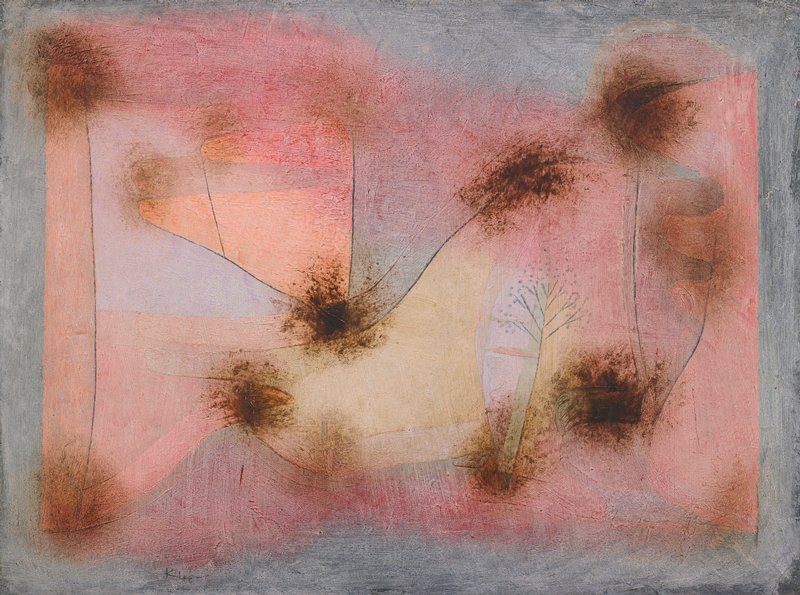
Hardy Plants, Paul Klee, 1934

Hardy Plants

1934 · Minneapolis Institute of Art

Stakim, Paul Klee, c. 1928

Stakim

c. 1928 · Art Institute of Chicago

Fleeing Ghost, Paul Klee, 1929

Fleeing Ghost

1929 · Art Institute of Chicago

In the Magic Mirror, Paul Klee, 1934

In the Magic Mirror

1934 · Art Institute of Chicago

Auslöschendes Licht, Paul Klee

Auslöschendes Licht

Albertina

Sous le même toit : Minneapolis Institute of Art

Page du musée
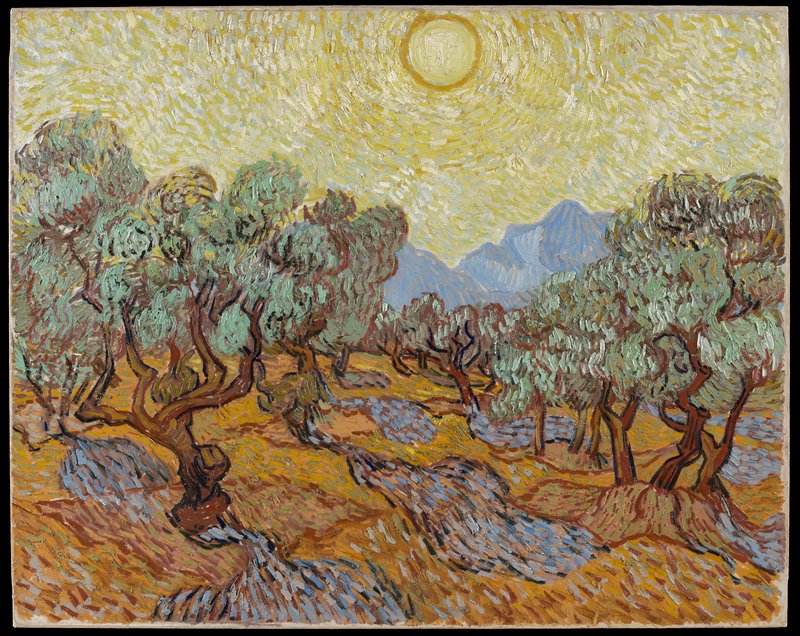
Olive Trees, Vincent van Gogh, 1889

Vincent van Gogh

Olive Trees, 1889

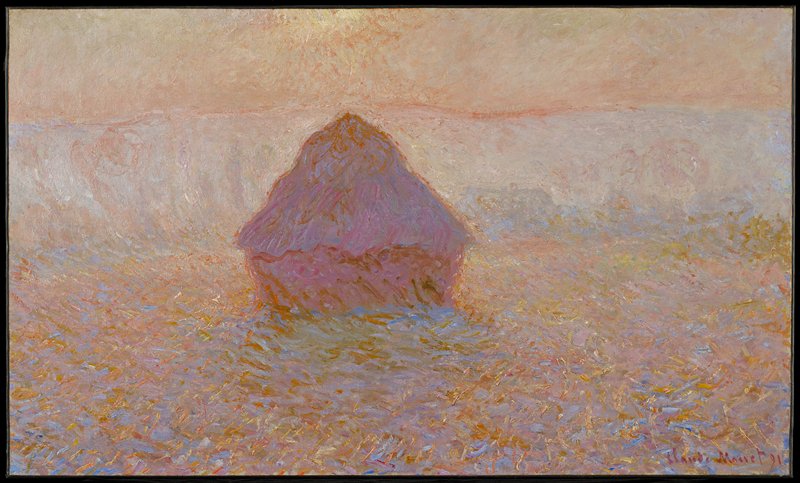
Grainstack, Sun in the Mist, Claude Monet, 1891

Claude Monet

Grainstack, Sun in the Mist, 1891

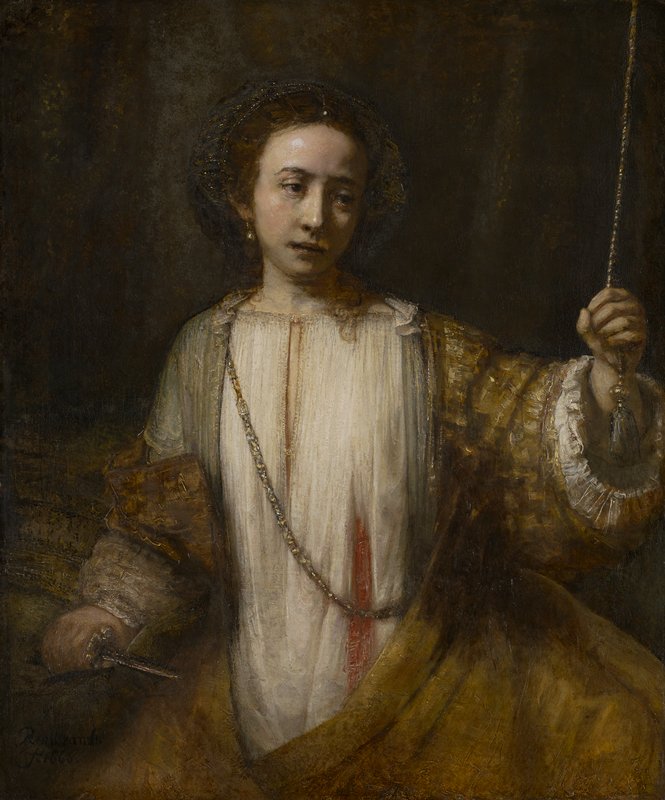
Lucretia, Rembrandt van Rijn, 1666

Rembrandt van Rijn

Lucretia, 1666

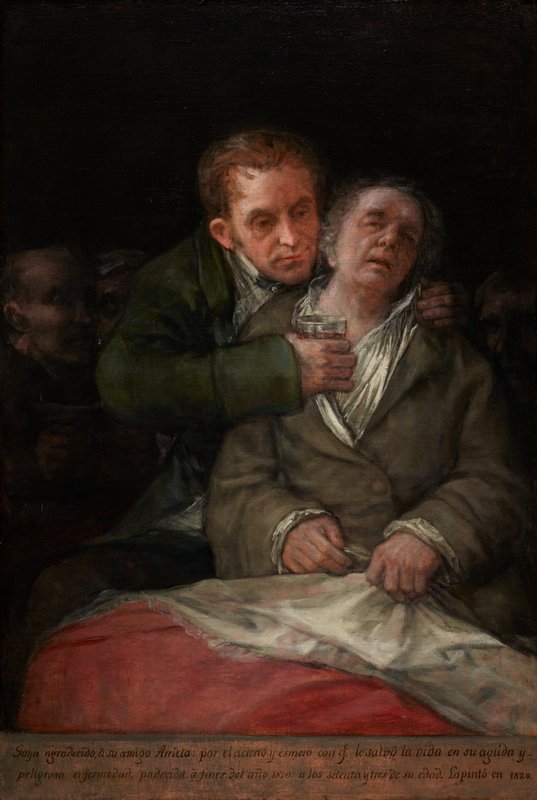
Self-Portrait with Dr. Arrieta, Francisco José de Goya y Lucientes, 1820

Francisco de Goya

Goya et son médecin, 1820

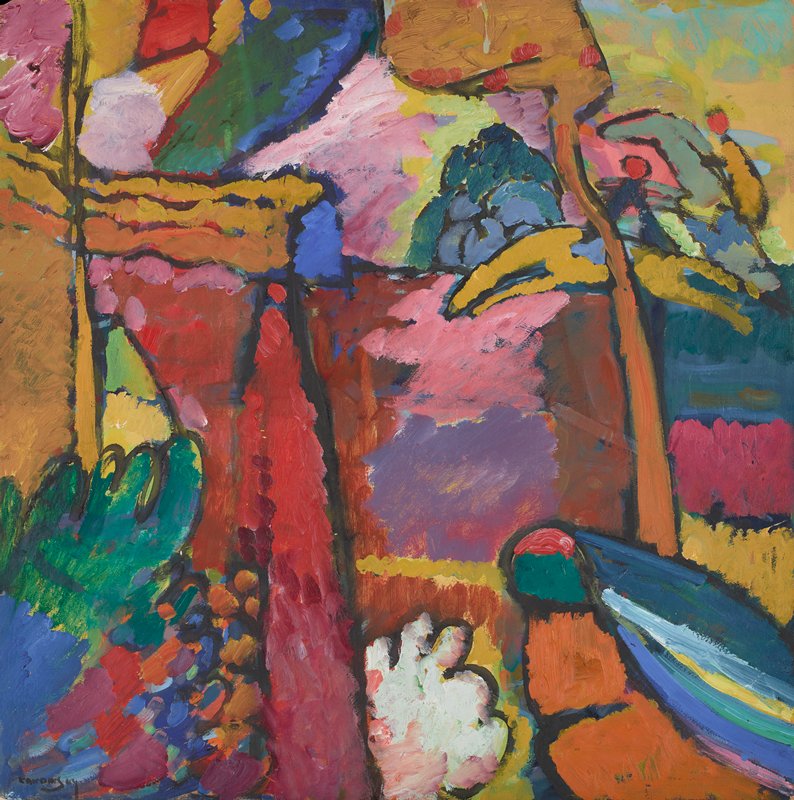
Study for Improvisation V, Vassily Kandinsky, 1910

Vasily Kandinsky

Study for Improvisation V, 1910

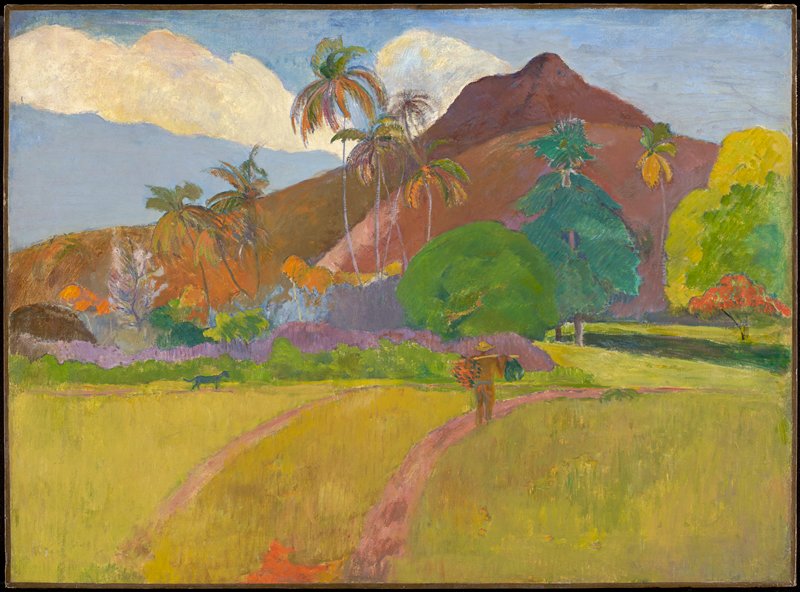
Tahitian Landscape, Paul Gauguin, 1891

Paul Gauguin

Tahitian Landscape, 1891

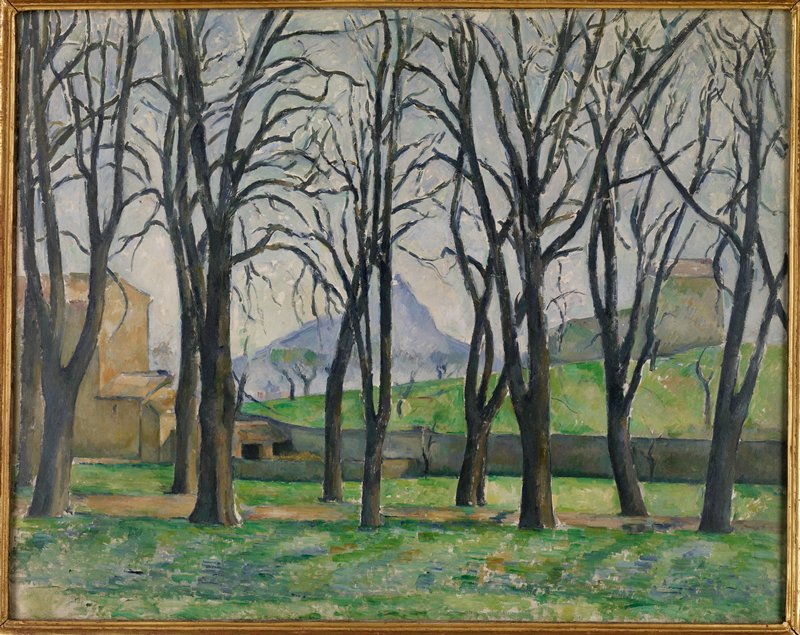
Chestnut Trees at Jas de Bouffan, Paul Cézanne, c. 1885–86

Paul Cézanne

Chestnut Trees at Jas de Bouffan, c. 1885–86

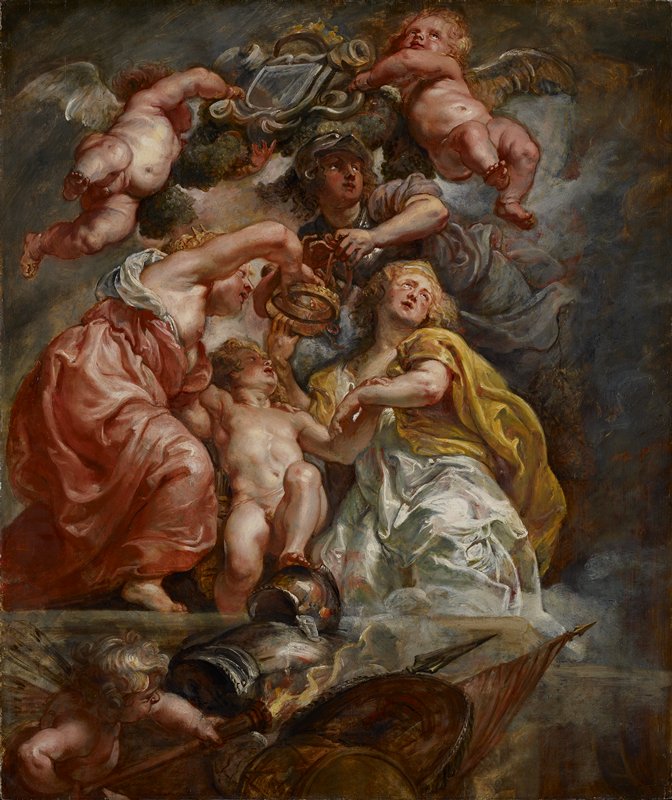
The Union of England and Scotland (Charles I as the Prince of Wales), Peter Paul Rubens, 1633–34

Peter Paul Rubens

The Union of England and Scotland (Charles I as the Prince of Wales), 1633–34