PH-246
¿Puedo verla?
Sí, expuesta ahora
¿Dónde está «PH-246» hoy? Instituto de Arte de Chicago, Sala 398, Chicago. Sí, expuesta ahora. Comprobado 23 de noviembre de 2026.

Chicago, Estados Unidos
Cerrado· abre a las 11:00
Expuesta al público.
- Comprobado
- En este estado desde
- Fuente
- El museo
Sobre el cuadro
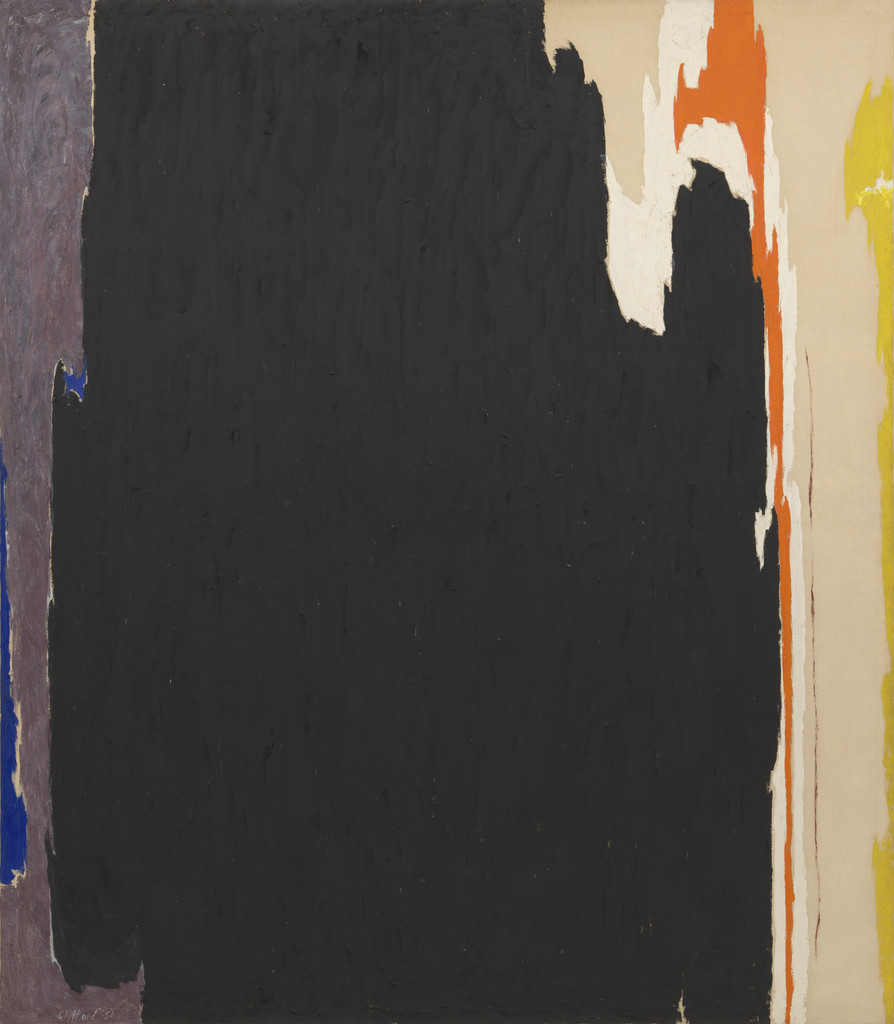
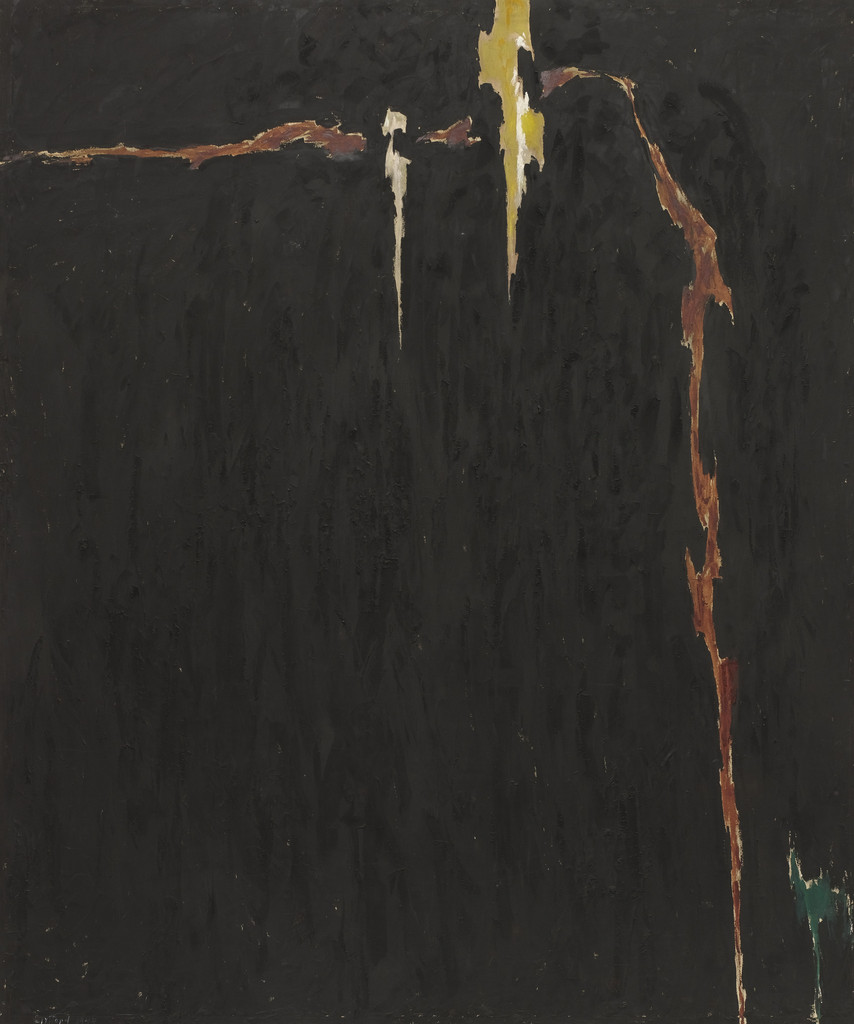
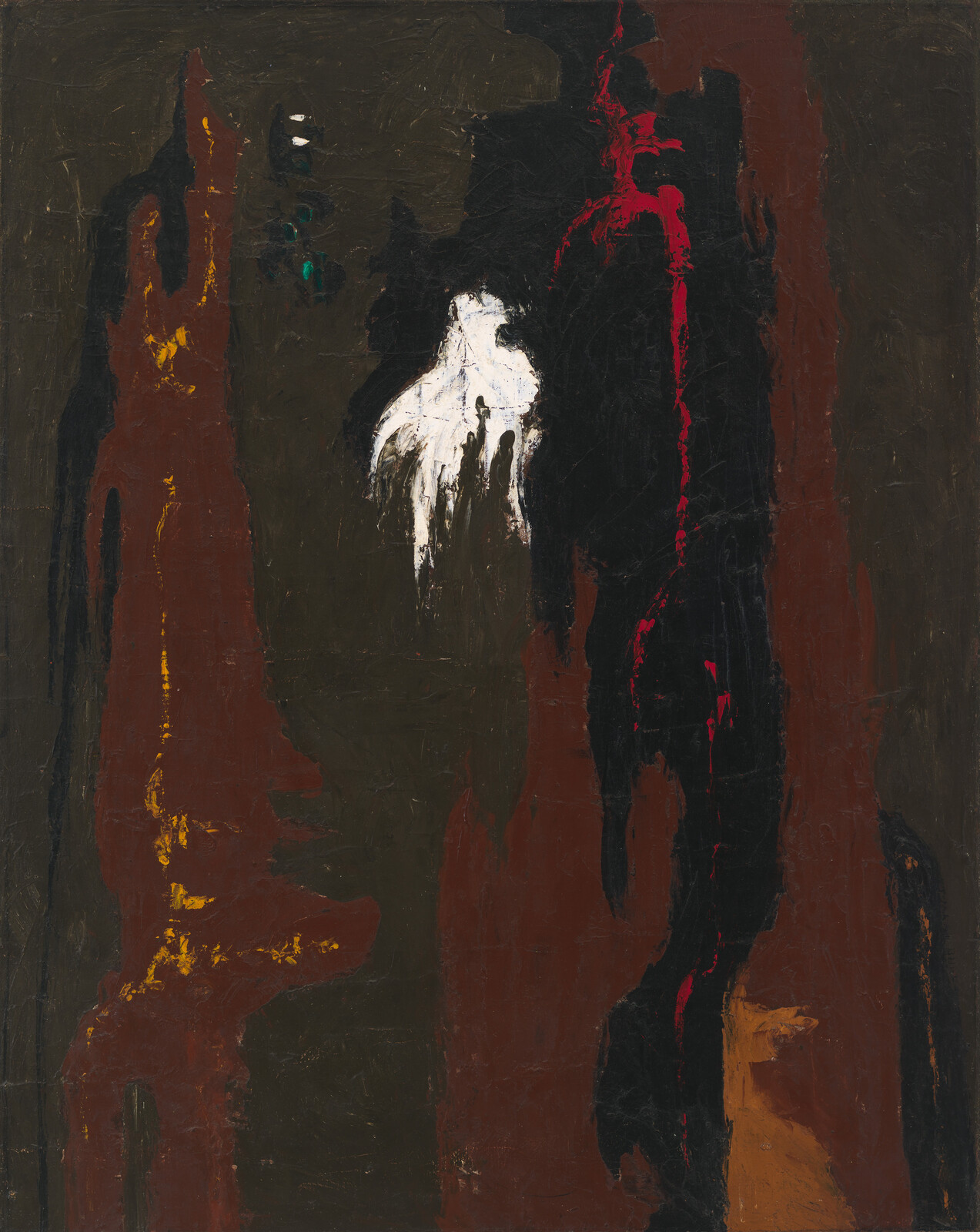
Clyfford Still’s PH-246, painted in 1951–52, is displayed in gallery 398 of the Art Institute of Chicago, Chicago. Almost the entire canvas is black. A white vertical line right of centre and a narrow red-orange streak at the left interrupt the field. Still applied paint with a palette knife, varying texture and finish rather than spreading a uniform thin coat. This handling distinguishes him from Newman and Rothko, with whom he helped establish colour-field painting in the late 1940s. Nearly monochrome black paintings are uncommon in his work.
En palabras del museo
In the late 1940s, Clyfford Still, along with Barnett Newman and Mark Rothko, originated the type of Abstract Expressionism known as Field Painting, a term used to describe large canvases dominated by one uniform color or a few colors closely related in hue and value. In contrast to Newman and Rothko, who usually applied paint thinly and uniformly, Still used a palette knife, creating textural effects that give the surface a complex, nearly sculptural sense of materiality. Named after the years of its creation, 1951–52 is a rare, nearly all-black work in the artist’s oeuvre. A vertical white line to the right of center and a thin streak of red-orange along the left side provide the sole interruptions in the black field. The subtle modulations of texture and finish support the artist’s claim that "I do not oversimplify—in fact, I revel in the extra complex."
Instituto de Arte de ChicagoCC BY 4.0
Ficha
- Número de inventario
- 1962.906
Lo que muestra
En el catálogo
Fuentes
- Instituto de Arte de Chicago
- Imagen: Instituto de Arte de Chicago — © the artist or rights holder