Andy WarholEstados Unidos, 1928–1987
Mao
¿Puedo verla?
No expuesta por ahora
¿Dónde está «Mao» hoy? Colección: Instituto de Arte de Chicago, Chicago. No expuesta por ahora. Comprobado 16 de noviembre de 2026.

Chicago, Estados Unidos
Pertenece a la colección, pero ahora mismo no está expuesta.
- Comprobado
- En este estado desde
- Fuente
- El museo
Sobre el cuadro
Nearly fifteen feet tall, Andy Warhol's Mao of 1972 is at the Art Institute of Chicago, Chicago. Its scale recalls the portraits displayed throughout China and addresses the personality cult around Mao Zedong. Warhol combined photographic reproduction with conspicuously artificial colour. Paint on the face resembles makeup, while loose gestures depart from the photograph's apparent realism. The work belongs to his Mao series, extending a silkscreen practice previously applied to film stars and mass-produced goods. Here painted marks remain visible over the reproduced political image.
En palabras del museo
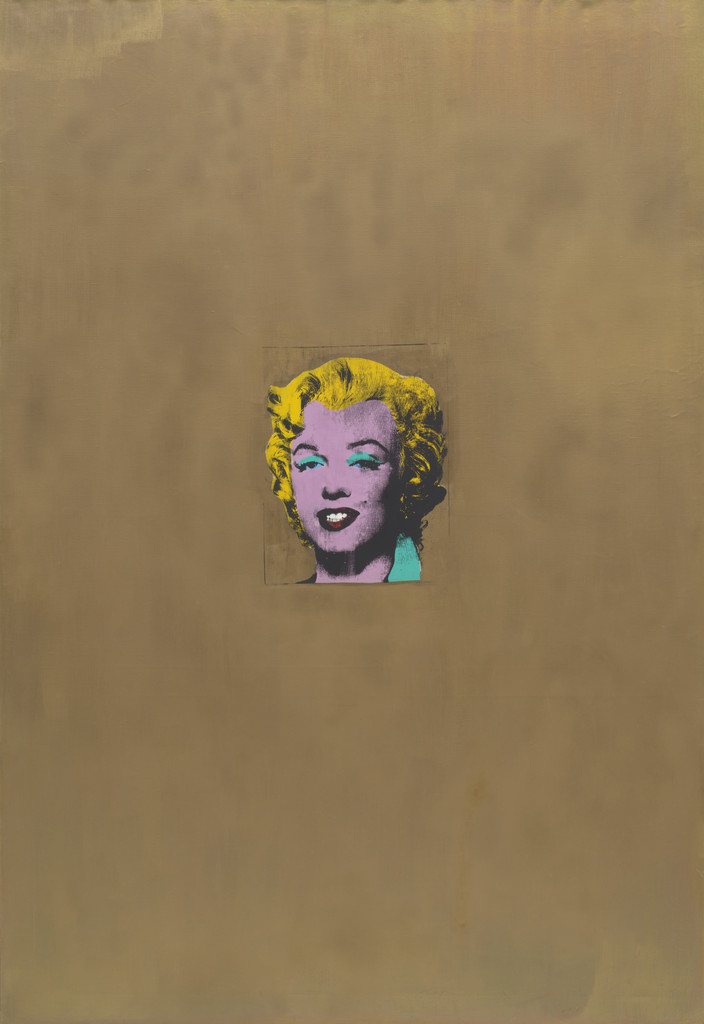
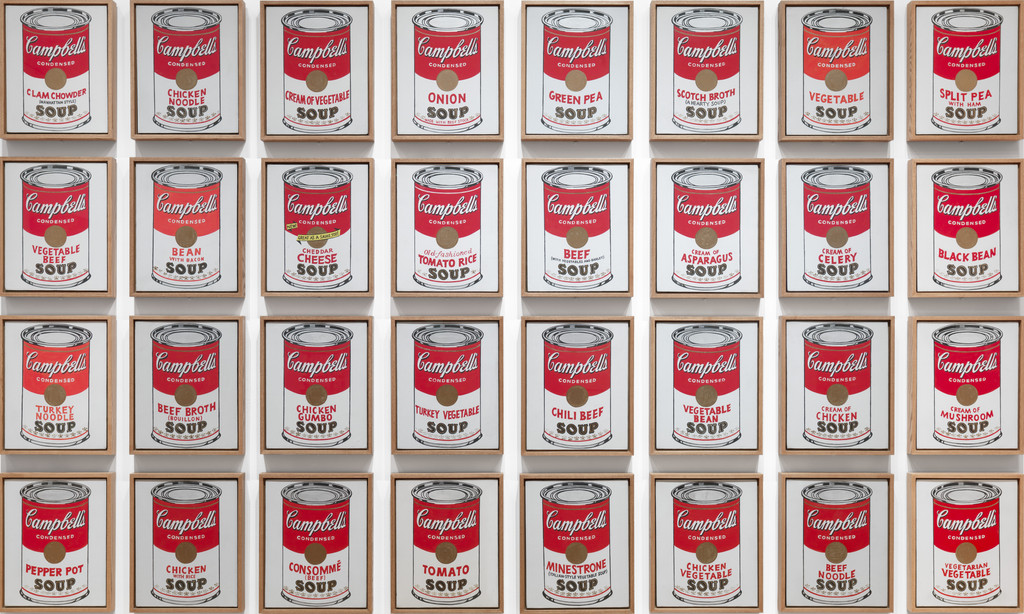
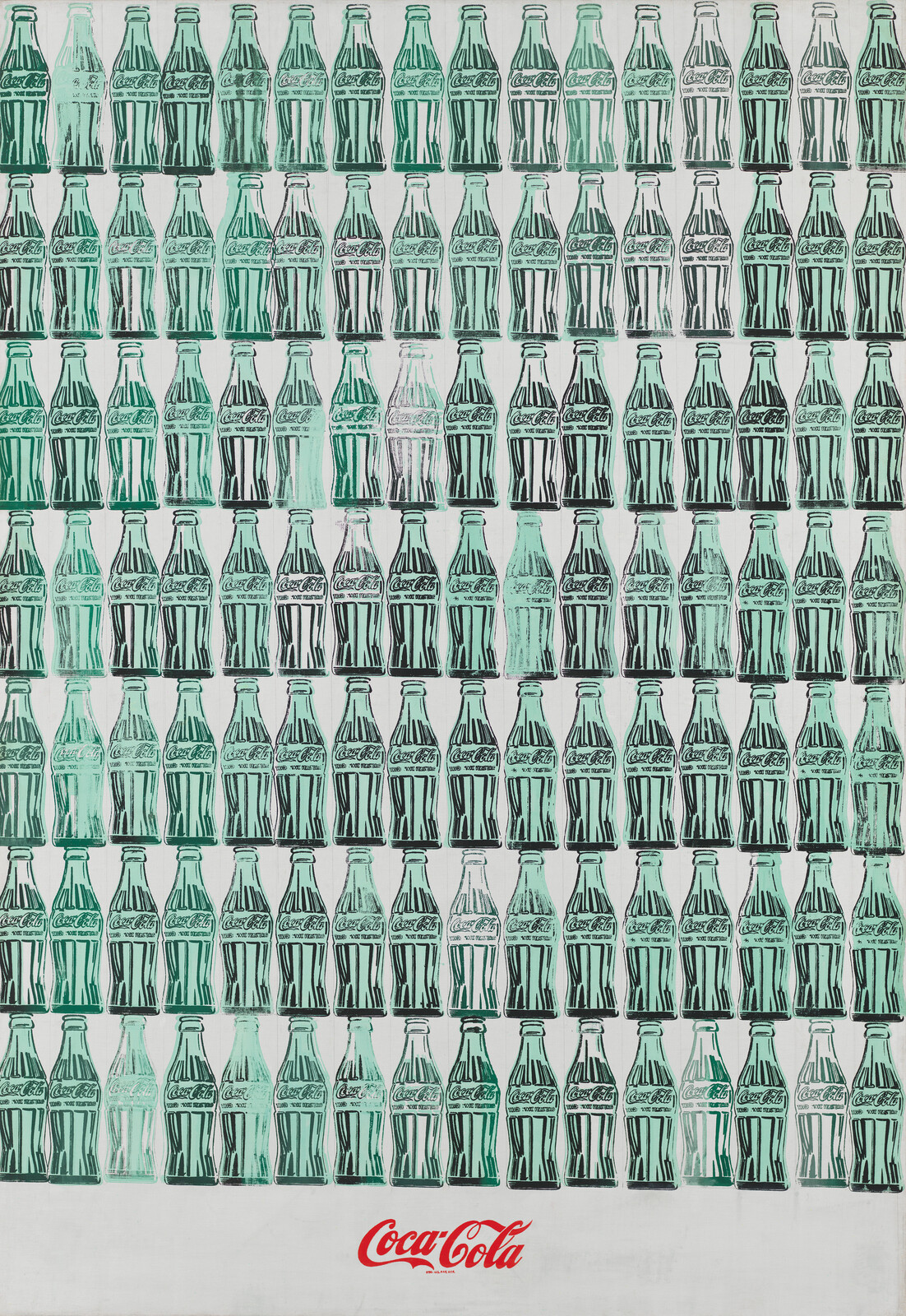
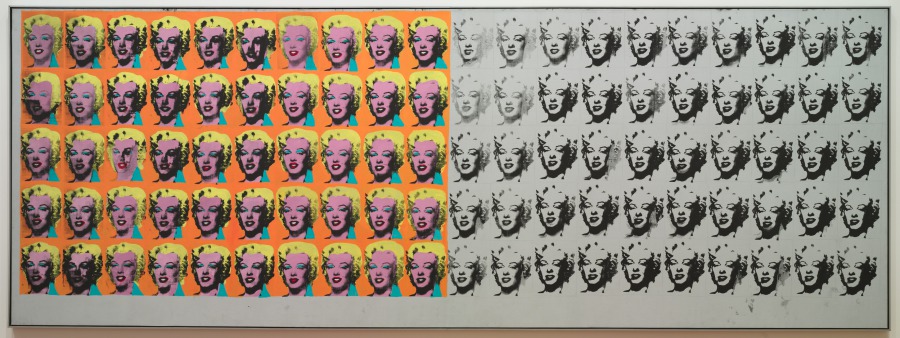
The most influential of Pop artists, Andy Warhol cast a cool, ironic light on the pervasiveness of commercial culture and contemporary celebrity worship. Early in his career, he began to utilize the silk-screen process to transfer photographed images to canvas, creating multiple portraits of celebrities including Marilyn Monroe, Elvis Presley, and Jacqueline Kennedy, as well as duplicated images of mass-produced products such as Campbell’s soup cans and Coca-Cola bottles. In this example from his Mao series, Warhol melded his signature style with the scale of totalitarian propaganda to address the cult of personality surrounding the Chinese ruler Mao Zedong (1893–1976). Nearly fifteen feet tall, this towering work mimics the representations of the political figure that were ubiquitously displayed throughout China.
Leer más
Warhol’s looming portrait impresses us with the duality of its realistic qualities and its plastic artificiality. In contrast to the photographic nature of the image, garish colors are applied to Mao’s face like makeup. The gestural handling of color in the portrait shows Warhol at his most painterly.
Instituto de Arte de ChicagoCC BY 4.0
Ficha
- Número de inventario
- 1974.230
Lo que muestra
En el catálogo
Fuentes
- Instituto de Arte de Chicago
- Imagen: Instituto de Arte de Chicago — © the artist or rights holder
En la vida de Andy Warhol
La vida entera1970–1971
Retrospectiva: de Pasadena al Museo Whitney
En 1970, el Pasadena Art Museum organizó una retrospectiva de Warhol que después viajó a Chicago, Eindhoven, París, Londres y, en 1971, al Museo Whitney de Nueva York. En el Whitney, el papel pintado «Cow» (1966) sirvió de fondo a los cuadros.
c. 1971 – 1974
Cada vez más a menudo en París
Warhol comenzó a viajar con mayor frecuencia a Europa y cobró especial afecto a París después de rodar «L'Amour» (1972); mantenía un apartamento en la orilla izquierda, en la rue du Cherche-Midi, que compartía con Fred Hughes. En París, su círculo trataba con Karl Lagerfeld, Yves Saint Laurent, Loulou de la Falaise y Paloma Picasso.
1973
Diagnóstico: un cálculo biliar
En 1973 le detectaron a Warhol un cálculo en la vesícula biliar, pero se negó rotundamente a operarse por miedo a los hospitales. El médico Denton Cox intentó conseguir un medicamento experimental de Japón, mientras que un quiropráctico y un nutricionista le aconsejaban llevar consigo un pequeño cristal.