 Edward HopperEstados Unidos, 1882–1967
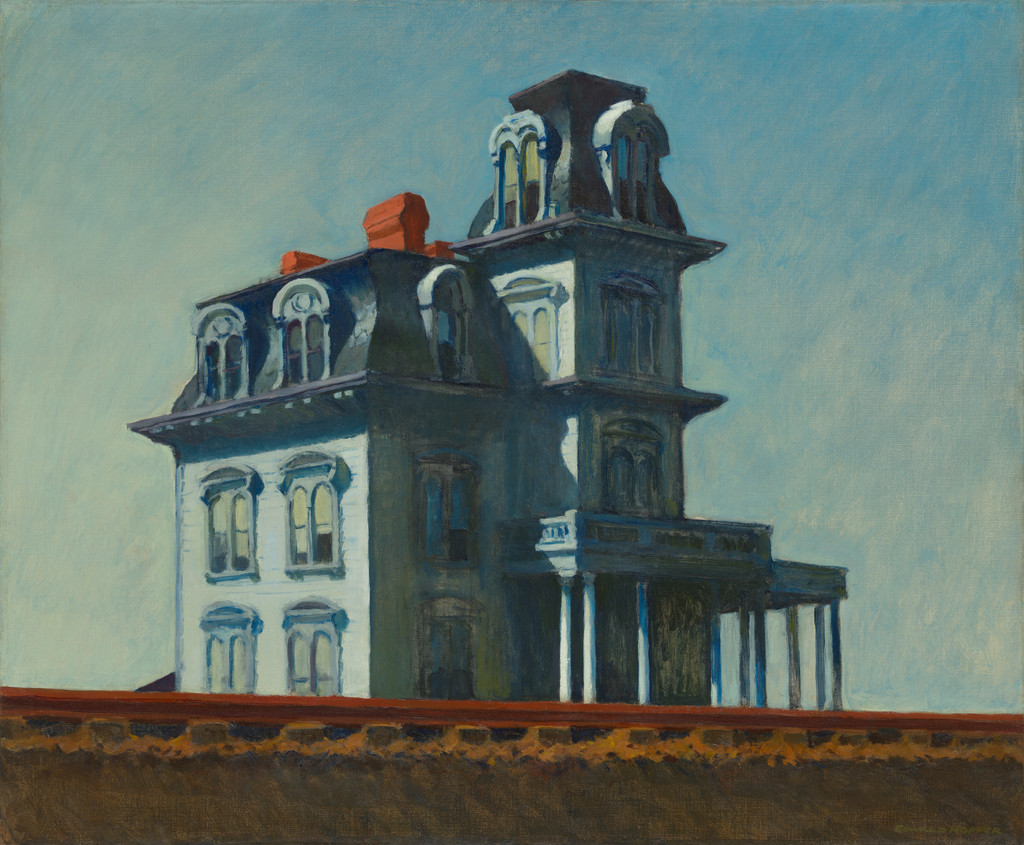
House by the Railroad
¿Puedo verla?
Sí, expuesta ahora
¿Dónde está «House by the Railroad» hoy? MoMA, MoMA, planta 5, 521, Nueva York. Sí, expuesta ahora. Comprobado 22 de septiembre de 2026.

Abierto· hasta las 17:30
Expuesta al público.
- Comprobado
- Fuente
- El museo
Sobre el cuadro
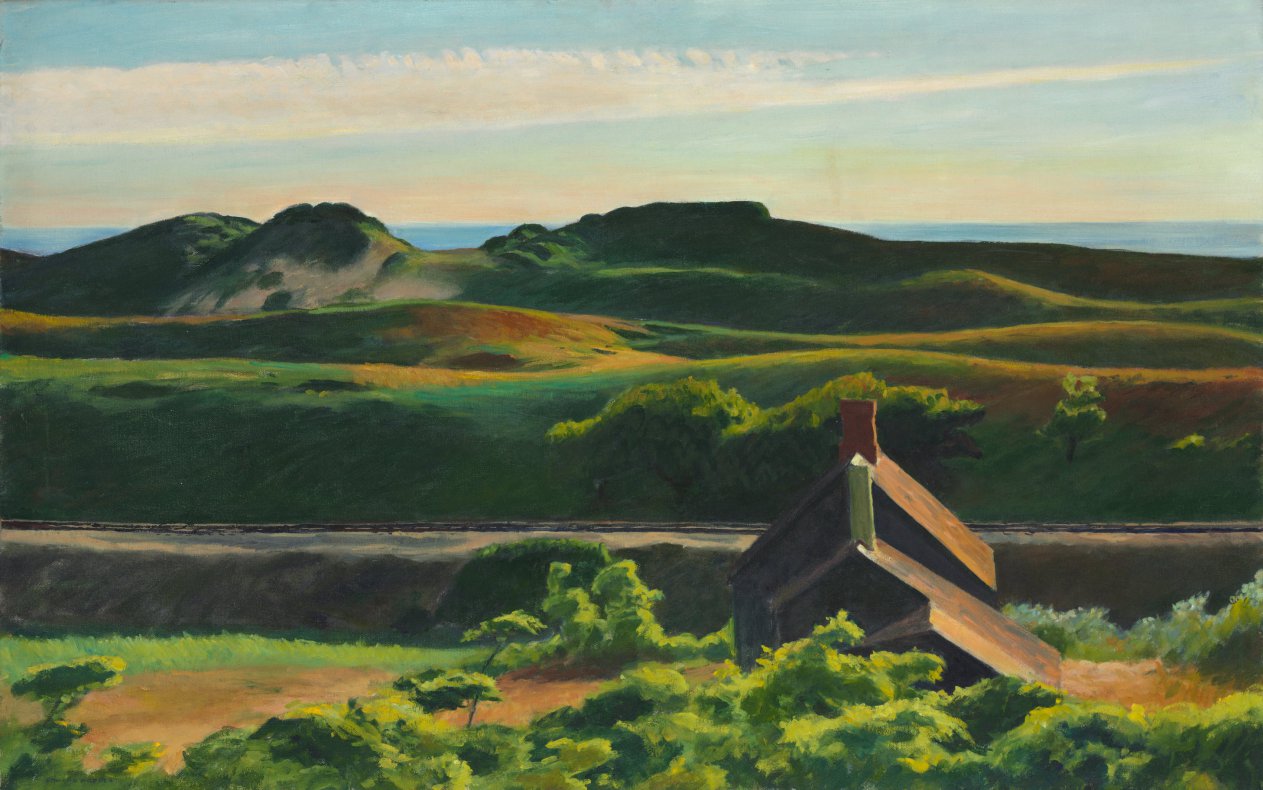
House by the Railroad es un cuadro del pintor estadounidense Edward Hopper. Fue uno de los primeros trabajos que realizó el artista al regresar a Estados Unidos tras pasar su juventud en Europa. Con este cuadro comienza una etapa de realismo y americanismo que le convirtieron en un referente de este movimiento en su país natal.
El cuadro, realizado en 1925, tiene especial relevancia ya que fue el primero que adquirió el MoMA en Nueva York para su colección permanente en 1930. Además, el director de cine Alfred Hitchcock se inspiró en esta obra para el diseño del motel que aparece en la película Psicosis.
Ficha
- Número de inventario
- 3.1930
En el catálogo
Fuentes
- MoMA
- Imagen: MoMA — © the artist or rights holder
En la vida de Edward Hopper
La vida entera1915–1923
Turning to etching
At an impasse over his oil paintings, in 1915 Hopper turns to etching; by 1923 he has produced most of his approximately 70 etchings, many of them urban scenes of Paris and New York, as well as some posters for the war effort.
early 1920s
His etchings gain recognition
During the early 1920s Hopper's etchings begin to receive public recognition; they express some of his later themes: a couple in silence (“Night on the El Train”), a solitary female (“Evening Wind”) and a simple nautical scene (“The Catboat”).
summer 1923
Gloucester: meeting Josephine again, and the watercolours
In the summer of 1923, on a painting trip to Gloucester, Hopper re-encounters the artist Josephine Nivison; with her encouragement he turns to watercolour, producing numerous scenes of Gloucester. They marry a year later, with the artist Guy Pène du Bois as best man.
1923
The Brooklyn Museum buys “The Mansard Roof”
With Josephine's help six of Hopper's Gloucester watercolours are admitted to an exhibit at the Brooklyn Museum, and one of them, “The Mansard Roof”, is bought by the museum for its permanent collection for $100; the critics generally rave about his work.
1924
Every watercolour sold: farewell to illustration
At a one-man show with his dealer Frank Rehn in 1924 Hopper sells all his watercolours and finally decides to put illustration behind him; his financial stability will let him live a simple, stable life and keep creating art in his personal style for four more decades.
9 de julio de 1924
Married: Josephine Hopper