ART WIKI32.963 en sala
MapaColecciónArtistasMuseosExposicionesRevista
Acceder

ART WIKI

Dónde cuelga la obra maestra y cuándo le dejan pasar.

Colecciones: Galería Nacional de Arte, Galería Nacional de Dinamarca, Galería Nacional de Retratos, Galería Tretiakov, Harvard Art Museums, Instituto de Arte de Chicago, Instituto de Artes de Mineápolis, MoMA, Museo de Arte de Cleveland, Museo de Victoria y Alberto, Museo del Hermitage, Museo del Louvre, Museo Estatal Ruso, Museo Hirshhorn y Jardín de Esculturas, Museo J. Paul Getty, Museo Metropolitano de Arte, Museo Pushkin, Museo Smithsoniano de Arte Americano, Museo Whitney de Arte Estadounidense, National Museum of Asian Art, Rijksmuseum, Villa Getty, Catálogo Estatal del Fondo Museístico de Rusia (274 museos), Europeana (19 museos), Wikidata (6 museos), Paris Musées (12 museos) y Joconde, la base de museos del Ministerio de Cultura de Francia (495 museos). Las imágenes pertenecen a sus titulares de derechos.

Secciones

  • Mapa
  • Búsqueda
  • Colección
  • Obras maestras
  • Expuestas ahora
  • Artistas

Más

  • Museos y galerías
  • Exposiciones
  • Revista
  • De dónde salen los datos
  • Privacidad y cookies
InicioMapaCatálogo
  1. Colección/
  2. Instituto de Arte de Chicago/
  3. Hercules Killing Cacus
Hercules Killing Cacus, Hendrick Goltzius, 1588
Hendrick Goltzius, retratoHendrick GoltziusPaíses Bajos, 1558–1617

Hercules Killing Cacus

1588 · Print

¿Se puede contemplar?

Por ahora no recibe

Instituto de Arte de Chicago

Chicago, Estados Unidos

Pertenece a la colección, pero ahora mismo no está expuesta.

Comprobado
anteayer
En este estado desde
19 ago 2026
Fuente
El museo
En el mapaPágina del museo

Sobre la obra

To make a chiaroscuro woodcut, an artist uses a separate woodblock for printing each different color of ink. Often, as was the case for both of these prints, the image was rendered primarily in a line block, usually in black. The additional colors—together with the color of the paper itself—provide more definition to the forms and more dramatic light effects.

The virtuoso graphic artist Hendrick Goltzius used the chiaroscuro woodcut technique to great effect in his depiction of Hercules completing the 10th of his 12 labors: the capture of the cattle of Geryon. To accomplish this feat, he had to vanquish the giant Cacus. Goltzius shows the moment just before Hercules violently clubs the giant, which is made especially dramatic by the vivid conjunction of yellow and green.

Seguir leyendo

Although Goltzius's advances in line engraving found many followers, few artists pursued his equally original exploration of chiaroscuro woodcuts printed from one line block and multiple tone blocks. The largest, and one of the earliest of the chiaroscuro woodcuts from Goltzius's workshop, this dramatic print is also the only one to have a date cut into the block. Here Hercules slays Cacus, a cattle thief, in his cave in the Aventine hills.

Instituto de Arte de Chicago · CC BY 4.0

Ficha

1588 · a los 30 años
15581617
Número de inventario
1930.795

En el catálogo

EstampasXilografíaRenacimientoSiglo XVIPaíses Bajos

Fuentes

  • Instituto de Arte de Chicago
  • Imagen: Instituto de Arte de Chicago — CC0

Mientras tanto, en la vida de Hendrick Goltzius

La vida entera
  1. 1579–1587

    Pupil: Jan Saenredam

  2. late 1580s

    Depression and consumption

    From the late 1580s he suffered from depression and consumption; his family life was unhappy.

  3. 1585–1587

    Pupil: Jacob de Gheyn II

  4. 1587

    Founding of the Haarlem Academy

    Together with Cornelis van Haarlem and Karel van Mander he founded an academy of art in Haarlem, later known as the Haarlem Mannerist Academy (some sources give 1583 or 1600). There, for the first time in the Netherlands, systematic study of anatomy and drawing from the nude model were introduced.

  5. 1590

    Departure for Italy

    He fled from his wife and, despite his illnesses, set out for Italy — via Hamburg and Munich to Venice, Bologna and Florence. Part of the way he traveled on foot, passing himself off as a commoner, "partly out of a love of mystification."

Más obras de Hendrick Goltzius

Todas las obras
Lot and his Daughters, Hendrick Goltzius, 1616

Lot and his Daughters

1616 · Rijksmuseum

Fall of Man, Hendrick Goltzius, 1608

Fall of Man

1608 · Museo del Hermitage

Baptism, Hendrick Goltzius, 1608

Baptism

1608 · Museo del Hermitage

Dying Adonis, Hendrick Goltzius, 1609

Dying Adonis

1609 · Rijksmuseum

Vertumnus and Pomona, Hendrick Goltzius, 1613

Vertumnus and Pomona

1613 · Rijksmuseum

The Fall of Man, Hendrick Goltzius, 1616

The Fall of Man

1616 · Galería Nacional de Arte

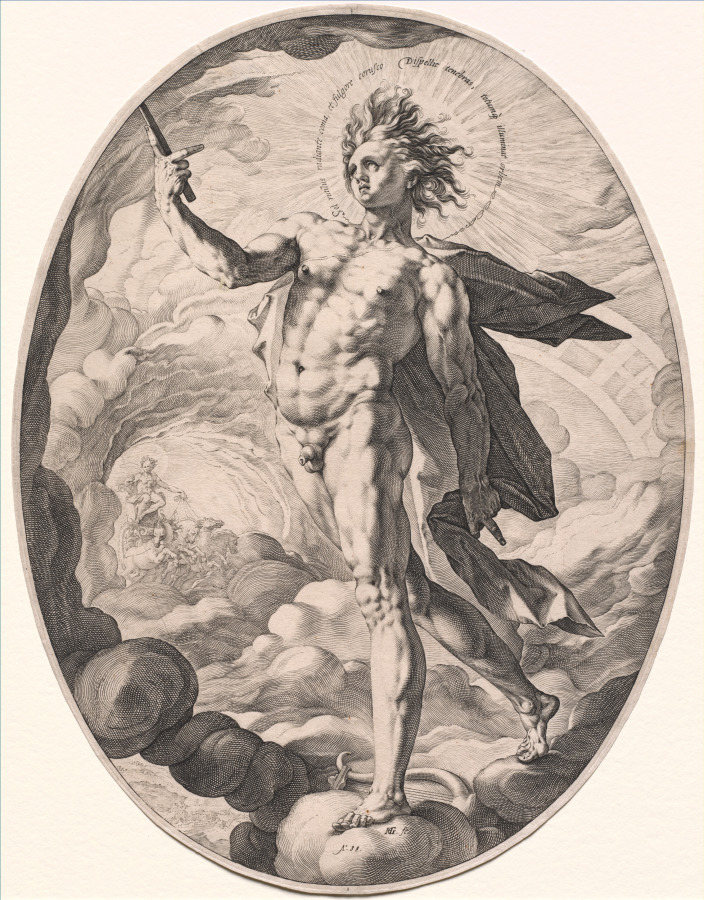
Apollo, Hendrick Goltzius, 1588

Apollo

1588 · Museo de Arte de Cleveland

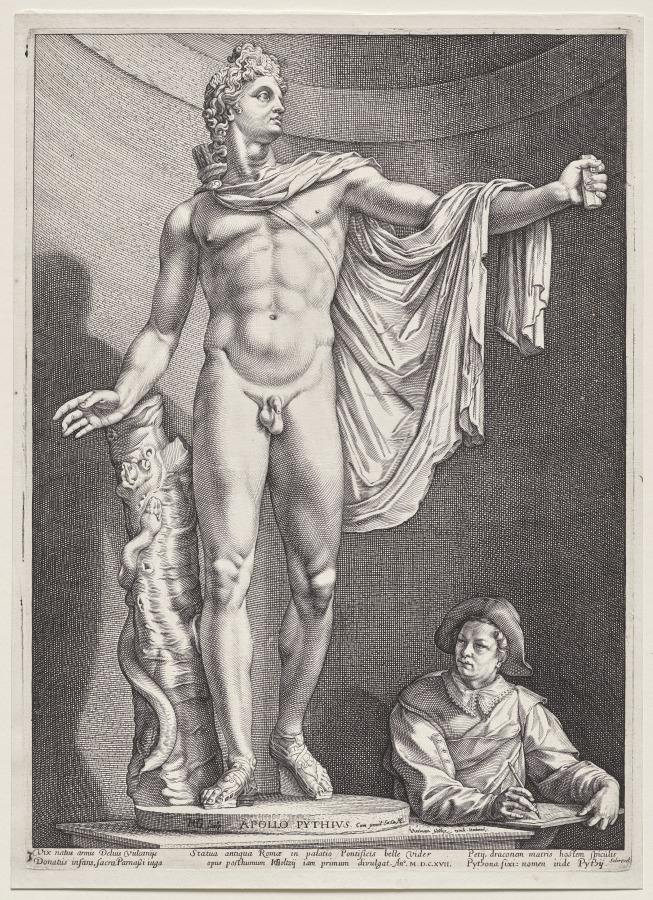
Apollo Belvedere, Hendrick Goltzius, 1592

Apollo Belvedere

1592 · Museo de Arte de Cleveland

Bajo el mismo techo: Instituto de Arte de Chicago

Página del museo
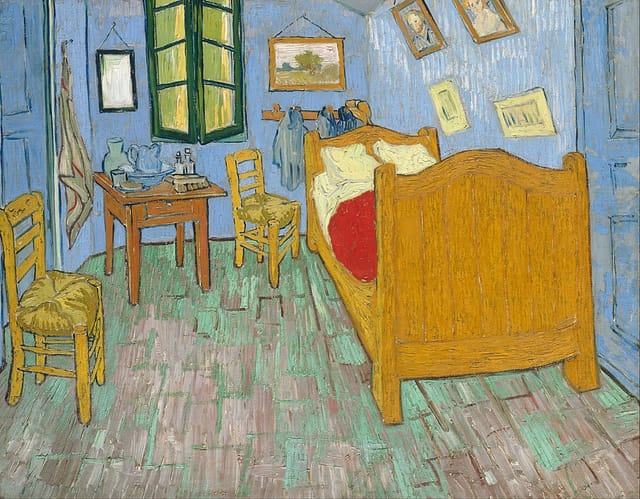
The Bedroom, Vincent van Gogh, 1889

Vincent van Gogh

The Bedroom, 1889

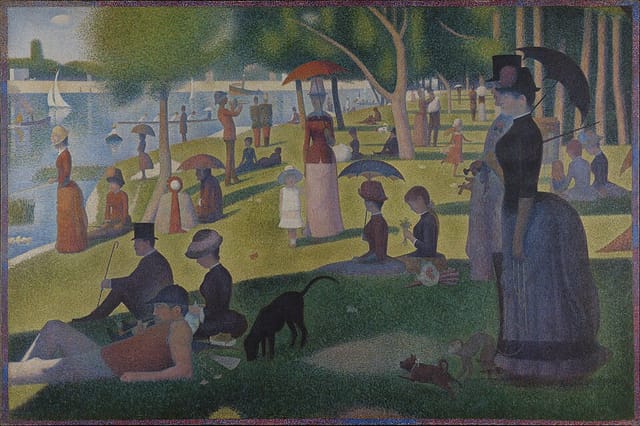
A Sunday on La Grande Jatte — 1884, Georges Seurat, 1884–86, border added 1888–89

Georges Seurat

Tarde de domingo en la isla de la Grande Jatte, 1884–86, border added 1888–89

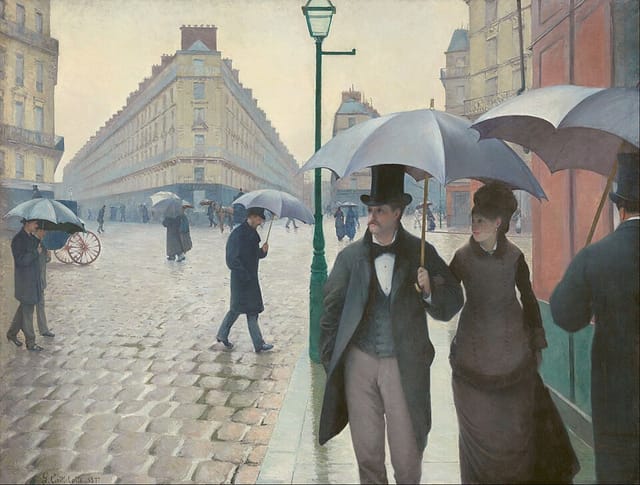
Paris Street; Rainy Day, Gustave Caillebotte, 1877

Gustave Caillebotte

Calle de Paris, dia de lluvia, 1877

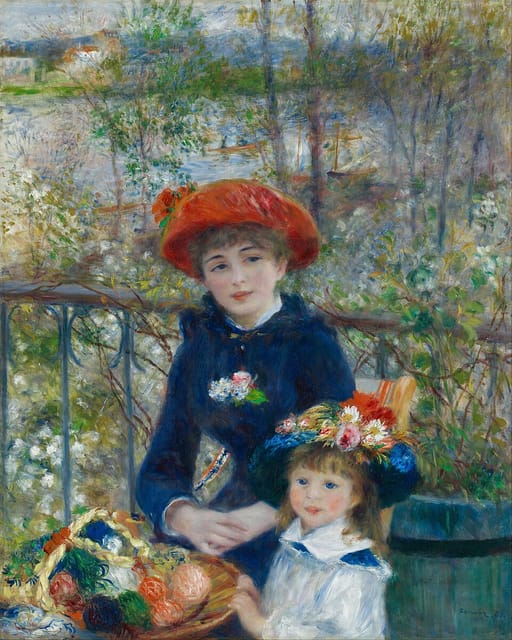
Two Sisters (On the Terrace), Pierre-Auguste Renoir, 1881

Pierre-Auguste Renoir

En la terraza, 1881

The Basket of Apples, Paul Cézanne, c. 1893

Paul Cézanne

Cesto de manzanas, c. 1893

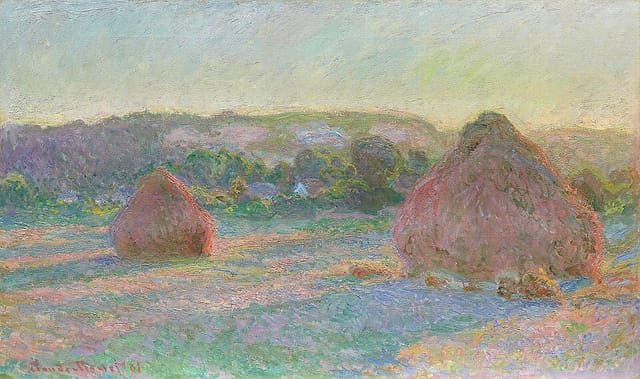
Stacks of Wheat (End of Summer), Claude Monet, 1890–91

Claude Monet

Stacks of Wheat (End of Summer), 1890–91

American Gothic, Grant Wood, 1930

Grant Wood

American Gothic, 1930

Nighthawks, Edward Hopper, 1942

Edward Hopper

Noctámbulos, 1942