ART WIKI32.963 en sala
MapaColecciónArtistasMuseosExposicionesRevista
Acceder

ART WIKI

Dónde cuelga la obra maestra y cuándo le dejan pasar.

Colecciones: Galería Nacional de Arte, Galería Nacional de Dinamarca, Galería Nacional de Retratos, Galería Tretiakov, Harvard Art Museums, Instituto de Arte de Chicago, Instituto de Artes de Mineápolis, MoMA, Museo de Arte de Cleveland, Museo de Victoria y Alberto, Museo del Hermitage, Museo del Louvre, Museo Estatal Ruso, Museo Hirshhorn y Jardín de Esculturas, Museo J. Paul Getty, Museo Metropolitano de Arte, Museo Pushkin, Museo Smithsoniano de Arte Americano, Museo Whitney de Arte Estadounidense, National Museum of Asian Art, Rijksmuseum, Villa Getty, Catálogo Estatal del Fondo Museístico de Rusia (274 museos), Europeana (19 museos), Wikidata (6 museos), Paris Musées (12 museos) y Joconde, la base de museos del Ministerio de Cultura de Francia (495 museos). Las imágenes pertenecen a sus titulares de derechos.

Secciones

  • Mapa
  • Búsqueda
  • Colección
  • Obras maestras
  • Expuestas ahora
  • Artistas

Más

  • Museos y galerías
  • Exposiciones
  • Revista
  • De dónde salen los datos
  • Privacidad y cookies
InicioMapaCatálogo
  1. Colección/
  2. Instituto de Artes de Mineápolis/
  3. Goddess Isis
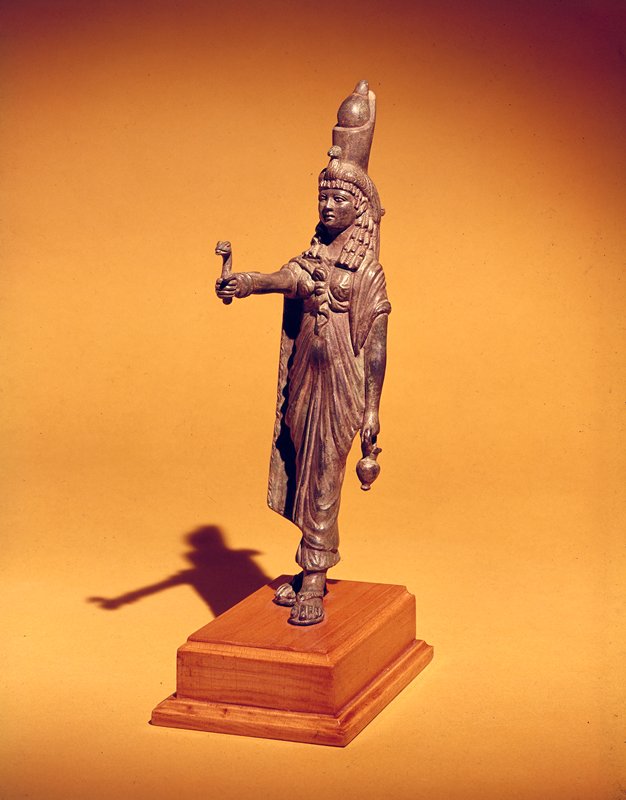
Goddess Isis, Roman Empire, 1st century CE

Goddess Isis

1st century CE · Sculpture

Sobre la escultura

Considered to be one of the latest pieces from ancient Egypt in Mia’s collection, this bronze statuette of the goddess Isis dates back to the 1st century CE, well into the time of Roman and Greek rule of Egypt. Isis is portrayed in Greco-Roman attire: flowing robes and sandals. Her stance, mid-stride with an outstretched hand, contrasts with the more rigid representations of her in traditional ancient Egyptian sculpture.

Instituto de Artes de Mineápolis

Ficha

Número de inventario
68.9.5

Más obras de Roman Empire

Todas las obras

En la misma sala · G250, Instituto de Artes de Mineápolis

Página del museo
RRoman EmpireSiria

¿Se puede contemplar?

Sí, recibe visitas

Instituto de Artes de Mineápolis

Minneapolis, Estados Unidos

SalaG250

Expuesta al público. Quién lo avala figura más abajo.

Comprobado
hace 3 días
En este estado desde
25 sept 2026
Fuente
El museo
En el mapaPágina del museo

En el catálogo

EsculturaBronceAncient Egyptian

Fuentes

  • Instituto de Artes de Mineápolis
  • Imagen: Instituto de Artes de Mineápolis — public domain
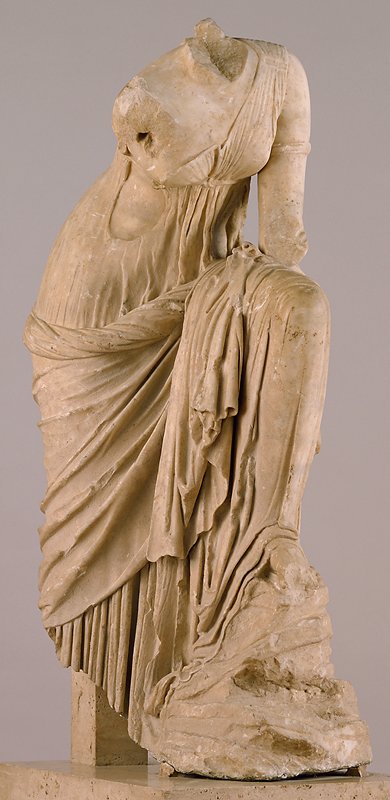
The Tiber Muse, Roman Empire, 2nd–1st century BCE

The Tiber Muse

2nd–1st century BCE · Instituto de Artes de Mineápolis

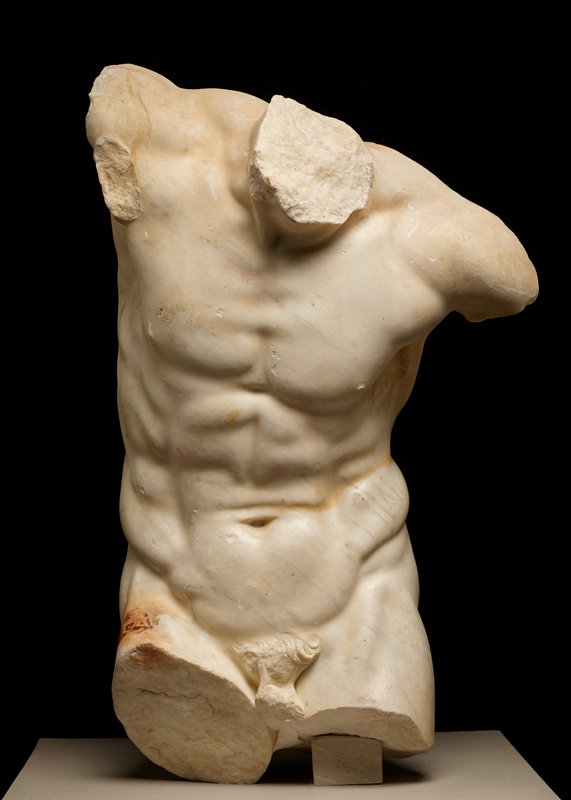
Torso of a Dancing Faun, Roman Empire, 1st century CE

Torso of a Dancing Faun

1st century CE · Instituto de Artes de Mineápolis

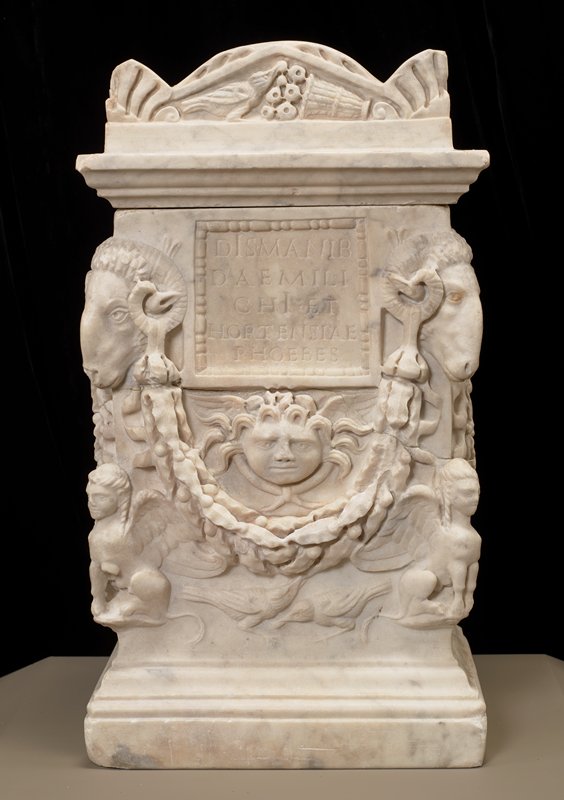
Cinerary Box with Cover, Roman Empire, 50–100 CE

Cinerary Box with Cover

50–100 CE · Instituto de Artes de Mineápolis

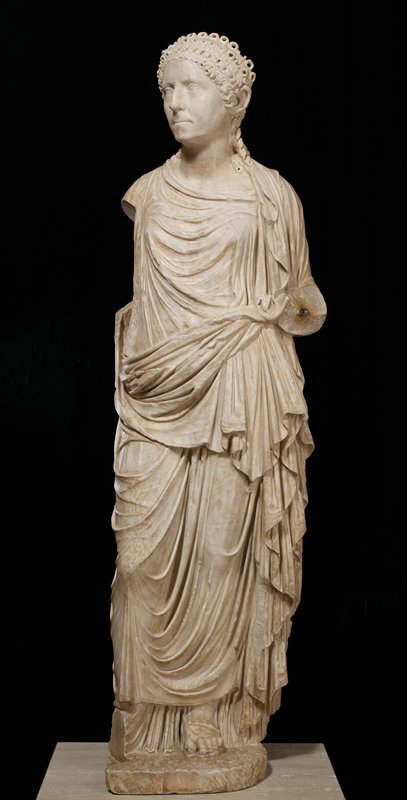
Roman Matron, Roman Empire, 50–60 CE

Roman Matron

50–60 CE · Instituto de Artes de Mineápolis

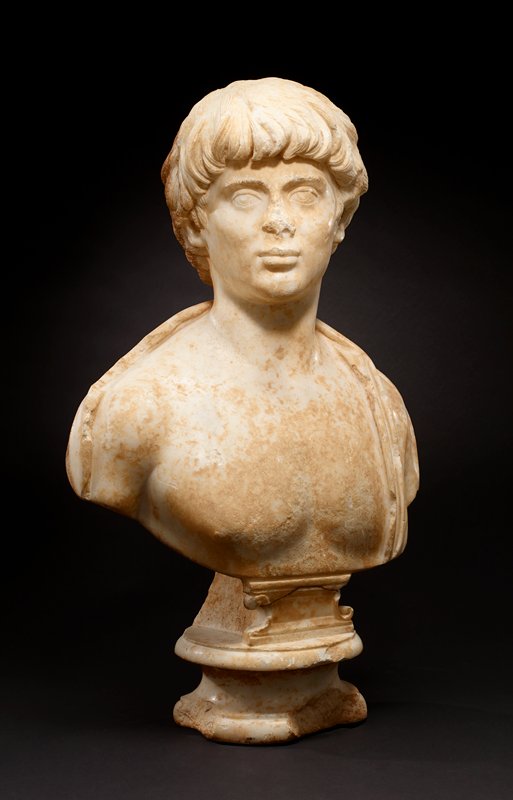
Bust of a Young Man, Probably Polydeukion, Roman Empire, 2nd century

Bust of a Young Man, Probably Polydeukion

2nd century · Instituto de Artes de Mineápolis

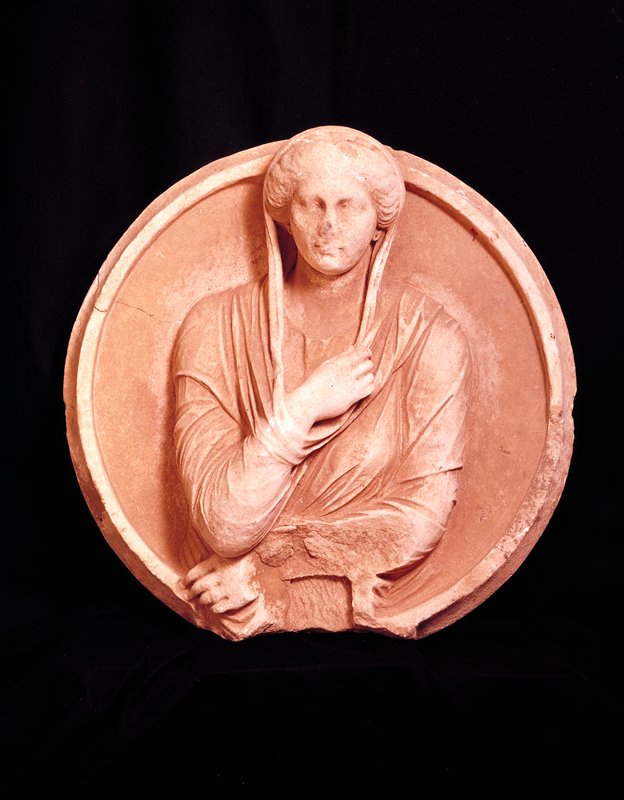
Tondo: Portrait of a Young Noblewoman, Roman Empire, 2nd century

Tondo: Portrait of a Young Noblewoman

2nd century · No expuesta · Instituto de Artes de Mineápolis

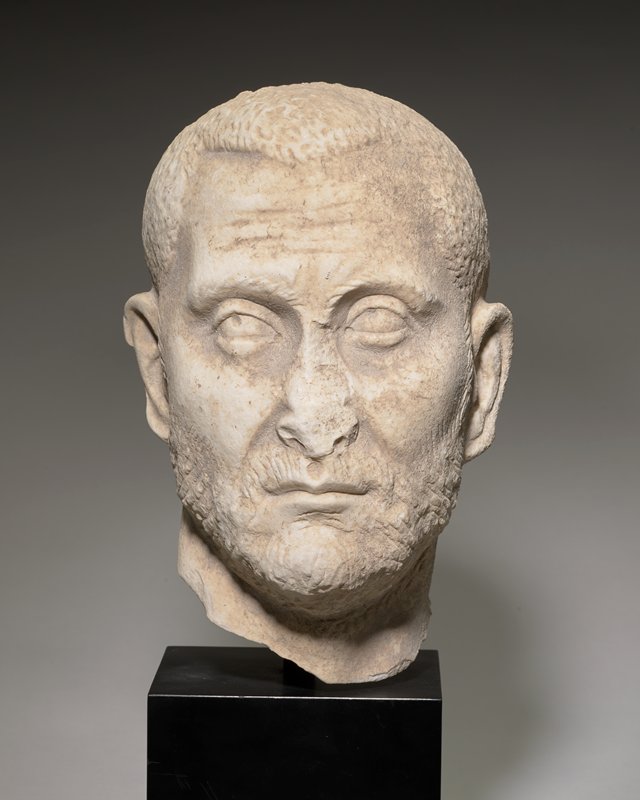
Portrait of a Man, Roman Empire, 252–268

Portrait of a Man

252–268 · No expuesta · Instituto de Artes de Mineápolis

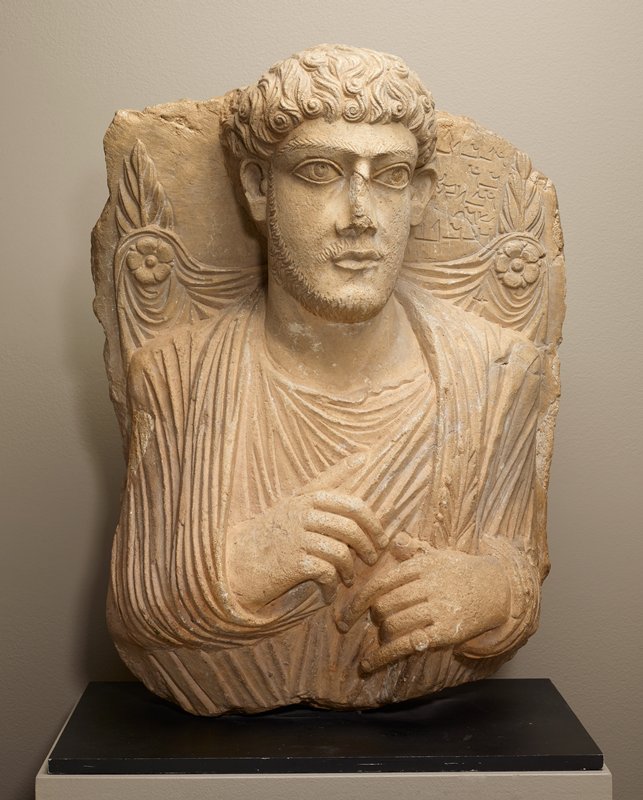
Funerary Relief, Roman Empire, late 2nd century–first half of the 3rd century

Funerary Relief

late 2nd century–first half of the 3rd century · No expuesta · Instituto de Artes de Mineápolis

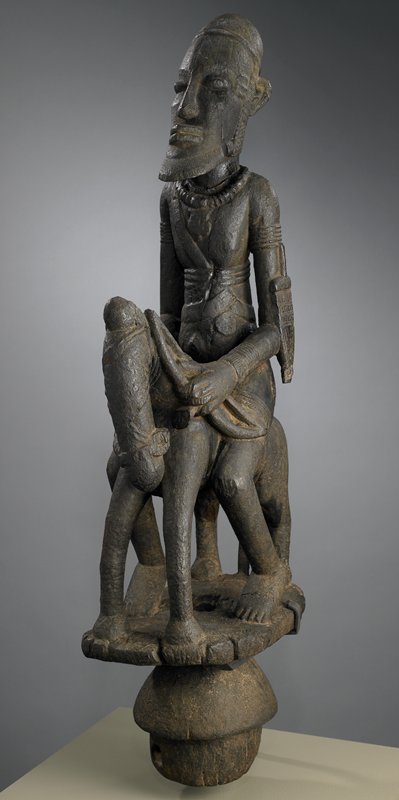
Equestrian figure, about 1450

Equestrian figure, about 1450

Water pitcher, 18th century

Water pitcher, 18th century

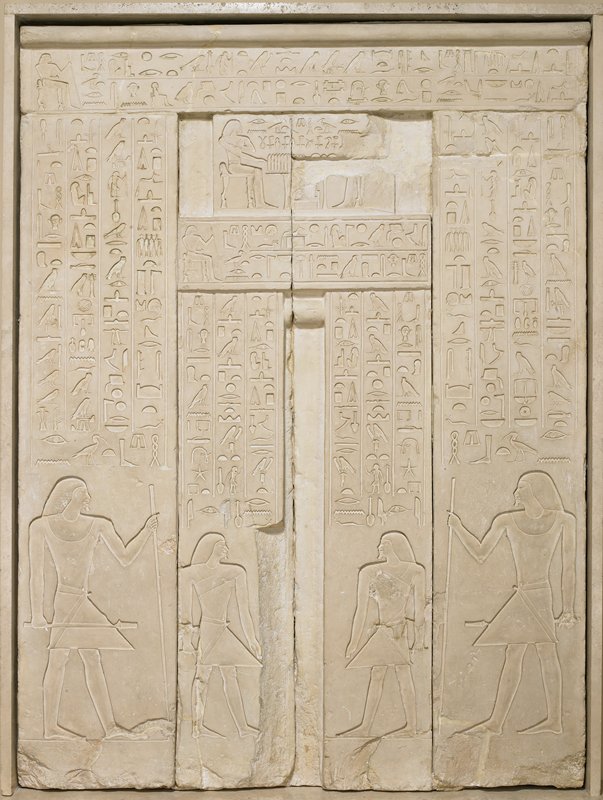
False door, about 2400 BCE

False door, about 2400 BCE

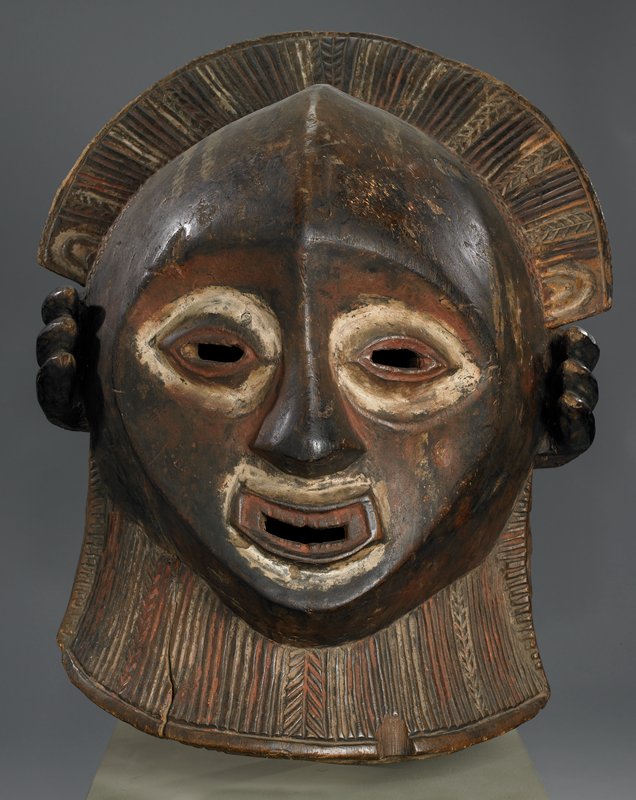
Helmet mask, 19th century

Helmet mask, 19th century

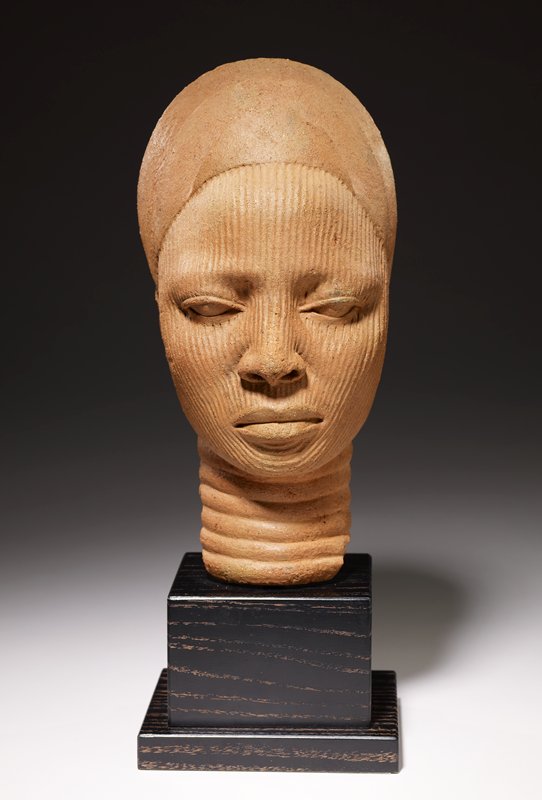
Shrine head, 12th-14th century

Shrine head, 12th-14th century

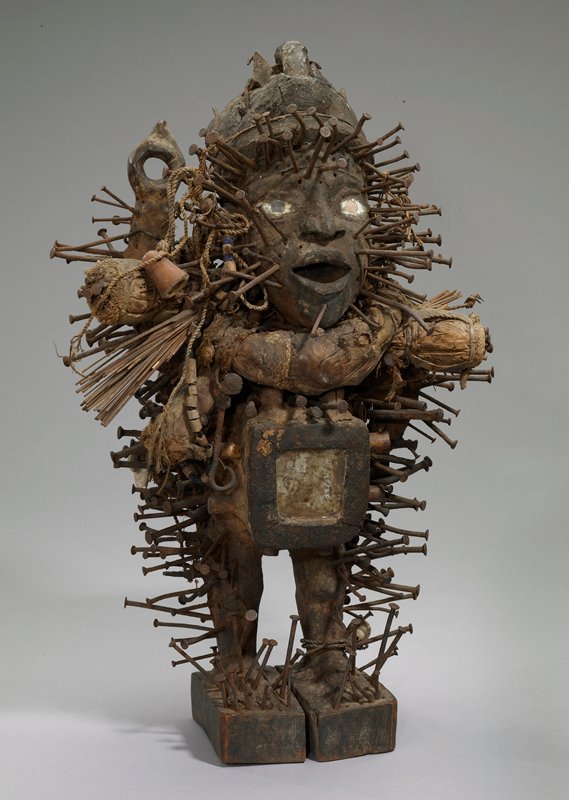
Power figure, early 20th century

Power figure, early 20th century

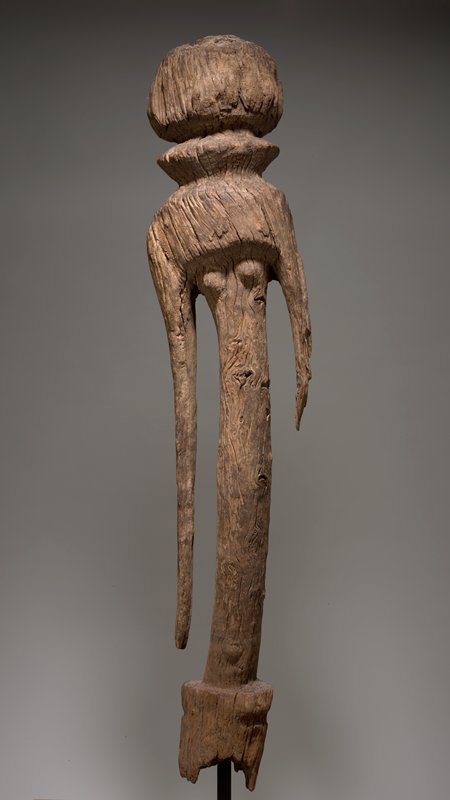
Figure, 1900–50

Figure, 1900–50

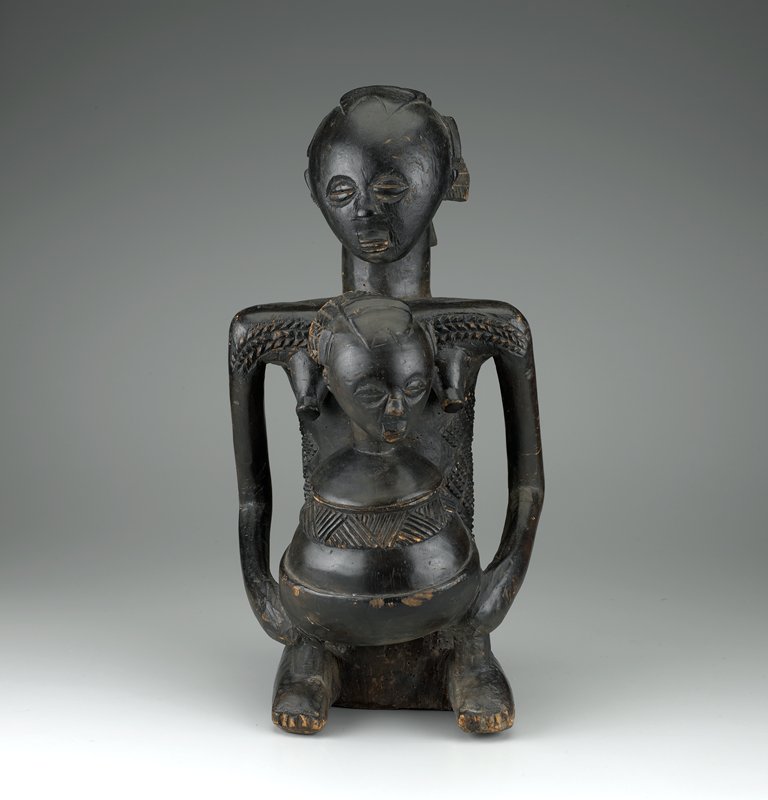
Figure, c. 1900

Figure, c. 1900