ART WIKI32.963 en sala
MapaColecciónArtistasMuseosExposicionesRevista
Acceder

ART WIKI

Dónde cuelga la obra maestra y cuándo le dejan pasar.

Colecciones: Galería Nacional de Arte, Galería Nacional de Dinamarca, Galería Nacional de Retratos, Galería Tretiakov, Harvard Art Museums, Instituto de Arte de Chicago, Instituto de Artes de Mineápolis, MoMA, Museo de Arte de Cleveland, Museo de Victoria y Alberto, Museo del Hermitage, Museo del Louvre, Museo Estatal Ruso, Museo Hirshhorn y Jardín de Esculturas, Museo J. Paul Getty, Museo Metropolitano de Arte, Museo Pushkin, Museo Smithsoniano de Arte Americano, Museo Whitney de Arte Estadounidense, National Museum of Asian Art, Rijksmuseum, Villa Getty, Catálogo Estatal del Fondo Museístico de Rusia (274 museos), Europeana (19 museos), Wikidata (6 museos), Paris Musées (12 museos) y Joconde, la base de museos del Ministerio de Cultura de Francia (495 museos). Las imágenes pertenecen a sus titulares de derechos.

Secciones

  • Mapa
  • Búsqueda
  • Colección
  • Obras maestras
  • Expuestas ahora
  • Artistas

Más

  • Museos y galerías
  • Exposiciones
  • Revista
  • De dónde salen los datos
  • Privacidad y cookies
InicioMapaCatálogo
  1. Colección/
  2. Instituto de Artes de Mineápolis/
  3. Roman Matron
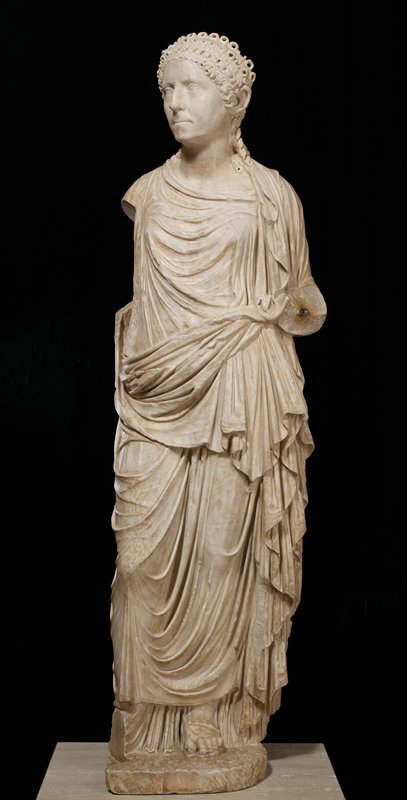
Roman Matron, Roman Empire, 50–60 CE

Roman Matron

50–60 CE · Sculpture · 128.27 × 33.02 cm

Sobre la escultura

Once identified as Agrippina the younger, mother of the emperor Nero, this statue is now thought to represent an unidentified Roman matron. The hairstyle, a feature often used to date ancient Roman female portraits, corresponds to a fashion during Nero's reign (54-68 A.D.) The stark, realistic depiction of the woman's bony and lined face contrasts with the gracefully flowing, deeply carved folds of the clothing, characteristics of late Greek (Hellenistic) sculpture. This subtle combination of realism and idealism was common in portraiture of the Roman Republic and Empire, particularly during the reigns of the Julio-Claudian emperors (27 B.C.-68 A.D.) and of Hadrian (117-138 A.D.).

Instituto de Artes de Mineápolis

Ficha

Número de inventario
32.16

Más obras de Roman Empire

Todas las obras

En la misma sala · G241, Instituto de Artes de Mineápolis

Página del museo
RRoman EmpireSiria

¿Se puede contemplar?

Sí, recibe visitas

Instituto de Artes de Mineápolis

Minneapolis, Estados Unidos

SalaG241

Expuesta al público. Quién lo avala figura más abajo.

Comprobado
hace 3 días
En este estado desde
25 sept 2026
Fuente
El museo
En el mapaPágina del museo

En el catálogo

EsculturaMármolAntigua Roma

Fuentes

  • Instituto de Artes de Mineápolis
  • Imagen: Instituto de Artes de Mineápolis — public domain
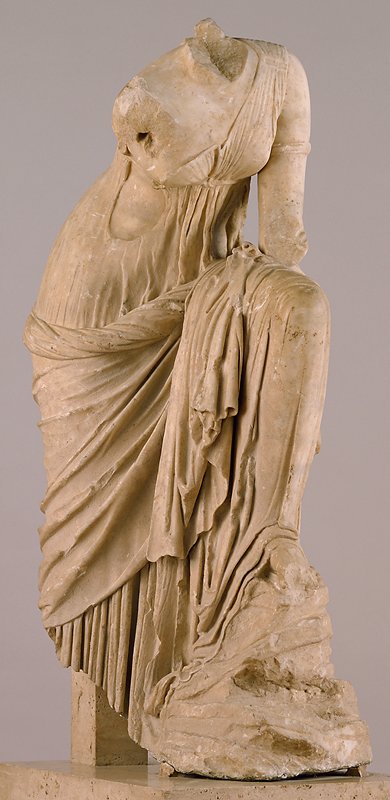
The Tiber Muse, Roman Empire, 2nd–1st century BCE

The Tiber Muse

2nd–1st century BCE · Instituto de Artes de Mineápolis

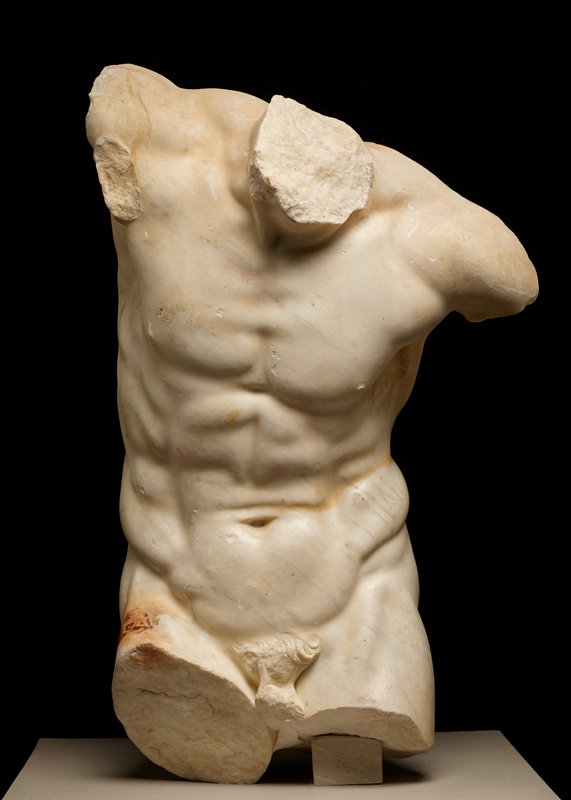
Torso of a Dancing Faun, Roman Empire, 1st century CE

Torso of a Dancing Faun

1st century CE · Instituto de Artes de Mineápolis

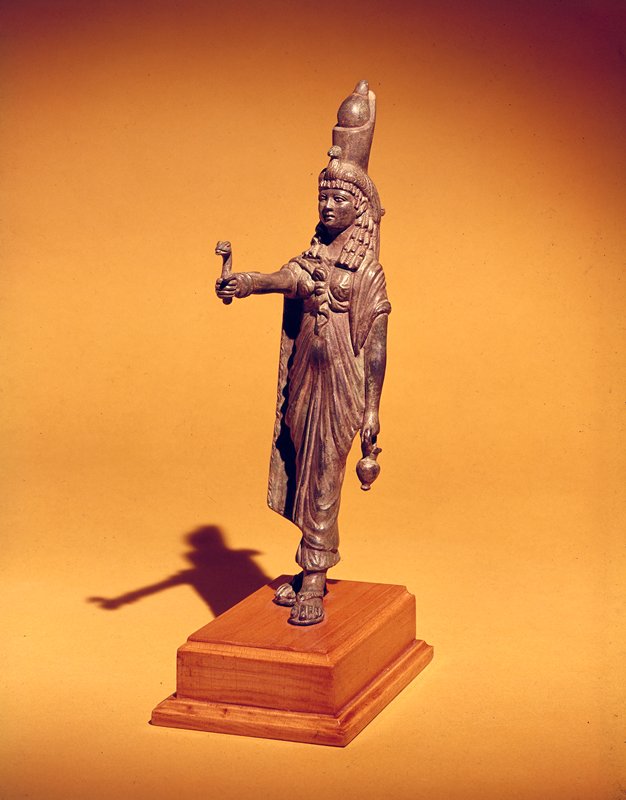
Goddess Isis, Roman Empire, 1st century CE

Goddess Isis

1st century CE · Instituto de Artes de Mineápolis

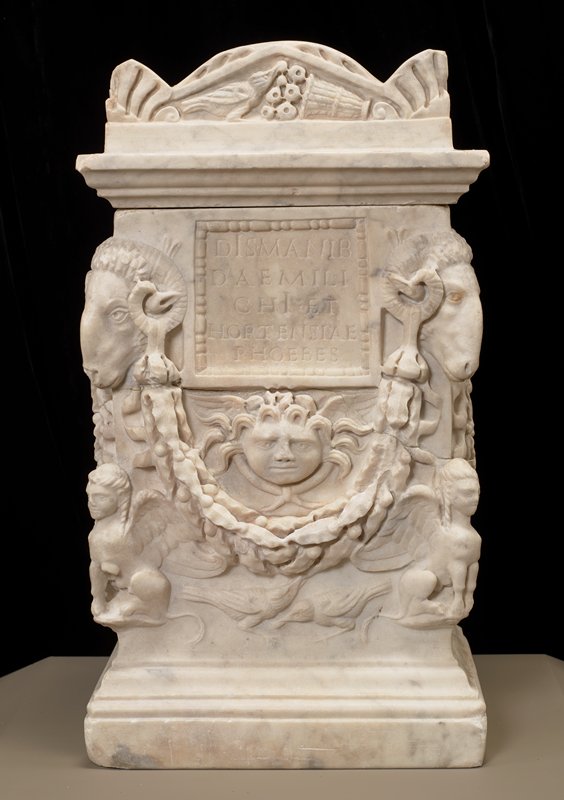
Cinerary Box with Cover, Roman Empire, 50–100 CE

Cinerary Box with Cover

50–100 CE · Instituto de Artes de Mineápolis

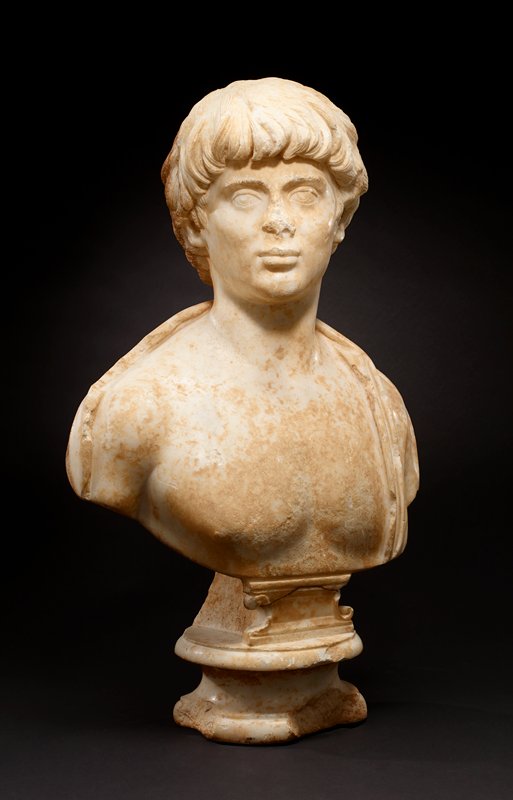
Bust of a Young Man, Probably Polydeukion, Roman Empire, 2nd century

Bust of a Young Man, Probably Polydeukion

2nd century · Instituto de Artes de Mineápolis

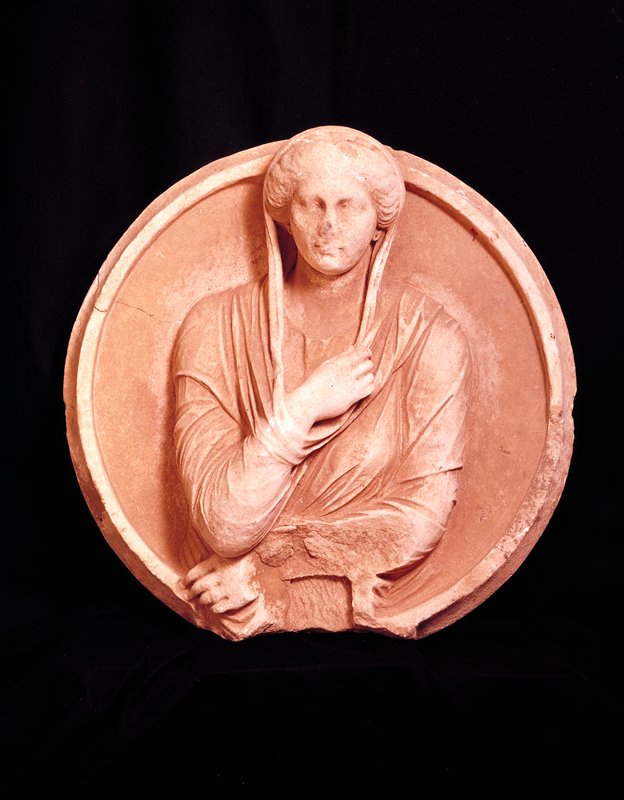
Tondo: Portrait of a Young Noblewoman, Roman Empire, 2nd century

Tondo: Portrait of a Young Noblewoman

2nd century · No expuesta · Instituto de Artes de Mineápolis

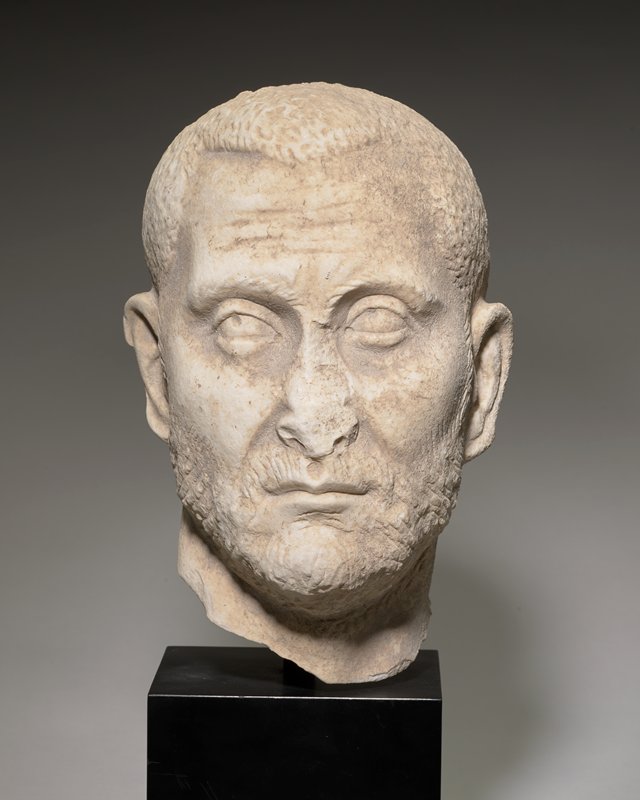
Portrait of a Man, Roman Empire, 252–268

Portrait of a Man

252–268 · No expuesta · Instituto de Artes de Mineápolis

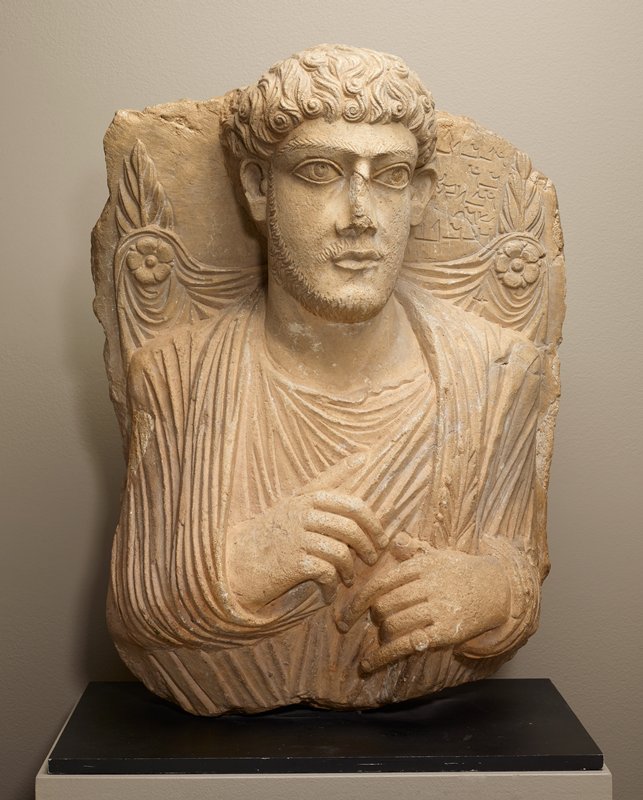
Funerary Relief, Roman Empire, late 2nd century–first half of the 3rd century

Funerary Relief

late 2nd century–first half of the 3rd century · No expuesta · Instituto de Artes de Mineápolis

Torso of a Dancing Faun, Roman Empire, 1st century CE

Roman Empire

Torso of a Dancing Faun, 1st century CE

The Tiber Muse, Roman Empire, 2nd–1st century BCE

Roman Empire

The Tiber Muse, 2nd–1st century BCE

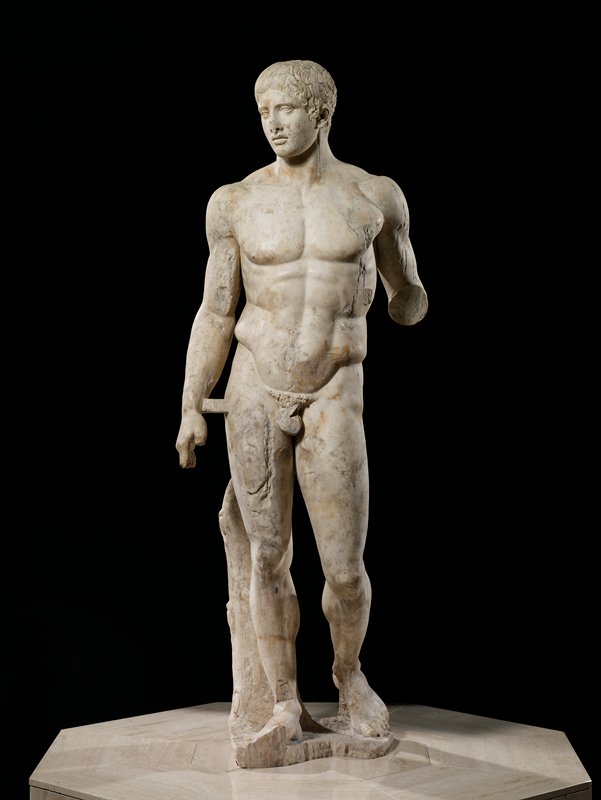
The Doryphoros (after Polykleitos), Copy of work attributed to Polykleitos, 27 BCE–68 CE

Copy of work attributed to Polykleitos

The Doryphoros (after Polykleitos), 27 BCE–68 CE

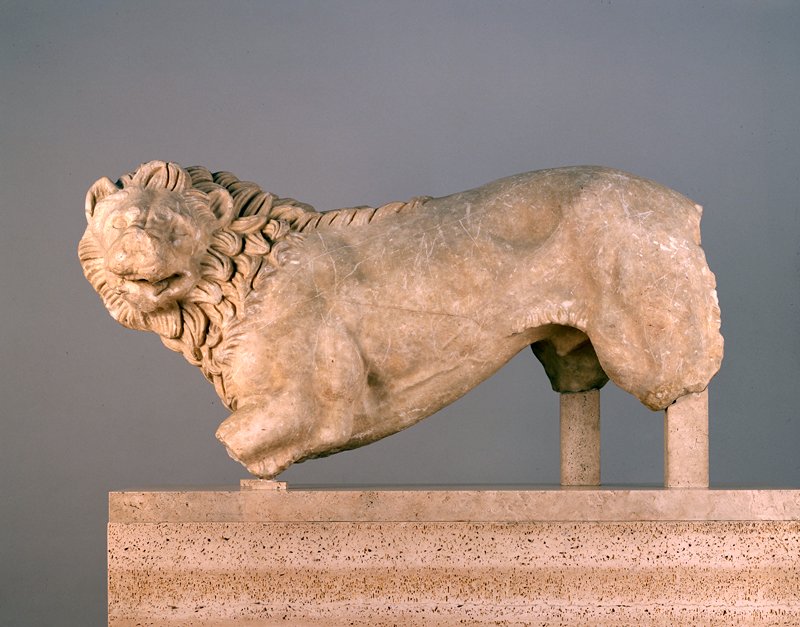
Crouching Lion, 330–317 BCE

Crouching Lion, 330–317 BCE

Cinerary Box with Cover, Roman Empire, 50–100 CE

Roman Empire

Cinerary Box with Cover, 50–100 CE

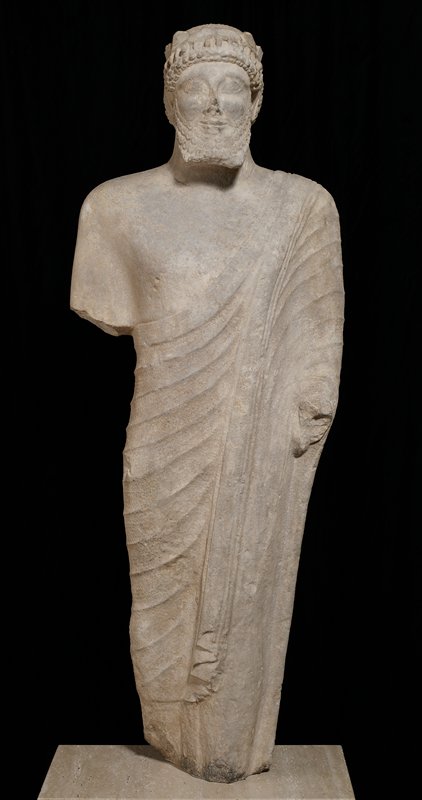
Votary Figure, c. 470 BCE

Votary Figure, c. 470 BCE

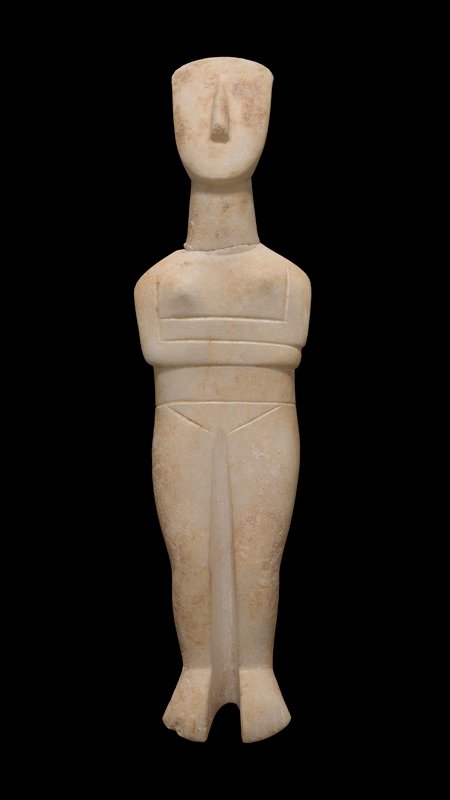
Female Figure, c. 2500–2400 BCE

Female Figure, c. 2500–2400 BCE

Figure of a Lar, 1st century CE

Figure of a Lar, 1st century CE