ART WIKI32.979 en sala
MapaColecciónArtistasMuseosExposicionesRevista
Acceder

ART WIKI

Dónde cuelga la obra maestra y cuándo le dejan pasar.

Colecciones: Galería Nacional de Arte, Galería Nacional de Dinamarca, Galería Nacional de Retratos, Galería Tretiakov, Harvard Art Museums, Instituto de Arte de Chicago, Instituto de Artes de Mineápolis, MoMA, Museo de Arte de Cleveland, Museo de Victoria y Alberto, Museo del Hermitage, Museo del Louvre, Museo Estatal Ruso, Museo Hirshhorn y Jardín de Esculturas, Museo J. Paul Getty, Museo Metropolitano de Arte, Museo Pushkin, Museo Smithsoniano de Arte Americano, Museo Whitney de Arte Estadounidense, National Museum of Asian Art, Rijksmuseum, Villa Getty, Catálogo Estatal del Fondo Museístico de Rusia (274 museos), Europeana (19 museos), Wikidata (6 museos), Paris Musées (12 museos) y Joconde, la base de museos del Ministerio de Cultura de Francia (495 museos). Las imágenes pertenecen a sus titulares de derechos.

Secciones

  • Mapa
  • Búsqueda
  • Colección
  • Obras maestras
  • Expuestas ahora
  • Artistas

Más

  • Museos y galerías
  • Exposiciones
  • Revista
  • De dónde salen los datos
  • Privacidad y cookies
InicioMapaCatálogo
  1. Colección/
  2. Museo de Arte de Cleveland/
  3. Chrysanthemum
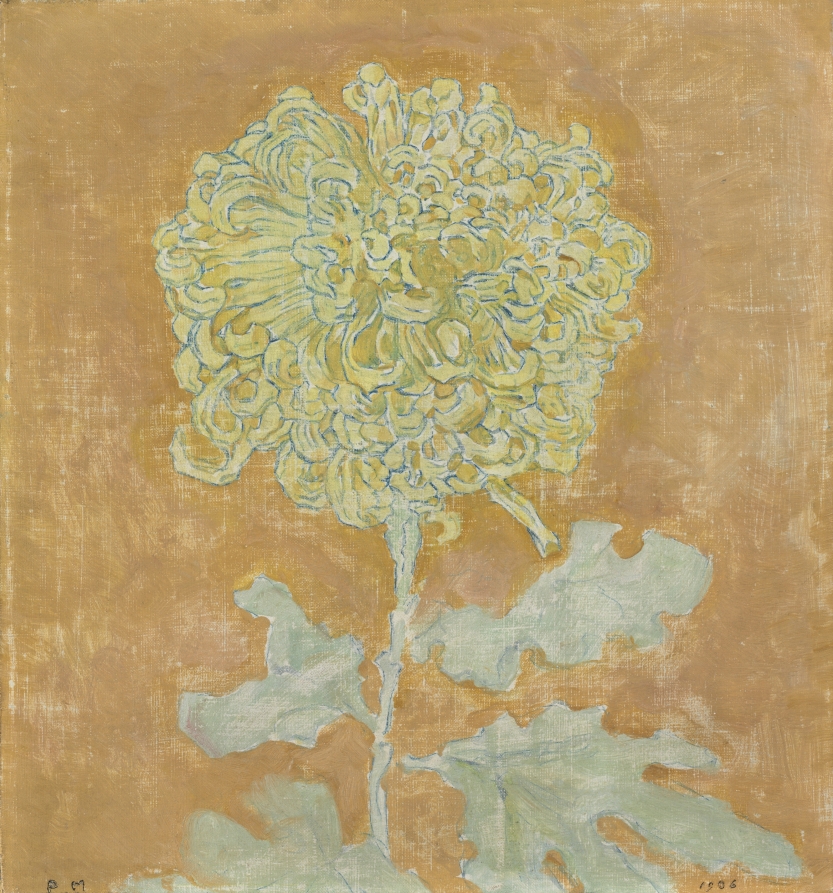
Chrysanthemum, Piet Mondrian, 1906–42
Piet Mondrian, retratoPiet MondrianPaíses Bajos, 1872–1944

Chrysanthemum

1906–42 · Painting

¿Se puede contemplar?

Por ahora no recibe

Museo de Arte de Cleveland

Cleveland, Estados Unidos

Pertenece a la colección, pero ahora mismo no está expuesta.

Comprobado
hace 3 días
En este estado desde
19 ago 2026
Fuente
El museo
En el mapaPágina del museo

Sobre el cuadro

Fascinated by the complex structure of chrysanthemums, Mondrian painted these delicate flowers throughout his career. This single, frontal blossom recalls the stylized chrysanthemums of Japanese prints. Mondrian added the initials and date near the bottom edge sometime after painting the flower. Since he returned to this subject repeatedly, even during his later years, this painting may have been produced as late as 1942, the year Mondrian exhibited it in New York.

Museo de Arte de Cleveland

Ficha

1906–42
18721944
Número de inventario
1958.38

En el catálogo

PinturaÓleoPintura neerlandesaModernismoSiglo XXPaíses Bajos

Fuentes

  • Museo de Arte de Cleveland
  • Imagen: Museo de Arte de Cleveland — Museum open access

Mientras tanto, en la vida de Piet Mondrian

La vida entera
  1. 1912–1914

    Move to Paris

    In 1912 Mondrian moved to Paris, where the Cubism of Picasso and Braque showed in his work almost at once: “The Sea” (1912) and his studies of trees from that year still keep a measure of representation but are increasingly dominated by geometric shapes and interlocking planes.

  2. 1913

    The final break with representation

    In 1913 Mondrian began to fuse his art and his theosophical studies into a theory that signalled his final break from representational painting.

  3. 1914

    The war catches Mondrian in the Netherlands

    While Mondrian was visiting the Netherlands in 1914, the First World War began, forcing him to stay there for the duration of the conflict; in isolation he began to create his own visual language, with works such as “Composition 10 in Black and White” (1915).

  4. 1915–1918

    Founding De Stijl with Van Doesburg

    With Theo van Doesburg Mondrian founded De Stijl, the journal of the De Stijl group, in which he first published essays defining his theory, which he called Neoplasticism.

  5. 23 September 1940

    Sailing from Liverpool to New York

    After the Netherlands were invaded and Paris fell, Mondrian left London and on 23 September 1940 sailed from Liverpool aboard the Cunard White Star liner RMS Samaria for New York, where he remained until his death.

  6. 1 de febrero de 1944

    Died

Más obras de Piet Mondrian

Todas las obras
Oostzijdse Mill along the River Gein by Moonlight, Piet Mondriaan, c. 1903

Oostzijdse Mill along the River Gein by Moonlight

c. 1903 · Rijksmuseum

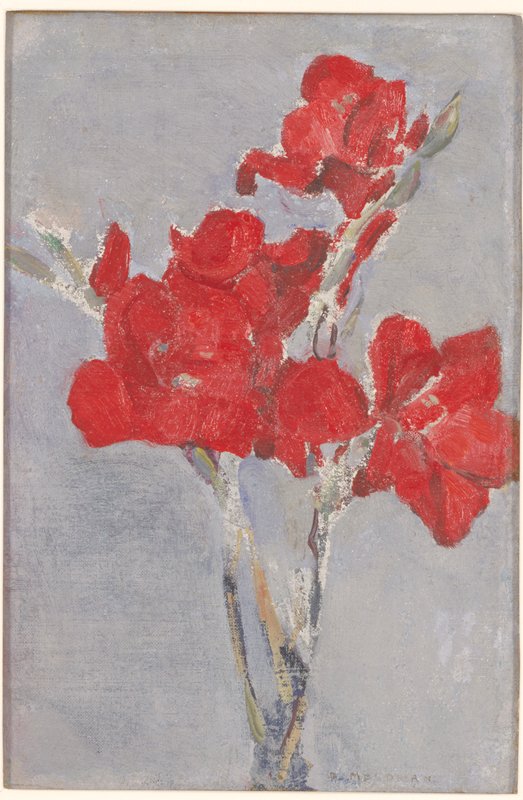
Red Gladioli, Piet Mondrian, c. 1906

Red Gladioli

c. 1906 · Instituto de Artes de Mineápolis

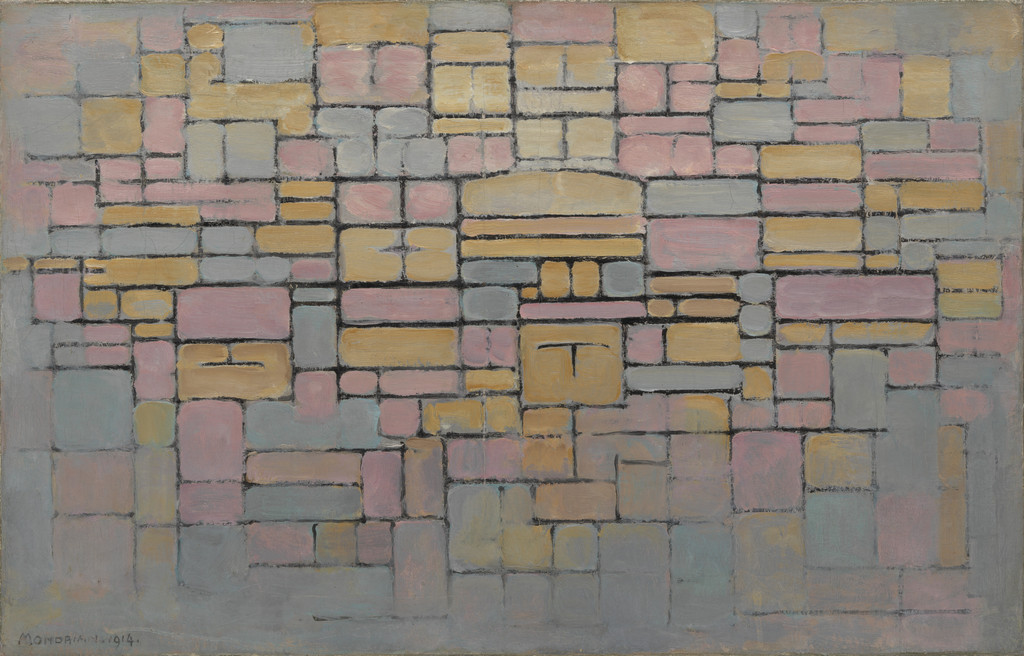
Tableau no. 2 / Composition no. V, Piet Mondrian, 1914

Tableau no. 2 / Composition no. V

1914 · MoMA

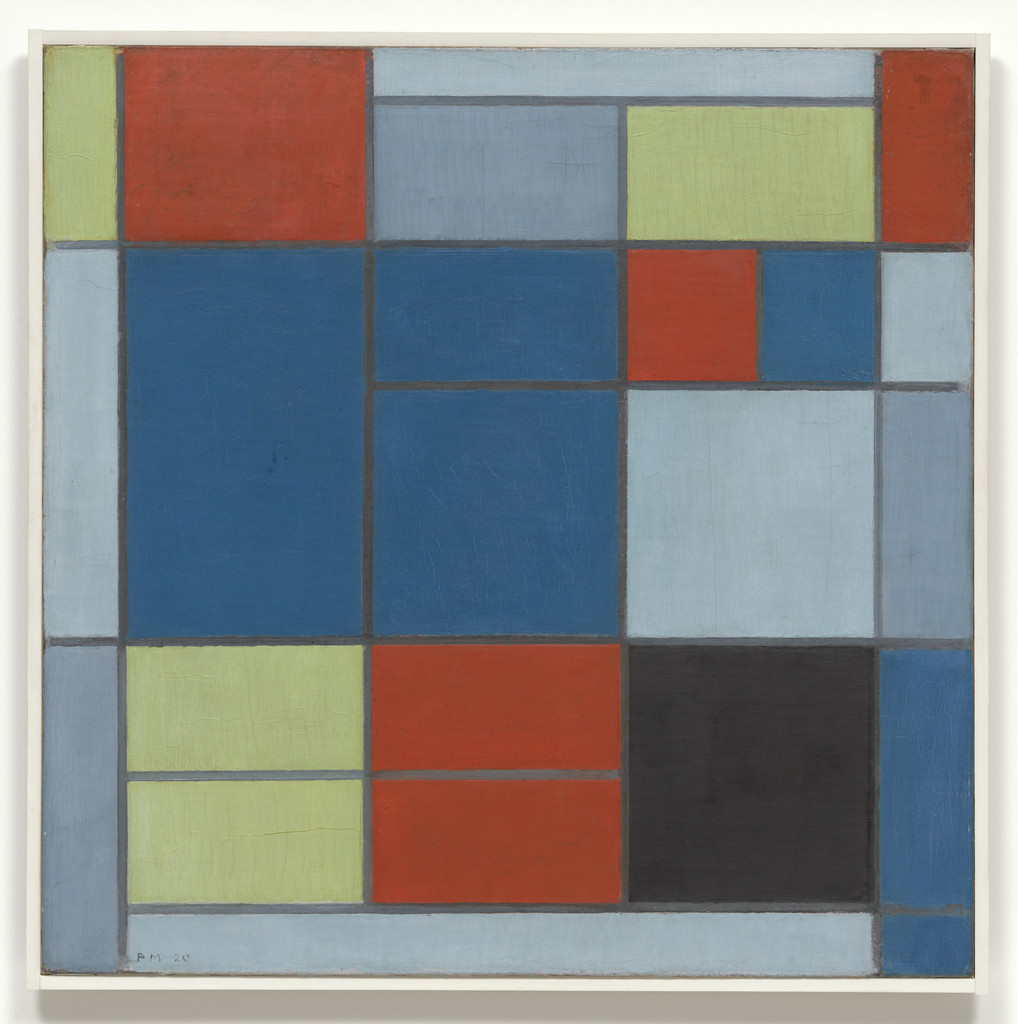
Composition C, Piet Mondrian, 1920

Composition C

1920 · MoMA

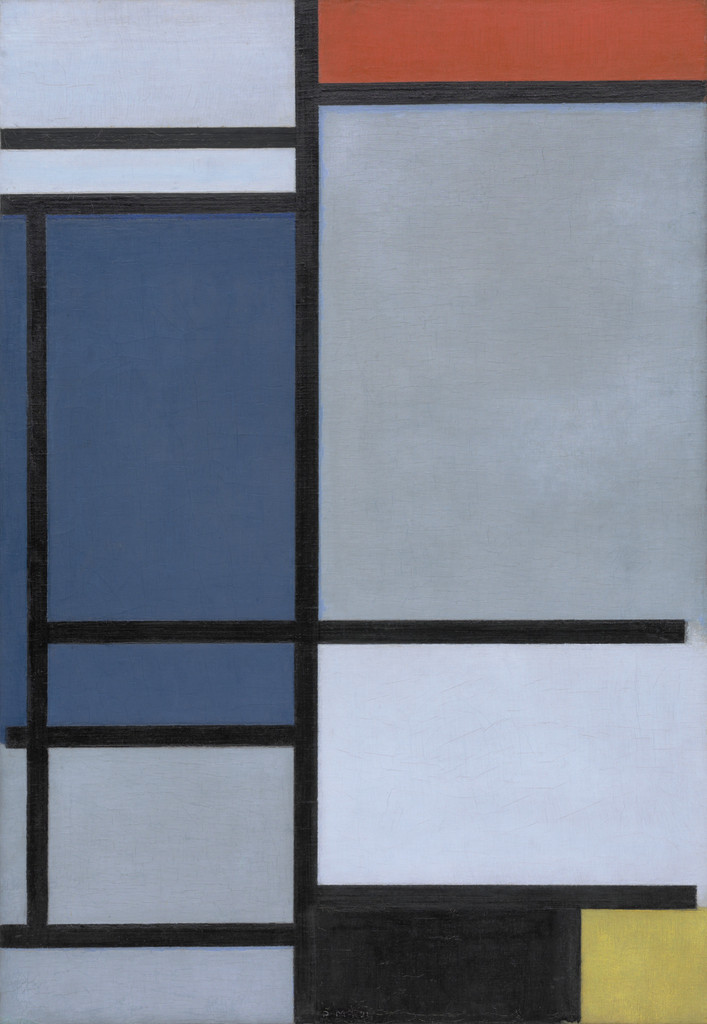
Composition with Red, Blue, Black, Yellow, and Gray, Piet Mondrian, 1921

Composition with Red, Blue, Black, Yellow, and Gray

1921 · MoMA

Tableau No. IV; Lozenge Composition with Red, Gray, Blue, Yellow, and Black, Piet Mondrian, c. 1924/1925

Tableau No. IV; Lozenge Composition with Red, Gray, Blue, Yellow, and Black

c. 1924/1925 · Galería Nacional de Arte

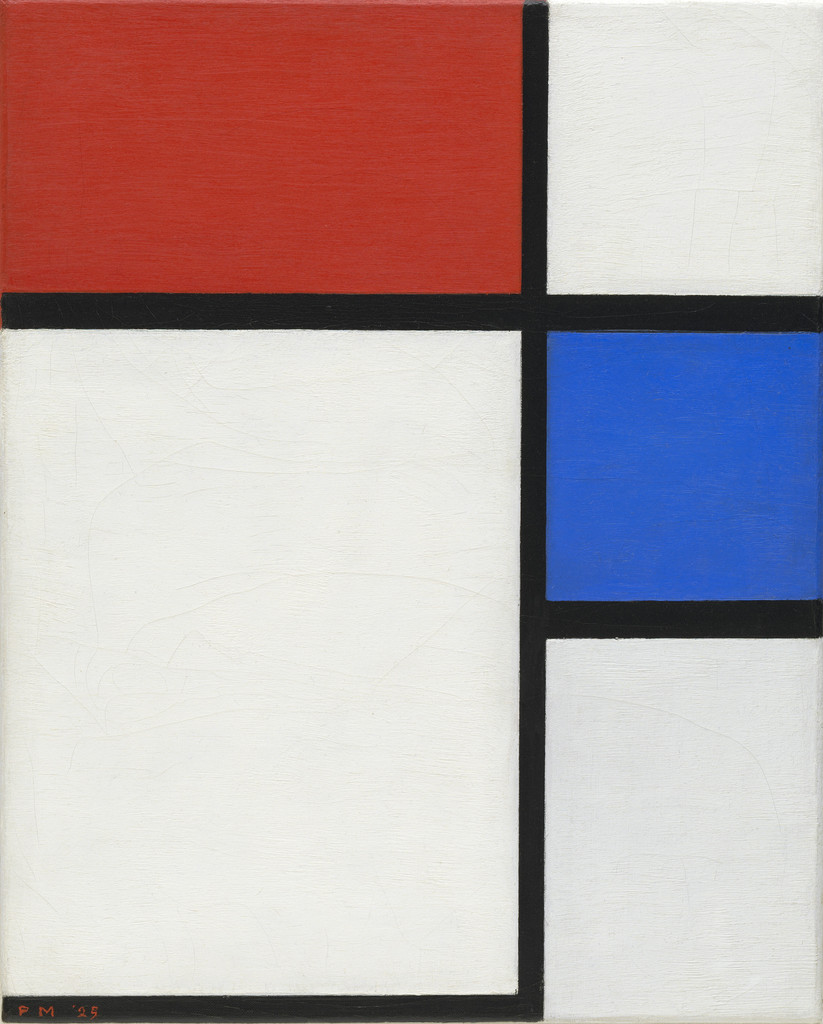
Composition No. II, with Red and Blue, Piet Mondrian, 1929 (original date partly obliterated; mistakenly repainted 1925 by Mondrian)

Composition No. II, with Red and Blue

1929 (original date partly obliterated; mistakenly repainted 1925 by Mondrian) · MoMA

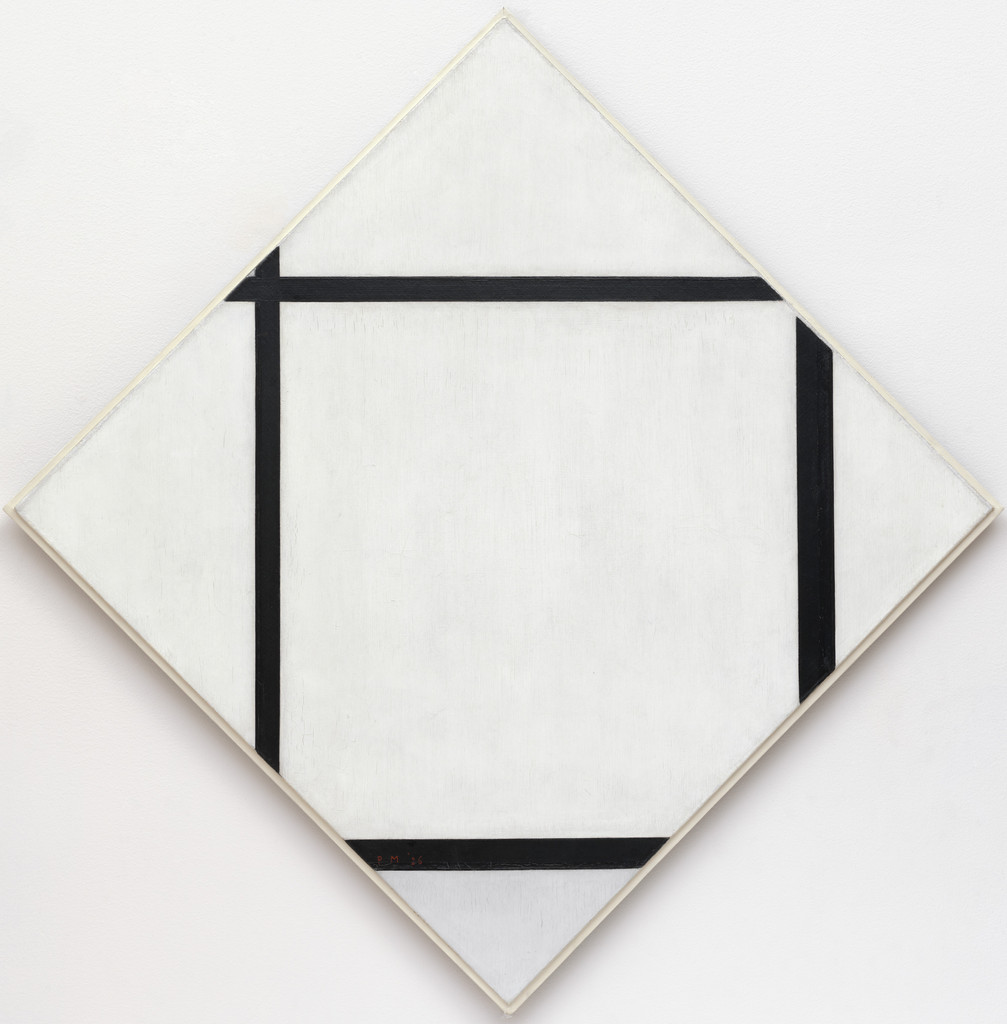
Tableau I: Lozenge with Four Lines and Gray, Piet Mondrian, 1926

Tableau I: Lozenge with Four Lines and Gray

1926 · MoMA

Bajo el mismo techo: Museo de Arte de Cleveland

Página del museo
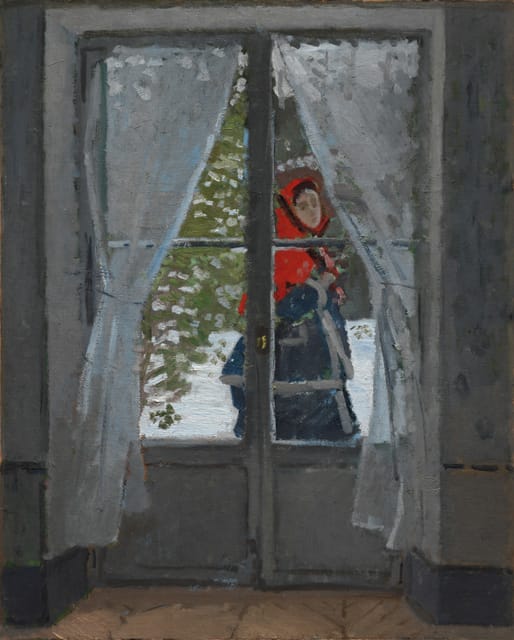
The Red Kerchief, Claude Monet, c. 1868–73

Claude Monet

The Red Kerchief, c. 1868–73

Melencolia I, Albrecht Dürer, 1514

Albrecht Dürer

Melancolía I, 1514

The Virgin and Child with the Pear, Albrecht Dürer, 1511

Albrecht Dürer

The Virgin and Child with the Pear, 1511

The Nativity, Albrecht Dürer, probably c. 1509/1510

Albrecht Dürer

The Nativity, probably c. 1509/1510

The Virgin and Child on a Crescent with a Starry Crown, Albrecht Dürer, 1508

Albrecht Dürer

The Virgin and Child on a Crescent with a Starry Crown, 1508

The Lamentation, Albrecht Dürer, 1507

Albrecht Dürer

The Lamentation, 1507

Large Horse, Albrecht Dürer, 1505

Albrecht Dürer

Large Horse, 1505

Nemesis (The Great Fortune), Albrecht Dürer, c. 1501/1502

Albrecht Dürer

Nemesis (The Great Fortune), c. 1501/1502