ART WIKI32.963 en sala
MapaColecciónArtistasMuseosExposicionesRevista
Acceder

ART WIKI

Dónde cuelga la obra maestra y cuándo le dejan pasar.

Colecciones: Galería Nacional de Arte, Galería Nacional de Dinamarca, Galería Nacional de Retratos, Galería Tretiakov, Harvard Art Museums, Instituto de Arte de Chicago, Instituto de Artes de Mineápolis, MoMA, Museo de Arte de Cleveland, Museo de Victoria y Alberto, Museo del Hermitage, Museo del Louvre, Museo Estatal Ruso, Museo Hirshhorn y Jardín de Esculturas, Museo J. Paul Getty, Museo Metropolitano de Arte, Museo Pushkin, Museo Smithsoniano de Arte Americano, Museo Whitney de Arte Estadounidense, National Museum of Asian Art, Rijksmuseum, Villa Getty, Catálogo Estatal del Fondo Museístico de Rusia (274 museos), Europeana (19 museos), Wikidata (6 museos), Paris Musées (12 museos) y Joconde, la base de museos del Ministerio de Cultura de Francia (495 museos). Las imágenes pertenecen a sus titulares de derechos.

Secciones

  • Mapa
  • Búsqueda
  • Colección
  • Obras maestras
  • Expuestas ahora
  • Artistas

Más

  • Museos y galerías
  • Exposiciones
  • Revista
  • De dónde salen los datos
  • Privacidad y cookies
InicioMapaCatálogo
  1. Colección/
  2. MoMA/
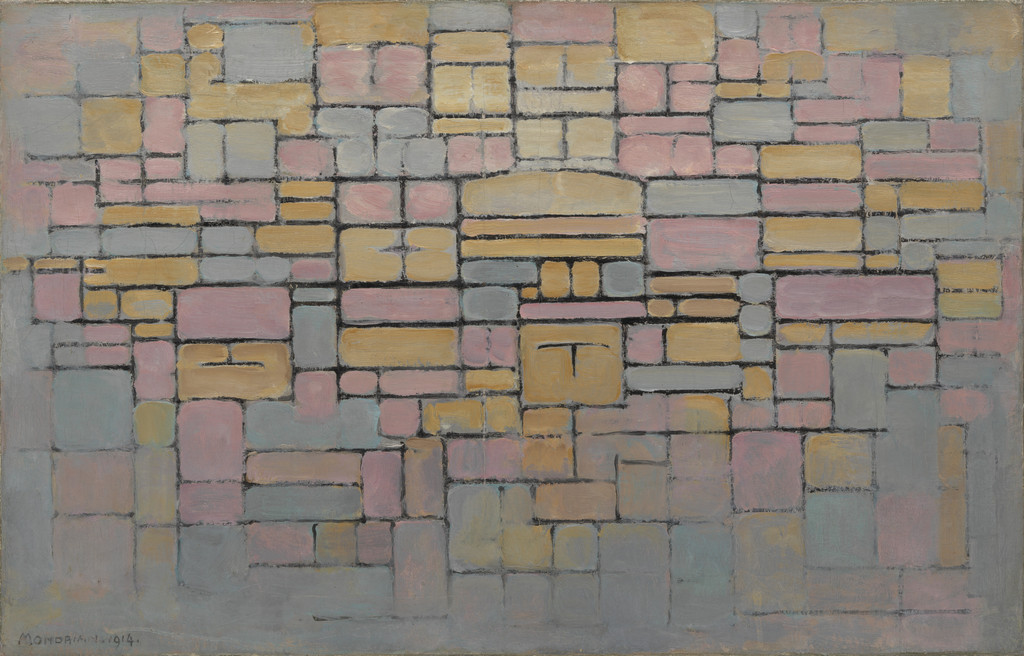
  3. Tableau no. 2 / Composition no. V
Tableau no. 2 / Composition no. V, Piet Mondrian, 1914
Piet Mondrian, retratoPiet MondrianPaíses Bajos, 1872–1944

Tableau no. 2 / Composition no. V

1914 · Painting

Ficha

1914 · a los 42 años
18721944
Número de inventario
633.1967

Mientras tanto, en la vida de Piet Mondrian

La vida entera
  1. 1912–1914

    Move to Paris

    In 1912 Mondrian moved to Paris, where the Cubism of Picasso and Braque showed in his work almost at once: “The Sea” (1912) and his studies of trees from that year still keep a measure of representation but are increasingly dominated by geometric shapes and interlocking planes.

  2. 1912–1917

    The Cubist period

    Mondrian was eager to absorb the influence of Cubism but saw it as a port of call on his artistic journey rather than a destination; his Cubist period lasted from 1912 to 1917.

  3. 1913

    The final break with representation

    In 1913 Mondrian began to fuse his art and his theosophical studies into a theory that signalled his final break from representational painting.

  4. 1914

    The war catches Mondrian in the Netherlands

    While Mondrian was visiting the Netherlands in 1914, the First World War began, forcing him to stay there for the duration of the conflict; in isolation he began to create his own visual language, with works such as “Composition 10 in Black and White” (1915).

  5. 1914–1918

    The artists' colony at Laren

    During the war Mondrian stayed at the Laren artists' colony, where he met Bart van der Leck and Theo van Doesburg, both of whom were pursuing their own journeys toward abstraction.

Más obras de Piet Mondrian

Todas las obras

En la misma sala · MoMA, Floor 5, 503, MoMA

Página del museo

1915–1918

Founding De Stijl with Van Doesburg

With Theo van Doesburg Mondrian founded De Stijl, the journal of the De Stijl group, in which he first published essays defining his theory, which he called Neoplasticism.

¿Se puede contemplar?

Sí, recibe visitas

MoMA

Nueva York, Estados Unidos

SalaMoMA, Floor 5, 503

Expuesta al público. Quién lo avala figura más abajo.

Comprobado
hace 9 días
Fuente
El museo
En el mapaPágina del museo

En el catálogo

PinturaÓleoPintura neerlandesaModernismoSiglo XX

Fuentes

  • MoMA
  • Imagen: MoMA — © the artist or rights holder
Oostzijdse Mill along the River Gein by Moonlight, Piet Mondriaan, c. 1903

Oostzijdse Mill along the River Gein by Moonlight

c. 1903 · Rijksmuseum

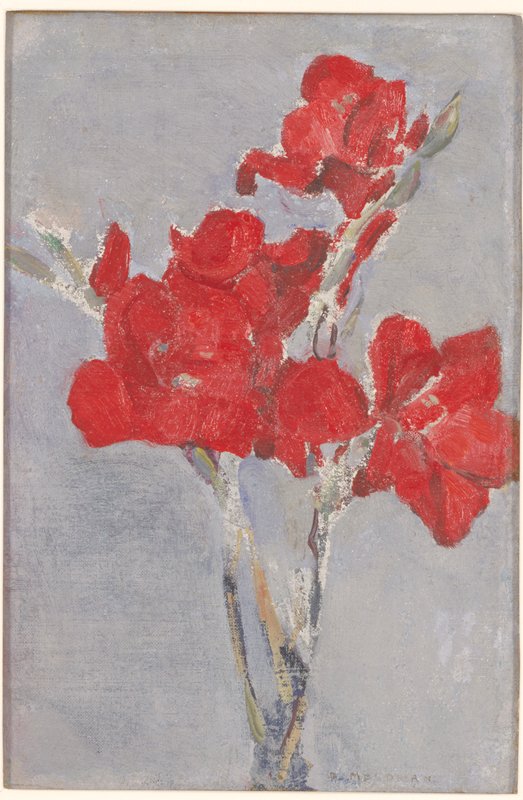
Red Gladioli, Piet Mondrian, c. 1906

Red Gladioli

c. 1906 · Instituto de Artes de Mineápolis

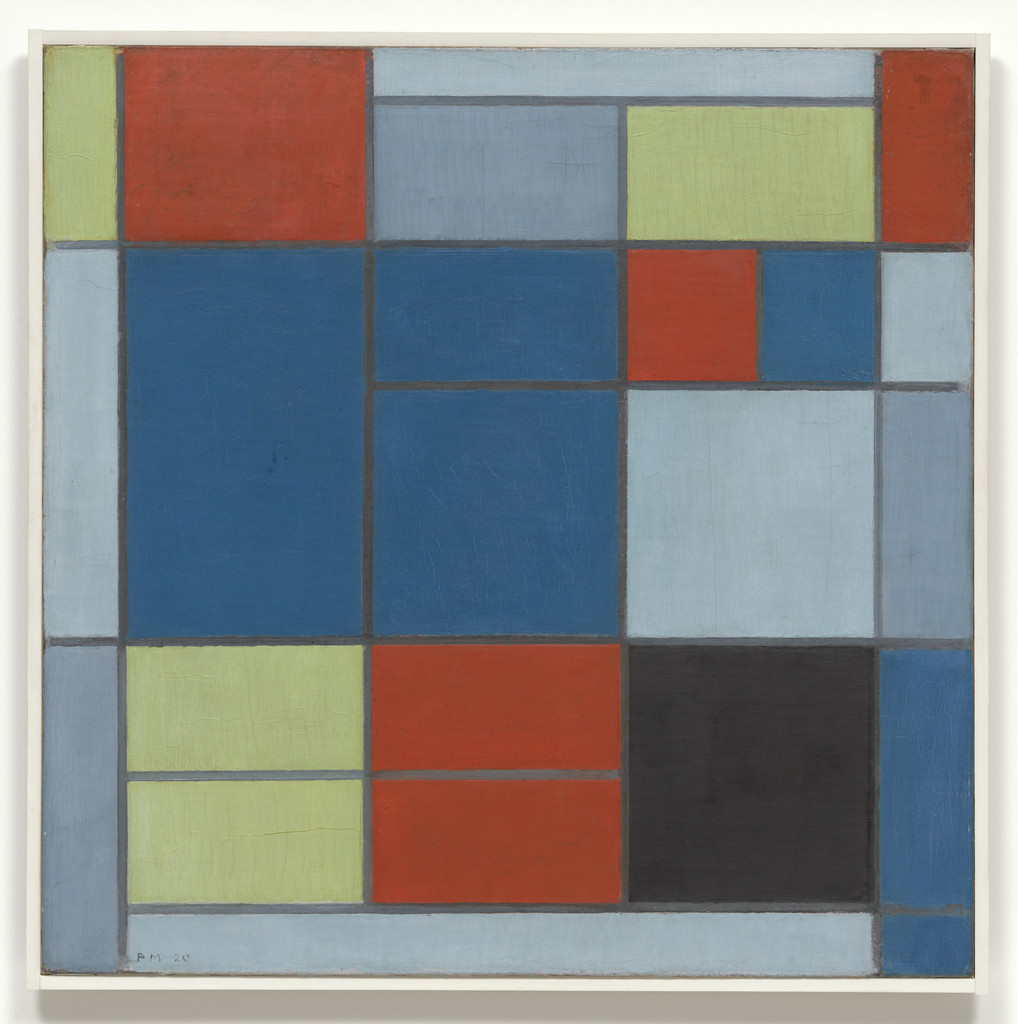
Composition C, Piet Mondrian, 1920

Composition C

1920 · MoMA

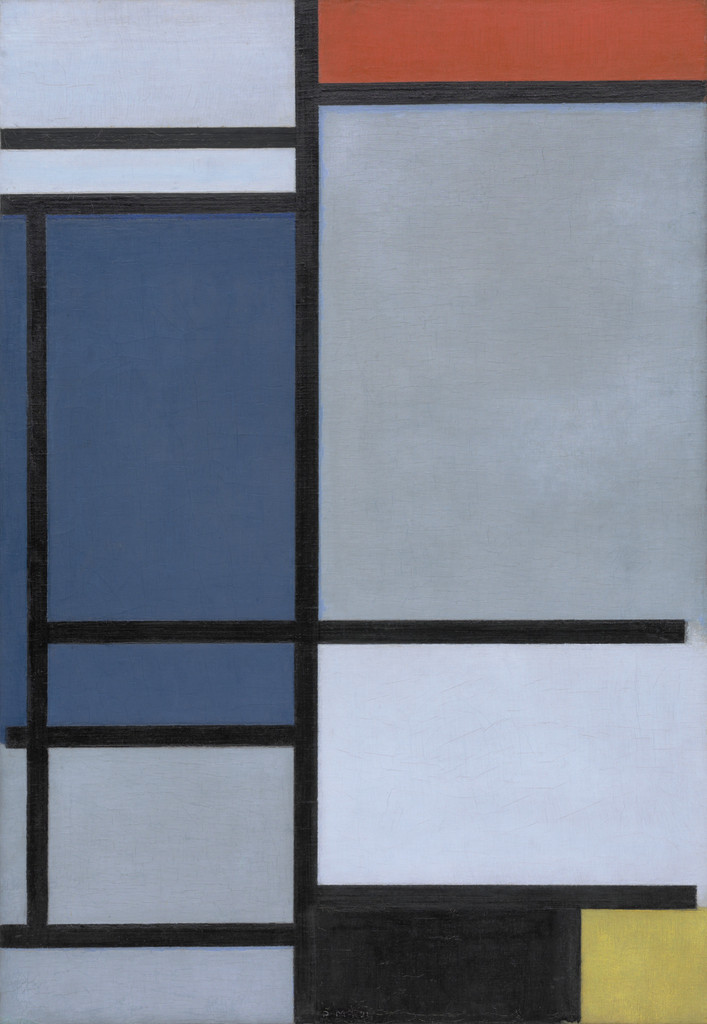
Composition with Red, Blue, Black, Yellow, and Gray, Piet Mondrian, 1921

Composition with Red, Blue, Black, Yellow, and Gray

1921 · MoMA

Tableau No. IV; Lozenge Composition with Red, Gray, Blue, Yellow, and Black, Piet Mondrian, c. 1924/1925

Tableau No. IV; Lozenge Composition with Red, Gray, Blue, Yellow, and Black

c. 1924/1925 · Galería Nacional de Arte

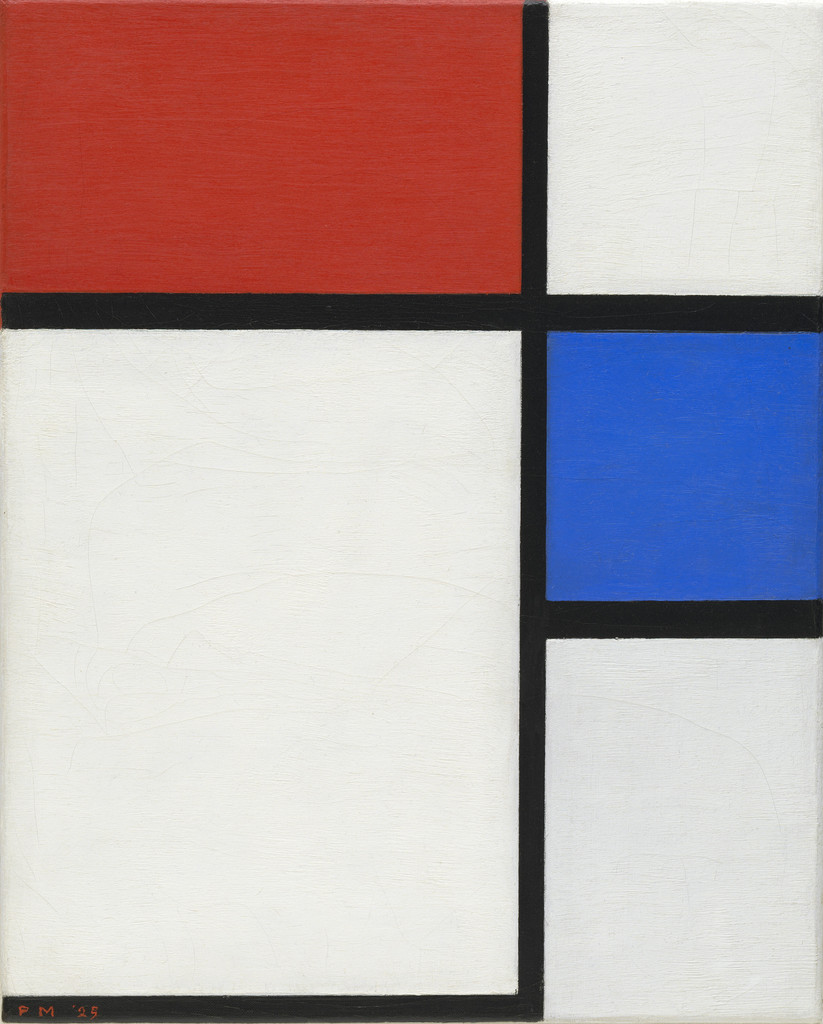
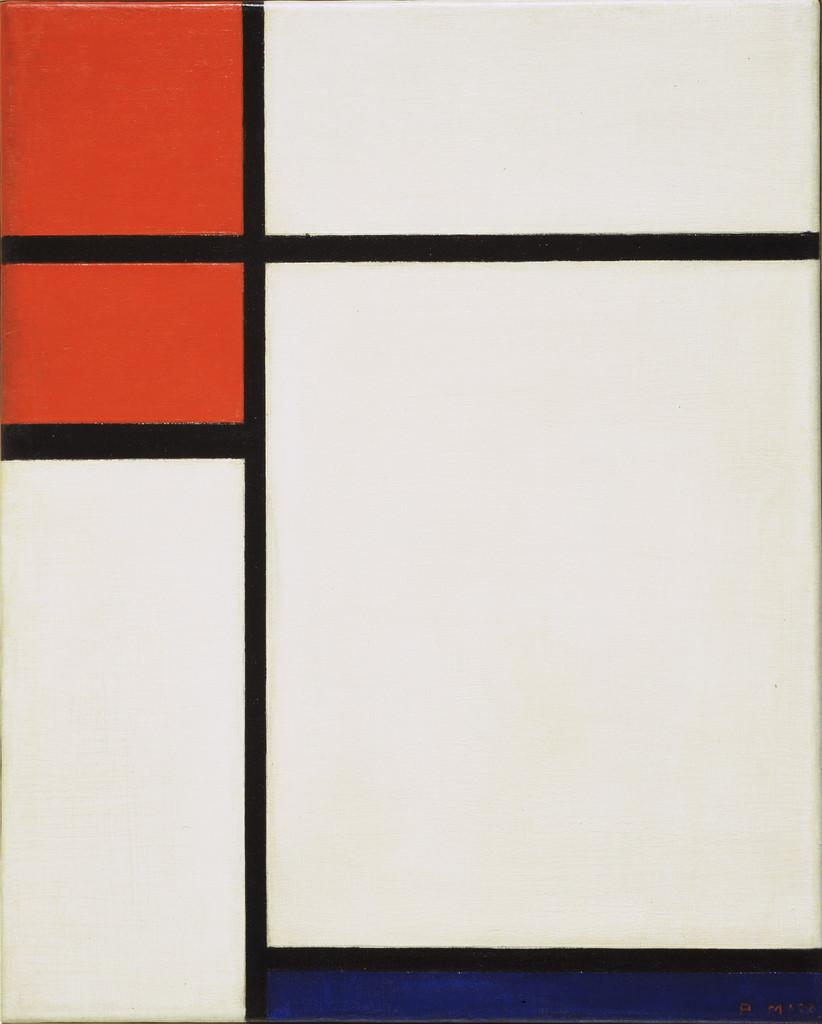
Composition No. II, with Red and Blue, Piet Mondrian, 1929 (original date partly obliterated; mistakenly repainted 1925 by Mondrian)

Composition No. II, with Red and Blue

1929 (original date partly obliterated; mistakenly repainted 1925 by Mondrian) · MoMA

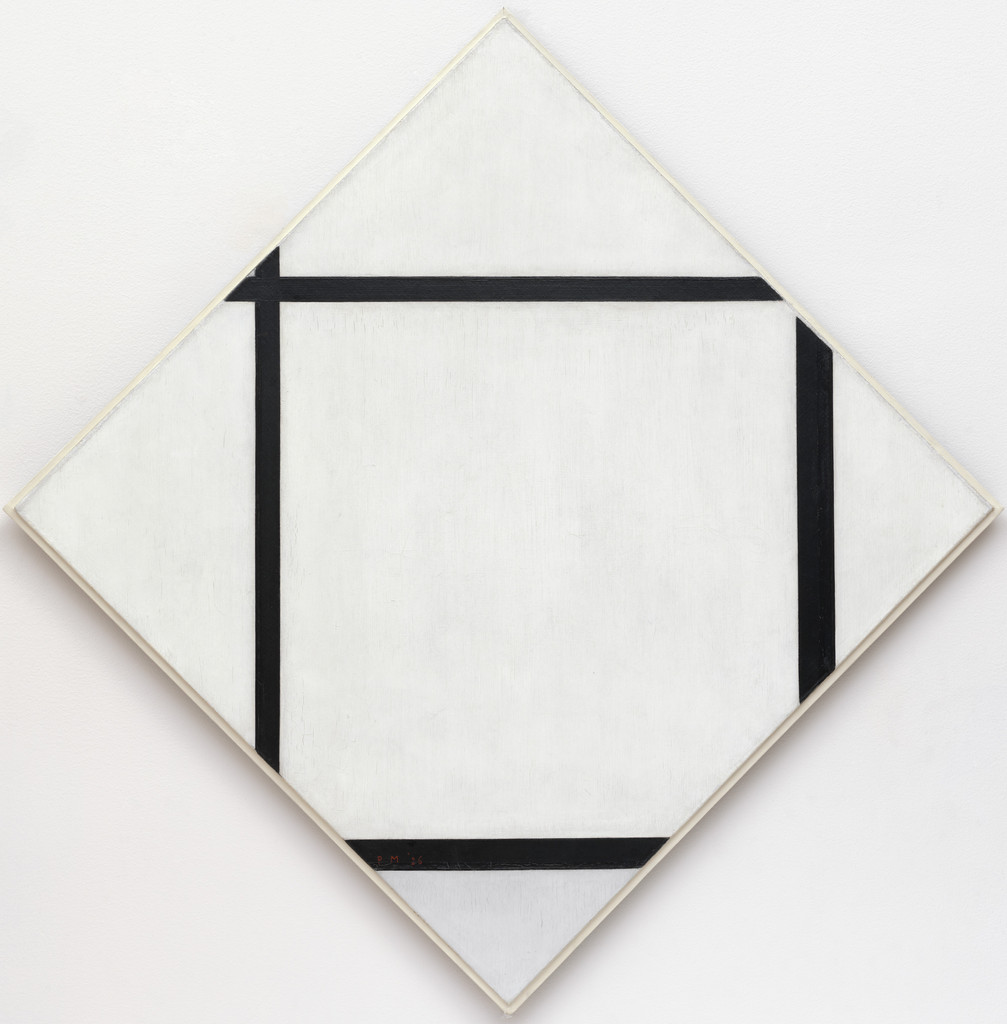
Tableau I: Lozenge with Four Lines and Gray, Piet Mondrian, 1926

Tableau I: Lozenge with Four Lines and Gray

1926 · MoMA

Composition with Red and Blue, Piet Mondrian, 1933

Composition with Red and Blue

1933 · MoMA

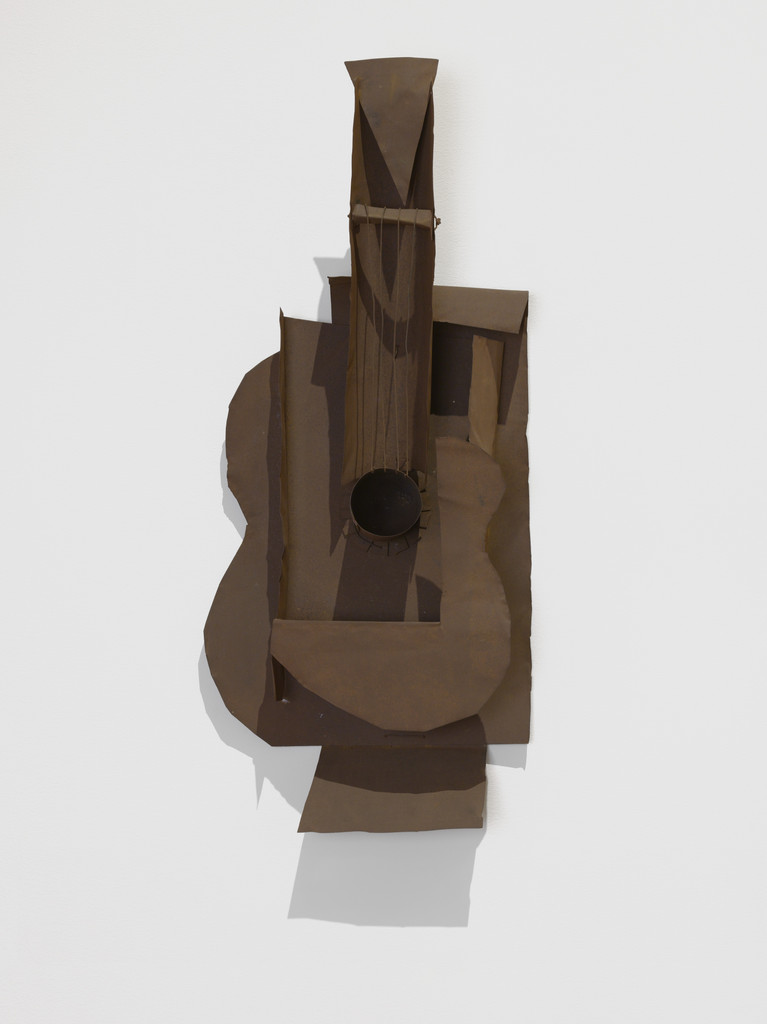
Guitar, Pablo Picasso, Paris, January–February 1914

Pablo Picasso

Guitar, Paris, January–February 1914

The Architect's Table, Pablo Picasso, Paris, early 1912

Pablo Picasso

The Architect's Table, Paris, early 1912

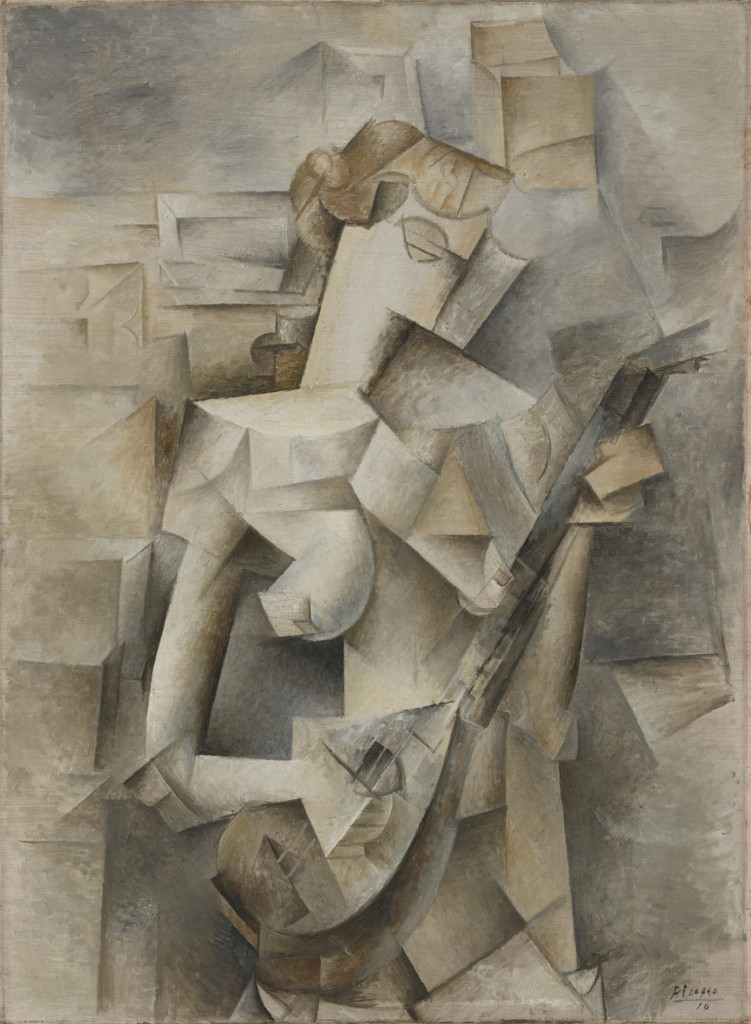
Girl with a Mandolin (Fanny Tellier), Pablo Picasso, Paris, late spring 1910

Pablo Picasso

Girl with a Mandolin (Fanny Tellier), Paris, late spring 1910

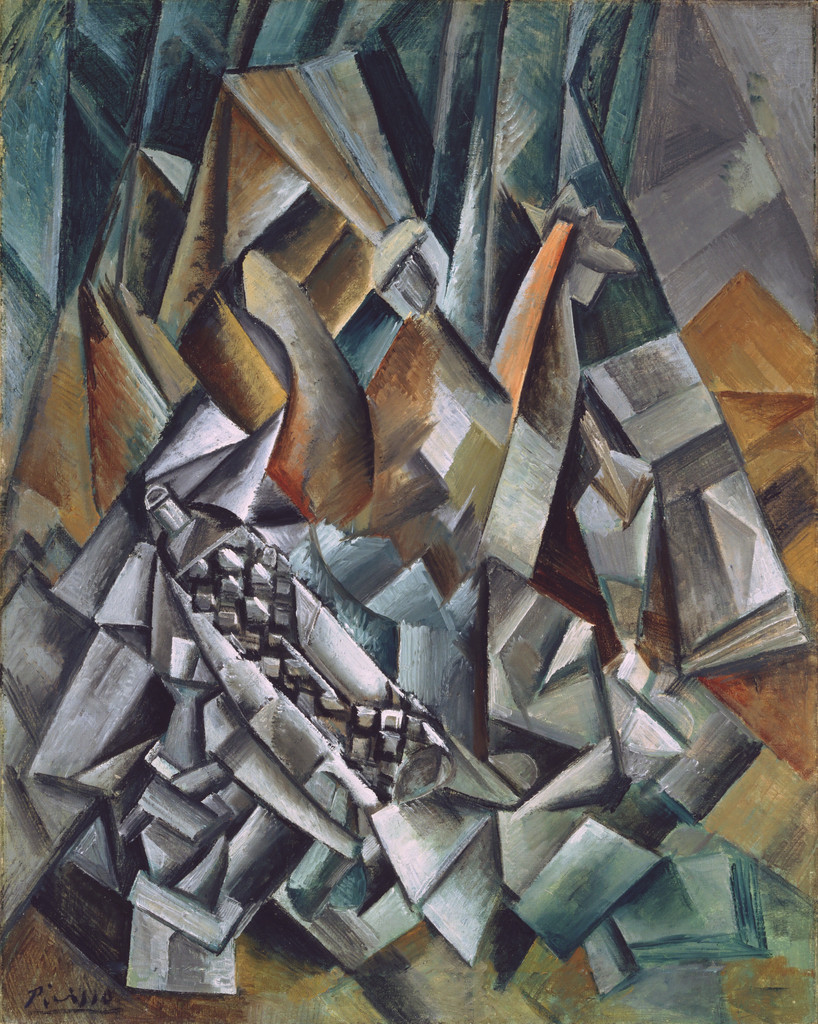
Still Life with Liqueur Bottle, Pablo Picasso, Horta de San Joan, August 1909

Pablo Picasso

Still Life with Liqueur Bottle, Horta de San Joan, August 1909

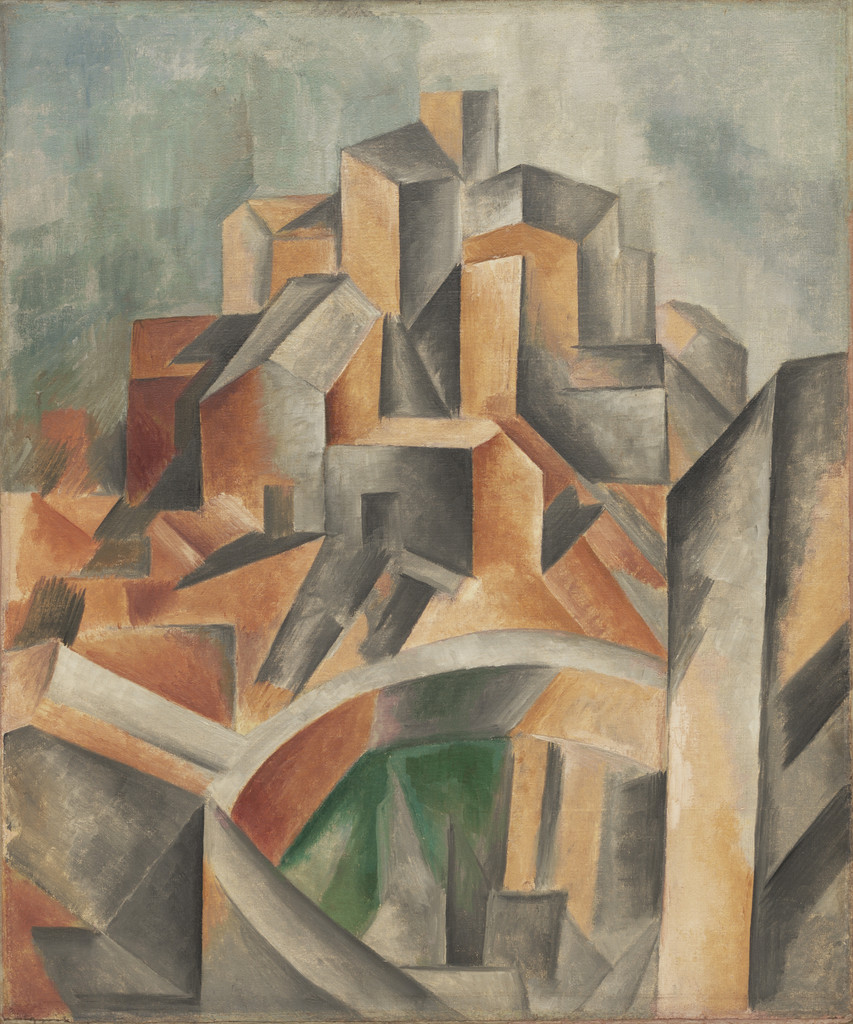
The Reservoir, Horta de Ebro, Pablo Picasso, Horta de Sant Joan, summer 1909

Pablo Picasso

The Reservoir, Horta de Ebro, Horta de Sant Joan, summer 1909

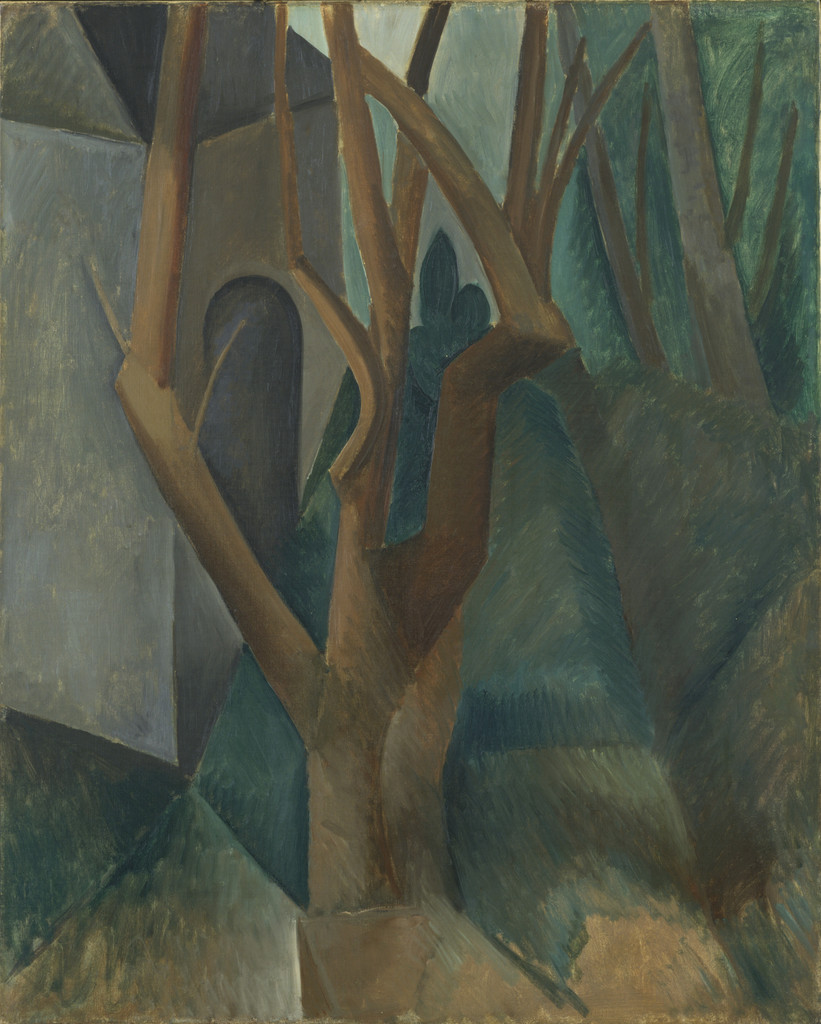
Landscape, Pablo Picasso, La Rue des Bois or Paris, August or September 1908

Pablo Picasso

Landscape, La Rue des Bois or Paris, August or September 1908

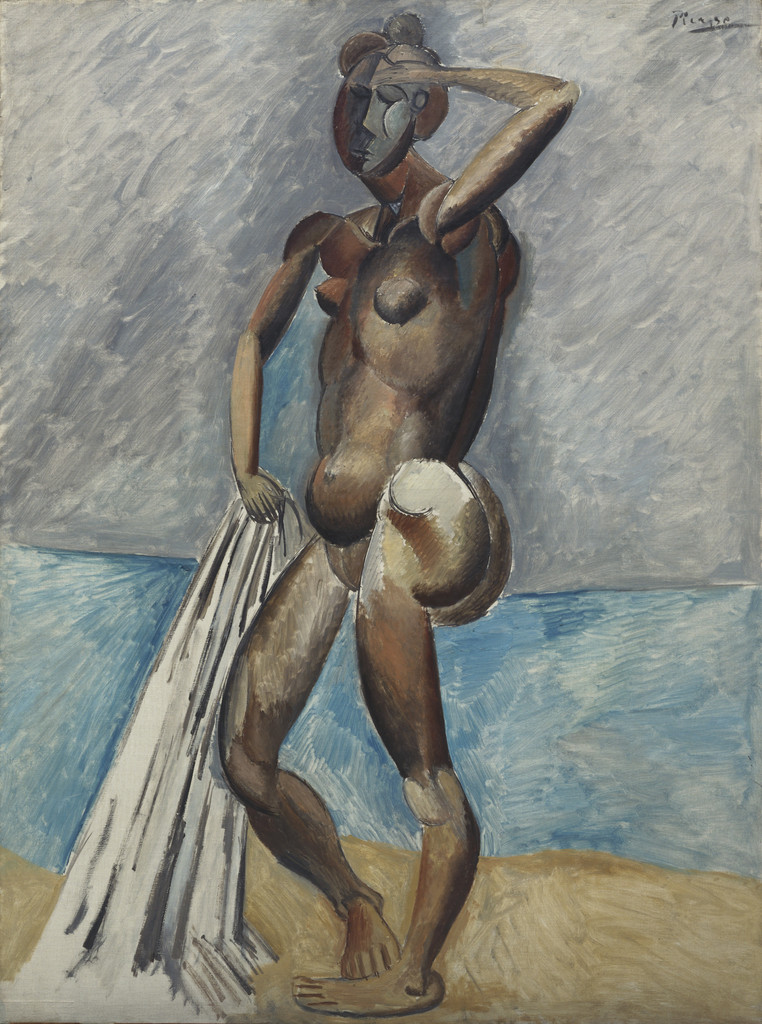
Bather, Pablo Picasso, winter 1908-09

Pablo Picasso

Bather, winter 1908-09

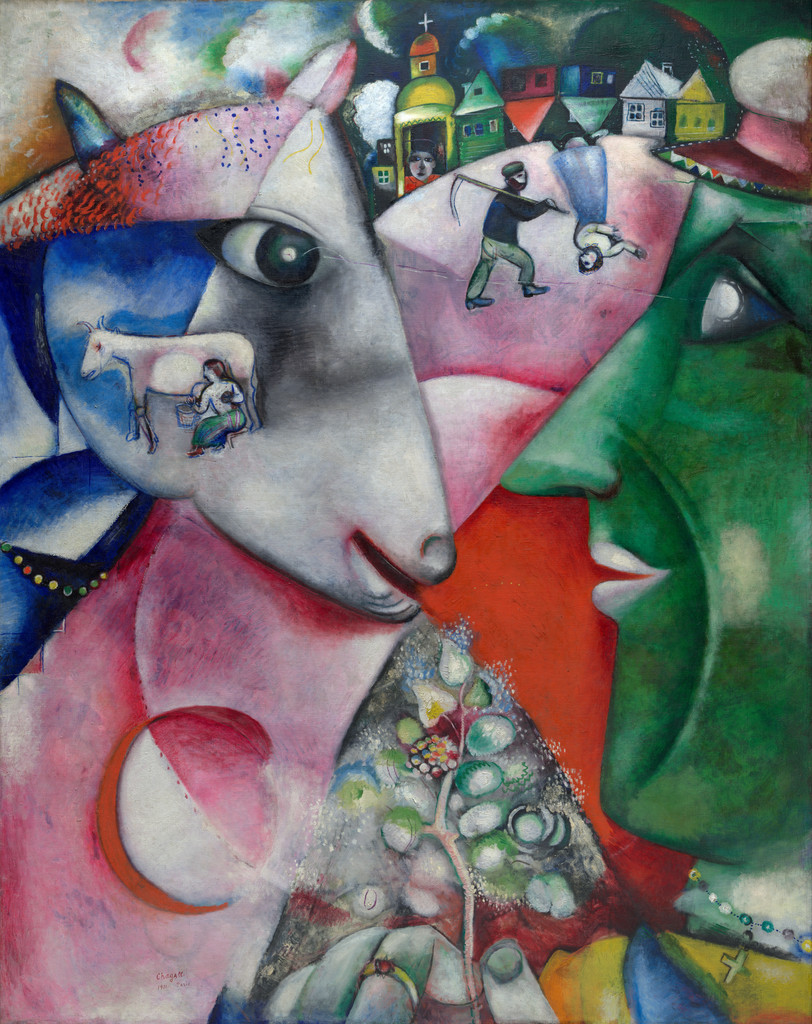
I and the Village, Marc Chagall, 1911

Marc Chagall

Yo y la aldea, 1911