Nikki S. LeePart (35)
Browse
Inkjet print
An inkjet print is an image made from tiny drops of ink directed onto paper or another surface by a digital file. It can reproduce an old negative, carry a new photograph or give physical form to an image made on a computer. A picture taken in 1960 may therefore become an inkjet print half a century later.
7,348 works from 13 museums64 on view nowClear all
Nikki S. LeePart (35) Nikki S. LeeThe Seniors Project
 Nikki S. LeeThe Lesbian Project
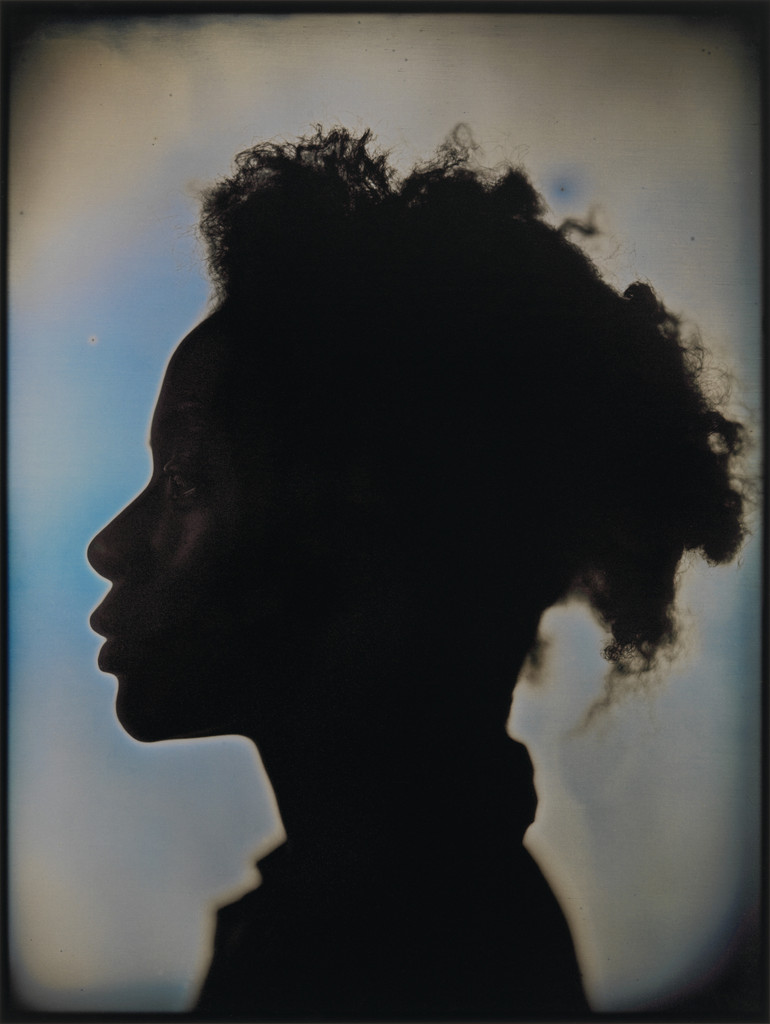 Chuck CloseKara Walker
 Tabitha Sorentwitter.com/_emredgn_/#usaonfire/
 Erwin OlafFounders van de cultuurgenootschap Culture Club en enkele leden
 Francesca WoodmanUntitled
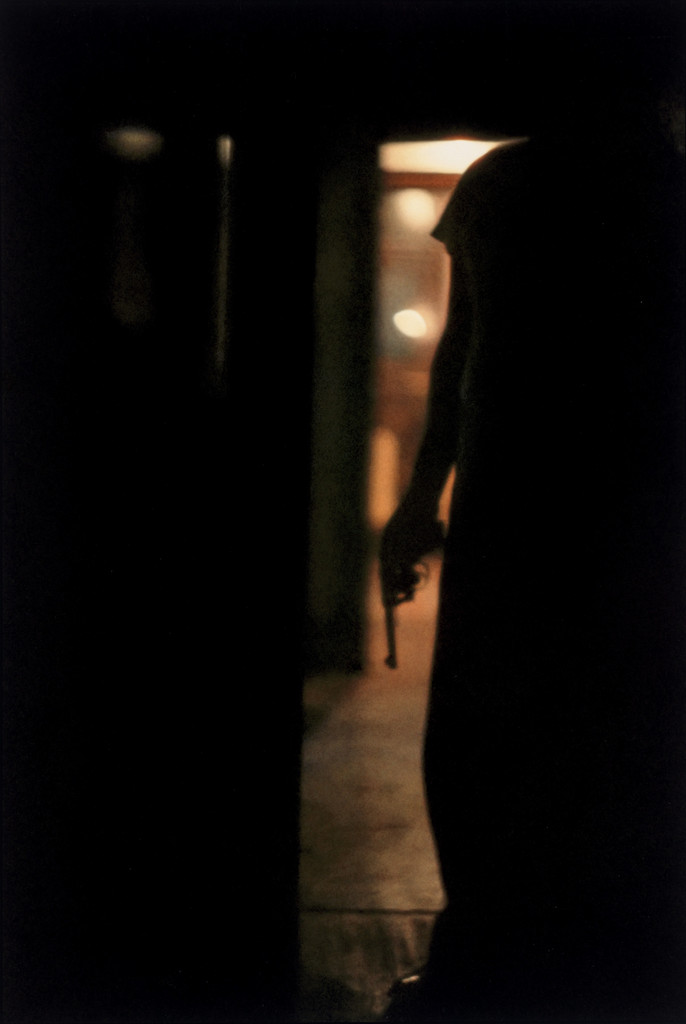 Gordon ParksCrime Suspect with Gun, Chicago, Illinois
 Jonas MekasMontauk, three frames from the film This Side of Paradise: Fragments of an Unfinished Biography (1999)
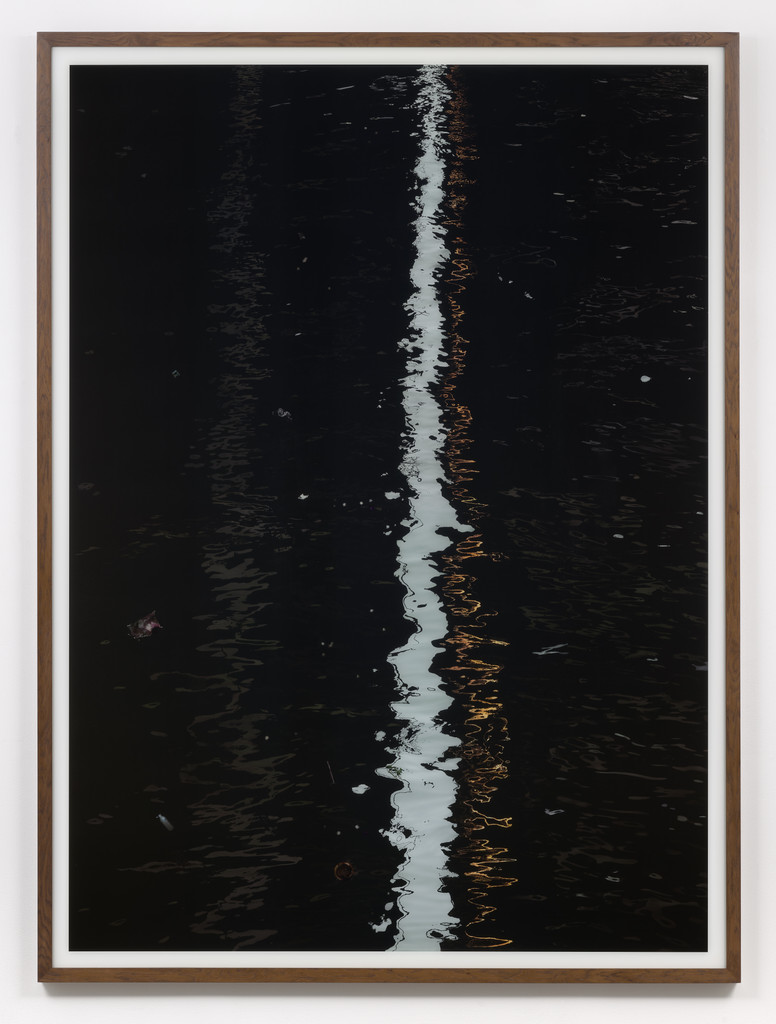 Andreas GurskyBangkok V
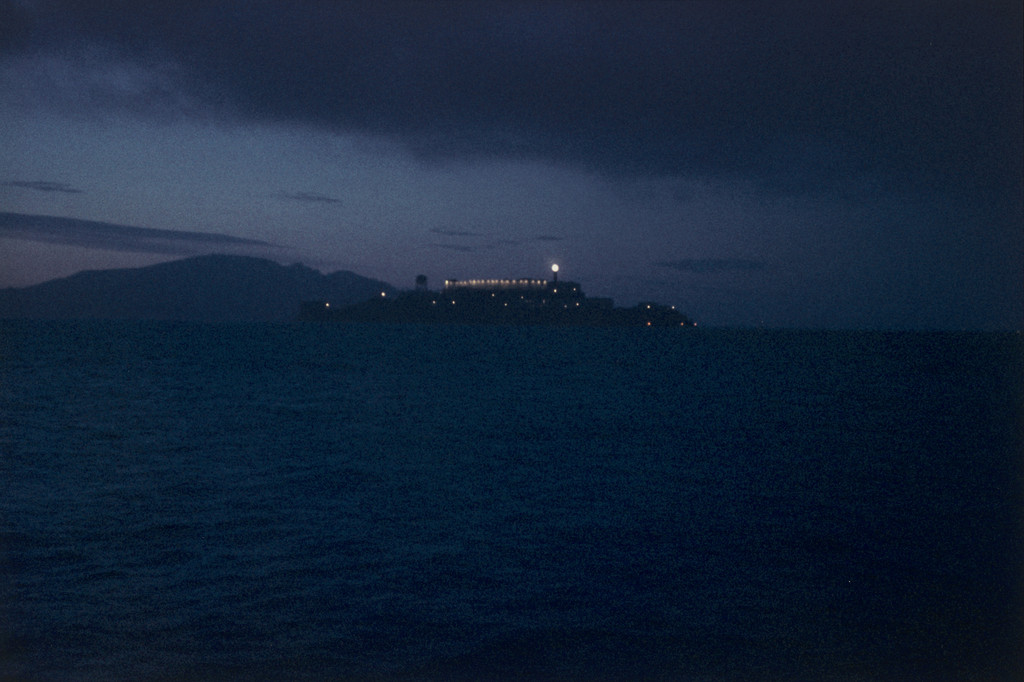 Gordon ParksUntitled (Alcatraz Island), San Francisco, California
 Inge MorathGirl in leopard coat
 Inge MorathOutside Memphis, TN
 Inge MorathWheel of Fortune, Reno, NV
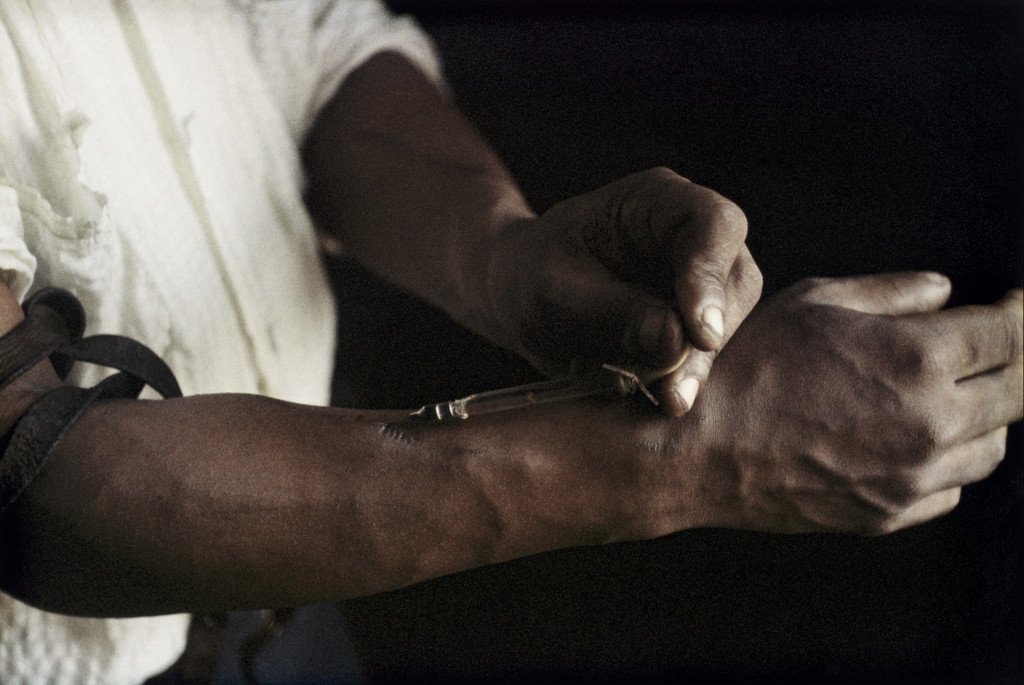 Gordon ParksUntitled, Chicago, Illinois
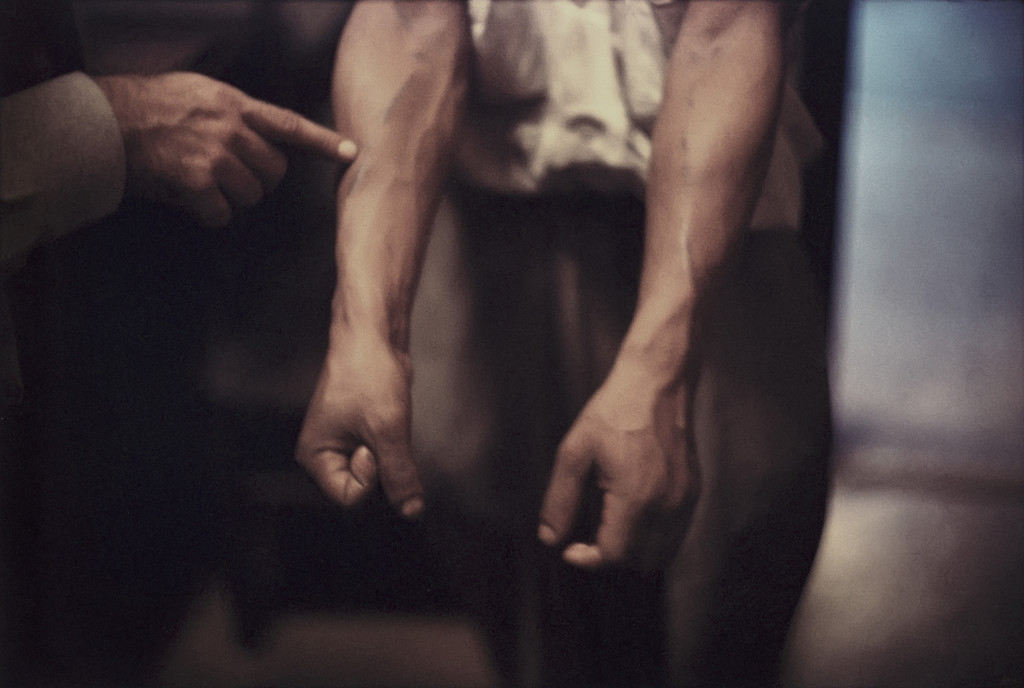 Gordon ParksNarcotics Addict, Chicago, Illinois
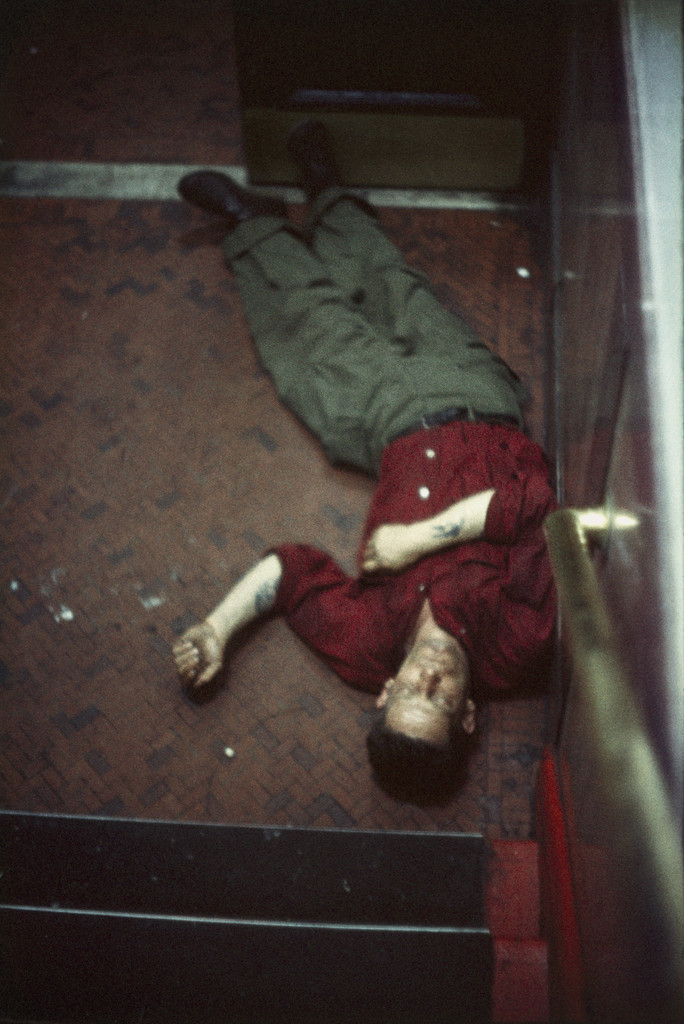 Gordon ParksUntitled, Chicago, Illinois
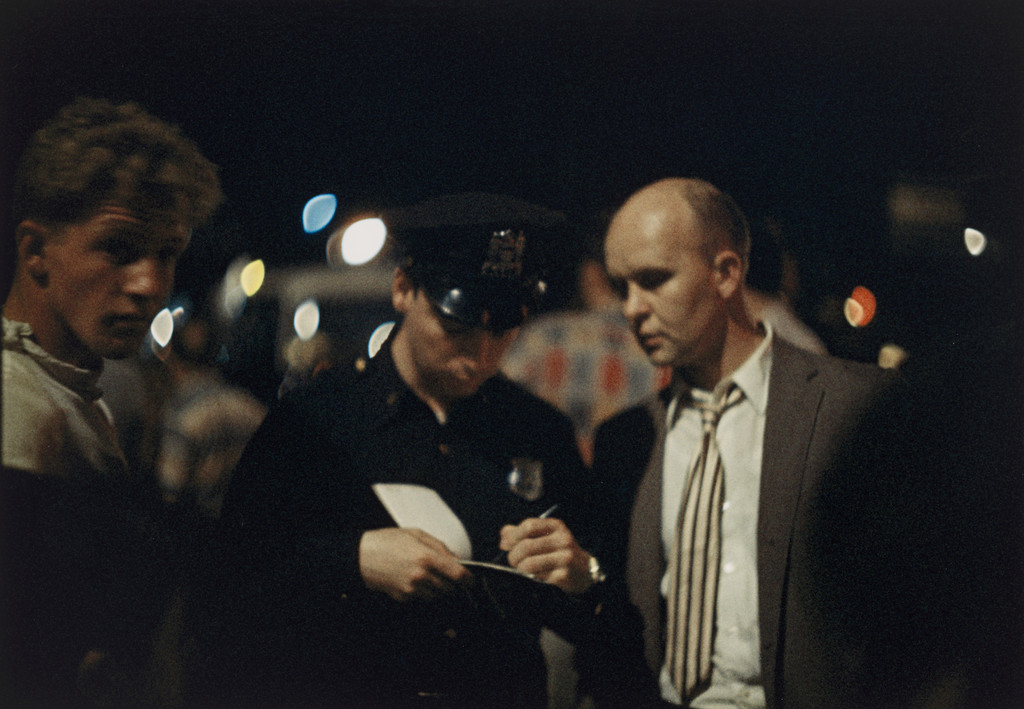 Gordon ParksUntitled
 Chuck CloseUntitled, from the portfolio 1989: A Portfolio Honoring Artists Lost to AIDS
 Erwin OlafHua Hai Second Floor
 Erwin OlafIsabelle Boon, Elly Boon, Guus Boon, Carla Kroon, Evert Kroon en Stefanie Kroon
 Erwin OlafTelgen van Van Eeghen: Boudewijn, Max en Erika
 Erwin OlafThe Letter
 Erwin OlafJoop van den Ende
 Gordon ParksSculpture
 Erwin OlafRattan Chadha en Jacob Gelt Dekker
 Erwin OlafFu 1088
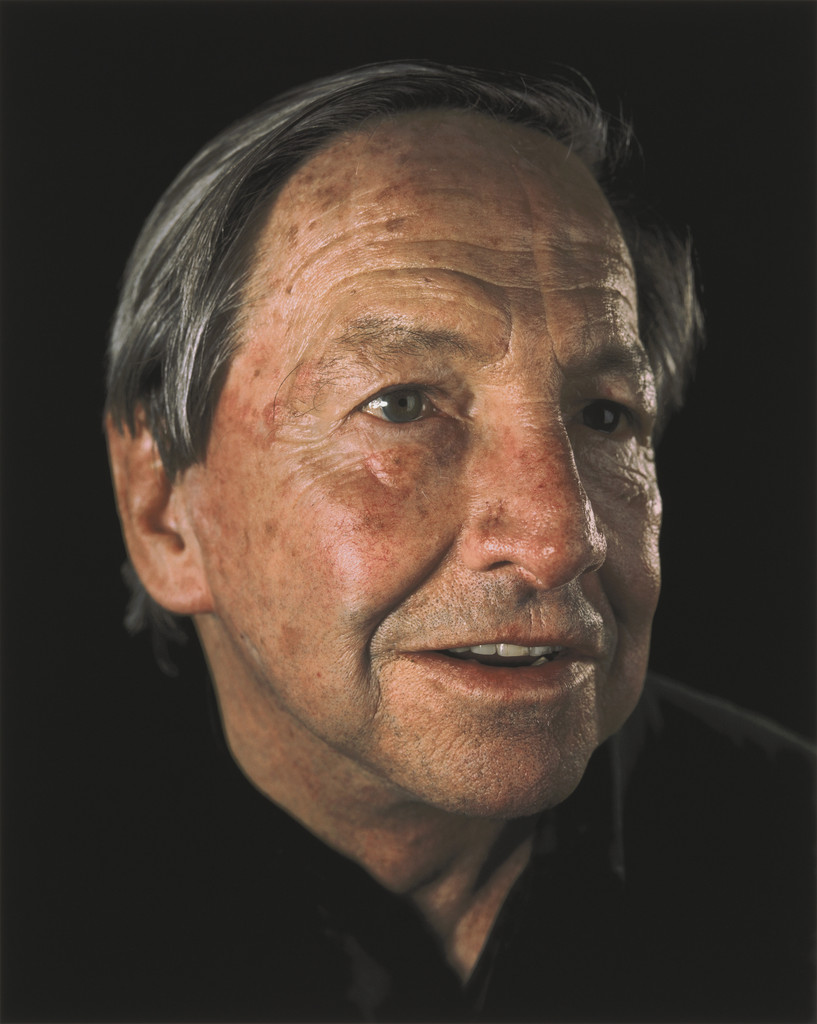 Chuck CloseRobert Rauschenberg
 Tabitha Sorenyoutube.com/watch?v=Y-9UEq3T_5A/hundreds-of-thousands-turn-out-for-womens-march
 Erwin OlafJonkheer Jan Six van Hillegom
 Erwin OlafWillem Stevens, Robert Noortman, Benoît Wesly en John Fentener van Vlissingen
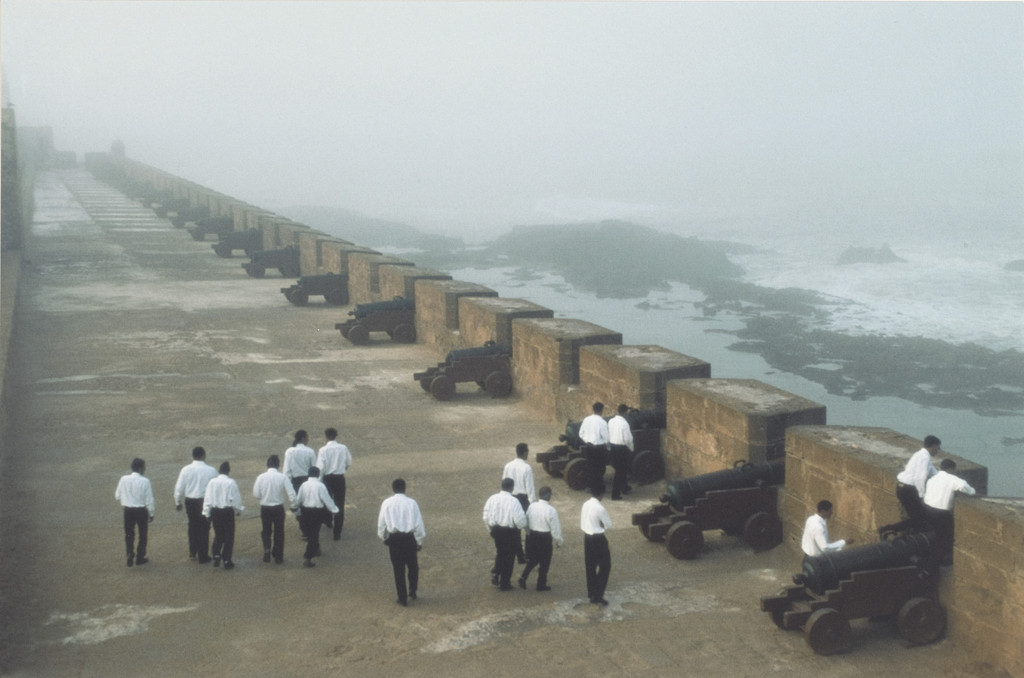 Shirin NeshatUntitled from the series Rapture
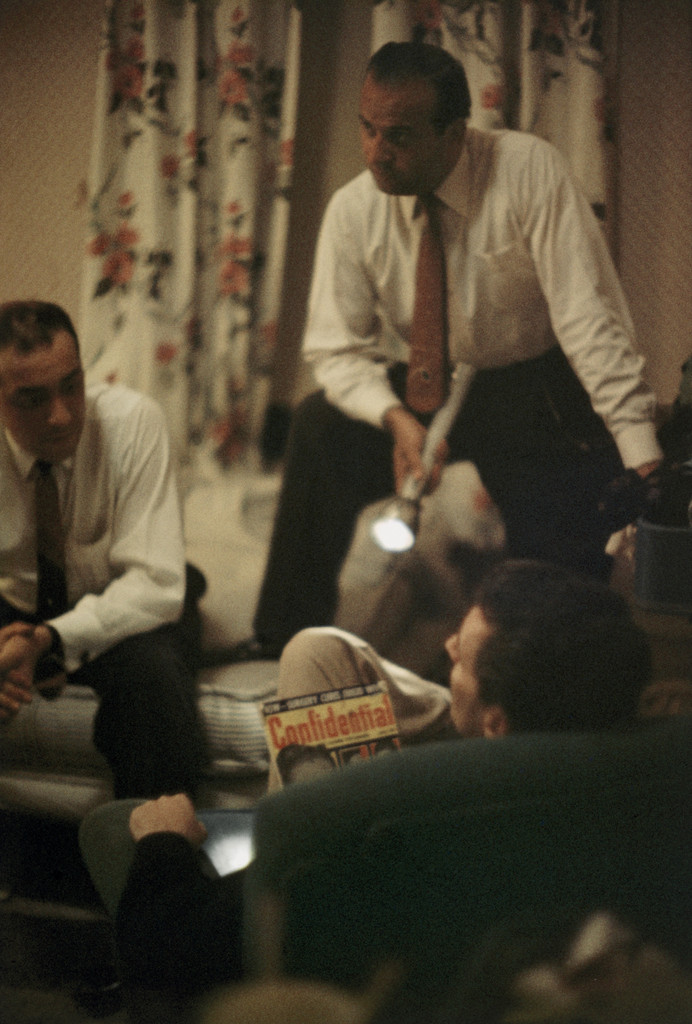 Gordon ParksUntitled, Chicago, Illinois
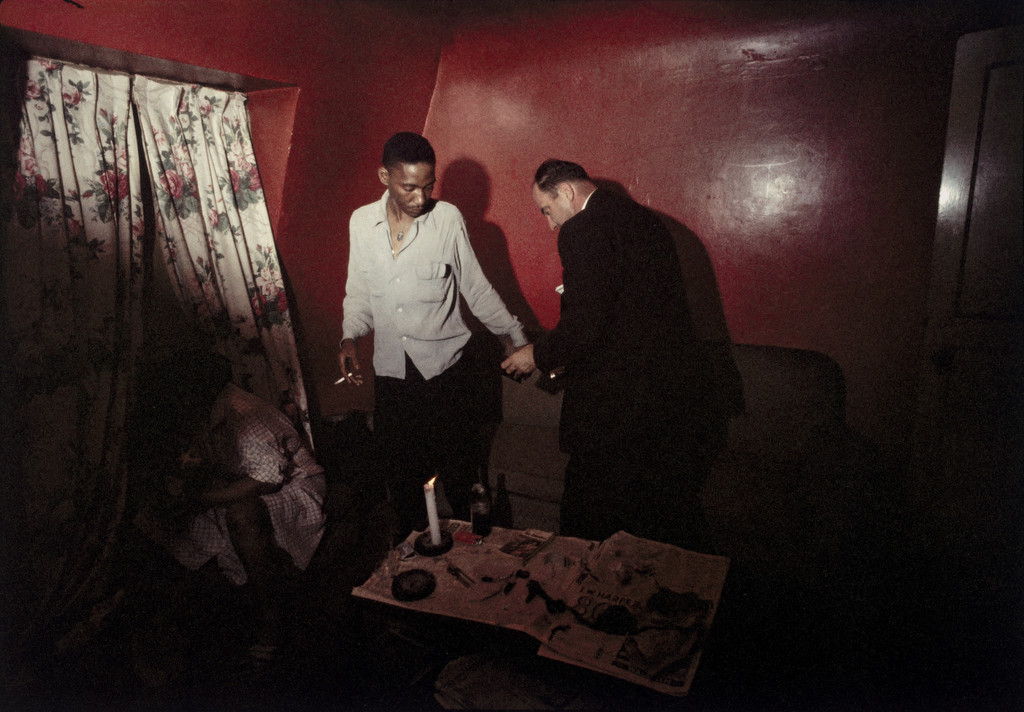 Gordon ParksUntitled, Chicago, Illinois
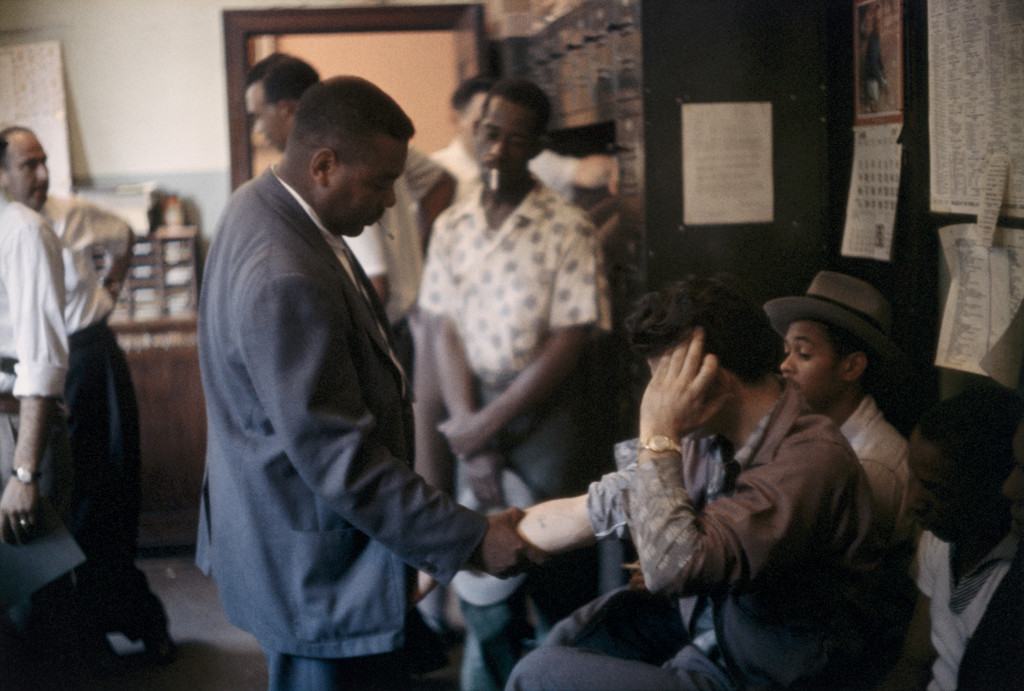 Gordon ParksUntitled, Chicago, Illinois
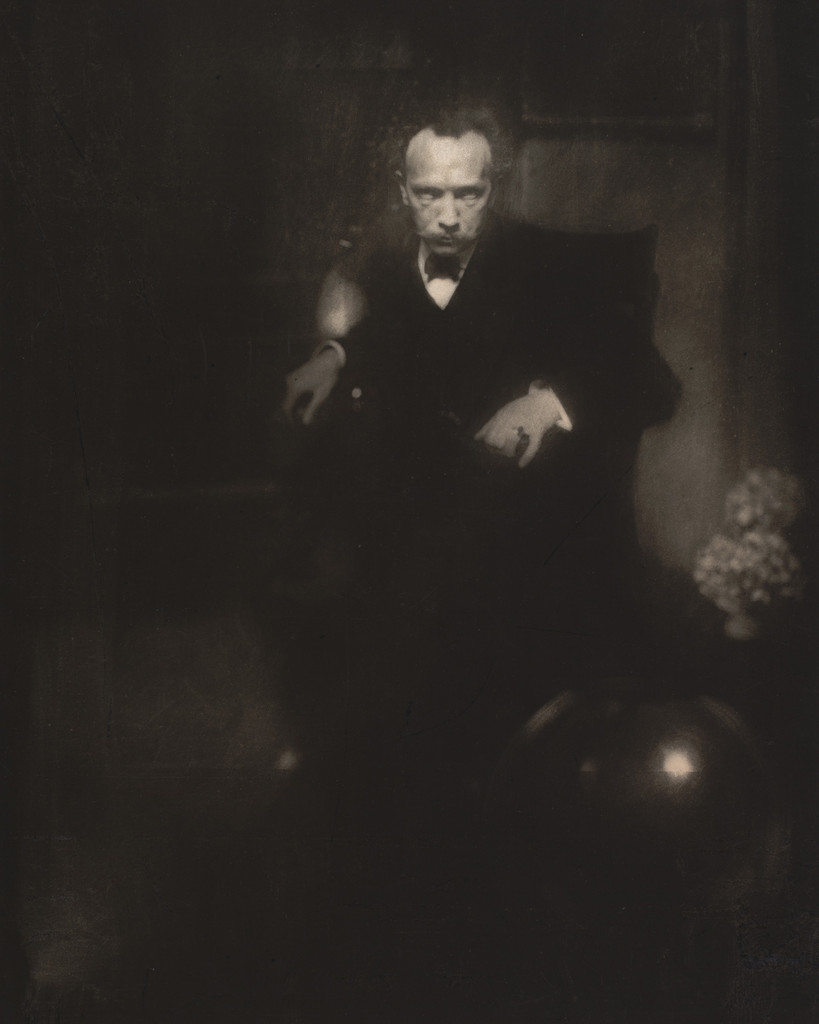 Edward SteichenRichard Strauss
 Sophie CalleAutobiographies (Wait for Me)
 Gordon ParksSunup
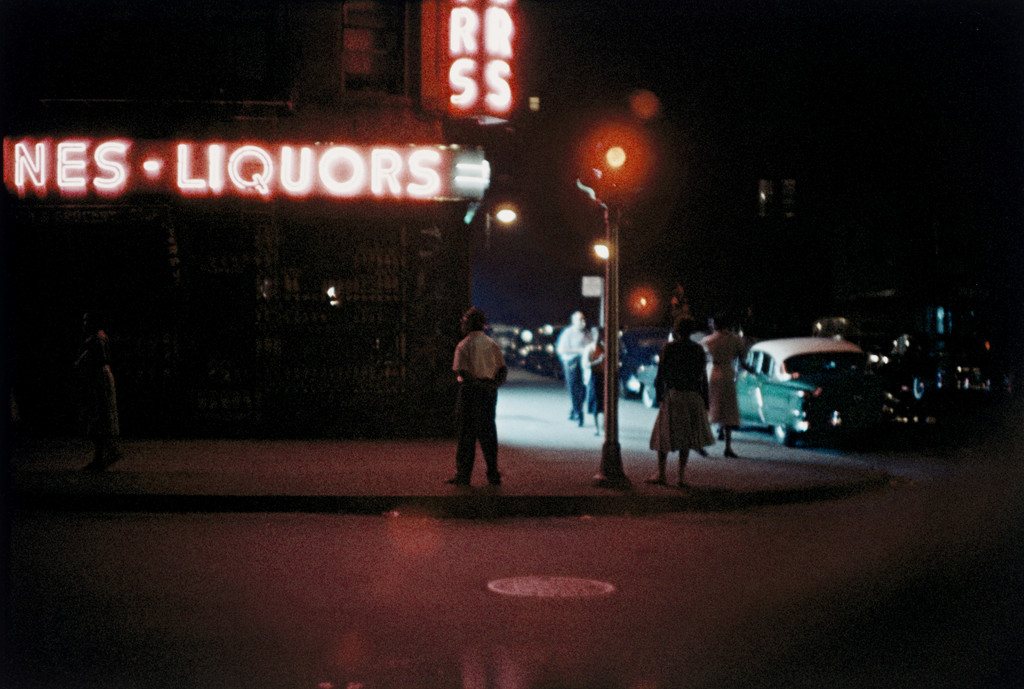 Gordon ParksUntitled
 Inge MorathOne-Armed Bandits, Reno, NV
 Erwin OlafBryony barones van Tuyll van Serooskerken, Marc de la Court, Jonkvrouw Isabella Loudon, Jonkvrouw Marie Heleen Boddaert, Jonkheer Dirk de Graeff, Jonkheer Ursul de Geer en Willem baron Bentinck van Schoonheten
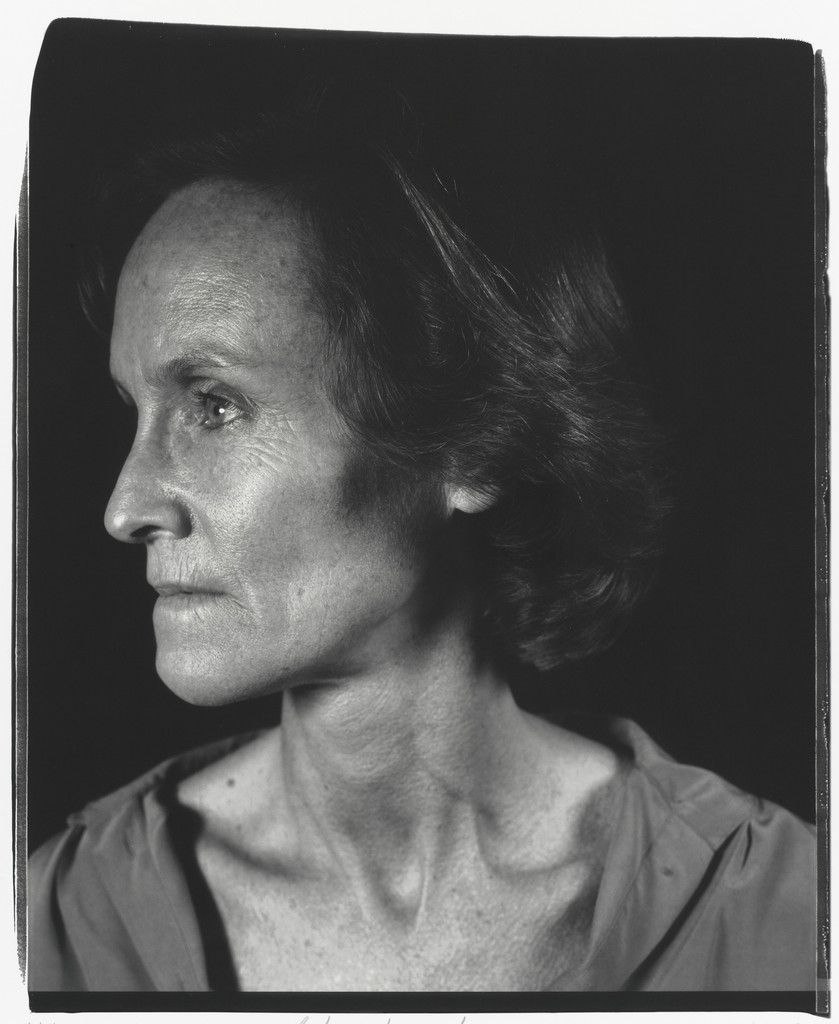 Chuck CloseTina
 Chuck CloseJasper Johns
 Robert FrankMarch 2002
 Jonas MekasJohn Kennedy Jr., Caroline Kennedy, and Tina Radziwill, three frames from the film This Side of Paradise: Fragments of an Unfinished Biography (1999)
 Shirin NeshatSayed, from the series Our House is on Fire
 Shirin NeshatGhada, from the series Our House is on Fire
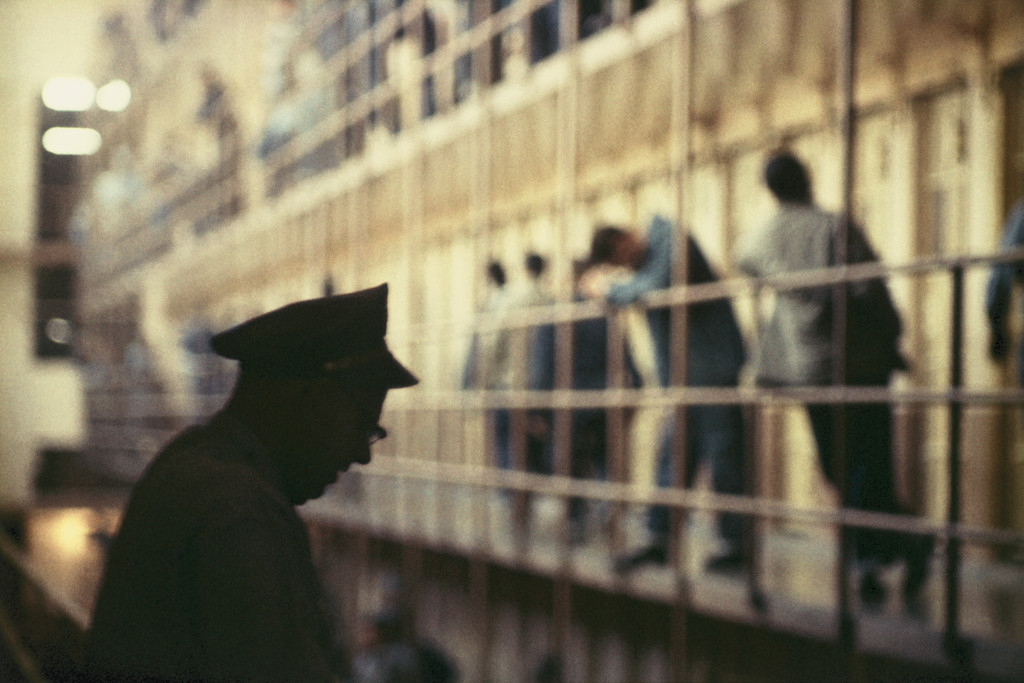 Gordon ParksUntitled, San Quentin, California
Inkjet print
An exhibition request helped turn a commercial proofing machine into an artist’s tool. Graham Nash needed 1,750 large photographs for a Tokyo project: thirty-five pictures, each in an edition of fifty. An IRIS printer offered a possible way to make them. In 1989 he bought one, and the experiments that followed helped establish fine-art digital printing. In 2005 the machine itself entered the Smithsonian. A printer had become a museum object.
What does an inkjet printer actually do?
Inkjet printing builds an image by depositing very small drops of liquid ink on a surface. A digital file supplies the instructions. The image may begin in a digital camera, in a scanned negative, or entirely inside a computer; the printing process does not tell us which. Software translates the file into a pattern of coloured dots, and the printer delivers them through fine nozzles. At ordinary viewing distance, those separate marks merge into apparent continuous tones.
The choice of paper comes before the final print. Ink needs a suitable receiving surface, or it can spread and lose definition. A printer therefore works with a combination of file, ink and paper, making proofs and adjusting the result. Glossy coatings, smooth matte sheets and textured papers give different surfaces to the same photograph. A face printed at postcard size also asks for a different kind of attention from a face enlarged to occupy a wall.
Dye inks contain colourants dissolved in liquid; pigment inks carry tiny solid particles. Both belong to the inkjet family. A label reading “pigment inkjet” is more informative than “digital print”, while “giclée” is another name frequently applied to inkjet work. None of those words, on its own, certifies artistic quality or a particular lifespan. The surviving object depends on the whole combination of materials and on how it has been kept.
Can a 1960 photograph be an inkjet print?
Inge Morath’s Outside Memphis, TN gives the answer in two dates: photographed in 1960, printed in 2013. The Yale University Art Gallery owns this later sheet. No digital camera needs to be imagined on the Tennessee roadside. An older photographic image can be digitised and printed by a later technology, just as a negative can acquire a succession of darkroom prints. The photograph’s subject and its material carrier have separate birthdays.
Morath encountered the roadside advertisement during an eighteen-day journey to Reno. A sign offers mobile homes; below it, an arm points towards a painted portrait of the salesman, Louis Poole. Traffic is supposed to notice him, remember him and stop. Morath’s camera gives this little sales performance more time than a passing motorist could spare. The face has survived as part of an image whose subsequent life extends well beyond the original purpose of selling homes.