Joseph BeuysGerman, 1921–1986
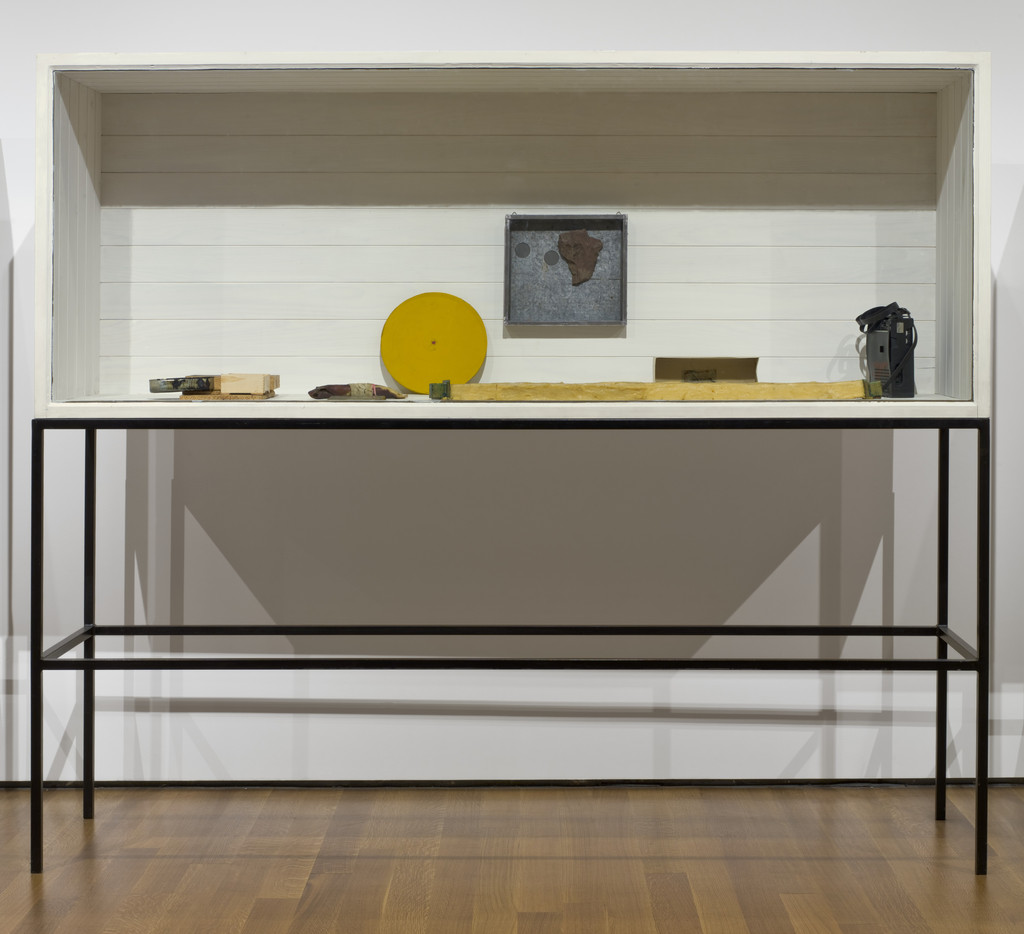
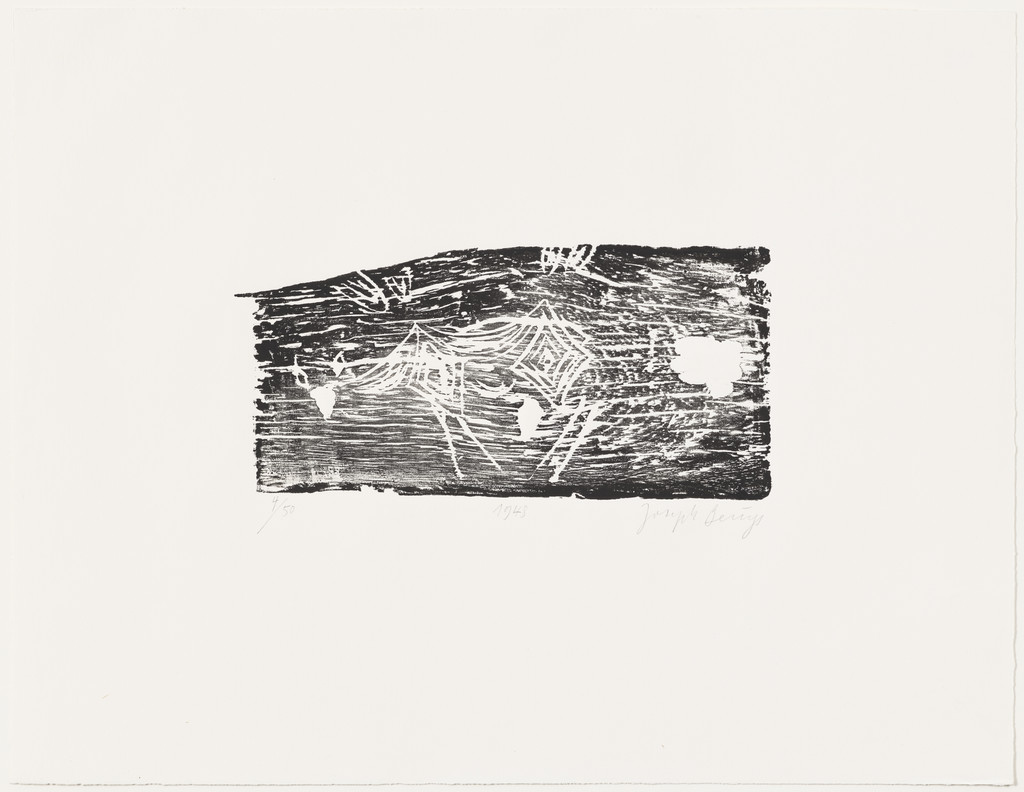
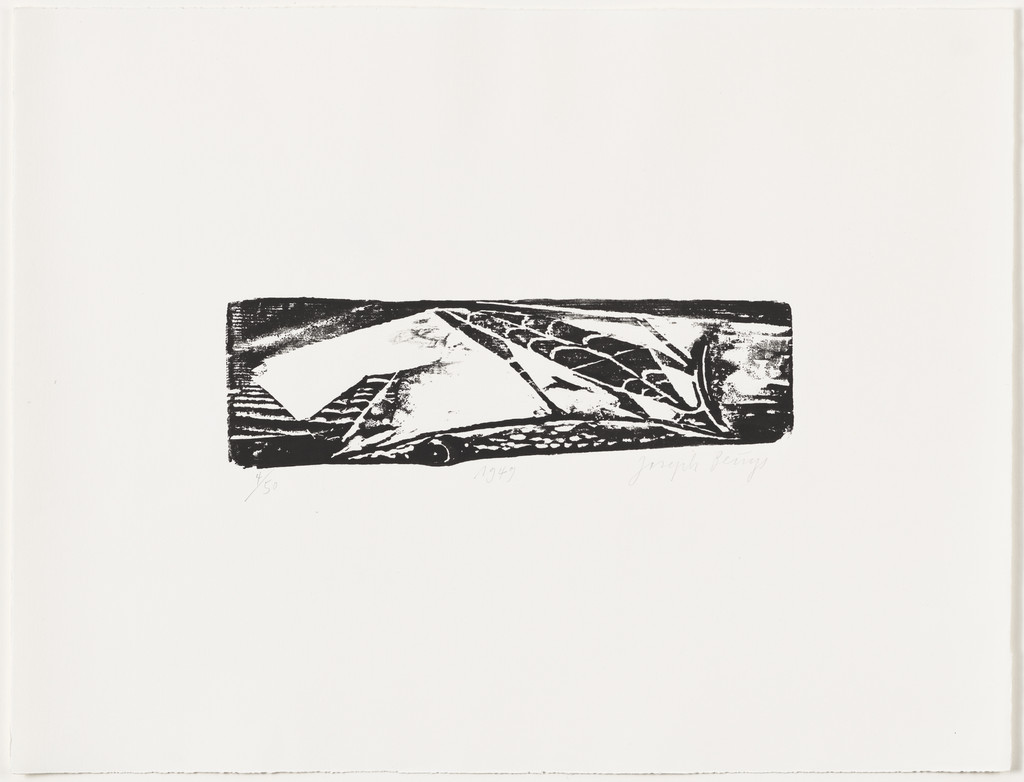
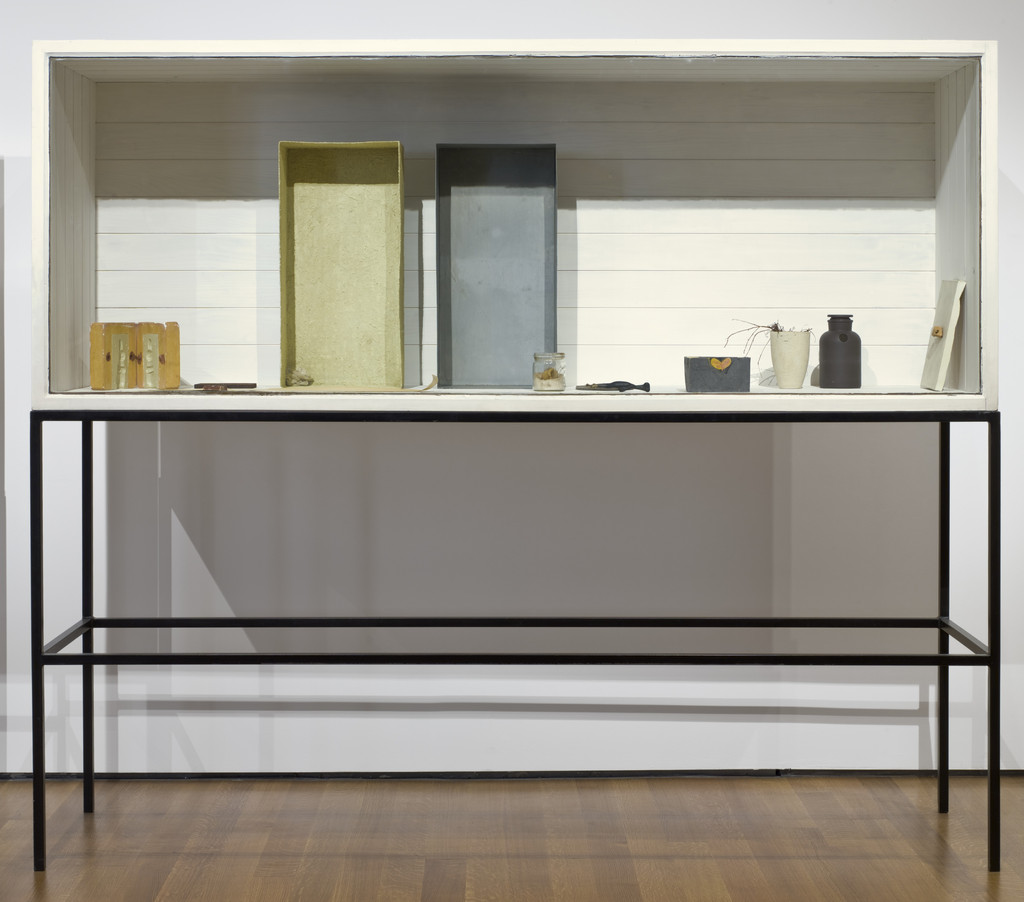
Untitled (Beuys)
May one see it?
Not receiving at present

Art Institute of Chicago
Chicago, United States
It belongs to the collection, but is not on display at present.
- Checked
- In this state since
- Source
- The museum
Particulars
- Accession number
- 1998.859
In the catalog
Sources
- Art Institute of Chicago
- Image: Art Institute of Chicago — © the artist or rights holder
Meanwhile, in the life of Joseph Beuys
The whole life1972–1985
The project “In Defence of Nature” in Bolognano
From 1972 to 1985 Beuys carried out in Bolognano the project “Operation In Defence of Nature”, the Italian project with the greatest international impact: artistic, political, ecological and humanitarian actions, among them the “Paradise Plantation” of 7,000 plants (1982) and “Olivestone” (1984).
24 June 1977 – 2 October 1977
Exhibition: Documenta 6
late 1970s
Among the founders of the German Green Party
The Free International University became one of the four organisations that founded the German Green Party at the end of the 1970s; Beuys himself was a founding member and lifelong supporter of the party.
1978
The manifesto of “social sculpture”
Riding the wave of left-wing opposition, Beuys published a manifesto on “social sculpture” expressing the anarcho-utopian principle of “direct democracy”, meant to replace bureaucratic mechanisms with the sum of free creative acts of individual citizens and groups.
1978
The court rules the dismissal unlawful; Beuys does not return
A federal court ruled Beuys's dismissal from the academy unlawful, but he no longer accepted the professorship, wishing to be as independent of the state as possible.
1979
The retrospective at the Guggenheim Museum
In 1979 the only major retrospective of Beuys's work organised in his lifetime opened at the Guggenheim Museum in New York; it has been described as a “lightning rod for American criticism”, provoking powerful and polemical responses.