 Joseph BeuysGerman, 1921–1986
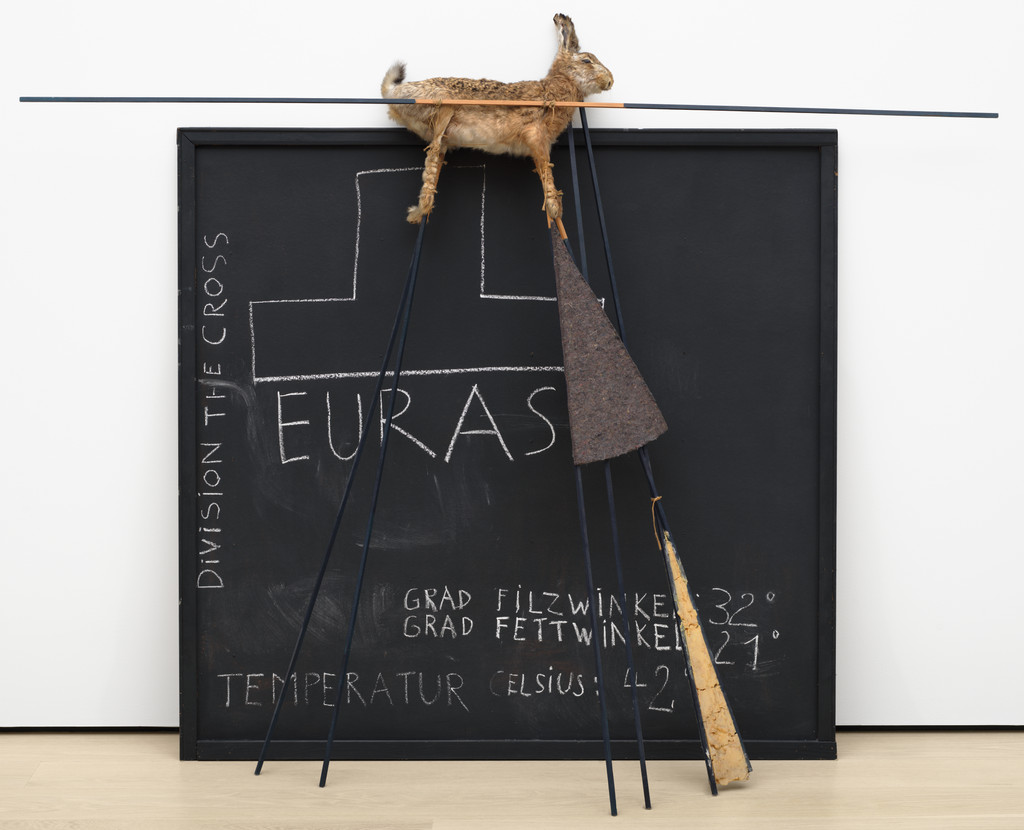
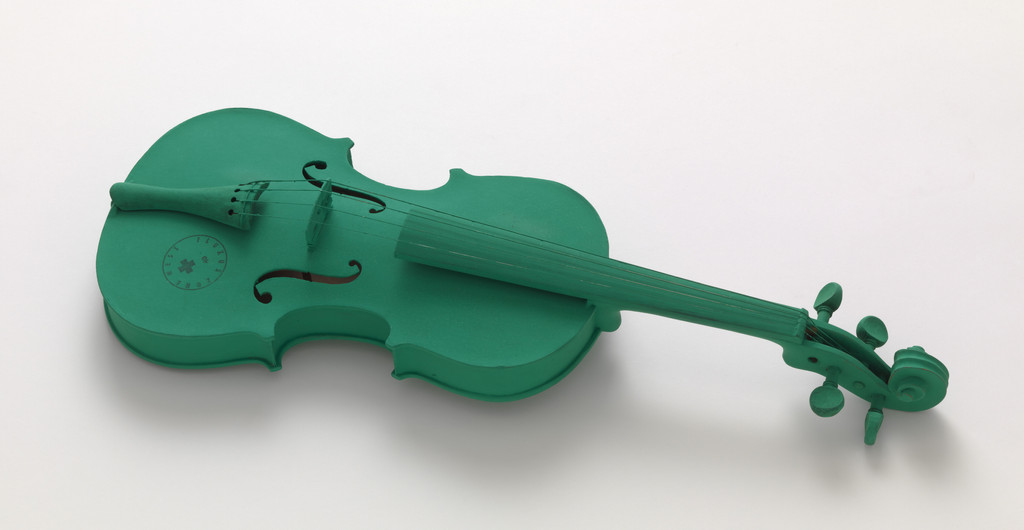
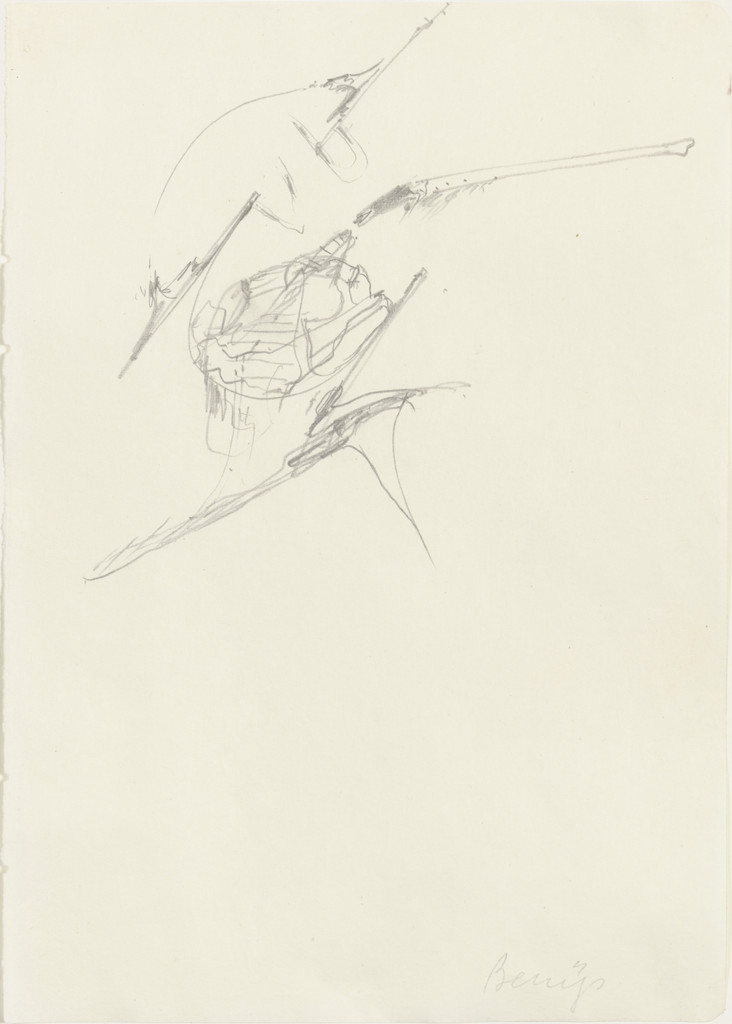
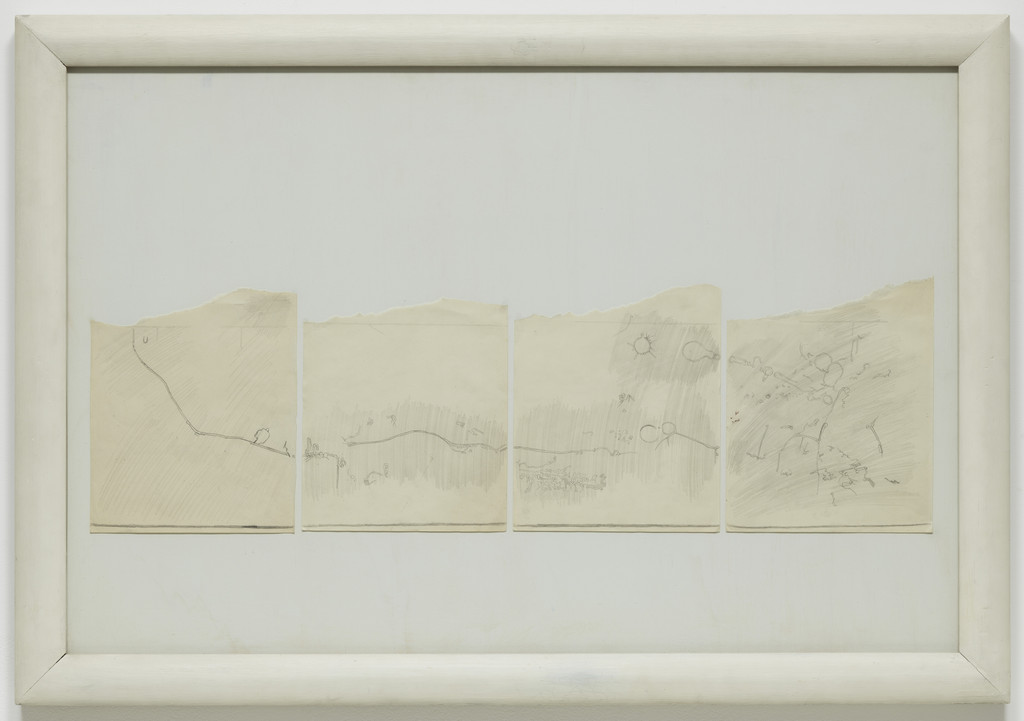
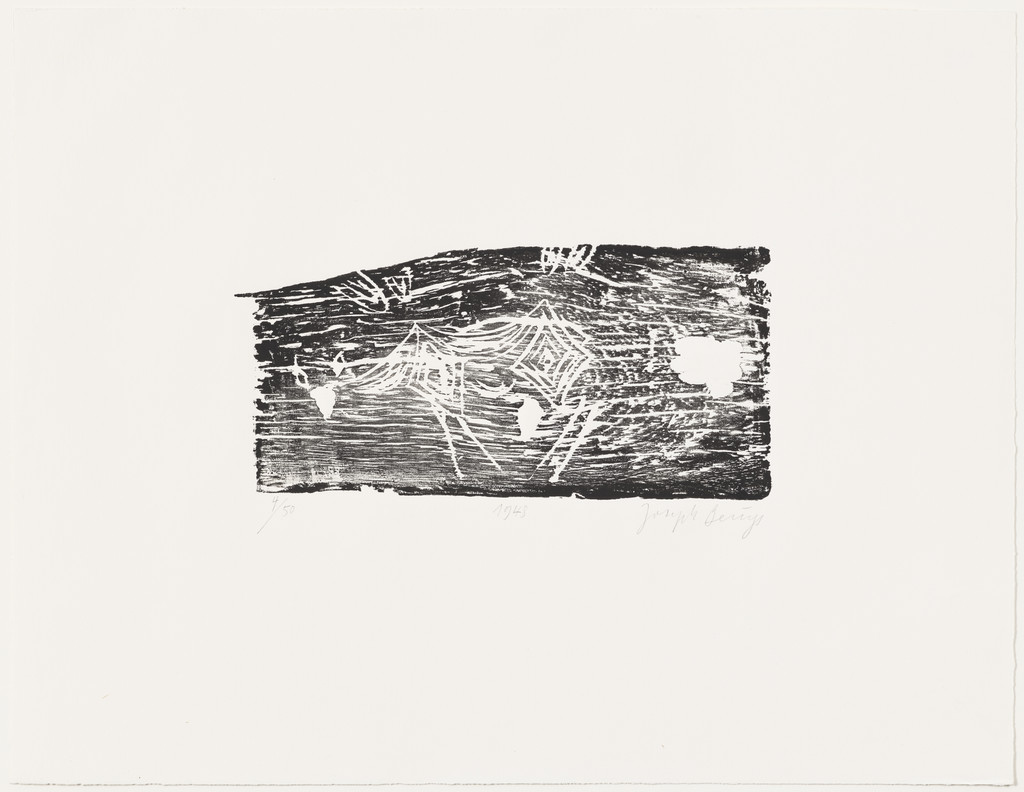
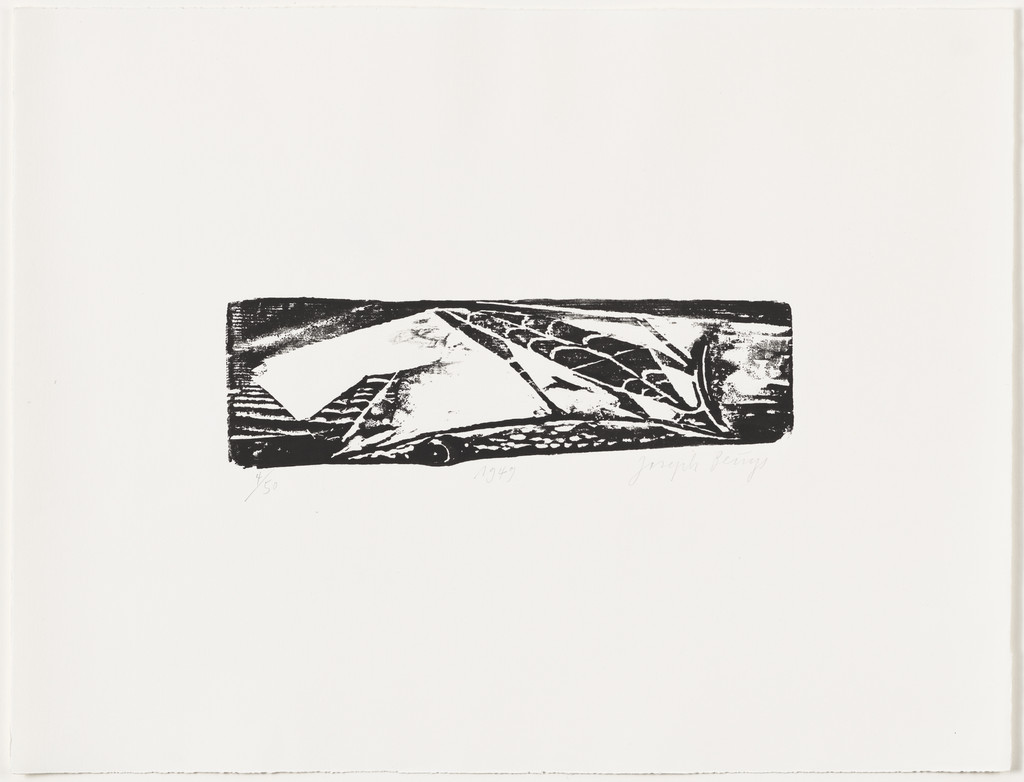
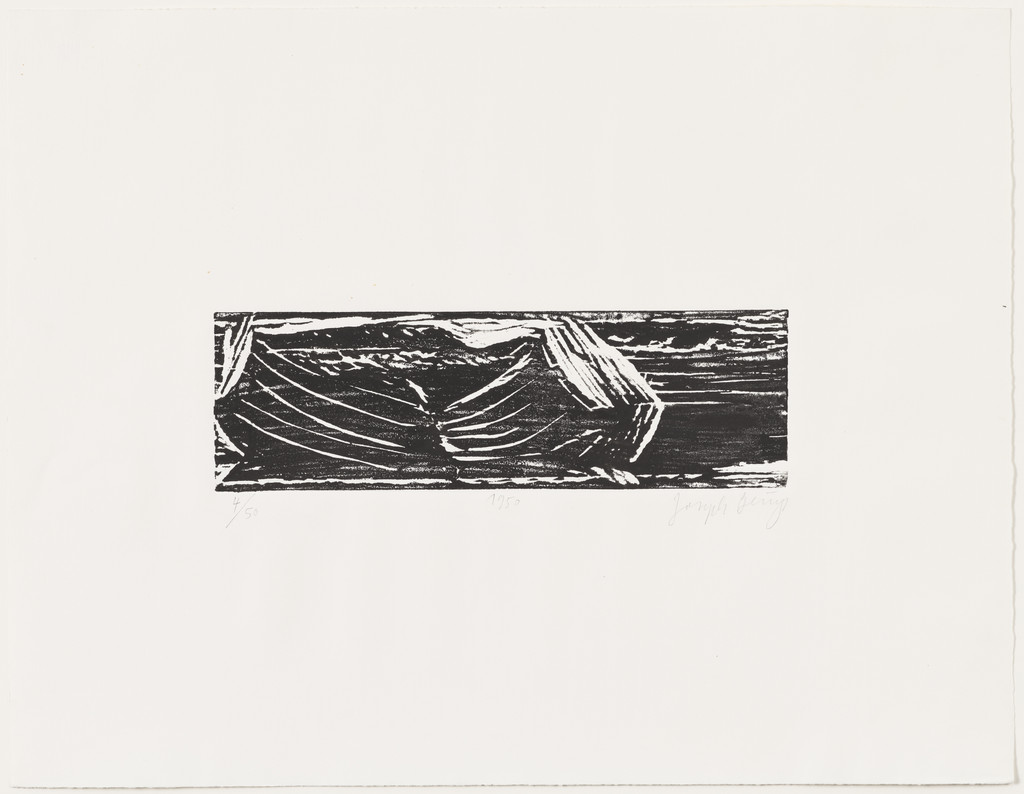
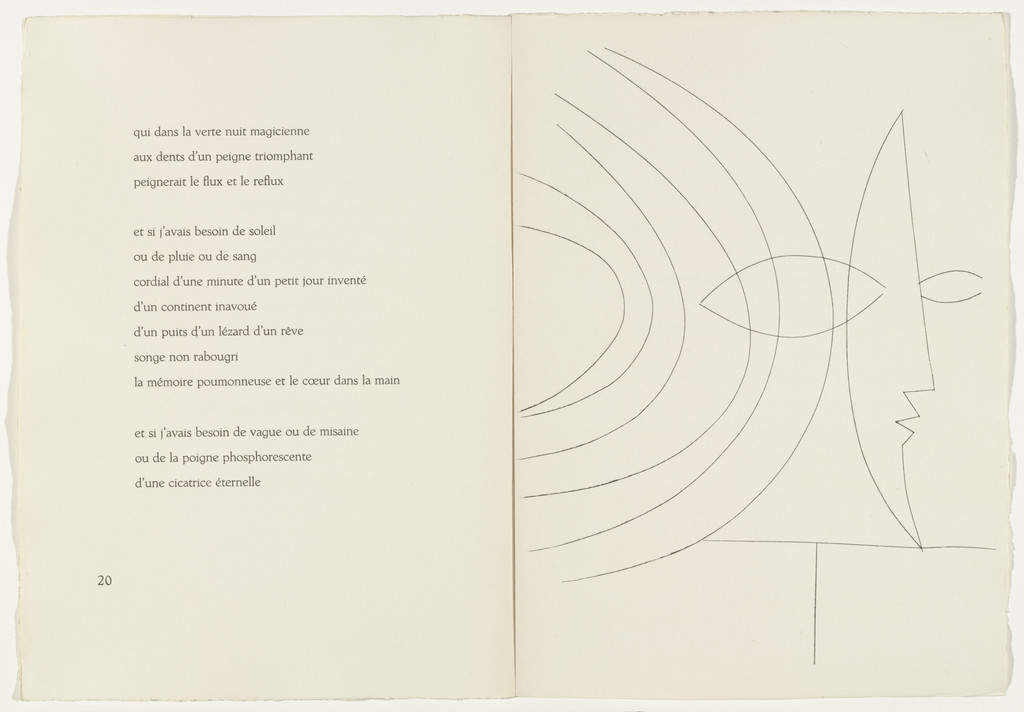
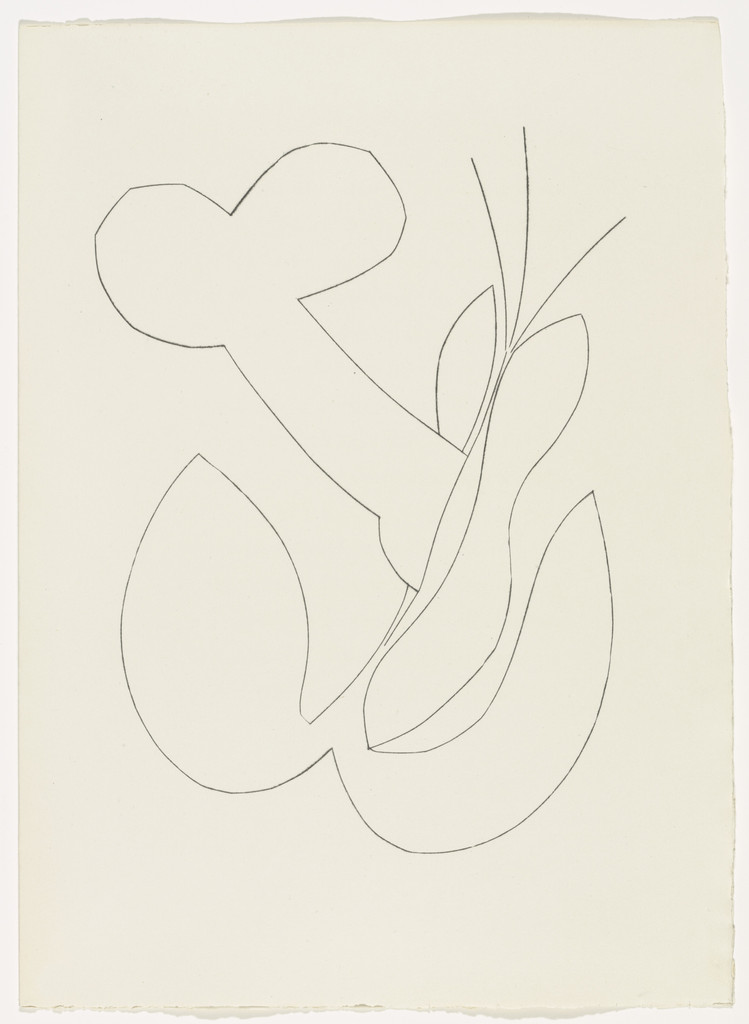
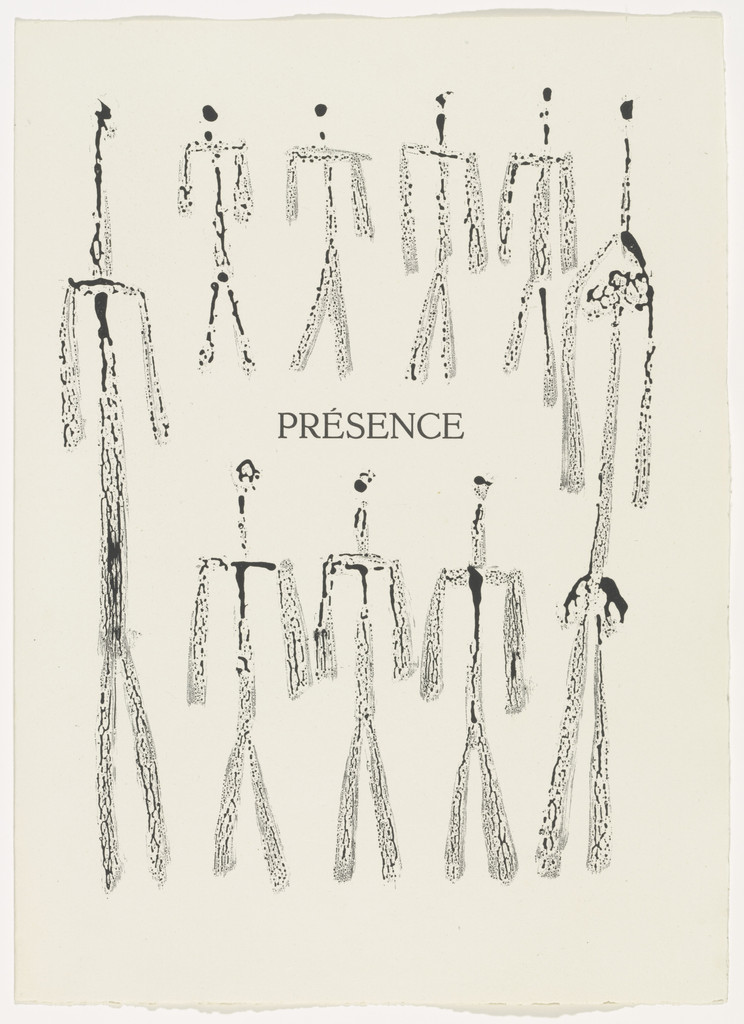
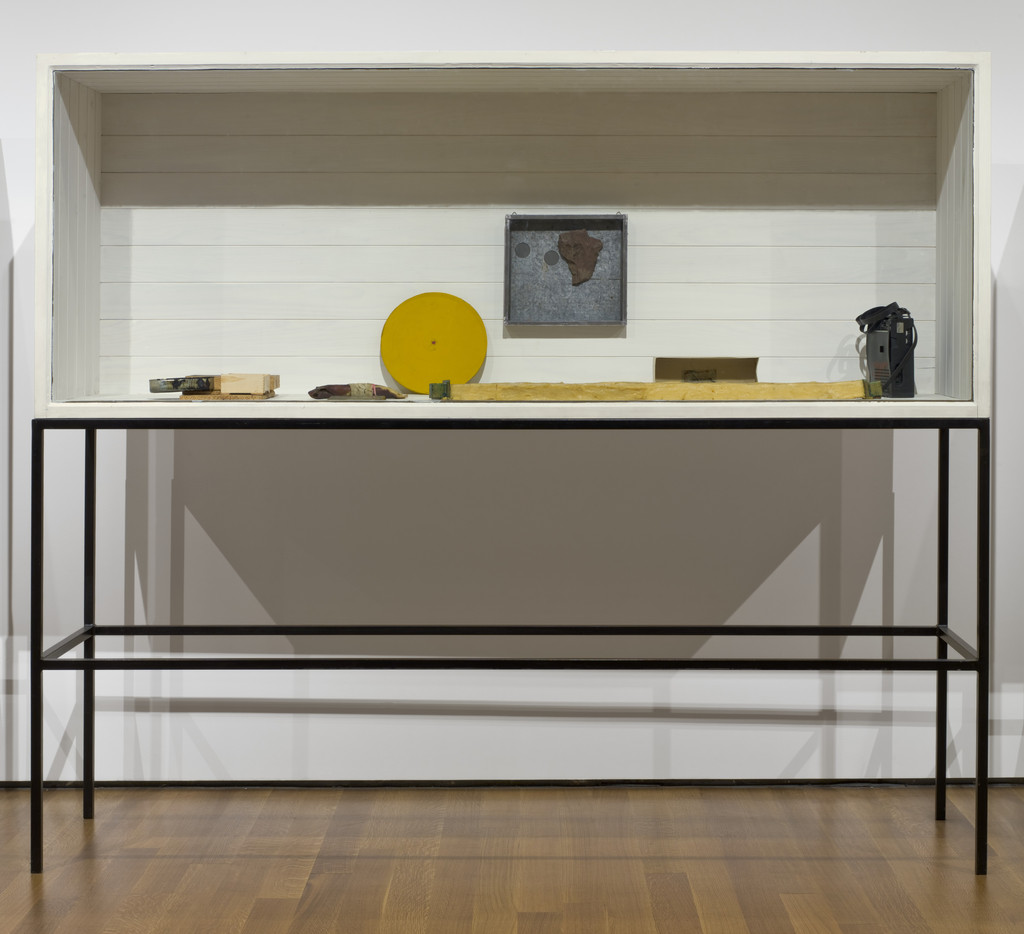
Untitled III
May one see it?
Not receiving at present

New York, United States
It belongs to the collection, but is not on display at present.
- Checked
- Source
- The museum
Particulars
- Accession number
- 1150.2007.c
In the catalog
Sources
- The Museum of Modern Art
- Image: The Museum of Modern Art — © the artist or rights holder
Meanwhile, in the life of Joseph Beuys
The whole life1955–1957
Severe depression and recovery with the van der Grintens
Artistic self-doubt and poverty led Beuys to a physical and psychological crisis and a period of serious depression; he recovered in Kranenburg, at the house of his most important early patrons, the van der Grinten brothers. The episode has since been called his “shamanistic initiation”.
1961
Professor of monumental sculpture in Düsseldorf
In 1961 Beuys was appointed professor of monumental sculpture at the Düsseldorf Kunstakademie; his students included Jörg Immendorff, Blinky Palermo, Sigmar Polke and Katharina Sieverding.
1964
An action in Aachen: a punch in the face
At a festival at the Technical College in Aachen that coincided with the twentieth anniversary of the attempt on Hitler's life, students interrupted Beuys's action and one of them punched him in the face; a photograph of the artist with a bloodied nose and a raised arm circulated in the media and brought him wider public attention.
26 November 1965
First solo exhibition in a private gallery
The show opened with an action involving a dead hare: Beuys, his face covered in honey and gold leaf, murmured explanations of the drawings on the walls to the animal while viewers watched through the gallery window; some critics called the photograph with the hare a new Mona Lisa of the 20th century.
October 1972
Dismissed from the Düsseldorf Academy
Beuys abolished entry requirements to his class, and this policy caused friction; in 1972 he found 142 rejected applicants whom he wished to take on and, with 16 students, occupied the academy's offices. The relationship became irreconcilable and in October he was dismissed; he refused to accept the dismissal, which provoked a wave of protests from students, artists and critics.
1979
The retrospective at the Guggenheim Museum
In 1979 the only major retrospective of Beuys's work organised in his lifetime opened at the Guggenheim Museum in New York; it has been described as a “lightning rod for American criticism”, provoking powerful and polemical responses.