ART WIKI33,040 on view
MapCollectionArtistsMuseumsExhibitionsJournal
Sign in

ART WIKI

Where the masterpiece hangs, and when they let you in.

Collections: Art Institute of Chicago, Getty Villa, Harvard Art Museums, Hirshhorn Museum and Sculpture Garden, J. Paul Getty Museum, Minneapolis Institute of Art, Musée du Louvre, National Gallery of Art, National Museum of Asian Art, National Portrait Gallery (Smithsonian), Pushkin State Museum of Fine Arts, Rijksmuseum, Smithsonian American Art Museum, SMK — National Gallery of Denmark, State Hermitage Museum, State Russian Museum, The Cleveland Museum of Art, The Metropolitan Museum of Art, The Museum of Modern Art, Tretyakov Gallery, Victoria and Albert Museum, Whitney Museum of American Art, State Catalogue of the Museum Fund of Russia (274 museums), Europeana (19 museums), Wikidata (6 museums), Paris Musées (12 museums), and Joconde, the French Ministry of Culture's museum database (495 museums). Images belong to their rights holders.

Sections

  • Map
  • Search
  • Collection
  • Masterpieces
  • On view now
  • Artists

More

  • Museums & galleries
  • Exhibitions
  • Journal
  • Where the data comes from
  • Privacy & cookies
HomeMapBrowse
  1. Collection/
  2. Minneapolis Institute of Art/
  3. Tisza Szalka, Hungary
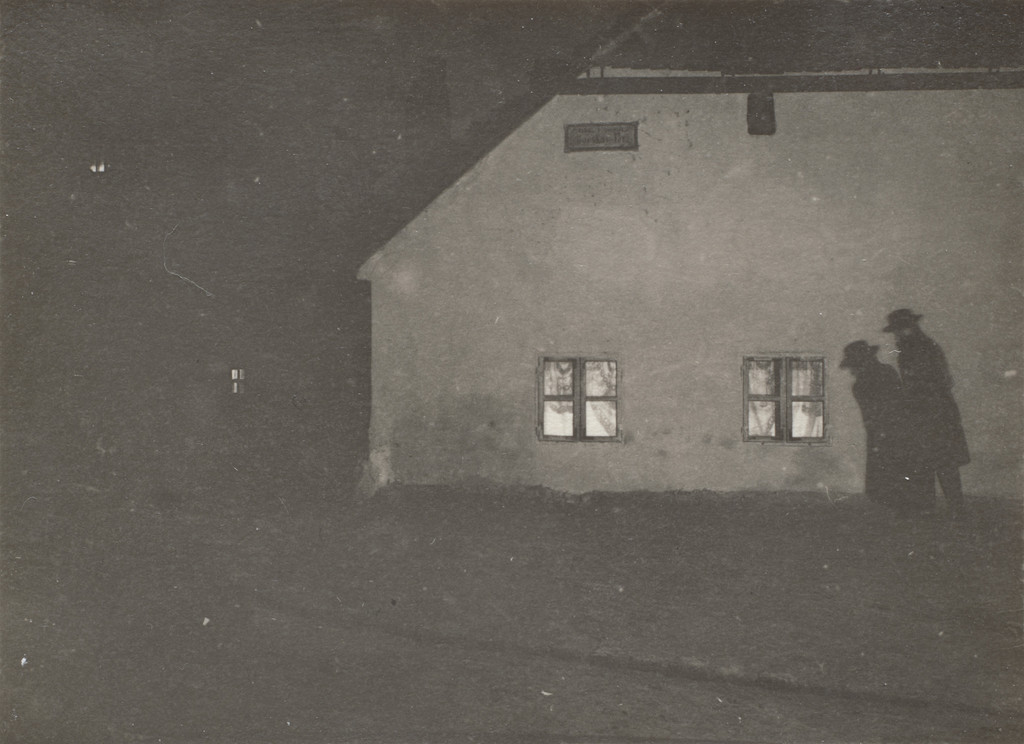
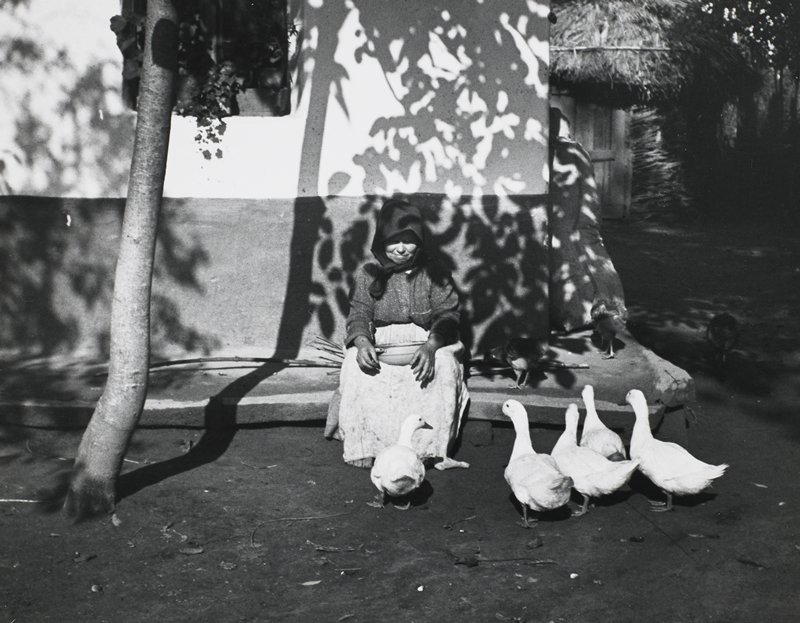
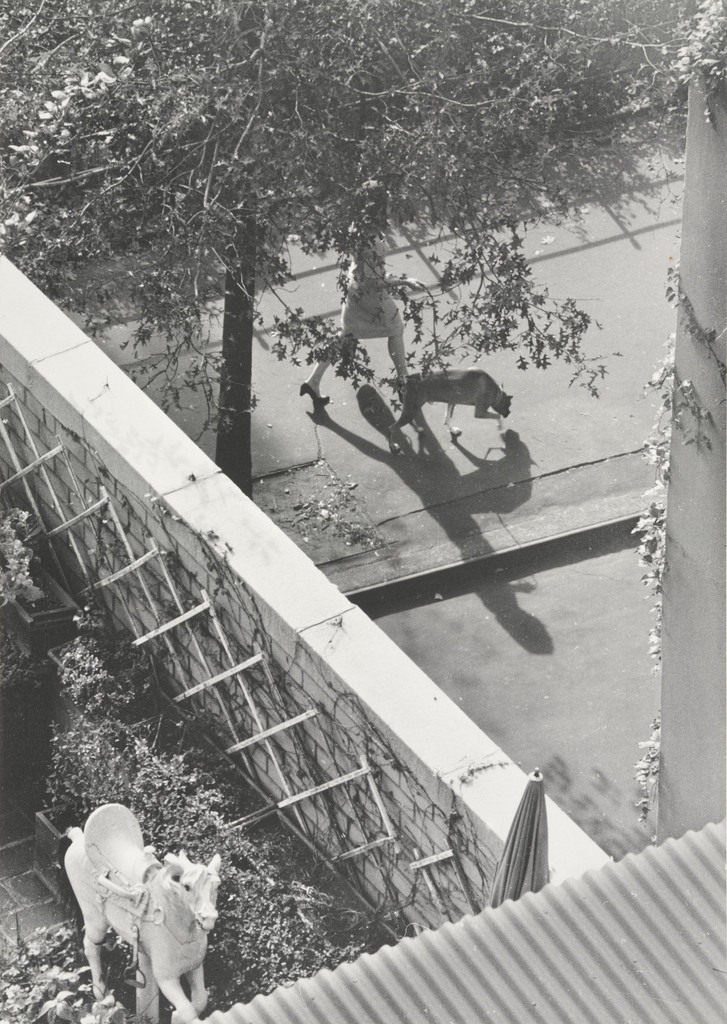
Tisza Szalka, Hungary, André Kertész, 1924
André Kertész, portraitAndré KertészAmerican, 1894–1985

Tisza Szalka, Hungary

1924 · Photograph · 19.37 × 24.77 cm

May one see it?

Not receiving at present

Minneapolis Institute of Art

Minneapolis, United States

It belongs to the collection, but is not on display at present.

Checked
9 days ago
In this state since
Sep 25, 2026
Source
The museum
On the mapMuseum page

Particulars

1924 · aged 30
18941985
Accession number
2007.35.156

In the catalog

PhotographsGelatin silver printModernism20th centuryUnited States

Sources

  • Minneapolis Institute of Art
  • Image: Minneapolis Institute of Art — © Estate of André Kertész

Meanwhile, in the life of André Kertész

The whole life
  1. early 1920s

    Tries farming and beekeeping

    He leaves the exchange to try agricultural work and beekeeping, but the venture is brief given the political turmoil that accompanies the revolution and the coming of communism. Back at the exchange he decides to emigrate to study at one of France’s photographic schools, but his mother dissuades him, and he does not leave for several years.

  2. 1923

    Turns down a silver medal over the bromoil process

    The Hungarian Amateur Photographer’s Association selects one of his photographs for its silver award on condition that he print it by the bromoil process; Kertész dislikes this, turns down the medal and is given a diploma from the association instead.

  3. 26 June 1925

    A photograph on the cover of Érdekes Újság

    The Hungarian news magazine Érdekes Újság uses one of his photographs for its cover, giving him widespread publicity; by that time he is determined to photograph the sights of Paris and join its artistic culture.

  4. September 1925

    Moves to Paris against his family’s wishes

    He leaves for Paris, then the artistic capital of the world, against his family’s wishes, leaving behind his mother, his unofficial fiancée Elizabeth, both brothers and his uncle Hoffmann, who dies shortly afterward; Jenő later emigrates to Argentina. Soon after arriving he changes his first name from Andor to André, which he keeps for the rest of his life; at first he takes commissions from several European magazines, in Germany, France, Italy and Great Britain, and then works for VU, France’s first illustrated magazine.

  5. 1925–1936

    The circle of Hungarian émigrés and portraits of friends

    In Paris he is among numerous Hungarian artists, including François Kollar, Robert Capa, Emeric Fehér, Brassaï and Julia Bathory, as well as Man Ray, Germaine Krull and Lucien Aigner, who also emigrated there, and becomes involved with the Dada movement; visiting his sculptor friends, he is fascinated by Cubism. He makes photo portraits of the painters Piet Mondrian and Marc Chagall, the writer Colette and the film-maker Sergei Eisenstein.
More by André Kertész

All works
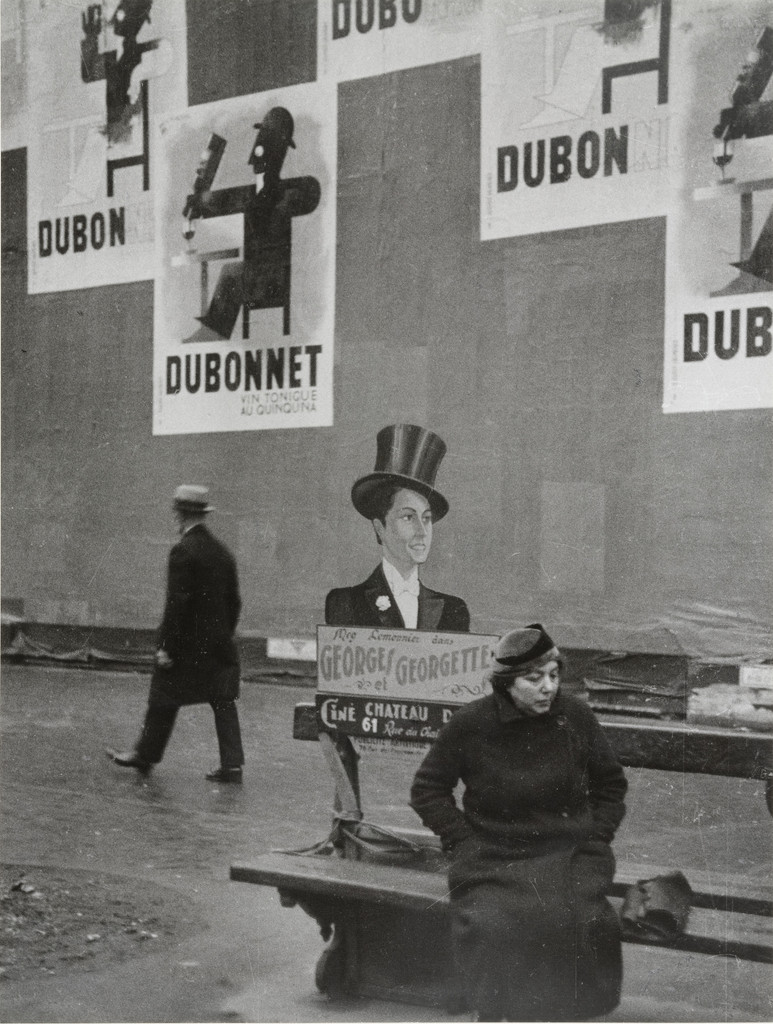
Dubo, Dubon, Dubonnet, Paris, André Kertész, 1934

Dubo, Dubon, Dubonnet, Paris

1934 · The Museum of Modern Art

Promenade, André Kertész, 1962

Promenade

1962 · The Museum of Modern Art

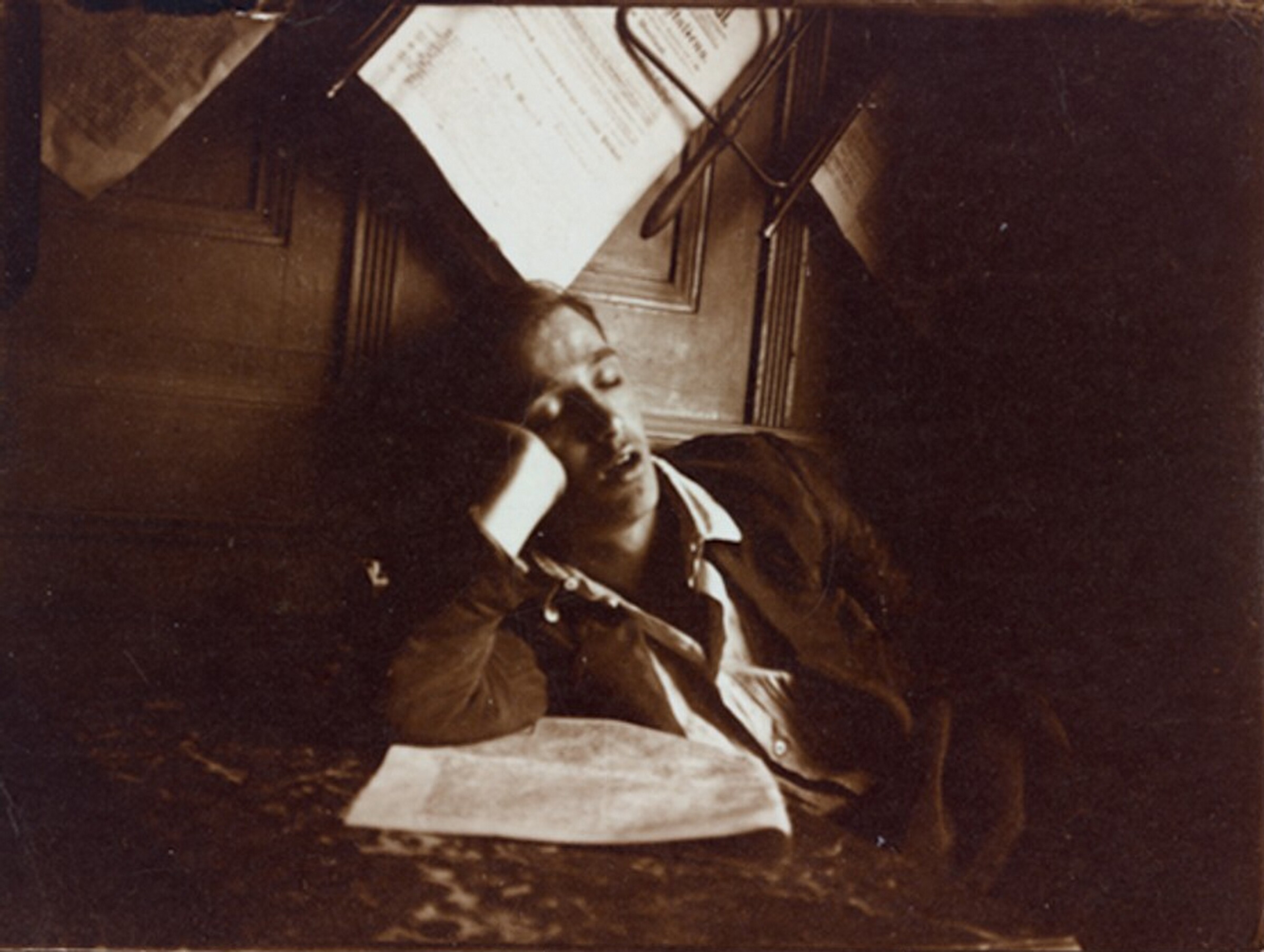
Sleeping Boy, André Kertész, 1912

Sleeping Boy

1912 · Not on view · National Gallery of Art

Bocskay-tér, Budapest, André Kertész, 1914

Bocskay-tér, Budapest

1914 · Not on view · The Museum of Modern Art

Self-Portrait at Front, André Kertész, c. 1915-1916

Self-Portrait at Front

c. 1915-1916 · Not on view · National Gallery of Art

The Fairy Tale, André Kertész, 1915

The Fairy Tale

1915 · Not on view · National Gallery of Art

Self-Portrait, André Kertész, 1915

Self-Portrait

1915 · Not on view · National Gallery of Art

Self-Portrait, Wounded, with Officer, André Kertész, January 1916

Self-Portrait, Wounded, with Officer

January 1916 · Not on view · National Gallery of Art

Neighbors at Minneapolis Institute of Art

Museum page
Olive Trees, Vincent van Gogh, 1889

Vincent van Gogh

Olive Trees, 1889

Grainstack, Sun in the Mist, Claude Monet, 1891

Claude Monet

Grainstack, Sun in the Mist, 1891

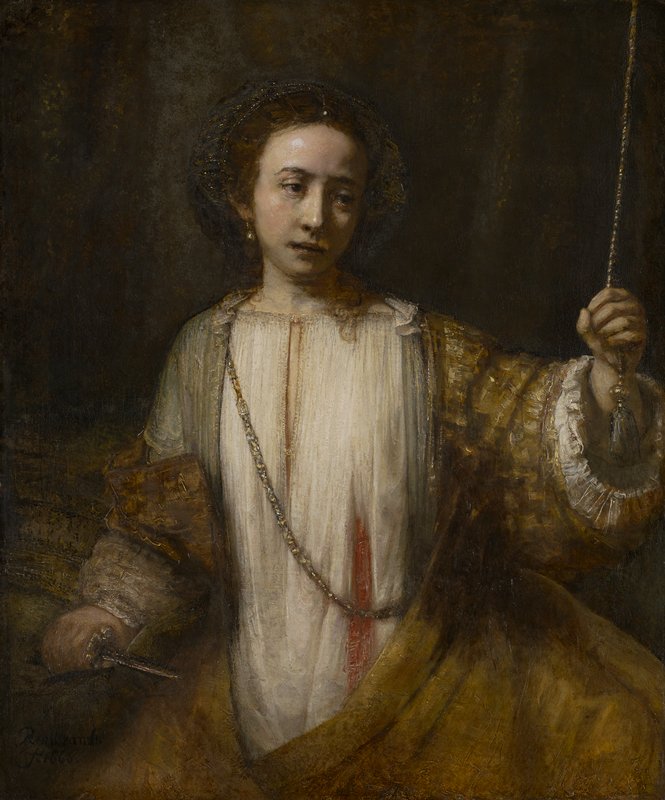
Lucretia, Rembrandt van Rijn, 1666

Rembrandt van Rijn

Lucretia, 1666

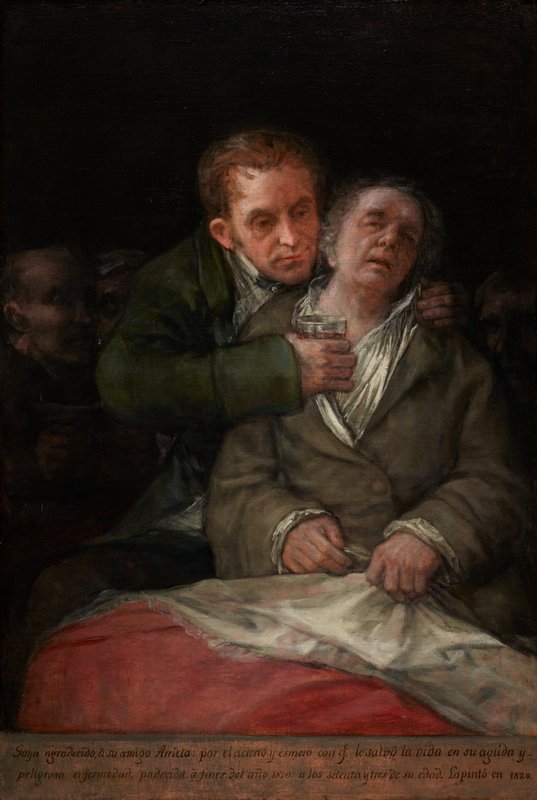
Self-Portrait with Dr. Arrieta, Francisco José de Goya y Lucientes, 1820

Francisco de Goya

Self-Portrait with Dr. Arrieta, 1820

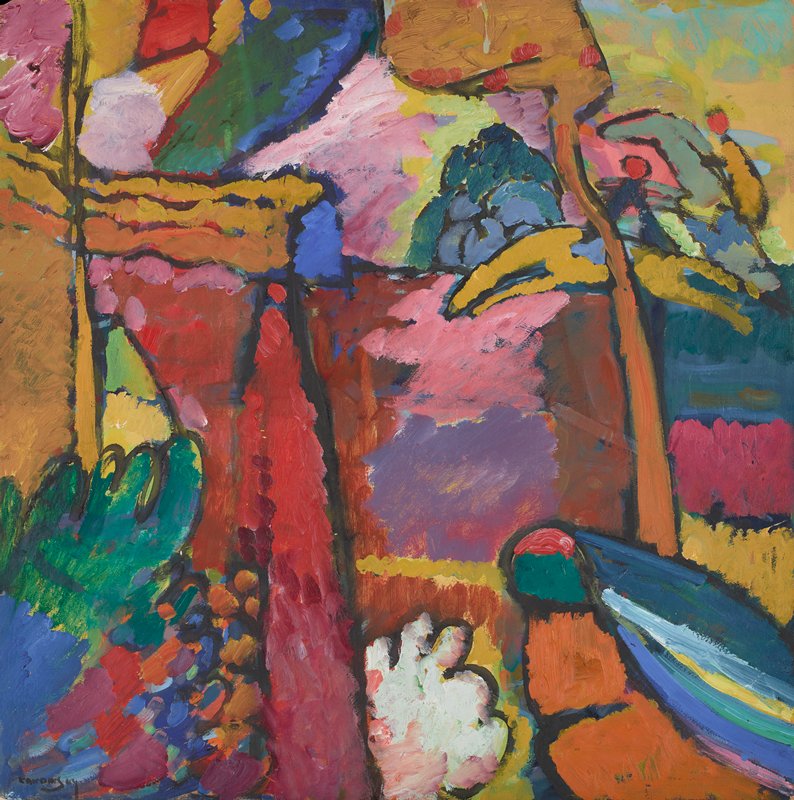
Study for Improvisation V, Vassily Kandinsky, 1910

Vasily Kandinsky

Study for Improvisation V, 1910

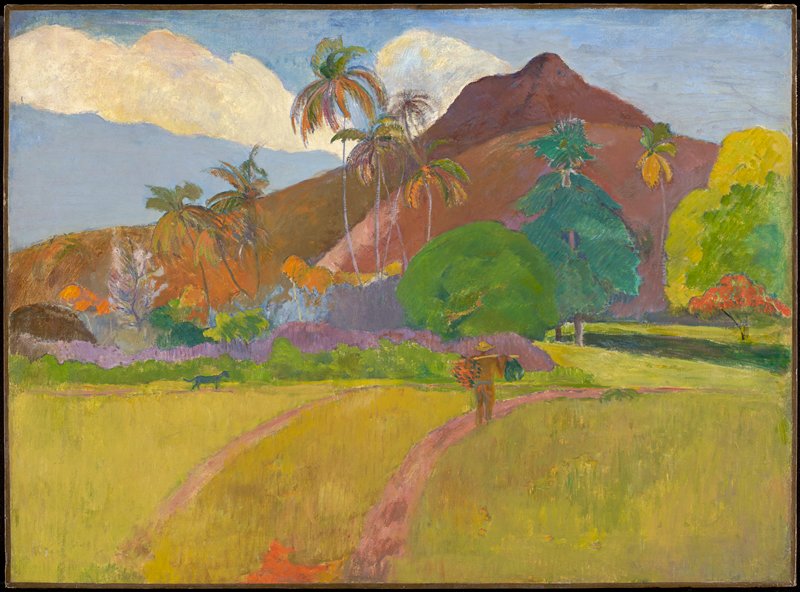
Tahitian Landscape, Paul Gauguin, 1891

Paul Gauguin

Tahitian Landscape, 1891

Chestnut Trees at Jas de Bouffan, Paul Cézanne, c. 1885–86

Paul Cézanne

Chestnut Trees at Jas de Bouffan, c. 1885–86

The Union of England and Scotland (Charles I as the Prince of Wales), Peter Paul Rubens, 1633–34

Peter Paul Rubens

The Union of England and Scotland (Charles I as the Prince of Wales), 1633–34