ART WIKI32,979 on view
MapCollectionArtistsMuseumsExhibitionsJournal
Sign in

ART WIKI

Where the masterpiece hangs, and when they let you in.

Collections: Art Institute of Chicago, Getty Villa, Harvard Art Museums, Hirshhorn Museum and Sculpture Garden, J. Paul Getty Museum, Minneapolis Institute of Art, Musée du Louvre, National Gallery of Art, National Museum of Asian Art, National Portrait Gallery (Smithsonian), Pushkin State Museum of Fine Arts, Rijksmuseum, Smithsonian American Art Museum, SMK — National Gallery of Denmark, State Hermitage Museum, State Russian Museum, The Cleveland Museum of Art, The Metropolitan Museum of Art, The Museum of Modern Art, Tretyakov Gallery, Victoria and Albert Museum, Whitney Museum of American Art, State Catalogue of the Museum Fund of Russia (274 museums), Europeana (19 museums), Wikidata (6 museums), Paris Musées (12 museums), and Joconde, the French Ministry of Culture's museum database (495 museums). Images belong to their rights holders.

Sections

  • Map
  • Search
  • Collection
  • Masterpieces
  • On view now
  • Artists

More

  • Museums & galleries
  • Exhibitions
  • Journal
  • Where the data comes from
  • Privacy & cookies
HomeMapBrowse
  1. Collection/
  2. The Museum of Modern Art/
  3. Bocskay-tér, Budapest
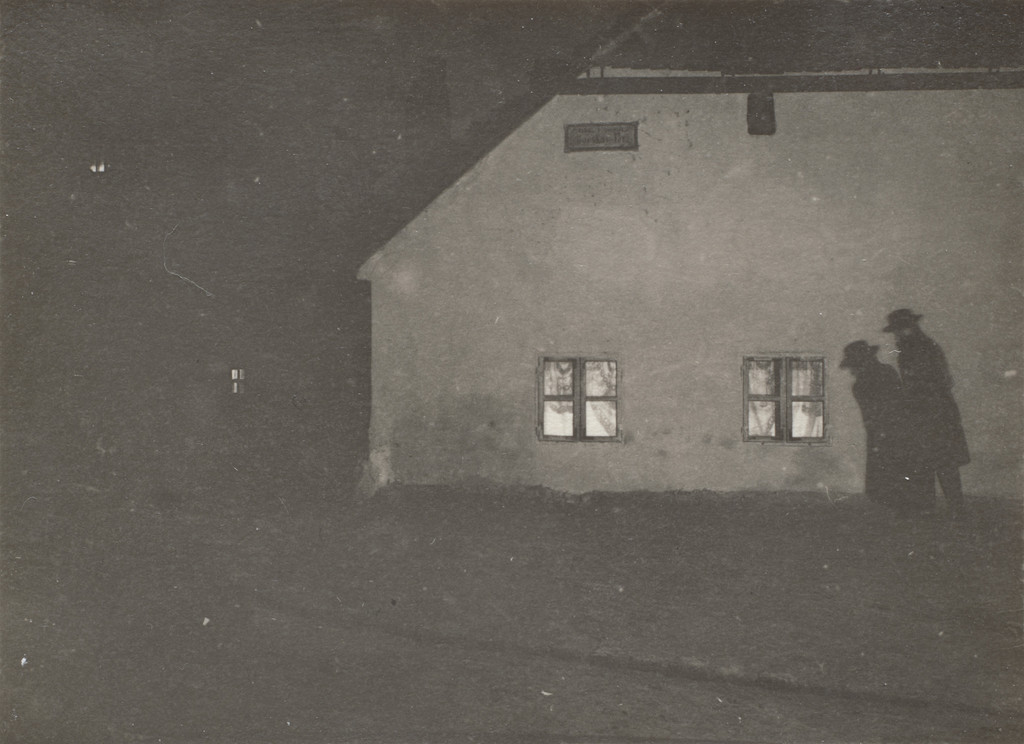
Bocskay-tér, Budapest, André Kertész, 1914
André Kertész, portraitAndré KertészAmerican, 1894–1985

Bocskay-tér, Budapest

1914 · Photograph

May one see it?

Not receiving at present

The Museum of Modern Art

New York, United States

It belongs to the collection, but is not on display at present.

Checked
9 days ago
Source
The museum
On the mapMuseum page

Particulars

1914 · aged 20
18941985
Accession number
1715.2001

In the catalog

PhotographsGelatin silver printModernism20th century

Sources

  • The Museum of Modern Art
  • Image: The Museum of Modern Art — © the artist or rights holder

Meanwhile, in the life of André Kertész

The whole life
  1. 1912

    Buys his first camera despite his family’s protests

    After earning enough money he quickly buys his first camera, an ICA box camera, despite his family’s protests that he should continue his career in business. In his free time he photographs the local peasants, Romani people and the landscape of the Hungarian Plains (the puszta); his first photograph is believed to be Sleeping Boy, Budapest, 1912. First encounters with magazine photography inspire him to learn the craft, and he is also influenced by paintings by Lajos Tihanyi and Gyula Zilzer and by poetry.

  2. 1912

    The Academy of Commerce and a job at the stock exchange

    His uncle Hoffmann pays for his business classes at the Academy of Commerce until his graduation in 1912 and soon arranges his hiring by the stock exchange. Unlike his older brother Imre, who works at the exchange in Budapest all his life, Kertész has little interest in the field; he is drawn to illustrated magazines and to fishing and swimming in the Danube near his uncle’s property.

  3. 1914

    At the front: trench life on a Goerz Tenax

    At the age of 20 he is sent to the frontline of the First World War, where he photographs life in the trenches with a lightweight Goerz Tenax camera; most of these photographs are destroyed during the violence of the Hungarian Revolution of 1919. His distinctive, mature style is already evident in work of 1914 such as Eugene.

  4. 1915

    Wounded, then convalescing in Esztergom

    He is wounded by a bullet and suffers temporary paralysis of his left arm; sent to convalesce in a military hospital in Budapest, he is later transferred to Esztergom, where he continues to take photographs, including a self-portrait for a competition in the magazine Borsszem Jankó. He does not heal soon enough to return to combat.
More by André Kertész

All works
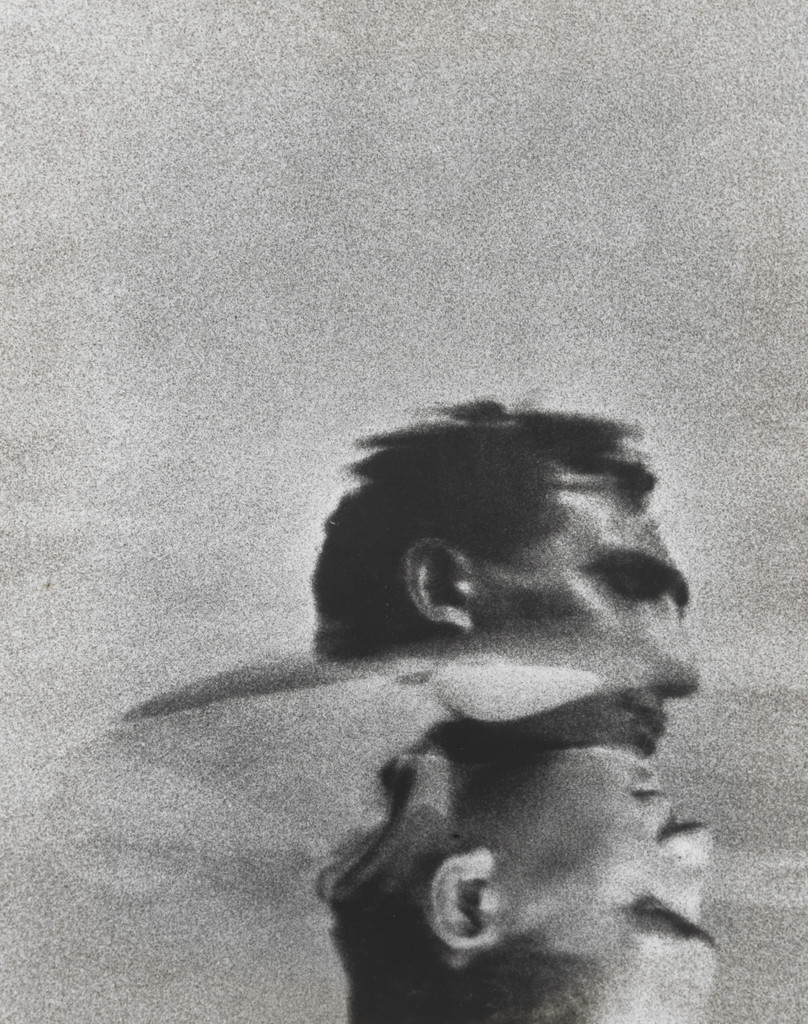
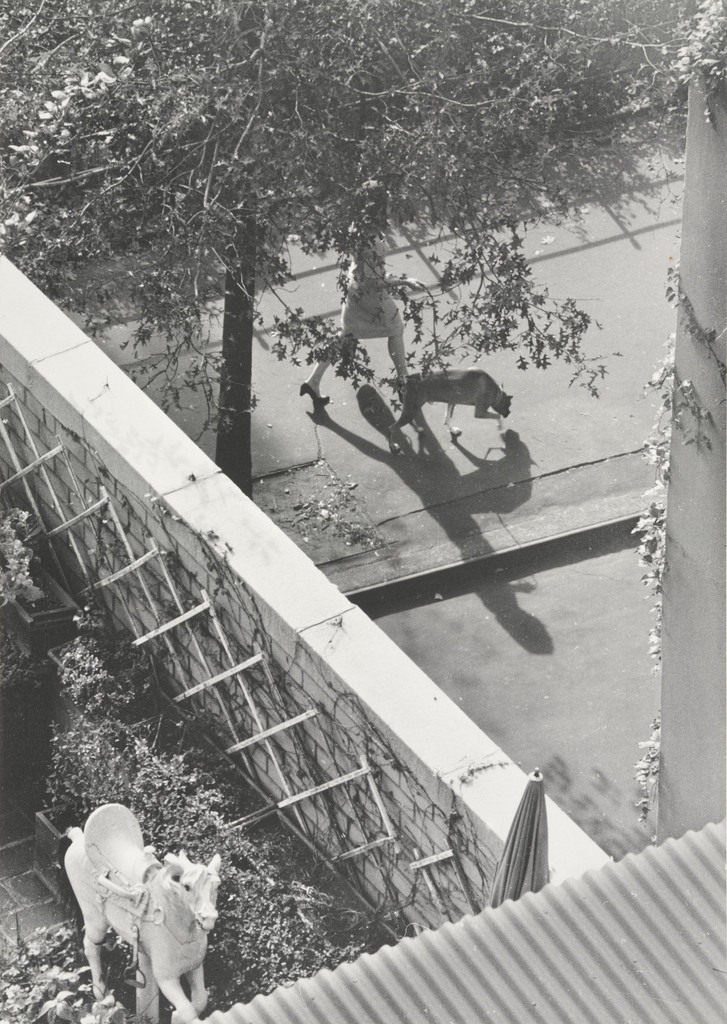
Promenade, André Kertész, 1962

Promenade

1962 · The Museum of Modern Art

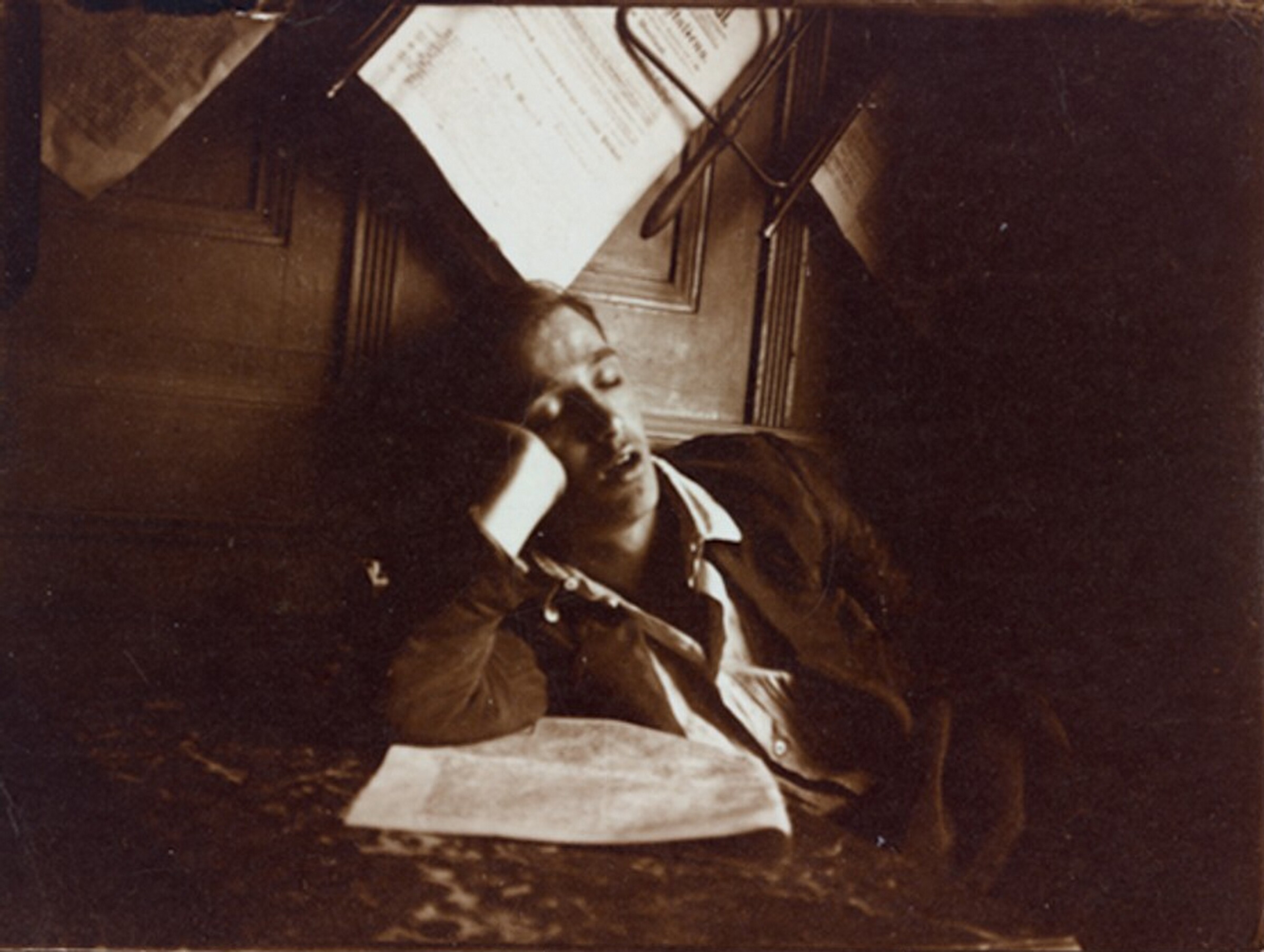
Sleeping Boy, André Kertész, 1912

Sleeping Boy

1912 · Not on view · National Gallery of Art

Self-Portrait at Front, André Kertész, c. 1915-1916

Self-Portrait at Front

c. 1915-1916 · Not on view · National Gallery of Art

The Fairy Tale, André Kertész, 1915

The Fairy Tale

1915 · Not on view · National Gallery of Art

Self-Portrait, André Kertész, 1915

Self-Portrait

1915 · Not on view · National Gallery of Art

Self-Portrait, Wounded, with Officer, André Kertész, January 1916

Self-Portrait, Wounded, with Officer

January 1916 · Not on view · National Gallery of Art

Esztergom Cathedral, André Kertész, 1917

Esztergom Cathedral

1917 · Not on view · National Gallery of Art

My Brother Jeno, Dunaharaszti, Hungary, André Kertész, 1917

My Brother Jeno, Dunaharaszti, Hungary

1917 · Not on view · The Museum of Modern Art

Neighbors at The Museum of Modern Art

Museum page
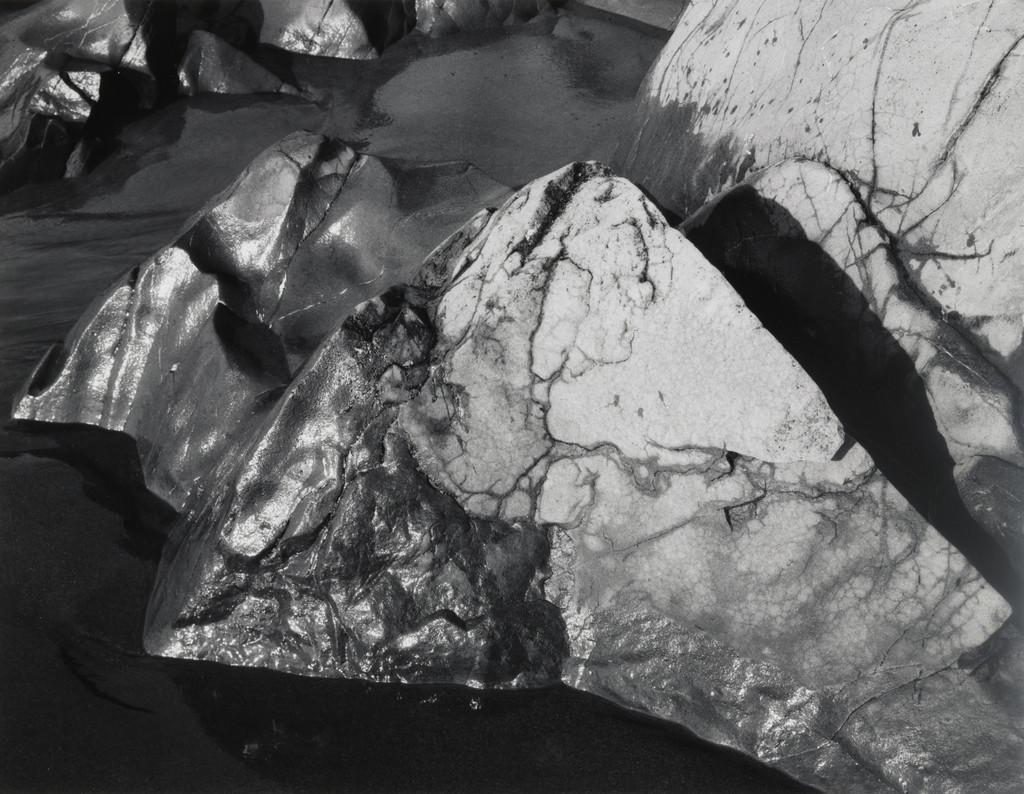
Rock, Bakers Beach, San Francisco, California, Ansel Adams, c. 1931

Ansel Adams

Rock, Bakers Beach, San Francisco, California, c. 1931

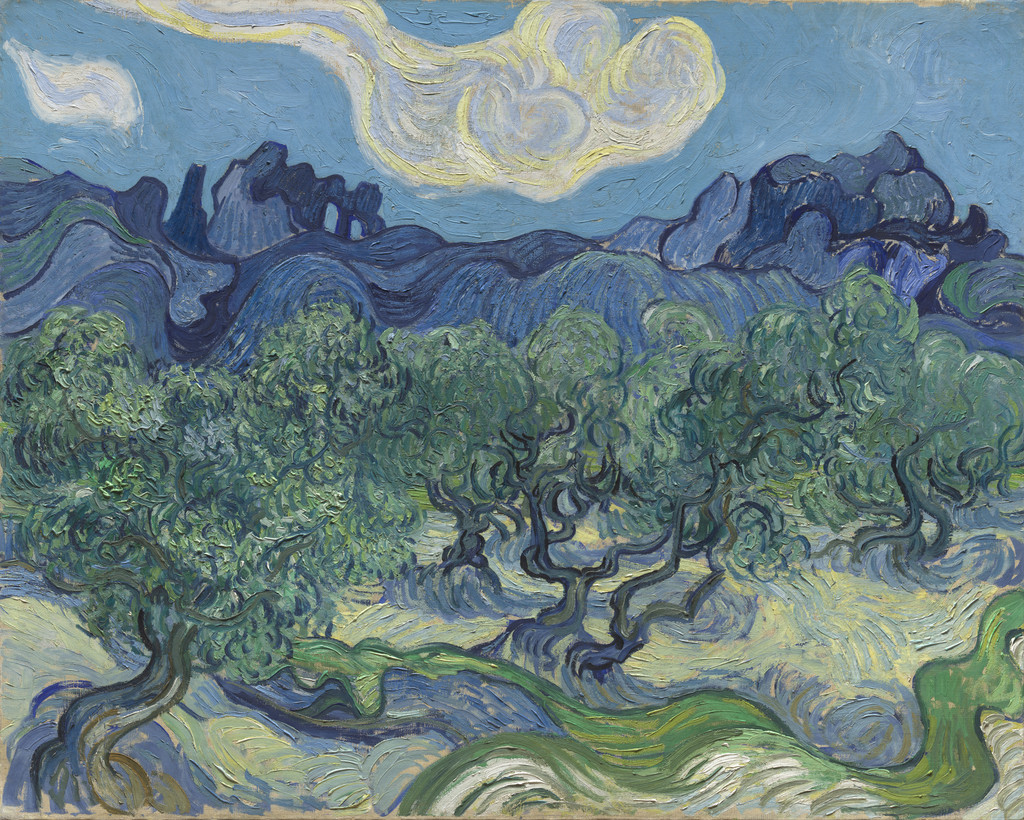
The Olive Trees, Vincent van Gogh, Saint Rémy, June-July 1889

Vincent van Gogh

The Olive Trees, Saint Rémy, June-July 1889

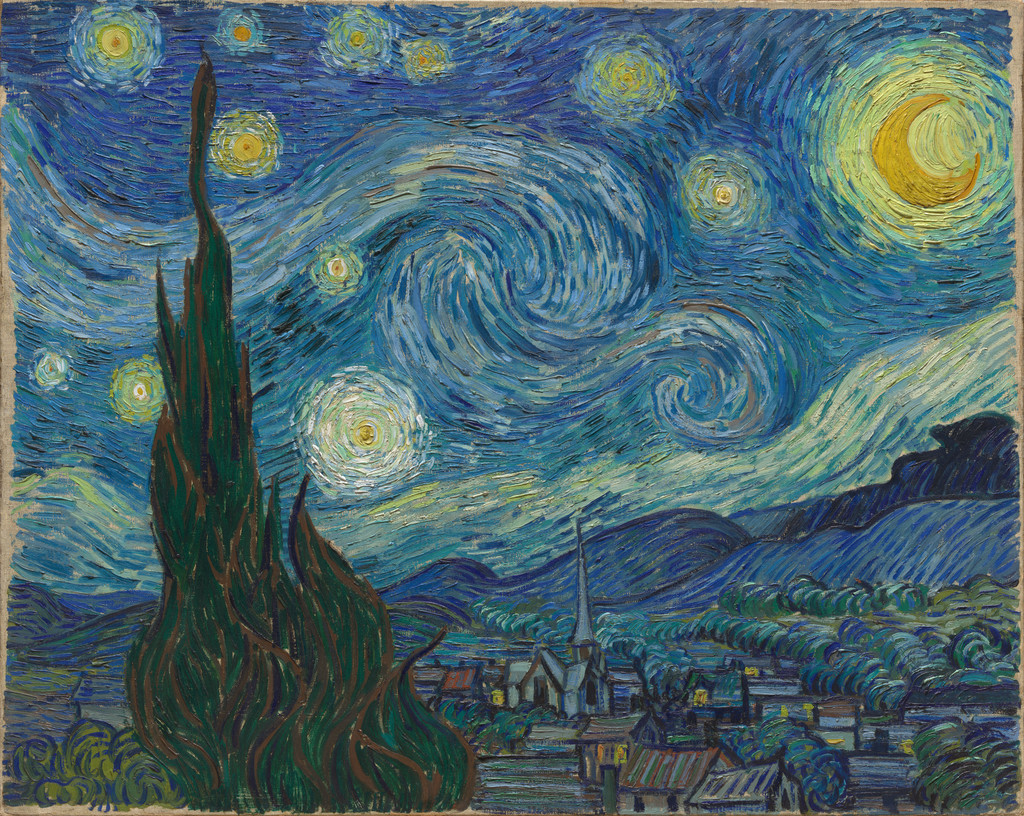
The Starry Night, Vincent van Gogh, Saint Rémy, June 1889

Vincent van Gogh

The Starry Night, Saint Rémy, June 1889

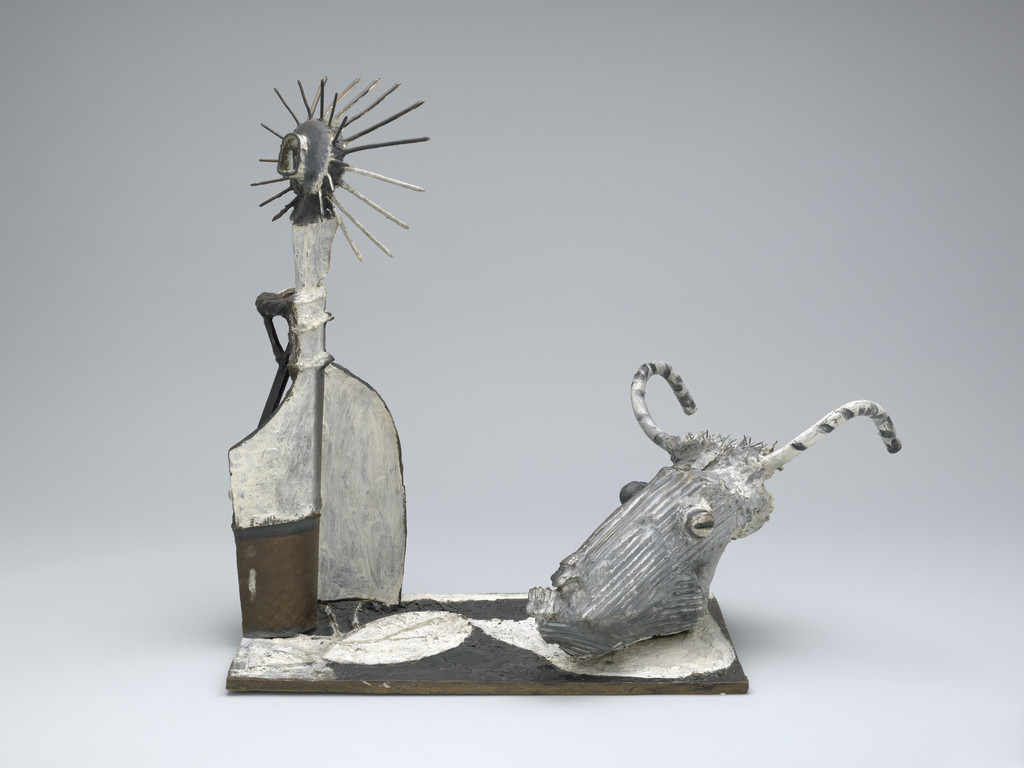
Goat Skull and Bottle, Pablo Picasso, Vallauris, 1951 (cast 1954)

Pablo Picasso

Goat Skull and Bottle, Vallauris, 1951 (cast 1954)

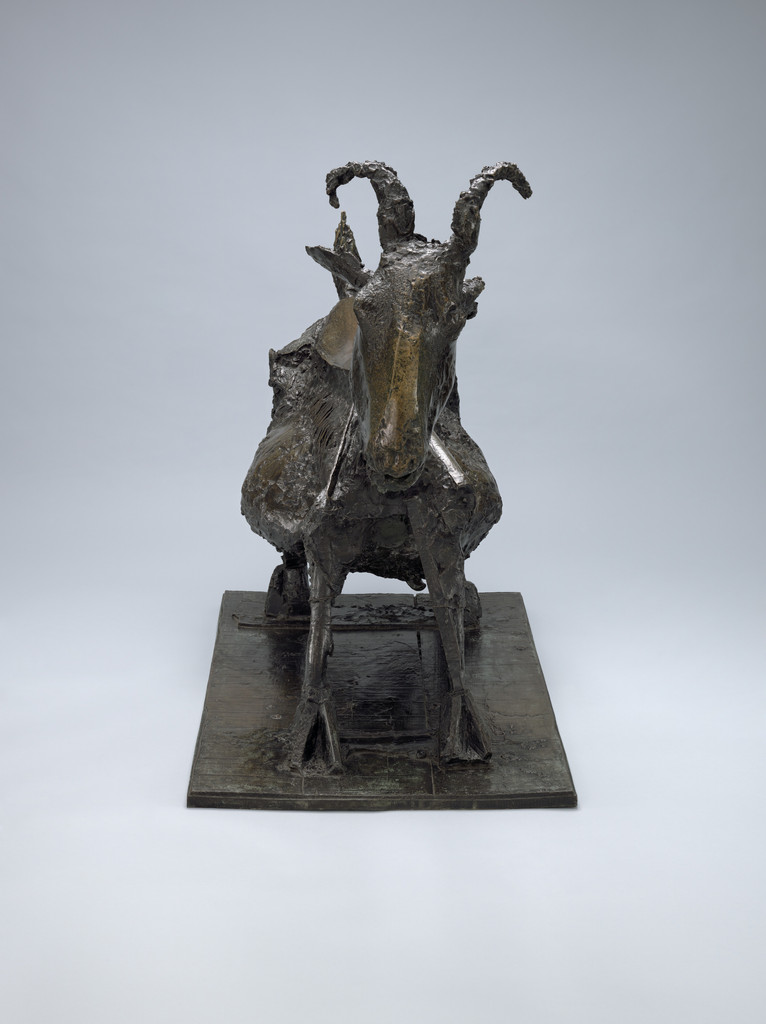
She-Goat, Pablo Picasso, Vallauris, 1950 (cast 1952)

Pablo Picasso

She-Goat, Vallauris, 1950 (cast 1952)

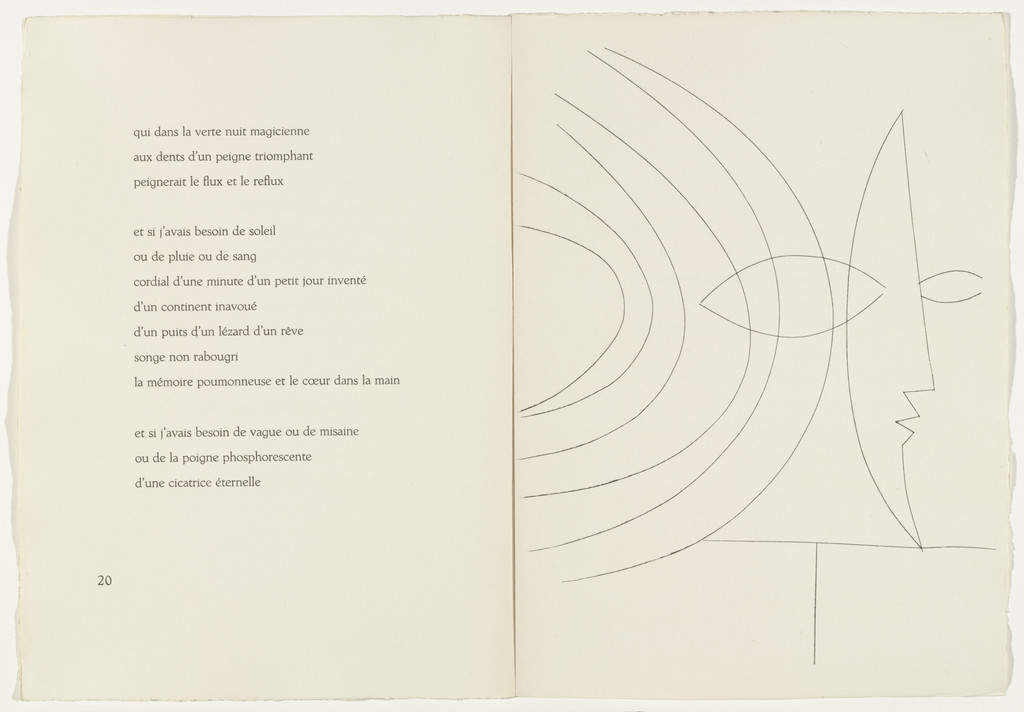
Face in Profile (plate, page 21) from Corps perdu, Pablo Picasso, 1949, published 1950

Pablo Picasso

Face in Profile (plate, page 21) from Corps perdu, 1949, published 1950

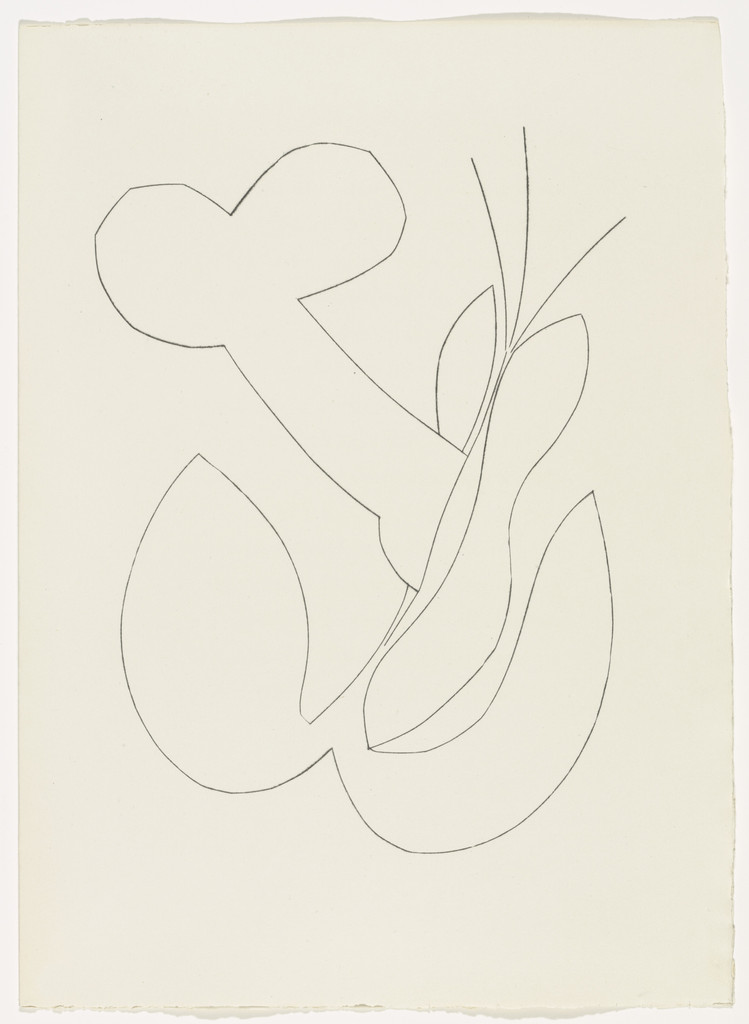
Coupling (plate, page 17) from Corps perdu, Pablo Picasso, 1949, published 1950

Pablo Picasso

Coupling (plate, page 17) from Corps perdu, 1949, published 1950

"Présence" (chapter title, page 13) from Corps perdu, Pablo Picasso, 1949, published 1950

Pablo Picasso

"Présence" (chapter title, page 13) from Corps perdu, 1949, published 1950