ART WIKI32,979 on view
MapCollectionArtistsMuseumsExhibitionsJournal
Sign in

ART WIKI

Where the masterpiece hangs, and when they let you in.

Collections: Art Institute of Chicago, Getty Villa, Harvard Art Museums, Hirshhorn Museum and Sculpture Garden, J. Paul Getty Museum, Minneapolis Institute of Art, Musée du Louvre, National Gallery of Art, National Museum of Asian Art, National Portrait Gallery (Smithsonian), Pushkin State Museum of Fine Arts, Rijksmuseum, Smithsonian American Art Museum, SMK — National Gallery of Denmark, State Hermitage Museum, State Russian Museum, The Cleveland Museum of Art, The Metropolitan Museum of Art, The Museum of Modern Art, Tretyakov Gallery, Victoria and Albert Museum, Whitney Museum of American Art, State Catalogue of the Museum Fund of Russia (274 museums), Europeana (19 museums), Wikidata (6 museums), Paris Musées (12 museums), and Joconde, the French Ministry of Culture's museum database (495 museums). Images belong to their rights holders.

Sections

  • Map
  • Search
  • Collection
  • Masterpieces
  • On view now
  • Artists

More

  • Museums & galleries
  • Exhibitions
  • Journal
  • Where the data comes from
  • Privacy & cookies
HomeMapBrowse
  1. Collection/
  2. Victoria and Albert Museum/
  3. The Virgin and Child
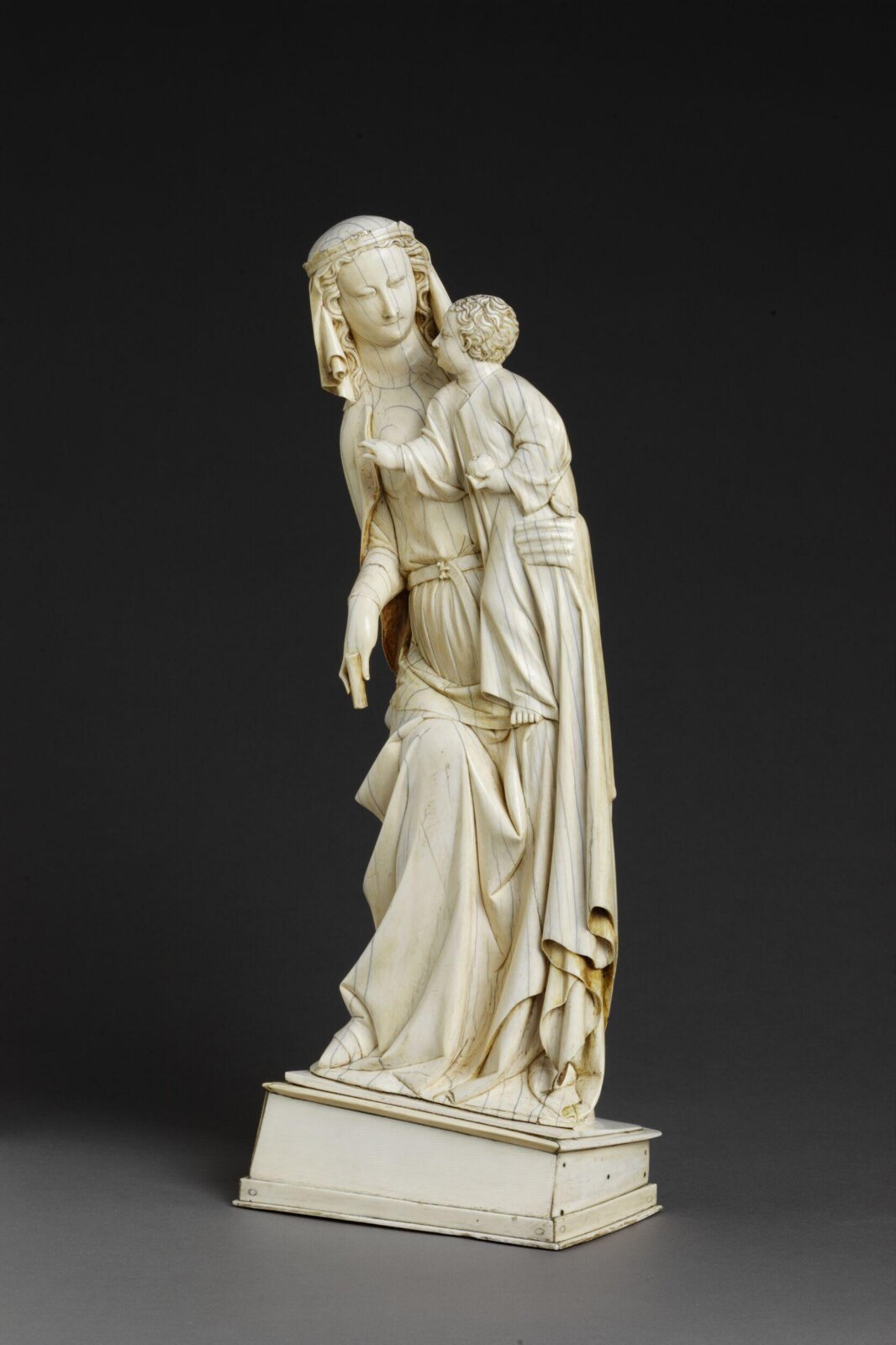
The Virgin and Child, ca. 1310-1320

The Virgin and Child

ca. 1310-1320 · Statuette · 35.5 × 13.2 cm

About the sculpture

The love of elegance for its own sake increasingly dominated European art at the beginning of the fourteenth century, a development which co-incided with an increasing emphasis on the human qualities of the Virgin Mary. This statuette depicts the Virgin as gentle and maternal, smiling down at her inquisitive son.

In her right hand the Virgin holds a cylindrical object, the stem of a lily (now lost) which symbolised Mary's virginal state when her son was conceived by the Holy Spirit. The crown on her head distinguishes her as the quen of heaven. This Virgin and Child forms part of a now well-known group of similar pieces. These comparatively large ivory sculptures were presumably made for an élite market. They may not all be by the same hand, but they share details of pose and style, which pressupose a common approach and intimately related workshops.

Read on

Three dimensional images of the Virgin and Child were ubiquitous from the twelfth to the fifteenth centuries, produced in a wide range of materials and sizes and testifying the overwhelming devotion to th Virgin. Together with the Crucifixion, statues and statuettes of the Virgin and Child were the pricipal objects of devotion in the Christian Church, and vast numbers were made for ecclesisastical, monastic and private worship.

Victoria and Albert Museum

Particulars

Accession number
4685&:2-1858

In the same room · Medieval & Renaissance, Room 10, Victoria and Albert Museum

Museum page

On the same theme · Virgin and Child

All works on the theme

May one see it?

Yes, receiving visitors

Victoria and Albert Museum

London, United Kingdom

RoomMedieval & Renaissance, Room 10

On public display.

Checked
13 days ago
In this state since
Sep 25, 2026
Source
The museum
On the mapMuseum page

What it shows

Virgin and Child

In the catalog

SculptureIvoryMiddle AgesBefore 1400Paris

Sources

  • Victoria and Albert Museum
  • Image: Victoria and Albert Museum — © Victoria and Albert Museum, London
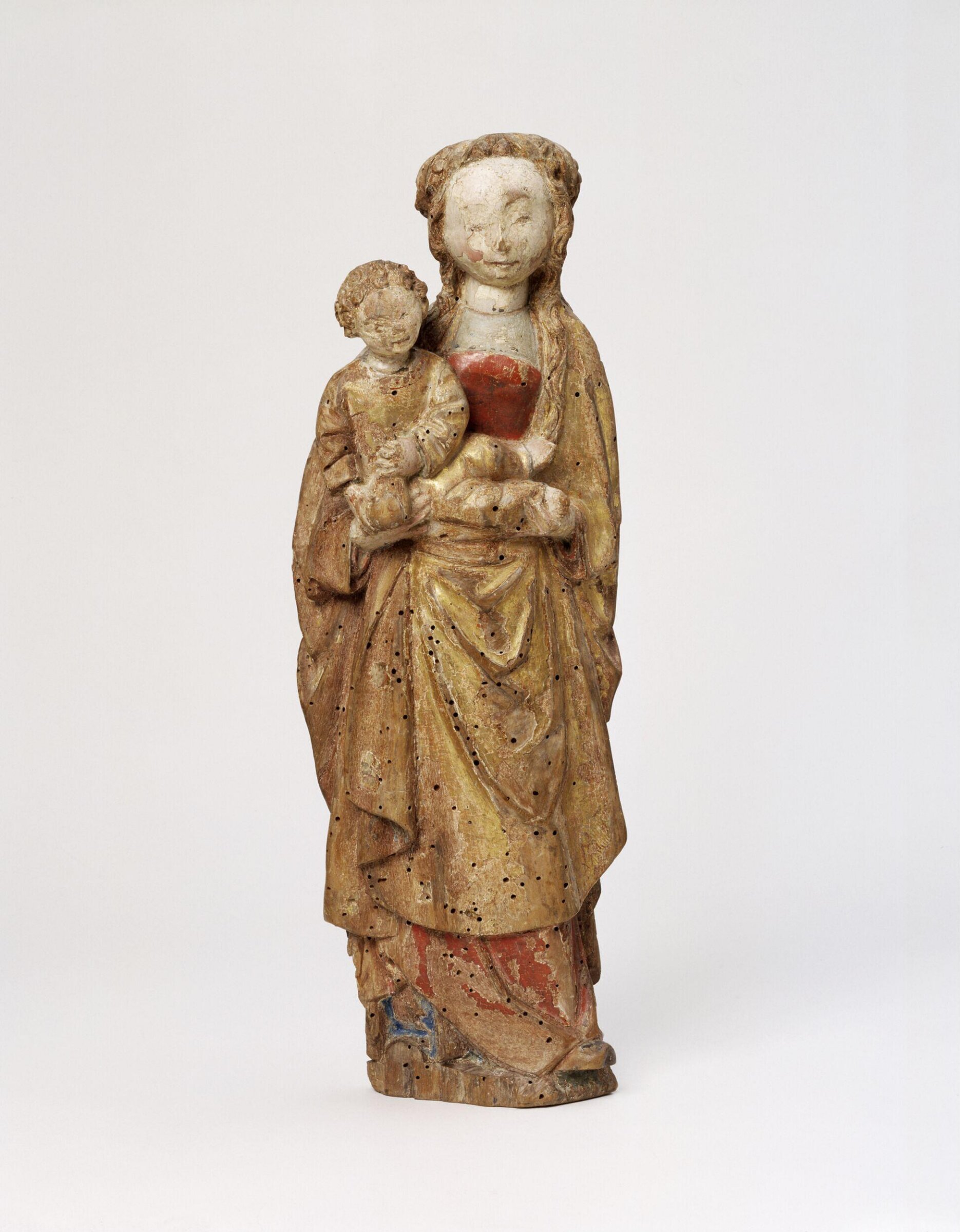
The Virgin and Child, ca. 1510

The Virgin and Child, ca. 1510

The Virgin and Child, ca. 1500-1510

The Virgin and Child, ca. 1500-1510

St Francis, Workshop of Andrea della Robbia, ca. 1500-1525

Workshop of Andrea della Robbia

St Francis, ca. 1500-1525

Virgin and Child, Master of Flémalle, ca. 1500

Master of Flémalle

Virgin and Child, ca. 1500

The Virgin and Child, ca. 1500-1520

The Virgin and Child, ca. 1500-1520

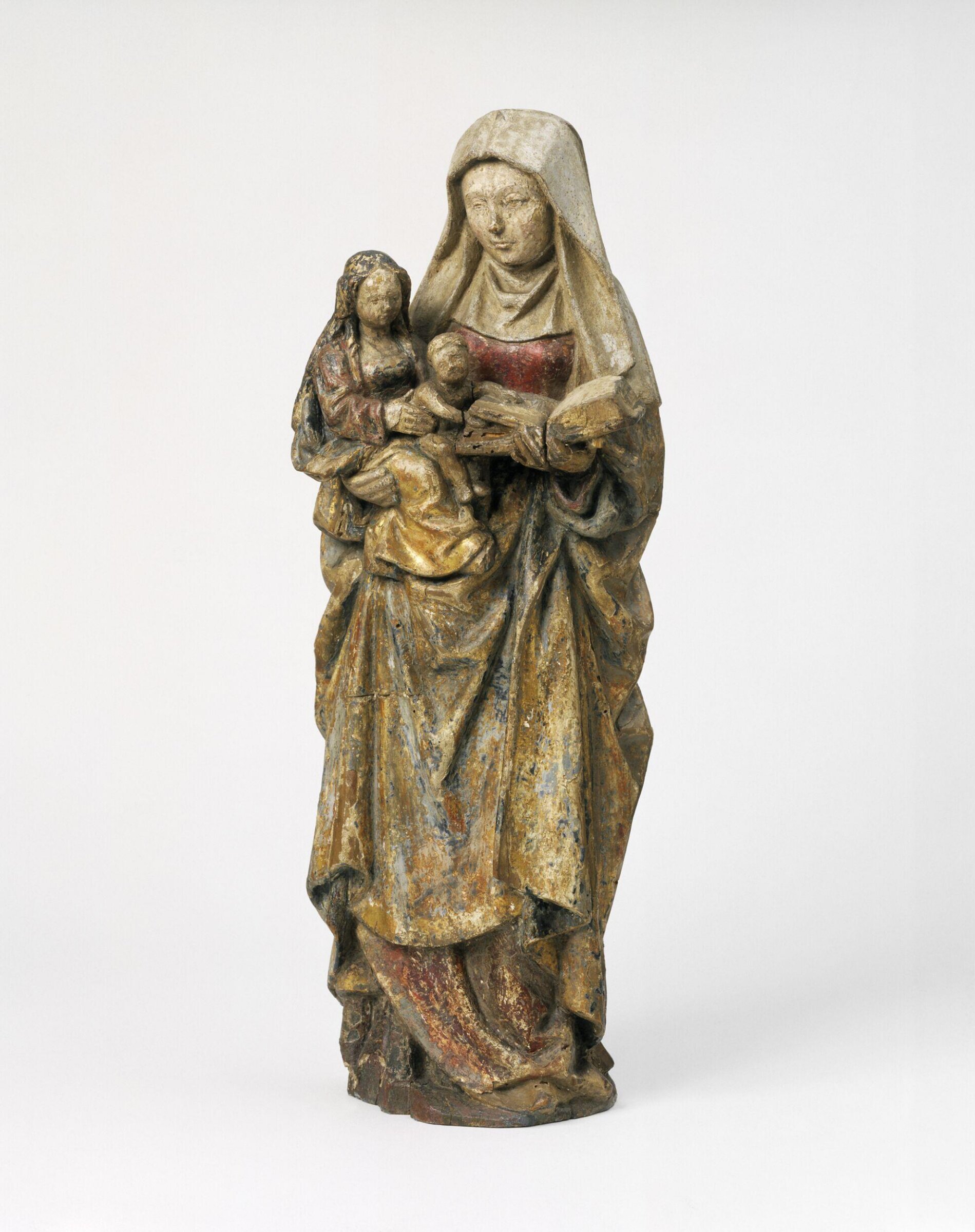
St Anne with the Virgin and Child, ca. 1500-1520

St Anne with the Virgin and Child, ca. 1500-1520

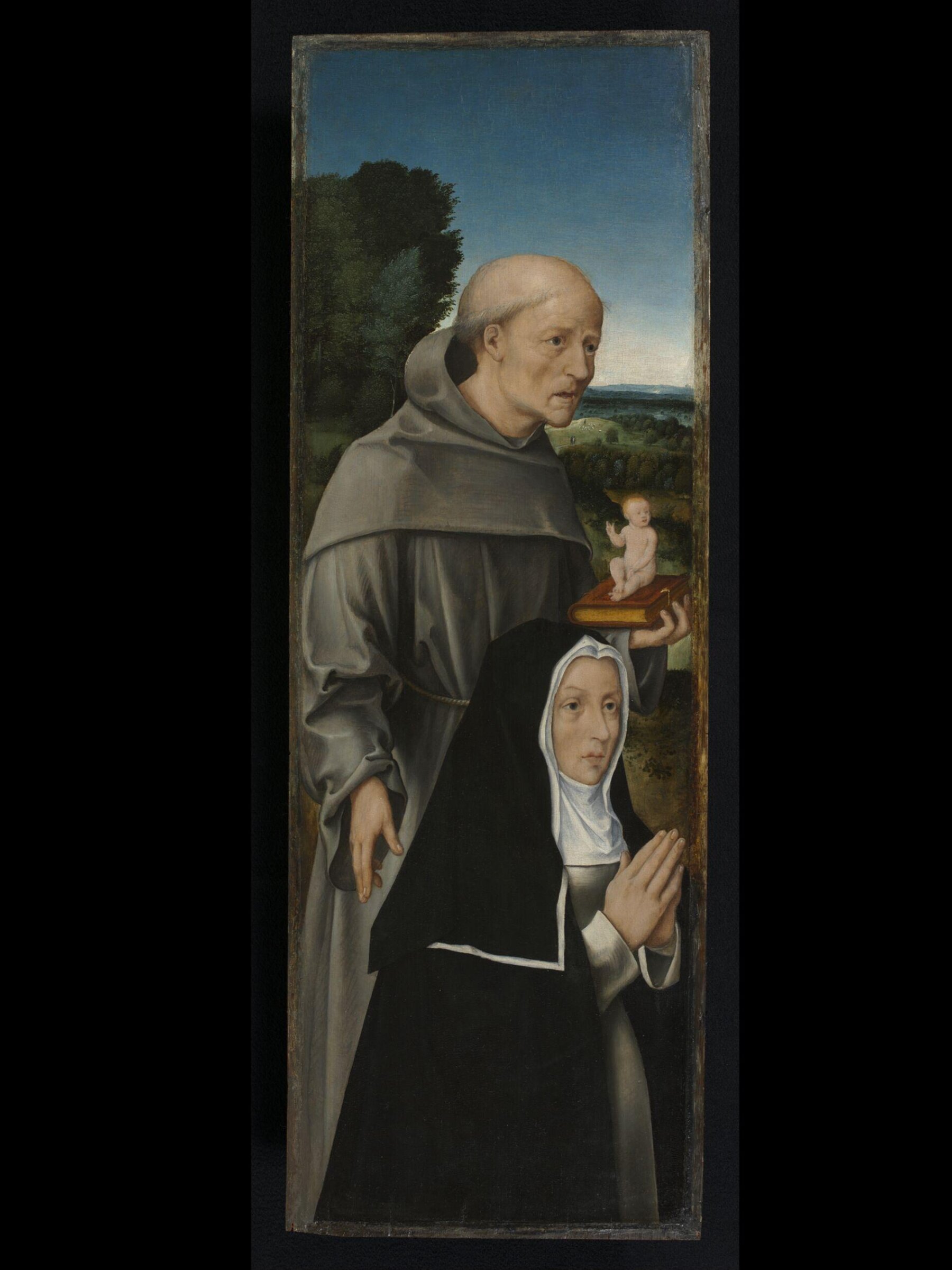
St Anthony of Padua with a Nun, Gerard David, ca. 1500

Gerard David

St Anthony of Padua with a Nun, ca. 1500

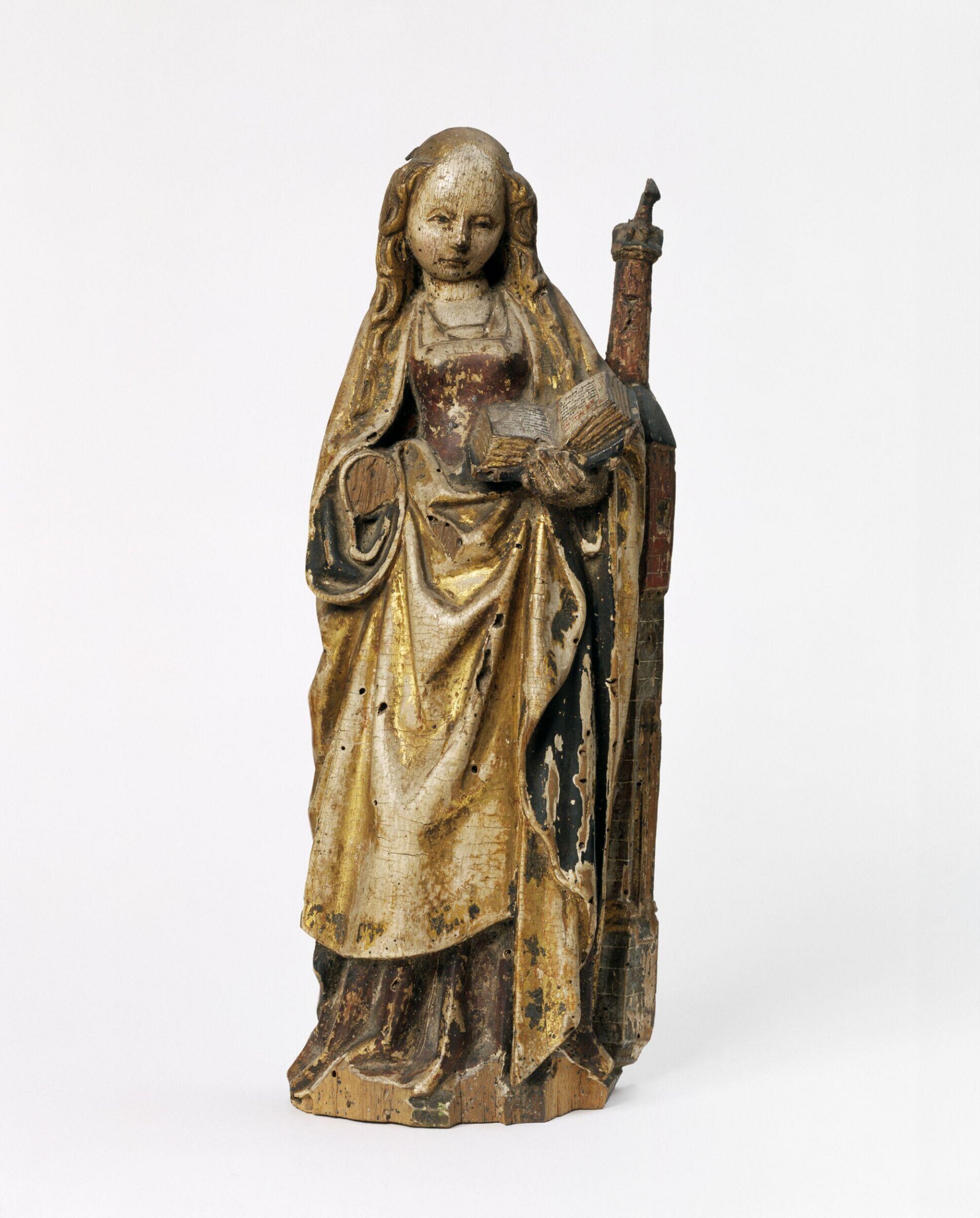
St Barbara, ca. 1500

St Barbara, ca. 1500

Te Atua (The Gods) Small Plate [recto], Paul Gauguin, in or after 1895

Paul Gauguin

Te Atua (The Gods) Small Plate [recto], in or after 1895

Not on view · National Gallery of Art

The Virgin and Sleeping Child, Giovanni Bottani, after Giuseppe Bottani, mid 18th century

Giuseppe Bottani

The Virgin and Sleeping Child, mid 18th century

Not on view · National Gallery of Art

Augustus and the Tiburtine Sibyl, Moderno, late 15th - early 16th century

Moderno

Augustus and the Tiburtine Sibyl, late 15th - early 16th century

National Gallery of Art

The Virgin and Child, Giovanni Bottani, mid 18th century

Giovanni Bottani

The Virgin and Child, mid 18th century

Not on view · National Gallery of Art

Figures from a Retable of the Virgin and Child, with Saint Catherine of Alexandria, Saint Apollonia, Saint Margaret of Antioch, and (possibly) Saint Mary Kleophas, English 15th Century, c. 1440/1460

English 15th Century

Figures from a Retable of the Virgin and Child, with Saint Catherine of Alexandria, Saint Apollonia, Saint Margaret of Antioch, and (possibly) Saint Mary Kleophas, c. 1440/1460

National Gallery of Art

Virgin and Child, Luisa Roldán, c. 1680/1686

Luisa Roldán, called La Roldana

Virgin and Child, c. 1680/1686

National Gallery of Art

The Virgin and Child, Paduan 15th Century, 15th century

Paduan 15th Century

The Virgin and Child, 15th century

Not on view · National Gallery of Art

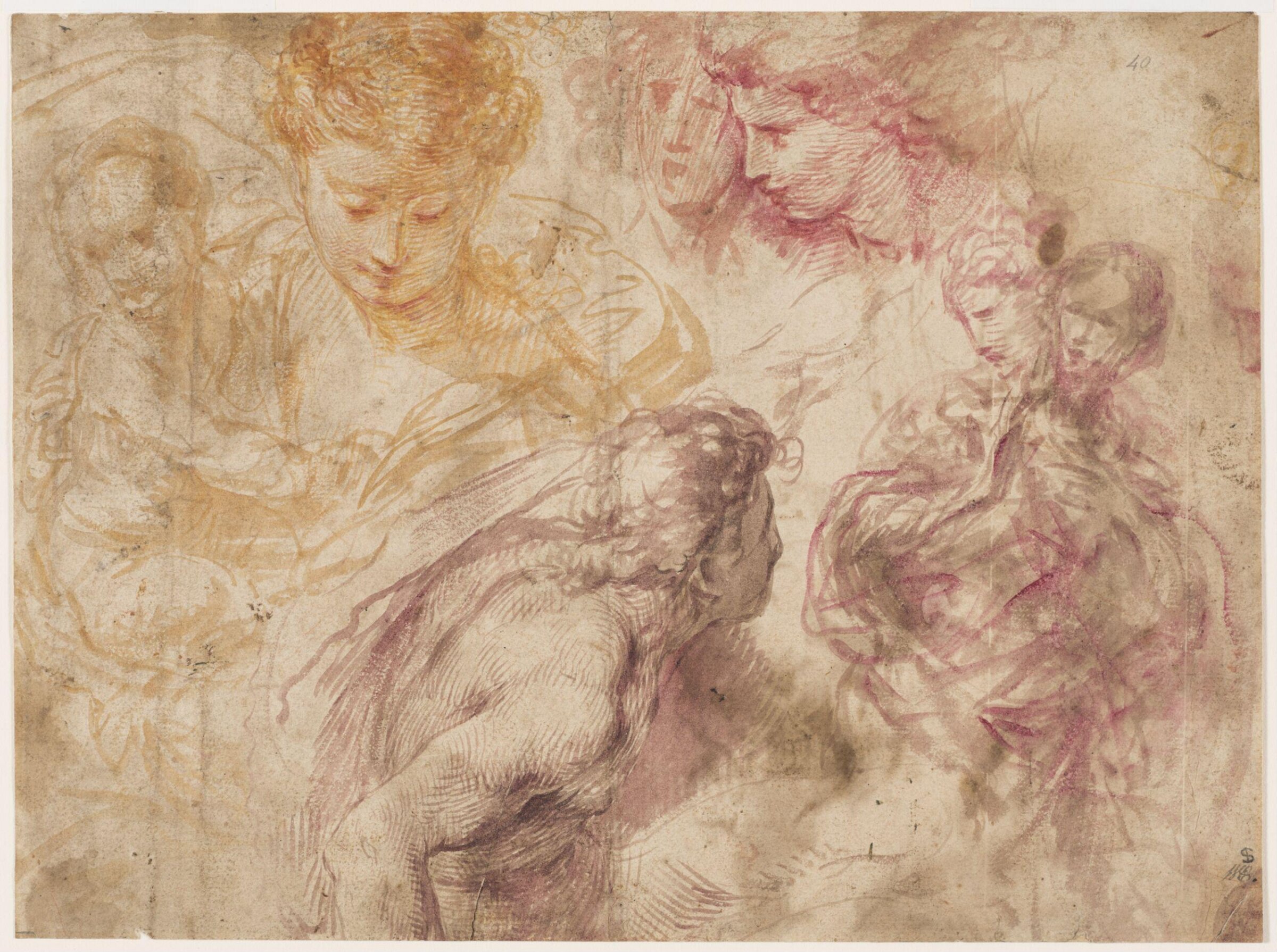
Studies of figures, including a Virgin and Child, the heads of two angels, a youth and a draped female., Giulio Cesare Procaccini

Giulio Cesare Procaccini

Studies of figures, including a Virgin and Child, the heads of two angels, a youth and a draped female.

Not on view · Victoria and Albert Museum