 Jean François MilletFrench, 1814–1875
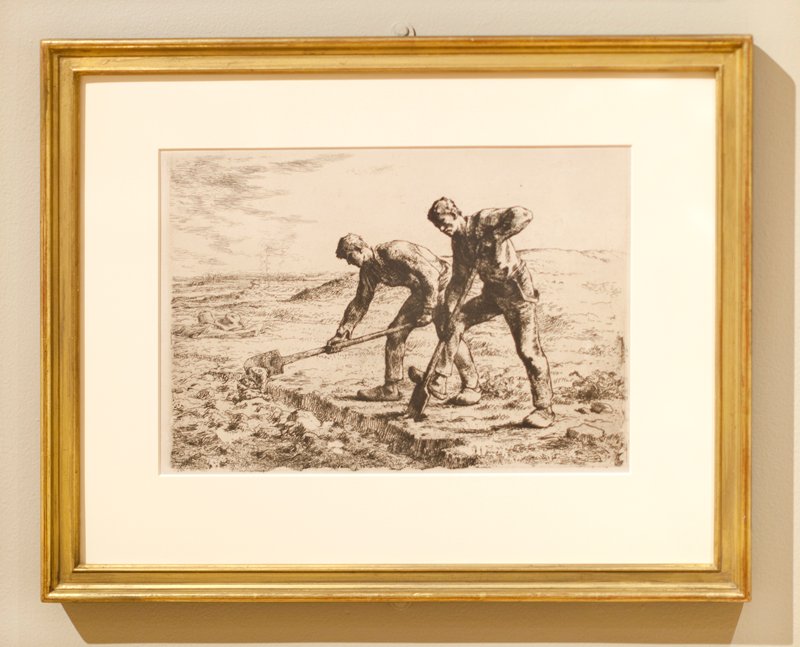
The Diggers
Can I see it?
Not on view at present
Where is “The Diggers” now? Collection: Minneapolis Institute of Art, Minneapolis. Not on view at present. Checked September 29, 2026.

Minneapolis, United States
It belongs to the collection, but is not on display at present.
- Checked
- In this state since
- Source
- The museum
About the work
To tell the truth, the peasant subjects suit my temperament best; for I must confess, even if you think me a socialist, that the human side of art is what touches me most.
-Jean-François Millet
Read on
A founding member of the Barbizon school of painters in rural France, Jean-François Millet is renowned for his solemn and dignified images of peasant laborers. The son of Norman peasants, Millet was sympathetic to the hardships and frequent poverty of the rural working class, often presenting his subjects in idealized poses and settings intended as veiled criticisms of the excesses and indifference of the bourgeoisie. One of most famous images, The Diggers shows two farm workers turning over the soil by hand, their backbreaking labor reinforced by the vast expanse of the untilled field. Millet was an important source of inspiration for Vincent Van Gogh, who produced an oil painting of the same subject using a photograph of this etching as his model.
Minneapolis Institute of Art
Details
- Accession number
- P.28
In the catalog
Sources
- Minneapolis Institute of Art
- Image: Minneapolis Institute of Art — public domain
In the life of Jean François Millet
The whole life1853
First official recognition: a Salon medal in 1853
“Harvesters Resting” was the first work to garner him official recognition, a second-class medal at the Salon of 1853.
1857
“The Gleaners” at the Salon: a hostile public
In 1857 he submitted “The Gleaners” to the Salon to an unenthusiastic, even hostile, public.
1857
Son born: Charles Millet
after 1857
A turn to the poetic side of peasant life
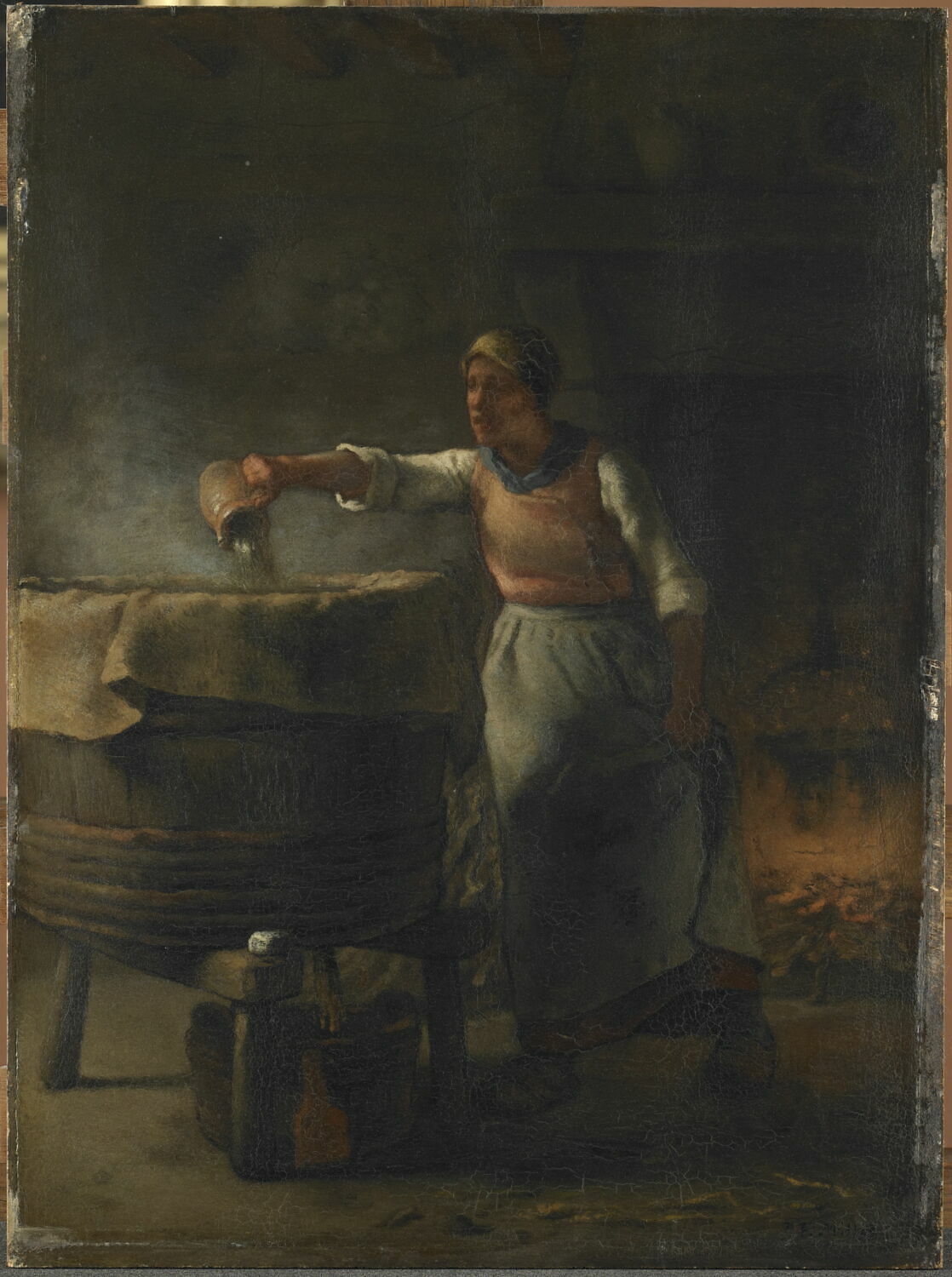
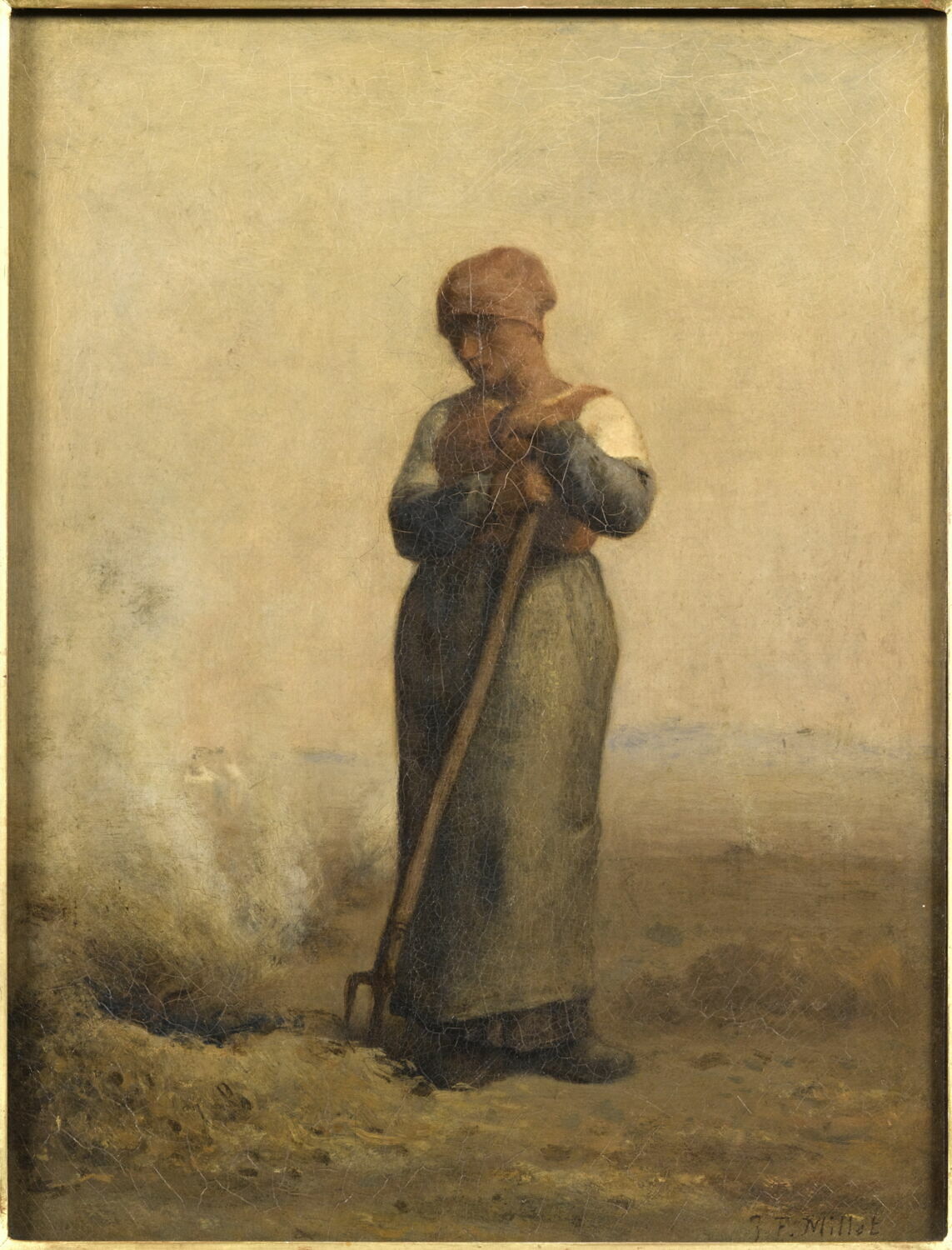
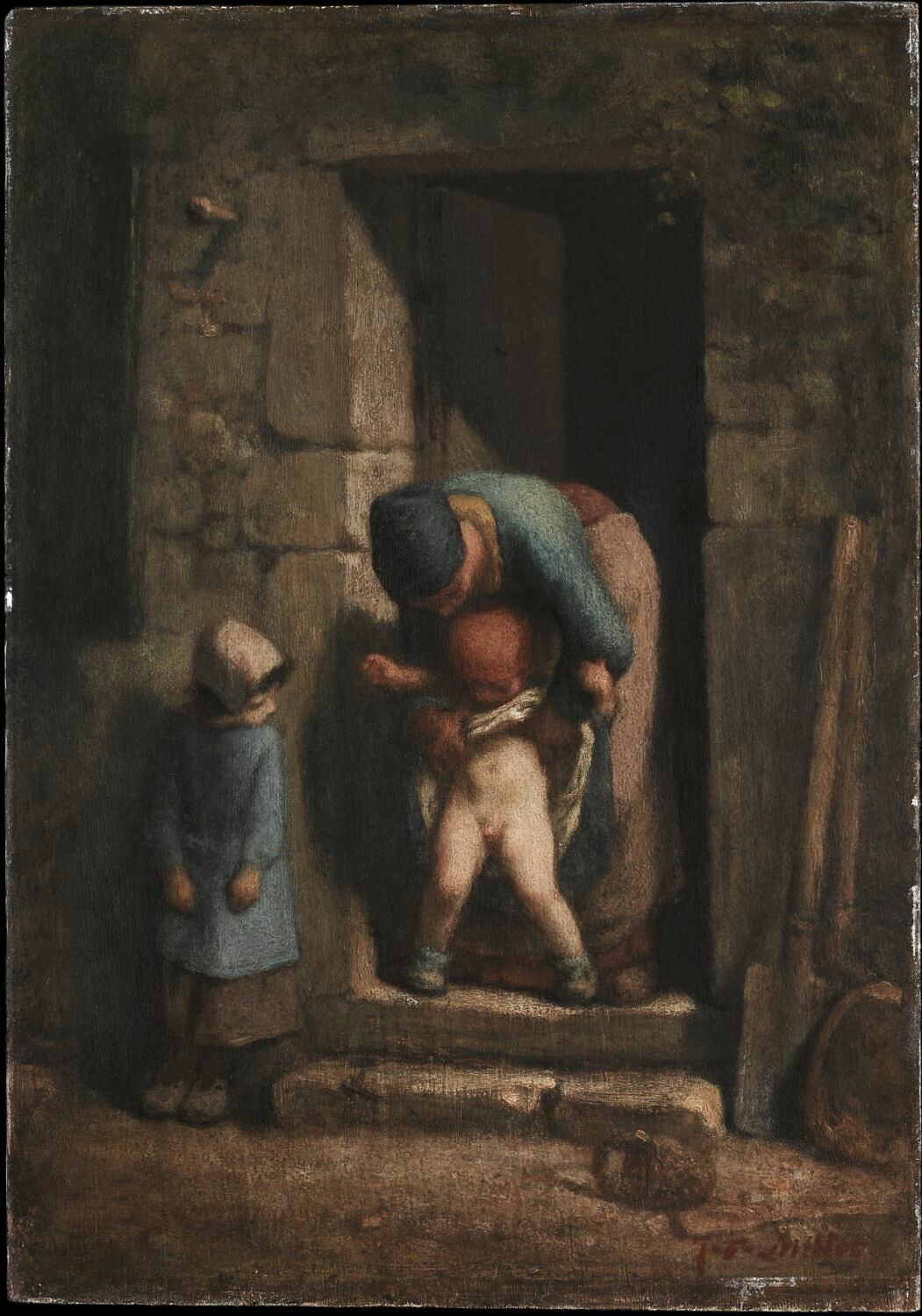
The picture drew mixed reactions from the public and critics, and the artist turned for a time to the more poetic sides of peasant life: in the 1850s he worked on scenes of humble peasant dwellings with serene, solitary female figures devoted to bringing up children or running the household.