 Jean François MilletFrench, 1814–1875
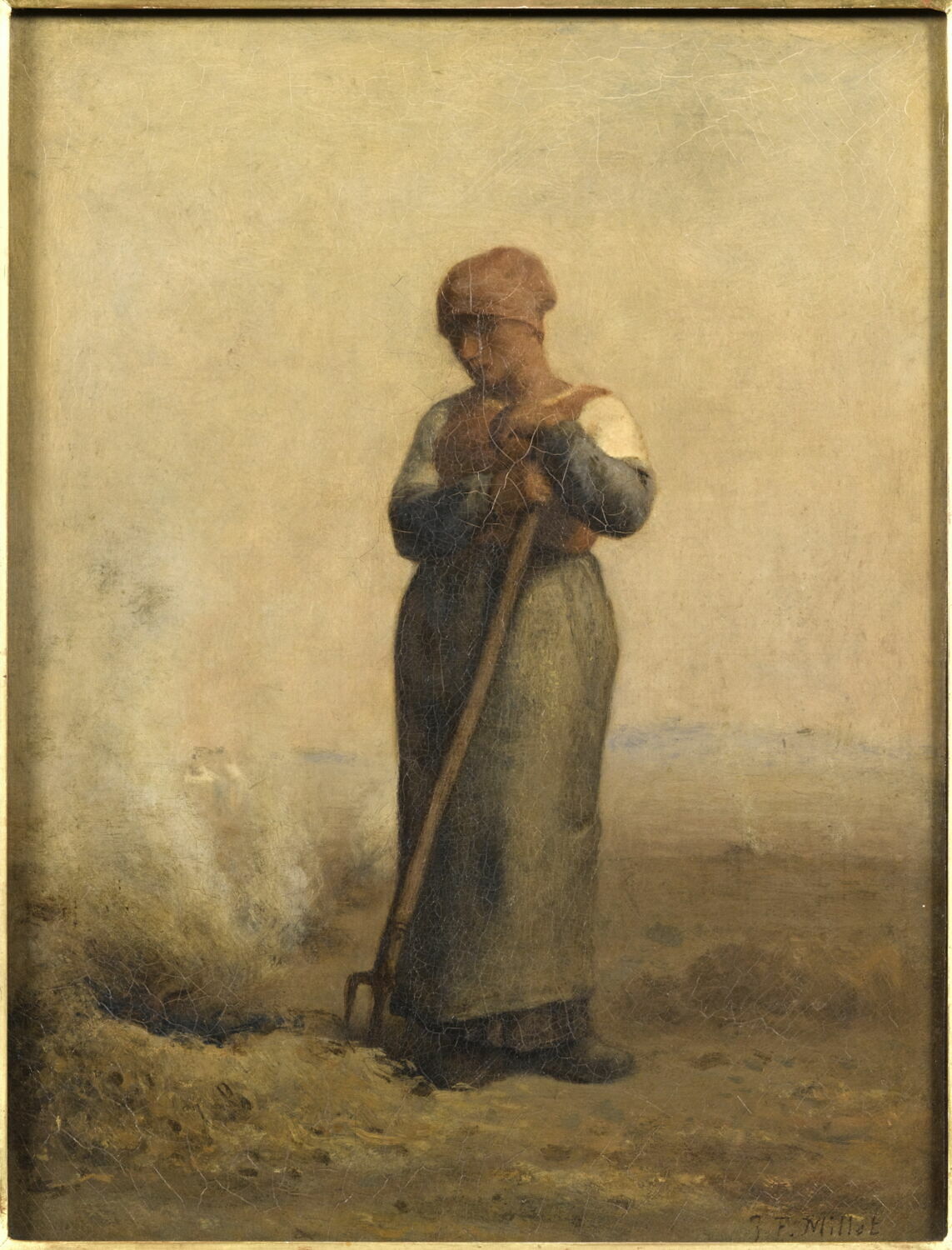
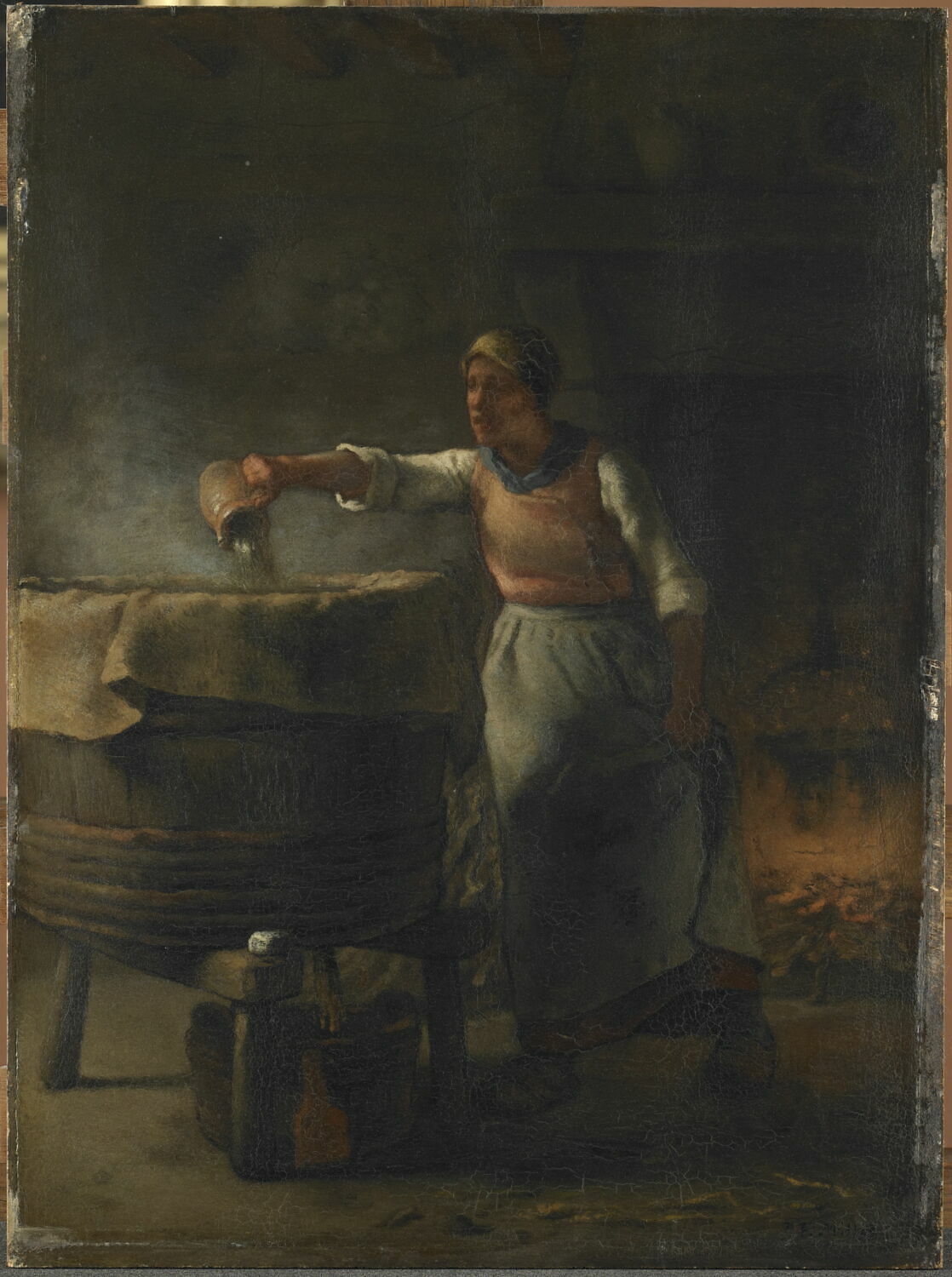
La lessiveuse
Can I see it?
Yes, on view now
Where is “La lessiveuse” now? Musée du Louvre, Salle 951, Aile Sully, Niveau 2, Paris. Yes, on view now. Checked September 26, 2026.

Closed· opens tomorrow at 9:00 AM
On public display.
- Checked
- In this state since
- Source
- The museum
Details
- Accession number
- RF 1438
In the catalog
Sources
- Musée du Louvre
- Image: Musée du Louvre — © 2009 GrandPalaisRmn (musée du Louvre) / Michel Urtado
In the life of Jean François Millet
The whole life1847
First Salon success: “Oedipus Taken Down from the Tree”
In 1847 his first Salon success came with the exhibition of the painting “Oedipus Taken Down from the Tree”.
1848
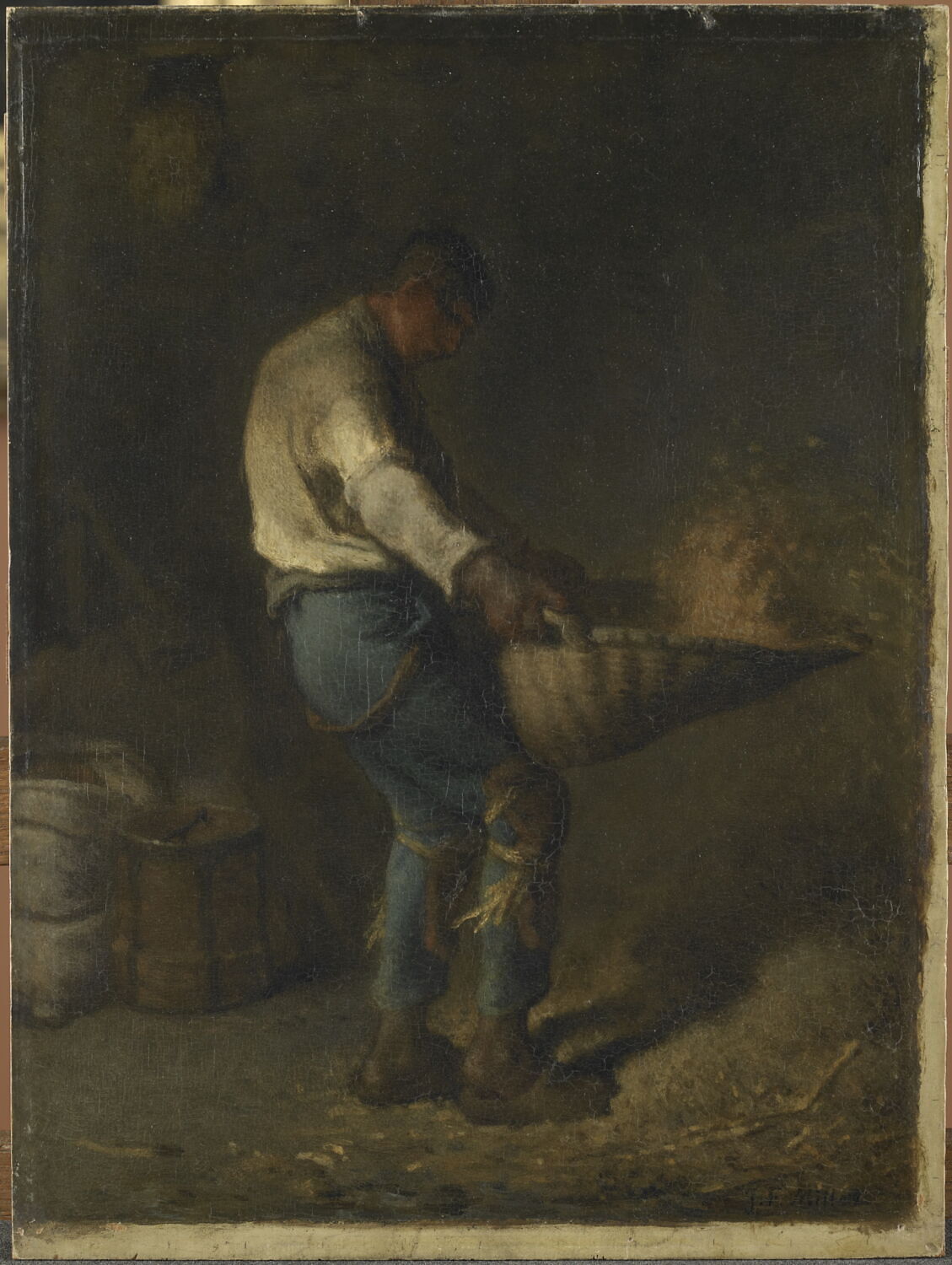
The government buys “The Winnower”
In 1848 his “Winnower” was bought by the government.
1849
“Shepherdess Sitting at the Edge of the Forest”
At the Salon of 1849 he exhibited “Shepherdess Sitting at the Edge of the Forest”, a very small oil painting that marked a turning away from earlier idealised pastoral subjects in favour of a more realistic and personal approach.
June 1849
The move to Barbizon
In June 1849 Millet settled in Barbizon with Catherine and their children.
1850
An arrangement with Alfred Sensier
In 1850 Millet entered into an arrangement with Sensier, who provided the artist with materials and money in return for drawings and paintings, while Millet remained free to sell work to other buyers.
1850
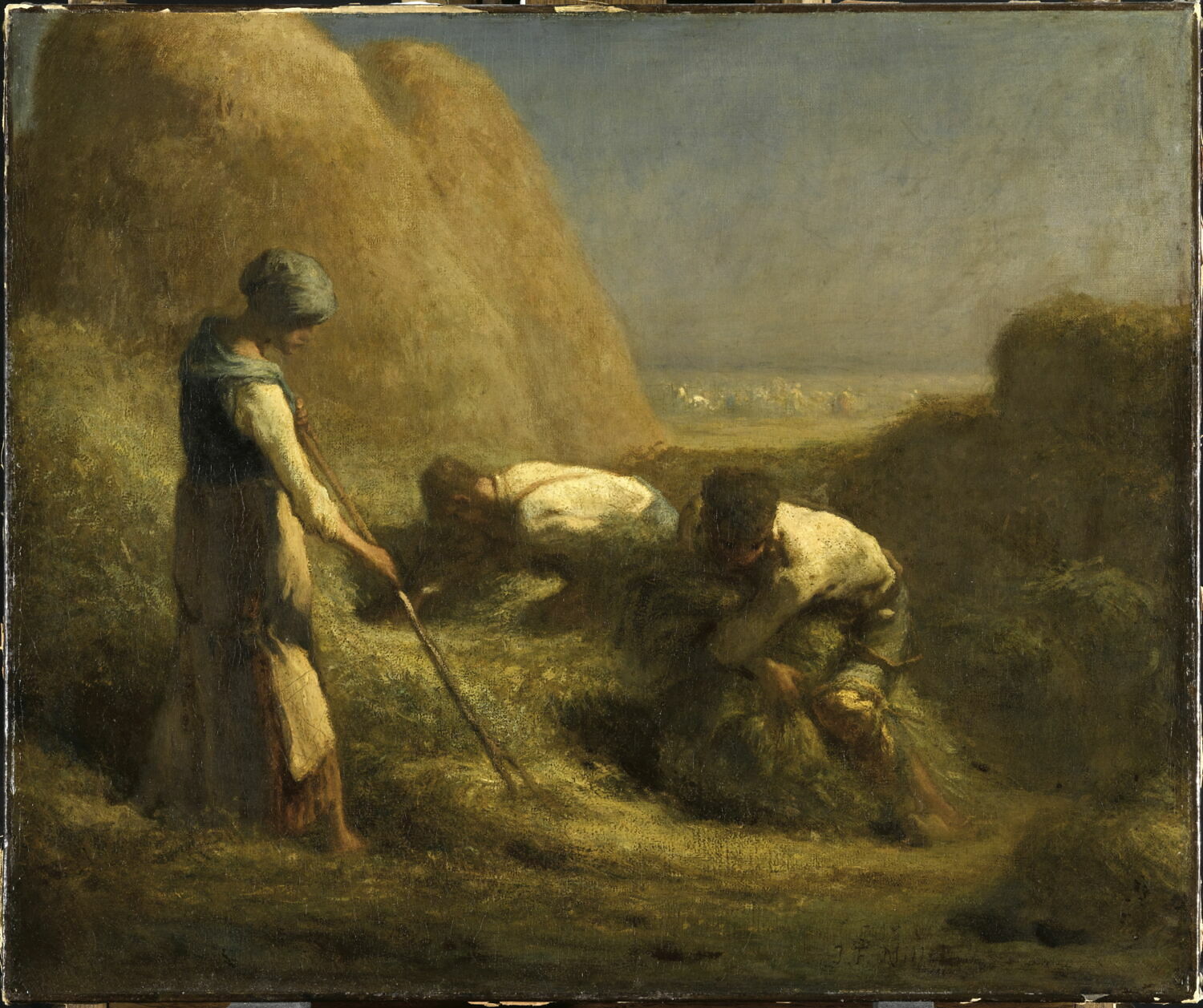
The Salon of 1850: “The Sower” and “Haymakers”
At that year’s Salon he exhibited “Haymakers” and “The Sower”, his first major masterpiece and the earliest of the iconic trio of paintings that also included “The Gleaners” and “The Angelus”.