 Constantin BrancusiRomanian, 1876–1957
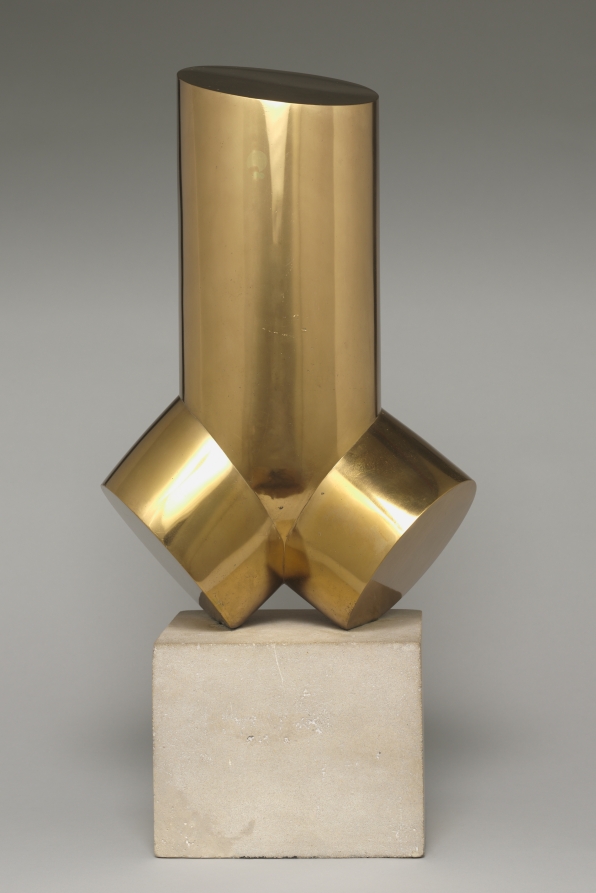
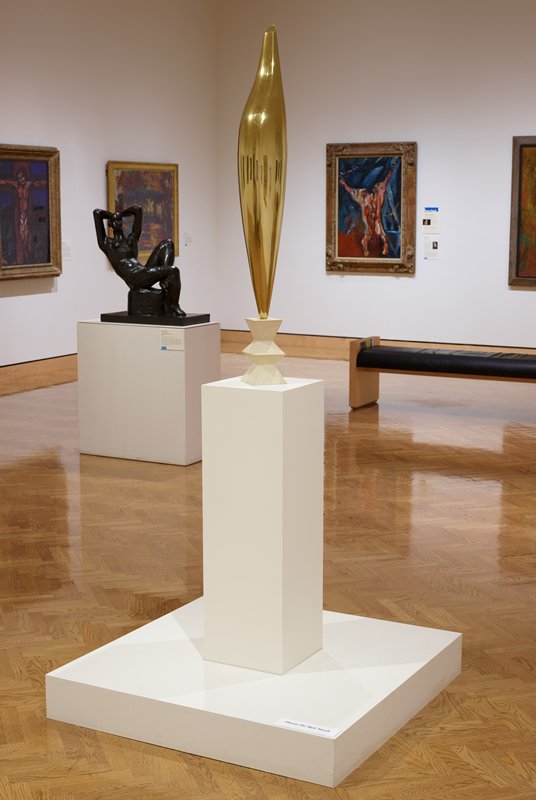
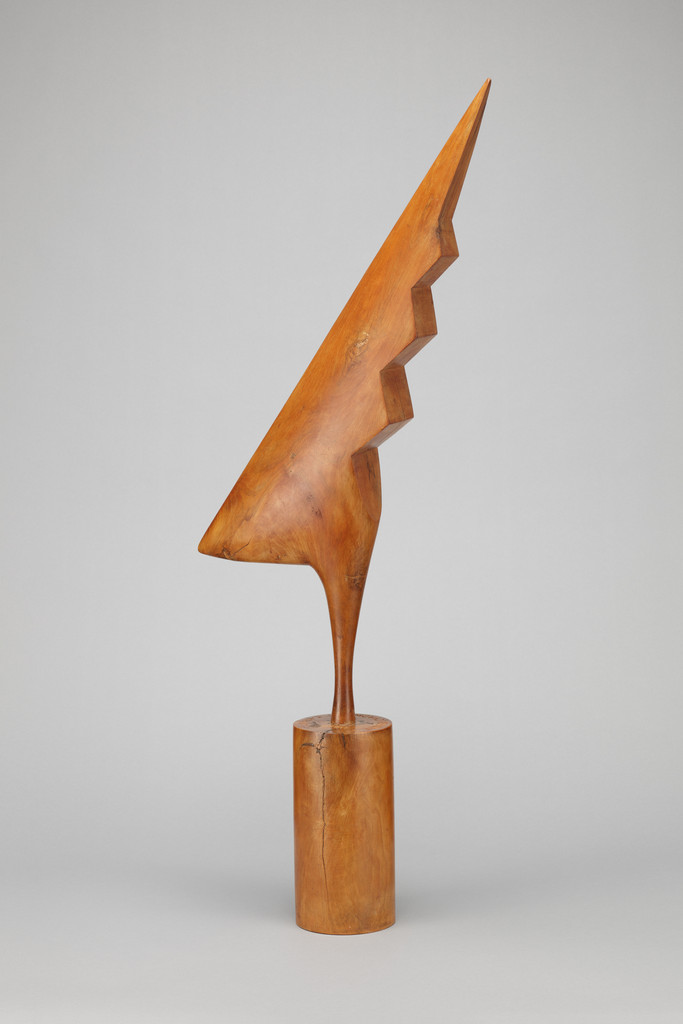
The Cock
May one see it?
Not receiving at present

The Museum of Modern Art
New York, United States
It belongs to the collection, but is not on display at present.
- Checked
- Source
- The museum
Particulars
- Accession number
- 620.1959
In the catalog
Sources
- The Museum of Modern Art
- Image: The Museum of Modern Art — © the artist or rights holder
Meanwhile, in the life of Constantin Brancusi
The whole life1923
The Order of the Star of Romania from King Ferdinand I
In 1923 King Ferdinand I awards Brâncuși the Order of the Star of Romania.
after 1924
Duchamp and Roché buy 29 of Quinn’s sculptures
After John Quinn’s death in 1924, Duchamp and Henri-Pierre Roché buy 29 sculptures from his estate at Brâncuși’s request: the sculptor fears that selling all the works at once would lower their prices, and the friends offer them gradually to other collectors. Shortly before, in October 1923, Quinn had spent about two weeks in Paris and visited Brâncuși.
1925
The death of Erik Satie
For the last six months, while the mortally ill Satie lies in hospital, Brâncuși visits him regularly, even bringing chicken broth he has cooked himself; his friend’s death shakes him deeply, and his assistants hear him mutter “Satie, Satie, why are you no longer here?”. He wanted to put a monument, or at least a bas-relief, on Satie’s grave, but a quarrel with the composer’s brother Conrad prevented it; he did, however, photograph many of Satie’s drawings, later lost.
1926
Back to the United States: the Wildenstein and Brummer exhibitions
In 1926 Brâncuși returns to the United States: the Wildenstein Gallery presents his work in a group exhibition and then in a solo exhibition (16 February to 3 March), and on 17 November another exhibition opens at the Brummer Gallery, remaining on view until 15 December.
1926–1928
Brancusi v. United States: a bird is a work of art
During the trip United States customs officials detain a bronze “Bird in Space”, classify it as an article of metal and impose the tariff applied to manufactured objects. The case “Brancusi v. United States” ends in 1928 with the sculpture being accepted as a work of art.