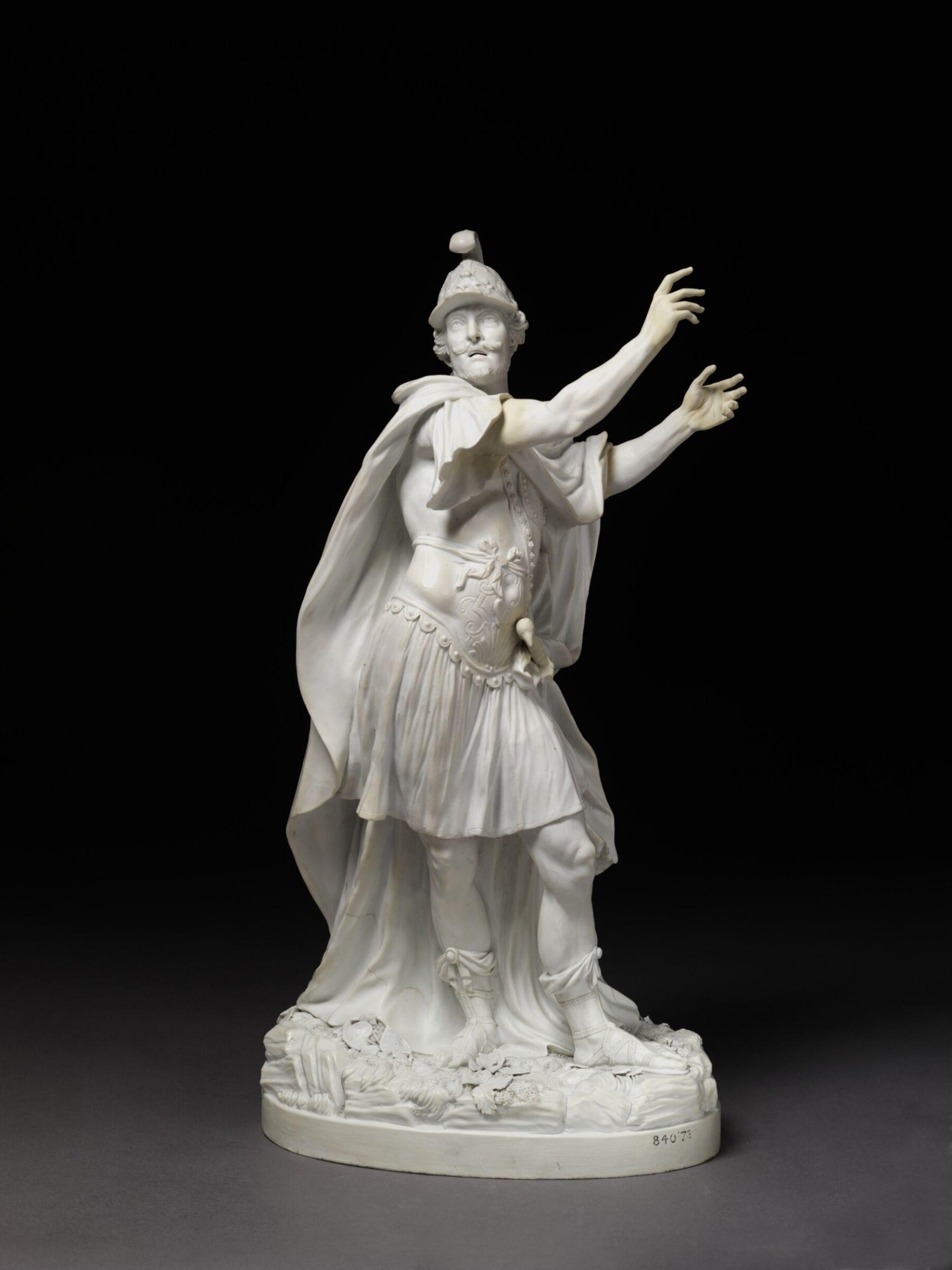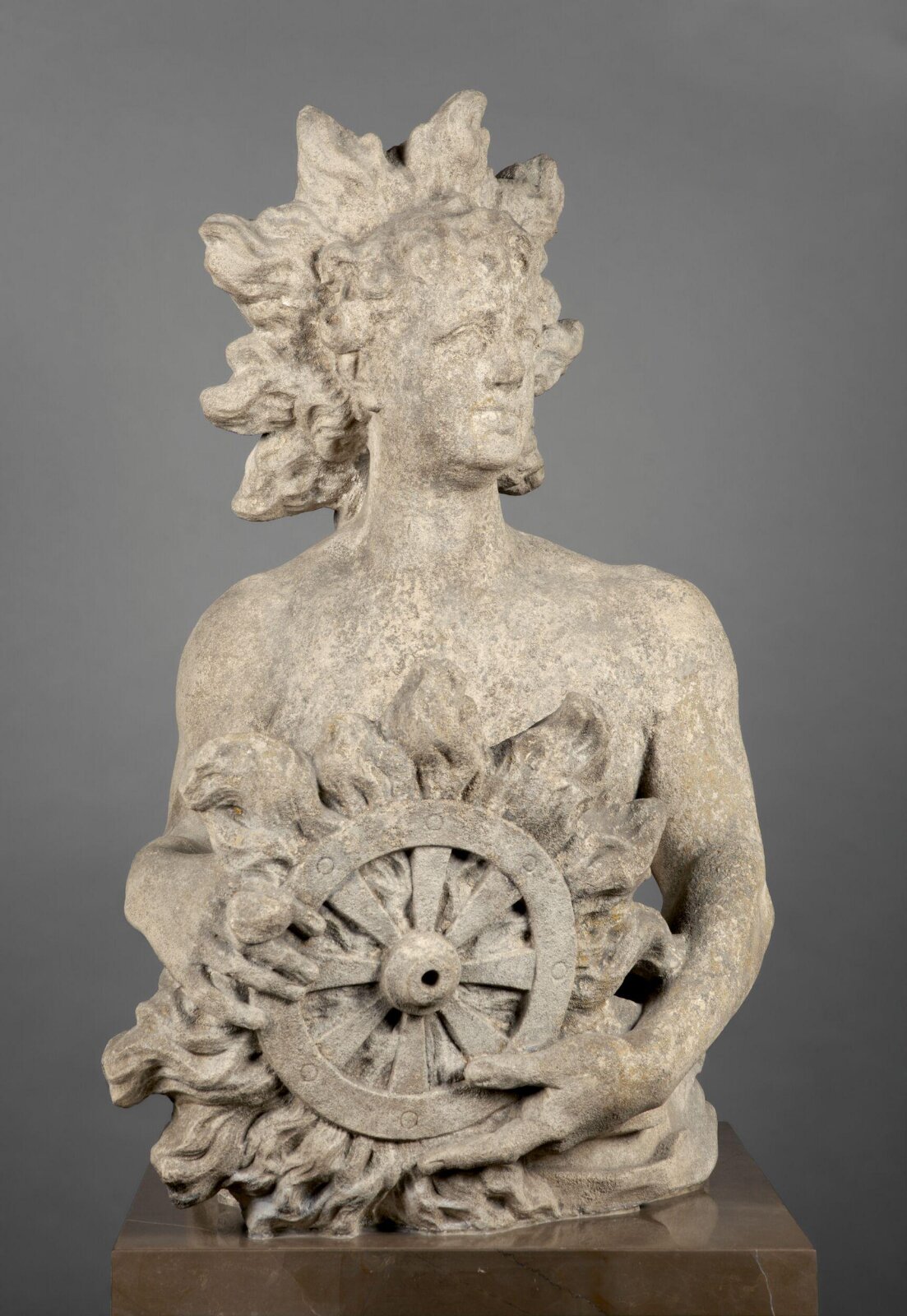
 John Michael RysbrackFlemish, 1694–1770
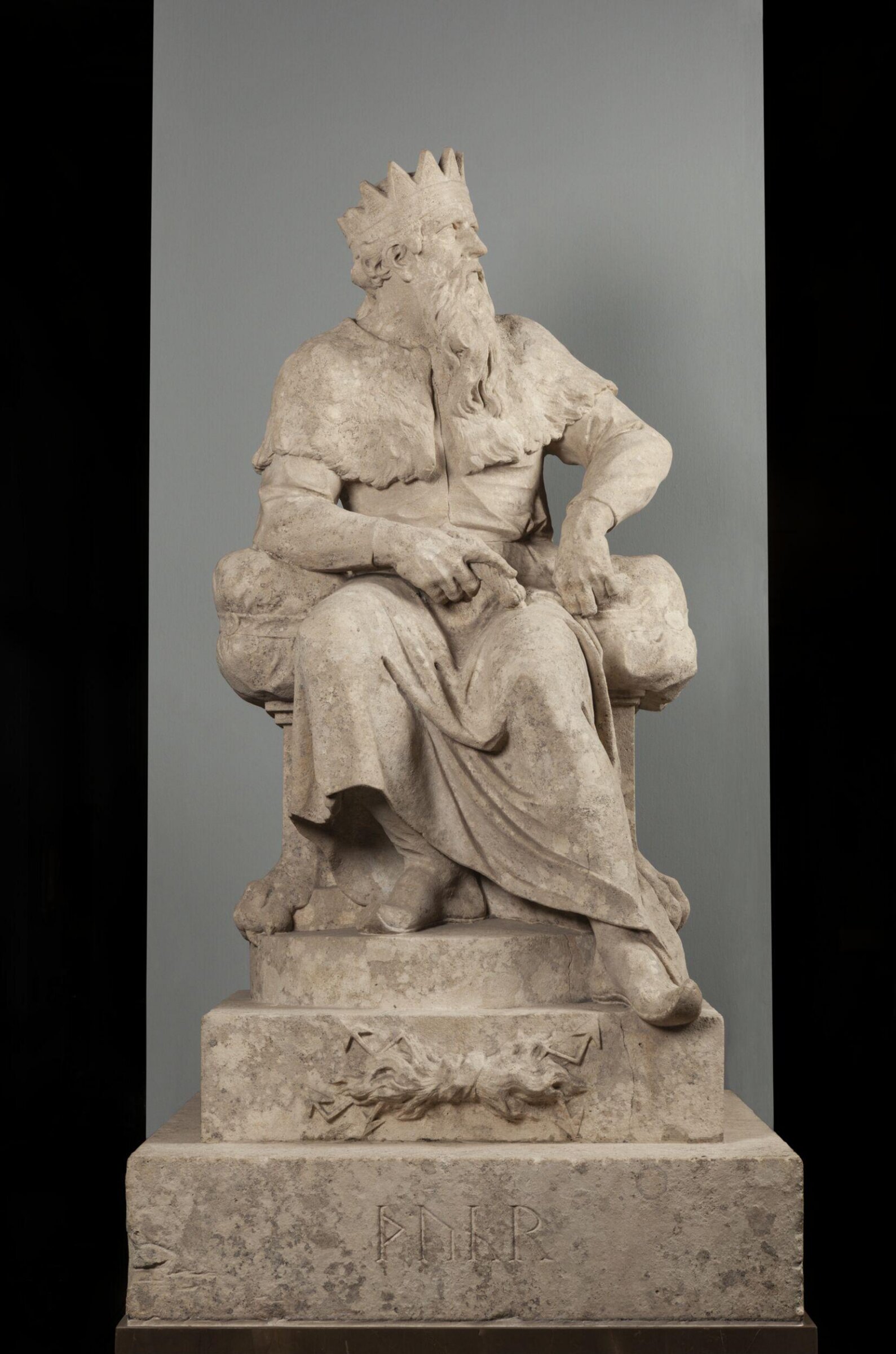
Sunna
May one see it?
Unknown: the museum keeps its counsel

Victoria and Albert Museum
London, United Kingdom
The owner is known. Whether it is on view today, the museum does not say, and we were not trained to guess.
- In this state since
- Sep 25, 2026
- Source
- The museum's own collection data
About the sculpture
Like the seated figure of Thuner (Museum no. A.10-1985) Sunna is from a unique series of Saxon gods that Lord Cobham commissioned for his gardens at Stowe. Each Saxon god is traditionally associated with a day of the week, and Sunna represents Sunday. The figure was lost for many years and only rediscovered in 1996. The Saxon gods are tied in with the political iconography of Stowe, and symbolise Lord Cobham’s allegiance to the ideals of those Whigs who had broken away from Sir Robert Walpole. As such they represent an ancient British identity.
Read on
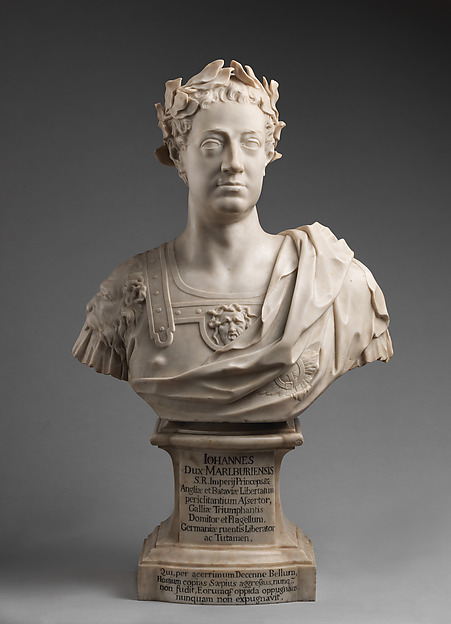
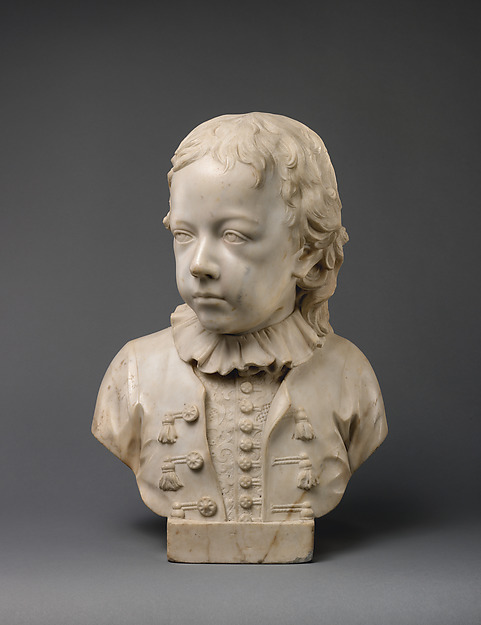
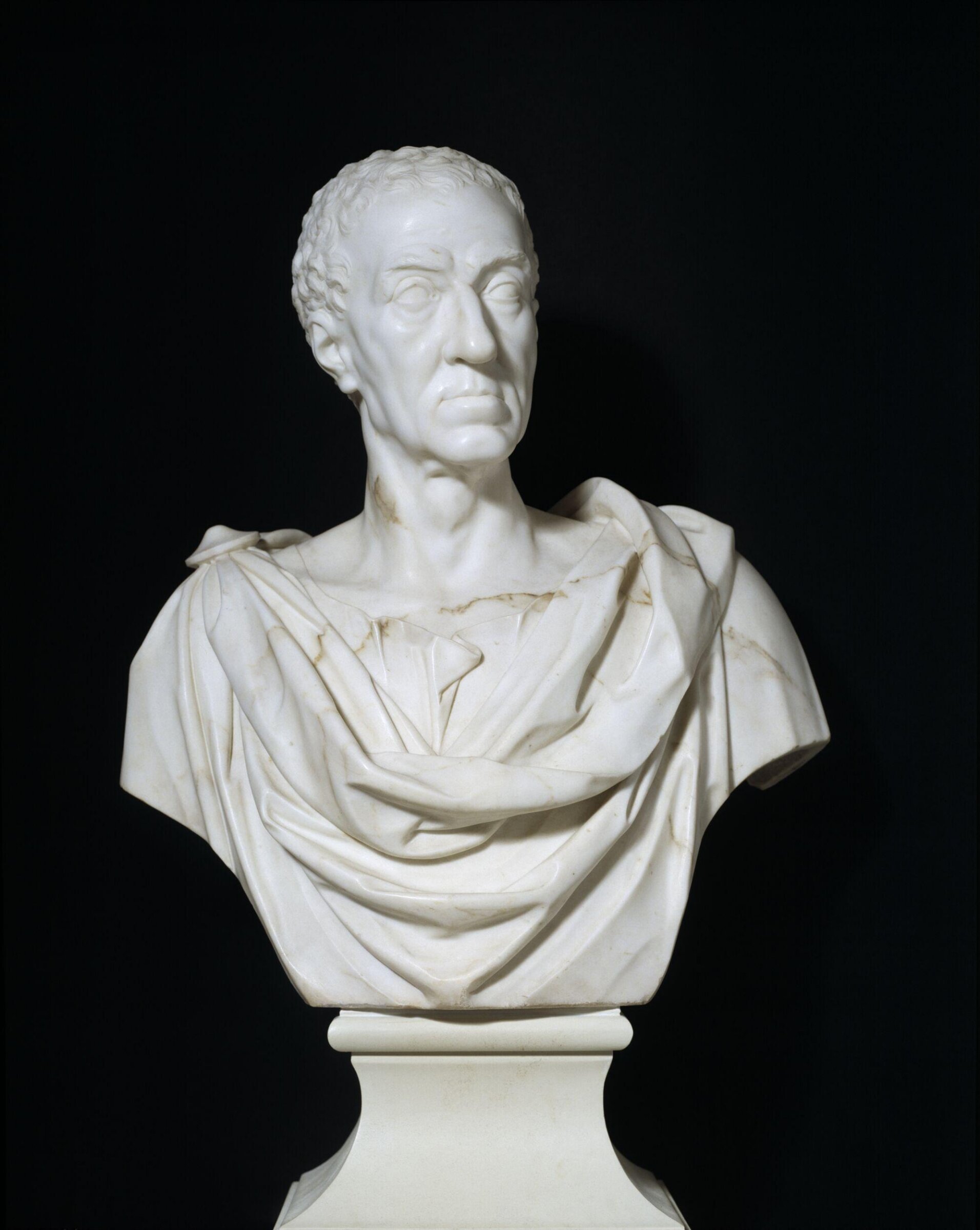
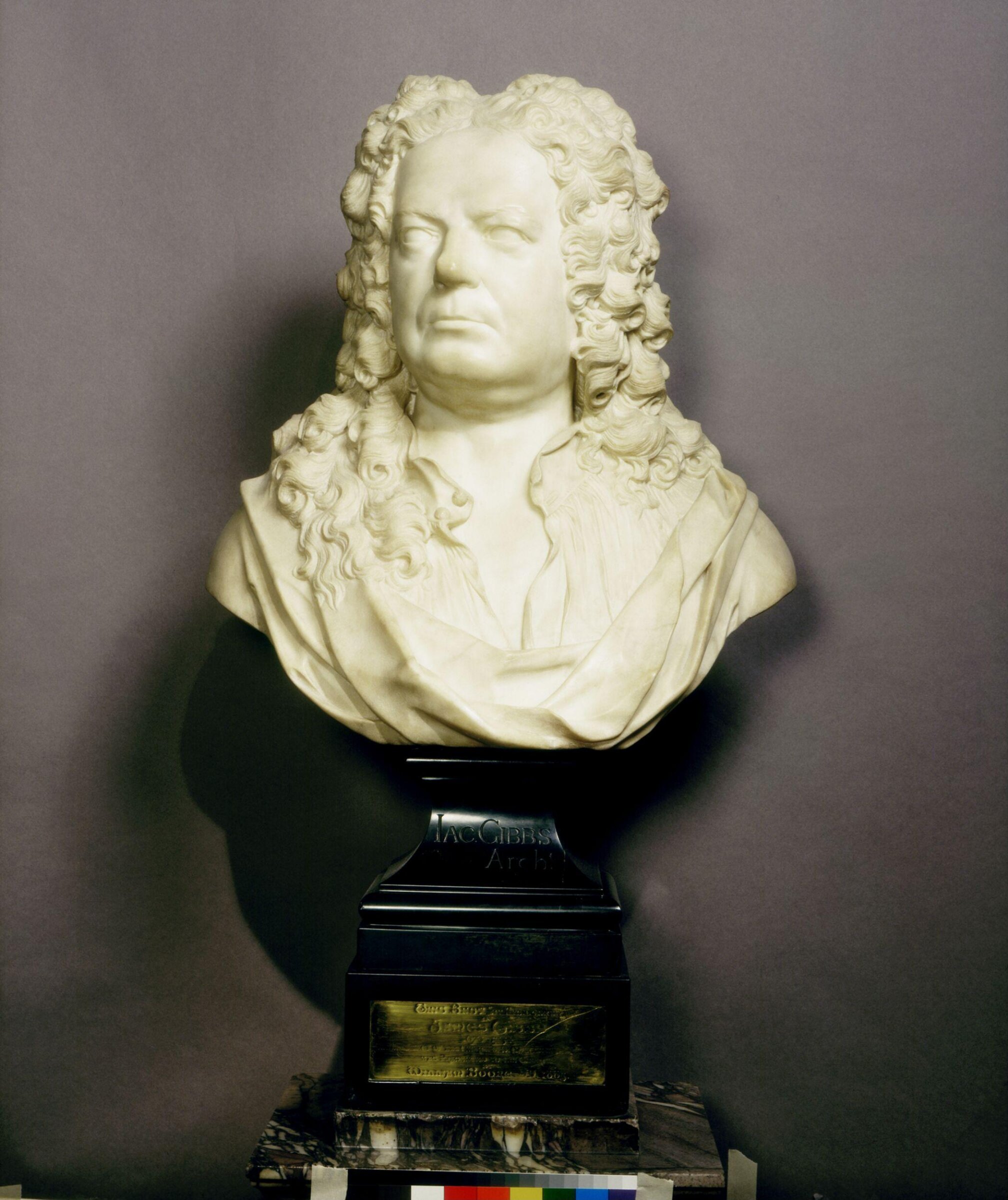
Rysbrack was born in Antwerp, and trained in the Netherlands, but spent his working life in Britain. He was one of the most important sculptors active in this country in the first half of the 18th century, and specialised in portrait busts and funerary monuments. Although he never visited Italy, many of his works are clearly indebted to classical prototypes.
Victoria and Albert Museum
Particulars
- Accession number
- A.2-1997
What it shows
In the catalog
Sources
- Victoria and Albert Museum: the museum's own open data · fetched 4 days ago
- Image: Victoria and Albert Museum — © Victoria and Albert Museum, London