ART WIKI32,979 on view
MapCollectionArtistsMuseumsExhibitionsJournal
Sign in

ART WIKI

Where the masterpiece hangs, and when they let you in.

Collections: Art Institute of Chicago, Getty Villa, Harvard Art Museums, Hirshhorn Museum and Sculpture Garden, J. Paul Getty Museum, Minneapolis Institute of Art, Musée du Louvre, National Gallery of Art, National Museum of Asian Art, National Portrait Gallery (Smithsonian), Pushkin State Museum of Fine Arts, Rijksmuseum, Smithsonian American Art Museum, SMK — National Gallery of Denmark, State Hermitage Museum, State Russian Museum, The Cleveland Museum of Art, The Metropolitan Museum of Art, The Museum of Modern Art, Tretyakov Gallery, Victoria and Albert Museum, Whitney Museum of American Art, State Catalogue of the Museum Fund of Russia (274 museums), Europeana (19 museums), Wikidata (6 museums), Paris Musées (12 museums), and Joconde, the French Ministry of Culture's museum database (495 museums). Images belong to their rights holders.

Sections

  • Map
  • Search
  • Collection
  • Masterpieces
  • On view now
  • Artists

More

  • Museums & galleries
  • Exhibitions
  • Journal
  • Where the data comes from
  • Privacy & cookies
HomeMapBrowse
  1. Collection/
  2. The Cleveland Museum of Art/
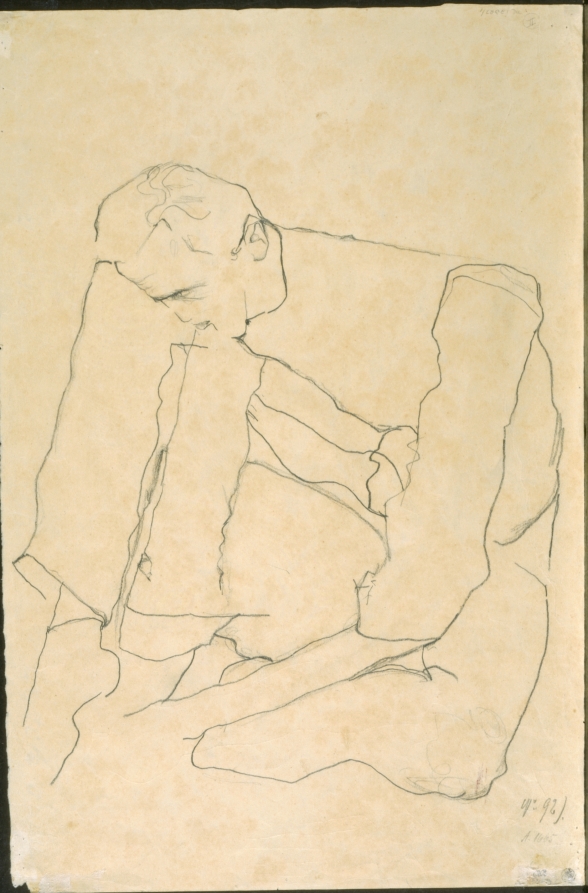
  3. Seated Man (verso)
Seated Man (verso), Egon Schiele, 1911
Egon Schiele, portraitEgon SchieleAustrian, 1890–1918

Seated Man (verso)

1911 · Drawing

May one see it?

Not receiving at present

The Cleveland Museum of Art

Cleveland, United States

It belongs to the collection, but is not on display at present.

Checked
3 days ago
In this state since
Aug 19, 2026
Source
The museum
On the mapMuseum page

Particulars

1911 · aged 21
18901918
Accession number
1959.304.b

In the catalog

Drawings & watercolorsGraphiteModernism20th centuryAustria

Sources

  • The Cleveland Museum of Art
  • Image: The Cleveland Museum of Art — Museum open access

Meanwhile, in the life of Egon Schiele

The whole life
  1. 1909

    Leaves the Academy and founds the Neukunstgruppe

    In 1909, after completing his third year, Schiele left the Academy and, with other dissatisfied students, founded the Neukunstgruppe (“New Art Group”). Imitations of Klimt and Oskar Kokoschka are visible in his first works, but he soon evolved his own distinctive style.

  2. 1909

    The 1909 Kunstschau: beside Klimt and Van Gogh

    In 1909 Klimt invited Schiele to exhibit some of his work at the Vienna Kunstschau, where he encountered the work of Edvard Munch, Jan Toorop, Vincent van Gogh and others.

  3. 1910

    Experiments with the nude and the birth of a style

    In 1910 Schiele began experimenting with nudes, and within a year a definitive style emerged: emaciated, sickly-coloured figures, often with strong sexual overtones. He also began painting and drawing children.

  4. 1911

    Meets Wally Neuzil

    In 1911, at the age of twenty-one, Schiele met the seventeen-year-old Wally Neuzil, who lived with him in Vienna and served as a model for some of his most striking paintings; she had previously modelled for Klimt.

  5. 1911

    Escape from Viennese bohemia to Krumau

    Wanting to escape what they perceived as the claustrophobic Viennese milieu, Schiele and Wally went to Krumau in southern Bohemia, the birthplace of his mother; but the residents, strongly disapproving of their bohemian lifestyle, including his alleged employment of the town’s teenage girls as models, drove the couple out of the town.

  6. April 1912

    Arrest, jail and trial in Neulengbach

    In April 1912 Schiele was arrested on suspicion of kidnapping and seducing a girl of thirteen: the police seized more than a hundred drawings from his studio that they considered pornographic, and while awaiting trial in custody he made a series of paintings of his jail cell. The charges were dropped, but he was found guilty of exhibiting erotic drawings in a place accessible to children: the judge burned one of the drawings over a candle flame, the 21 days already spent in custody were counted and a further three days’ imprisonment were added.
More by Egon Schiele

All works
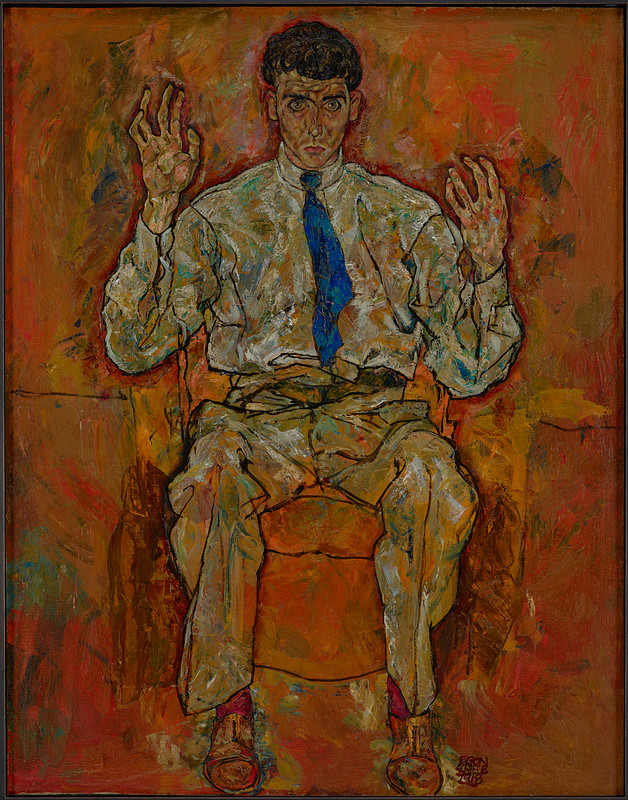
Portrait of Albert Paris von Gütersloh, Egon Schiele, 1918

Portrait of Albert Paris von Gütersloh

1918 · Minneapolis Institute of Art

Head of a Woman, Egon Schiele, 1908

Head of a Woman

1908 · Not on view · National Gallery of Art

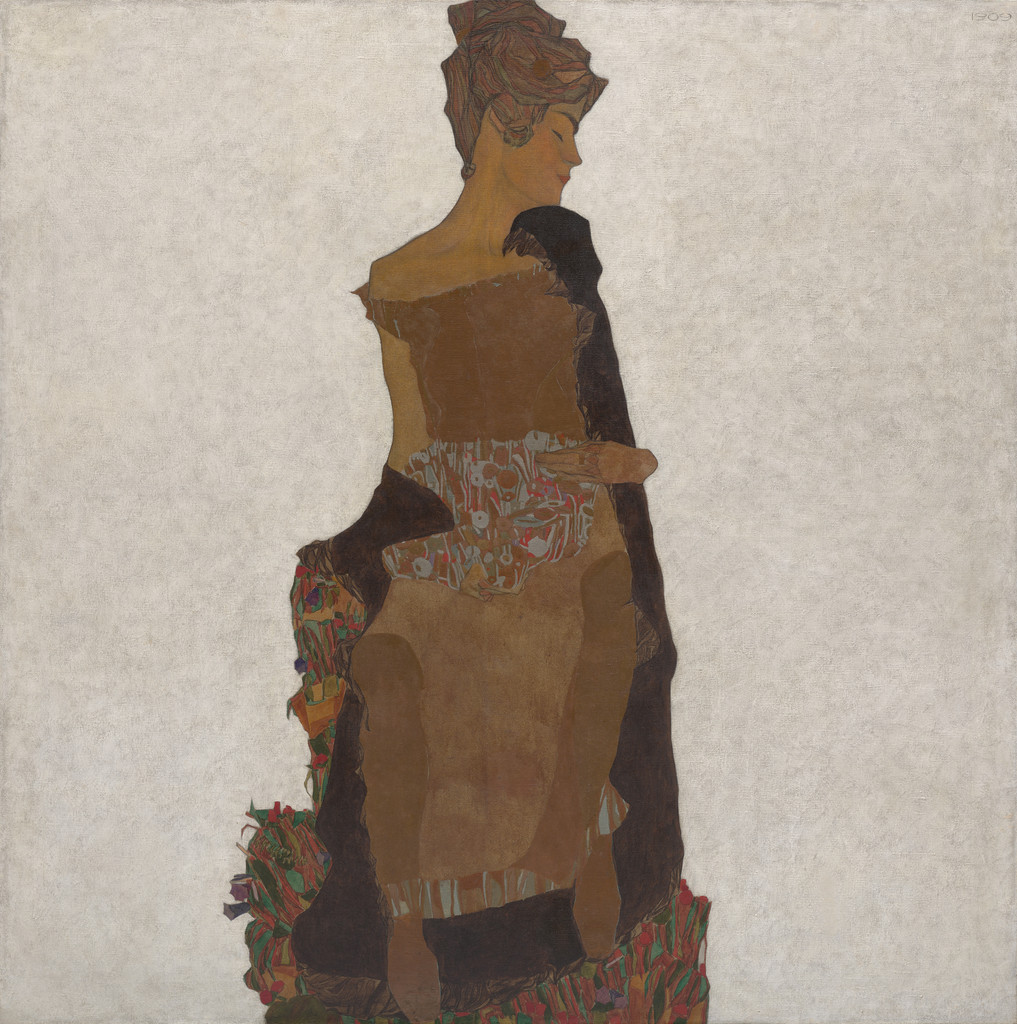
Portrait of Gerti Schiele, Egon Schiele, 1909

Portrait of Gerti Schiele

1909 · Not on view · The Museum of Modern Art

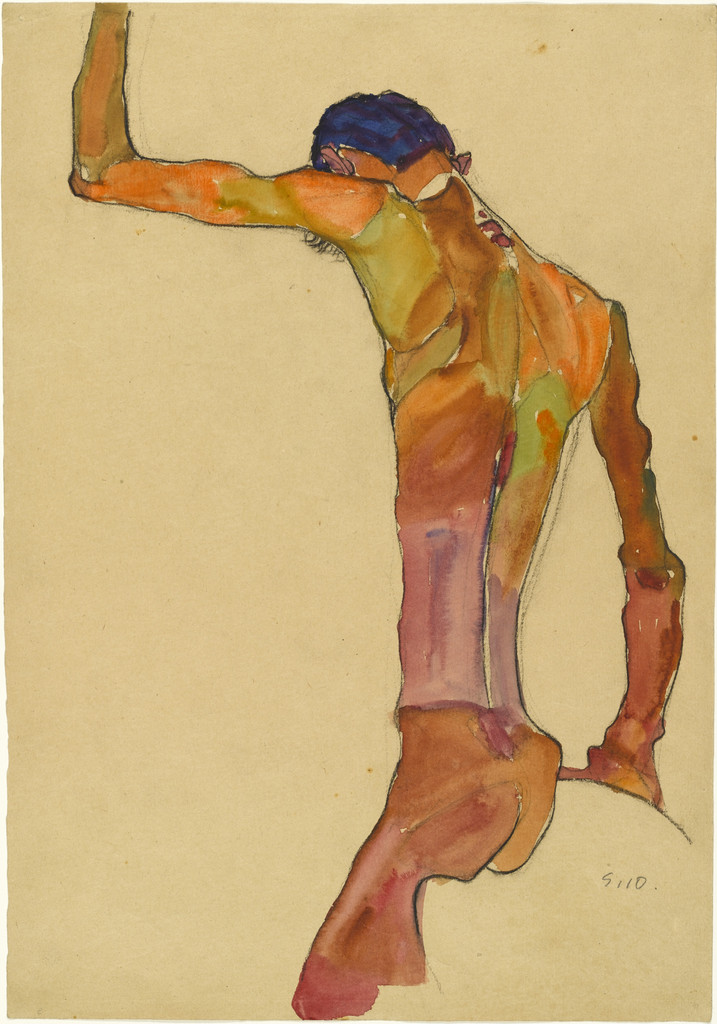
Standing Male Nude with Arm Raised, Back View, Egon Schiele, 1910

Standing Male Nude with Arm Raised, Back View

1910 · Not on view · The Museum of Modern Art

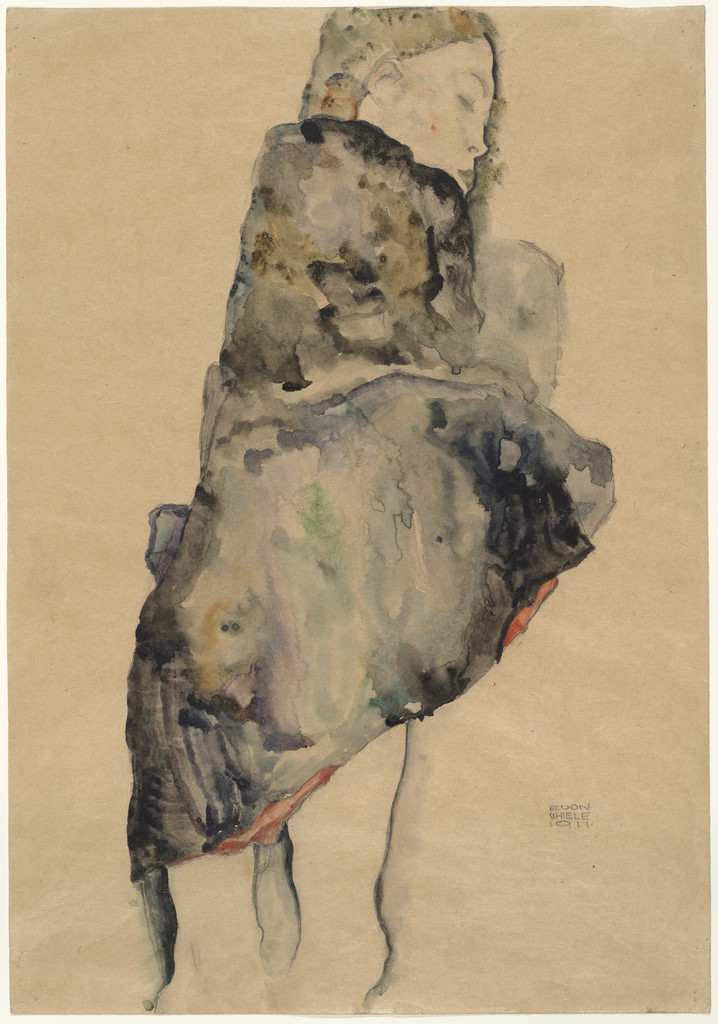
Standing Girl Wrapped in Blanket, Egon Schiele, 1911

Standing Girl Wrapped in Blanket

1911 · Not on view · The Museum of Modern Art

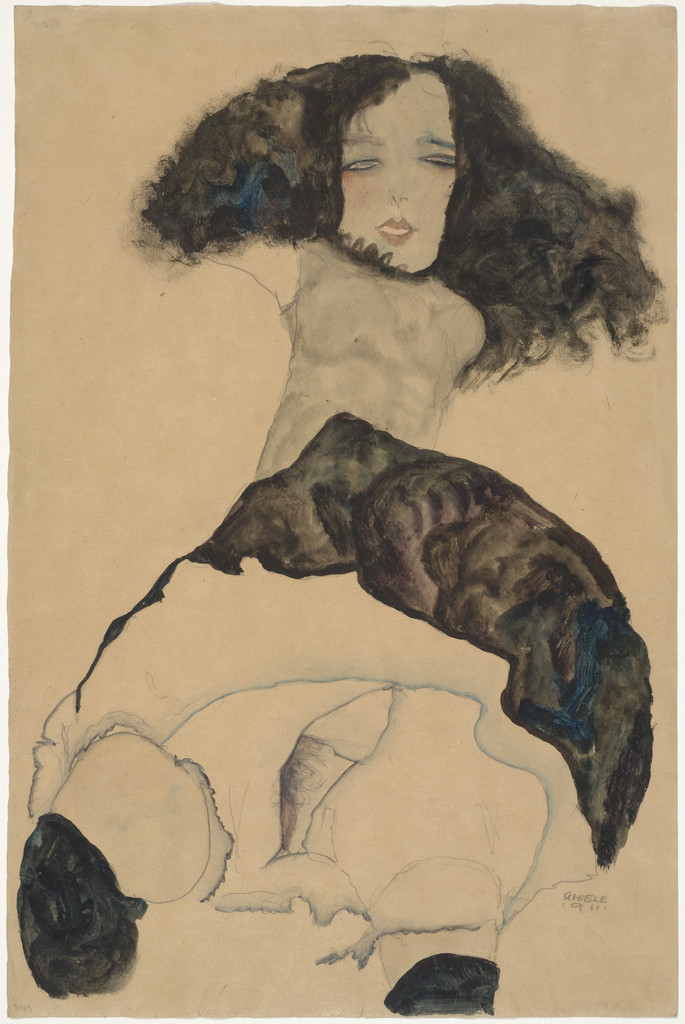
Girl with Black Hair (Mädchen mit schwarzem Haar), Egon Schiele, 1911

Girl with Black Hair (Mädchen mit schwarzem Haar)

1911 · Not on view · The Museum of Modern Art

Self-Portrait, Egon Schiele, 1912

Self-Portrait

1912 · Not on view · National Gallery of Art

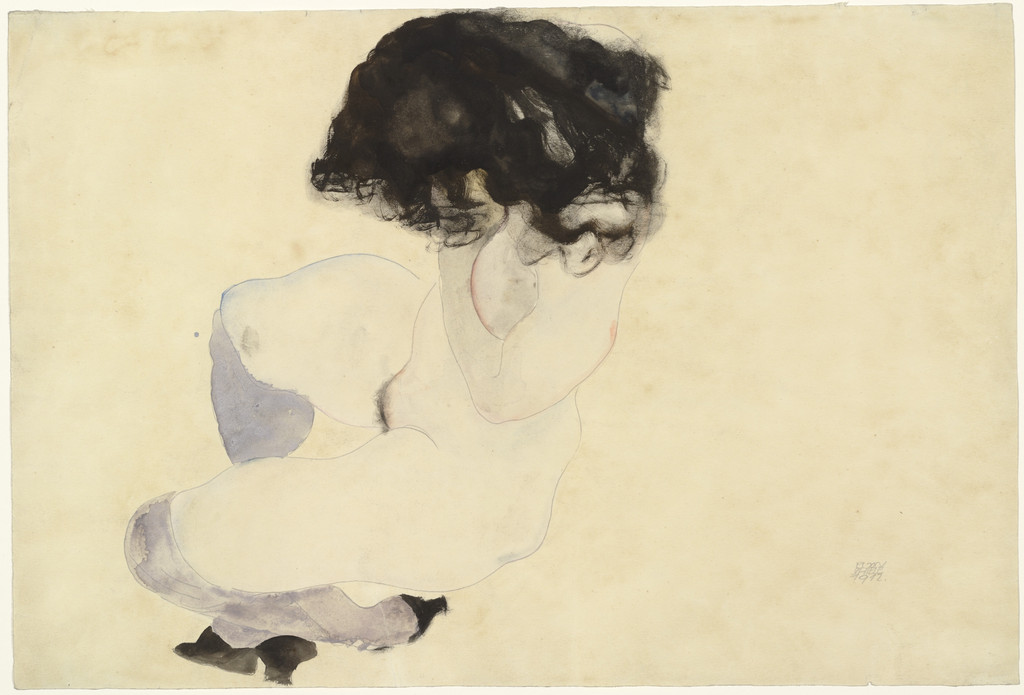
Nude with Violet Stockings and Black Hair (Akt mit violetten Strümpfen und schwarzem Haar), Egon Schiele, 1912

Nude with Violet Stockings and Black Hair (Akt mit violetten Strümpfen und schwarzem Haar)

1912 · Not on view · The Museum of Modern Art

Neighbors at The Cleveland Museum of Art

Museum page
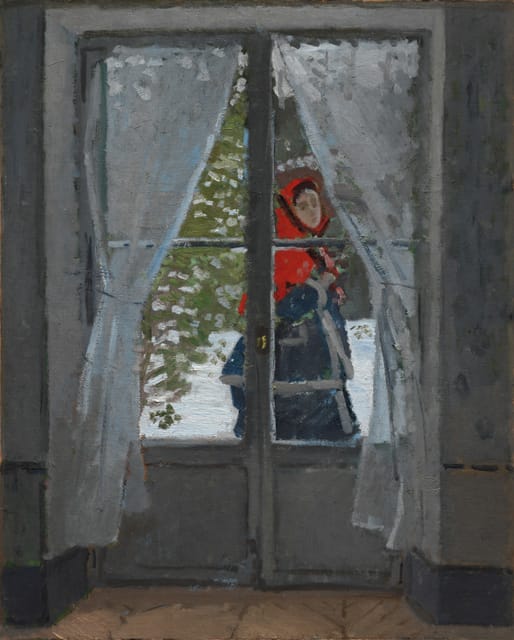
The Red Kerchief, Claude Monet, c. 1868–73

Claude Monet

The Red Kerchief, c. 1868–73

Melencolia I, Albrecht Dürer, 1514

Albrecht Dürer

Melencolia I, 1514

The Virgin and Child with the Pear, Albrecht Dürer, 1511

Albrecht Dürer

The Virgin and Child with the Pear, 1511

The Nativity, Albrecht Dürer, probably c. 1509/1510

Albrecht Dürer

The Nativity, probably c. 1509/1510

The Virgin and Child on a Crescent with a Starry Crown, Albrecht Dürer, 1508

Albrecht Dürer

The Virgin and Child on a Crescent with a Starry Crown, 1508

The Lamentation, Albrecht Dürer, 1507

Albrecht Dürer

The Lamentation, 1507

Large Horse, Albrecht Dürer, 1505

Albrecht Dürer

Large Horse, 1505

Nemesis (The Great Fortune), Albrecht Dürer, c. 1501/1502

Albrecht Dürer

Nemesis (The Great Fortune), c. 1501/1502