ART WIKI32,963 on view
MapCollectionArtistsMuseumsExhibitionsJournal
Sign in

ART WIKI

Where the masterpiece hangs, and when they let you in.

Collections: Art Institute of Chicago, Getty Villa, Harvard Art Museums, Hirshhorn Museum and Sculpture Garden, J. Paul Getty Museum, Minneapolis Institute of Art, Musée du Louvre, National Gallery of Art, National Museum of Asian Art, National Portrait Gallery (Smithsonian), Pushkin State Museum of Fine Arts, Rijksmuseum, Smithsonian American Art Museum, SMK — National Gallery of Denmark, State Hermitage Museum, State Russian Museum, The Cleveland Museum of Art, The Metropolitan Museum of Art, The Museum of Modern Art, Tretyakov Gallery, Victoria and Albert Museum, Whitney Museum of American Art, State Catalogue of the Museum Fund of Russia (274 museums), Europeana (19 museums), Wikidata (6 museums), Paris Musées (12 museums), and Joconde, the French Ministry of Culture's museum database (495 museums). Images belong to their rights holders.

Sections

  • Map
  • Search
  • Collection
  • Masterpieces
  • On view now
  • Artists

More

  • Museums & galleries
  • Exhibitions
  • Journal
  • Where the data comes from
  • Privacy & cookies
HomeMapBrowse
  1. Collection/
  2. Minneapolis Institute of Art/
  3. Seated Jina
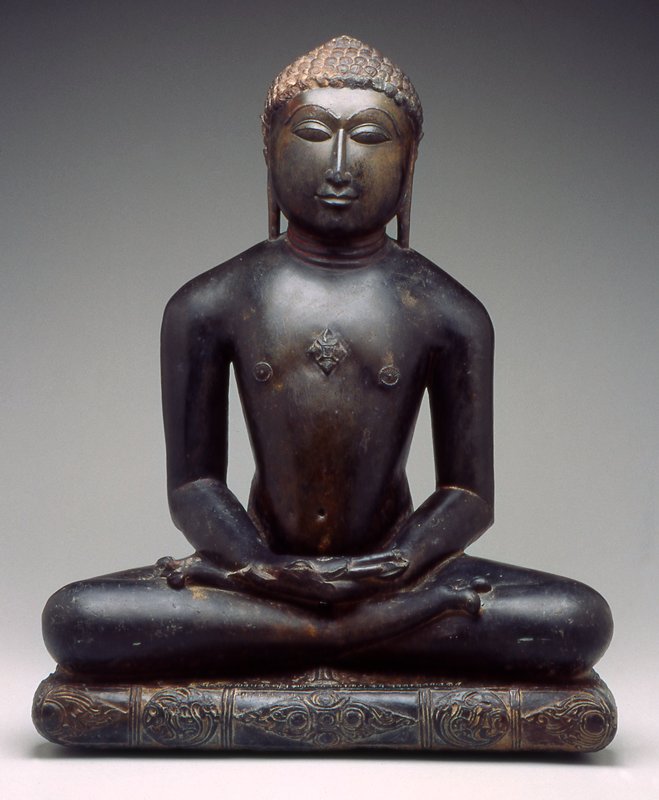
Seated Jina, or India, c. 1108
Oor IndiaIndian

Seated Jina

c. 1108 · Sculpture

About the sculpture

In Hinduism (Brahmanism), sculpture serves as a vessel for the divine spirit. In Jainism, sculptures like this one are inanimate and, instead, embody a model of behavior as perfected by the Jina. The Jina (perfected being) is a spiritual victor who has gained release from the world by abiding to strict principles of nonviolence and the abandonment of material possessions. Even physical or mental action is considered a form of material attachment. The Jina, of which there have only been 24 (the last being Jina Mahavira, founder of the Jain faith in the 500s bce), has arrived at the indestructible, immortal, and all-knowing inner soul. This ideal is expressed in the figure’s perfect stillness.

Read on

A Sanskrit inscription on the cushion names the sculpture’s patron—“Jakula, son of Avasara in the pragvata lineage”—and dates its dedication, when it would have likely joined a row of such images at a Jain temple. Because few devotees can fully abandon the responsibilities of everyday life, such acts of philanthropy are believed to push the soul slowly forward along the path to perfection.

Minneapolis Institute of Art

Particulars

Accession number
98.211

In the same room · G211, Minneapolis Institute of Art

Museum page

May one see it?

Yes, receiving visitors

Minneapolis Institute of Art

Minneapolis, United States

RoomG211

On public display.

Checked
3 days ago
In this state since
Sep 25, 2026
Source
The museum
On the mapMuseum page

In the catalog

SculptureStoneMiddle AgesBefore 1400India

Sources

  • Minneapolis Institute of Art
  • Image: Minneapolis Institute of Art — public domain
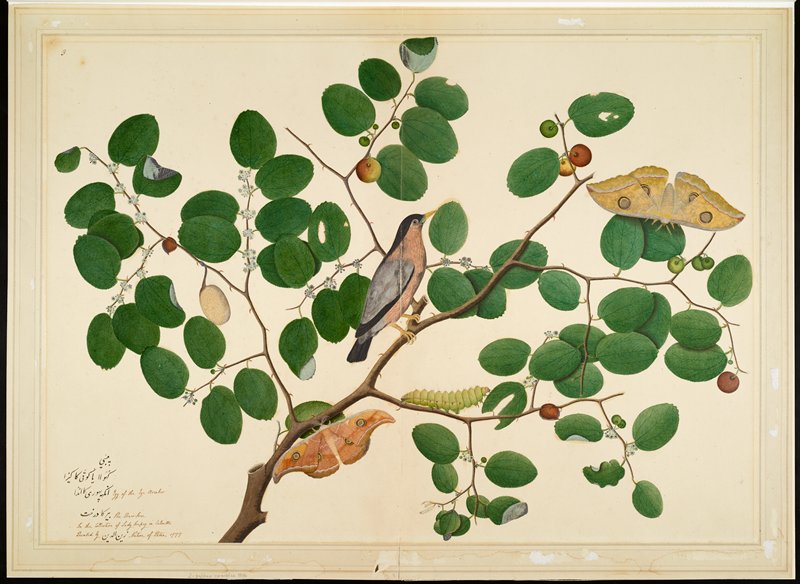
Brahminy Starling with Two Antheraea Moths, Caterpillar, and Cocoon on Indian Jujube Tree, Sheikh Zain al-Din, 1777

Sheikh Zain al-Din

Brahminy Starling with Two Antheraea Moths, Caterpillar, and Cocoon on Indian Jujube Tree, 1777

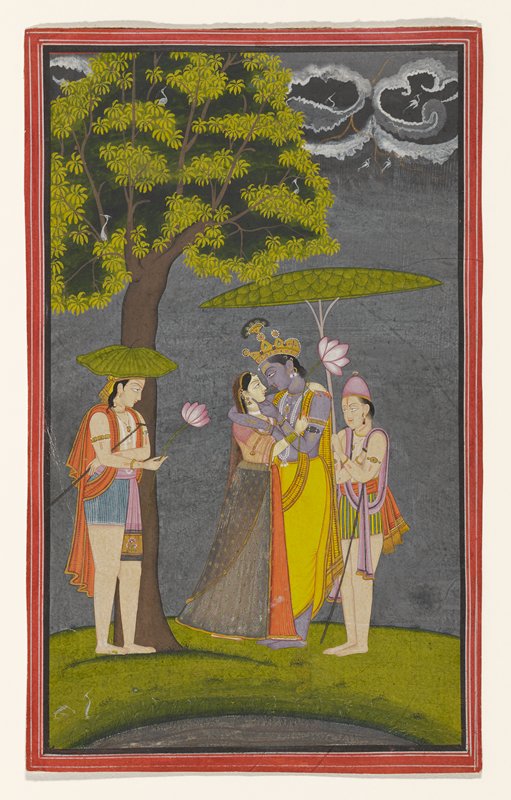
Krishna and Radha Sheltering from the Rain, Nurpur workshop, c. 1760

Nurpur workshop

Krishna and Radha Sheltering from the Rain, c. 1760

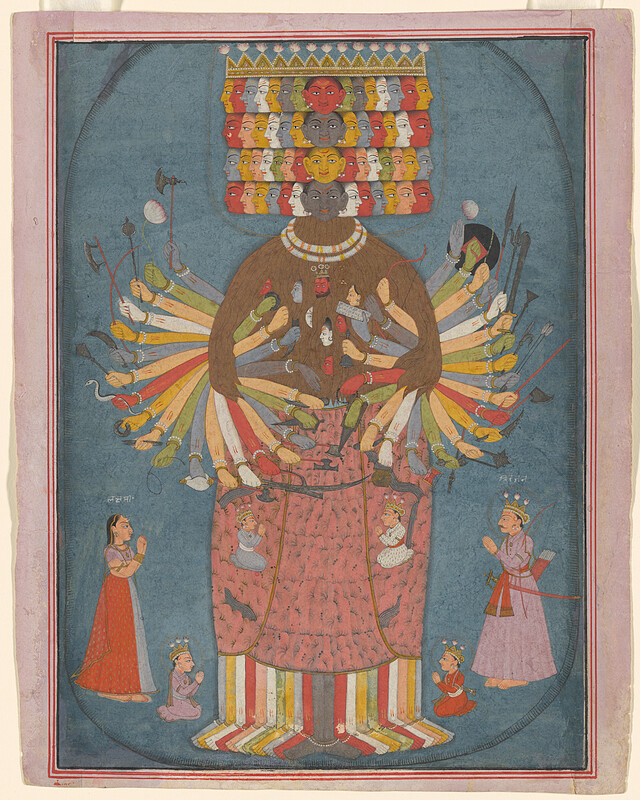
The Cosmic Form of Krishna, c. 1750–75

The Cosmic Form of Krishna, c. 1750–75

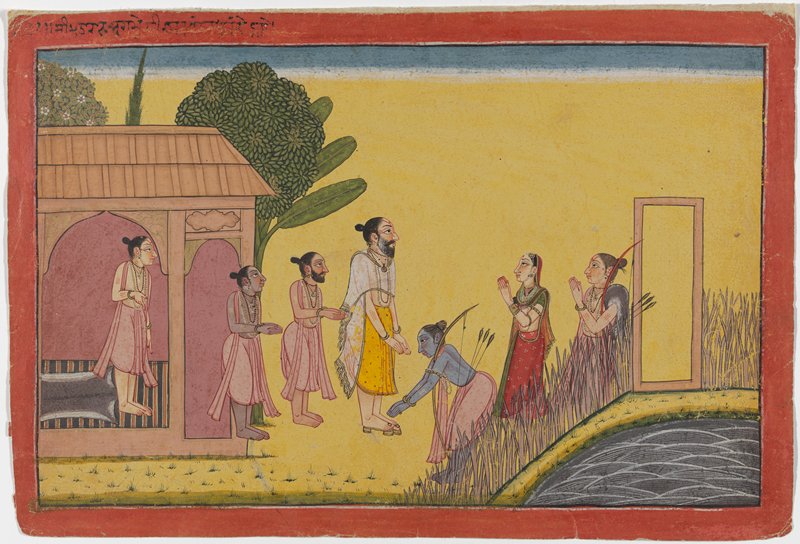
Folio from the Shangri Ramayana (Style IV): Rama, Sita, and Lakshmana Arriving at the Hermitage of Sage Agastya, Kulu or Mandi workshop, c. 1730

Kulu or Mandi workshop

Folio from the Shangri Ramayana (Style IV): Rama, Sita, and Lakshmana Arriving at the Hermitage of Sage Agastya, c. 1730

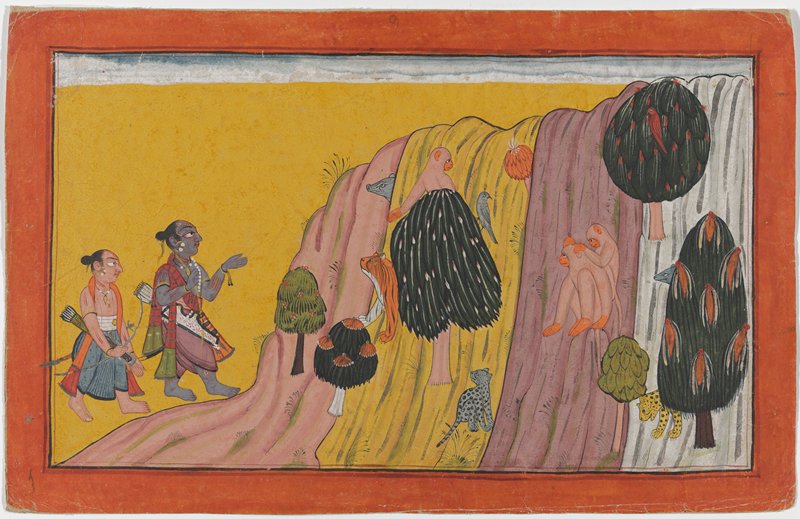
Illustration to the Shangri Ramayana (Style III): Rama and Lakshmana Arriving at the Rishyamukha Hill, Kulu or Mandi workshop, c. 1700

Kulu or Mandi workshop

Illustration to the Shangri Ramayana (Style III): Rama and Lakshmana Arriving at the Rishyamukha Hill, c. 1700

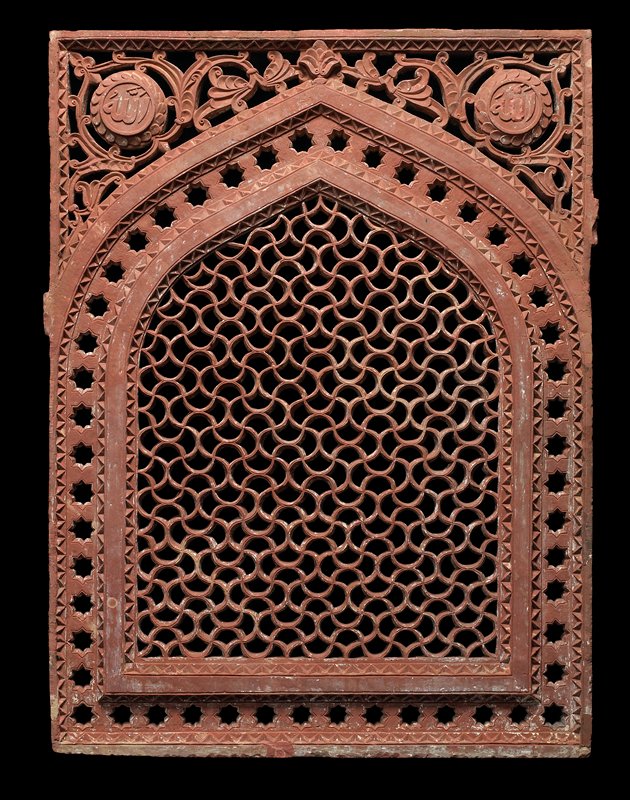
Jali (window screen), c. 1600–20

Jali (window screen), c. 1600–20

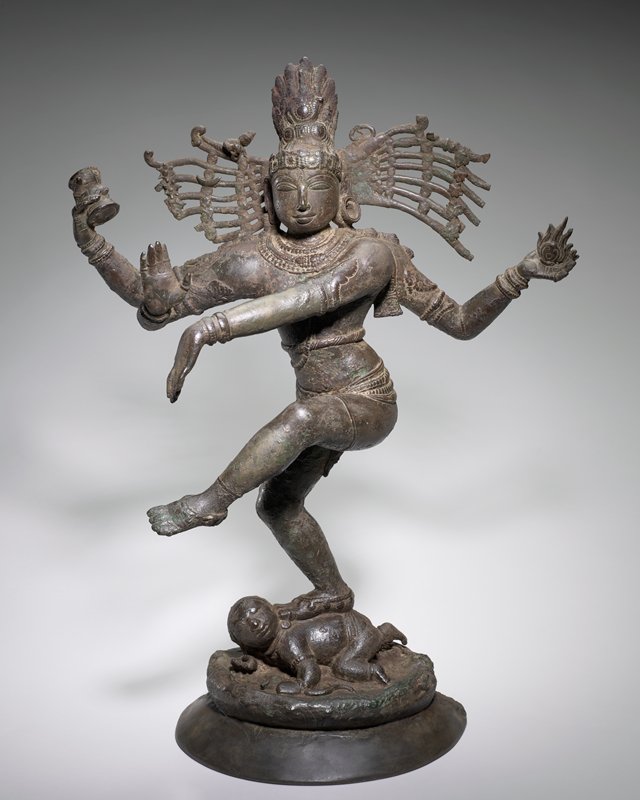
Shiva Nataraja (Lord of the Dance), c. 1100

Shiva Nataraja (Lord of the Dance), c. 1100

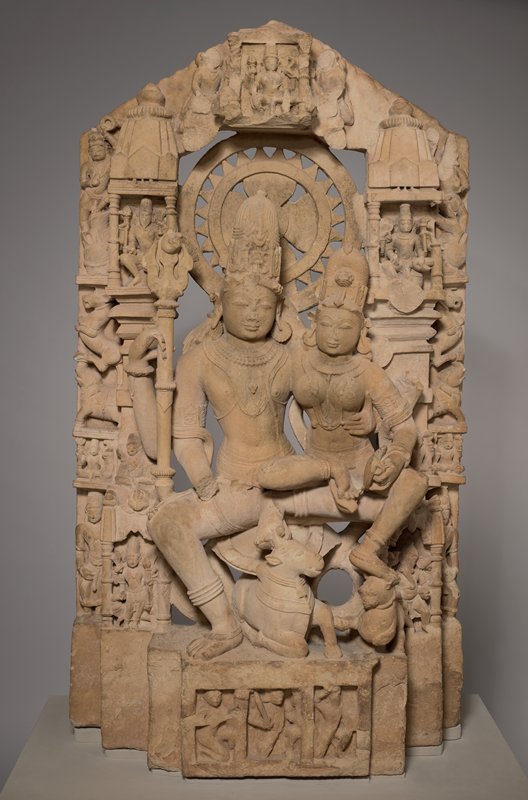
Uma-Maheshvara, 10th–11th century

Uma-Maheshvara, 10th–11th century