ART WIKI32,963 on view
MapCollectionArtistsMuseumsExhibitionsJournal
Sign in

ART WIKI

Where the masterpiece hangs, and when they let you in.

Collections: Art Institute of Chicago, Getty Villa, Harvard Art Museums, Hirshhorn Museum and Sculpture Garden, J. Paul Getty Museum, Minneapolis Institute of Art, Musée du Louvre, National Gallery of Art, National Museum of Asian Art, National Portrait Gallery (Smithsonian), Pushkin State Museum of Fine Arts, Rijksmuseum, Smithsonian American Art Museum, SMK — National Gallery of Denmark, State Hermitage Museum, State Russian Museum, The Cleveland Museum of Art, The Metropolitan Museum of Art, The Museum of Modern Art, Tretyakov Gallery, Victoria and Albert Museum, Whitney Museum of American Art, State Catalogue of the Museum Fund of Russia (274 museums), Europeana (19 museums), Wikidata (6 museums), Paris Musées (12 museums), and Joconde, the French Ministry of Culture's museum database (495 museums). Images belong to their rights holders.

Sections

  • Map
  • Search
  • Collection
  • Masterpieces
  • On view now
  • Artists

More

  • Museums & galleries
  • Exhibitions
  • Journal
  • Where the data comes from
  • Privacy & cookies
HomeMapBrowse
  1. Collection/
  2. Minneapolis Institute of Art/
  3. Satyr and Nymph
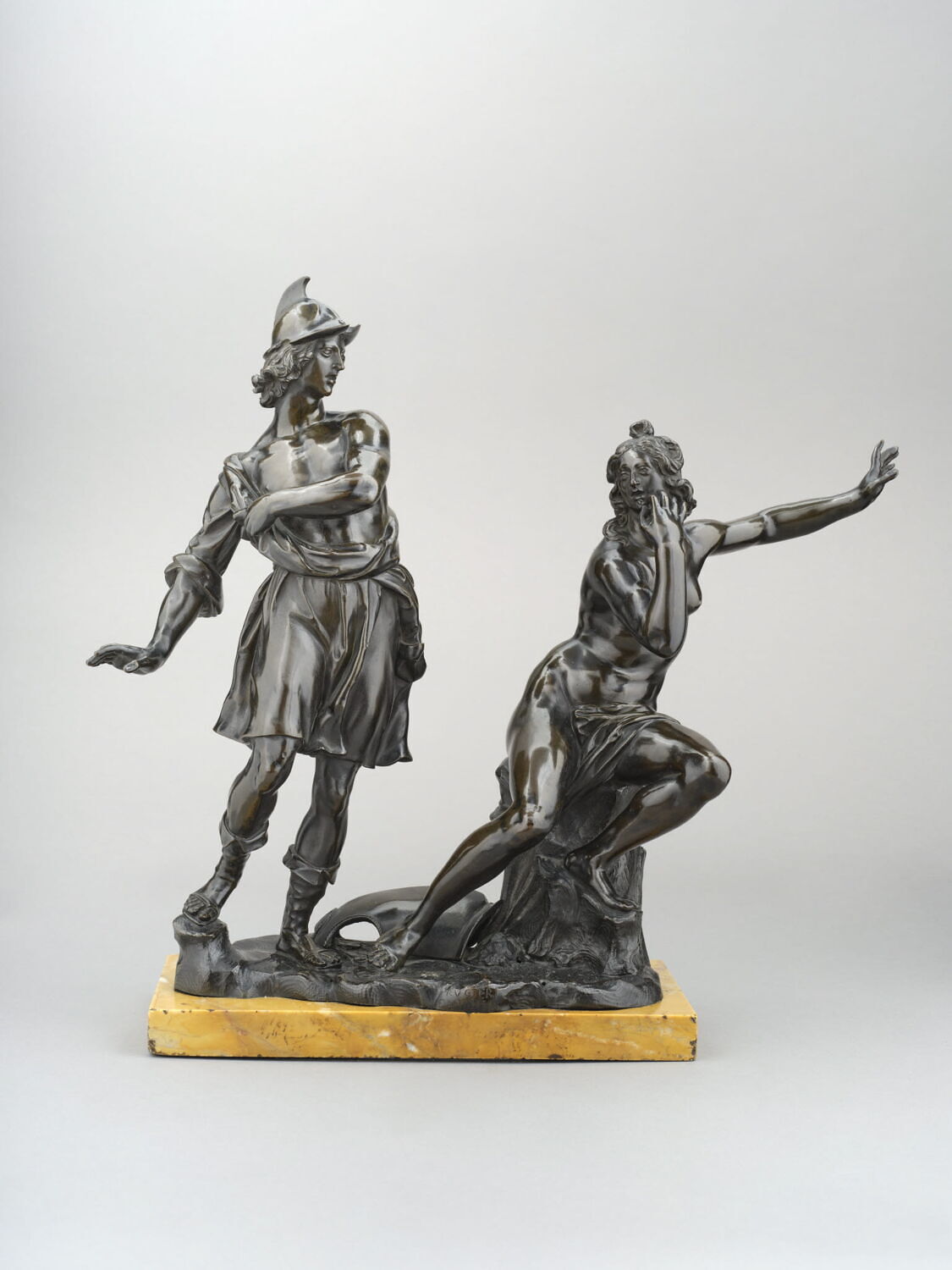
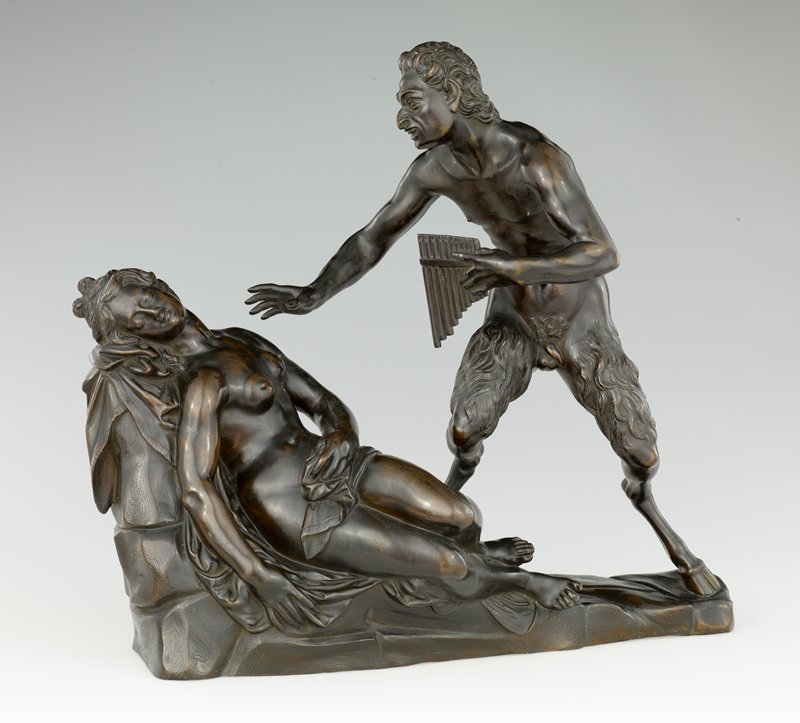
Satyr and Nymph, Ferdinando Tacca, 17th century
Ferdinando Tacca, portraitFerdinando TaccaItalian, 1619–1686

Satyr and Nymph

17th century · Sculpture

May one see it?

Not receiving at present

Minneapolis Institute of Art

Minneapolis, United States

It belongs to the collection, but is not on display at present.

Checked
2 days ago
In this state since
Sep 25, 2026
Source
The museum's own collection data
On the mapMuseum page

About the sculpture

A mostly nude nymph slumbers against a rock, while a half-man, half-goat Satyr reaches toward her. What are his intentions, and what happens next? In Renaissance and Baroque symbolism, the female figure often stands for the human soul, whereas the male—especially when characterized by a Satyr or other hybrid animal—symbolizes the bodily forces of hunger, thirst, and sexual lust. This sculpture presents a pivotal, open-ended moment, and the viewer is left to imagine what follows. In the 1600s, this kind of artwork was used as a conversation piece that prompted intellectuals to ponder the meaning and the conclusion of the scene.

Minneapolis Institute of Art

Particulars

Accession number
58.21

In the catalog

SculptureBronzeItaly

Sources

  • Minneapolis Institute of Art: the museum's own open data · fetched 8 days ago
  • Image: Minneapolis Institute of Art — public domain
More by Ferdinando Tacca

All works
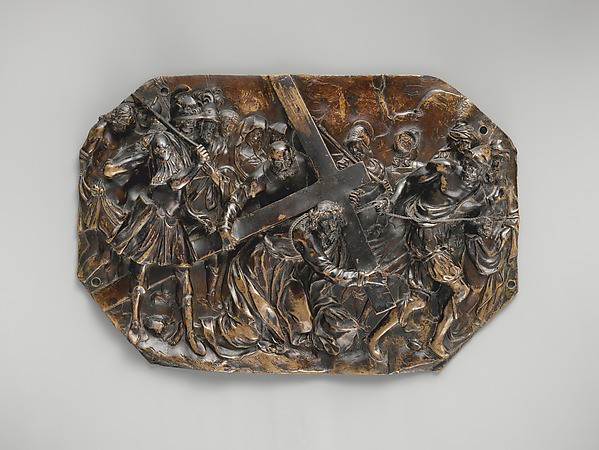
Christ bearing the cross, Ferdinando Tacca, mid-17th century

Christ bearing the cross

mid-17th century · The Metropolitan Museum of Art

Groupe sculpté : Roger et Angélique, Tacca, Ferdinando, époque moderne = Ancien Régime (Occident)

Date de création/fabrication : 1650 - 1700

Groupe sculpté : Roger et Angélique

1650–1700 · Musée du Louvre

Bireno and Olimpia, Ferdinando Tacca, 1640/50

Bireno and Olimpia

1640/50 · Art Institute of Chicago

Dido (or Lucretia?), Ferdinando Tacca, c. 1660

Dido (or Lucretia?)

c. 1660 · Rijksmuseum

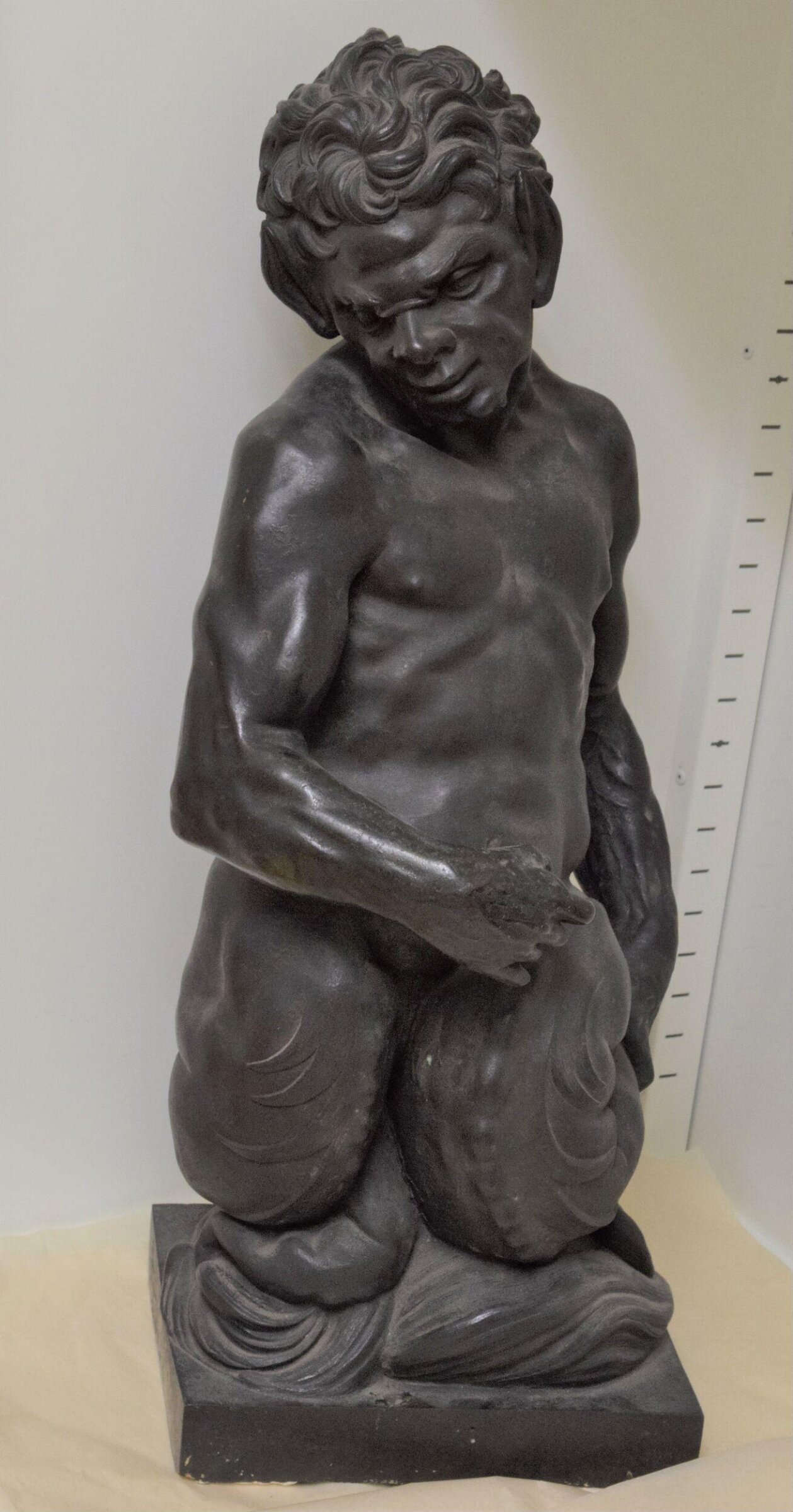
Triton, Ferdinando Tacca, first quarter of the 17th century

Triton

first quarter of the 17th century · Not on view · Victoria and Albert Museum

Rearing Stallion, Ferdinando Tacca, c. 1650

Rearing Stallion

c. 1650 · Not on view · National Gallery of Art

Horseman Killing a Bull, Ferdinando Tacca, c. 1650

Horseman Killing a Bull

c. 1650 · Not on view · National Gallery of Art

La Fortuna, Ferdinando Tacca, 1656

La Fortuna

1656 · Lázaro Galdiano Museum

Neighbors at Minneapolis Institute of Art

Museum page
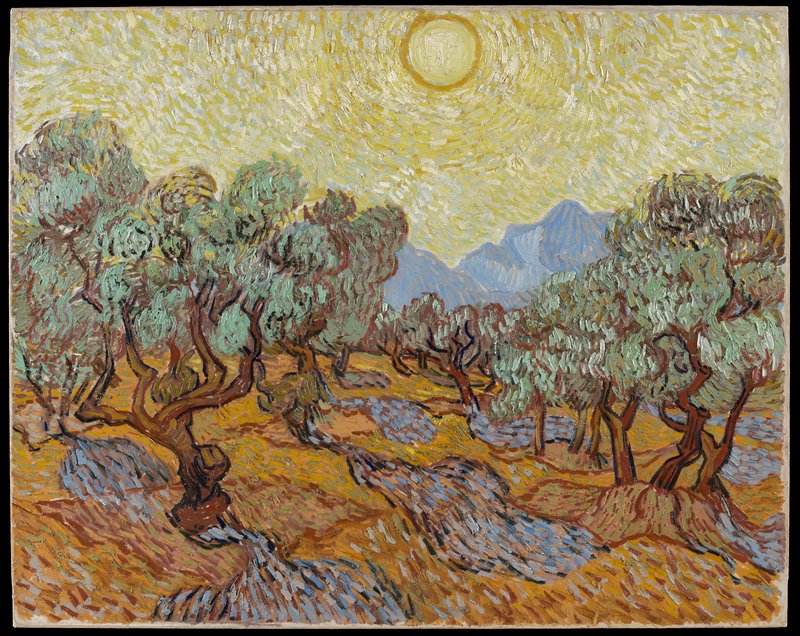
Olive Trees, Vincent van Gogh, 1889

Vincent van Gogh

Olive Trees, 1889

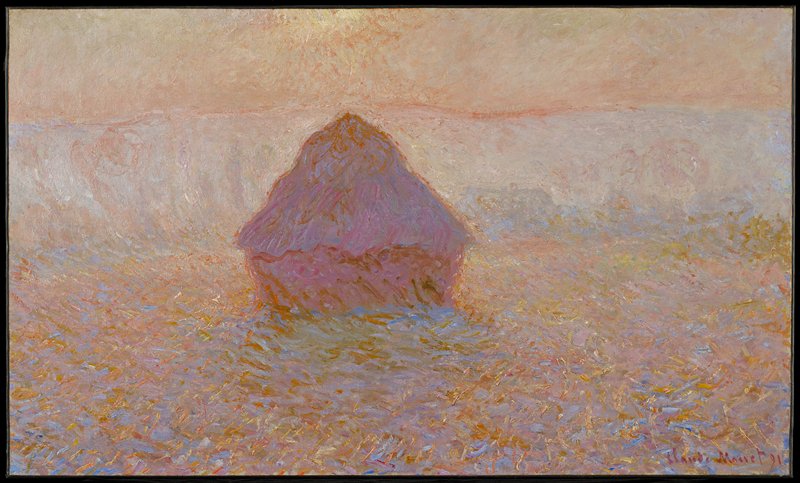
Grainstack, Sun in the Mist, Claude Monet, 1891

Claude Monet

Grainstack, Sun in the Mist, 1891

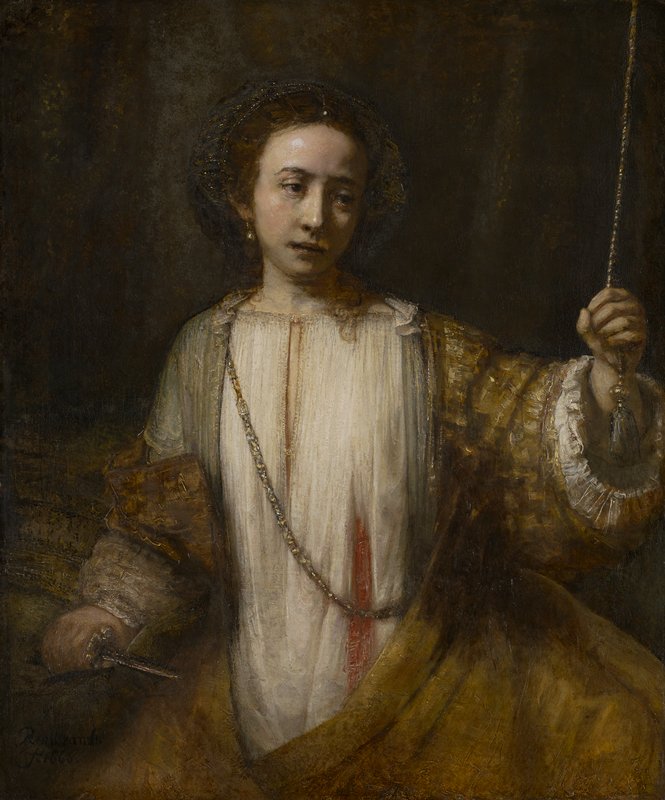
Lucretia, Rembrandt van Rijn, 1666

Rembrandt van Rijn

Lucretia, 1666

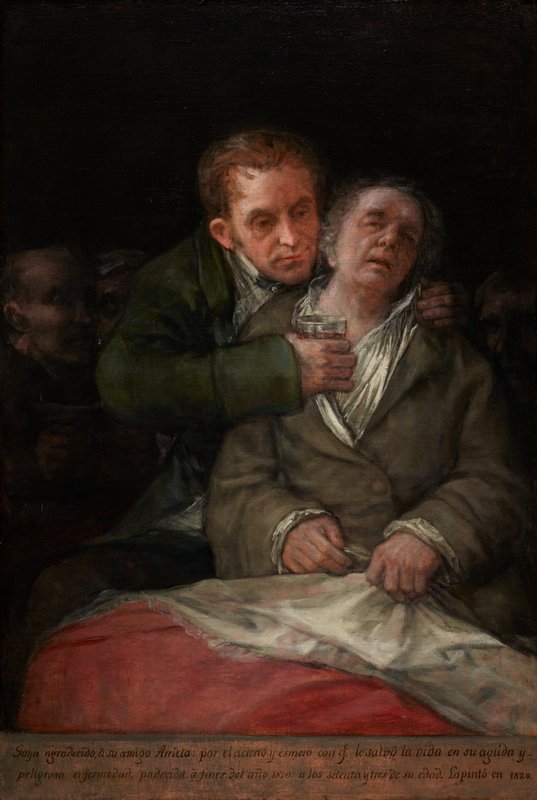
Self-Portrait with Dr. Arrieta, Francisco José de Goya y Lucientes, 1820

Francisco de Goya

Self-Portrait with Dr. Arrieta, 1820

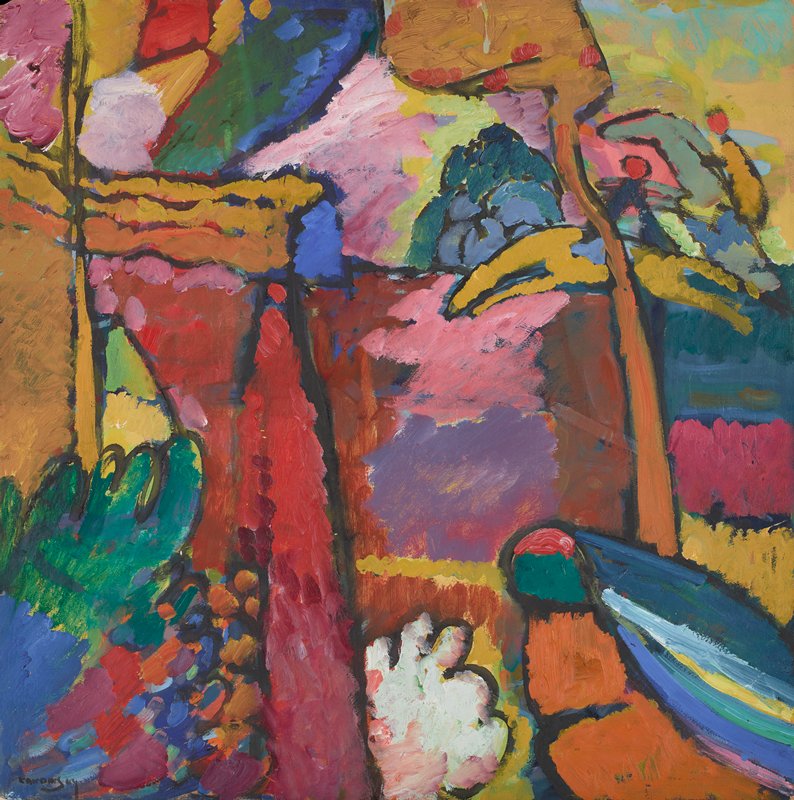
Study for Improvisation V, Vassily Kandinsky, 1910

Vasily Kandinsky

Study for Improvisation V, 1910

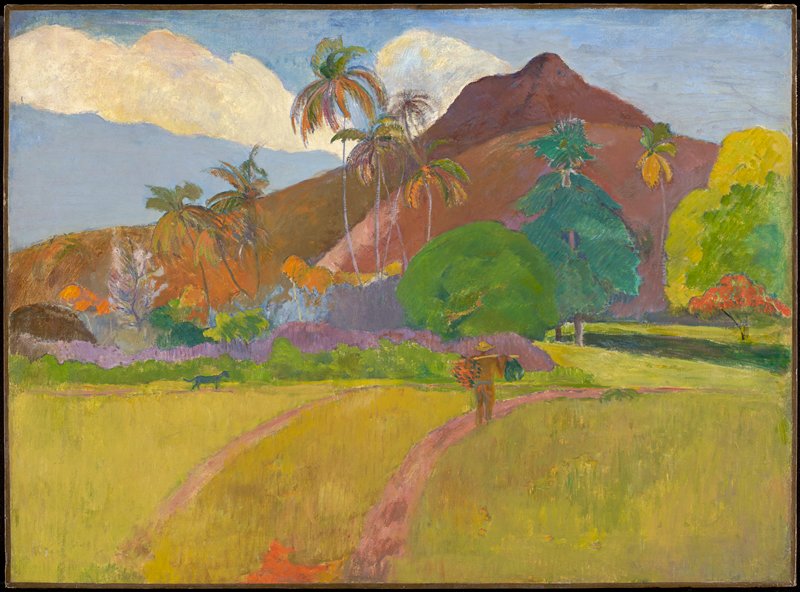
Tahitian Landscape, Paul Gauguin, 1891

Paul Gauguin

Tahitian Landscape, 1891

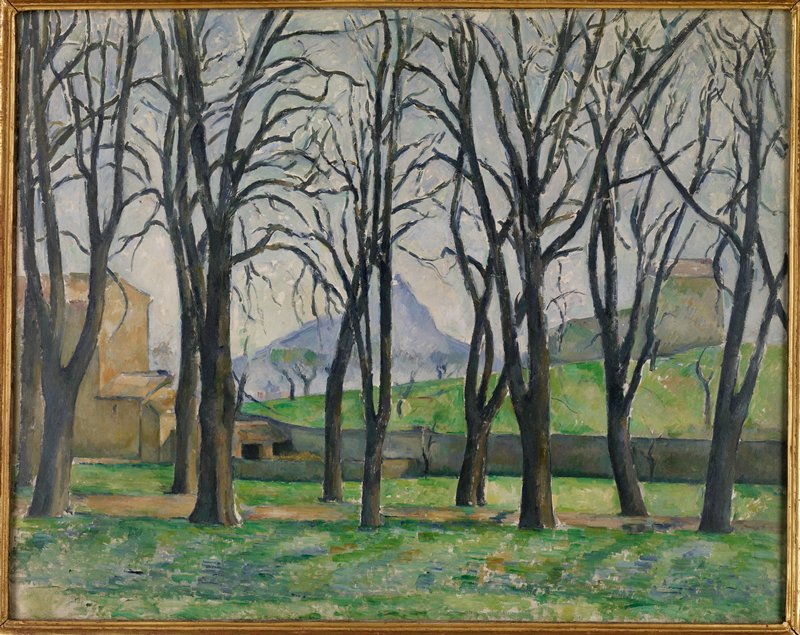
Chestnut Trees at Jas de Bouffan, Paul Cézanne, c. 1885–86

Paul Cézanne

Chestnut Trees at Jas de Bouffan, c. 1885–86

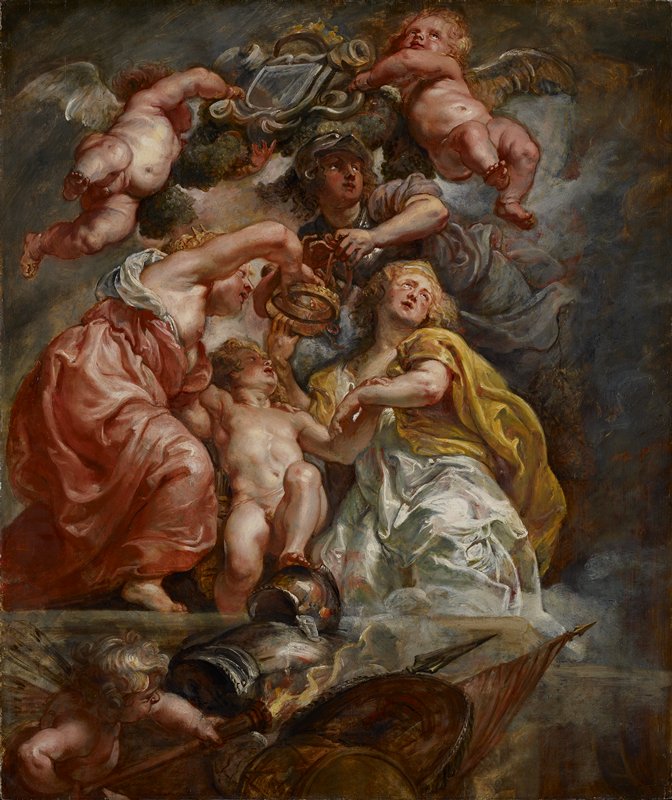
The Union of England and Scotland (Charles I as the Prince of Wales), Peter Paul Rubens, 1633–34

Peter Paul Rubens

The Union of England and Scotland (Charles I as the Prince of Wales), 1633–34