ART WIKI33,040 on view
MapCollectionArtistsMuseumsExhibitionsJournal
Sign in

ART WIKI

Where the masterpiece hangs, and when they let you in.

Collections: Art Institute of Chicago, Getty Villa, Harvard Art Museums, Hirshhorn Museum and Sculpture Garden, J. Paul Getty Museum, Minneapolis Institute of Art, Musée du Louvre, National Gallery of Art, National Museum of Asian Art, National Portrait Gallery (Smithsonian), Pushkin State Museum of Fine Arts, Rijksmuseum, Smithsonian American Art Museum, SMK — National Gallery of Denmark, State Hermitage Museum, State Russian Museum, The Cleveland Museum of Art, The Metropolitan Museum of Art, The Museum of Modern Art, Tretyakov Gallery, Victoria and Albert Museum, Whitney Museum of American Art, State Catalogue of the Museum Fund of Russia (274 museums), Europeana (19 museums), Wikidata (6 museums), Paris Musées (12 museums), and Joconde, the French Ministry of Culture's museum database (495 museums). Images belong to their rights holders.

Sections

  • Map
  • Search
  • Collection
  • Masterpieces
  • On view now
  • Artists

More

  • Museums & galleries
  • Exhibitions
  • Journal
  • Where the data comes from
  • Privacy & cookies
HomeMapBrowse
  1. Collection/
  2. Musée du Louvre/
  3. Sainte Cécile
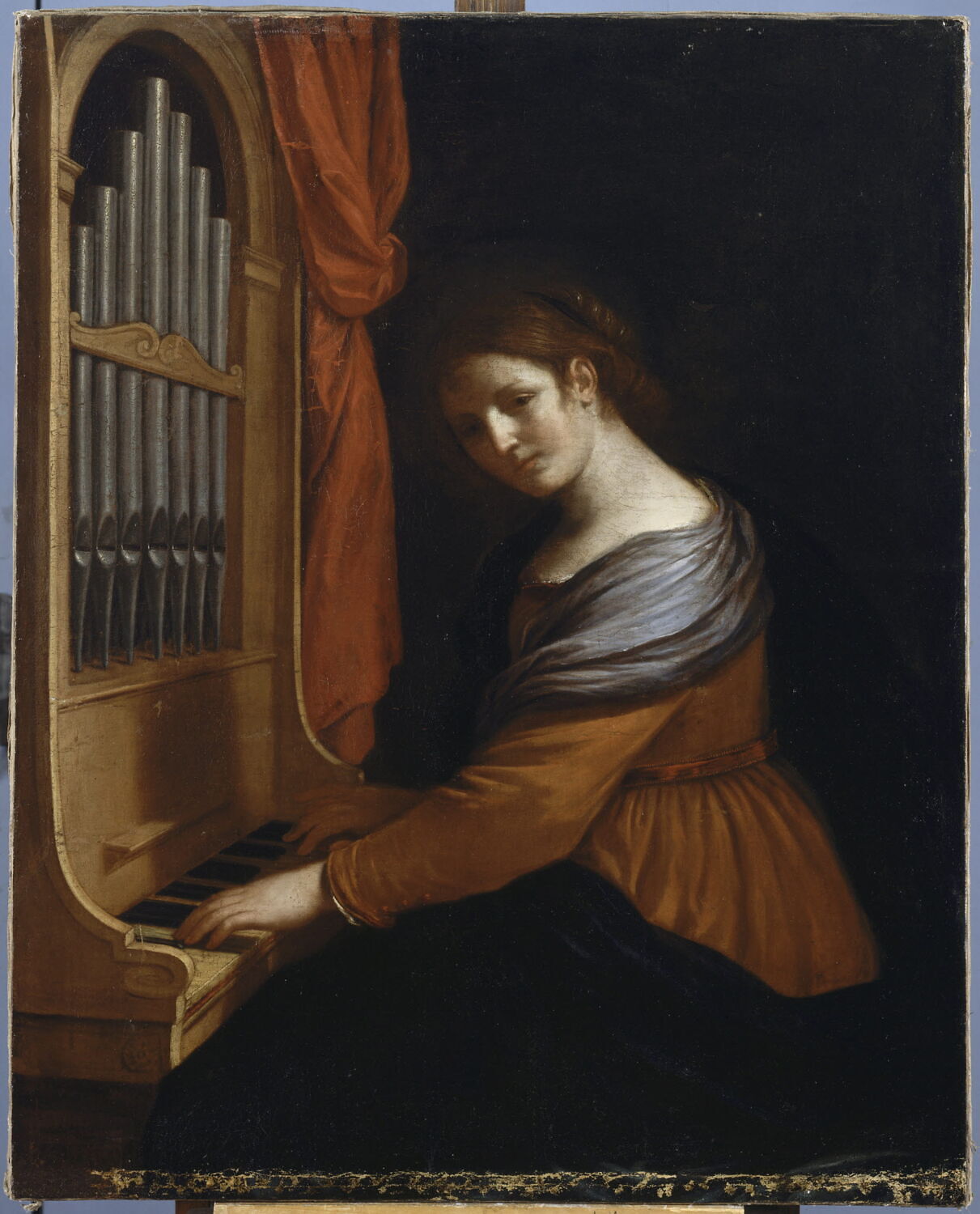
Sainte Cécile, Le Guerchin, XVIIe siècle (1600 - 1700)
Giovanni Francesco Barbieri, called Guercino, portraitGiovanni Francesco Barbieri, called GuercinoItalian, 1591–1666

Sainte Cécile

17th century (1600–1700) · Painting

May one see it?

Unknown

Musée du Louvre

Paris, France

The owner is known; whether it is on view today is not.

In this state since
Sep 26, 2026
Source
The museum
On the mapMuseum page

Particulars

Accession number
INV 89

In the catalog

PaintingsItalian paintingBaroque17th century

Sources

  • Musée du Louvre
  • Image: Musée du Louvre — © 1990 GrandPalaisRmn (musée du Louvre) / Photographe inconnu

Meanwhile, in the life of Giovanni Francesco Barbieri, called Guercino

The whole life
  1. 1621

    Moves to Rome, to the court of Gregory XV

    Marchese Enzo Bentivoglio recommended Guercino to the newly elected Pope Gregory XV, the Bolognese Alessandro Ludovisi. His Roman years (1621–1623) were the most productive of his life; the portrait of the pope (now in the Getty Museum) dates from them.

  2. 1623

    Returns to his native Cento

    After the death of Pope Gregory XV, Guercino left Rome and returned to his hometown.

  3. 1623

    Ottavio Leoni draws his portrait

    The portrait emphasises the permanent squint that gave the artist his nickname. Guercino's right eye was apparently 'lazy' and he presumably had monocular vision — which did not stop him conveying depth remarkably well.

  4. 1629

    The Barbieri household account book begins

    From this year Guercino's affairs are recorded in the Libro dei Conti di Casa Barbieri, kept up with his brother Paolo Antonio, a notable still-life painter; the book survives. He worked with extreme rapidity — no fewer than 106 large altarpieces and some 144 other paintings, besides a great many drawings.

  5. 1642

    Moves to Bologna after Guido Reni's death

    After the death of his commercial rival Guido Reni, Guercino moved his busy workshop to Bologna and took over Reni's role as the city's leading painter of sacred subjects. He painted and taught to the end of his life, amassed a notable fortune and, never having married, left it to his nephews and pupils Benedetto Gennari II and Cesare Gennari.

  6. 22 December 1666

    Died

More by Giovanni Francesco Barbieri, called Guercino

All works
Samson Captured by the Philistines, Guercino, 1619

Samson Captured by the Philistines

1619 · The Metropolitan Museum of Art

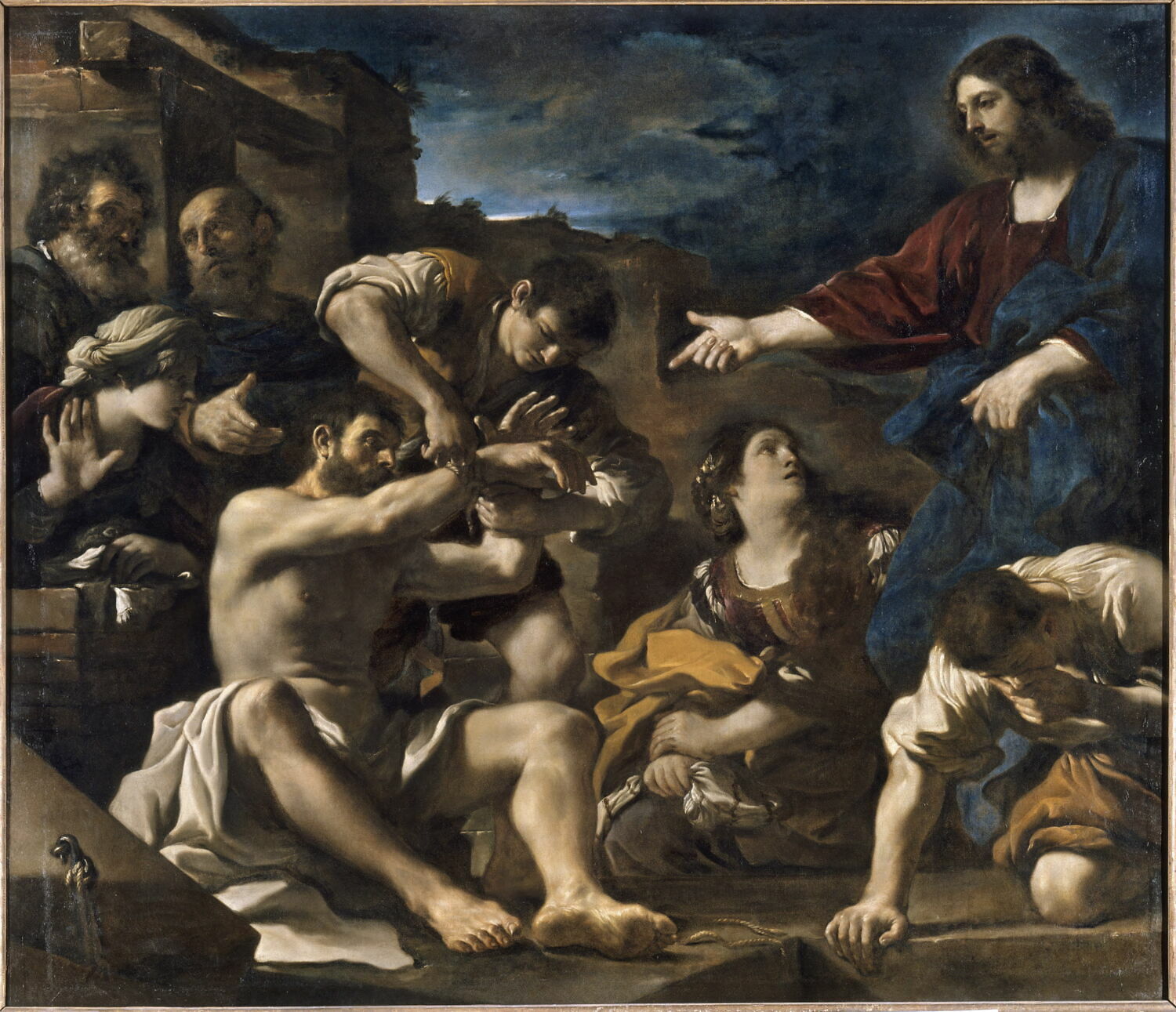
La Résurrection de Lazare, Le Guerchin, 1e quart du XVIIe siècle (1600 - 1625)

La Résurrection de Lazare

first quarter of the 17th century (1600–1625) · Musée du Louvre

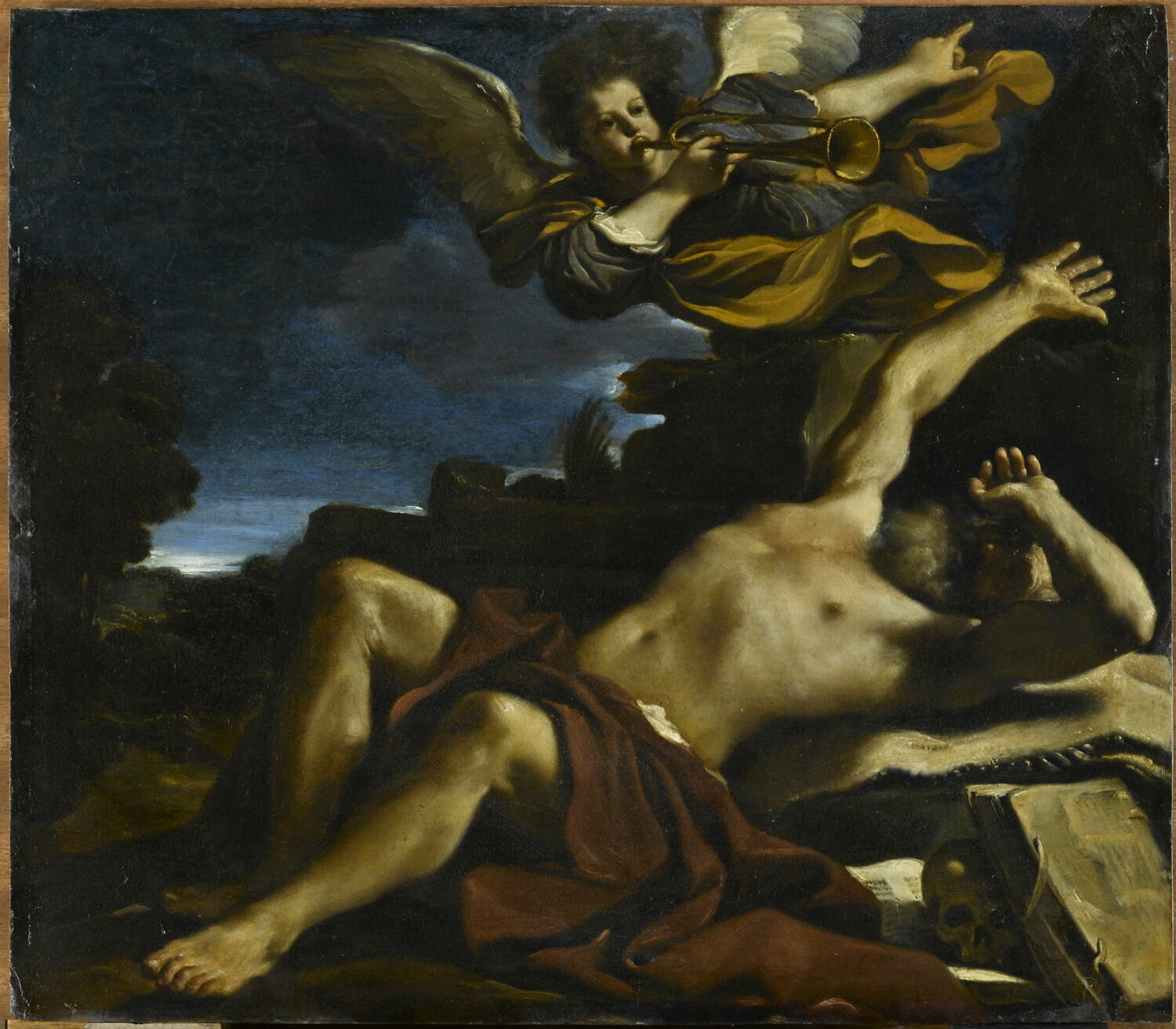
La Vision de saint Jérôme, Le Guerchin, 1e quart du XVIIe siècle (1600 - 1625)

La Vision de saint Jérôme

first quarter of the 17th century (1600–1625) · Musée du Louvre

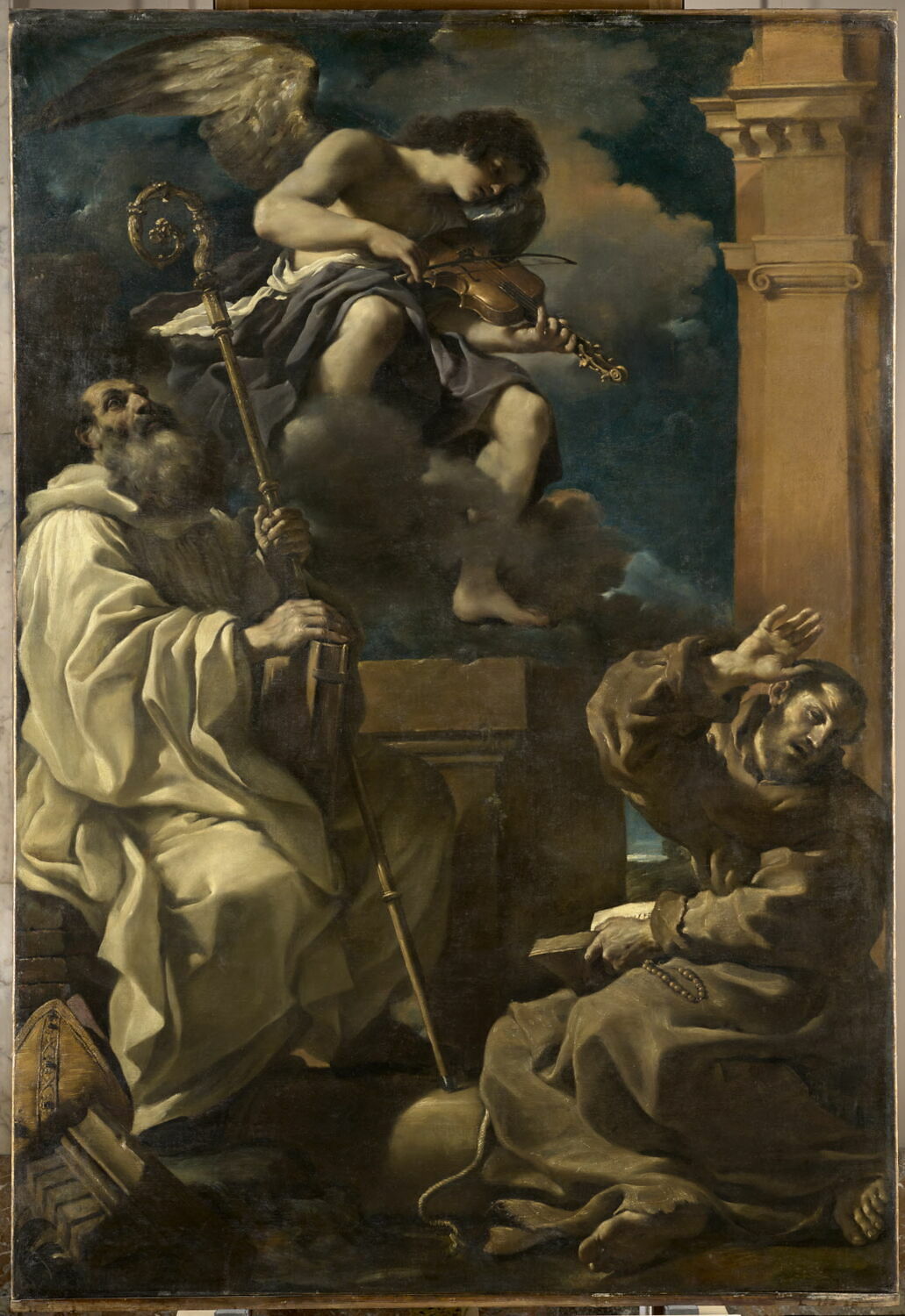
Saint François en extase et saint Benoît avec un ange musicien, Le Guerchin, 1e quart du XVIIe siècle (1620)

Saint François en extase et saint Benoît avec un ange musicien

first quarter of the 17th century (1620) · Musée du Louvre

Pope Gregory XV, Guercino, about 1622–1623

Pope Gregory XV

about 1622–1623 · J. Paul Getty Museum

Assumption of the Virgin Mary, Giovanni Francesco Barbieri, called Guercino, 1623

Assumption of the Virgin Mary

1623 · State Hermitage Museum

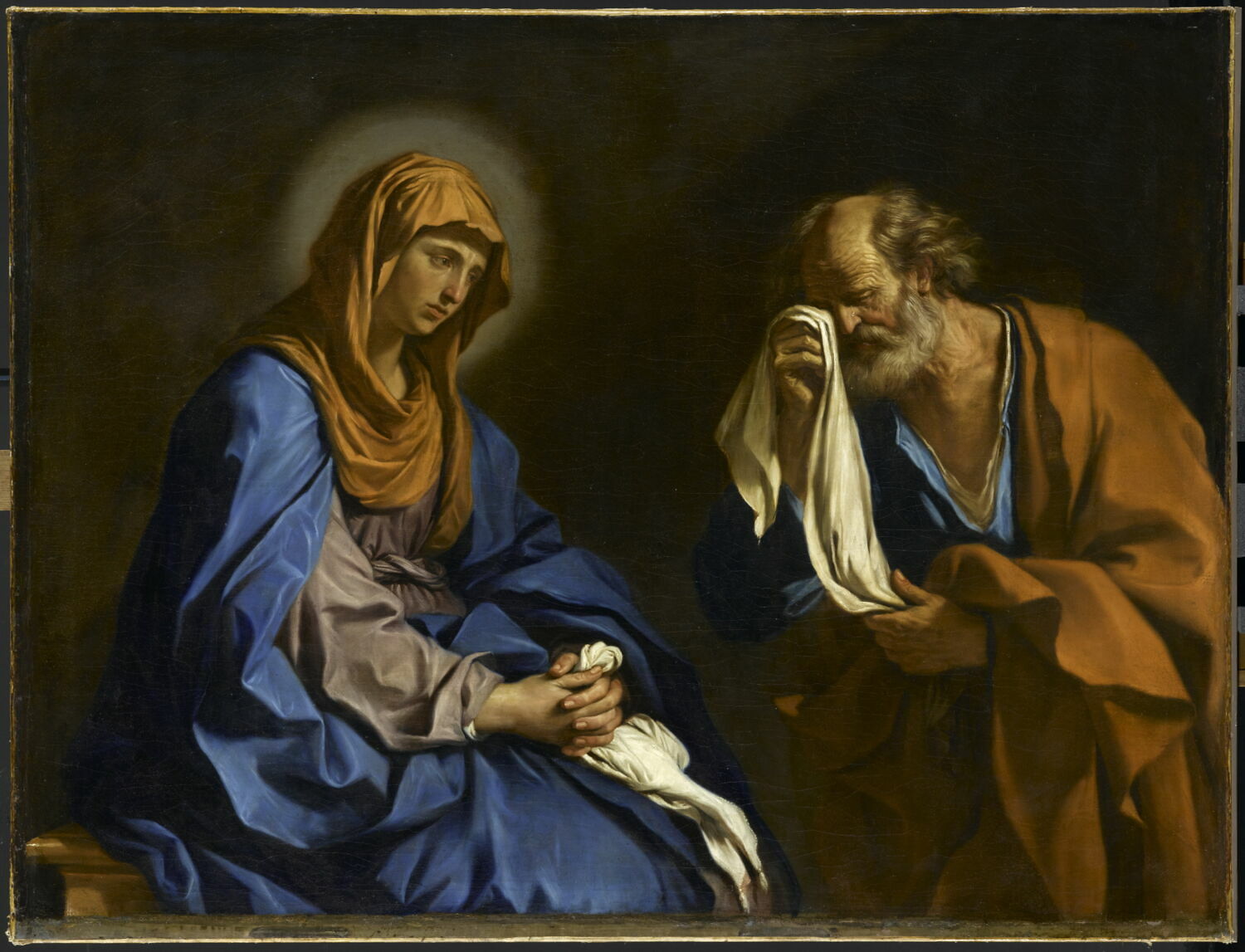
Les Larmes de saint Pierre, Le Guerchin, 2e quart du XVIIe siècle (1625 - 1650)

Les Larmes de saint Pierre

second quarter of the 17th century (1625–1650) · Musée du Louvre

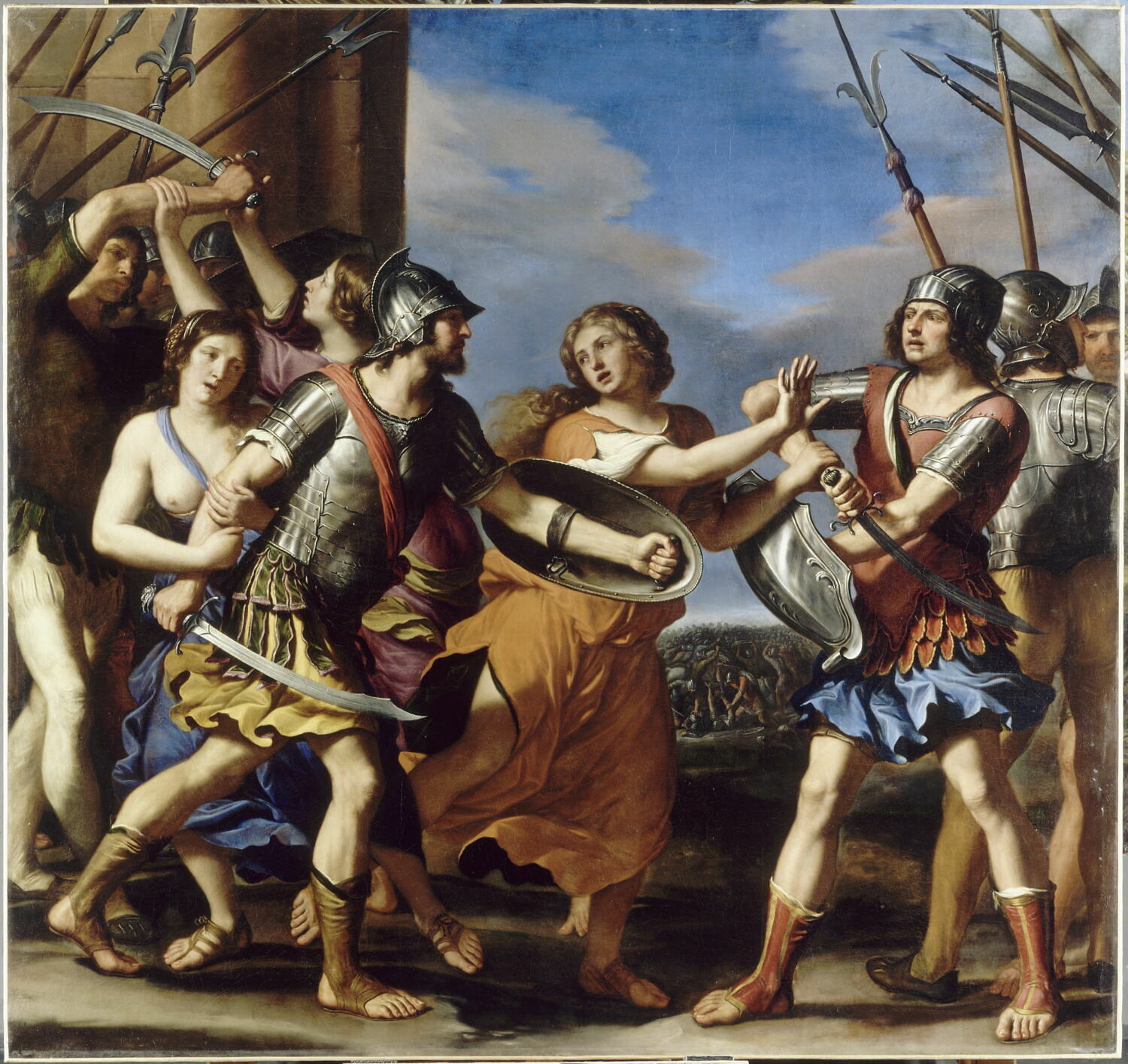
Hersilie séparant Romulus et Tatius, Le Guerchin, 2e quart du XVIIe siècle (1645)

Hersilie séparant Romulus et Tatius

second quarter of the 17th century (1645) · Musée du Louvre

Neighbors at Musée du Louvre

Museum page
Portrait of Marten Soolmans, Rembrandt van Rijn, 1634

Rembrandt van Rijn

Portrait of Marten Soolmans, 1634

Portrait of Oopjen Coppit, Rembrandt van Rijn, 1634

Rembrandt van Rijn

Portrait of Oopjen Coppit, 1634

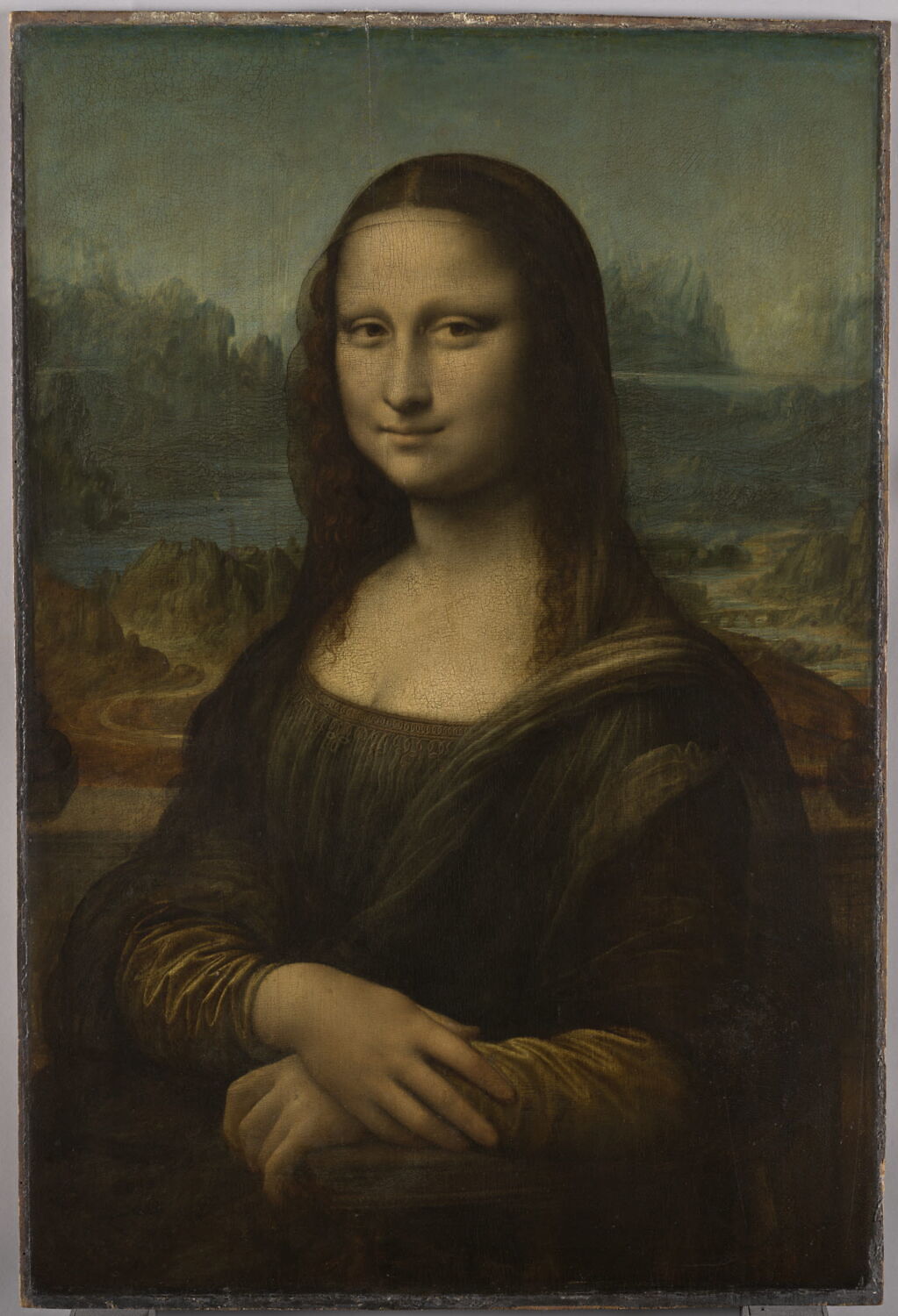
Portrait de Lisa Gherardini, épouse de Francesco del Giocondo, dit La Joconde ou Monna Lisa, Léonard de Vinci, 1e quart du XVIe siècle (1503 - 1519)

Leonardo da Vinci

Mona Lisa, first quarter of the 16th century (1503–1519)

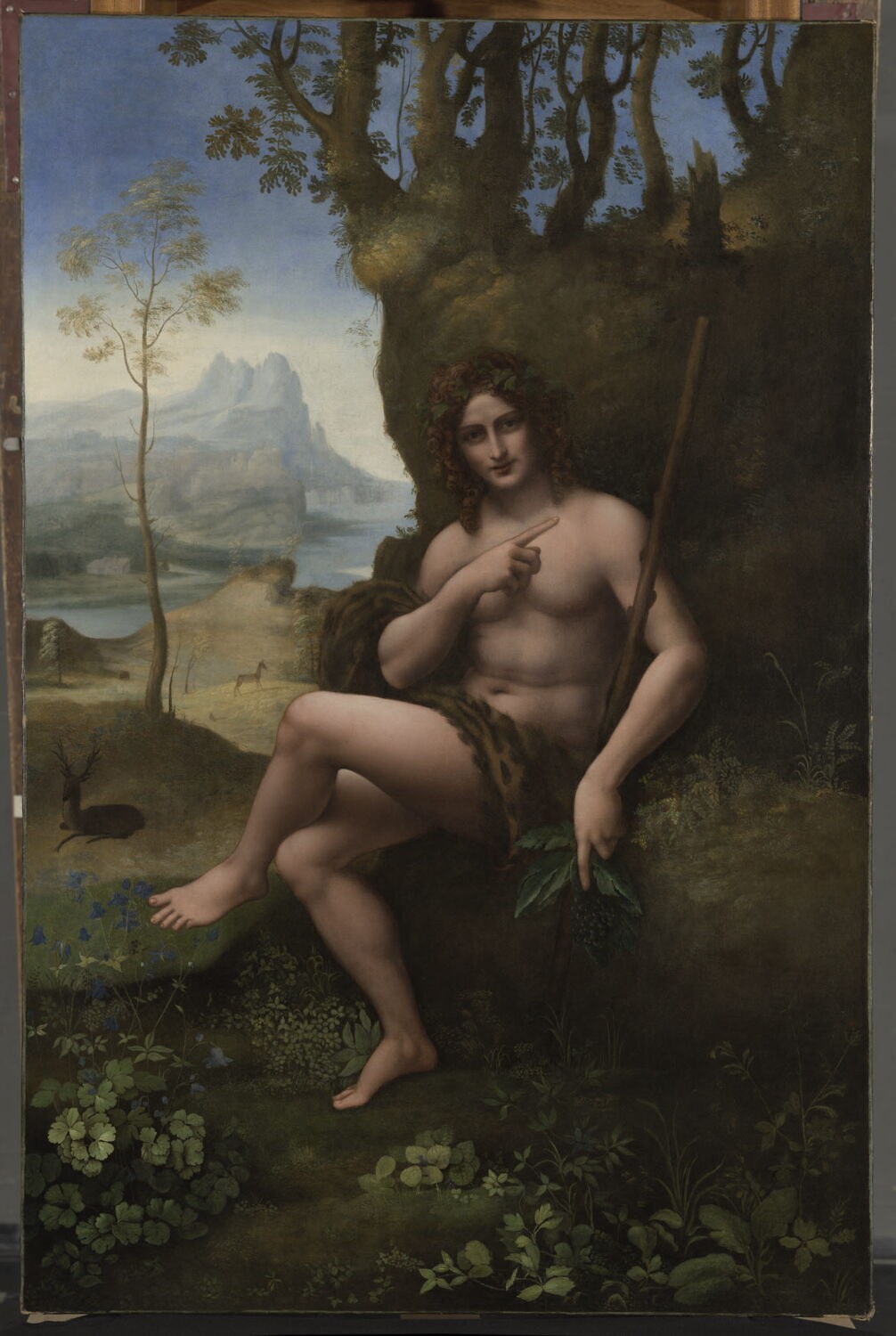
Saint Jean Baptiste, Léonard de Vinci, 1e quart du XVIe siècle (vers 1517 - 1520)

Leonardo da Vinci

Bacchus, first quarter of the 16th century (c. 1517–1520)

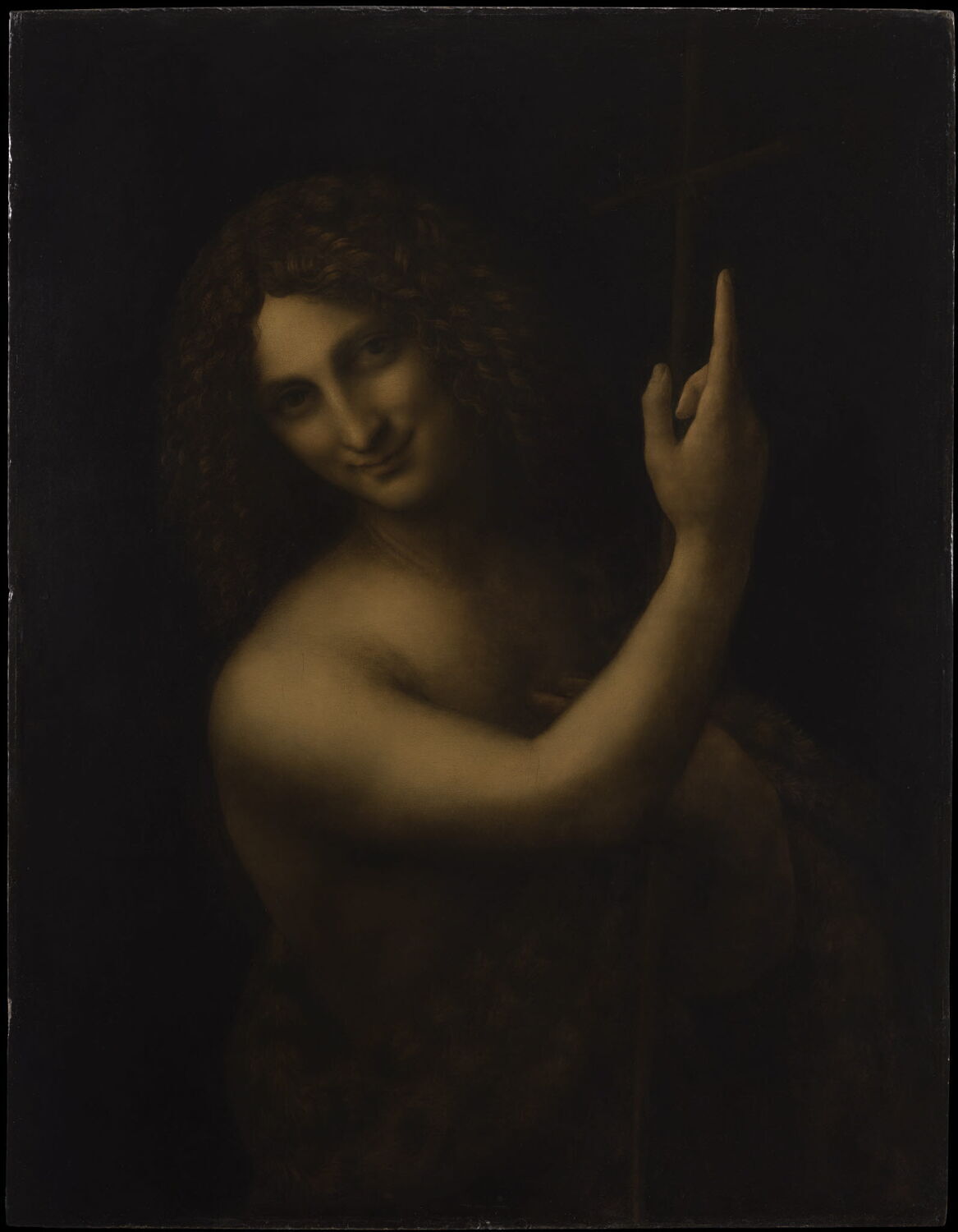
Saint Jean Baptiste, Léonard de Vinci, 1e quart du XVIe siècle (vers 1508 - 1519)

Leonardo da Vinci

Saint John the Baptist, first quarter of the 16th century (c. 1508–1519)

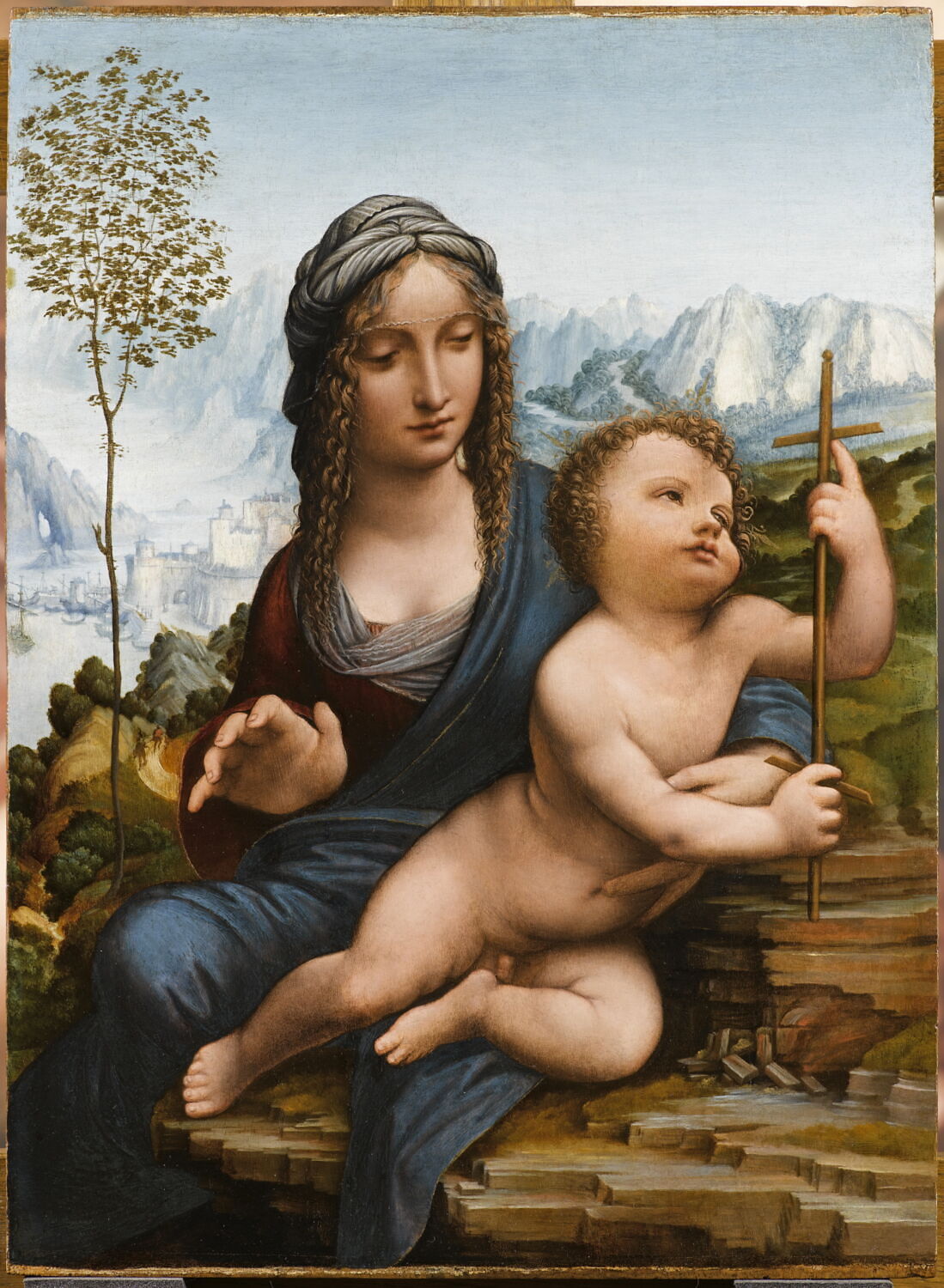
La Vierge et l'Enfant Jésus, dite Vierge au dévidoir ou Vierge aux fuseaux, Léonard de Vinci, XVIe siècle (vers 1505 - 1520)

Leonardo da Vinci

La Vierge et l'Enfant Jésus, dite Vierge au dévidoir ou Vierge aux fuseaux, 16th century (c. 1505–1520)

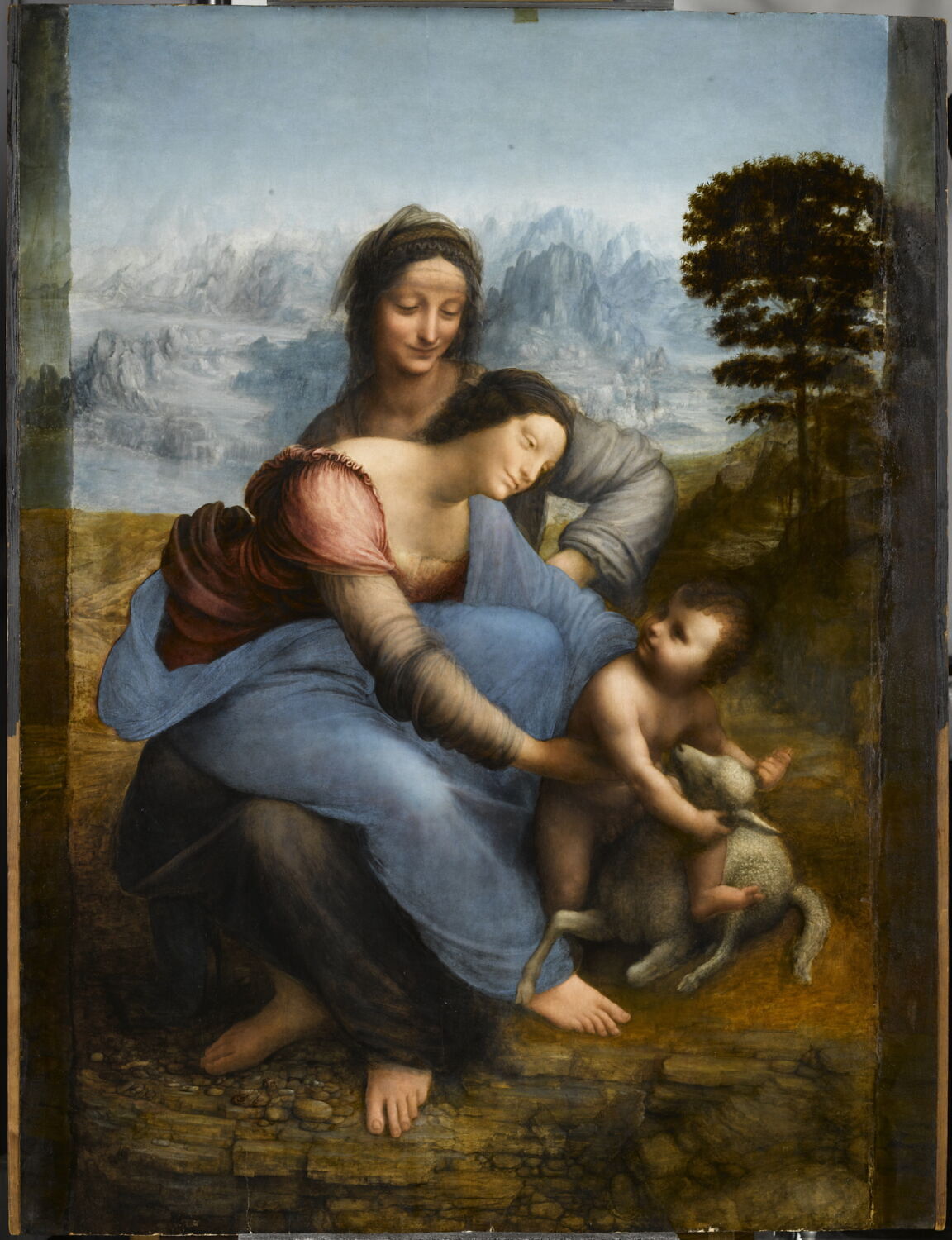
La Vierge, l'Enfant Jésus et sainte Anne, dit La Sainte Anne, Léonard de Vinci, 1e quart du XVIe siècle (vers 1503 - 1519)

Leonardo da Vinci

The Virgin and Child with Saint Anne, first quarter of the 16th century (c. 1503–1519)

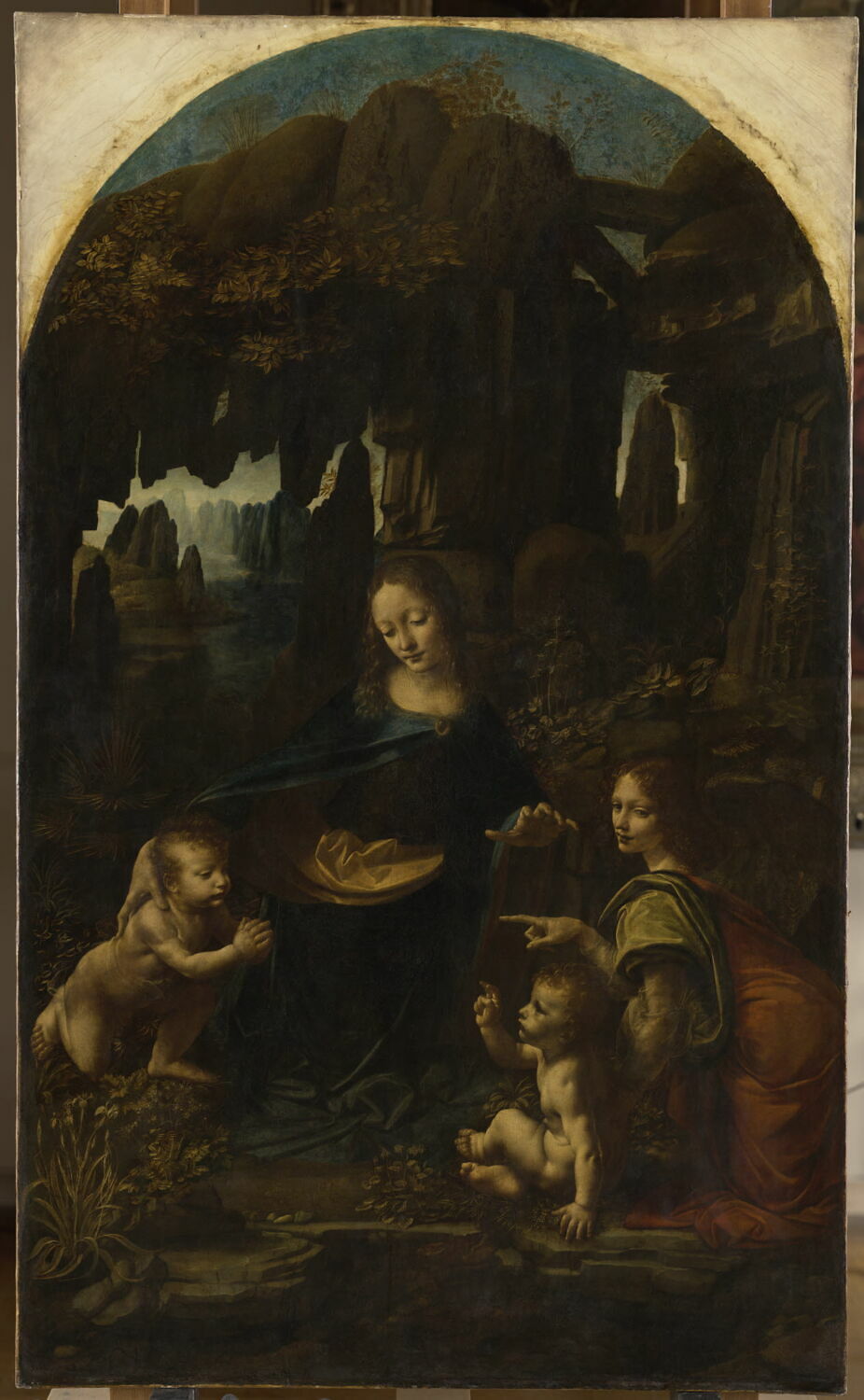
La Vierge, l'Enfant Jésus, saint Jean Baptiste et un ange, dit La Vierge aux rochers, Léonard de Vinci, 4e quart du XVe siècle (vers 1483 - 1494)

Leonardo da Vinci

La Vierge, l'Enfant Jésus, saint Jean Baptiste et un ange, dit La Vierge aux rochers, last quarter of the 15th century (c. 1483–1494)