ART WIKI32,979 on view
MapCollectionArtistsMuseumsExhibitionsJournal
Sign in

ART WIKI

Where the masterpiece hangs, and when they let you in.

Collections: Art Institute of Chicago, Getty Villa, Harvard Art Museums, Hirshhorn Museum and Sculpture Garden, J. Paul Getty Museum, Minneapolis Institute of Art, Musée du Louvre, National Gallery of Art, National Museum of Asian Art, National Portrait Gallery (Smithsonian), Pushkin State Museum of Fine Arts, Rijksmuseum, Smithsonian American Art Museum, SMK — National Gallery of Denmark, State Hermitage Museum, State Russian Museum, The Cleveland Museum of Art, The Metropolitan Museum of Art, The Museum of Modern Art, Tretyakov Gallery, Victoria and Albert Museum, Whitney Museum of American Art, State Catalogue of the Museum Fund of Russia (274 museums), Europeana (19 museums), Wikidata (6 museums), Paris Musées (12 museums), and Joconde, the French Ministry of Culture's museum database (495 museums). Images belong to their rights holders.

Sections

  • Map
  • Search
  • Collection
  • Masterpieces
  • On view now
  • Artists

More

  • Museums & galleries
  • Exhibitions
  • Journal
  • Where the data comes from
  • Privacy & cookies
HomeMapBrowse
  1. Collection/
  2. Minneapolis Institute of Art/
  3. Opal Gospel
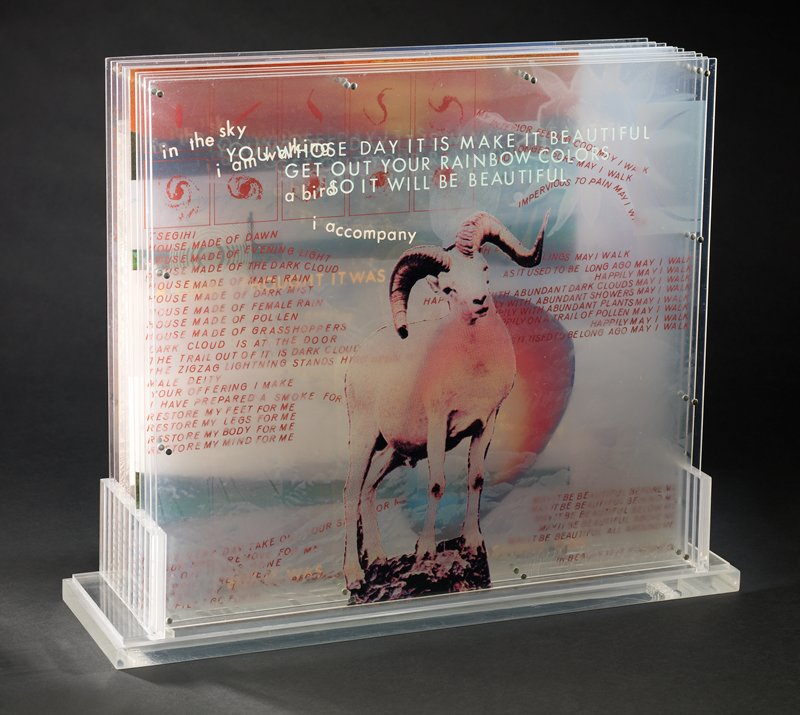
Opal Gospel, Robert Rauschenberg, 1971
Robert Rauschenberg, portraitRobert RauschenbergAmerican, 1925–2008

Opal Gospel

1971 · Multiples · 45.72 × 25.4 cm

May one see it?

Not receiving at present

Minneapolis Institute of Art

Minneapolis, United States

It belongs to the collection, but is not on display at present.

Checked
3 days ago
In this state since
Sep 25, 2026
Source
The museum
On the mapMuseum page

About the work

Opal Gospel is among Rauschenberg's best known multiples, a three-dimensional book consisting of Native American stories, songs, poems and found imagery printed on a series of transparent acrylic pages which rest in a Lucite base. Rauschenberg's design encouraged the viewer to remove and read the various pages and re-arrange them in novel combinations, thus altering the object's appearance and meaning. For him, the work's evocative power was magnified by incorporating the idea of chance, which in this case is provided by the viewer's active participation.

Read on

Reflecting on the work's content and meaning, Rauschenberg noted that Spiritually and factually, [Native American] drawings improved the hunt and chronicled their history both generally and personally so that it could be understood by other tribes and other generations. It could be read or felt at one instant. [Art] should be a form of therapy.

Minneapolis Institute of Art

Particulars

1971 · aged 46
19252008
Accession number
P.76.2

In the catalog

PrintsScreenprintPost-war art20th centuryUnited States

Sources

  • Minneapolis Institute of Art
  • Image: Minneapolis Institute of Art — Robert Rauschenberg, Opal Gospel, 1971-1972 © Robert Rauschenberg Foundation

Meanwhile, in the life of Robert Rauschenberg

The whole life
  1. 1969

    Watches the Apollo 11 launch at NASA's invitation

    NASA invited Rauschenberg to witness the launch of Apollo 11. In response he created his “Stoned Moon” series of lithographs, combining diagrams and images from NASA's archives with his own drawings and handwritten text.

  2. autumn 1970

    Moves to Captiva for good

    From the autumn of 1970 the Captiva house became Rauschenberg's permanent home and studio. The first works made there were the “Cardboards” (1971–72) and “Early Egyptians” (1973–74) series, from locally sourced cardboard and sand: instead of urban imagery he now favoured the natural fibres of fabric and paper.

  3. 1970

    Sets up Change, Inc. to help artists

    Rauschenberg created Change, Inc., a programme awarding one-time emergency grants of up to $1,000 to visual artists in financial need.

  4. 1970

    Helps create the Pepsi Pavilion at Expo '70 in Osaka

    Rauschenberg took part in creating the Pepsi Pavilion for the 1970 World Exposition in Osaka; the opening was directed by the choreographer and artist Remy Charlip.

  5. 1973

    The Scull auction and the fight for artists' royalties

    In 1973 the taxi baron Robert Scull sold Rauschenberg's paintings “Thaw” and “Double Feature”, bought for $900 and $2,500, for $85,000 and $90,000 at Sotheby Parke Bernet. The artist took up the fight for resale royalties for artists (droit de suite), lobbying the US Congress for a law.
More by Robert Rauschenberg

All works
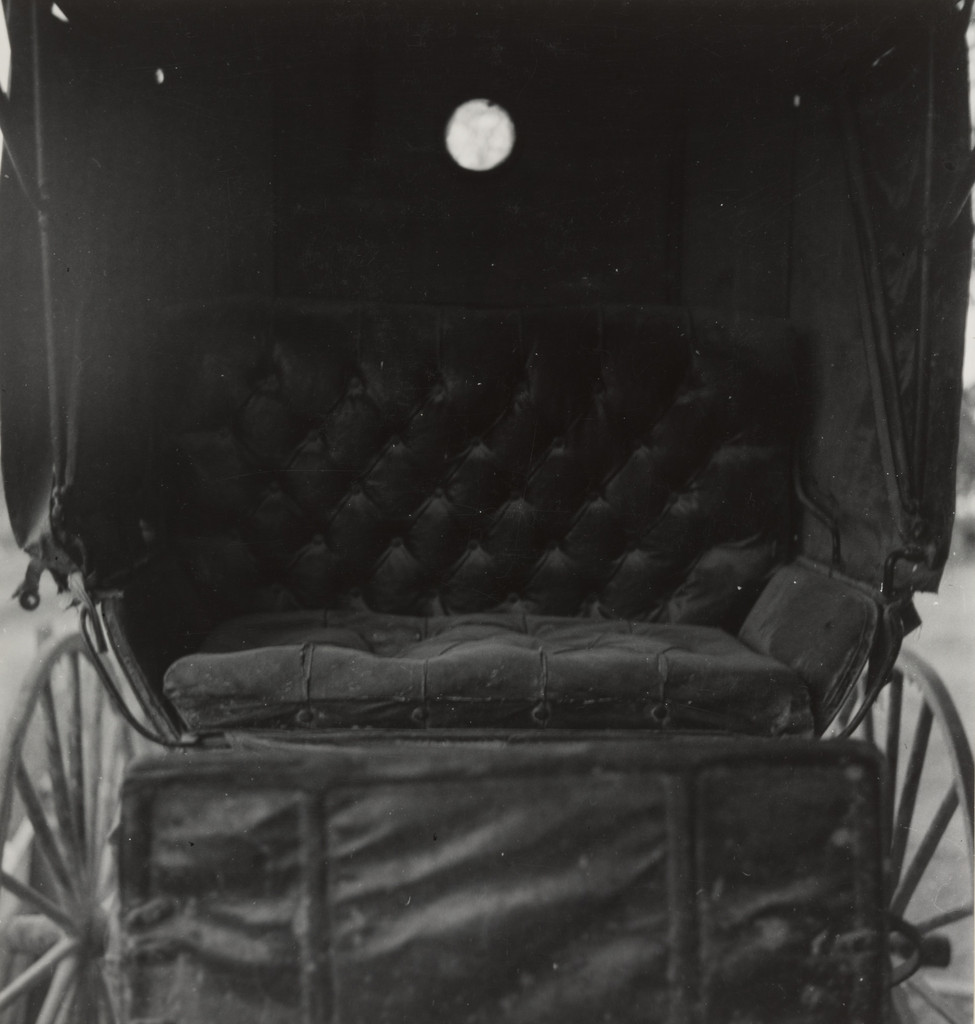
Untitled, Robert Rauschenberg, c. 1953

Untitled

c. 1953 · The Museum of Modern Art

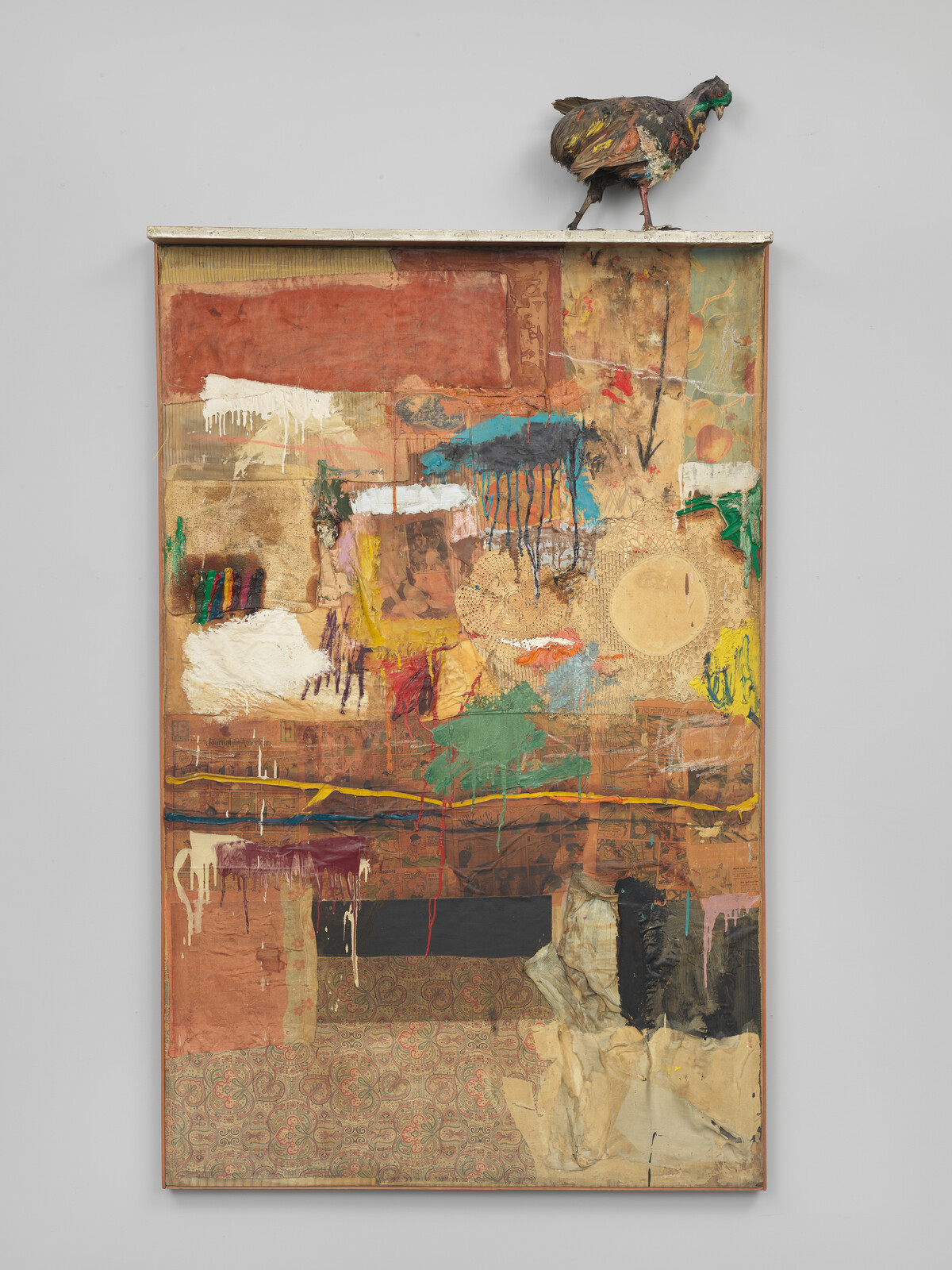
Canyon, Robert Rauschenberg, 1959

Canyon

1959 · The Museum of Modern Art

Untitled, Robert Rauschenberg, c. 1955

Untitled

c. 1955 · Art Institute of Chicago

Satellite, Robert Rauschenberg, 1955

Satellite

1955 · Whitney Museum of American Art

Untitled, Robert Rauschenberg, 1949

Untitled

1949 · Not on view · The Museum of Modern Art

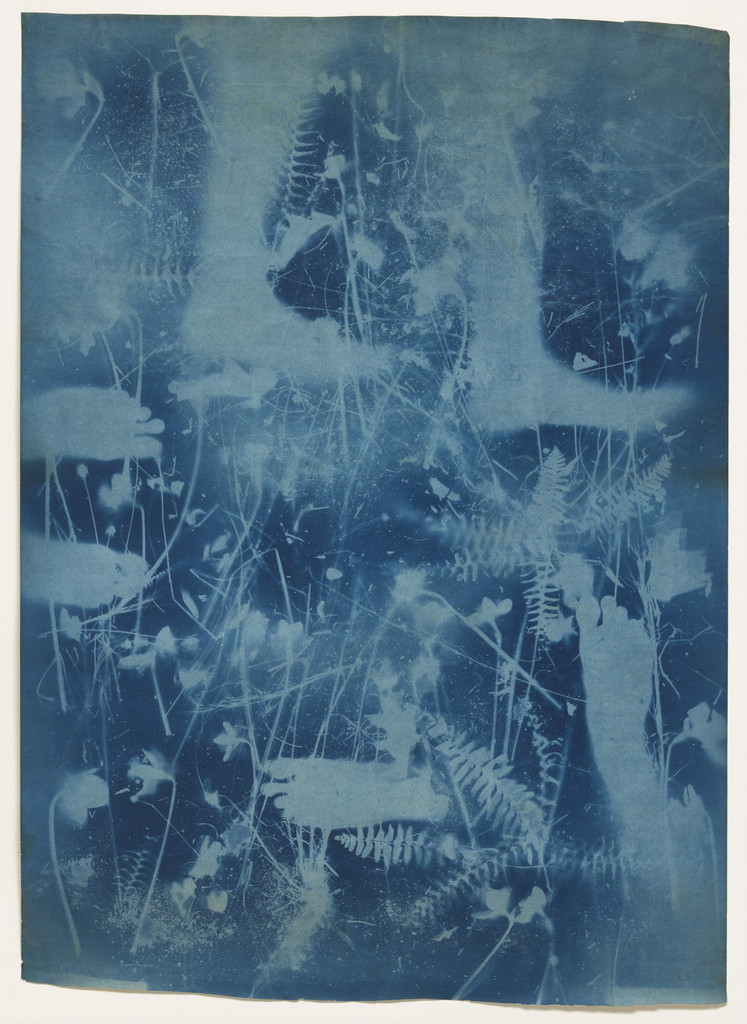
Untitled, Robert Rauschenberg, Susan Weil, c. 1950

Untitled

c. 1950 · Not on view · The Museum of Modern Art

Black Painting, Robert Rauschenberg, 1952

Black Painting

1952 · Not on view · National Gallery of Art

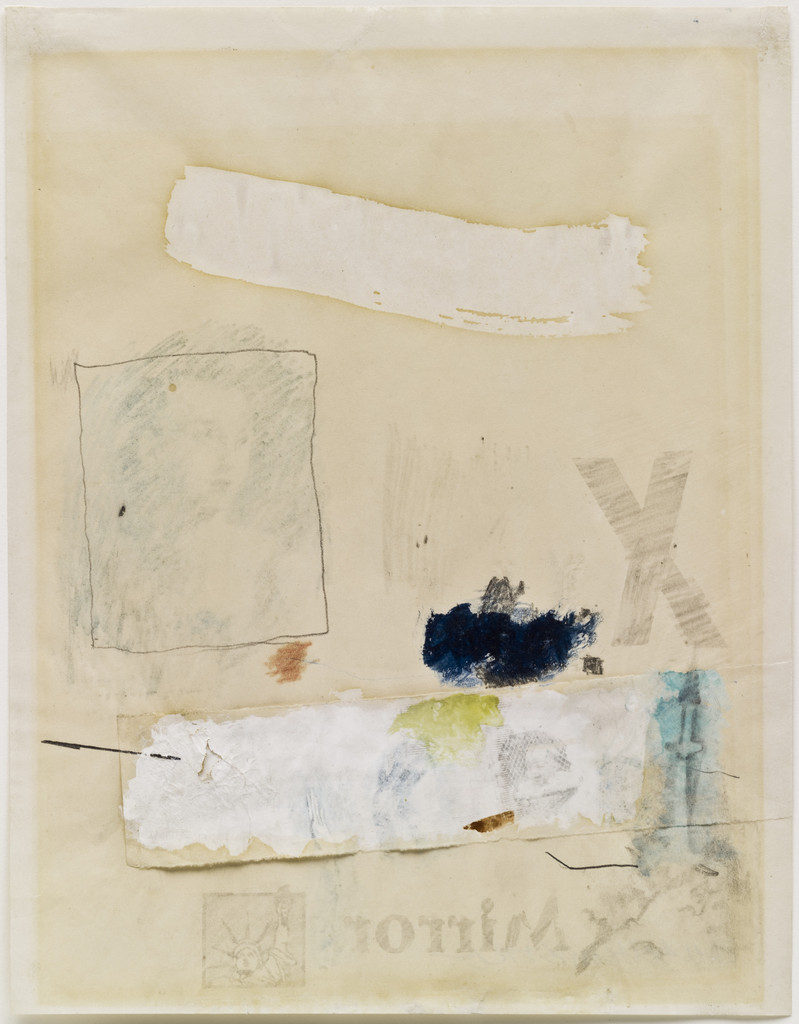
Untitled (Mirror), Robert Rauschenberg, (1952)

Untitled (Mirror)

(1952) · Not on view · The Museum of Modern Art

Neighbors at Minneapolis Institute of Art

Museum page
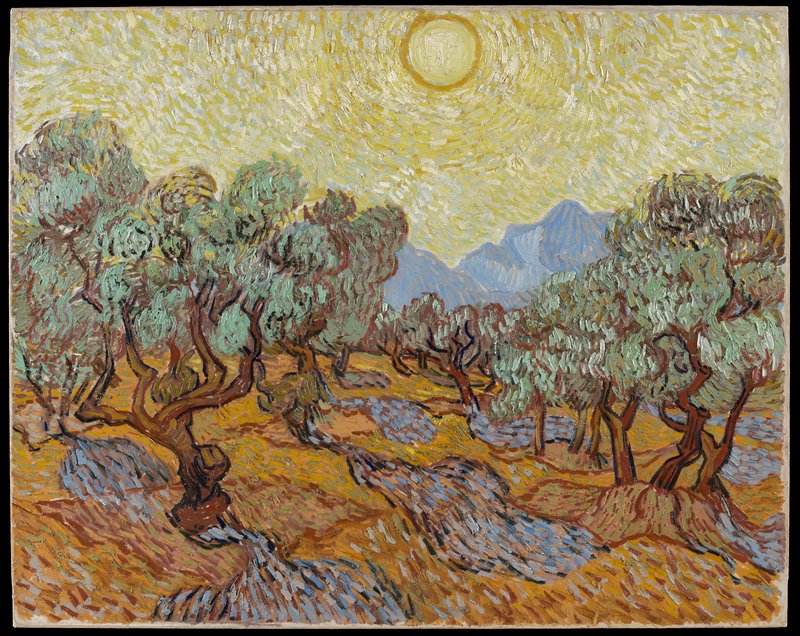
Olive Trees, Vincent van Gogh, 1889

Vincent van Gogh

Olive Trees, 1889

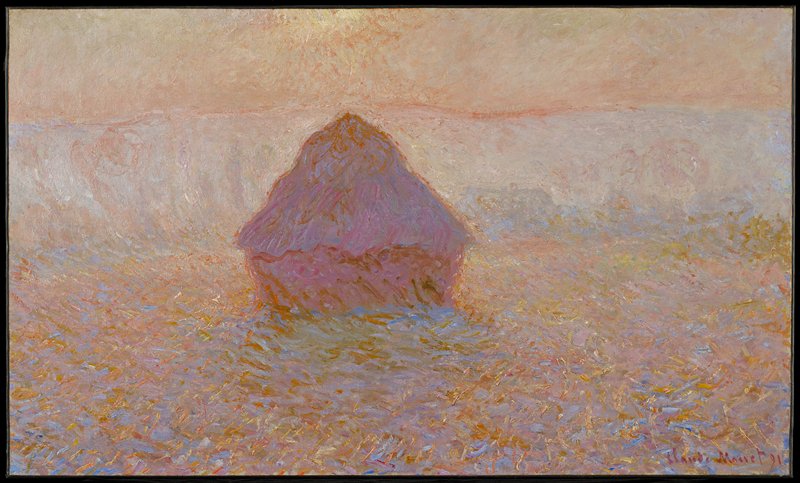
Grainstack, Sun in the Mist, Claude Monet, 1891

Claude Monet

Grainstack, Sun in the Mist, 1891

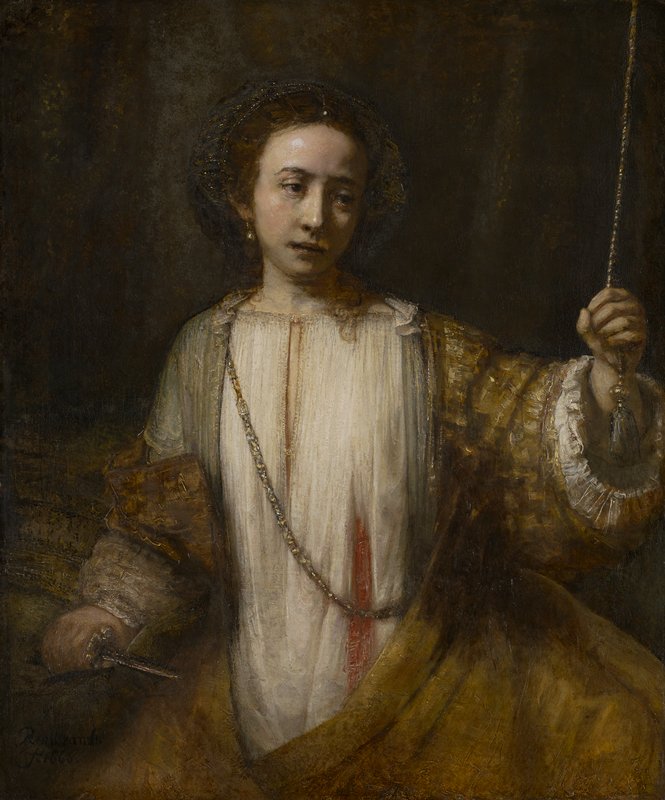
Lucretia, Rembrandt van Rijn, 1666

Rembrandt van Rijn

Lucretia, 1666

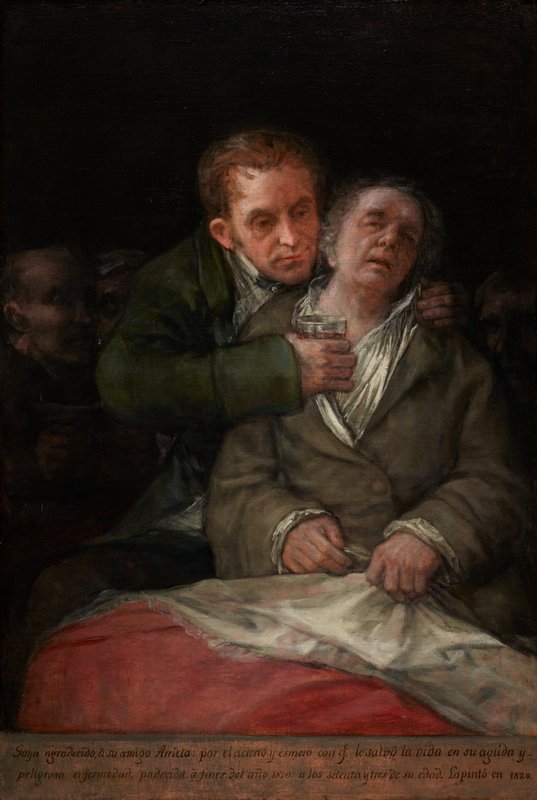
Self-Portrait with Dr. Arrieta, Francisco José de Goya y Lucientes, 1820

Francisco de Goya

Self-Portrait with Dr. Arrieta, 1820

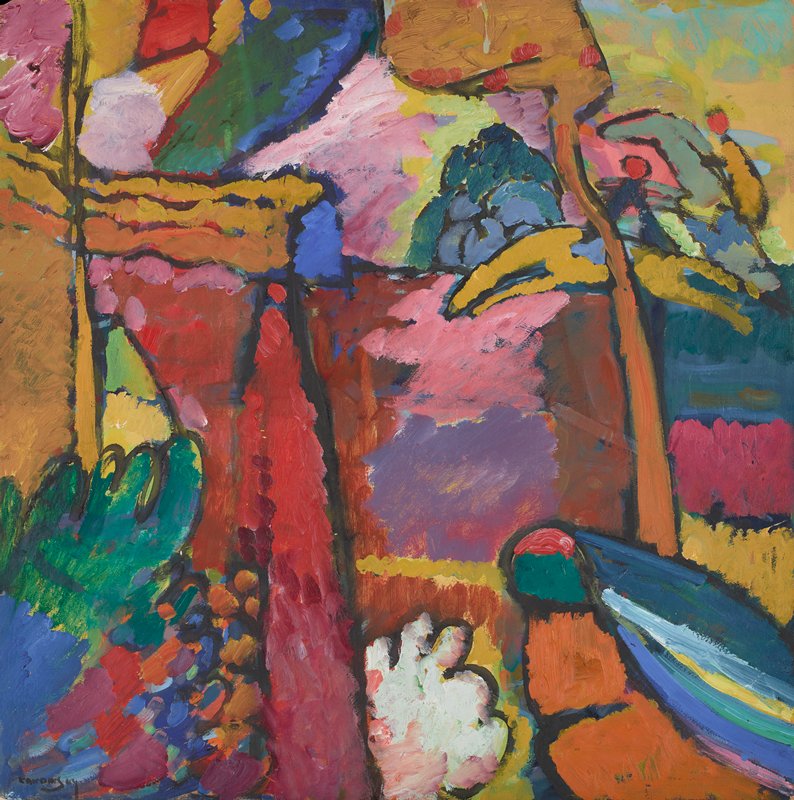
Study for Improvisation V, Vassily Kandinsky, 1910

Vasily Kandinsky

Study for Improvisation V, 1910

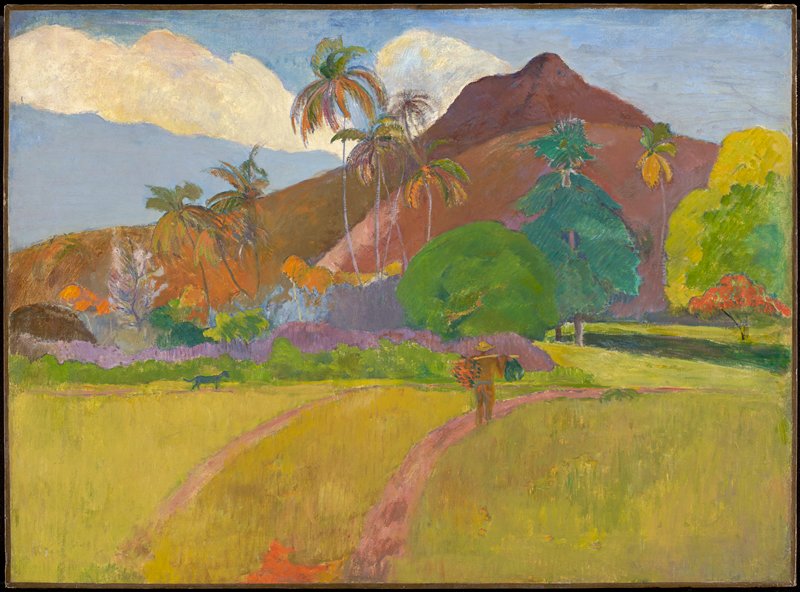
Tahitian Landscape, Paul Gauguin, 1891

Paul Gauguin

Tahitian Landscape, 1891

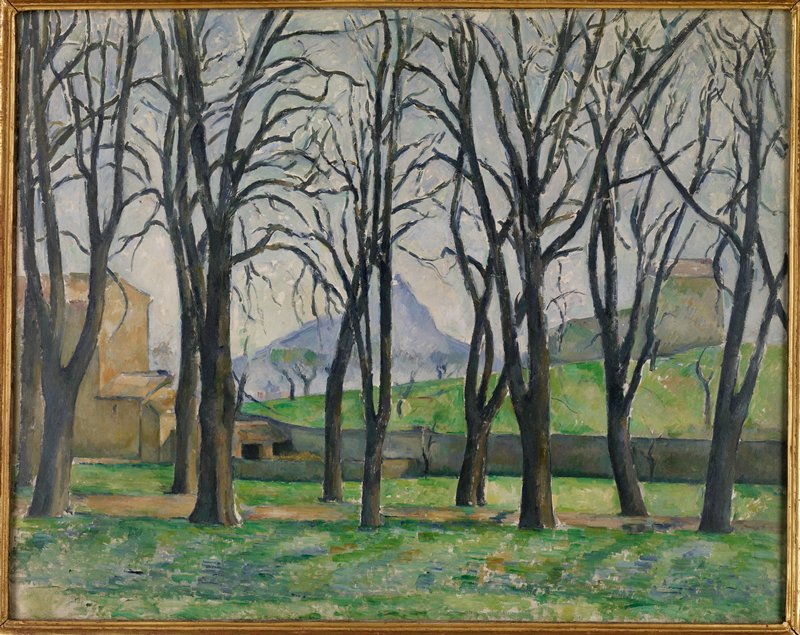
Chestnut Trees at Jas de Bouffan, Paul Cézanne, c. 1885–86

Paul Cézanne

Chestnut Trees at Jas de Bouffan, c. 1885–86

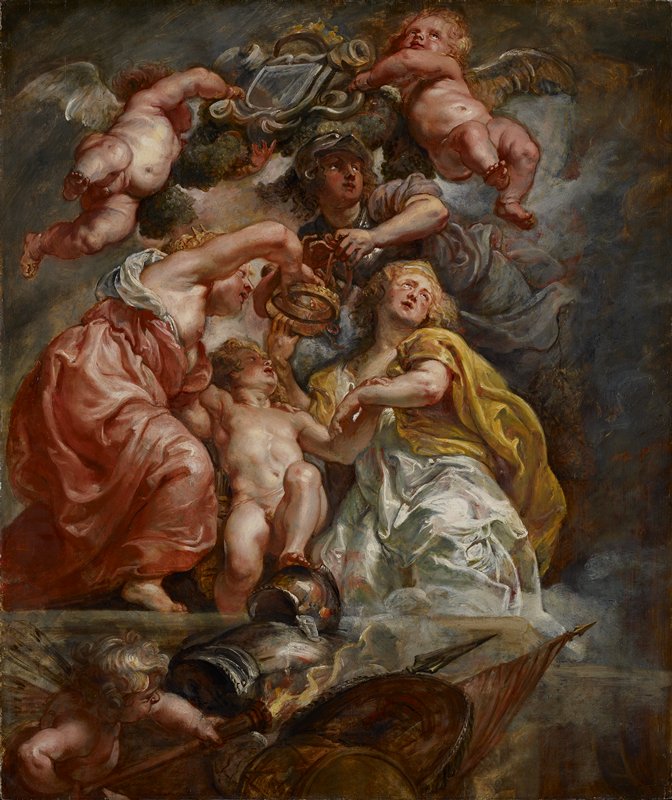
The Union of England and Scotland (Charles I as the Prince of Wales), Peter Paul Rubens, 1633–34

Peter Paul Rubens

The Union of England and Scotland (Charles I as the Prince of Wales), 1633–34