ART WIKI33,040 on view
MapCollectionArtistsMuseumsExhibitionsJournal
Sign in

ART WIKI

Where the masterpiece hangs, and when they let you in.

Collections: Art Institute of Chicago, Getty Villa, Harvard Art Museums, Hirshhorn Museum and Sculpture Garden, J. Paul Getty Museum, Minneapolis Institute of Art, Musée du Louvre, National Gallery of Art, National Museum of Asian Art, National Portrait Gallery (Smithsonian), Pushkin State Museum of Fine Arts, Rijksmuseum, Smithsonian American Art Museum, SMK — National Gallery of Denmark, State Hermitage Museum, State Russian Museum, The Cleveland Museum of Art, The Metropolitan Museum of Art, The Museum of Modern Art, Tretyakov Gallery, Victoria and Albert Museum, Whitney Museum of American Art, State Catalogue of the Museum Fund of Russia (274 museums), Europeana (19 museums), Wikidata (6 museums), Paris Musées (12 museums), and Joconde, the French Ministry of Culture's museum database (495 museums). Images belong to their rights holders.

Sections

  • Map
  • Search
  • Collection
  • Masterpieces
  • On view now
  • Artists

More

  • Museums & galleries
  • Exhibitions
  • Journal
  • Where the data comes from
  • Privacy & cookies
HomeMapBrowse
  1. Collection/
  2. Minneapolis Institute of Art/
  3. Lions
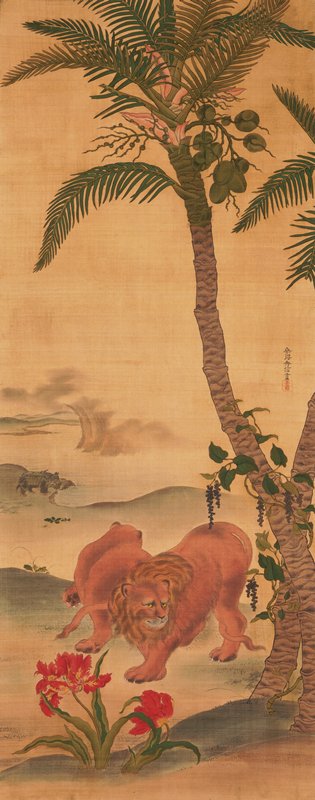
Lions, Kano Sōtoku, 1830s
KKano SōtokuJapanese

Lions

1830s · Painting

May one see it?

Not receiving at present

Minneapolis Institute of Art

Minneapolis, United States

It belongs to the collection, but is not on display at present.

Checked
9 days ago
In this state since
Sep 25, 2026
Source
The museum
On the mapMuseum page

About the painting

Two lions roam a tropical landscape, framed by a coconut tree and strange red and purple flowers. In the background, a rhinoceros lingers by the water. Even while communication and trade between the rest of the world and Japan was highly restricted, the Japanese were eager to learn about life beyond the seas. Dutch traders brought Western publications, such as Johann Jonston’s Historiae naturalis de quadrupedibus libri (1650), to Japan. Printed, translated versions of the books were disseminated through Japanese publishers and became popular among artists, who often used illustrations in Western books as models for paintings and drawings. While we do not know the source of the lions, the rhinoceros’s source is clear. Though small in scale, the creature resembles that of German painter and printmaker Albrecht Dürer’s woodcut from 1515.

Read on

Dürer never saw a real rhinoceros; instead, he based his illustration on written descriptions. The image was reproduced repeatedly within Europe in prints and books, including Jonston’s Historiae naturalis. First presented as a gift to the fourth shogun, Tokugawa Ietsuna, in 1663, Historiae naturalis was kept in the library until the eighth shogun, Yoshimune, rediscovered it.

Enea Vico

Italian, 1523–1567

16th century

Rhinoceros, 1548

Engraving

The William M. Ladd Collection

Gift of Herschel V. Jones, 1916 P.468

Minneapolis Institute of Art

Particulars

Accession number
2013.29.5

In the catalog

PaintingsInkJapanese paintingRomanticism19th centuryKanoJapan

Sources

  • Minneapolis Institute of Art
  • Image: Minneapolis Institute of Art — public domain
Neighbors at Minneapolis Institute of Art

Museum page
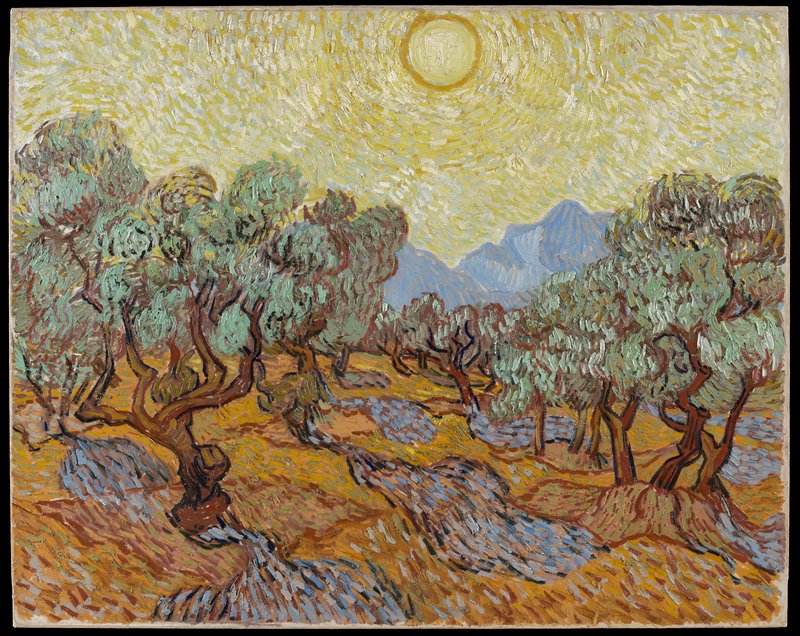
Olive Trees, Vincent van Gogh, 1889

Vincent van Gogh

Olive Trees, 1889

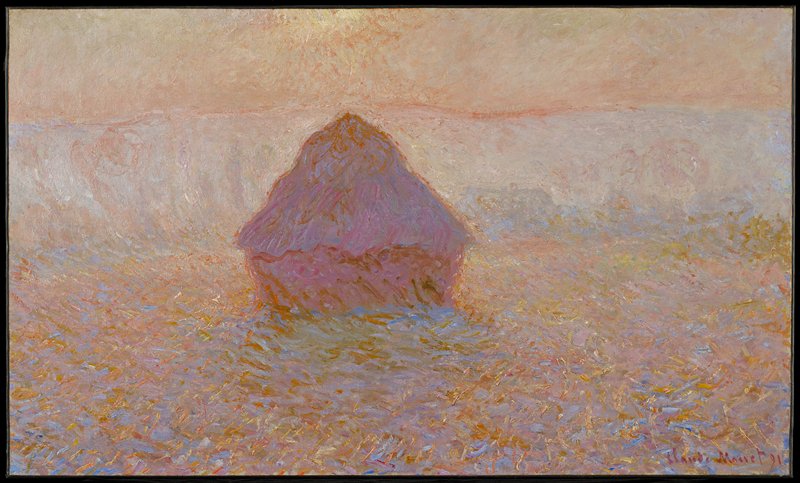
Grainstack, Sun in the Mist, Claude Monet, 1891

Claude Monet

Grainstack, Sun in the Mist, 1891

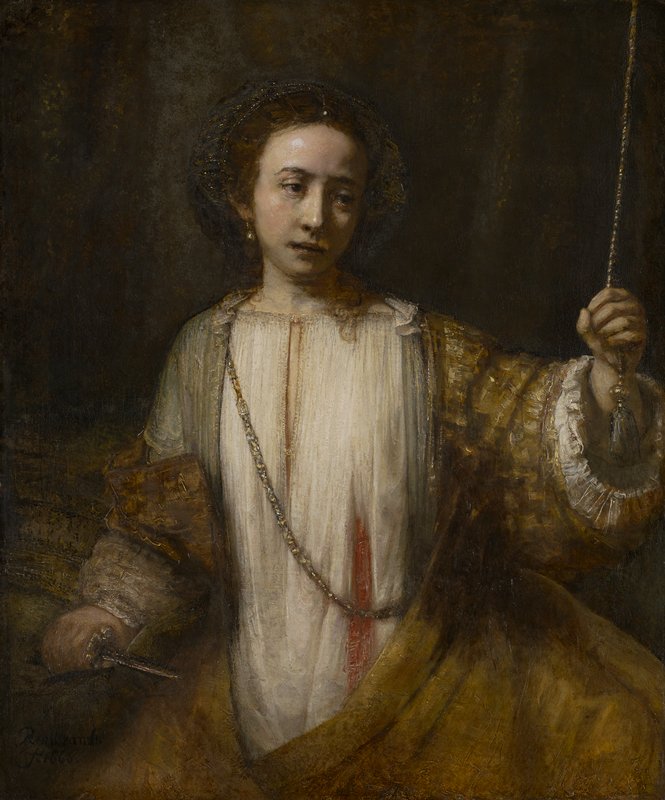
Lucretia, Rembrandt van Rijn, 1666

Rembrandt van Rijn

Lucretia, 1666

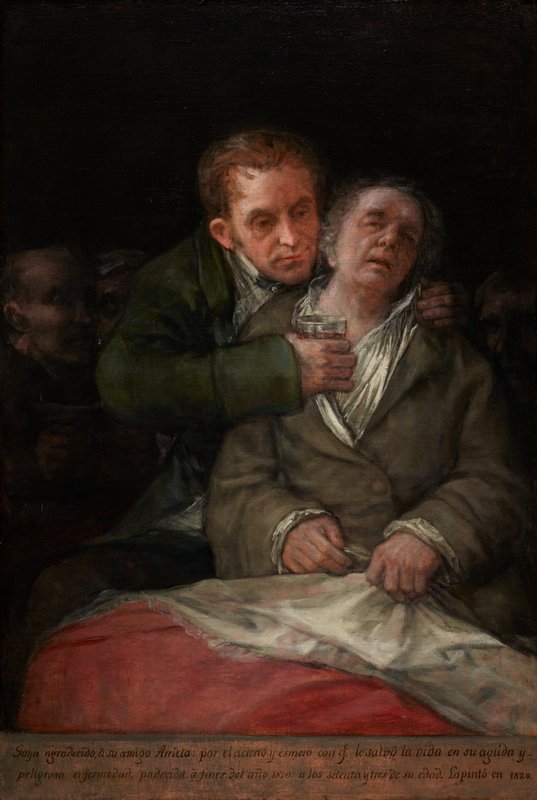
Self-Portrait with Dr. Arrieta, Francisco José de Goya y Lucientes, 1820

Francisco de Goya

Self-Portrait with Dr. Arrieta, 1820

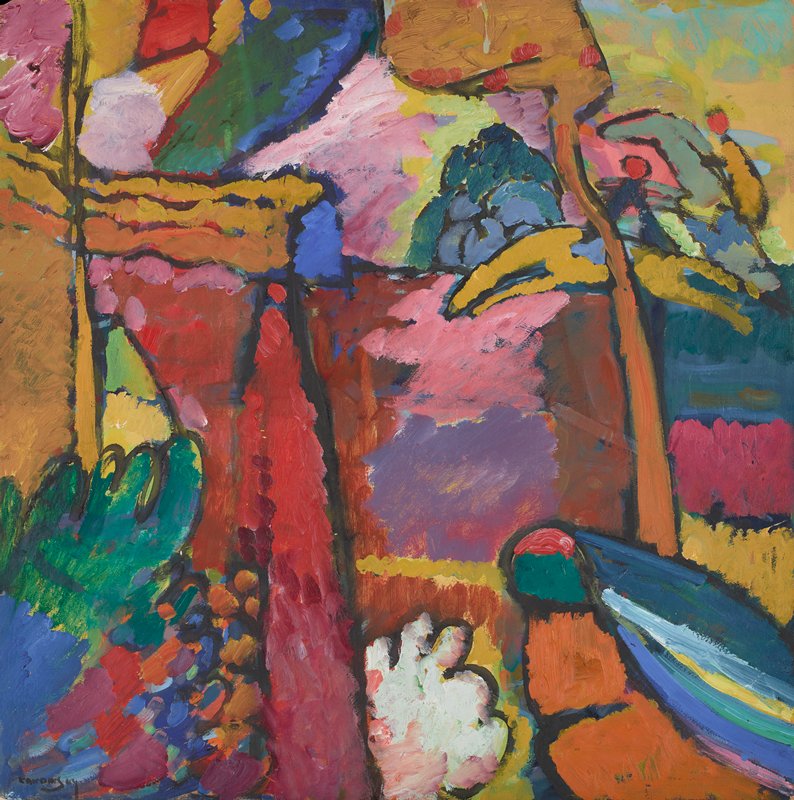
Study for Improvisation V, Vassily Kandinsky, 1910

Vasily Kandinsky

Study for Improvisation V, 1910

Tahitian Landscape, Paul Gauguin, 1891

Paul Gauguin

Tahitian Landscape, 1891

Chestnut Trees at Jas de Bouffan, Paul Cézanne, c. 1885–86

Paul Cézanne

Chestnut Trees at Jas de Bouffan, c. 1885–86

The Union of England and Scotland (Charles I as the Prince of Wales), Peter Paul Rubens, 1633–34

Peter Paul Rubens

The Union of England and Scotland (Charles I as the Prince of Wales), 1633–34