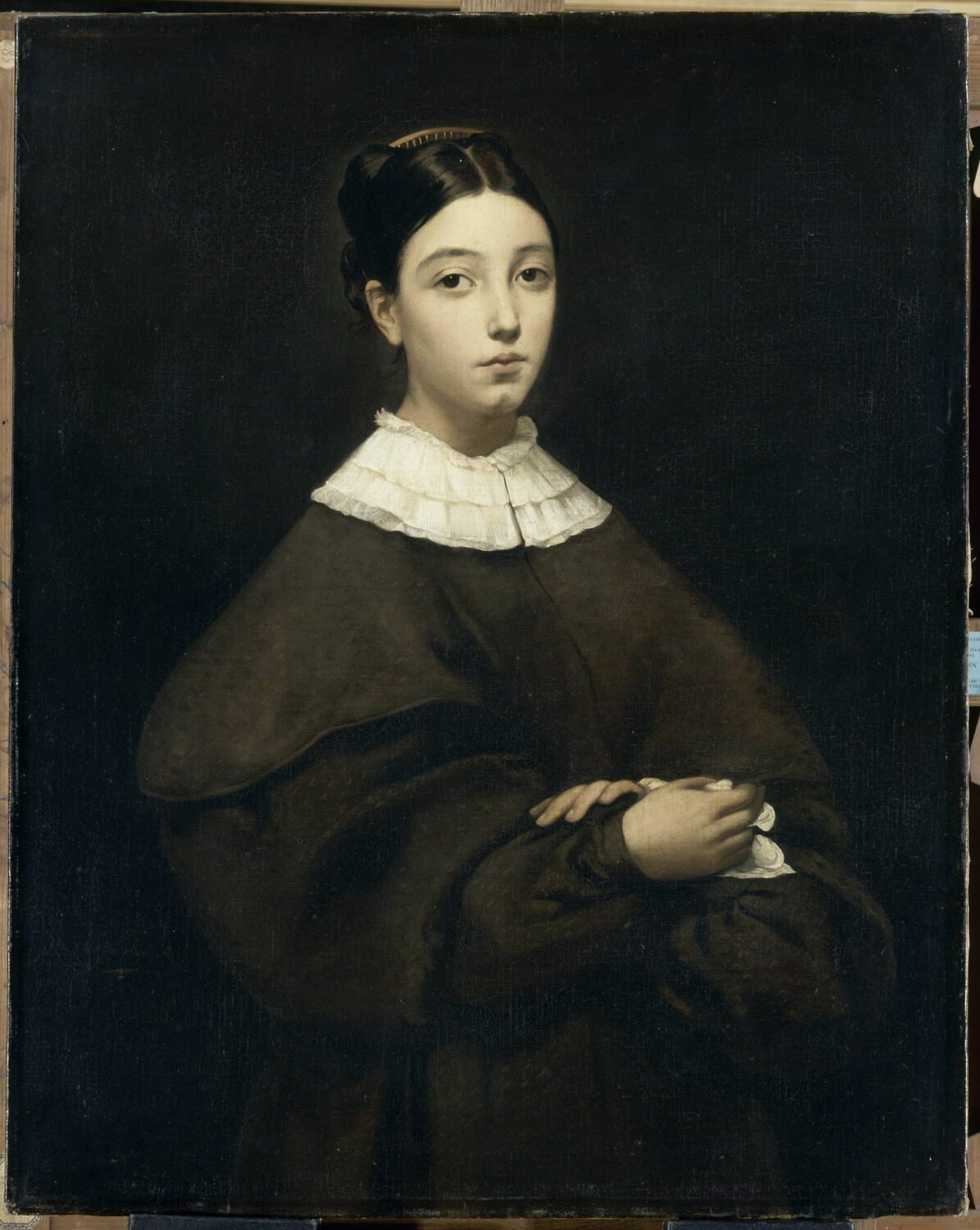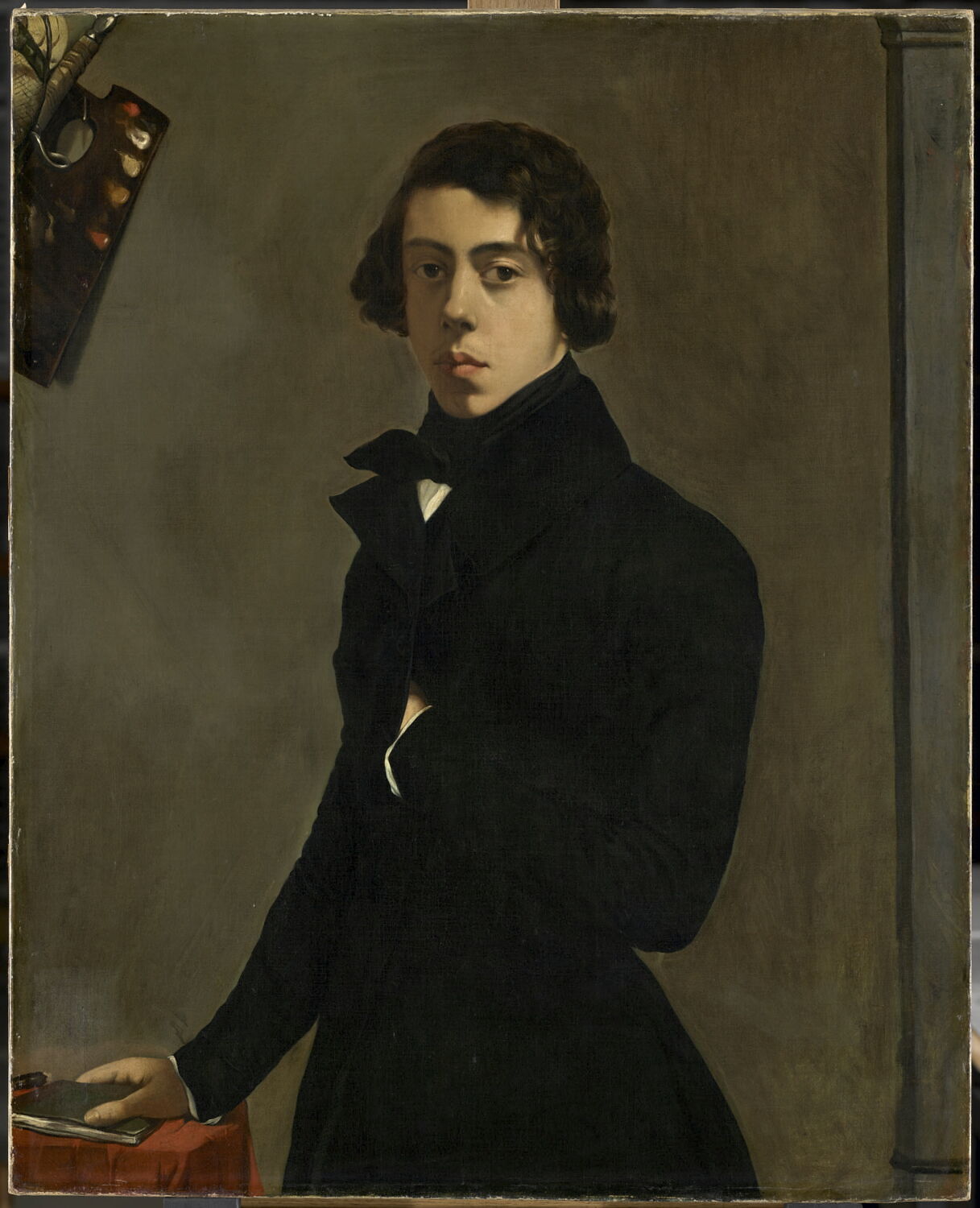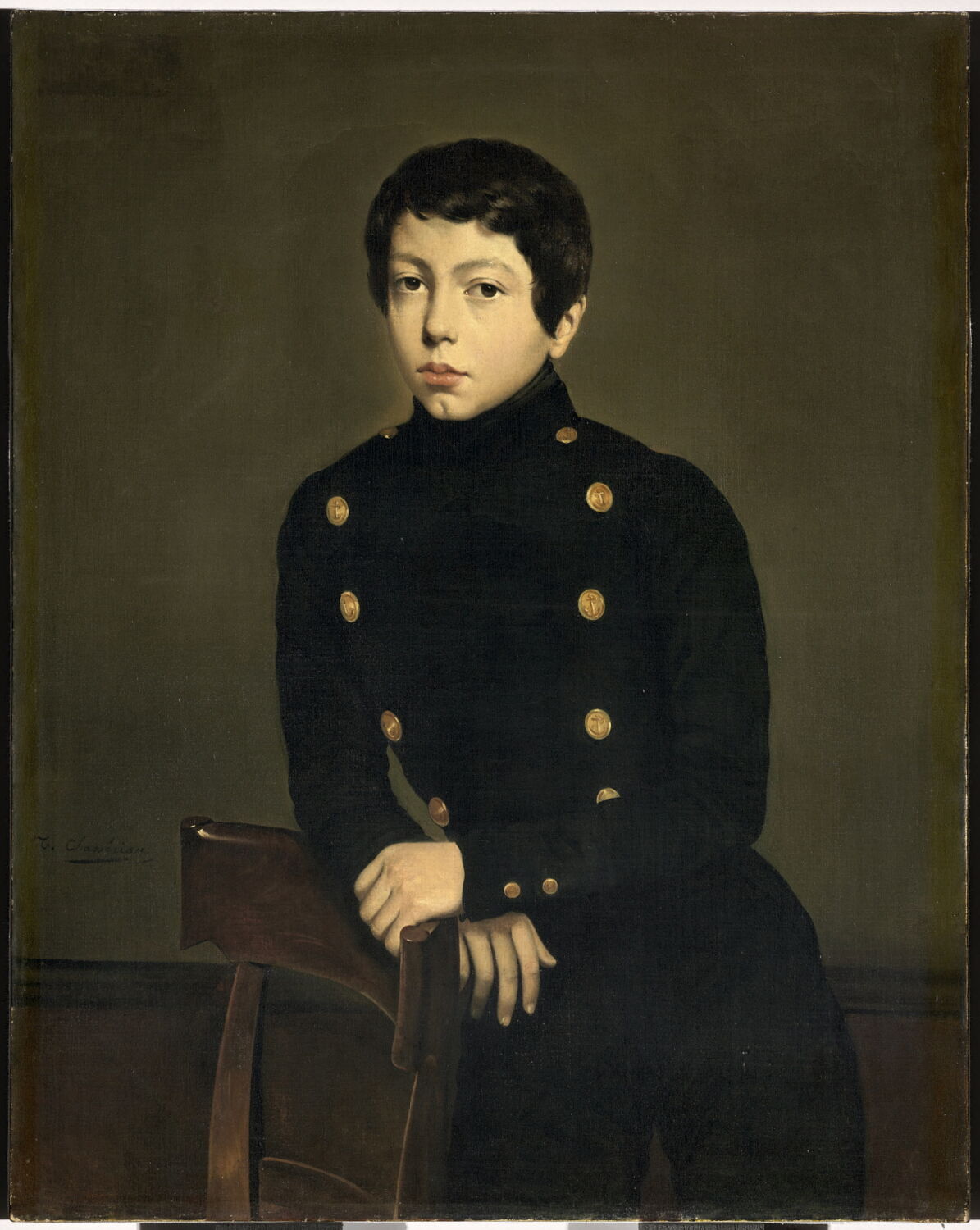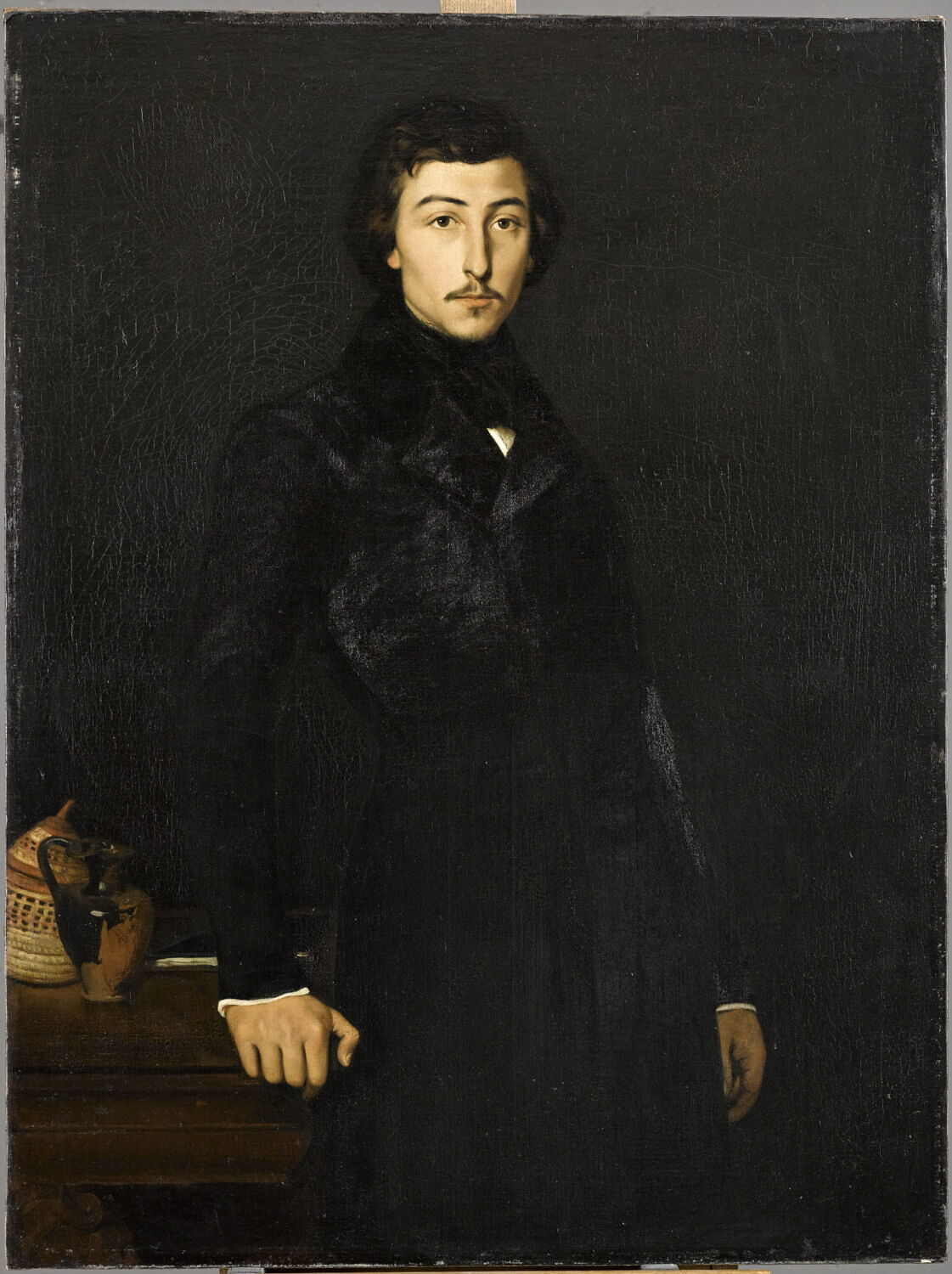
 Théodore ChassériauFrench, 1819–1856
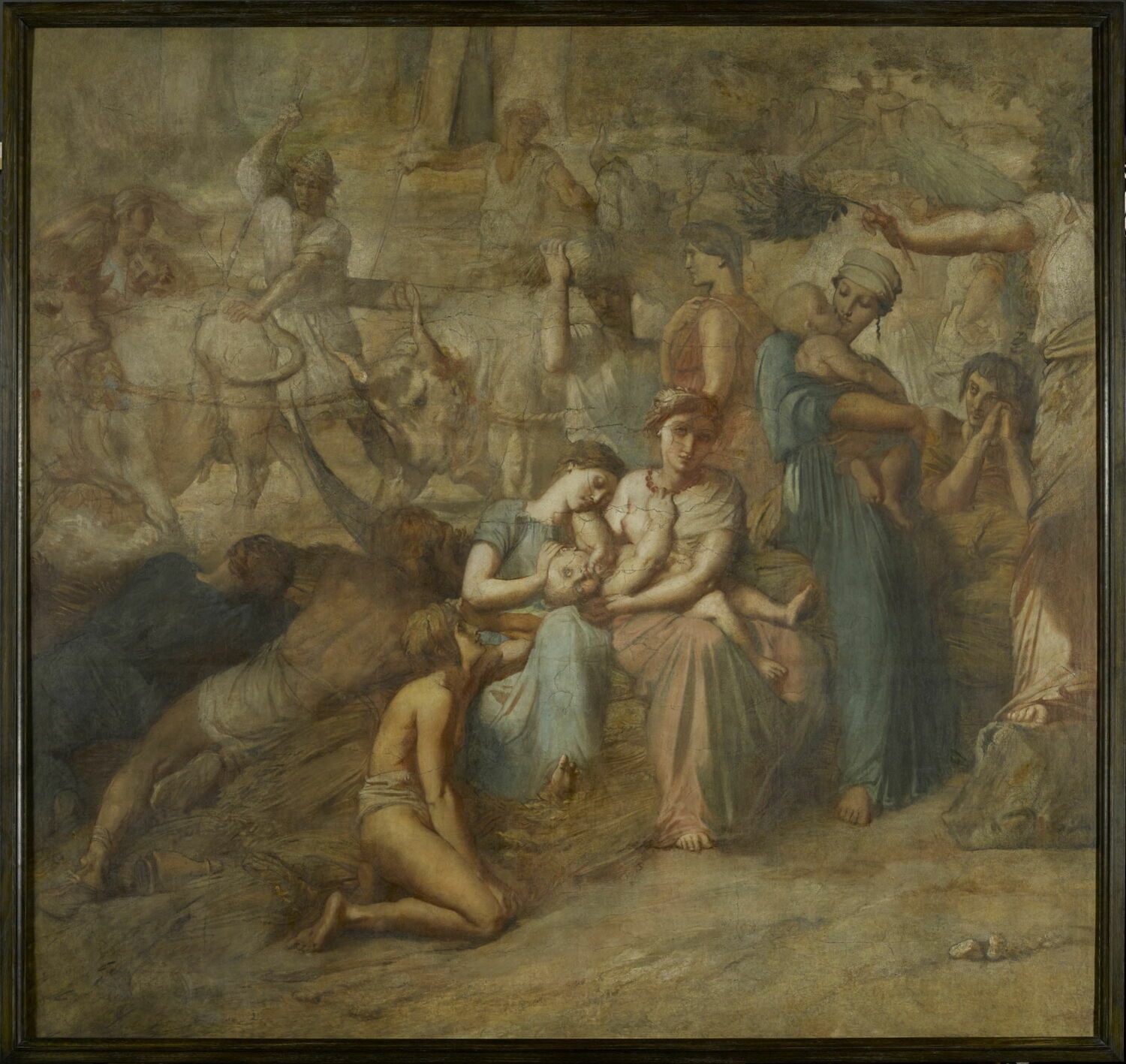
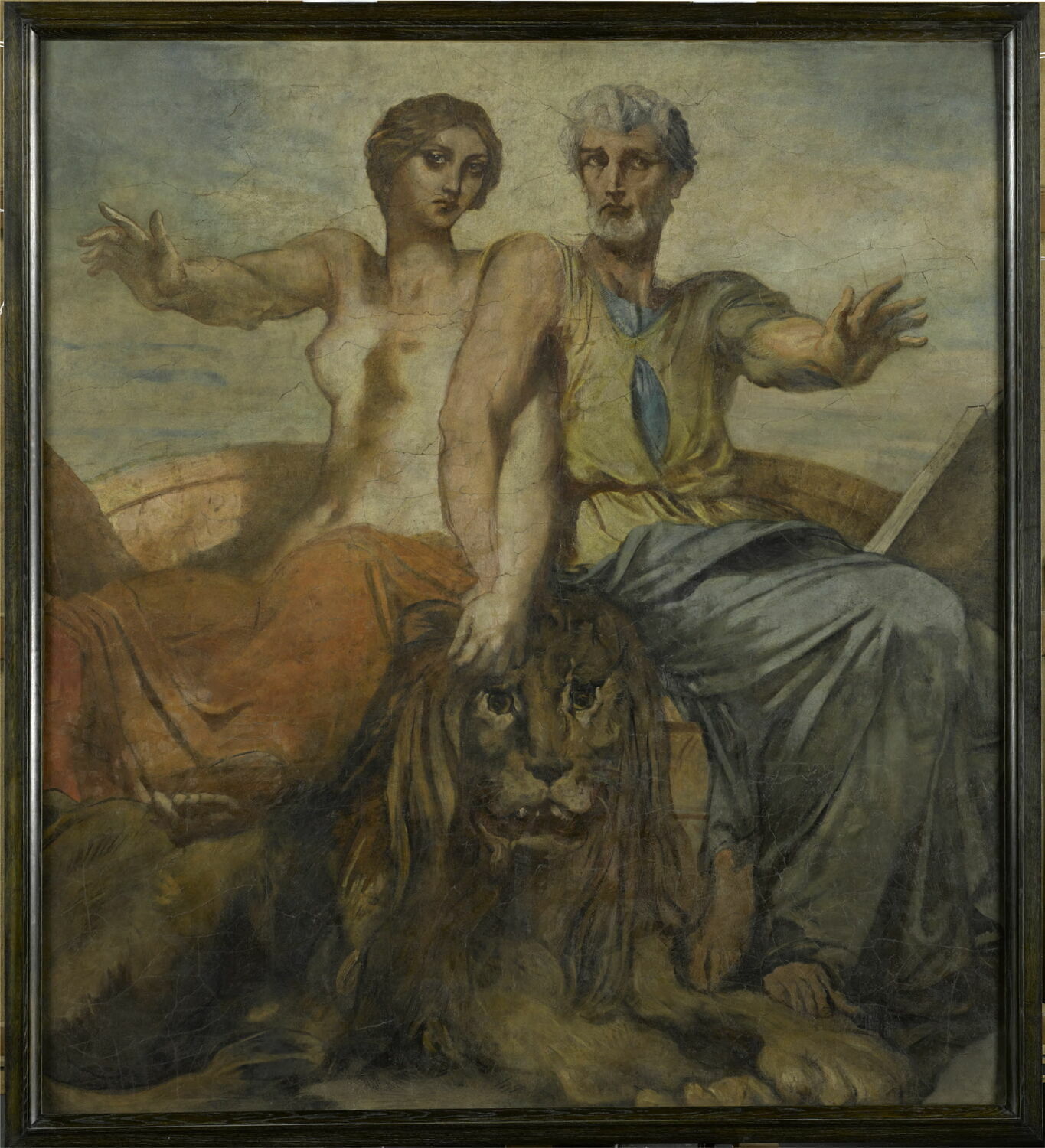
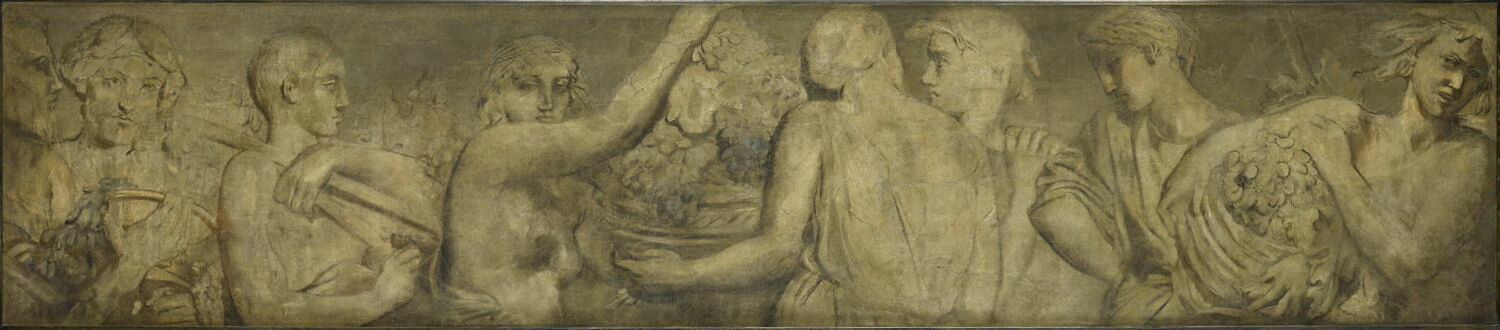
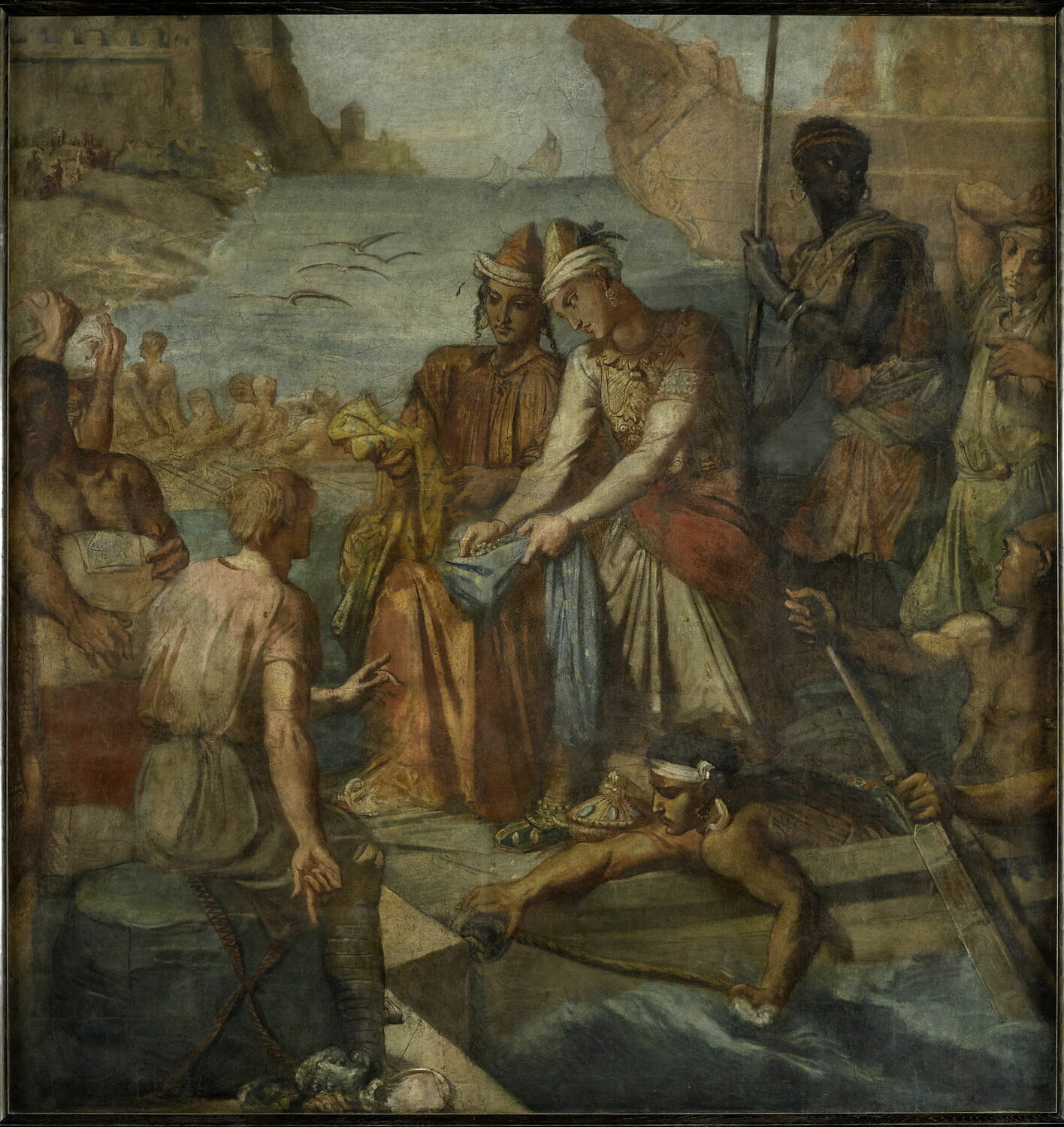
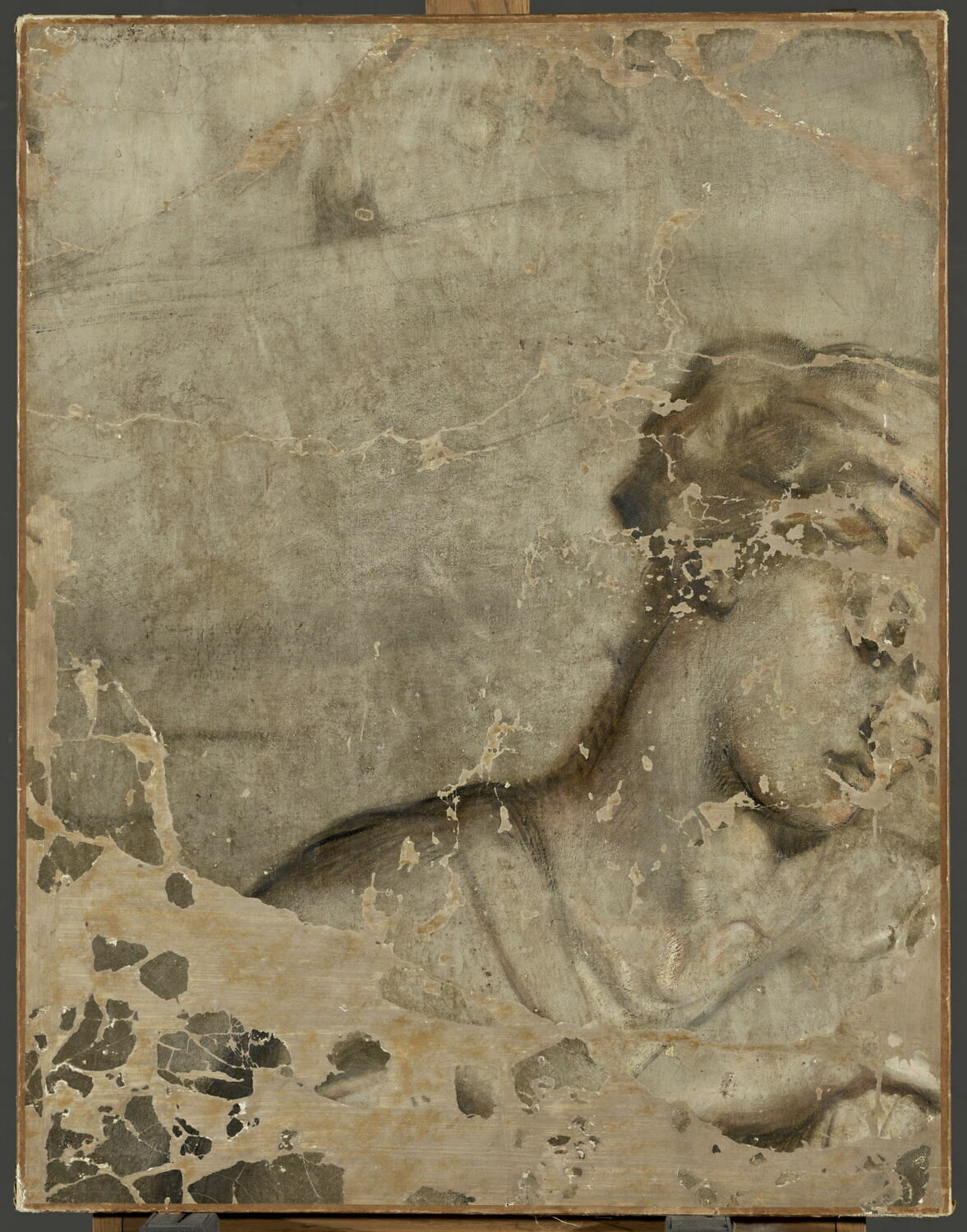
L'Étude. Grisaille.
Can I see it?
Not on view at present
Where is “L'Étude. Grisaille.” now? Collection: Musée du Louvre, Paris. Not on view at present. Checked September 26, 2026.

Paris, France
It belongs to the collection, but is not on display at present.
- Checked
- In this state since
- Source
- The museum
Details
- Accession number
- INV 20015
In the catalog
Sources
- Musée du Louvre
- Image: Musée du Louvre — © 2020 GrandPalaisRmn (musée du Louvre) / Adrien Didierjean
In the life of Théodore Chassériau
The whole life1830
Enters the studio of Ingres at eleven
At the age of eleven he is accepted into the studio of Jean-Auguste-Dominique Ingres and becomes the favourite pupil of the great classicist, who regards him as his truest disciple. According to an account that may be apocryphal, Ingres declared that this child would be the “Napoleon of painting”.
after 1834
Ingres leaves for Rome; Chassériau is drawn to Delacroix
When Ingres leaves Paris in 1834 to become director of the French Academy in Rome, Chassériau falls under the influence of Eugène Delacroix, whose painterly colorism was anathema to Ingres.
1836
First Salon and a third-place medal
He exhibits for the first time at the Paris Salon and is awarded a third-place medal in the category of history painting.
1840
Trip to Italy and the break with Ingres
In 1840 Chassériau travels to Rome and meets Ingres, whose bitterness at the direction his student’s work is taking leads to a decisive break. In Italy he makes landscape sketches, studies Renaissance frescoes and visits Pompeii.
1845
Colossal portrait of Ali-Ben-Hamet at the Salon
He exhibits at the Salon the colossal portrait “Ali-Ben-Hamet, Caliph of Constantine and Chief of the Haractas, Followed by his Escort”; critics’ reviews are equivocal.
1846
First trip to Algeria
He makes his first trip to Algeria; from the sketches made on this and subsequent trips he later paints his Orientalist subjects.