ART WIKI32,979 on view
MapCollectionArtistsMuseumsExhibitionsJournal
Sign in

ART WIKI

Where the masterpiece hangs, and when they let you in.

Collections: Art Institute of Chicago, Getty Villa, Harvard Art Museums, Hirshhorn Museum and Sculpture Garden, J. Paul Getty Museum, Minneapolis Institute of Art, Musée du Louvre, National Gallery of Art, National Museum of Asian Art, National Portrait Gallery (Smithsonian), Pushkin State Museum of Fine Arts, Rijksmuseum, Smithsonian American Art Museum, SMK — National Gallery of Denmark, State Hermitage Museum, State Russian Museum, The Cleveland Museum of Art, The Metropolitan Museum of Art, The Museum of Modern Art, Tretyakov Gallery, Victoria and Albert Museum, Whitney Museum of American Art, State Catalogue of the Museum Fund of Russia (274 museums), Europeana (19 museums), Wikidata (6 museums), Paris Musées (12 museums), and Joconde, the French Ministry of Culture's museum database (495 museums). Images belong to their rights holders.

Sections

  • Map
  • Search
  • Collection
  • Masterpieces
  • On view now
  • Artists

More

  • Museums & galleries
  • Exhibitions
  • Journal
  • Where the data comes from
  • Privacy & cookies
HomeMapBrowse
  1. Collection/
  2. Musée du Louvre/
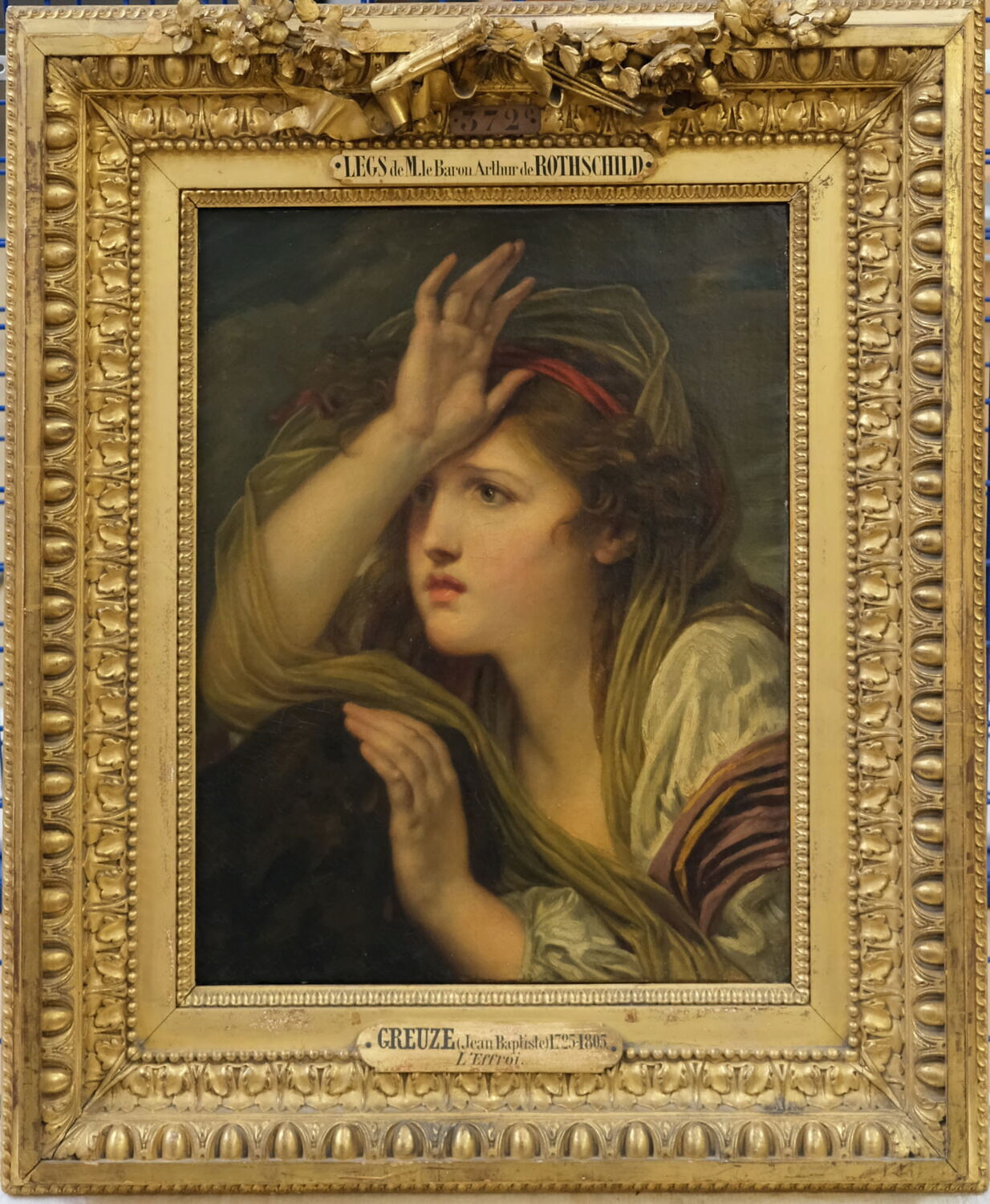
  3. L'Effroi
L'Effroi, Greuze, Jean-Baptiste, 2e moitié du XVIIIe siècle (1750 - 1800)
Jean Baptiste Greuze, portraitJean Baptiste GreuzeFrench, 1725–1805

L'Effroi

second half of the 18th century (1750–1800) · Painting

May one see it?

Not receiving at present

Musée du Louvre

Paris, France

It belongs to the collection, but is not on display at present.

Checked
12 days ago
In this state since
Sep 26, 2026
Source
The museum
On the mapMuseum page

Particulars

second half of the 18th century (1750–1800)
17251805
Accession number
RF 1525

In the catalog

PaintingsFrench paintingRococo18th century

Sources

  • Musée du Louvre
  • Image: Musée du Louvre — © 2025 Musée du Louvre / Département des Peintures

Meanwhile, in the life of Jean Baptiste Greuze

The whole life
  1. 1750

    Follows Grandon to Paris

    Greuze’s father opposed his becoming a painter, but the Lyon portraitist Charles Grandon persuaded him to give way, and the youth became Grandon’s pupil in Lyon; in 1750 he follows his teacher to Paris. At the Royal Academy he studies under Charles-Joseph Natoire, but the two do not get on.

  2. 1755

    The Deceived Blind Man brings him into the Academy

    Greuze exhibits The Deceived Blind Man; presented by the sculptor Pigalle, he is immediately accepted by the Academy as an agréé. He also enjoys the support of the well-known connoisseur La Live de Jully, brother-in-law of Madame d’Épinay.

  3. 1755–1757

    To Italy with Abbé Gougenot

    Towards the close of 1755 Greuze leaves for Italy with Abbé Louis Gougenot, a student of mythology and allegory whom the Academy elected an honorary member during the journey; he undertook it probably to silence those who taxed him with ignorance of great models of style. The trip did more harm than good: the Italian subjects that made up all his contributions to the Salon of 1757 showed he had been put on a false track, and he soon returned to the source of his first inspiration.

  4. 1763

    The Paralytic and the triumph of the Salon of 1763

    Greuze exhibits at the Salons of 1759, 1761 and 1763 with growing success; the high point is The Paralytic (1763), which immediately wins unheard-of fame. The painting is bought by Empress Catherine II on the recommendation of Diderot, one of its most passionate admirers.

  5. 1765

    The Salon of 1765: thirteen paintings and the height of his fame

    At the Salon Greuze is represented by thirteen works, among them Young Girl Weeping for Her Dead Bird, The Good Mother, The Bad Son Punished and The Father’s Curse (the last two now in the Louvre); this is the zenith of his fame. He continues his series of pictures on upbringing and the relations between fathers and children, one of the great questions of the Enlightenment.

  6. 1769

    Admitted to the Academy only as a genre painter

    Wishing to be received as a history painter, Greuze presents the canvas Septimius Severus and Caracalla, exhibited beside his portrait of Jeaurat and the Little Girl with a Black Dog, and suffers a clear fiasco. The Academy accepts him, but only as a genre painter; the director says it respects his former excellent works but has “shut her eyes” to this unworthy canvas.
More by Jean Baptiste Greuze

All works
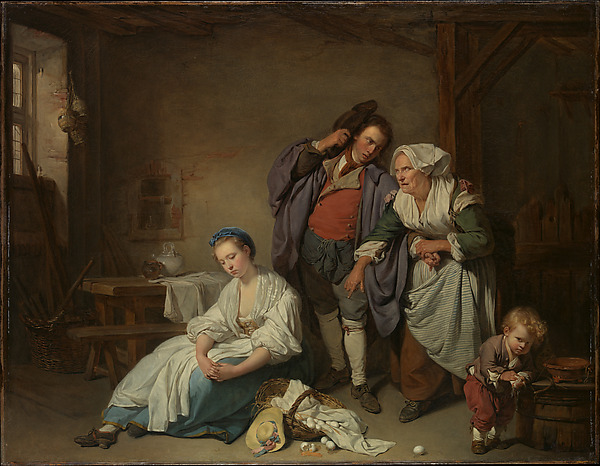
Broken Eggs, Jean-Baptiste Greuze, 1756

Broken Eggs

1756 · The Metropolitan Museum of Art

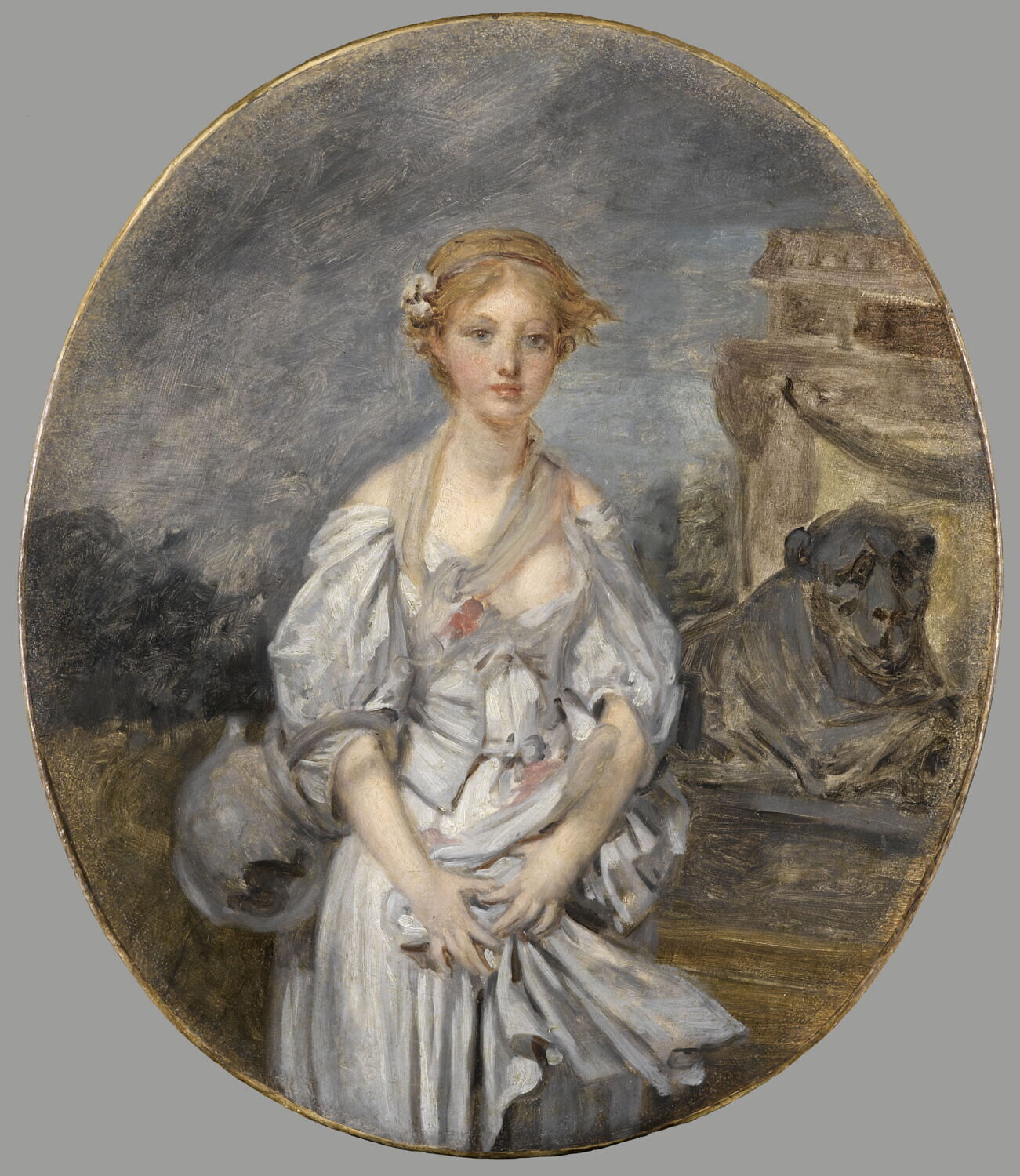
La Cruche cassée. Copie ou esquisse originale d'après le tableau original conservé au Louvre., Greuze, Jean-Baptiste, XVIIIe siècle (1700 - 1800)

La Cruche cassée. Copie ou esquisse originale d'après le tableau original conservé au Louvre.

18th century (1700–1800) · Musée du Louvre

Girl with a Doll, Jean Baptiste Greuze, 1750s

Girl with a Doll

1750s · State Hermitage Museum

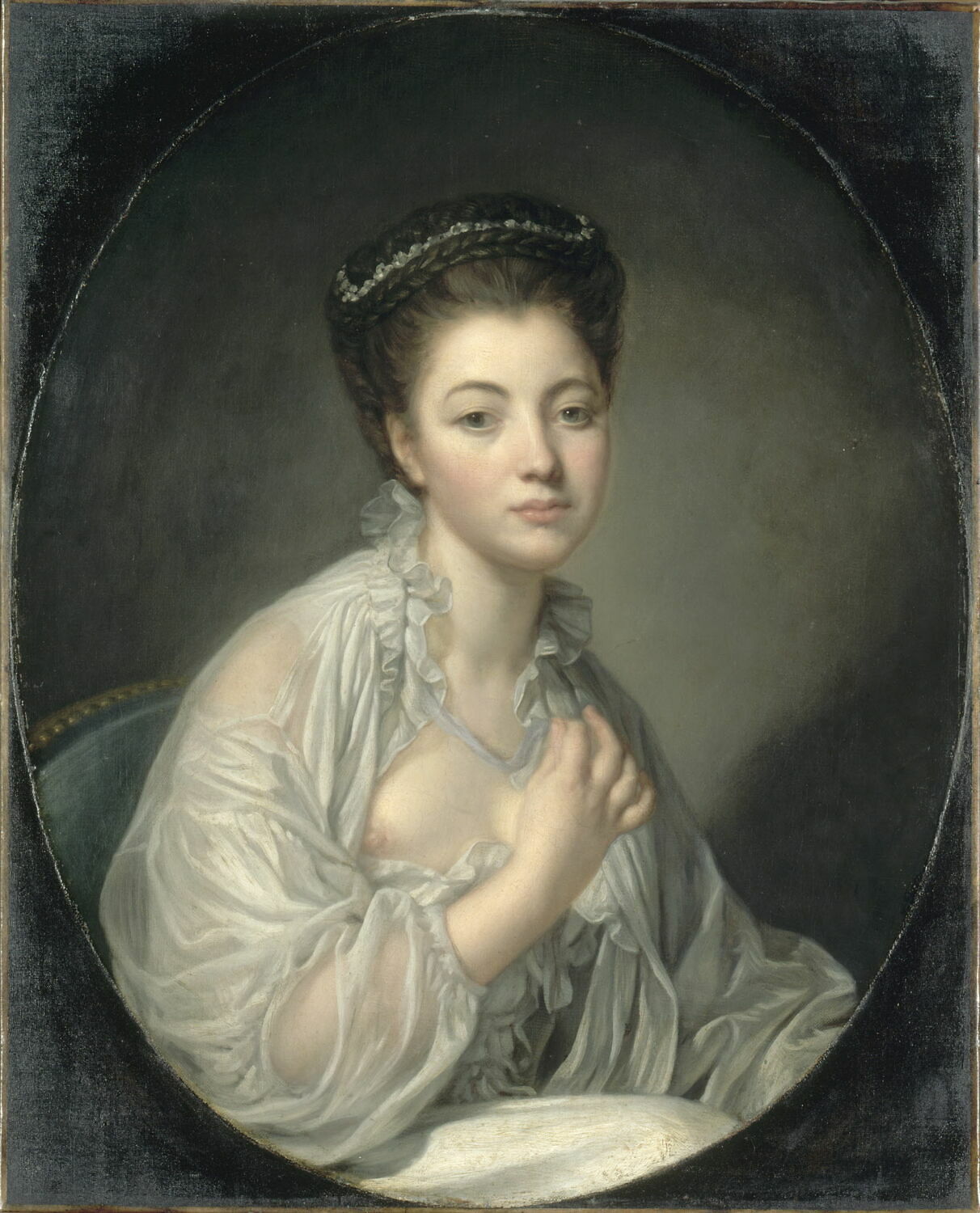
Portrait de jeune femme., Greuze, Jean-Baptiste, 2e moitié du XVIIIe siècle

Portrait de jeune femme.

second half of the 18th century · Musée du Louvre

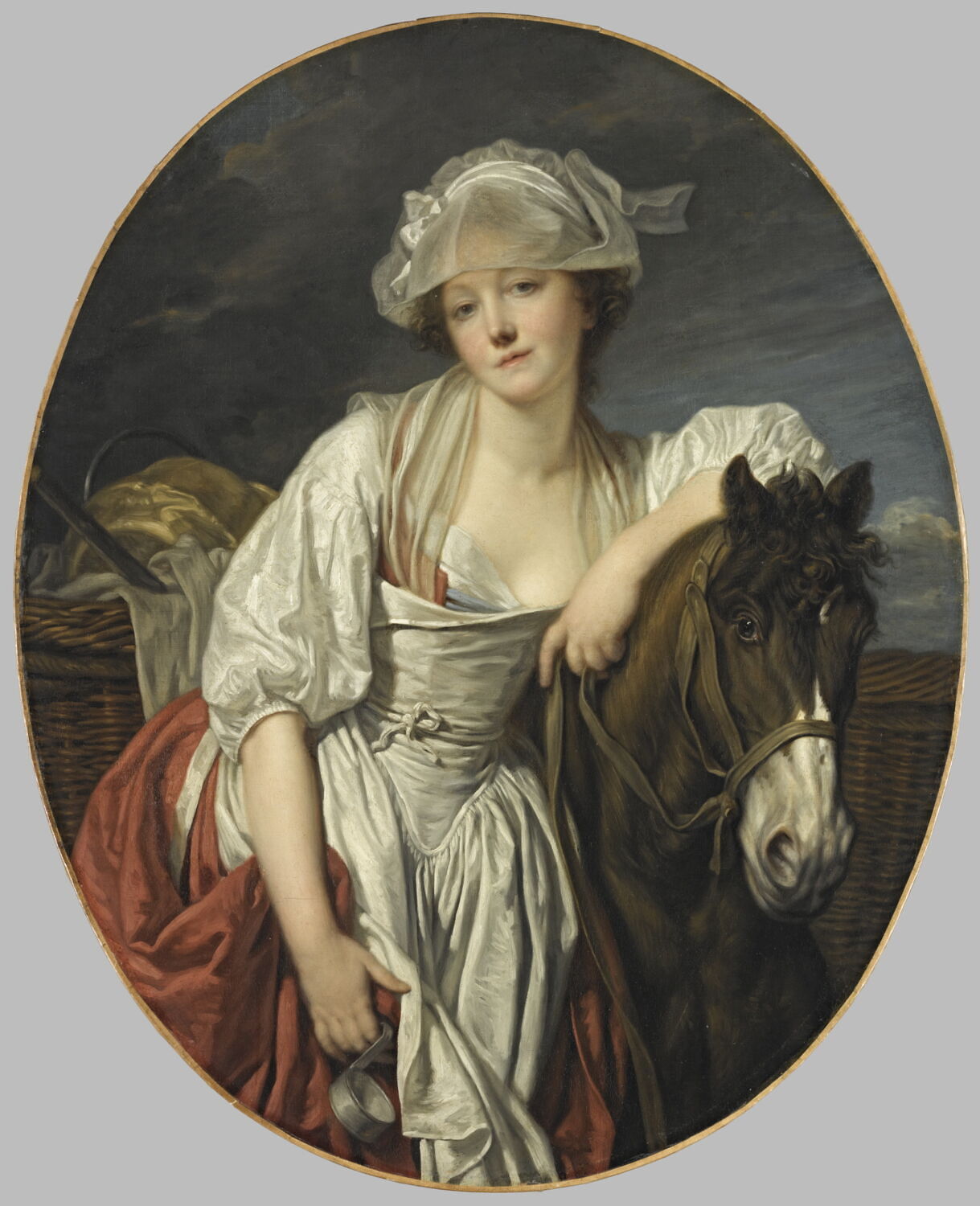
La Laitière., Greuze, Jean-Baptiste, 3e quart du XVIIIe siècle (1750 - 1775)

La Laitière.

third quarter of the 18th century (1750–1775) · Musée du Louvre

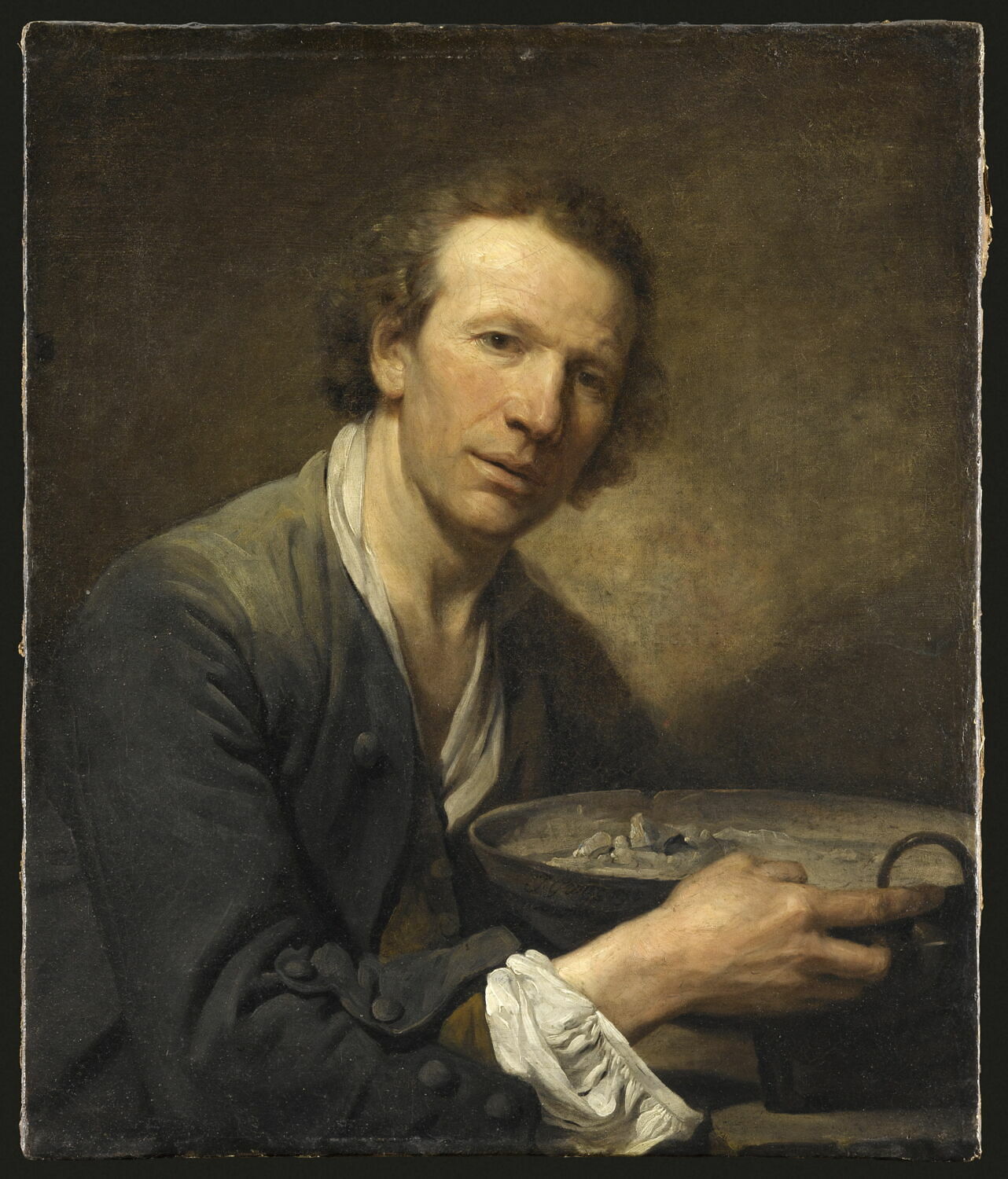
Joseph, modèle de l'Académie, tenant une poêle à feu., Greuze, Jean-Baptiste, 3e quart du XVIIIe siècle (1755)

Joseph, modèle de l'Académie, tenant une poêle à feu.

third quarter of the 18th century (1755) · Musée du Louvre

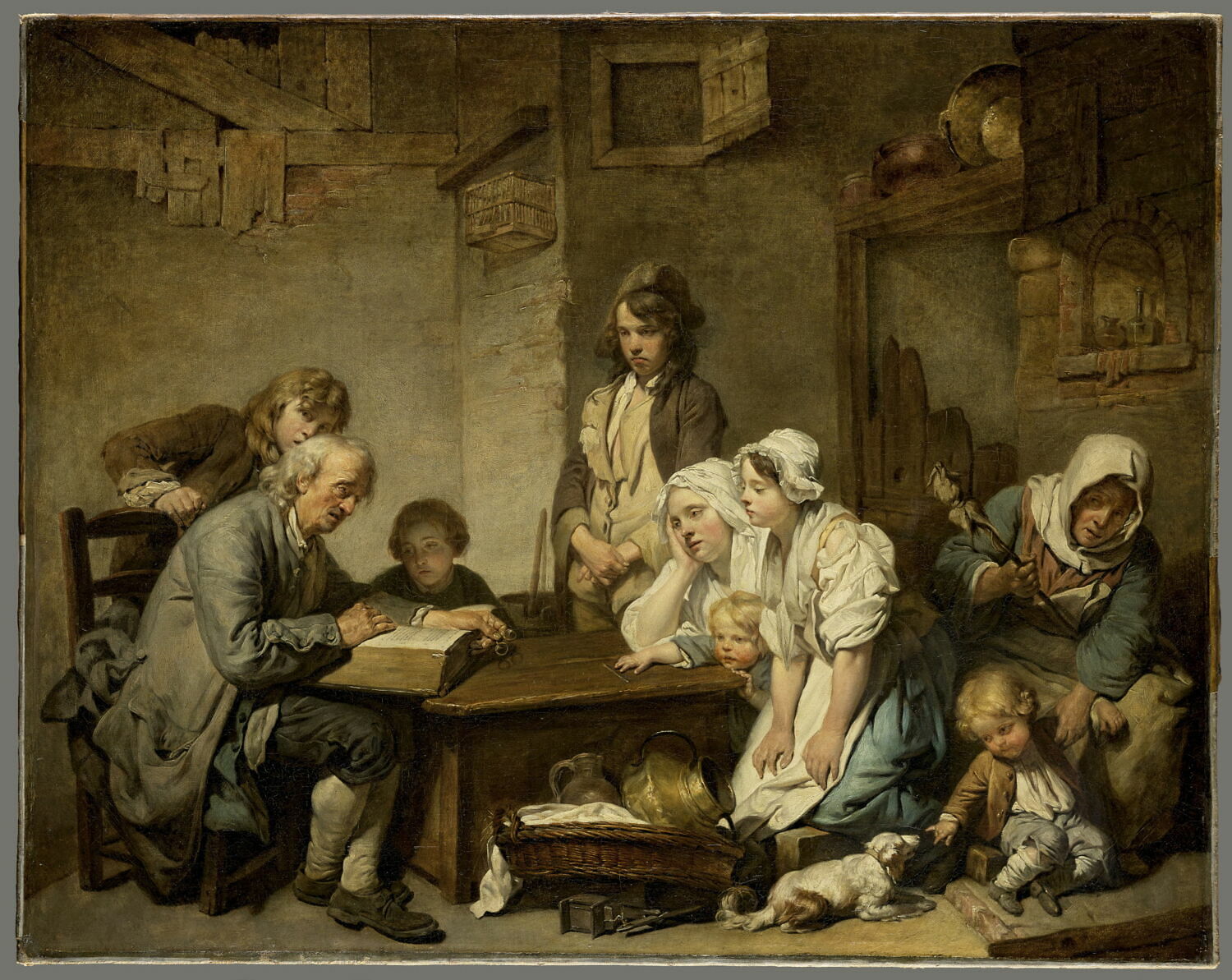
La Lecture de la Bible ( "Un père de famille qui lit la Bible à ses enfants")., Greuze, Jean-Baptiste, 3e quart du XVIIIe siècle (1755)

La Lecture de la Bible ( "Un père de famille qui lit la Bible à ses enfants").

third quarter of the 18th century (1755) · Musée du Louvre

Ange Laurent de La Live de Jully, Jean-Baptiste Greuze, probably 1759

Ange Laurent de La Live de Jully

probably 1759 · National Gallery of Art

Neighbors at Musée du Louvre

Museum page
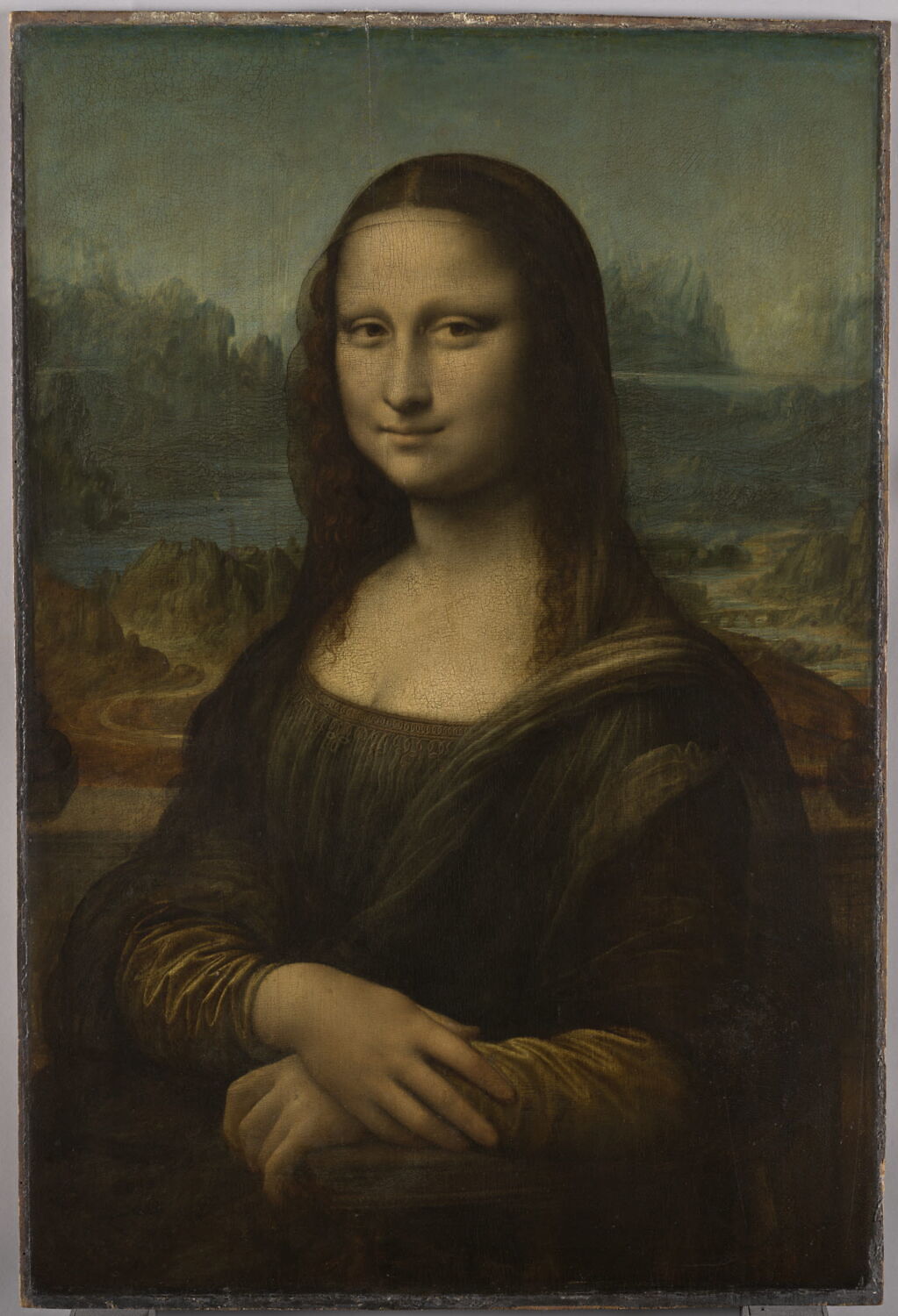
Portrait de Lisa Gherardini, épouse de Francesco del Giocondo, dit La Joconde ou Monna Lisa, Léonard de Vinci, 1e quart du XVIe siècle (1503 - 1519)

Leonardo da Vinci

Mona Lisa, first quarter of the 16th century (1503–1519)

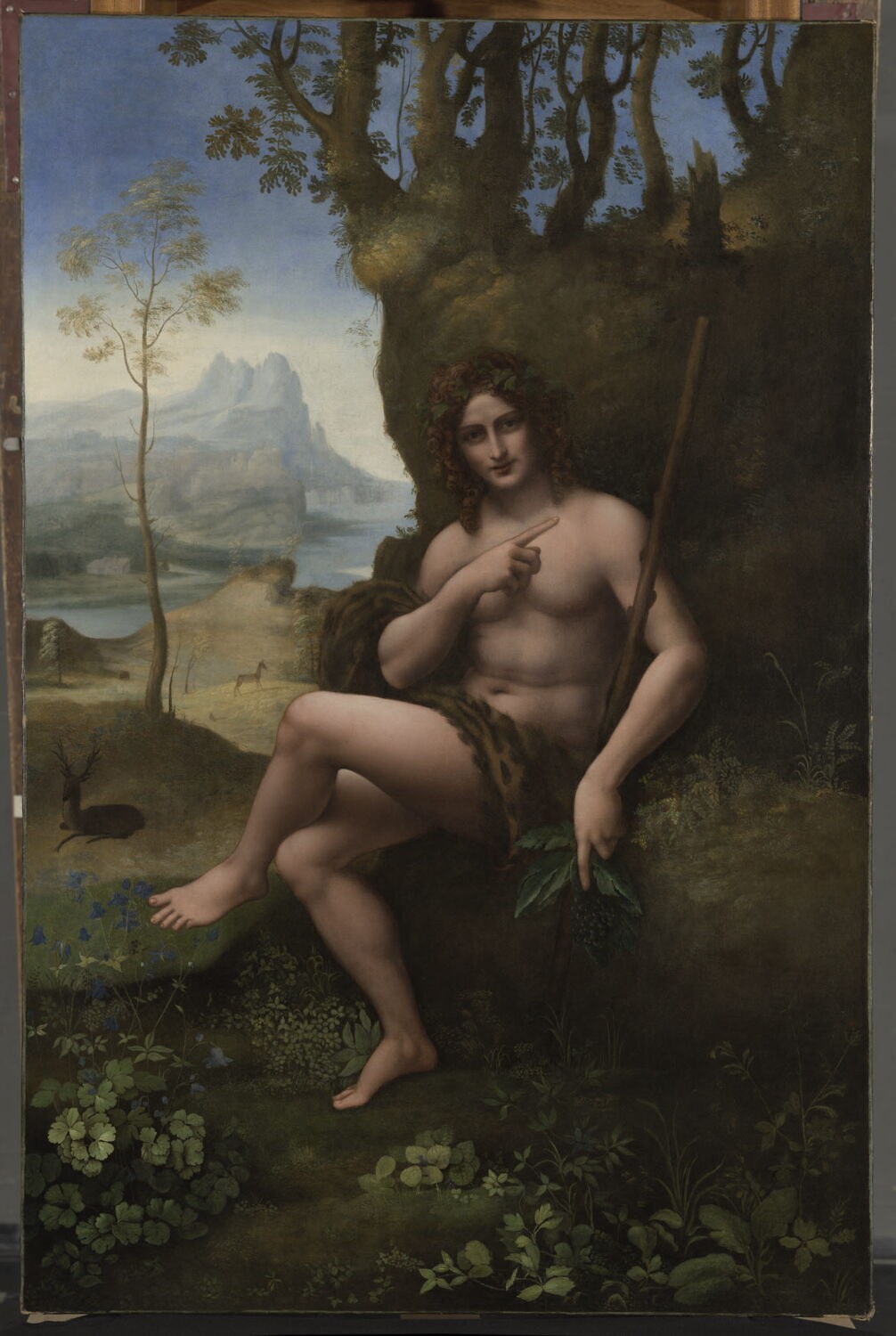
Saint Jean Baptiste, Léonard de Vinci, 1e quart du XVIe siècle (vers 1517 - 1520)

Leonardo da Vinci

Bacchus, first quarter of the 16th century (c. 1517–1520)

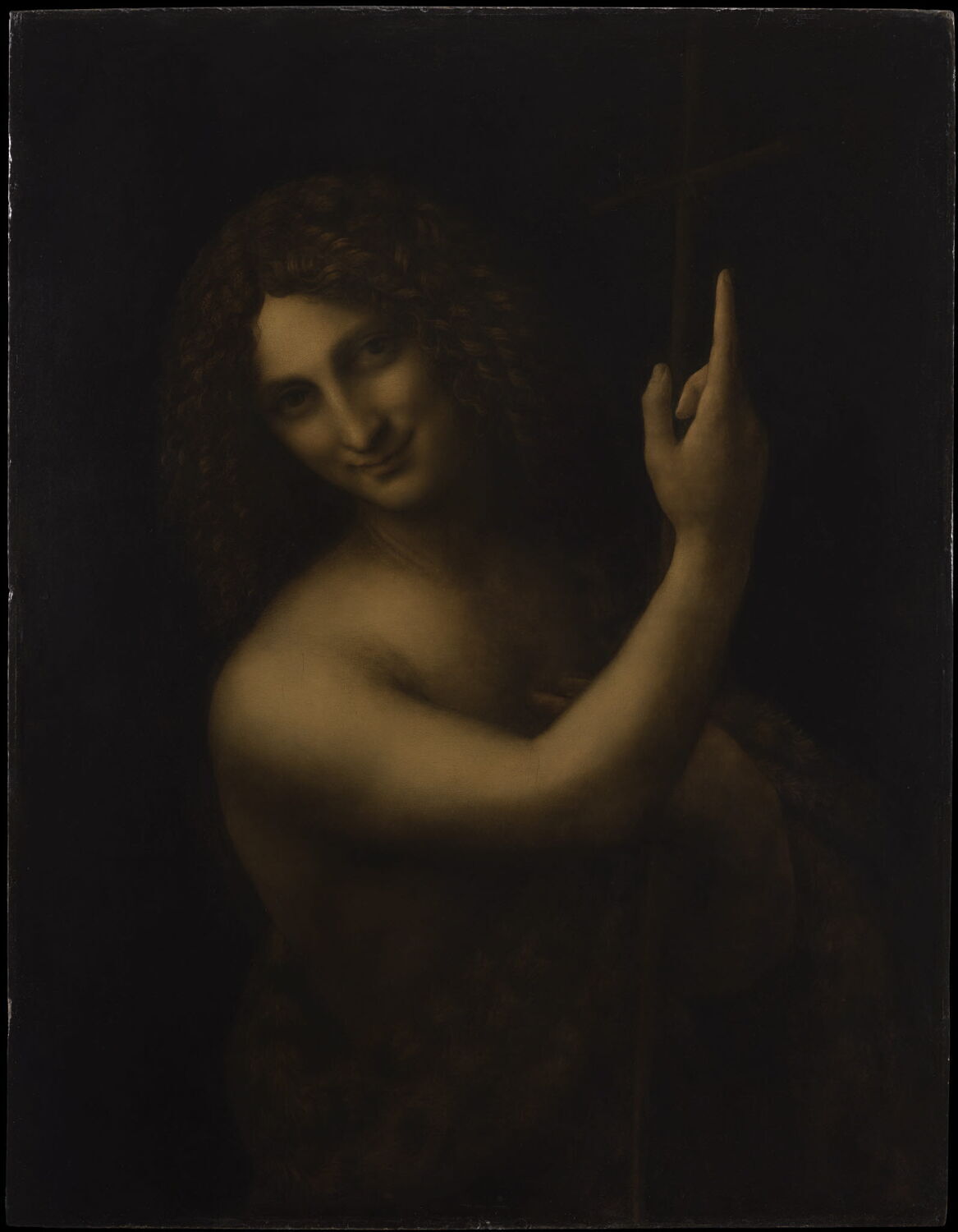
Saint Jean Baptiste, Léonard de Vinci, 1e quart du XVIe siècle (vers 1508 - 1519)

Leonardo da Vinci

Saint John the Baptist, first quarter of the 16th century (c. 1508–1519)

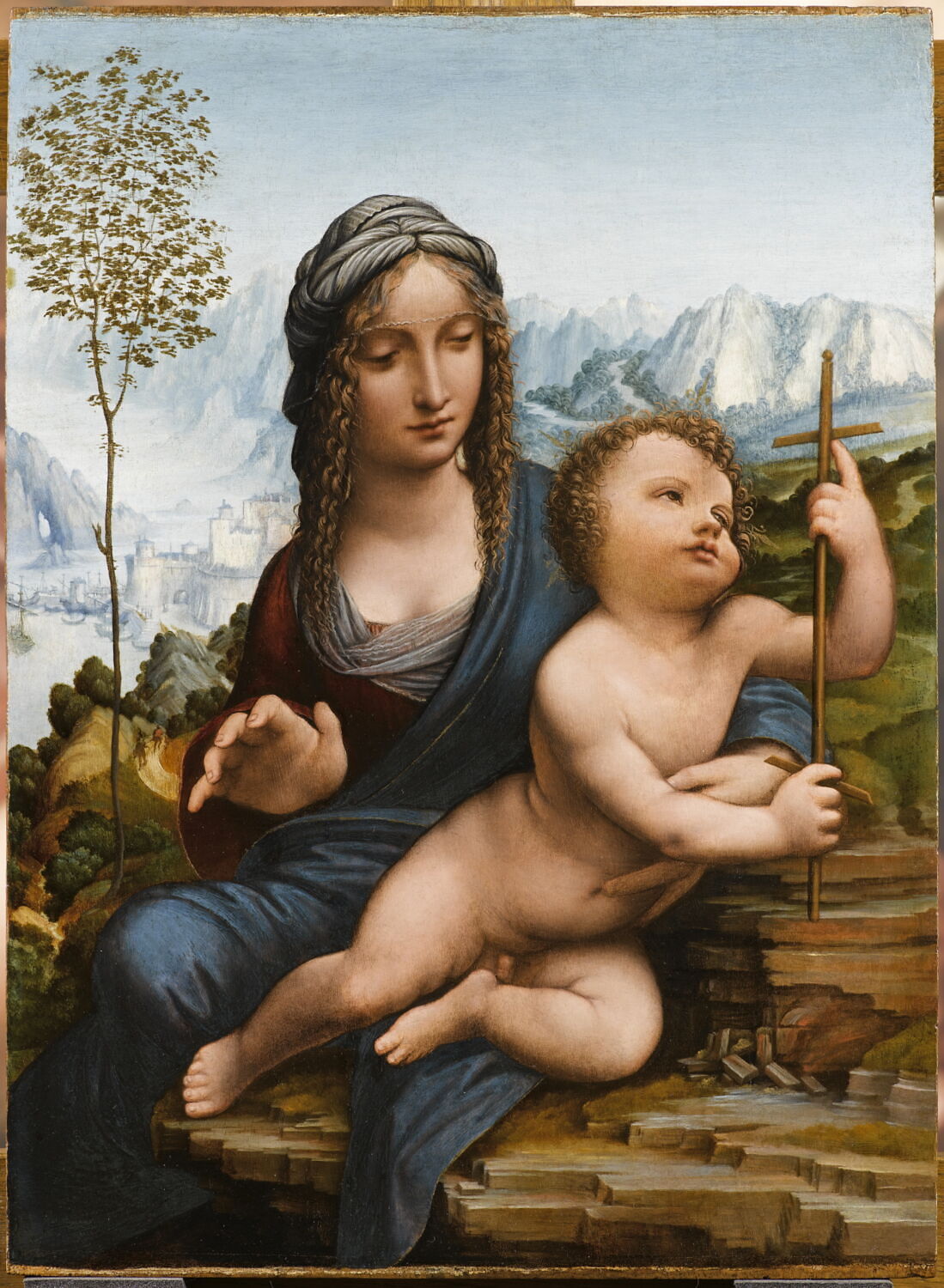
La Vierge et l'Enfant Jésus, dite Vierge au dévidoir ou Vierge aux fuseaux, Léonard de Vinci, XVIe siècle (vers 1505 - 1520)

Leonardo da Vinci

La Vierge et l'Enfant Jésus, dite Vierge au dévidoir ou Vierge aux fuseaux, 16th century (c. 1505–1520)

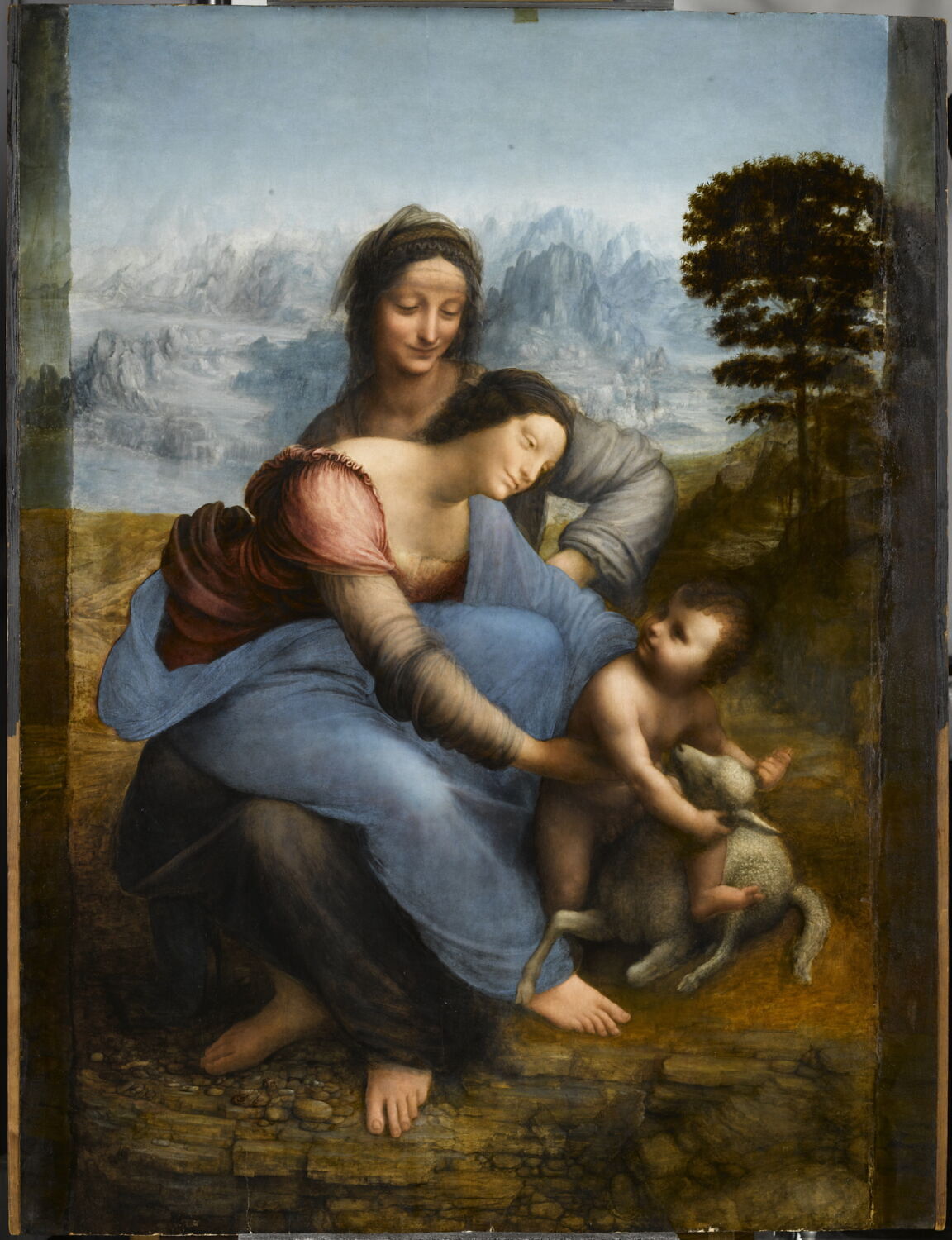
La Vierge, l'Enfant Jésus et sainte Anne, dit La Sainte Anne, Léonard de Vinci, 1e quart du XVIe siècle (vers 1503 - 1519)

Leonardo da Vinci

The Virgin and Child with Saint Anne, first quarter of the 16th century (c. 1503–1519)

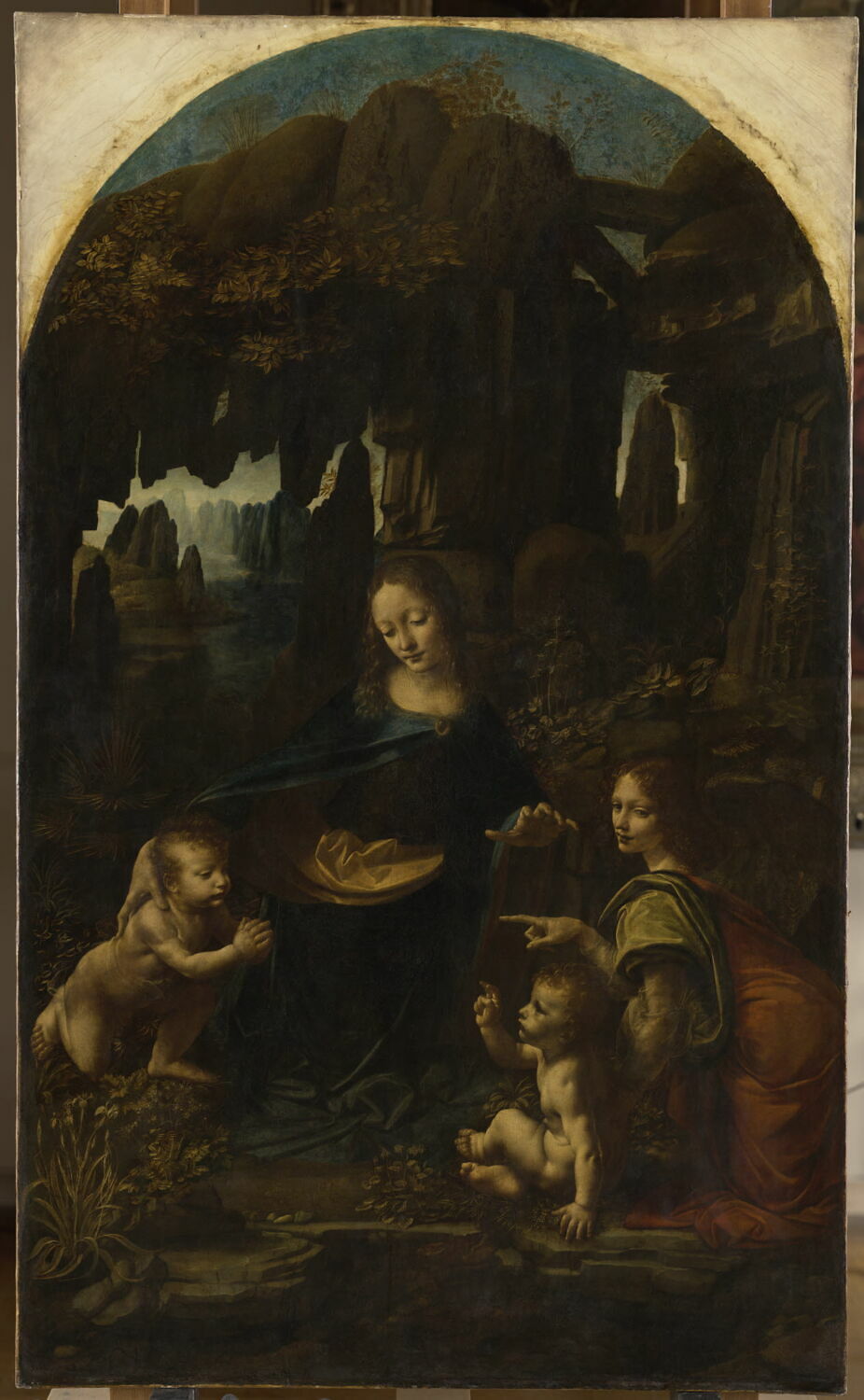
La Vierge, l'Enfant Jésus, saint Jean Baptiste et un ange, dit La Vierge aux rochers, Léonard de Vinci, 4e quart du XVe siècle (vers 1483 - 1494)

Leonardo da Vinci

La Vierge, l'Enfant Jésus, saint Jean Baptiste et un ange, dit La Vierge aux rochers, last quarter of the 15th century (c. 1483–1494)

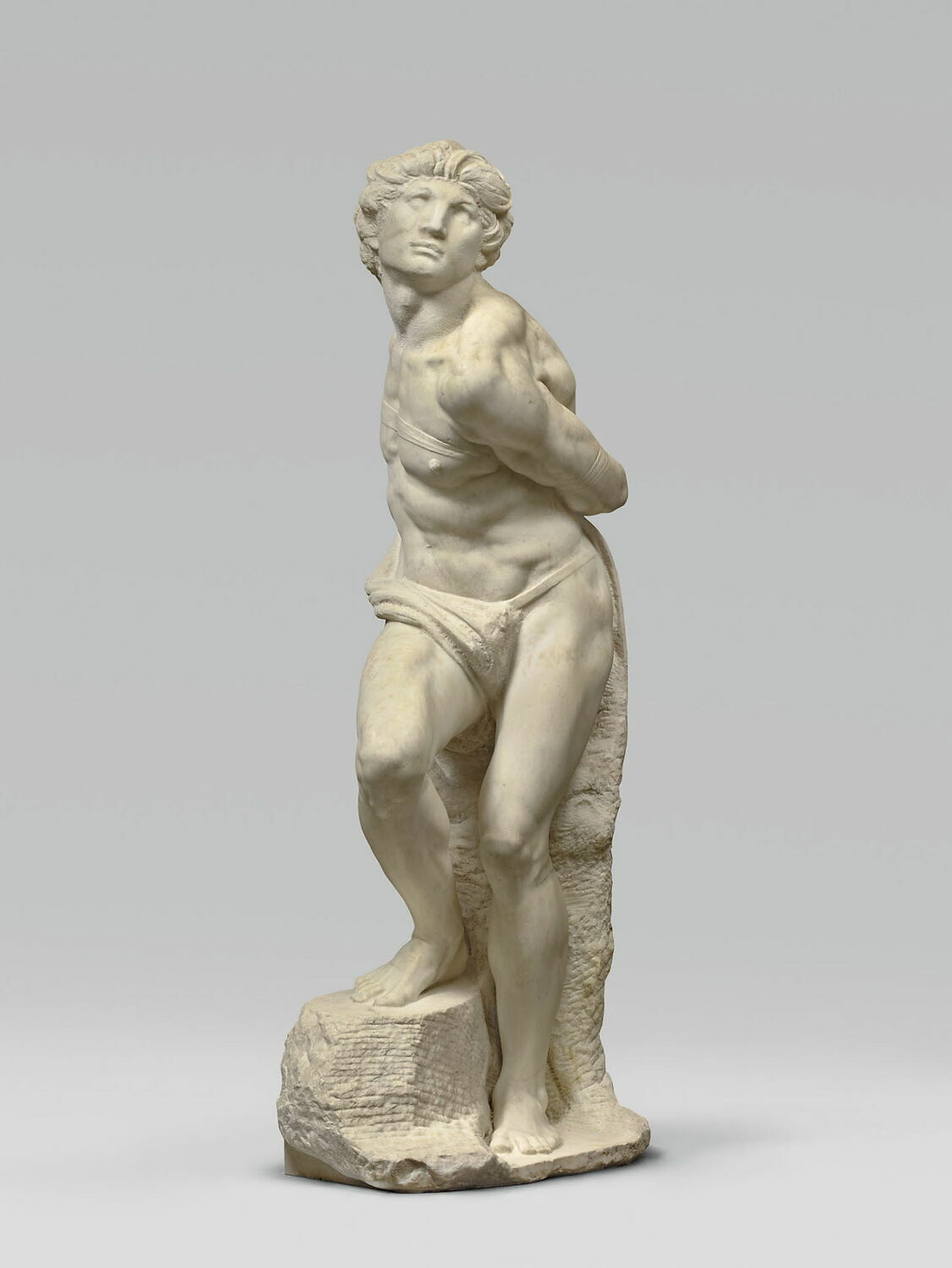
Esclave rebelle, Buonarroti, Michelangelo dit Michel-Ange, 1513 - 1515

Michelangelo

Rebellious Slave, 1513 - 1515

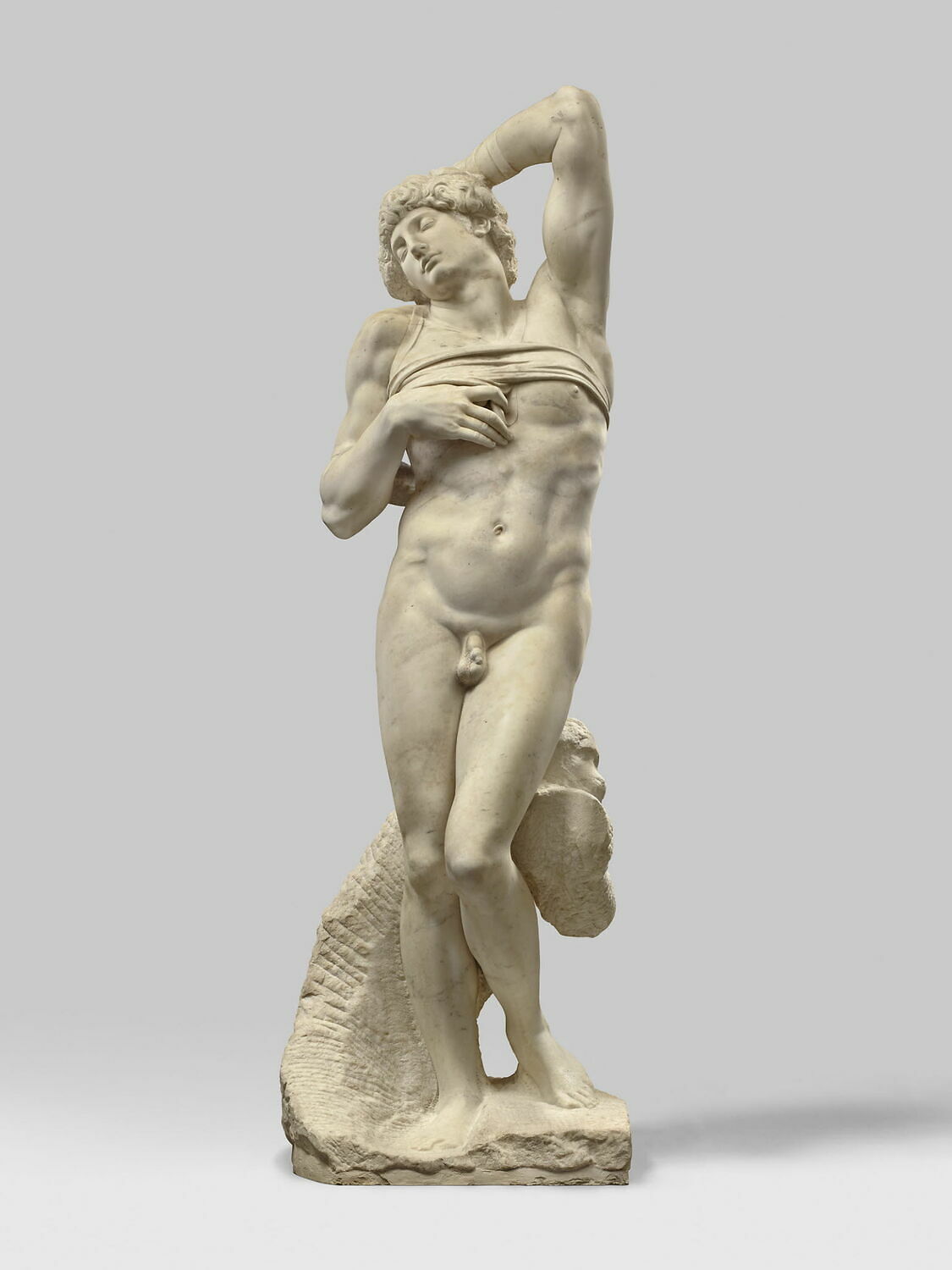
Esclave mourant, Buonarroti, Michelangelo dit Michel-Ange, 1513 - 1515

Michelangelo

Dying Slave, 1513 - 1515