ART WIKI32,963 on view
MapCollectionArtistsMuseumsExhibitionsJournal
Sign in

ART WIKI

Where the masterpiece hangs, and when they let you in.

Collections: Art Institute of Chicago, Getty Villa, Harvard Art Museums, Hirshhorn Museum and Sculpture Garden, J. Paul Getty Museum, Minneapolis Institute of Art, Musée du Louvre, National Gallery of Art, National Museum of Asian Art, National Portrait Gallery (Smithsonian), Pushkin State Museum of Fine Arts, Rijksmuseum, Smithsonian American Art Museum, SMK — National Gallery of Denmark, State Hermitage Museum, State Russian Museum, The Cleveland Museum of Art, The Metropolitan Museum of Art, The Museum of Modern Art, Tretyakov Gallery, Victoria and Albert Museum, Whitney Museum of American Art, State Catalogue of the Museum Fund of Russia (274 museums), Europeana (19 museums), Wikidata (6 museums), Paris Musées (12 museums), and Joconde, the French Ministry of Culture's museum database (495 museums). Images belong to their rights holders.

Sections

  • Map
  • Search
  • Collection
  • Masterpieces
  • On view now
  • Artists

More

  • Museums & galleries
  • Exhibitions
  • Journal
  • Where the data comes from
  • Privacy & cookies
HomeMapBrowse
  1. Collection/
  2. Musée du Louvre/
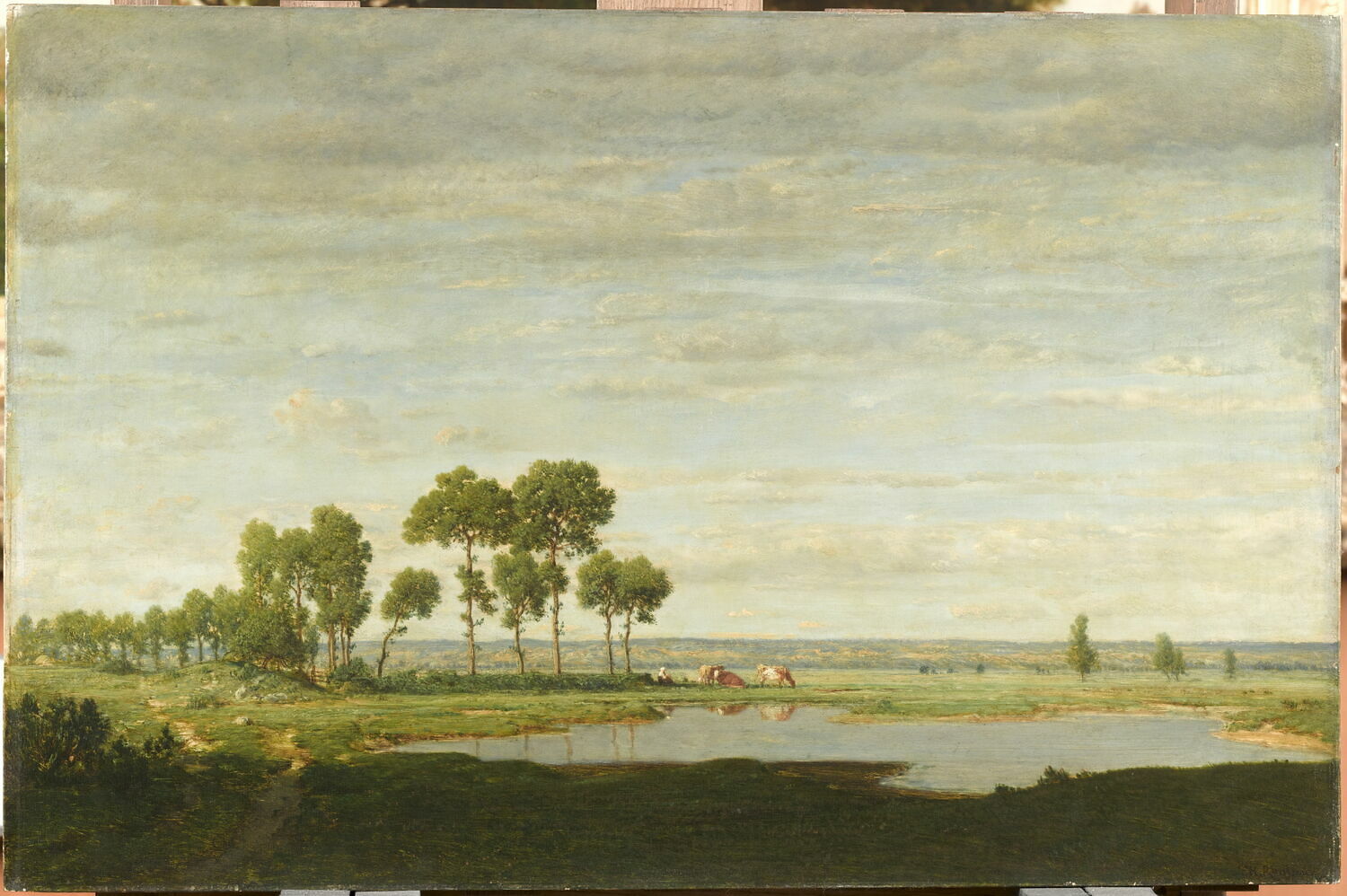
  3. Le printemps
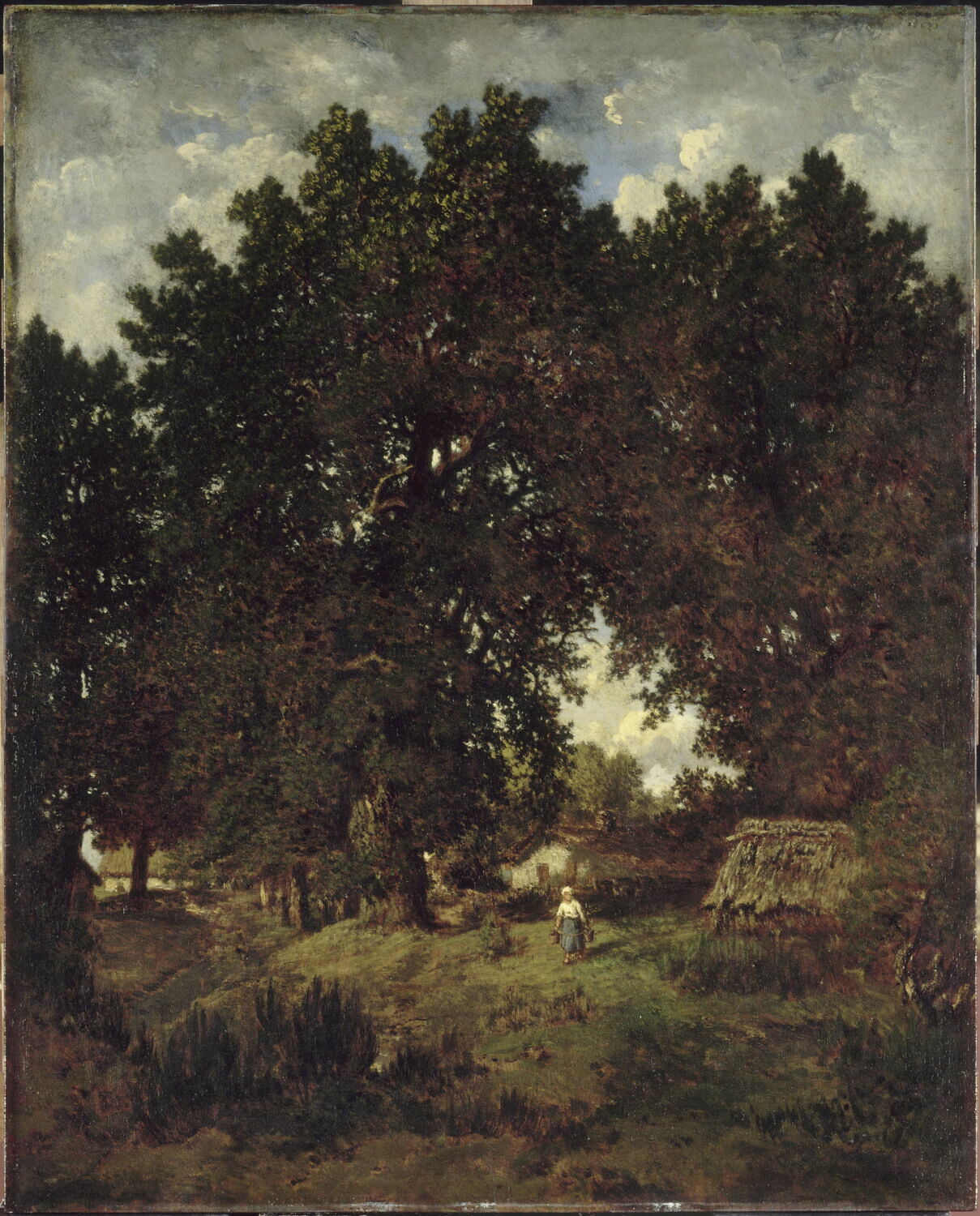
Le printemps, Rousseau, Théodore, 3e quart du XIXe siècle (1850 - 1875)
Théodore Rousseau, portraitThéodore RousseauFrench, 1812–1867

Le printemps

third quarter of the 19th century (1850–1875) · Painting

May one see it?

Yes, receiving visitors

Musée du Louvre

Paris, France

Room951, Aile Sully, Niveau 2

On public display.

Checked
12 days ago
In this state since
Sep 26, 2026
Source
The museum
On the mapMuseum page

Particulars

Accession number
RF 1450

In the catalog

PaintingsOilFrench paintingRealism19th century

Sources

  • Musée du Louvre
  • Image: Musée du Louvre — © 2011 GrandPalaisRmn (musée du Louvre) / René-Gabriel Ojéda

Meanwhile, in the life of Théodore Rousseau

The whole life
  1. 1836–1849

    “Le grand refusé”

    After 1841 Rousseau stopped sending work to the Salon until 1849; dubbed “le grand refusé”, he became known through the writings of his friend, the critic Théophile Thoré, while his father, who had at first regretted his son's forsaking business, sided with him in all his conflicts with the Salon. In these years of “artistic exile” Rousseau painted some of his best pictures: “The Chestnut Avenue”, “The Marsh in the Landes” (now in the Louvre) and “Hoar-Frost”.

  2. 1848

    Settles in Barbizon for good

    Until then Rousseau had lived at Barbizon only occasionally, but in 1848 he settled in the forest village (with his wife, by some accounts) and spent most of his remaining days in its vicinity. His neighbour, the landscape painter Jules Dupré, recalled how hard Rousseau found it to know when a picture was finished, and how he would sometimes carry off a canvas on which his friend had laboured too long.

  3. 1849

    Returns to the Salon

    In 1849 Rousseau sent work to the Salon again, and all three of his submissions were accepted. He could now obtain fair sums for his pictures, though only about a tenth of their value thirty years after his death, and his admirers grew in number.

  4. 1851

    Exhibits “The Edge of the Forest”

    In 1851, after the reorganization of the Salon of 1848, Rousseau exhibited his masterpiece, “The Edge of the Forest” (now in the Louvre). The authorities still ignored him: that year the Legion of Honour went to Narcisse Diaz, whom Rousseau had taught to paint trees, while he himself received the Cross only soon afterwards.

  5. 1855

    Exposition Universelle: the rejected pictures acclaimed

    At the Exposition Universelle of 1855, where all of Rousseau's pictures rejected over the previous twenty years were gathered together, his works were acknowledged as one of the best of the many groups exhibited.

  6. 22 December 1867

    Died

More by Théodore Rousseau

All works
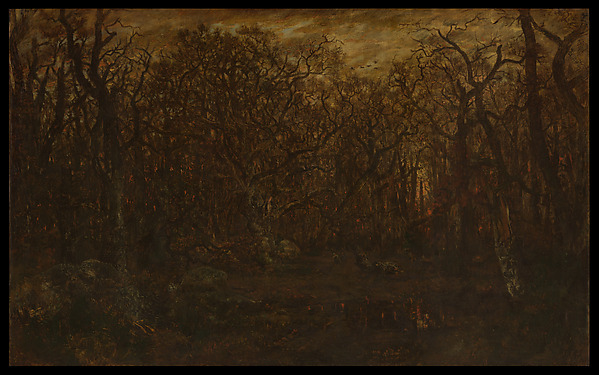
The Forest in Winter at Sunset, Théodore Rousseau, ca. 1846–67

The Forest in Winter at Sunset

ca. 1846–67 · The Metropolitan Museum of Art

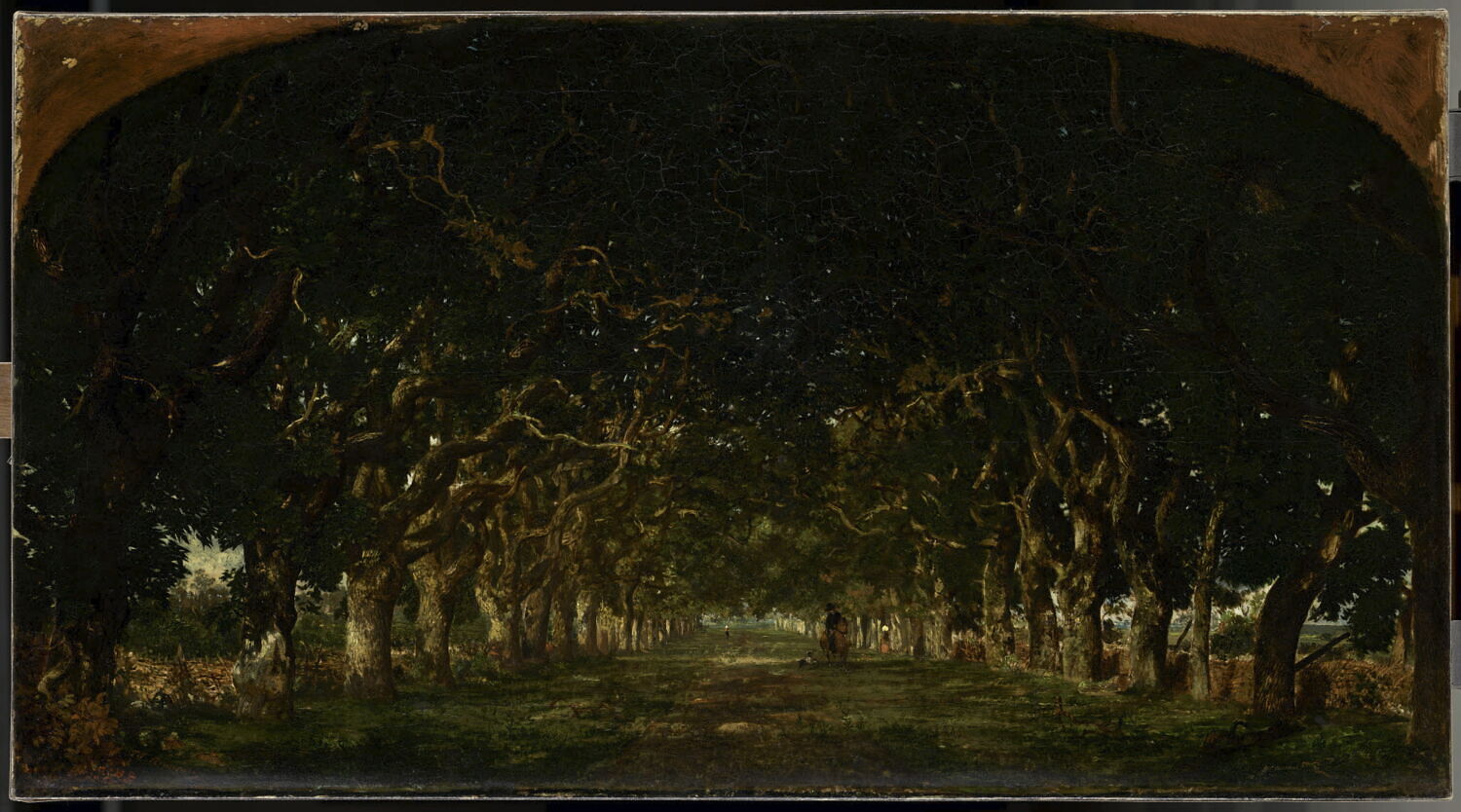
L'allée des châtaigniers, Rousseau, Théodore, 2e quart du XIXe siècle (1825 - 1850)

L'allée des châtaigniers

second quarter of the 19th century (1825–1850) · Musée du Louvre

Panoramic Landscape near the River Moselle, Théodore Rousseau, c. 1830

Panoramic Landscape near the River Moselle

c. 1830 · National Gallery of Art

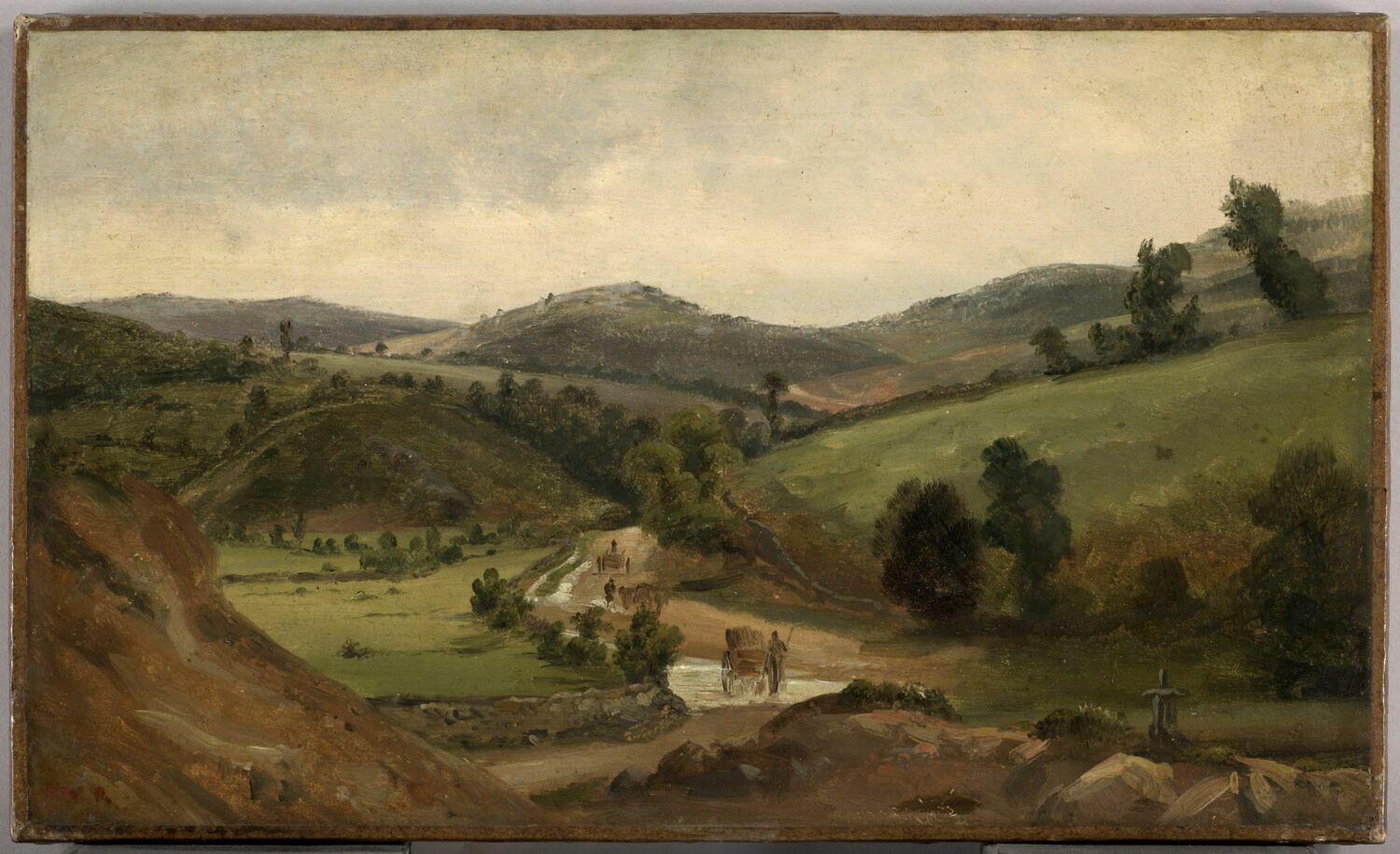
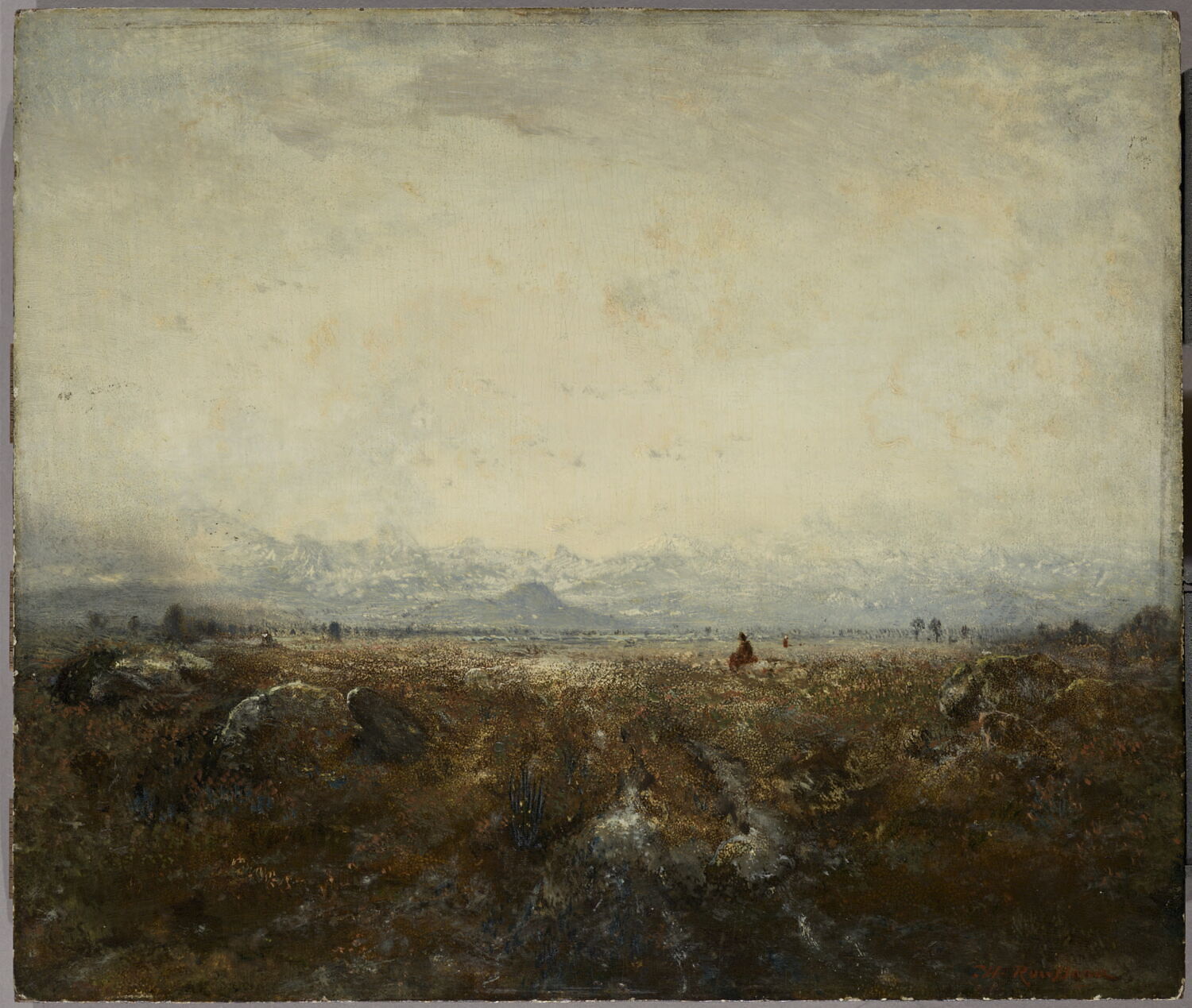
Paysage (Auvergne?), Rousseau, Théodore, 2e quart du XIXe siècle (vers 1830)

Paysage (Auvergne?)

second quarter of the 19th century (c. 1830) · Musée du Louvre

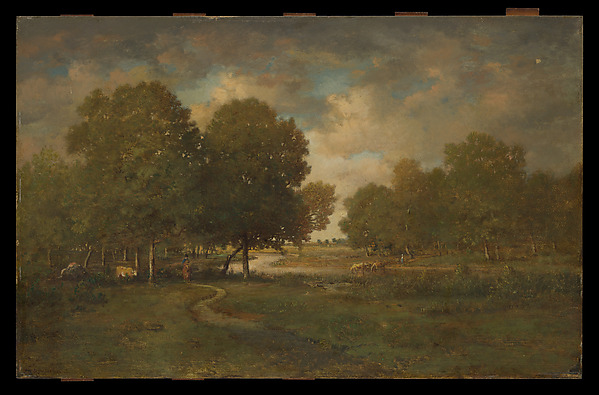
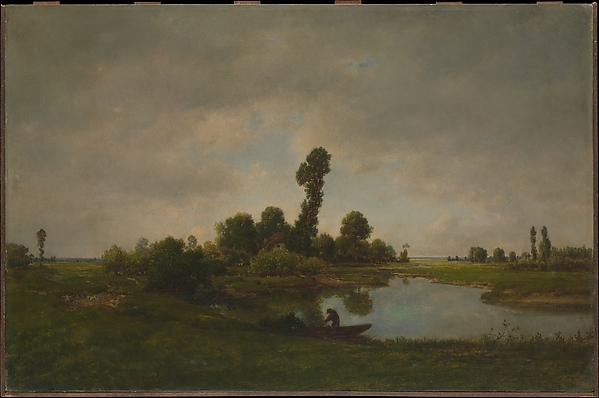
A River in a Meadow, Théodore Rousseau, ca. 1840

A River in a Meadow

ca. 1840 · The Metropolitan Museum of Art

Village sous les arbres, Rousseau, Théodore, Milieu du XIXe siècle (1840 - 1860)

Village sous les arbres

mid 19th century (1840–1860) · Musée du Louvre

La plaine en avant des Pyrénées, Rousseau, Théodore, 2e quart du XIXe siècle (1844)

La plaine en avant des Pyrénées

second quarter of the 19th century (1844) · Musée du Louvre

A River Landscape, Théodore Rousseau, ca. 1845–50

A River Landscape

ca. 1845–50 · The Metropolitan Museum of Art

Neighbors at Musée du Louvre

Museum page
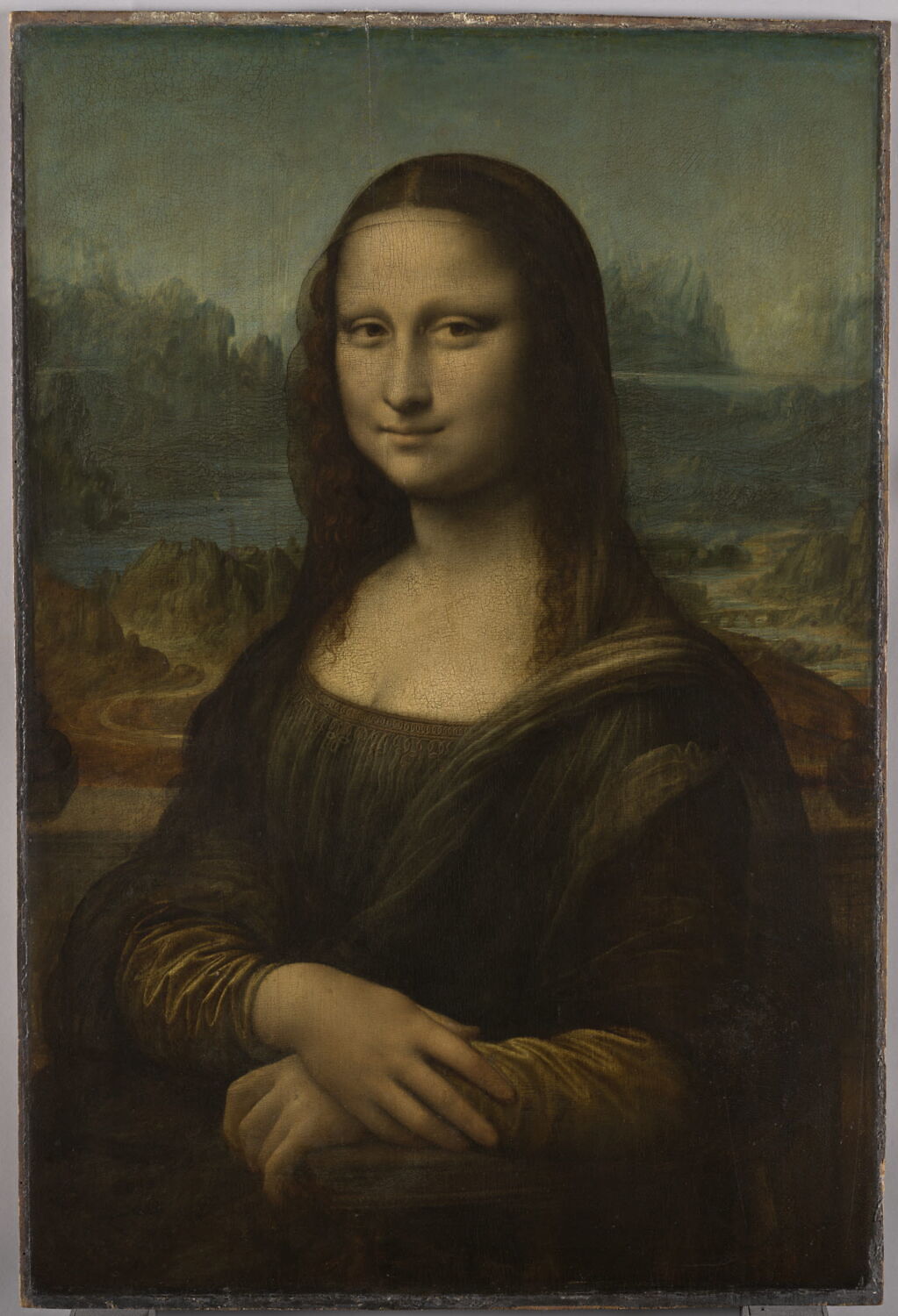
Portrait de Lisa Gherardini, épouse de Francesco del Giocondo, dit La Joconde ou Monna Lisa, Léonard de Vinci, 1e quart du XVIe siècle (1503 - 1519)

Leonardo da Vinci

Mona Lisa, first quarter of the 16th century (1503–1519)

Saint Jean Baptiste, Léonard de Vinci, 1e quart du XVIe siècle (vers 1517 - 1520)

Leonardo da Vinci

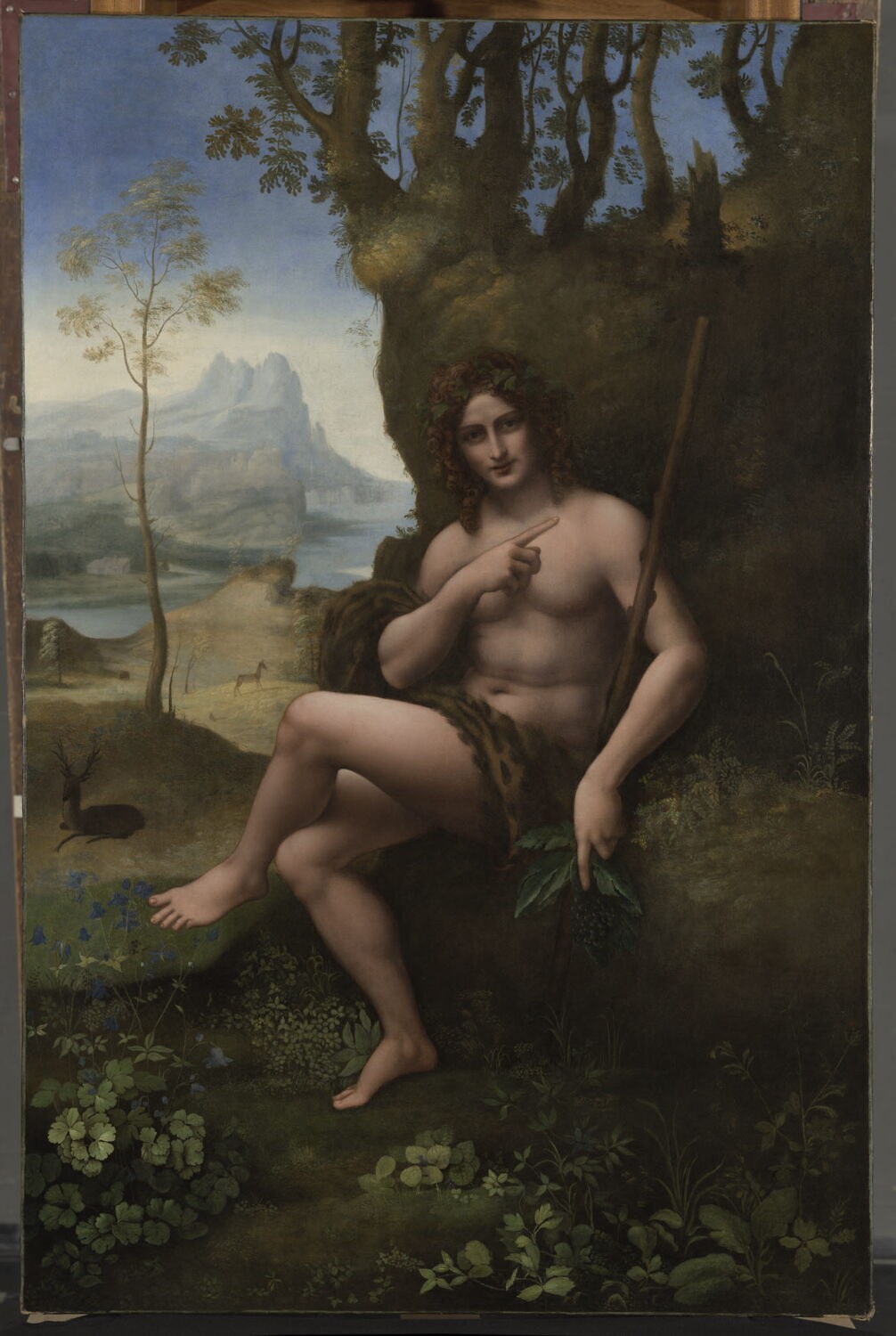
Bacchus, first quarter of the 16th century (c. 1517–1520)

Saint Jean Baptiste, Léonard de Vinci, 1e quart du XVIe siècle (vers 1508 - 1519)

Leonardo da Vinci

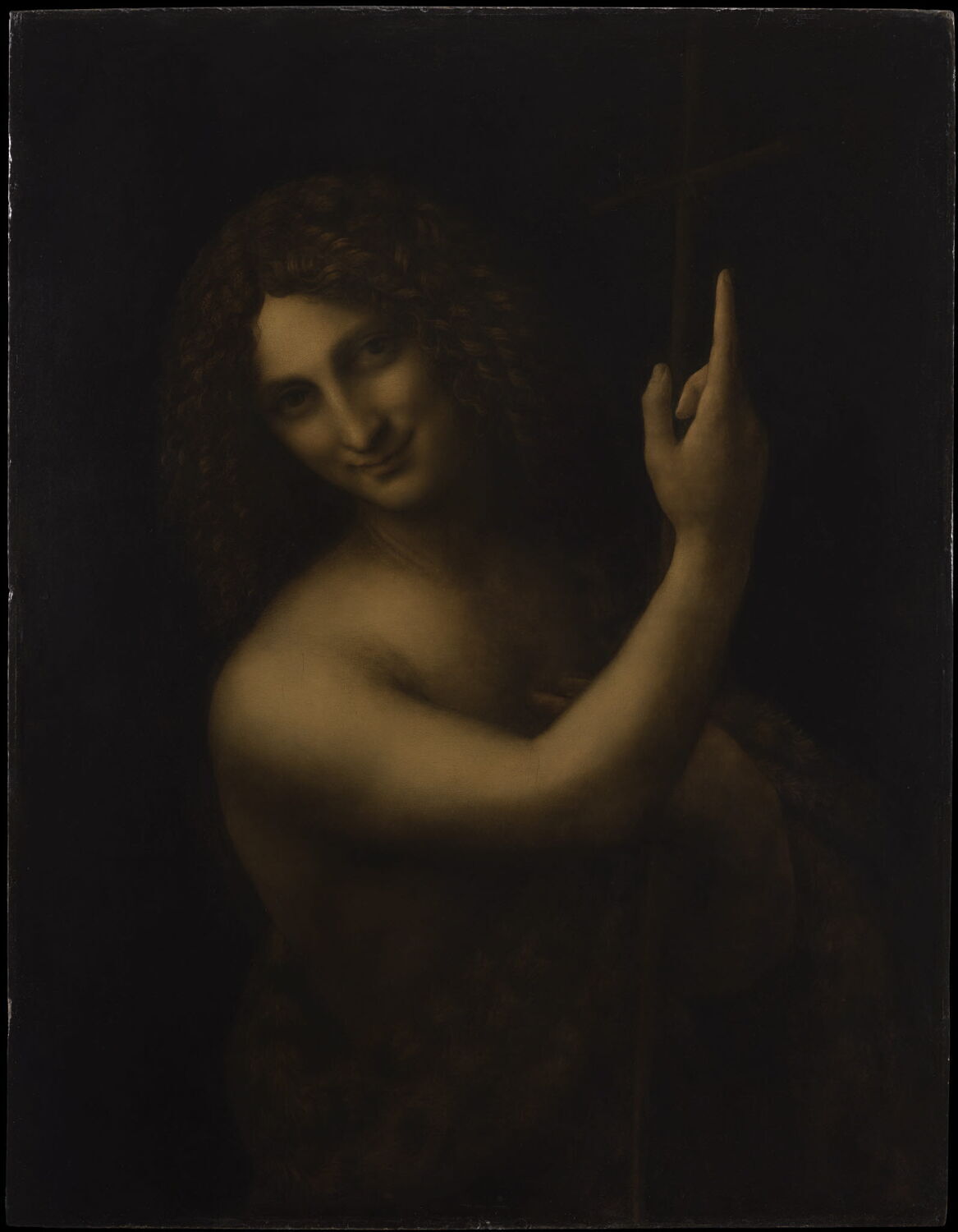
Saint John the Baptist, first quarter of the 16th century (c. 1508–1519)

La Vierge et l'Enfant Jésus, dite Vierge au dévidoir ou Vierge aux fuseaux, Léonard de Vinci, XVIe siècle (vers 1505 - 1520)

Leonardo da Vinci

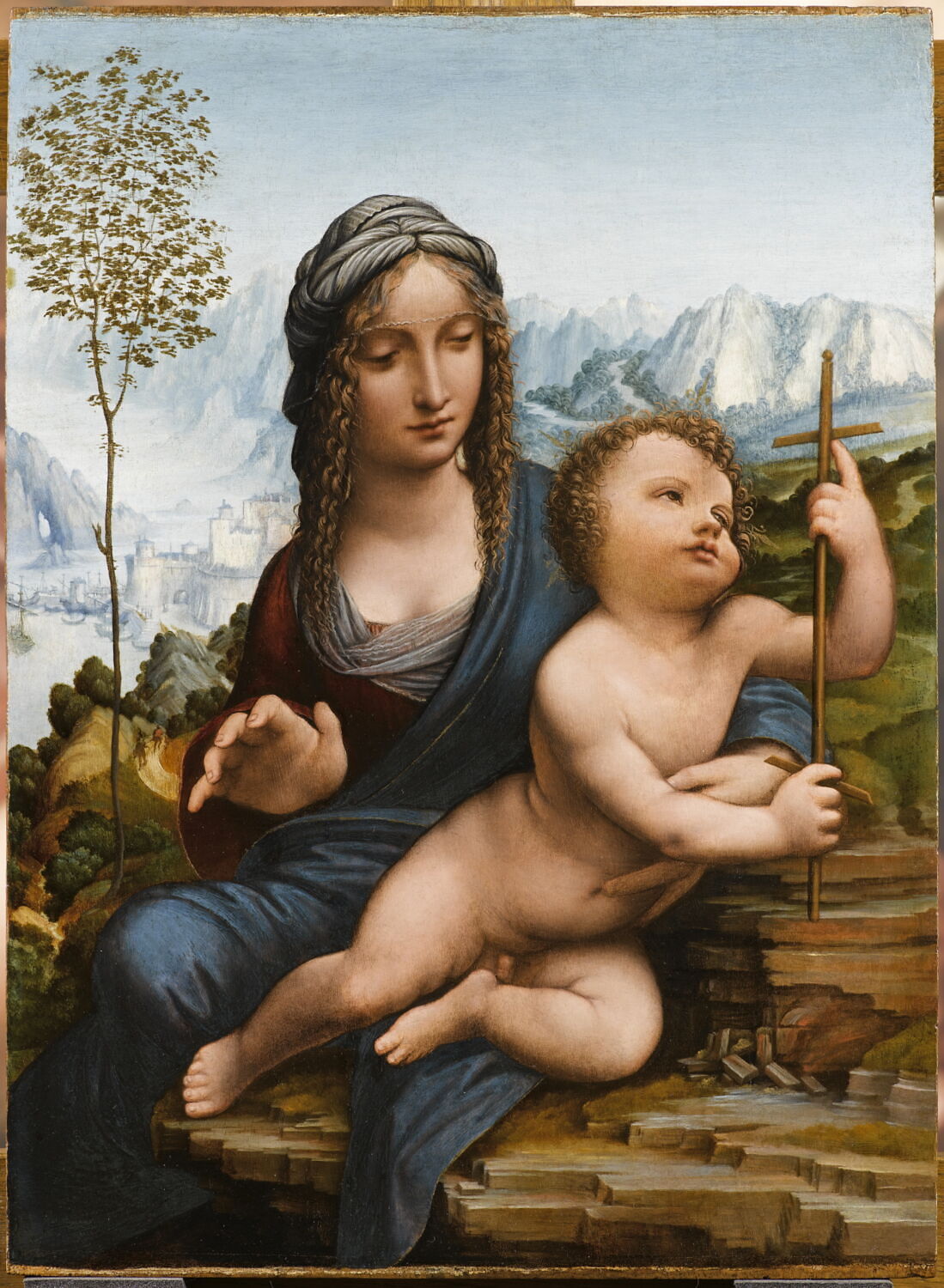
La Vierge et l'Enfant Jésus, dite Vierge au dévidoir ou Vierge aux fuseaux, 16th century (c. 1505–1520)

La Vierge, l'Enfant Jésus et sainte Anne, dit La Sainte Anne, Léonard de Vinci, 1e quart du XVIe siècle (vers 1503 - 1519)

Leonardo da Vinci

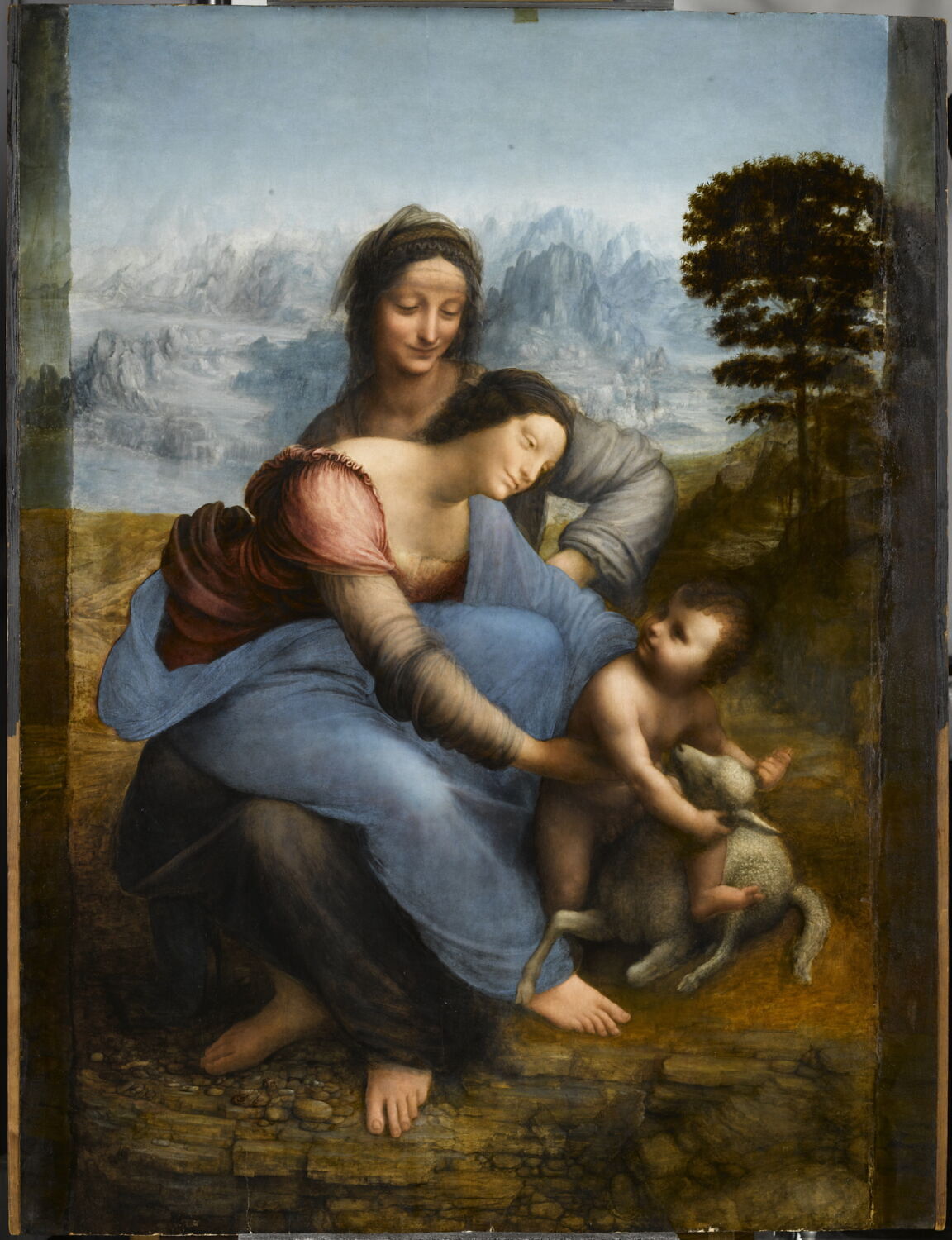
The Virgin and Child with Saint Anne, first quarter of the 16th century (c. 1503–1519)

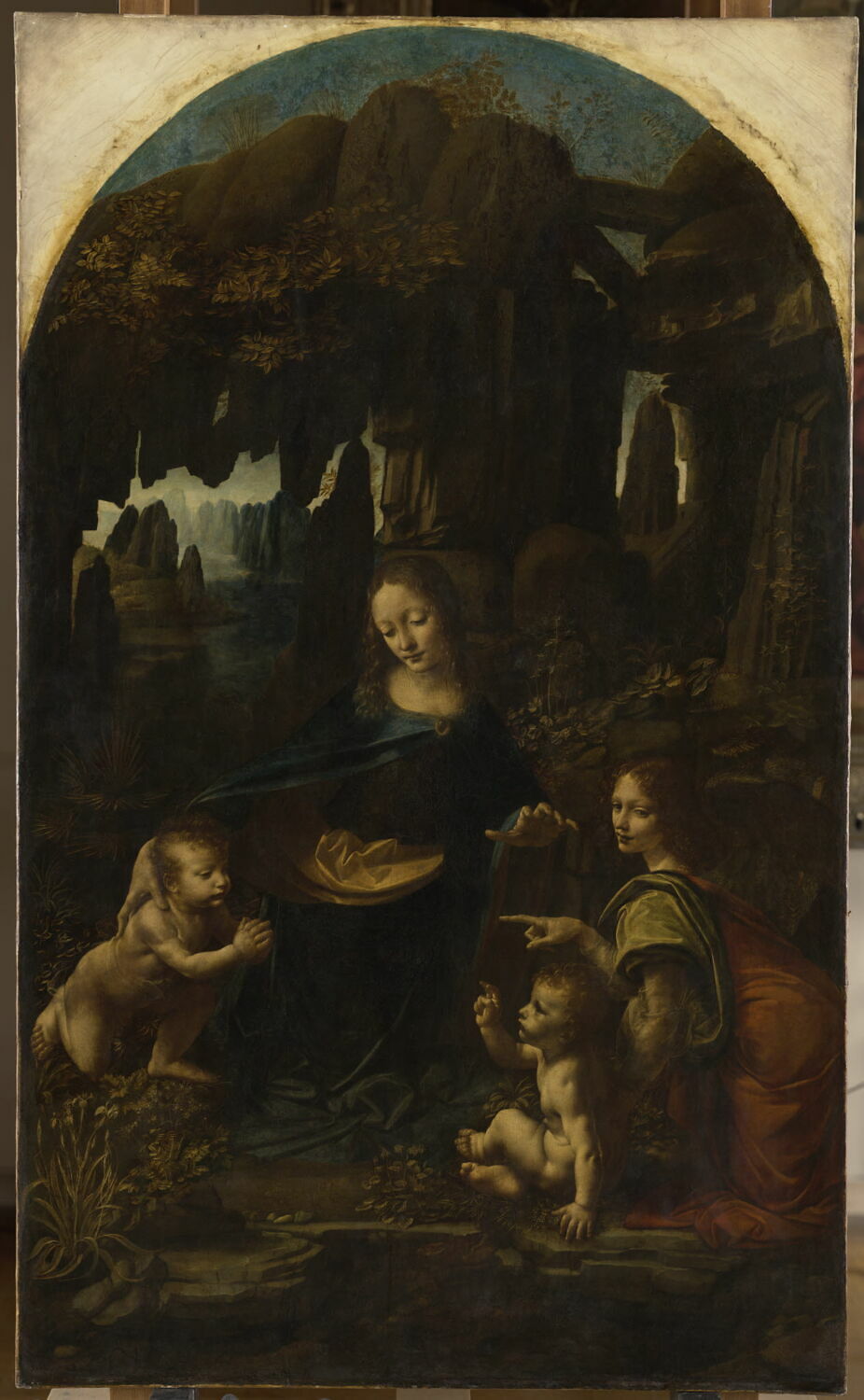
La Vierge, l'Enfant Jésus, saint Jean Baptiste et un ange, dit La Vierge aux rochers, Léonard de Vinci, 4e quart du XVe siècle (vers 1483 - 1494)

Leonardo da Vinci

La Vierge, l'Enfant Jésus, saint Jean Baptiste et un ange, dit La Vierge aux rochers, last quarter of the 15th century (c. 1483–1494)

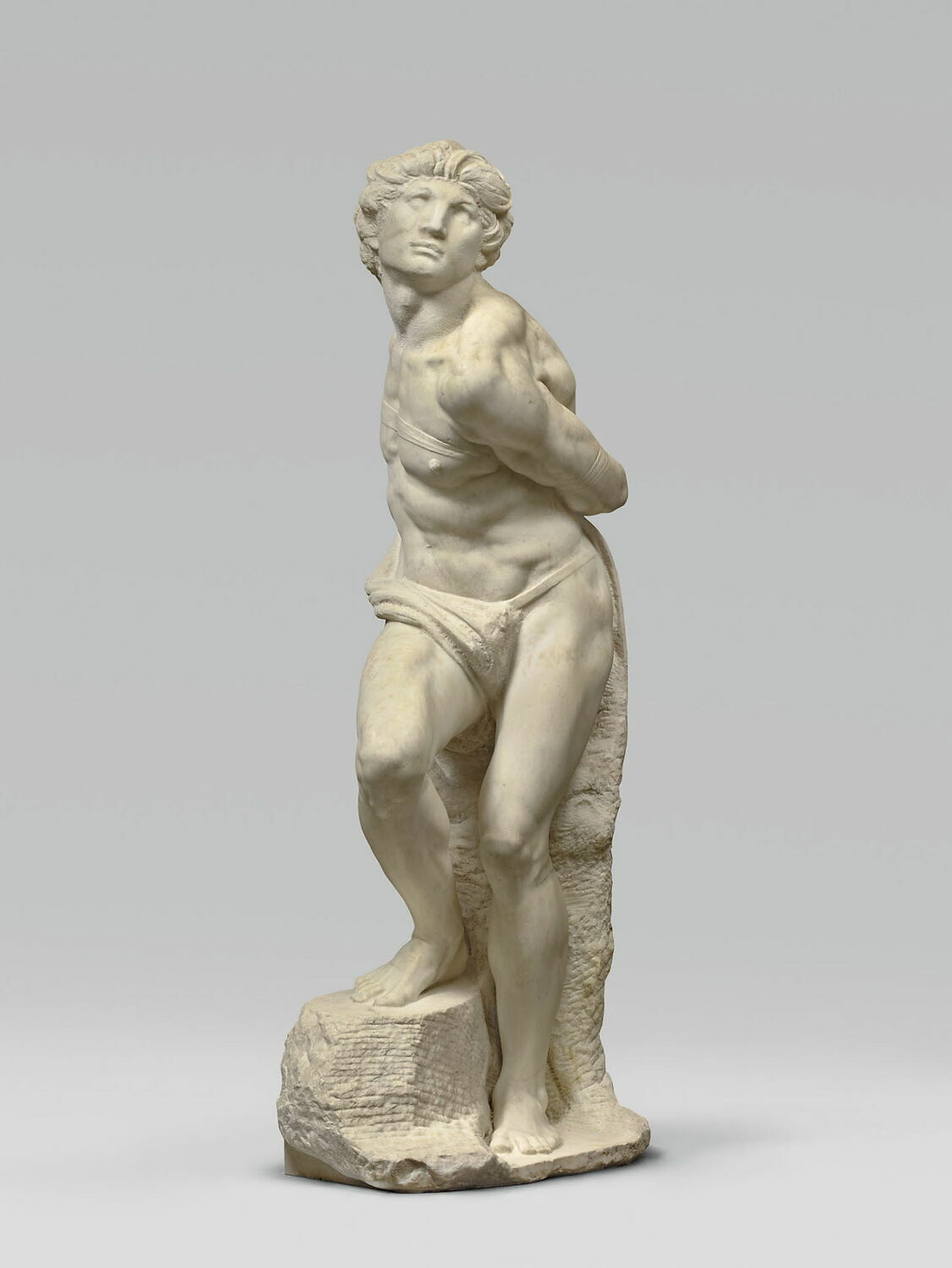
Esclave rebelle, Buonarroti, Michelangelo dit Michel-Ange, 1513 - 1515

Michelangelo

Rebellious Slave, 1513 - 1515

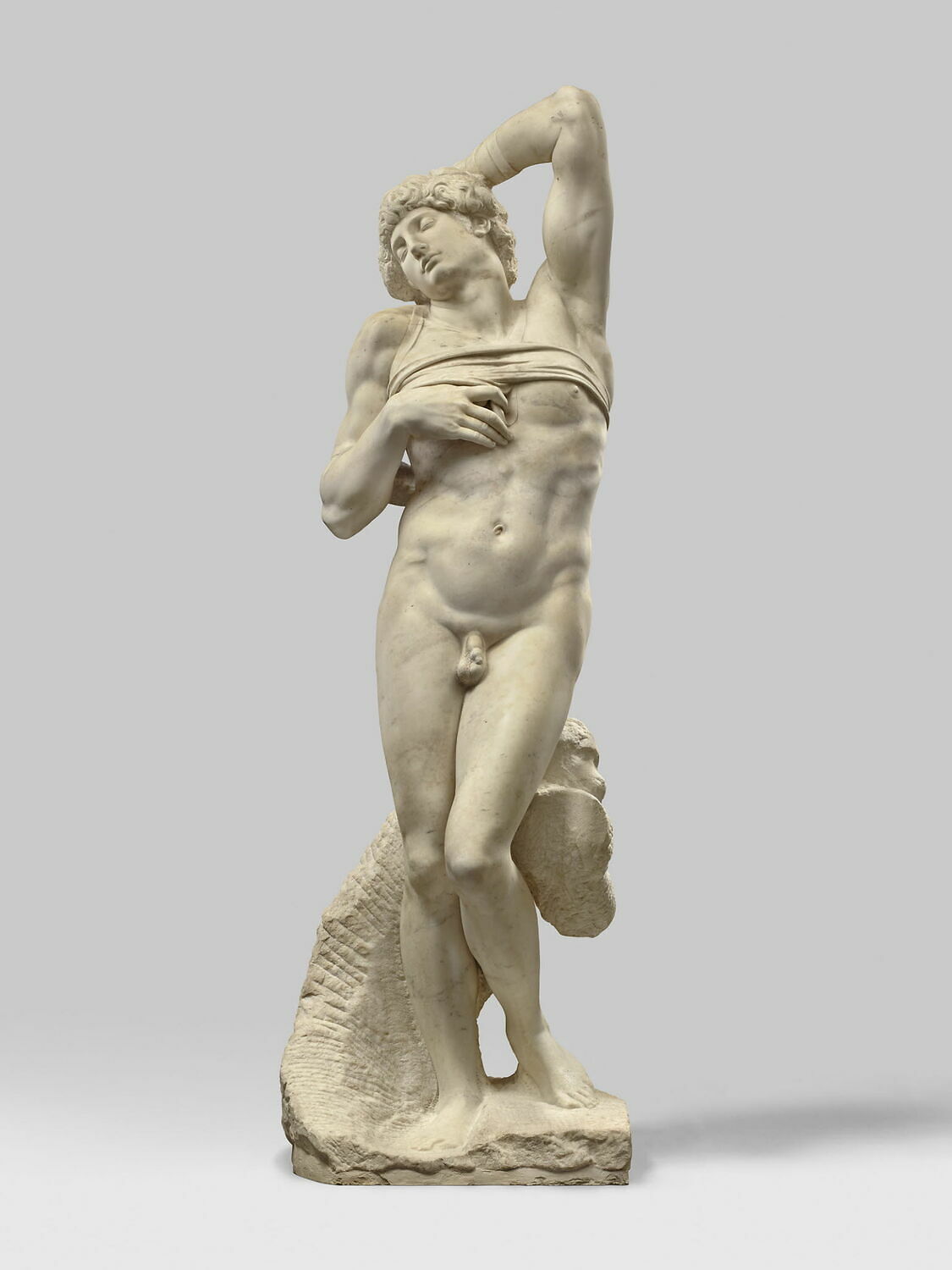
Esclave mourant, Buonarroti, Michelangelo dit Michel-Ange, 1513 - 1515

Michelangelo

Dying Slave, 1513 - 1515