ART WIKI32,963 on view
MapCollectionArtistsMuseumsExhibitionsJournal
Sign in

ART WIKI

Where the masterpiece hangs, and when they let you in.

Collections: Art Institute of Chicago, Getty Villa, Harvard Art Museums, Hirshhorn Museum and Sculpture Garden, J. Paul Getty Museum, Minneapolis Institute of Art, Musée du Louvre, National Gallery of Art, National Museum of Asian Art, National Portrait Gallery (Smithsonian), Pushkin State Museum of Fine Arts, Rijksmuseum, Smithsonian American Art Museum, SMK — National Gallery of Denmark, State Hermitage Museum, State Russian Museum, The Cleveland Museum of Art, The Metropolitan Museum of Art, The Museum of Modern Art, Tretyakov Gallery, Victoria and Albert Museum, Whitney Museum of American Art, State Catalogue of the Museum Fund of Russia (274 museums), Europeana (19 museums), Wikidata (6 museums), Paris Musées (12 museums), and Joconde, the French Ministry of Culture's museum database (495 museums). Images belong to their rights holders.

Sections

  • Map
  • Search
  • Collection
  • Masterpieces
  • On view now
  • Artists

More

  • Museums & galleries
  • Exhibitions
  • Journal
  • Where the data comes from
  • Privacy & cookies
HomeMapBrowse
  1. Collection/
  2. Musée du Louvre/
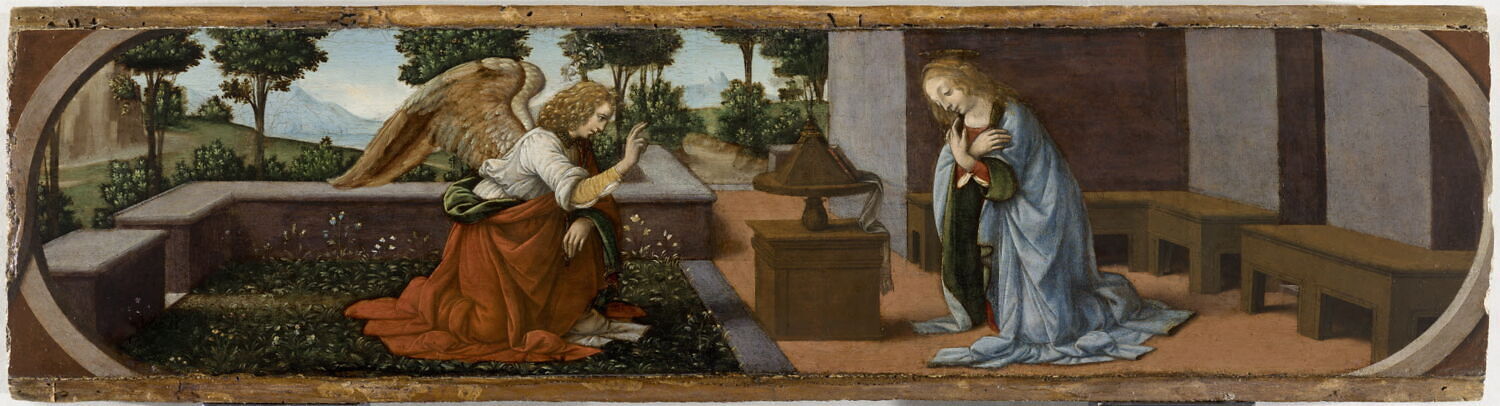
  3. L'Annonciation
L'Annonciation, Lorenzo di Credi, 4e quart du XVe siècle (vers 1475 - 1500)
Lorenzo di Credi, portraitLorenzo di CrediItalian, 1459–1537

L'Annonciation

last quarter of the 15th century (c. 1475–1500) · Painting

May one see it?

Yes, receiving visitors

Musée du Louvre

Paris, France

Room709, Aile Denon, Niveau 1

On public display.

Checked
11 days ago
In this state since
Sep 26, 2026
Source
The museum's own collection data
On the mapMuseum page

Particulars

last quarter of the 15th century (c. 1475–1500)
14591537
Accession number
MI 598

In the catalog

PaintingsOilItalian paintingRenaissance15th century

Sources

  • Musée du Louvre: the museum's own open data · fetched 11 days ago
  • Image: Musée du Louvre — © 2023 GrandPalaisRmn (musée du Louvre) / Mathieu Rabeau

Meanwhile, in the life of Lorenzo di Credi

The whole life
  1. 1480/81

    First recorded in Verrocchio's workshop

    Having been taught first by his father, the goldsmith Andrea d'Oderigo, and then by Andrea del Verrocchio, he is first recorded in his master's workshop in 1480/81, on low wages. His fellow pupil in that workshop was Leonardo da Vinci, who considerably influenced his work.

  2. 1482–1483

    Runs Verrocchio's workshop in the master's absence

    Gradually becoming Verrocchio's principal assistant, he runs the workshop in 1482–1483 while the master is away.

  3. 1488

    Verrocchio dies and Lorenzo inherits the workshop

    Having become his master's principal assistant, he inherits Verrocchio's workshop on his death, when Lorenzo is still in his twenties. He largely continues Verrocchio's style and, according to Vasari, avoids large paintings, preferring smaller works with a meticulous finish.

  4. 1488

    Venice: Verrocchio's body and the Colleoni statue

    He brings his master's body from Venice, where Verrocchio died, back to Florence. Verrocchio's will recommends Lorenzo to the Venetian authorities to finish the equestrian statue of Bartolomeo Colleoni, which then existed only in clay; he transfers his rights to another artist, apparently a bronze technician, and several years later the statue is completed by the Venetian sculptor Alessandro Leopardi. By other accounts Lorenzo helped to finish the statue.

  5. after 1497

    A follower of Savonarola: turning away from worldly subjects

    After 1497 he becomes a follower of the fiery monk Girolamo Savonarola and rejects worldly subjects: apart from portraits, there are no mythological subjects among his known works, except for a nearly nude Venus for the Medici family. In his mature years he also turns to the manner of Fra Bartolommeo, Perugino and the young Raphael, as the “Crucifixion” in Göttingen and the “Annunciation” in Cambridge show.
More by Lorenzo di Credi

All works
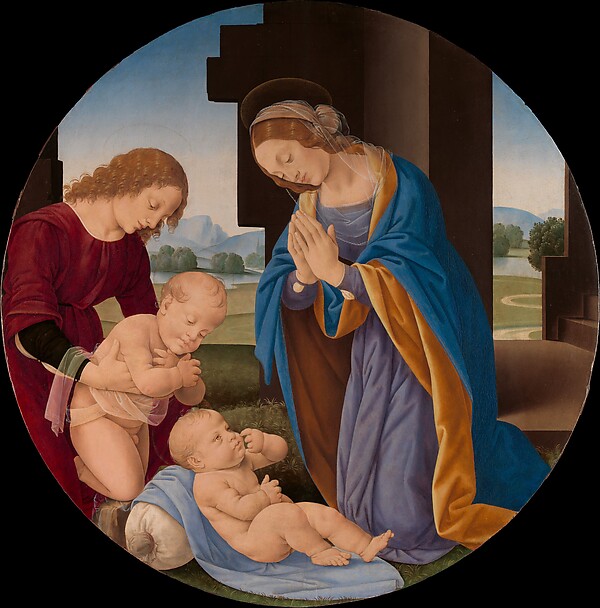
Madonna Adoring the Child with the Infant Saint John the Baptist and an Angel, Lorenzo di Credi, early 1490s

Madonna Adoring the Child with the Infant Saint John the Baptist and an Angel

early 1490s · The Metropolitan Museum of Art

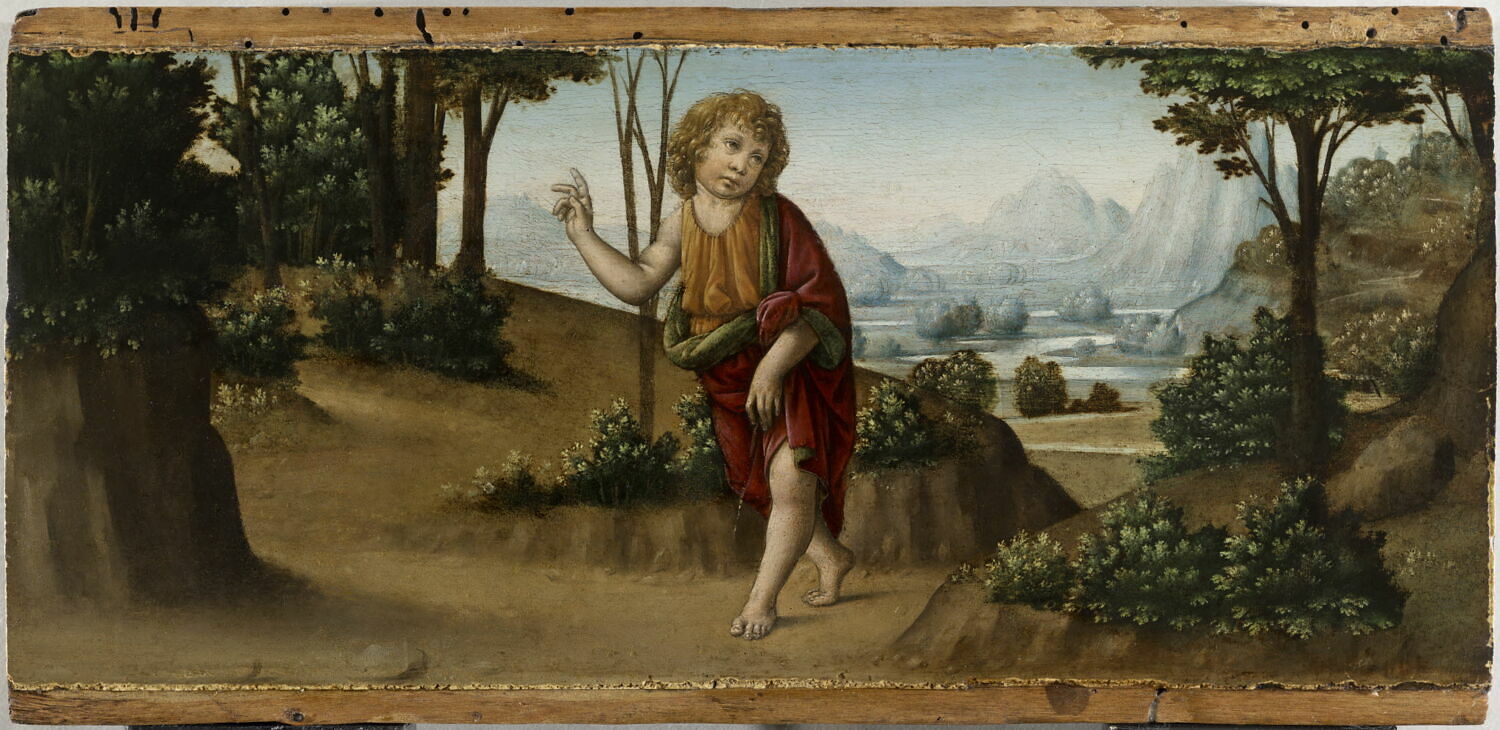
Saint Jean Baptiste partant dans le désert, Lorenzo di Credi, 4e quart du XVe siècle (vers 1475 - 1486)

Saint Jean Baptiste partant dans le désert

last quarter of the 15th century (c. 1475–1486) · Musée du Louvre

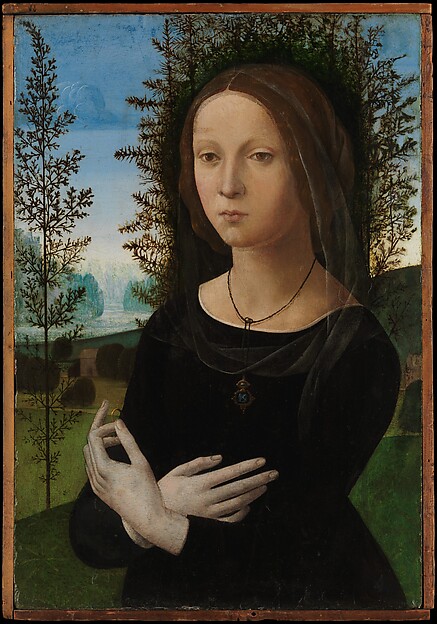
Portrait of a Young Woman, Lorenzo di Credi, ca. 1490–1500

Portrait of a Young Woman

ca. 1490–1500 · The Metropolitan Museum of Art

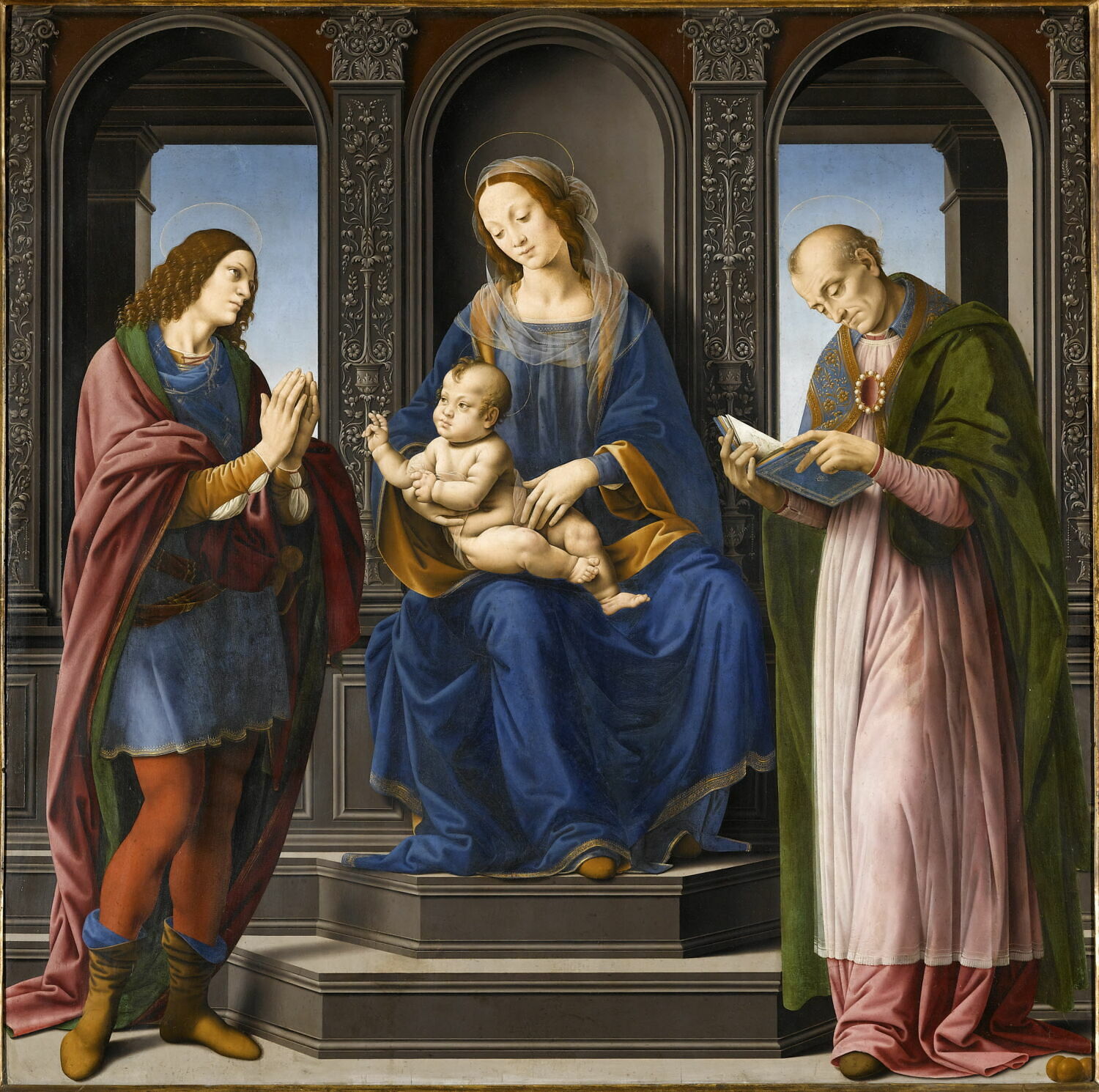
La Vierge et l'Enfant entourés de saint Julien et de saint Nicolas de Myre, Lorenzo di Credi, 4e quart du XVe siècle (1494)

La Vierge et l'Enfant entourés de saint Julien et de saint Nicolas de Myre

last quarter of the 15th century (1494) · Musée du Louvre

Head of Woman Looking Right, Wenceslaus Hollar after Lorenzo di Credi

Head of Woman Looking Right

Not on view · National Gallery of Art

Studie voor een liggend Christuskind, Lorenzo di Credi, 1469 - 1537

Studie voor een liggend Christuskind

1469 - 1537 · Rijksmuseum

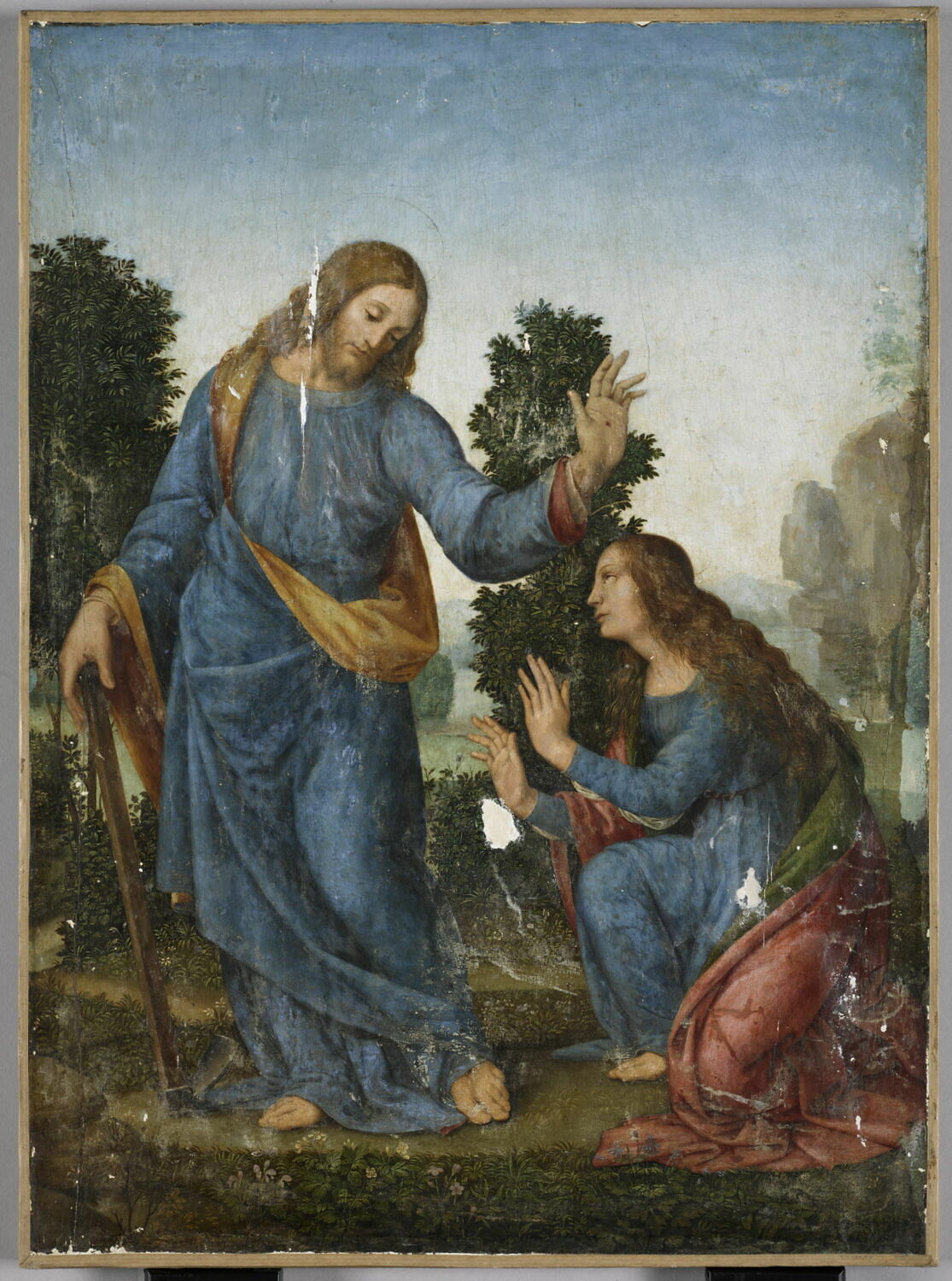
Noli me tangere, Lorenzo di Credi, Fin du XVe siècle - début du XVIe siècle (vers 1475 - 1525)

Noli me tangere

c. 1475–1525 · Not on view · Musée du Louvre

Tête d'homme âgé, de face, coiffé d'une toque, Lorenzo di Credi

Tête d'homme âgé, de face, coiffé d'une toque

Musée du Louvre

Neighbors at Musée du Louvre

Museum page
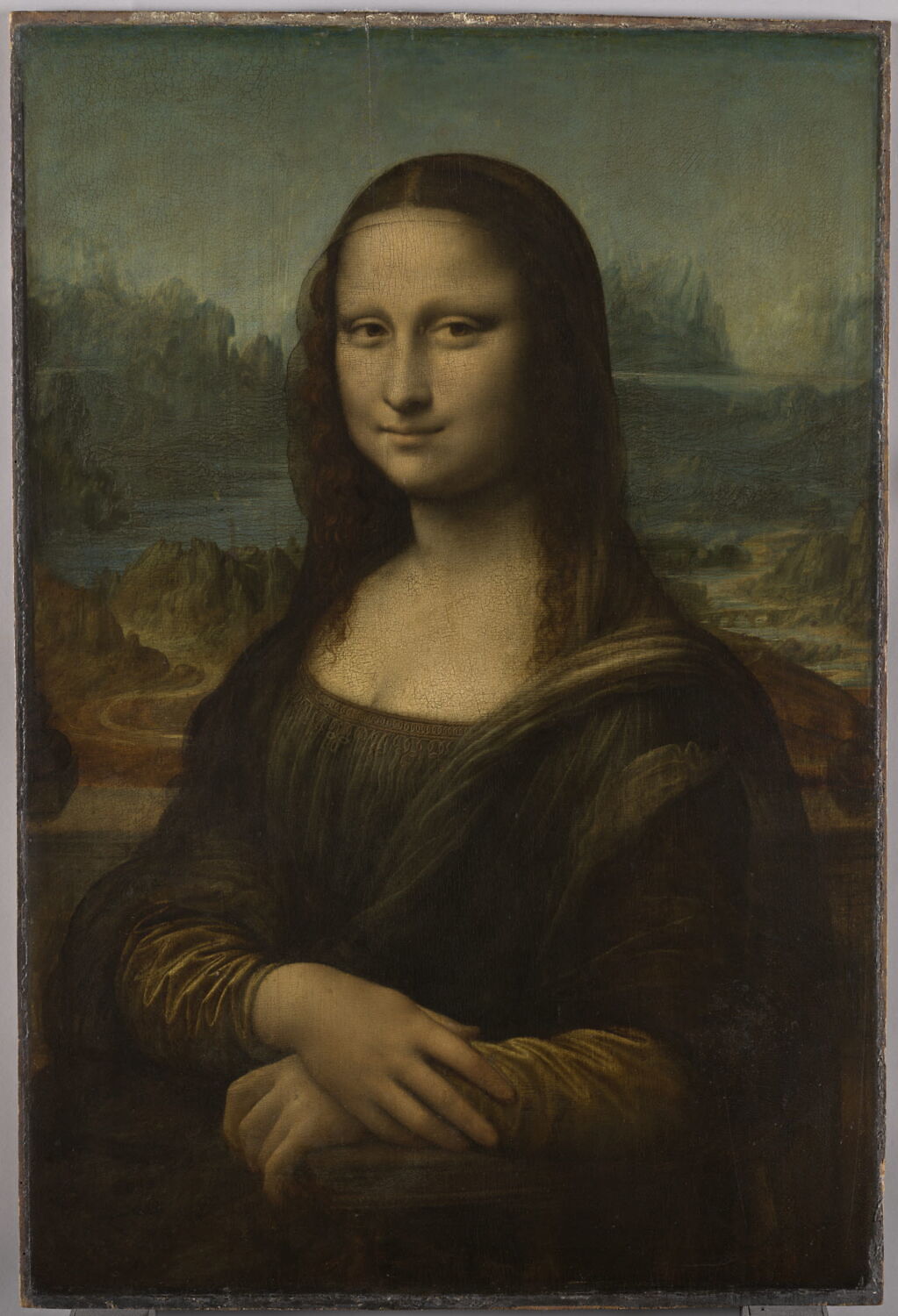
Portrait de Lisa Gherardini, épouse de Francesco del Giocondo, dit La Joconde ou Monna Lisa, Léonard de Vinci, 1e quart du XVIe siècle (1503 - 1519)

Leonardo da Vinci

Mona Lisa, first quarter of the 16th century (1503–1519)

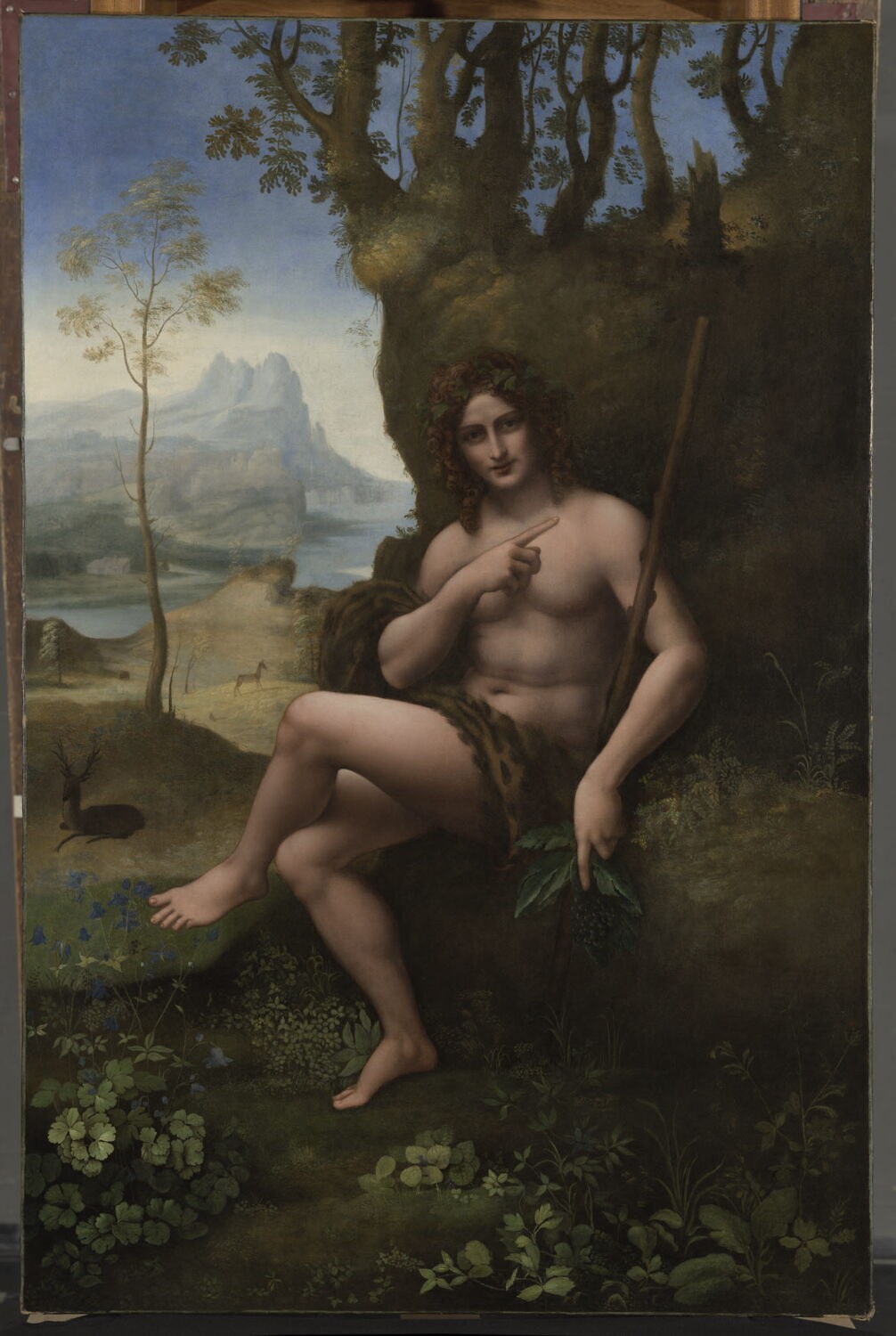
Saint Jean Baptiste, Léonard de Vinci, 1e quart du XVIe siècle (vers 1517 - 1520)

Leonardo da Vinci

Bacchus, first quarter of the 16th century (c. 1517–1520)

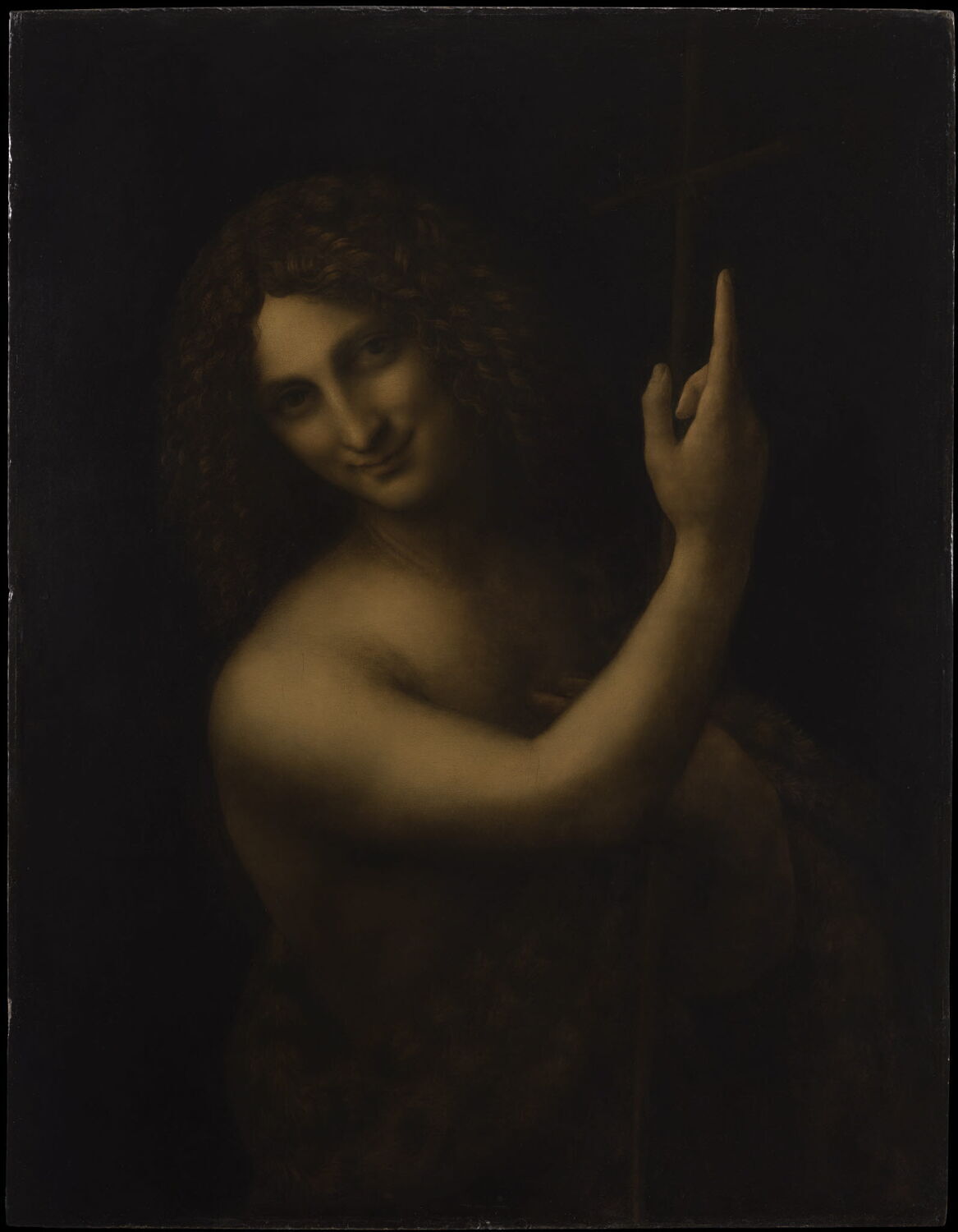
Saint Jean Baptiste, Léonard de Vinci, 1e quart du XVIe siècle (vers 1508 - 1519)

Leonardo da Vinci

Saint John the Baptist, first quarter of the 16th century (c. 1508–1519)

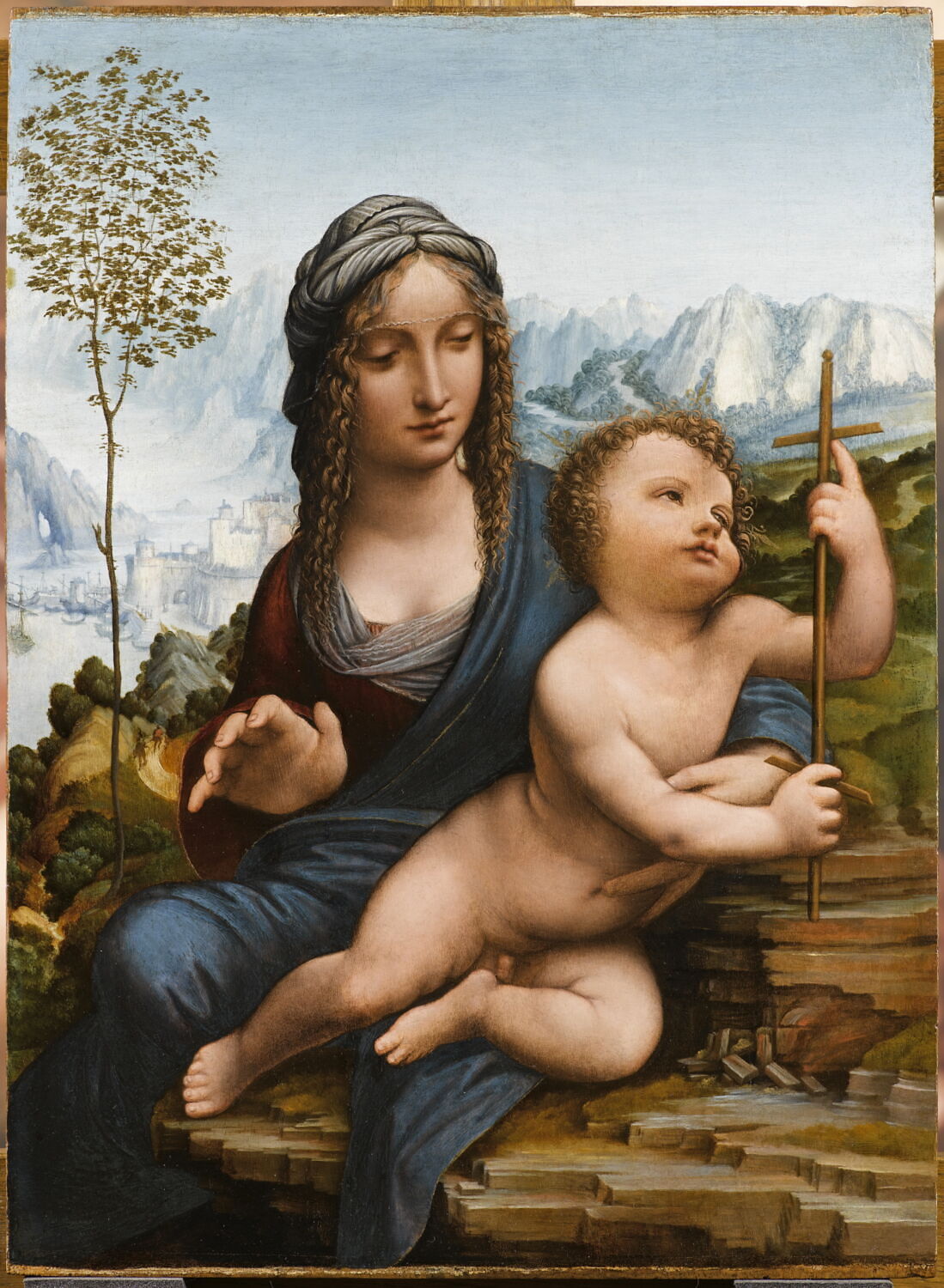
La Vierge et l'Enfant Jésus, dite Vierge au dévidoir ou Vierge aux fuseaux, Léonard de Vinci, XVIe siècle (vers 1505 - 1520)

Leonardo da Vinci

La Vierge et l'Enfant Jésus, dite Vierge au dévidoir ou Vierge aux fuseaux, 16th century (c. 1505–1520)

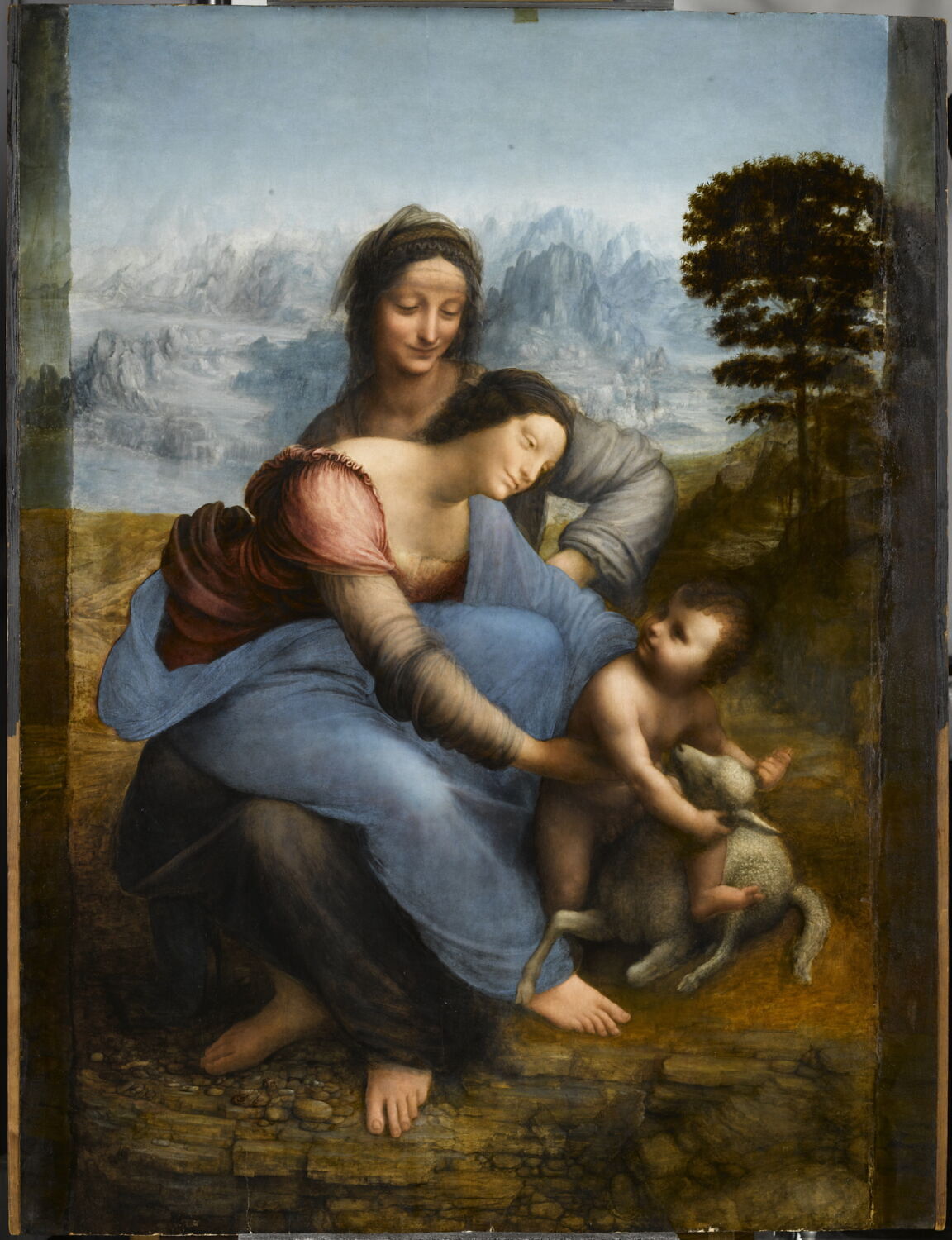
La Vierge, l'Enfant Jésus et sainte Anne, dit La Sainte Anne, Léonard de Vinci, 1e quart du XVIe siècle (vers 1503 - 1519)

Leonardo da Vinci

The Virgin and Child with Saint Anne, first quarter of the 16th century (c. 1503–1519)

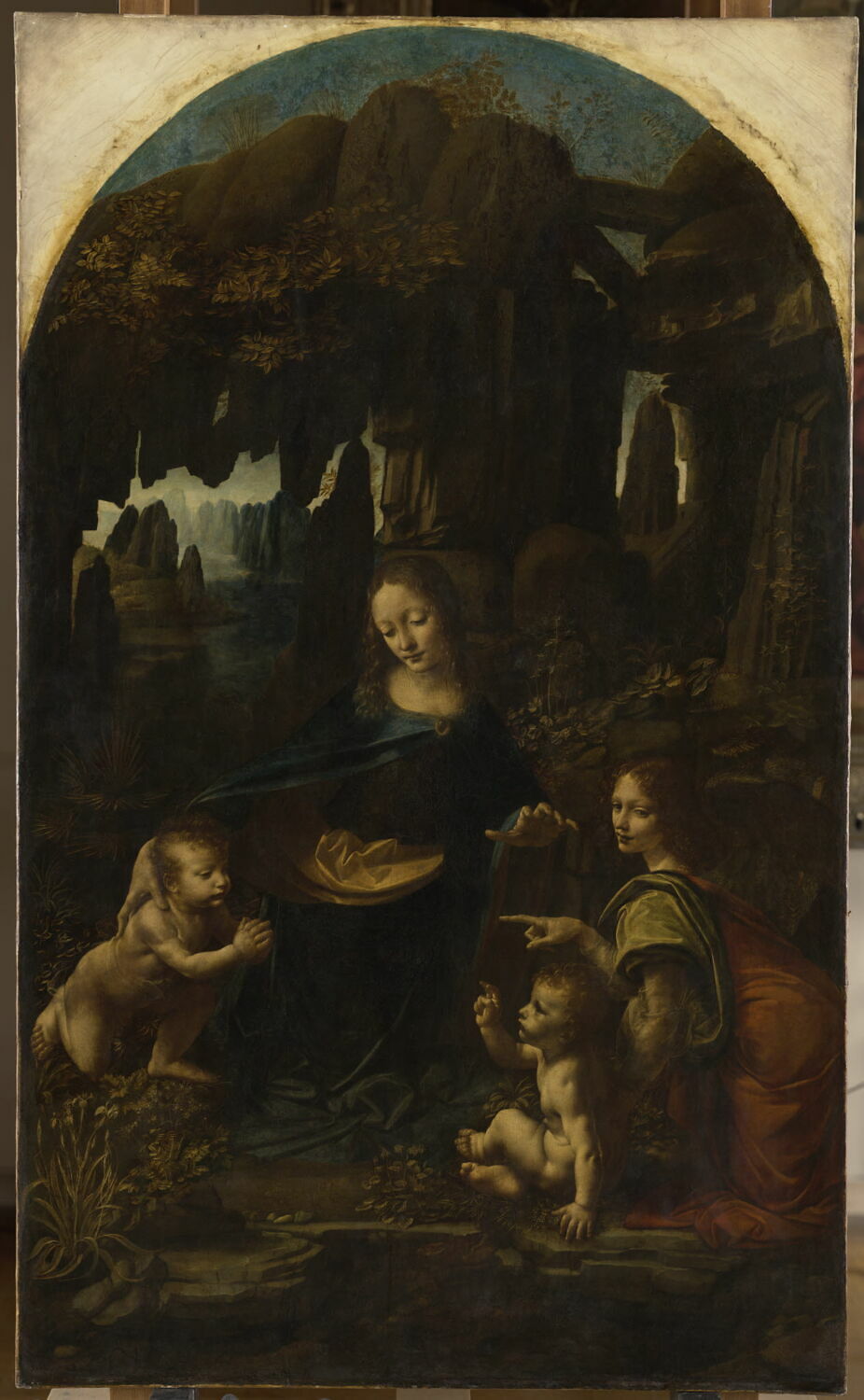
La Vierge, l'Enfant Jésus, saint Jean Baptiste et un ange, dit La Vierge aux rochers, Léonard de Vinci, 4e quart du XVe siècle (vers 1483 - 1494)

Leonardo da Vinci

La Vierge, l'Enfant Jésus, saint Jean Baptiste et un ange, dit La Vierge aux rochers, last quarter of the 15th century (c. 1483–1494)

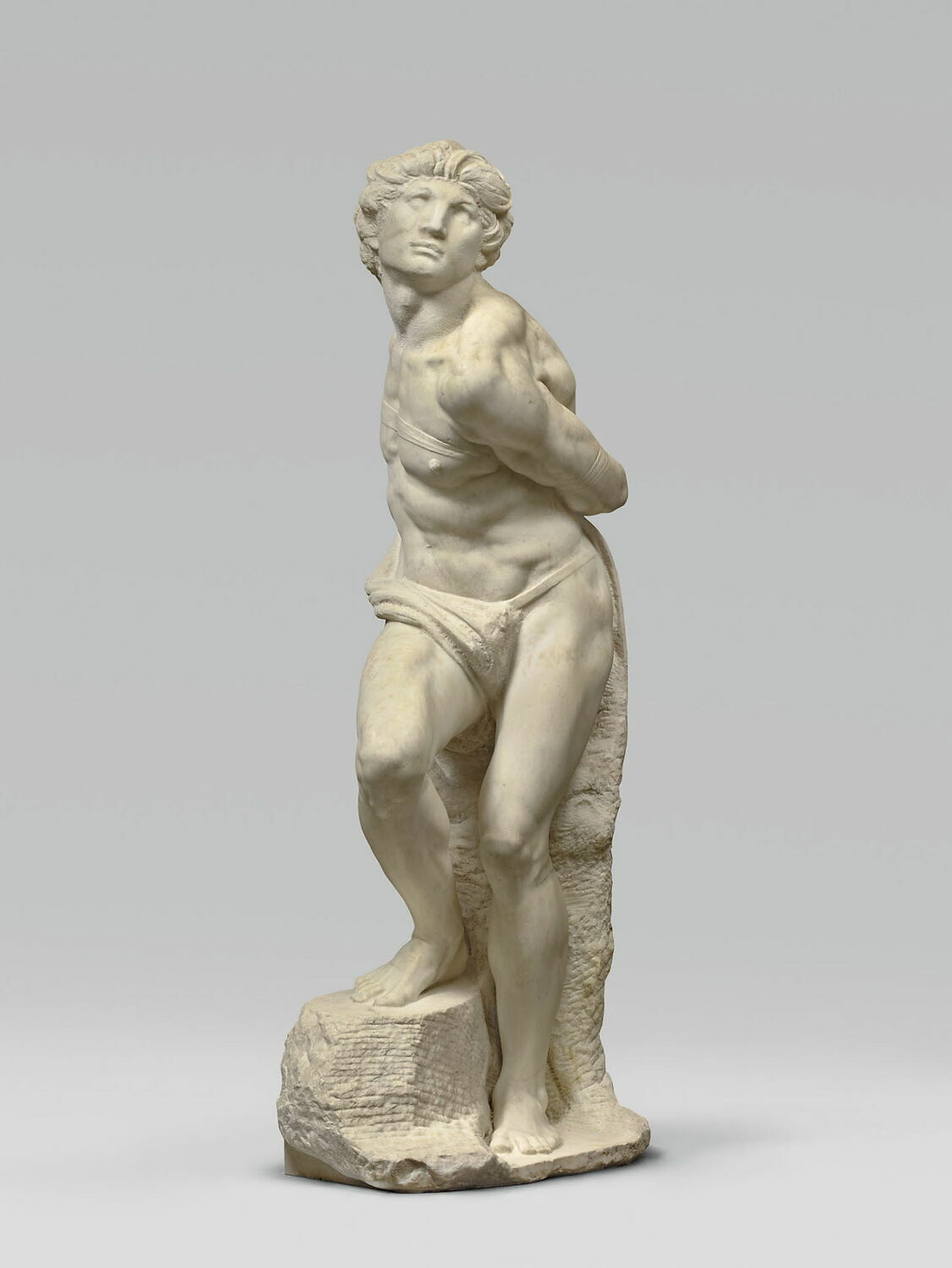
Esclave rebelle, Buonarroti, Michelangelo dit Michel-Ange, 1513 - 1515

Michelangelo

Rebellious Slave, 1513 - 1515

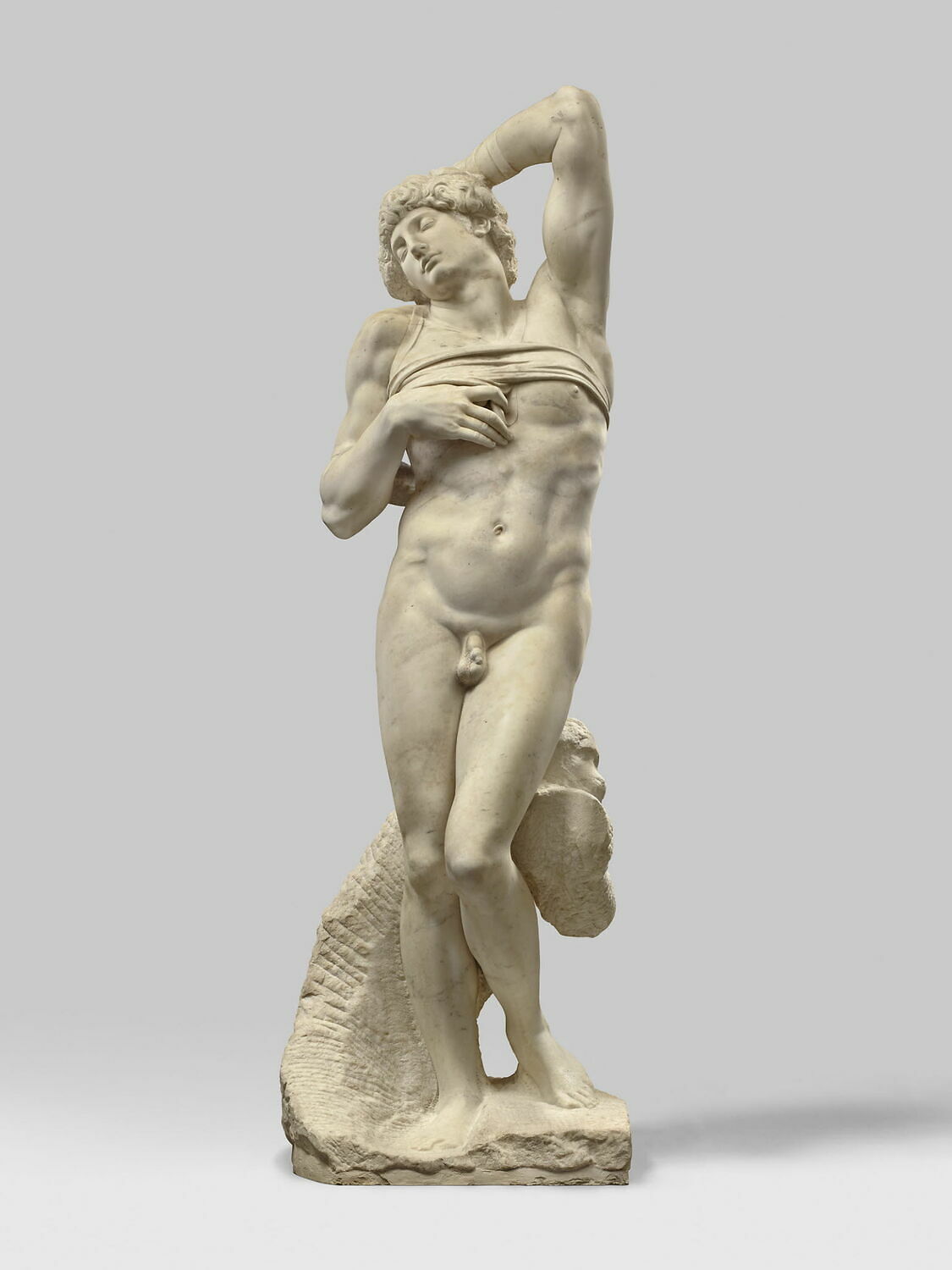
Esclave mourant, Buonarroti, Michelangelo dit Michel-Ange, 1513 - 1515

Michelangelo

Dying Slave, 1513 - 1515