ART WIKI32,963 on view
MapCollectionArtistsMuseumsExhibitionsJournal
Sign in

ART WIKI

Where the masterpiece hangs, and when they let you in.

Collections: Art Institute of Chicago, Getty Villa, Harvard Art Museums, Hirshhorn Museum and Sculpture Garden, J. Paul Getty Museum, Minneapolis Institute of Art, Musée du Louvre, National Gallery of Art, National Museum of Asian Art, National Portrait Gallery (Smithsonian), Pushkin State Museum of Fine Arts, Rijksmuseum, Smithsonian American Art Museum, SMK — National Gallery of Denmark, State Hermitage Museum, State Russian Museum, The Cleveland Museum of Art, The Metropolitan Museum of Art, The Museum of Modern Art, Tretyakov Gallery, Victoria and Albert Museum, Whitney Museum of American Art, State Catalogue of the Museum Fund of Russia (274 museums), Europeana (19 museums), Wikidata (6 museums), Paris Musées (12 museums), and Joconde, the French Ministry of Culture's museum database (495 museums). Images belong to their rights holders.

Sections

  • Map
  • Search
  • Collection
  • Masterpieces
  • On view now
  • Artists

More

  • Museums & galleries
  • Exhibitions
  • Journal
  • Where the data comes from
  • Privacy & cookies
HomeMapBrowse
  1. Collection/
  2. Musée du Louvre/
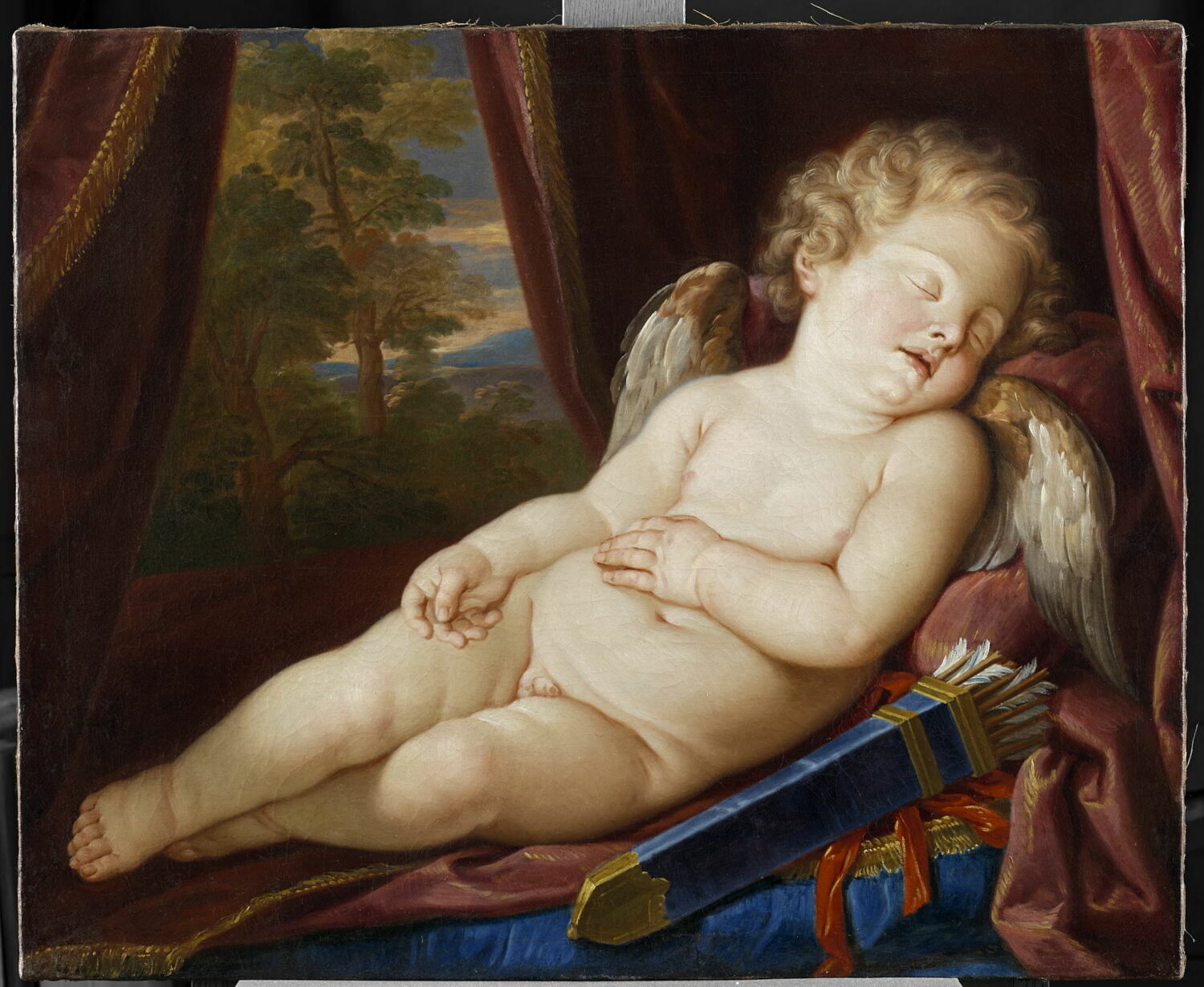
  3. L'Amour endormi
L'Amour endormi, Sirani, Elisabetta, XVIIe siècle (1600 - 1700)
Elisabetta Sirani, portraitElisabetta SiraniItalian, 1638–1665

L'Amour endormi

17th century (1600–1700) · Painting

May one see it?

Unknown

Musée du Louvre

Paris, France

The owner is known; whether it is on view today is not.

In this state since
Sep 26, 2026
Source
The museum
On the mapMuseum page

Particulars

Accession number
INV 671

In the catalog

PaintingsItalian paintingBaroque17th century

Sources

  • Musée du Louvre
  • Image: Musée du Louvre — © 2015 GrandPalaisRmn (musée du Louvre) / Tony Querrec

Meanwhile, in the life of Elisabetta Sirani

The whole life
  1. 8 January 1638

    Born

  2. by 1654

    Takes over the family workshop

    By 1654 her father is incapacitated by gout and can no longer work, and Elisabetta takes over the running of the workshop: she becomes the family’s main breadwinner, living on teaching fees and portrait commissions. The studio thrives, helped by the progressive atmosphere of Bologna, where women artists were accepted and celebrated; her sisters Barbara and Anna Maria serve as her assistants.

  3. 28 February 1657

    First major public commission

    At nineteen she receives her first major public commission, from Daniele Granchi, prior of the Carthusian church of the Certosa di Bologna; she will go on to paint at least thirteen public altarpieces.

  4. 1660

    Opens a painting school for women

    She opens a school — the first school of painting for women in Europe outside a convent, open regardless of the women’s artistic and social connections; besides her younger sisters Barbara and Anna Maria she trains at least twelve young women, among them the wood-engraver Veronica Fontana, Caterina Pepoli, Maria Elena Panzacchi, Camelia Lanteri, Lucretia Forni, Veronica Franchi and Ginevra Cantofoli, who was portrayed as Sirani’s rival.

  5. August 1665

    Sudden illness and suspicions of poisoning

    She falls suddenly ill; only days earlier the maidservant Lucia Tolomelli had asked to leave the family’s service, and suspicion of poisoning fell on her, though the charges were soon withdrawn. The likely cause is peritonitis after a ruptured ulcer, perhaps brought on by the strain of providing for the whole household.

  6. 28 August 1665

    Died

More by Elisabetta Sirani

All works
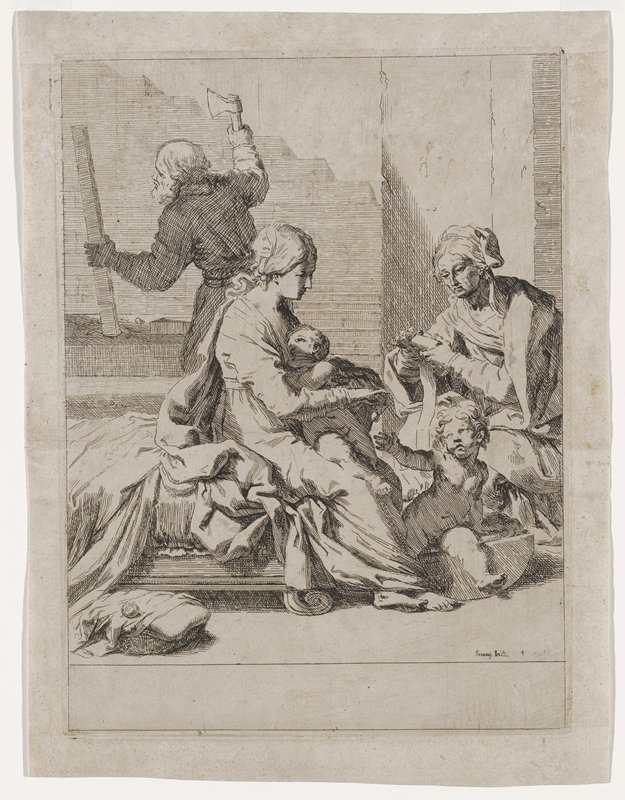
The Holy Family with St. Elizabeth and the Infant St. John the Baptist, Elisabetta Sirani, 1655–65

The Holy Family with St. Elizabeth and the Infant St. John the Baptist

1655–65 · Minneapolis Institute of Art

Amur The Winner, Elisabetta Sirani, mid-17th century

Amur The Winner

mid-17th century · Not on view · State Hermitage Museum

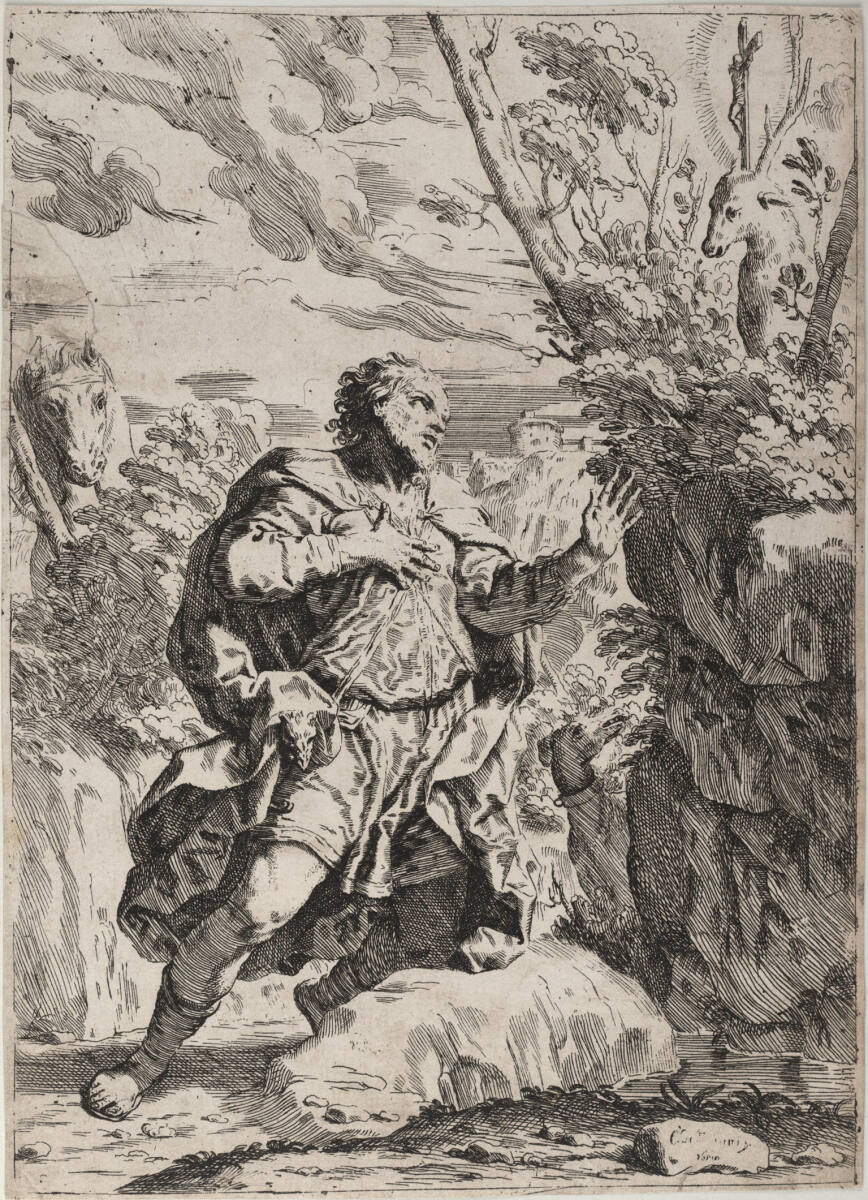
Heiliger Eustachius, Elisabetta Sirani

Heiliger Eustachius

Albertina

Ruhe auf der Flucht nach Ägypten, Elisabetta Sirani

Ruhe auf der Flucht nach Ägypten

Kupferstich-Kabinett Dresden

Omphale, Elisabetta Sirani

Omphale

Gemäldegalerie Alte Meister

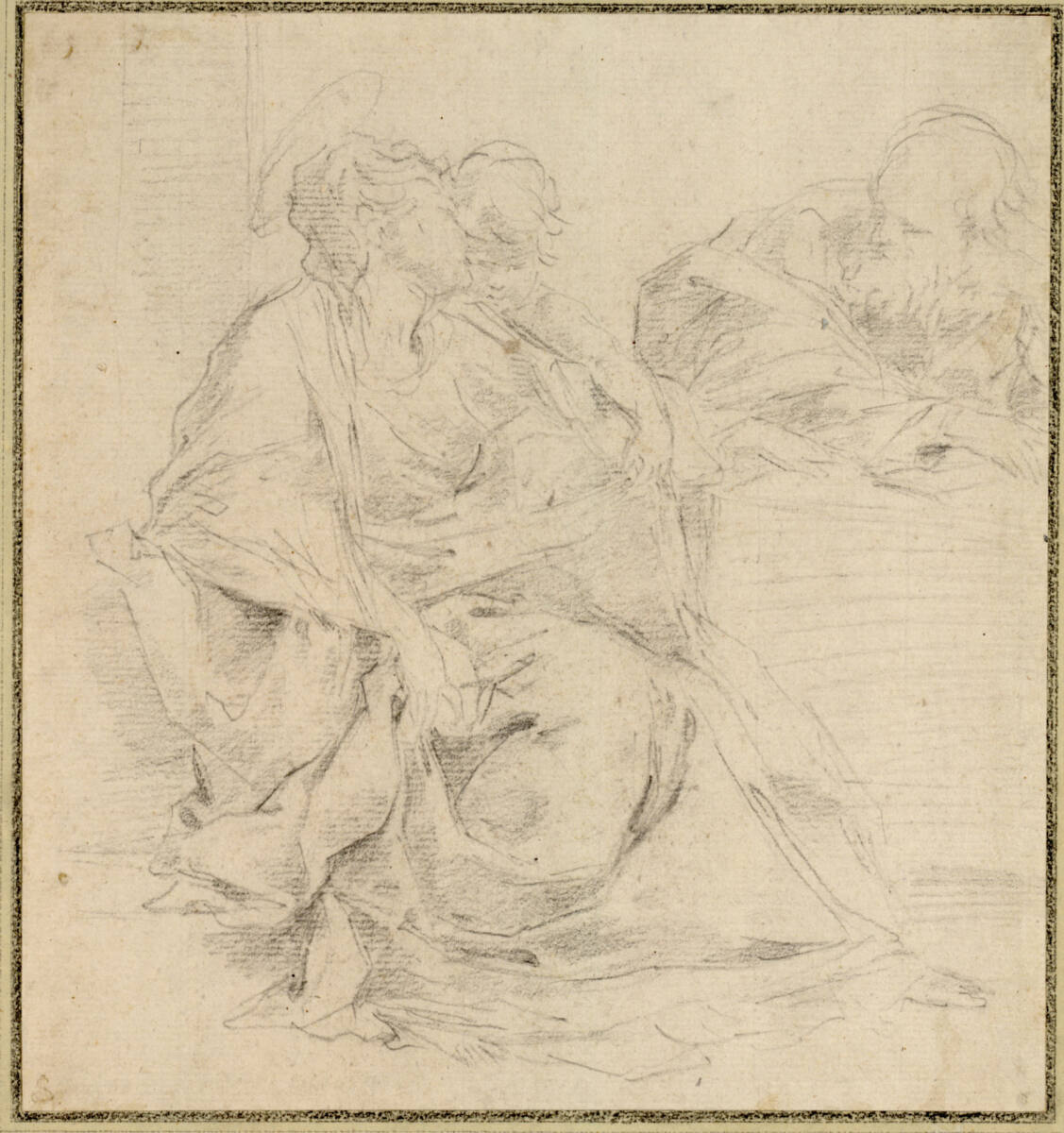
Die heilige Familie. Das Kind steht hinter der sitzenden Maria, die ihm den Kopf zuwendet; Joseph sitzt an einem Tisch, die Rechte auf einem offenen Buch ruhend, Elisabetta Sirani

Die heilige Familie. Das Kind steht hinter der sitzenden Maria, die ihm den Kopf zuwendet; Joseph sitzt an einem Tisch, die Rechte auf einem offenen Buch ruhend

Albertina

Ruhe auf der Flucht nach Ägypten, Elisabetta Sirani

Ruhe auf der Flucht nach Ägypten

Kupferstich-Kabinett Dresden

Die Heilige Familie mit Elisabeth und dem Johannesknaben, Elisabetta Sirani

Die Heilige Familie mit Elisabeth und dem Johannesknaben

Kupferstich-Kabinett Dresden

Neighbors at Musée du Louvre

Museum page
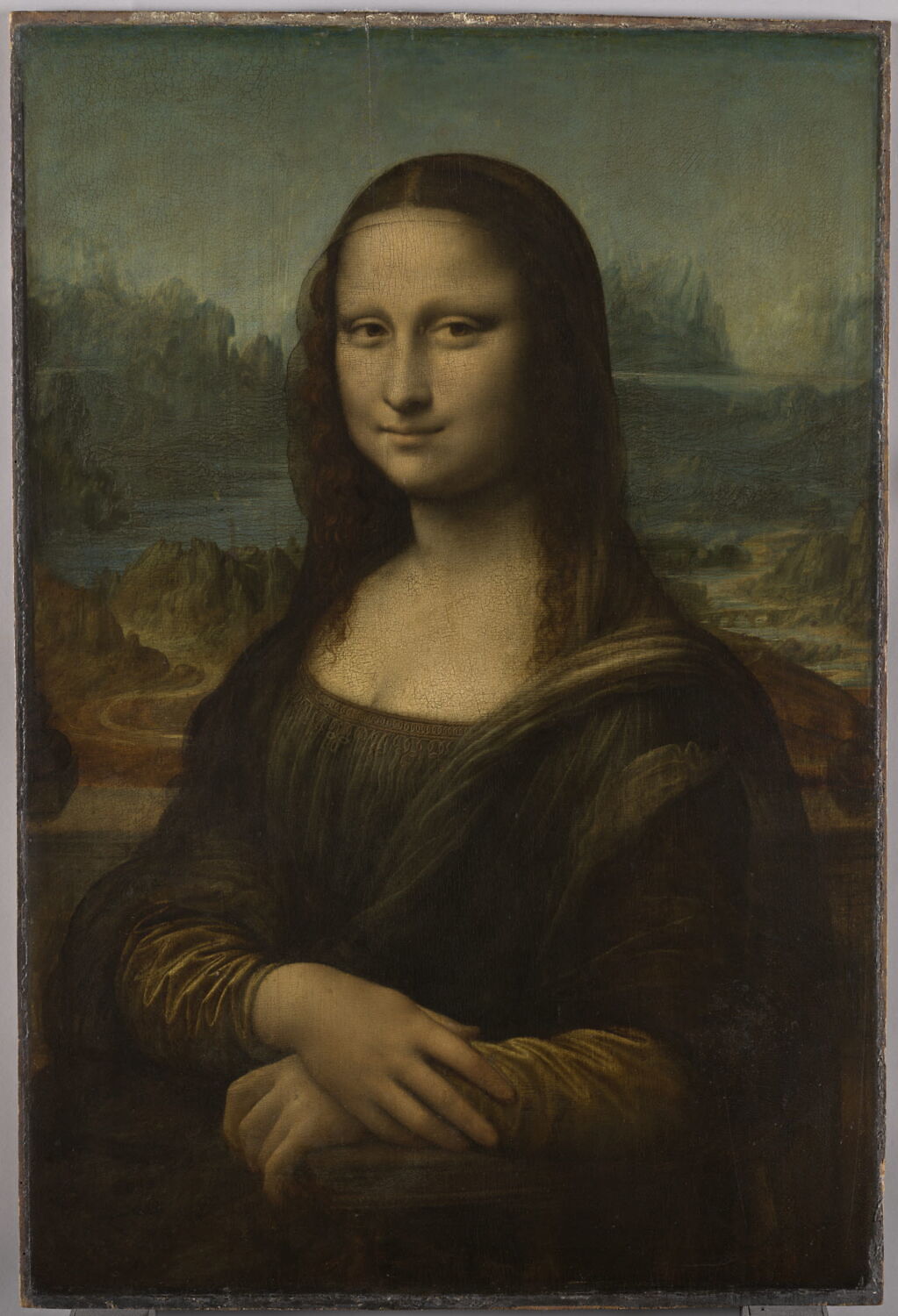
Portrait de Lisa Gherardini, épouse de Francesco del Giocondo, dit La Joconde ou Monna Lisa, Léonard de Vinci, 1e quart du XVIe siècle (1503 - 1519)

Leonardo da Vinci

Mona Lisa, first quarter of the 16th century (1503–1519)

Saint Jean Baptiste, Léonard de Vinci, 1e quart du XVIe siècle (vers 1517 - 1520)

Leonardo da Vinci

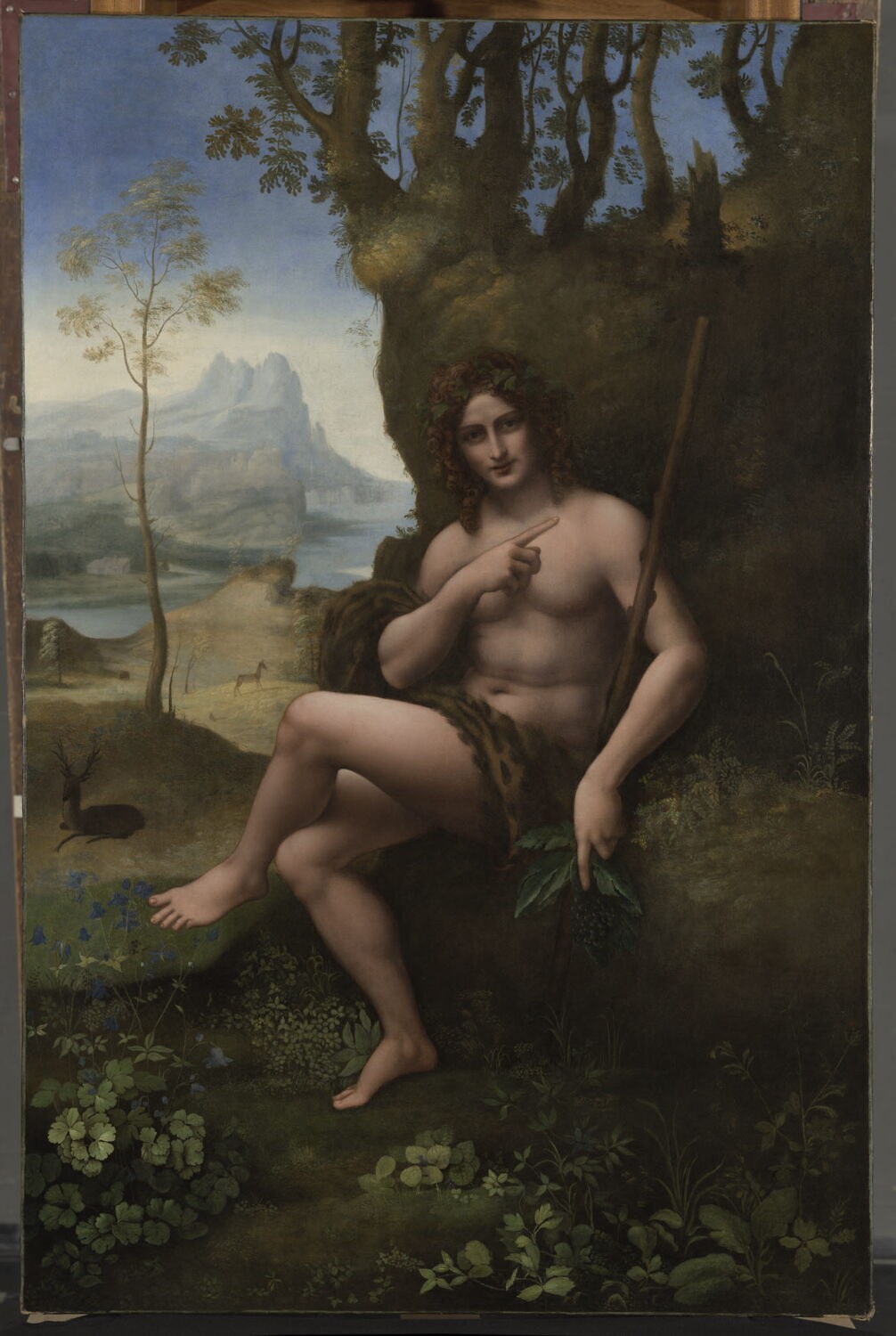
Bacchus, first quarter of the 16th century (c. 1517–1520)

Saint Jean Baptiste, Léonard de Vinci, 1e quart du XVIe siècle (vers 1508 - 1519)

Leonardo da Vinci

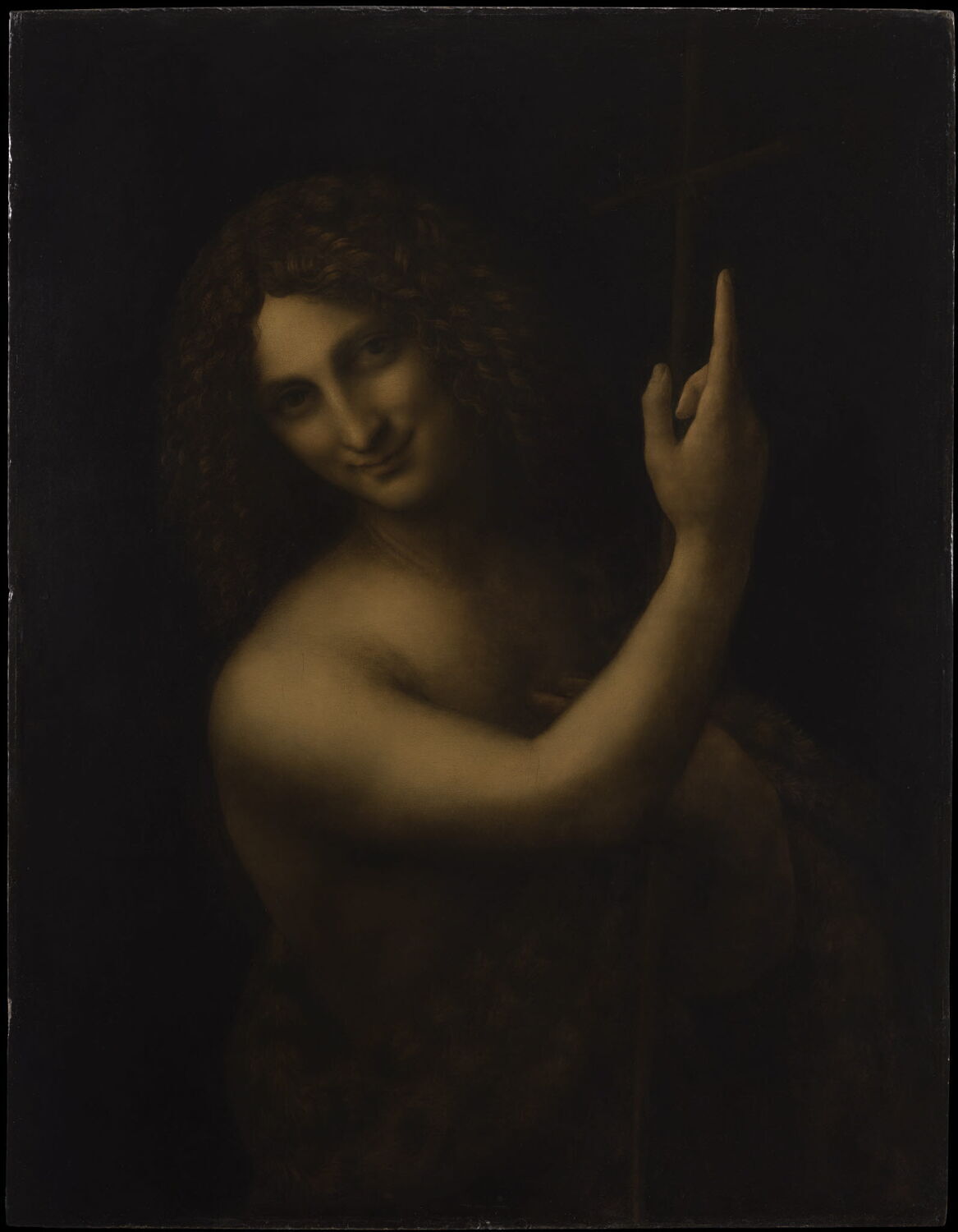
Saint John the Baptist, first quarter of the 16th century (c. 1508–1519)

La Vierge et l'Enfant Jésus, dite Vierge au dévidoir ou Vierge aux fuseaux, Léonard de Vinci, XVIe siècle (vers 1505 - 1520)

Leonardo da Vinci

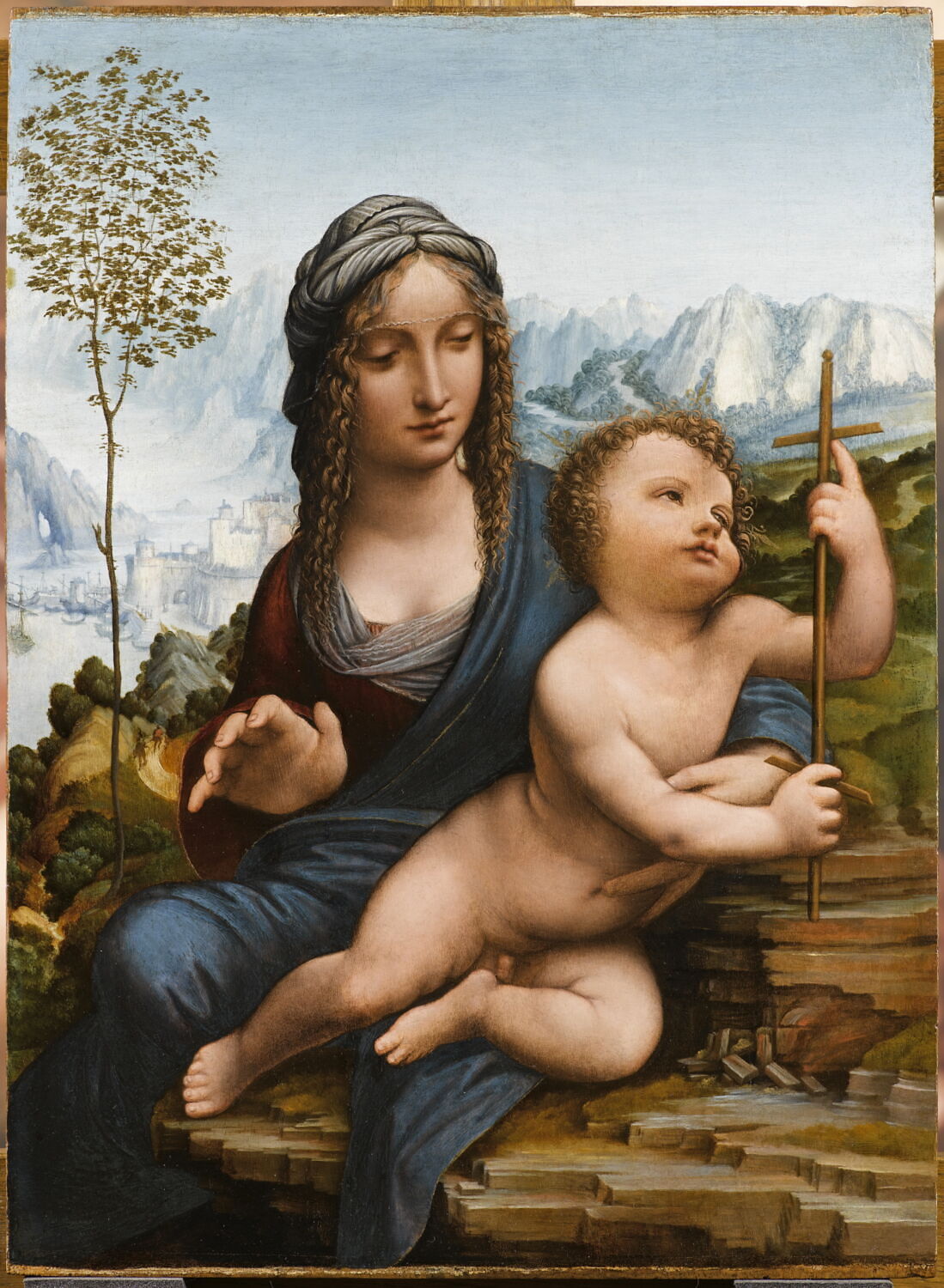
La Vierge et l'Enfant Jésus, dite Vierge au dévidoir ou Vierge aux fuseaux, 16th century (c. 1505–1520)

La Vierge, l'Enfant Jésus et sainte Anne, dit La Sainte Anne, Léonard de Vinci, 1e quart du XVIe siècle (vers 1503 - 1519)

Leonardo da Vinci

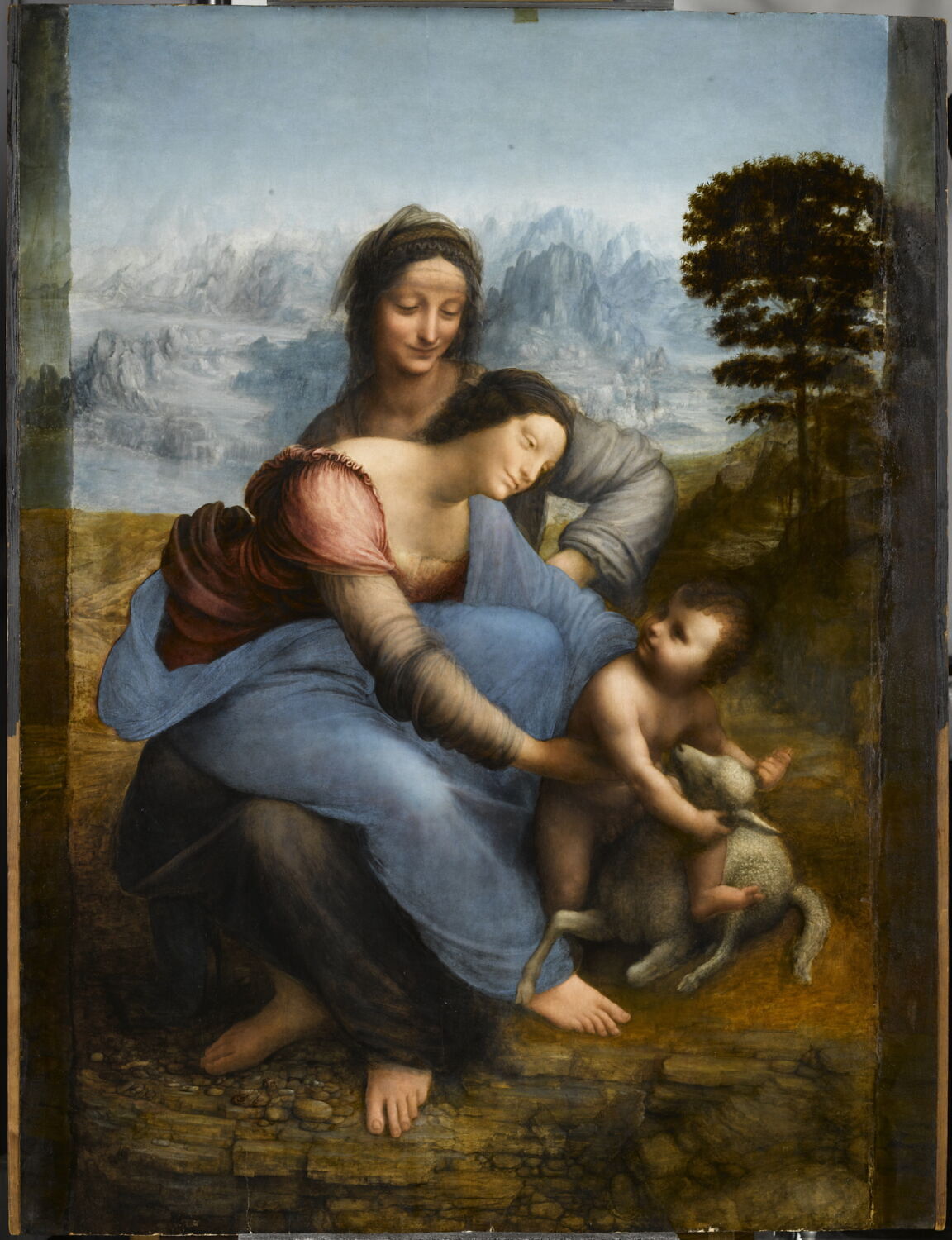
The Virgin and Child with Saint Anne, first quarter of the 16th century (c. 1503–1519)

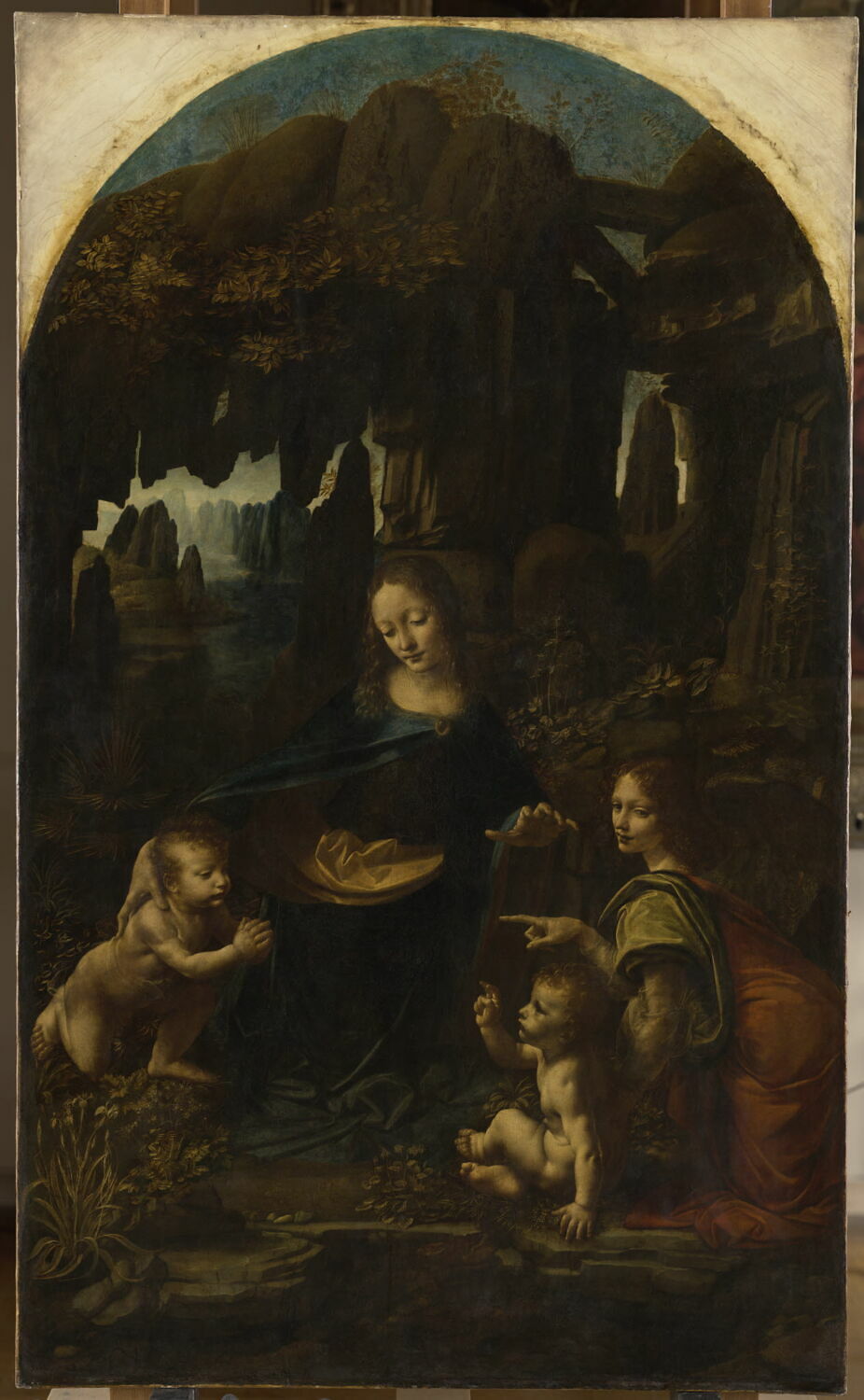
La Vierge, l'Enfant Jésus, saint Jean Baptiste et un ange, dit La Vierge aux rochers, Léonard de Vinci, 4e quart du XVe siècle (vers 1483 - 1494)

Leonardo da Vinci

La Vierge, l'Enfant Jésus, saint Jean Baptiste et un ange, dit La Vierge aux rochers, last quarter of the 15th century (c. 1483–1494)

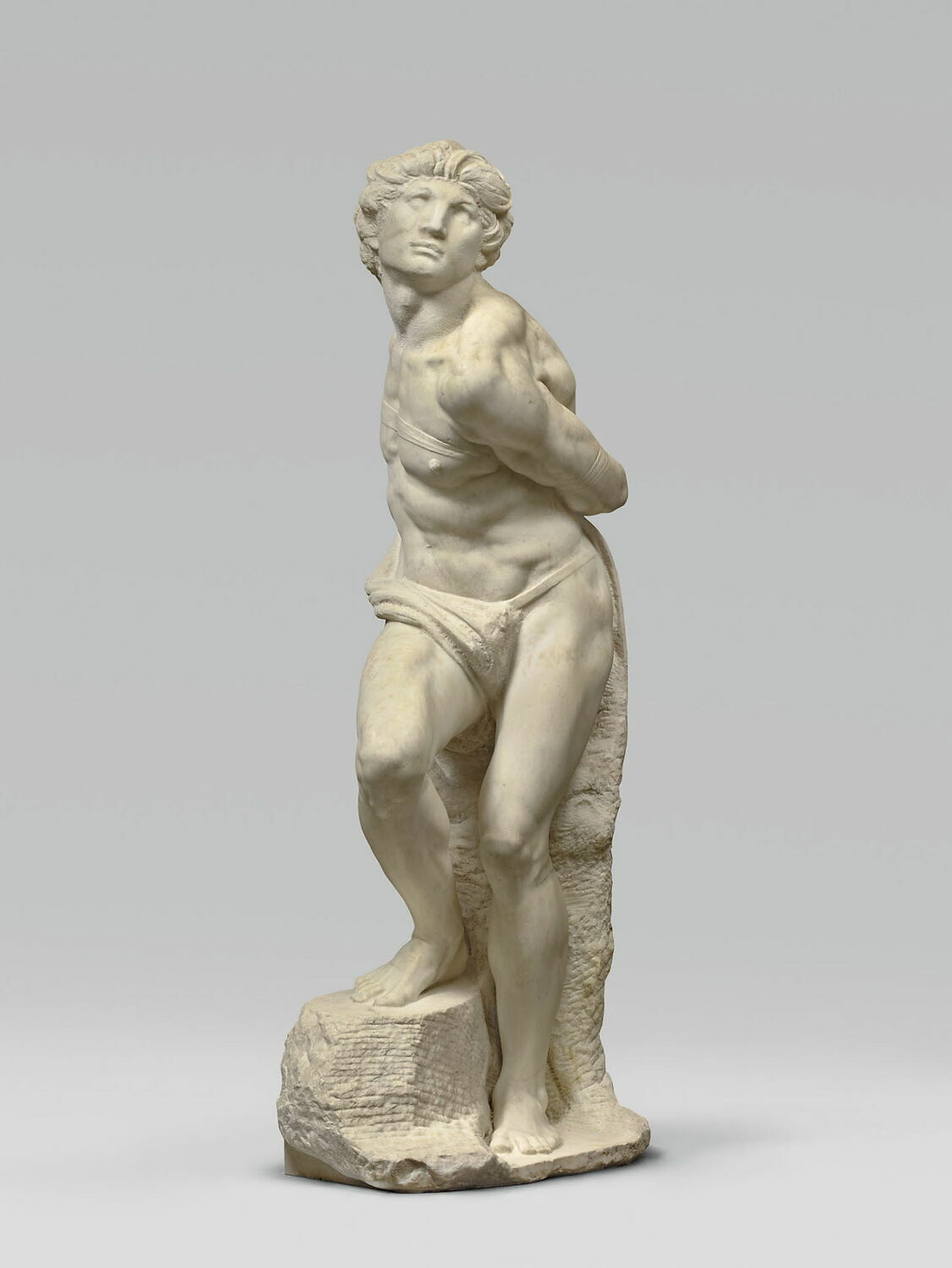
Esclave rebelle, Buonarroti, Michelangelo dit Michel-Ange, 1513 - 1515

Michelangelo

Rebellious Slave, 1513 - 1515

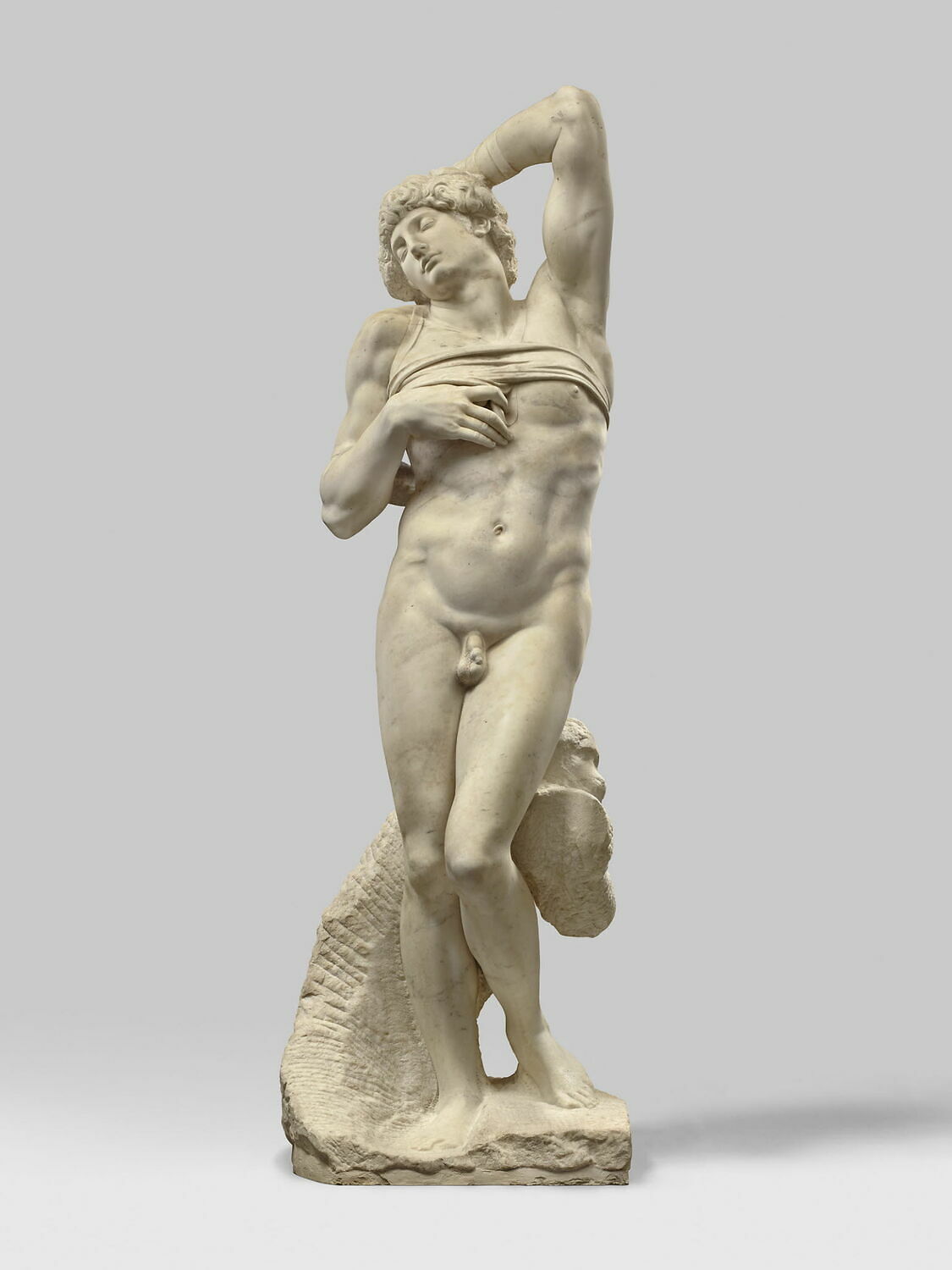
Esclave mourant, Buonarroti, Michelangelo dit Michel-Ange, 1513 - 1515

Michelangelo

Dying Slave, 1513 - 1515