ART WIKI32,963 on view
MapCollectionArtistsMuseumsExhibitionsJournal
Sign in

ART WIKI

Where the masterpiece hangs, and when they let you in.

Collections: Art Institute of Chicago, Getty Villa, Harvard Art Museums, Hirshhorn Museum and Sculpture Garden, J. Paul Getty Museum, Minneapolis Institute of Art, Musée du Louvre, National Gallery of Art, National Museum of Asian Art, National Portrait Gallery (Smithsonian), Pushkin State Museum of Fine Arts, Rijksmuseum, Smithsonian American Art Museum, SMK — National Gallery of Denmark, State Hermitage Museum, State Russian Museum, The Cleveland Museum of Art, The Metropolitan Museum of Art, The Museum of Modern Art, Tretyakov Gallery, Victoria and Albert Museum, Whitney Museum of American Art, State Catalogue of the Museum Fund of Russia (274 museums), Europeana (19 museums), Wikidata (6 museums), Paris Musées (12 museums), and Joconde, the French Ministry of Culture's museum database (495 museums). Images belong to their rights holders.

Sections

  • Map
  • Search
  • Collection
  • Masterpieces
  • On view now
  • Artists

More

  • Museums & galleries
  • Exhibitions
  • Journal
  • Where the data comes from
  • Privacy & cookies
HomeMapBrowse
  1. Collection/
  2. Minneapolis Institute of Art/
  3. Finch on a Citrus Branch
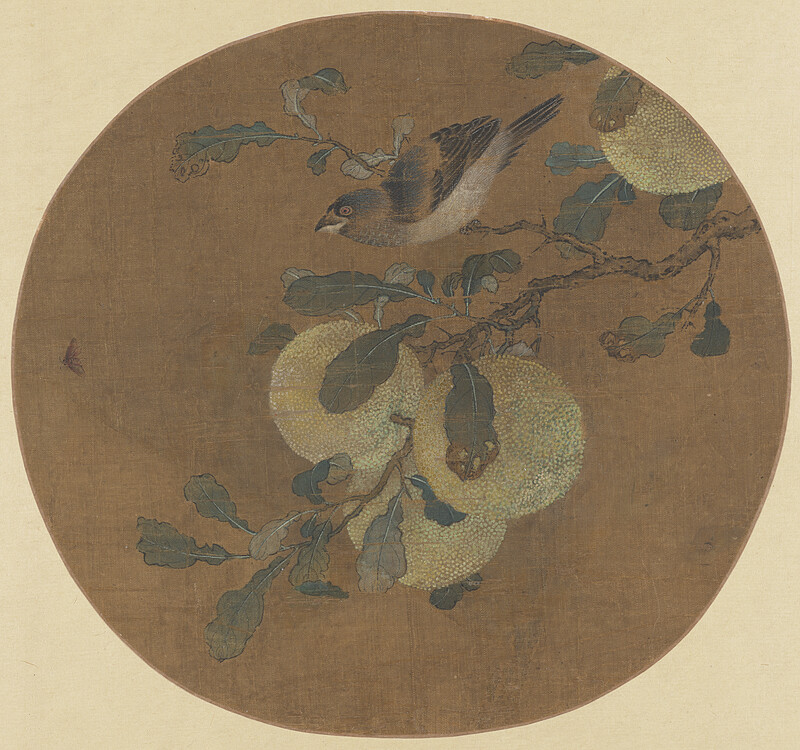
Finch on a Citrus Branch, c. 1300

Finch on a Citrus Branch

c. 1300 · Painting · 27.31 × 29.21 cm

May one see it?

Yes, receiving visitors

Minneapolis Institute of Art

Minneapolis, United States

RoomG203

On public display.

Checked
3 days ago
In this state since
Sep 25, 2026
Source
The museum
On the mapMuseum page

About the painting

A finch, intensely focused on a moth, readies to strike its prey. It is perched on a citrus branch whose grapefruit and decaying leaves, like the bird and insect, have been rendered with naturalistic colors and great detail. This style of painting, based on direct observation, is credited to the bird-and-flower painters of the Northern Song Academy, especially as it developed under the leadership of Emperor Hui Zong (r. 1100–1125). Their technique generally rejects the use of ink outline and relies on the use of color alone (mogu or “boneless method”).

The Chinese elevated plants and animals to artistic themes centuries before the West. They were also the first to render this type of subject matter with near scientific accuracy.

Minneapolis Institute of Art

Particulars

Accession number
93.5.2

In the catalog

PaintingsInkMiddle AgesBefore 1400China

Sources

  • Minneapolis Institute of Art
  • Image: Minneapolis Institute of Art — public domain
In the same room · G203, Minneapolis Institute of Art

Museum page
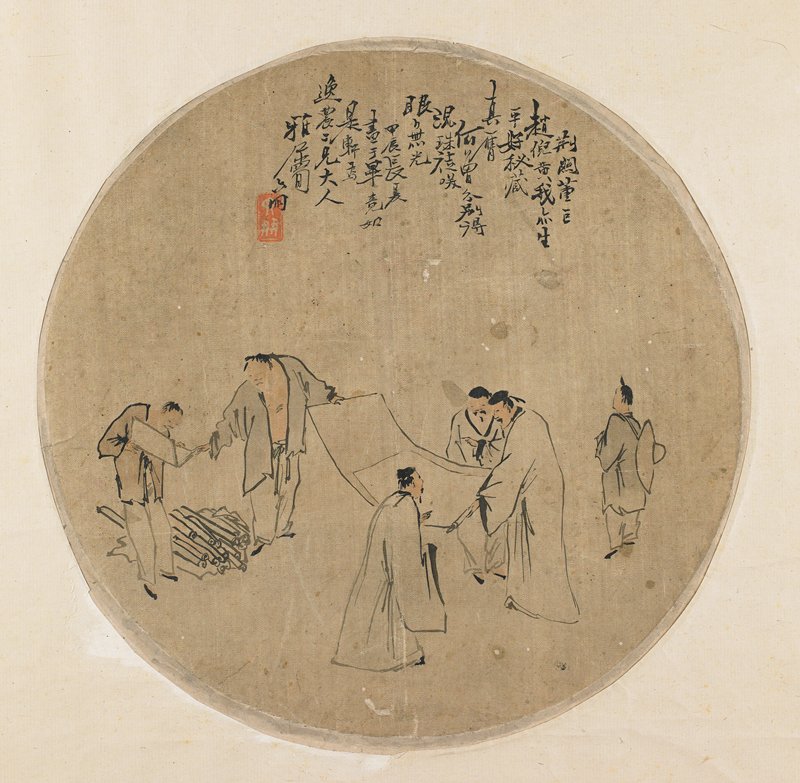
Scholars Examining Paintings, Su Liupeng, 1884

Su Liupeng

Scholars Examining Paintings, 1884

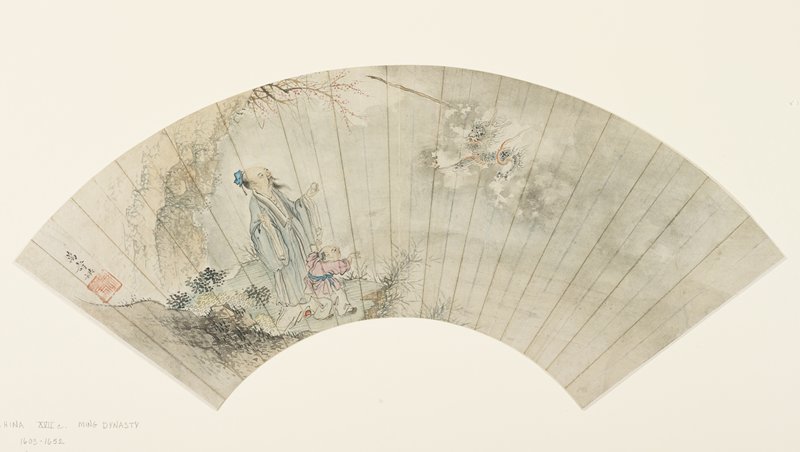
Fan painting of a Daoist magician, Wan Shouqi, c. 1650

Wan Shouqi

Fan painting of a Daoist magician, c. 1650

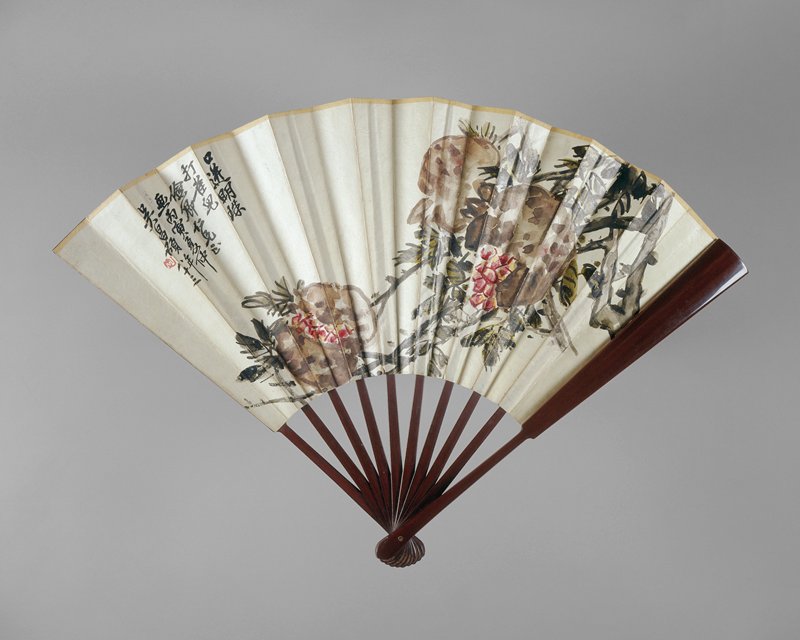
Pomegranates, Wu Changshuo, 1927

Wu Changshuo

Pomegranates, 1927

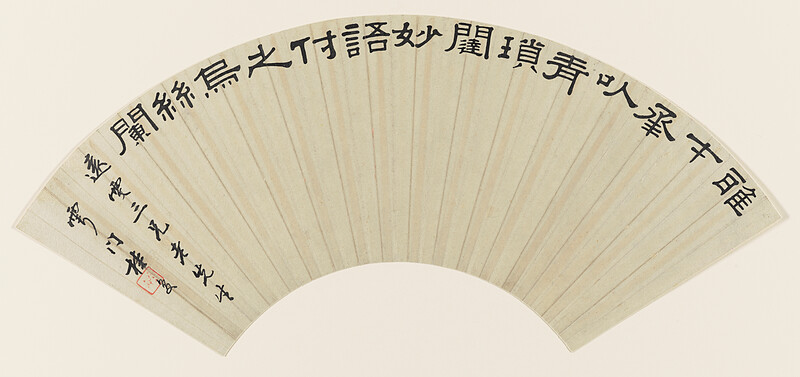
Fan with Clerical Script Calligraphy, Gui Fu, c. 1780

Gui Fu

Fan with Clerical Script Calligraphy, c. 1780

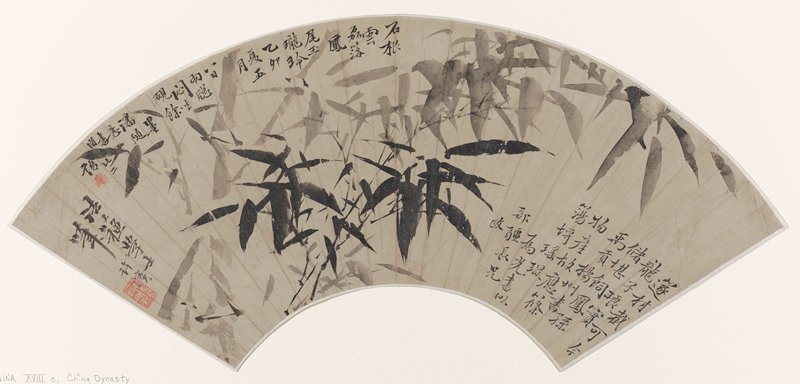
Bamboo, Xu Bin, 1735

Xu Bin

Bamboo, 1735

Landscape, Wang Shimin, 1667

Wang Shimin

Landscape, 1667

Calligraphy Fan in Xiao Kai Shu Script, Du Dazhong, 1585

Du Dazhong

Calligraphy Fan in Xiao Kai Shu Script, 1585

Deep Fragrance in the Valley of the Void, Chen Chun, c. 1530

Chen Chun

Deep Fragrance in the Valley of the Void, c. 1530