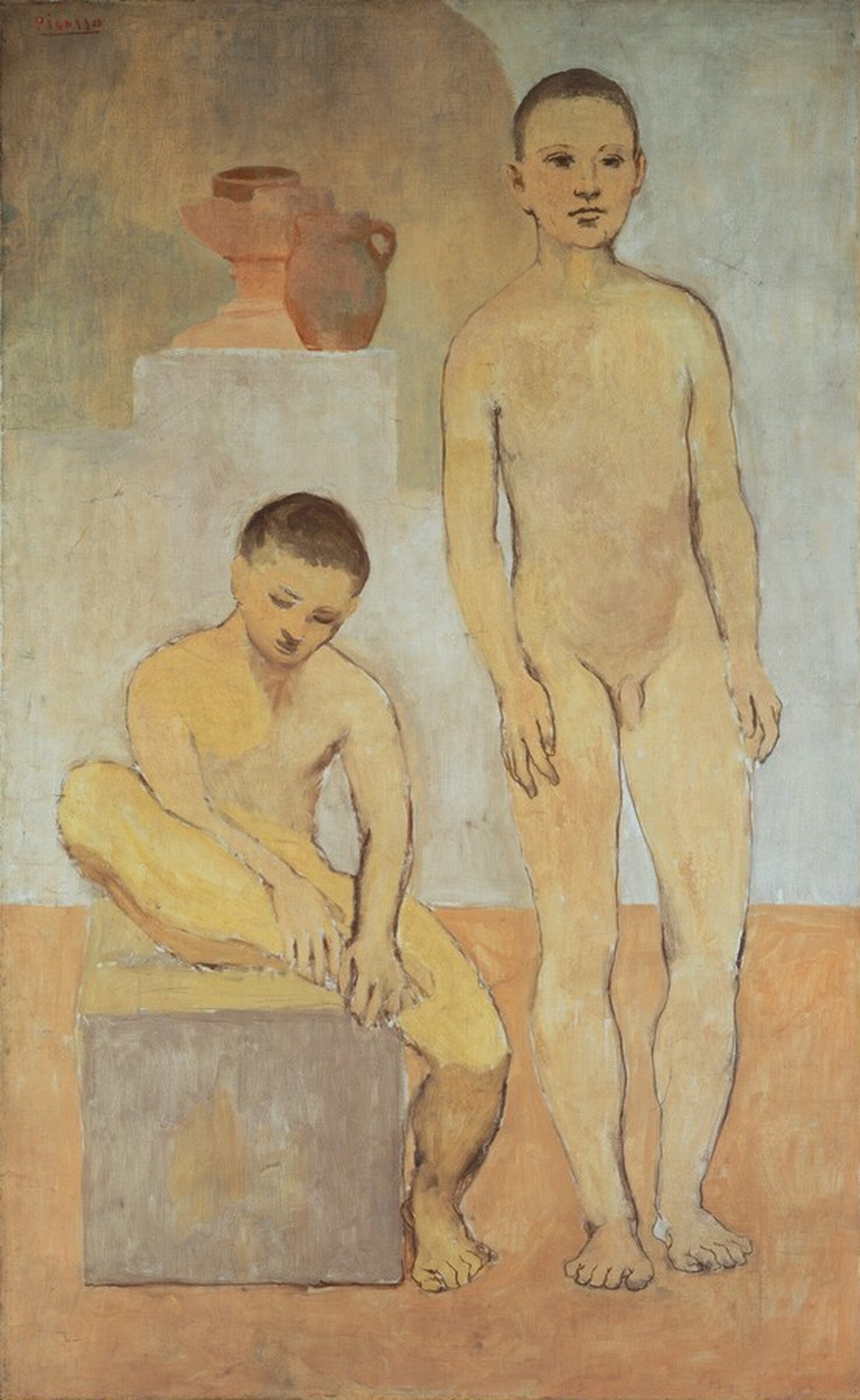
André KertészAmerican, 1894–1985
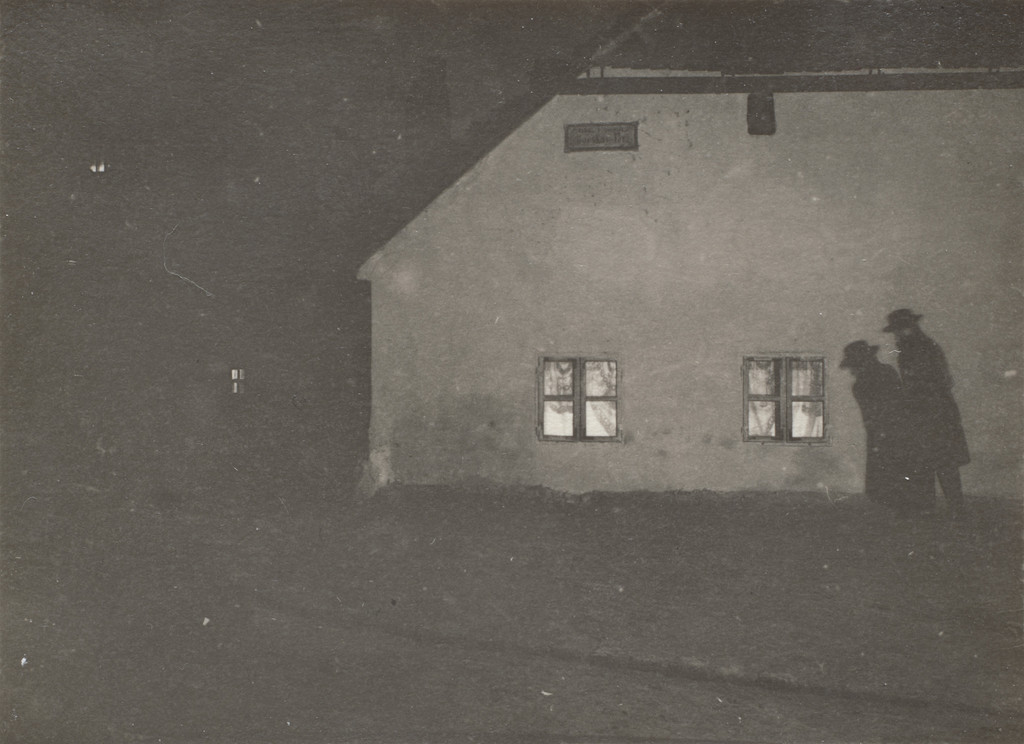
Elizabeth and I
May one see it?
Not receiving at present

Washington, D.C., United States
It belongs to the collection, but is not on display at present.
- Checked
- In this state since
- Source
- The museum
Particulars
- Accession number
- 1998.90.2
What it shows
In the catalog
Sources
- National Gallery of Art
- Image: National Gallery of Art — © the artist or rights holder
Meanwhile, in the life of André Kertész
The whole life1925–1936
The circle of Hungarian émigrés and portraits of friends
In Paris he is among numerous Hungarian artists, including François Kollar, Robert Capa, Emeric Fehér, Brassaï and Julia Bathory, as well as Man Ray, Germaine Krull and Lucien Aigner, who also emigrated there, and becomes involved with the Dada movement; visiting his sculptor friends, he is fascinated by Cubism. He makes photo portraits of the painters Piet Mondrian and Marc Chagall, the writer Colette and the film-maker Sergei Eisenstein.
early 1930s
Cartier-Bresson: “We all owe him a great deal”
Henri Cartier-Bresson says of Kertész that they all owe him a great deal; he later comes to be considered the father of photojournalism, and other photographers cite him as an inspiration.
1931
Elizabeth joins him in Paris
He had gone back to Hungary in 1930 to visit his family, and after his return to Paris Elizabeth follows him in 1931, despite opposition from her family; she had stayed behind until her future husband was well enough established in Paris for them to marry. Elizabeth and André remain together for the rest of their lives.
1932
Exhibition at the Julien Levy Gallery in New York
At the Julien Levy Gallery in New York the price of his proofs is set at US$20, a large sum of money during the Great Depression.
17 June 1933
Marries Elizabeth
Despite his mother’s death earlier that year, Kertész marries Elizabeth; he is said to have spent less time with his artist friends in favour of his new wife.
1933–1937
Books: “Enfants”, “Paris”, “Nos amies les bêtes”
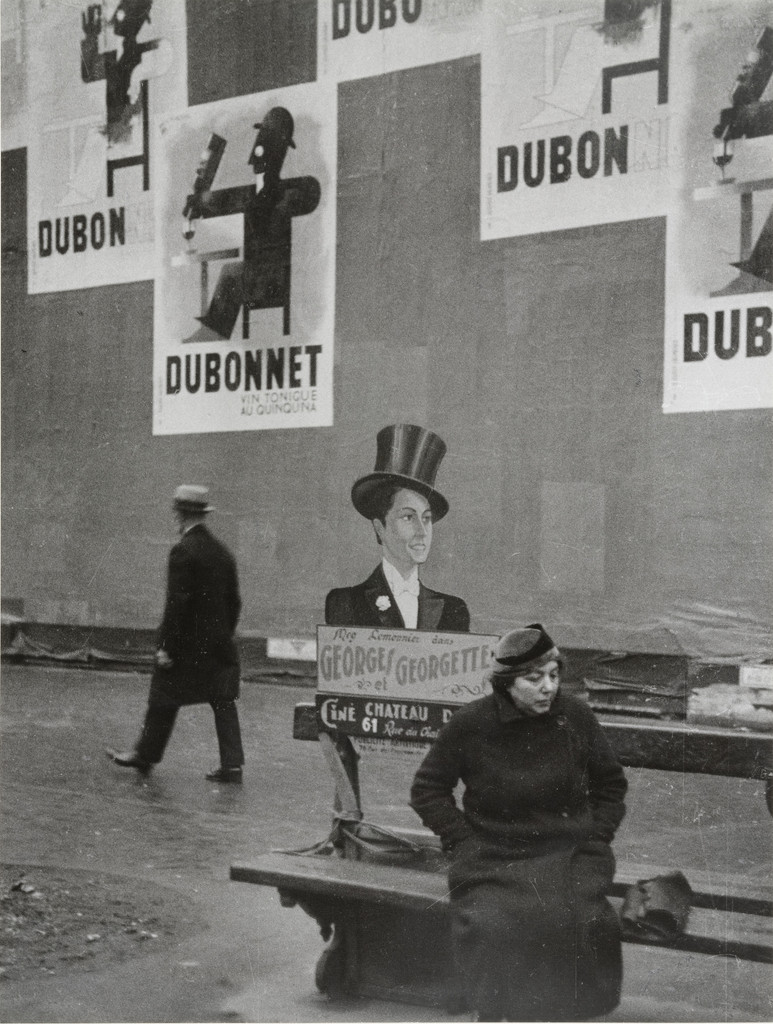
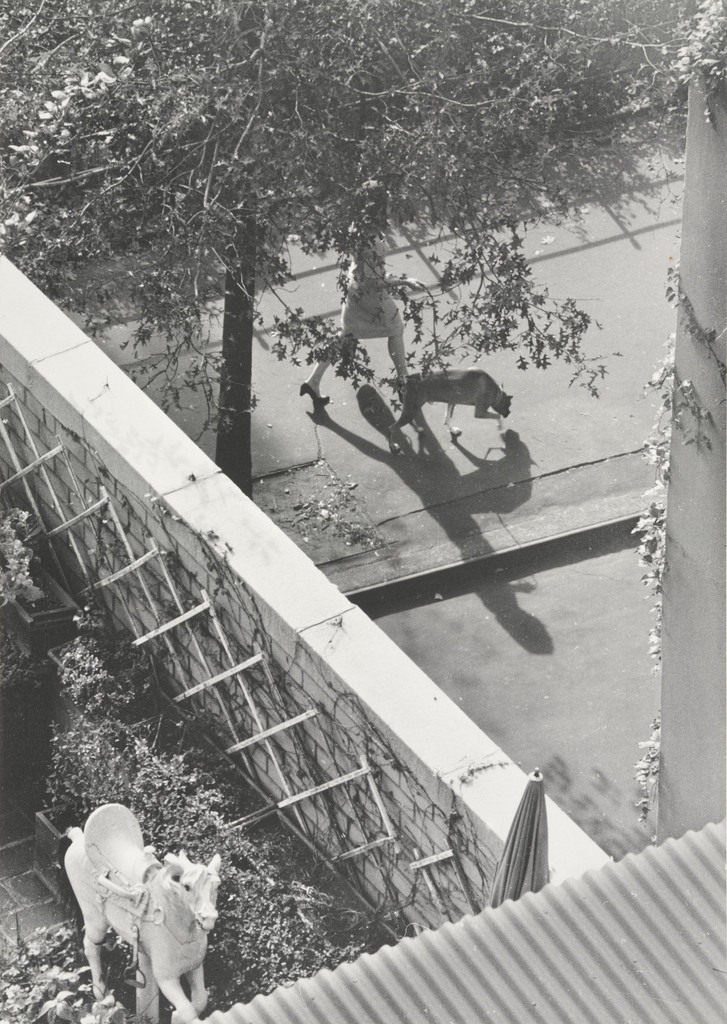
His first personal book of photographs, Enfants, is published in 1933, and he publishes regularly in the following years: Paris (1934), dedicated to his brothers Imre and Jenő, Nos Amies les bêtes (“Our Friends the Animals”, 1936) and Les Cathédrales du vin (“The Cathedrals of Wine”, 1937).


![Ginevra de' Benci [obverse], Leonardo da Vinci, c. 1474/1478](https://api.nga.gov/iiif/8f29e3c9-a289-4d53-abf0-31a66e9e98fa/full/!2400,2400/0/default.jpg)
![Wreath of Laurel, Palm, and Juniper with a Scroll inscribed Virtutem Forma Decorat [reverse], Leonardo da Vinci, c. 1474/1478](https://api.nga.gov/iiif/ff62e8d0-45c4-498f-ad36-6358de827e04/full/!2400,2400/0/default.jpg)