 Thomas BanksBritish, 1735–1805
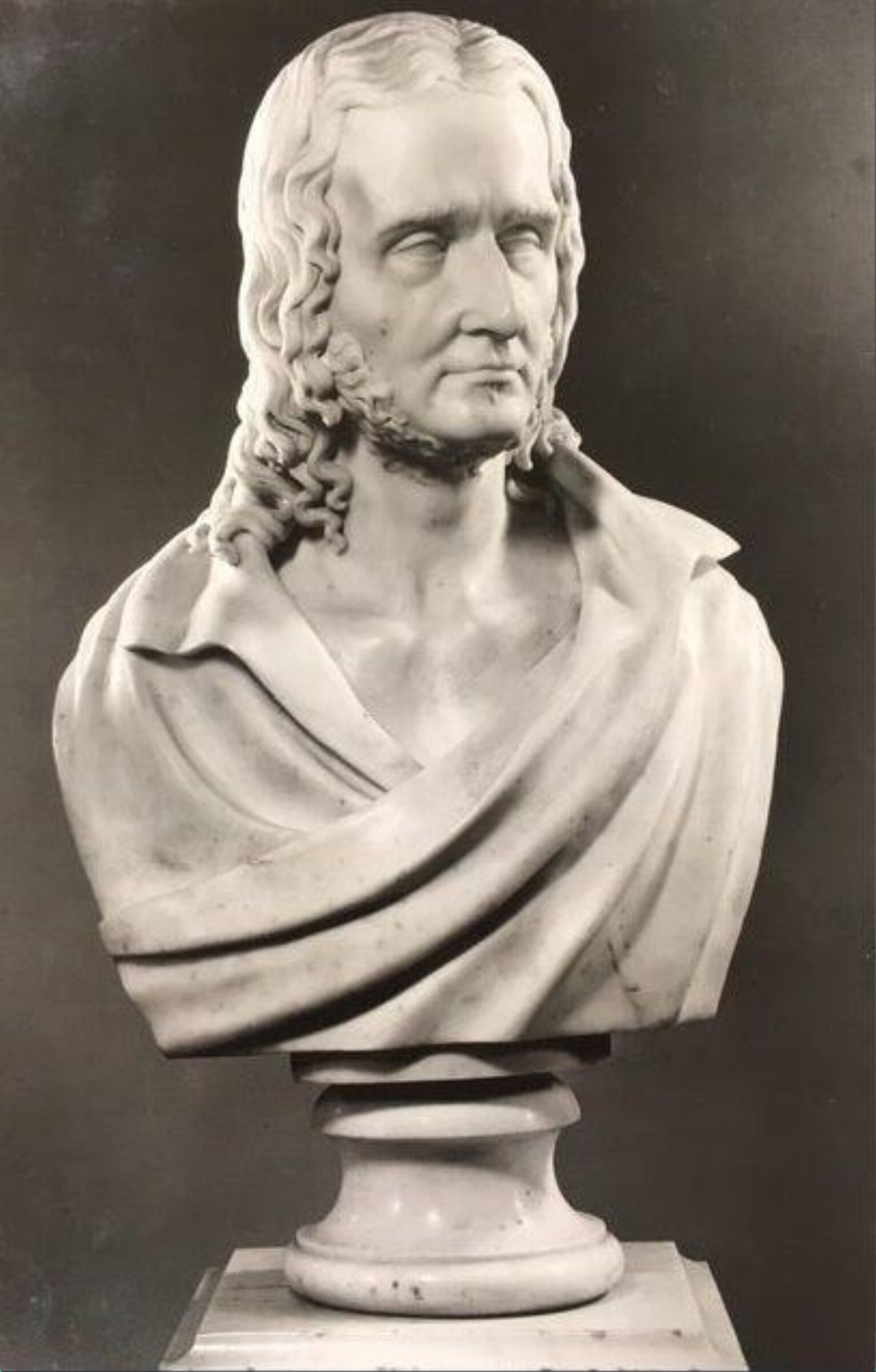
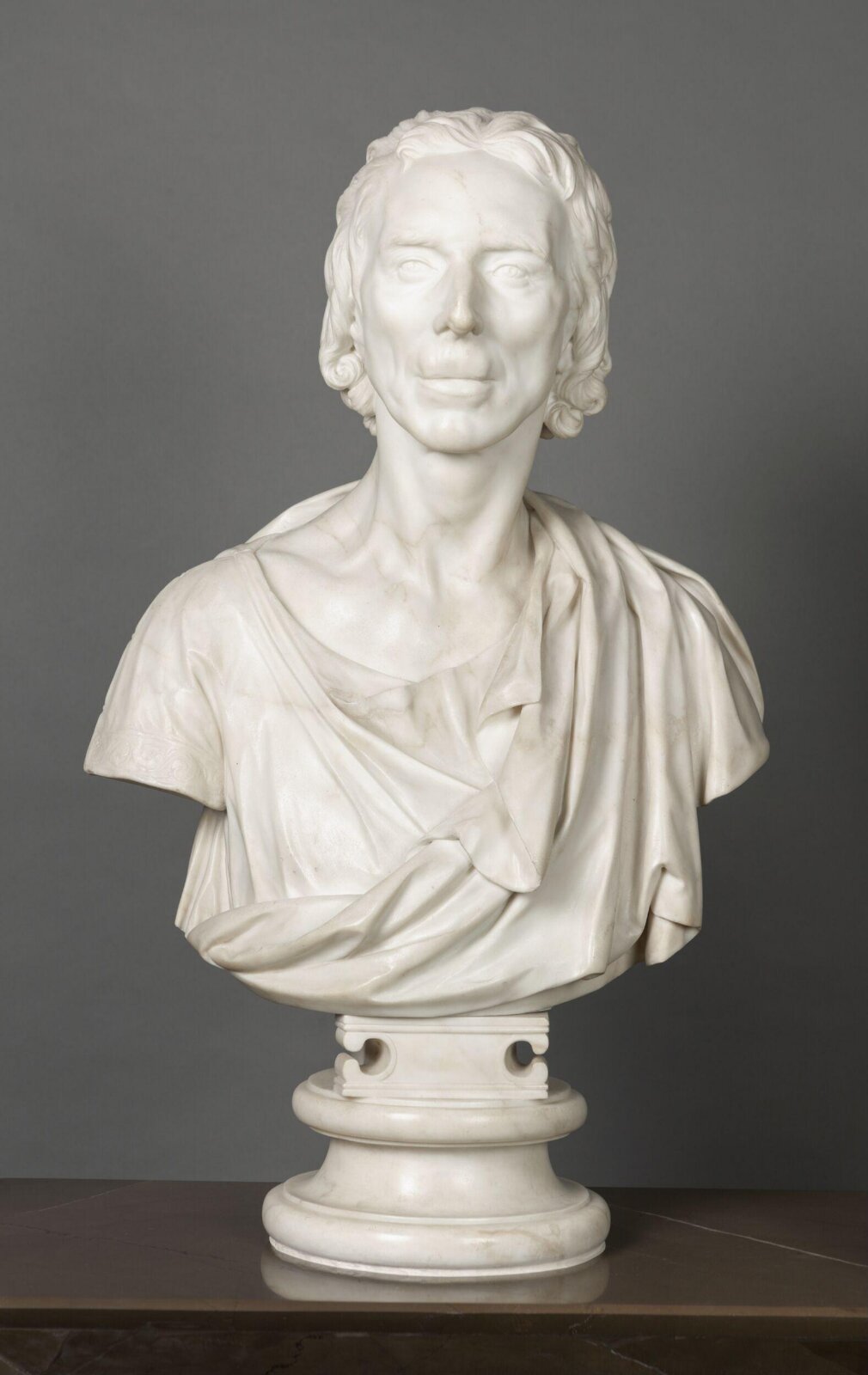
Dr Anthony Addington
Can I see it?
Yes, on view now
Where is “Dr Anthony Addington” now? Victoria and Albert Museum, Sculpture, Room 22, The Dorothy and Michael Hintze Galleries, London. Yes, on view now. Checked September 25, 2026.

London, United Kingdom
RoomSculpture, Room 22, The Dorothy and Michael Hintze Galleries
Closed· opens tomorrow at 10:00 AM
On public display.
- Checked
- In this state since
- Source
- The museum
About the sculpture
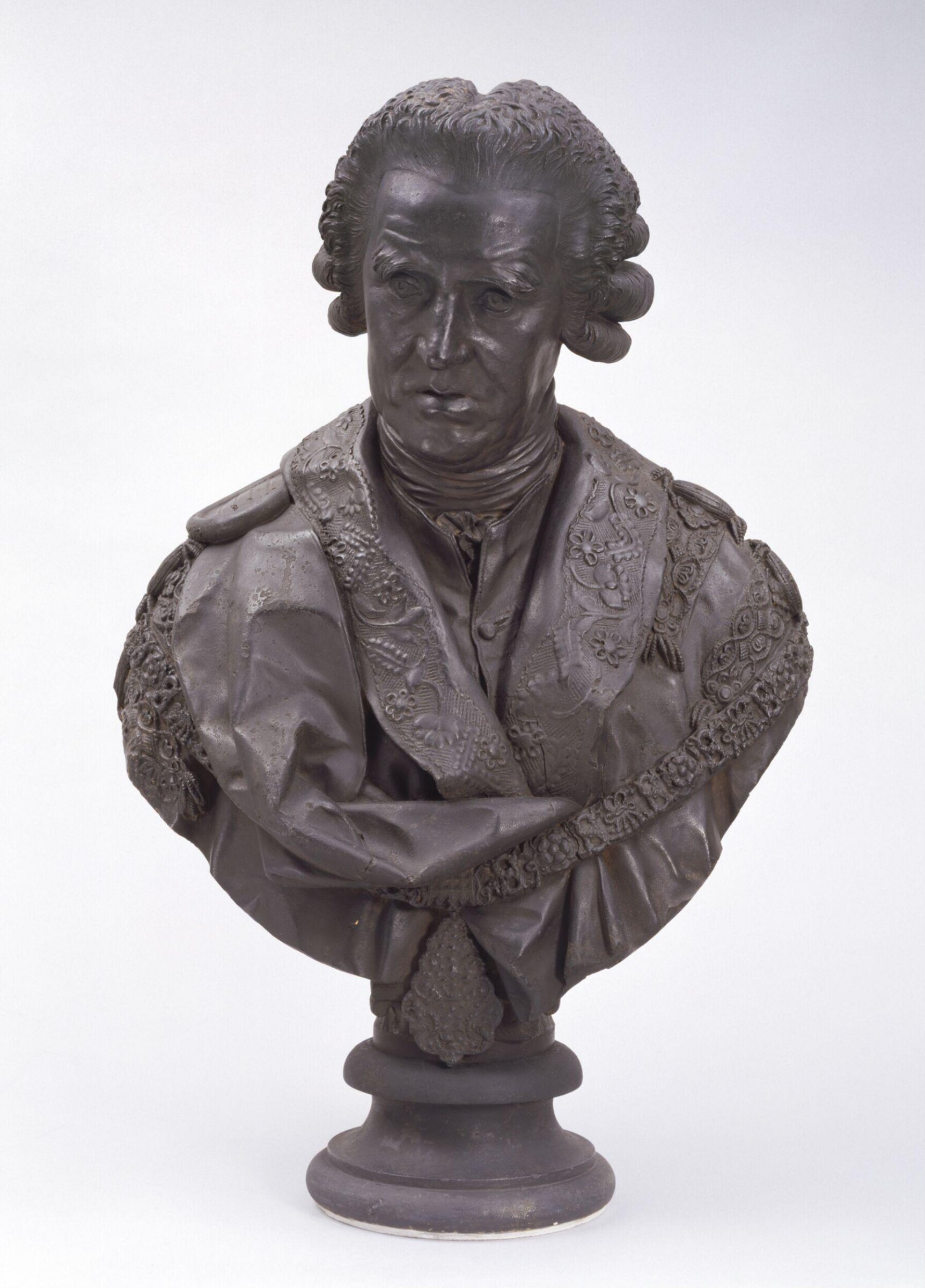
Despite the lively character of the sitter captured by the sculptor, this bust is based on a death mask. Dr Addington (1713-1790) was a distinguished doctor who specialised in the treatment of mental illness. One of his patients was King George III. Addington's son, Henry Addington, who probably commissioned this portrait, later became the British Prime Minister. This is one of the few portrait busts executed by Banks, who normally specialised in funerary monuments and ideal sculpture.
Read on
Thomas Banks (1735-1805) was apprenticed to a London mason, but also spent time working alongside the sculptor Peter Scheemakers (1691-1781). He enrolled in the life classes held at the St Martin's Lane Academy, and later at the Royal Academy Schools. In 1772 he became the first sculptor to win the Royal Academy's three-year travelling stipend, and went with his wife to Rome, where he eventually spent seven years. He specialised in ideal works, most of which were executed in Rome for British patrons, although he continued to produce similar work after his return to London. He was made a Royal Academician in 1786. Banks was one of the most original British Neo-classical sculptors, who dedicated his work to the antique spirit rather than to the fashionable classical style alone.. He tried to establish a market for modern gallery sculpture , which was particular for most patrons at the time preferred restored antique marbles, replicas, pastiches, busts and memorials.
Victoria and Albert Museum
Details
- Accession number
- A.2-1955
What it shows
In the catalog
Sources
- Victoria and Albert Museum
- Image: Victoria and Albert Museum — © Victoria and Albert Museum, London