ART WIKI32,979 on view
MapCollectionArtistsMuseumsExhibitionsJournal
Sign in

ART WIKI

Where the masterpiece hangs, and when they let you in.

Collections: Art Institute of Chicago, Getty Villa, Harvard Art Museums, Hirshhorn Museum and Sculpture Garden, J. Paul Getty Museum, Minneapolis Institute of Art, Musée du Louvre, National Gallery of Art, National Museum of Asian Art, National Portrait Gallery (Smithsonian), Pushkin State Museum of Fine Arts, Rijksmuseum, Smithsonian American Art Museum, SMK — National Gallery of Denmark, State Hermitage Museum, State Russian Museum, The Cleveland Museum of Art, The Metropolitan Museum of Art, The Museum of Modern Art, Tretyakov Gallery, Victoria and Albert Museum, Whitney Museum of American Art, State Catalogue of the Museum Fund of Russia (274 museums), Europeana (19 museums), Wikidata (6 museums), Paris Musées (12 museums), and Joconde, the French Ministry of Culture's museum database (495 museums). Images belong to their rights holders.

Sections

  • Map
  • Search
  • Collection
  • Masterpieces
  • On view now
  • Artists

More

  • Museums & galleries
  • Exhibitions
  • Journal
  • Where the data comes from
  • Privacy & cookies
HomeMapBrowse
  1. Collection/
  2. Victoria and Albert Museum/
  3. Achilles Arming
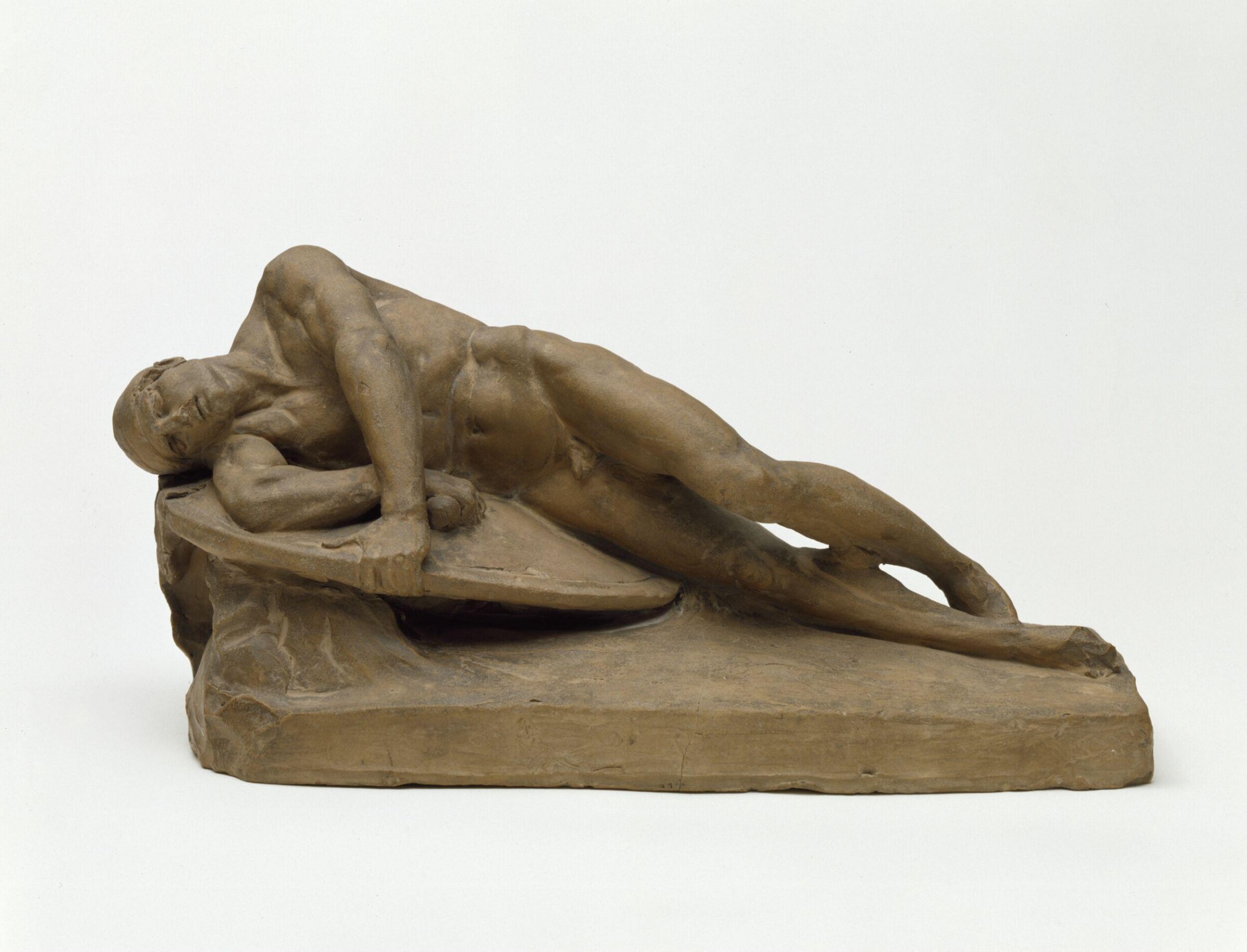
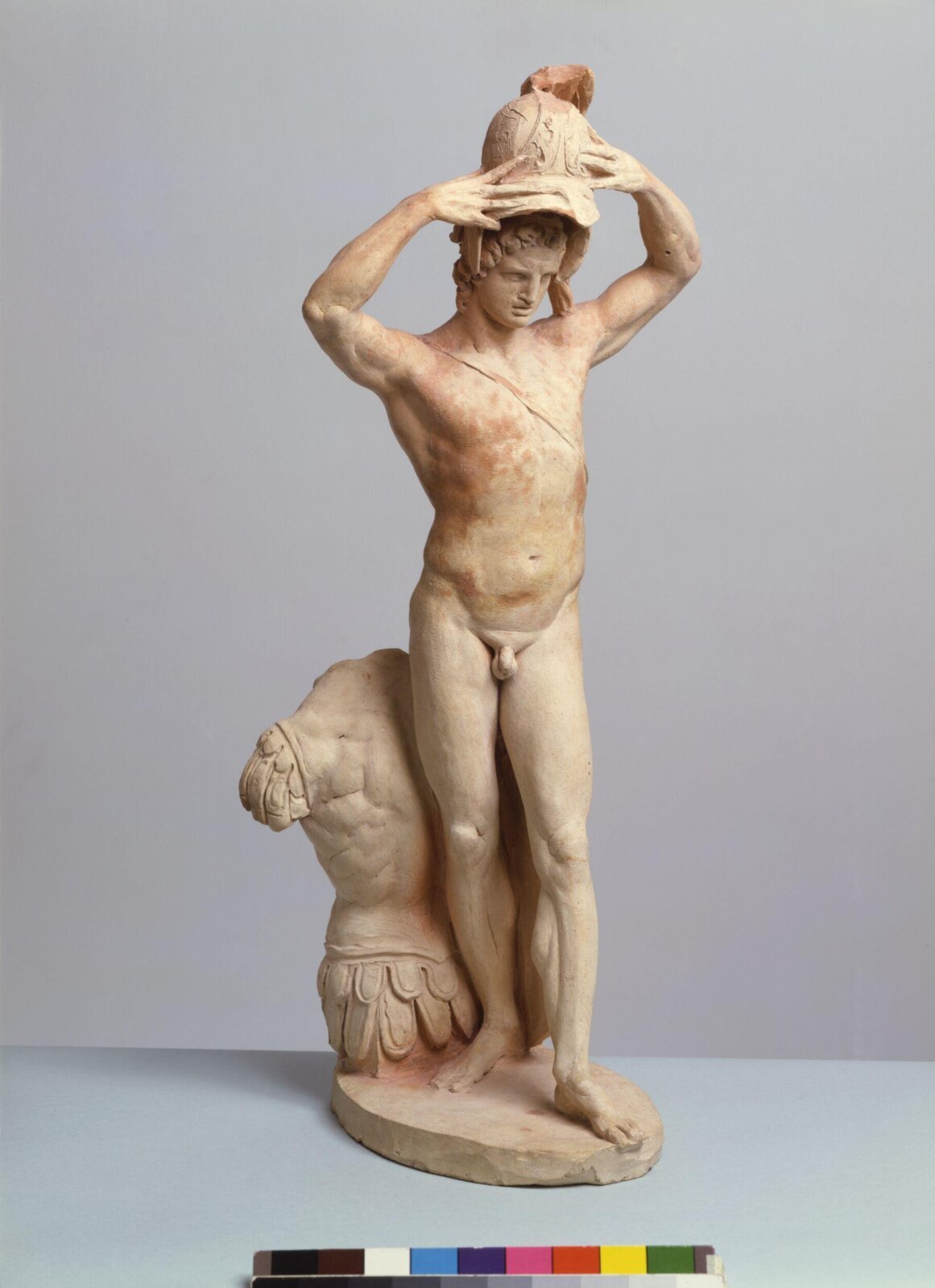
Achilles Arming, Thomas Banks, ca. 1777
Thomas Banks, portraitThomas BanksBritish, 1735–1805

Achilles Arming

ca. 1777 · Model

About the sculpture

Achilles, the doomed hero of Homer's Greek epic The Iliad, seems to have been a particular favourite of Thomas Banks. When it was acquired by the V&A in 1955, this terracotta model for a bronze or full-size marble had been broken into many pieces; it was conserved shortly after its acquisition. A label beneath the base had a defaced inscription in 19th-century handwriting recording Banks as the sculptor. However, recently it has been suggested that Achilles arming is in fact by the Swedish sculptor Johan Tobias Sergell (1740-1814). They were acquainted: Sergell spent the years 1767-1778 in Rome; Banks was there from 1772 to 1779. A version of this model in bronze - unsigned, but with the figure wearing a fig leaf - was recorded in a private collection in 1984 (V&A departmental records).

Read on

But what appears to be a life-size version - shown among other sculptures in an oil sketch of about 1846 by John Partridge (1790-1872) entitled The Fine Arts Commissioners in 1846 - is probably an invention by Partridge made in order to represent Banks more prominently in Partridge's imaginary collection of great works of art.

Thomas Banks (1735-1805) was apprenticed to a London mason, but also spent time working alongside the sculptor Peter Scheemakers (1691-1781). He enrolled in the life classes held at the St Martin's Lane Academy, and later at the Royal Academy Schools. In 1772 he became the first sculptor to win the Royal Academy's three-year travelling stipend, and went with his wife to Rome, where he eventually spent seven years. He specialised in ideal works, most of which were executed in Rome for British patrons, although he continued to produce similar work after his return to London. He was made a Royal Academician in 1786. Banks was one of the most original British Neo-classical sculptors, who dedicated his work to the antique spirit rather than to the fashionable classical style alone.. He tried to establish a market for modern gallery sculpture , which was particular for most patrons at the time preferred restored antique marbles, replicas, pastiches, busts and memorials.

Victoria and Albert Museum

Particulars

ca. 1777
17351805
Accession number
A.22:1, 2-1955

More by Thomas Banks

All works

In the same room · Sculpture, Room 22, The Dorothy and Michael Hintze Galleries, Victoria and Albert Museum

Museum page

On the same theme · Helmet

All works on the theme

May one see it?

Yes, receiving visitors

Victoria and Albert Museum

London, United Kingdom

RoomSculpture, Room 22, The Dorothy and Michael Hintze Galleries

On public display.

Checked
13 days ago
In this state since
Sep 25, 2026
Source
The museum
On the mapMuseum page

What it shows

HelmetCuirassShieldAchilles

In the catalog

SculptureTerracotta and ceramicsRococoNeoclassicism18th centuryEngland

Sources

  • Victoria and Albert Museum
  • Image: Victoria and Albert Museum — © Victoria and Albert Museum, London
A Dying Hero, Thomas Banks, 1772-1779

A Dying Hero

1772-1779 · Victoria and Albert Museum

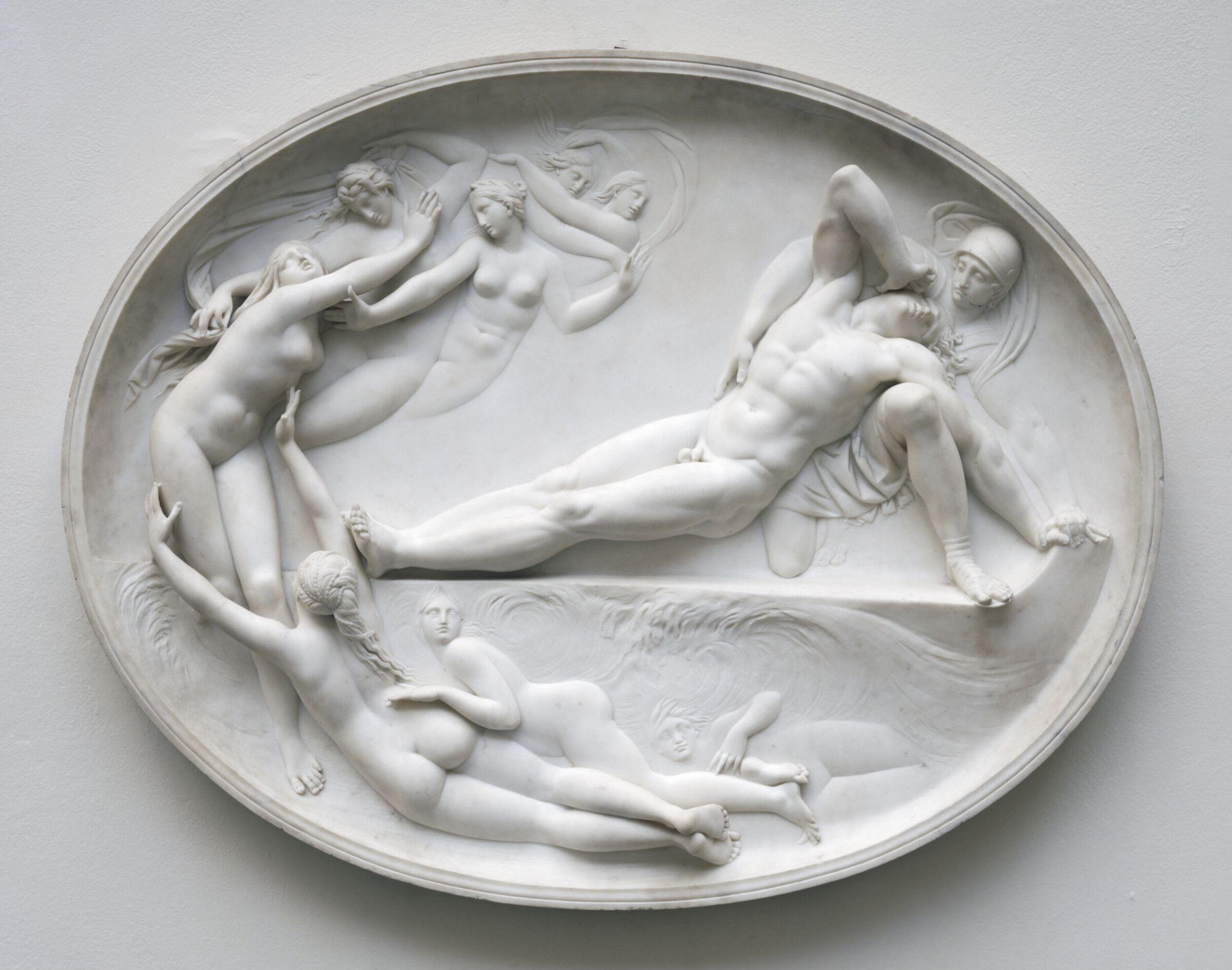
Thetis and her nymphs rising from the sea to console Achilles for the loss of Patroclus, Thomas Banks, 1777-1778

Thetis and her nymphs rising from the sea to console Achilles for the loss of Patroclus

1777-1778 · Victoria and Albert Museum

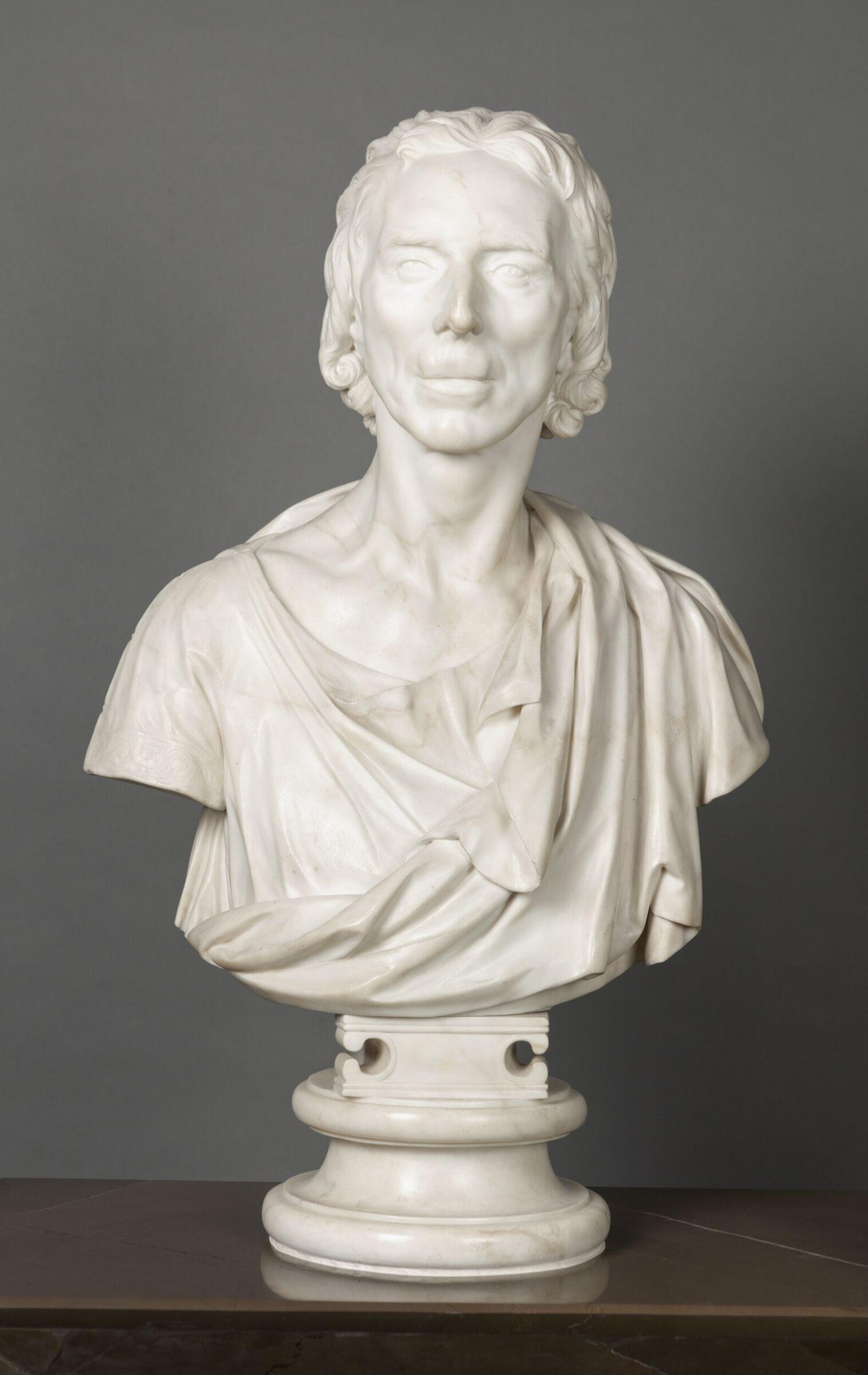
Dr Anthony Addington, Thomas Banks, 1790

Dr Anthony Addington

1790 · Victoria and Albert Museum

Monument to William Shakespeare, James Stow after Thomas Banks, published 1798

Monument to William Shakespeare

published 1798 · Not on view · National Gallery of Art

A Falling Giant, William Bond after William Hilton I after Thomas Banks, published 1811

A Falling Giant

published 1811 · Not on view · National Gallery of Art

Pyramus and Thisbe (recto); Three Male Figures with Mausoleum Floor Plan (verso), Thomas Banks, n.d. (recto); 1770/1789 or 19th c. (verso)

Pyramus and Thisbe (recto); Three Male Figures with Mausoleum Floor Plan (verso)

n.d. (recto); 1770/1789 or 19th c. (verso) · Not on view · Art Institute of Chicago

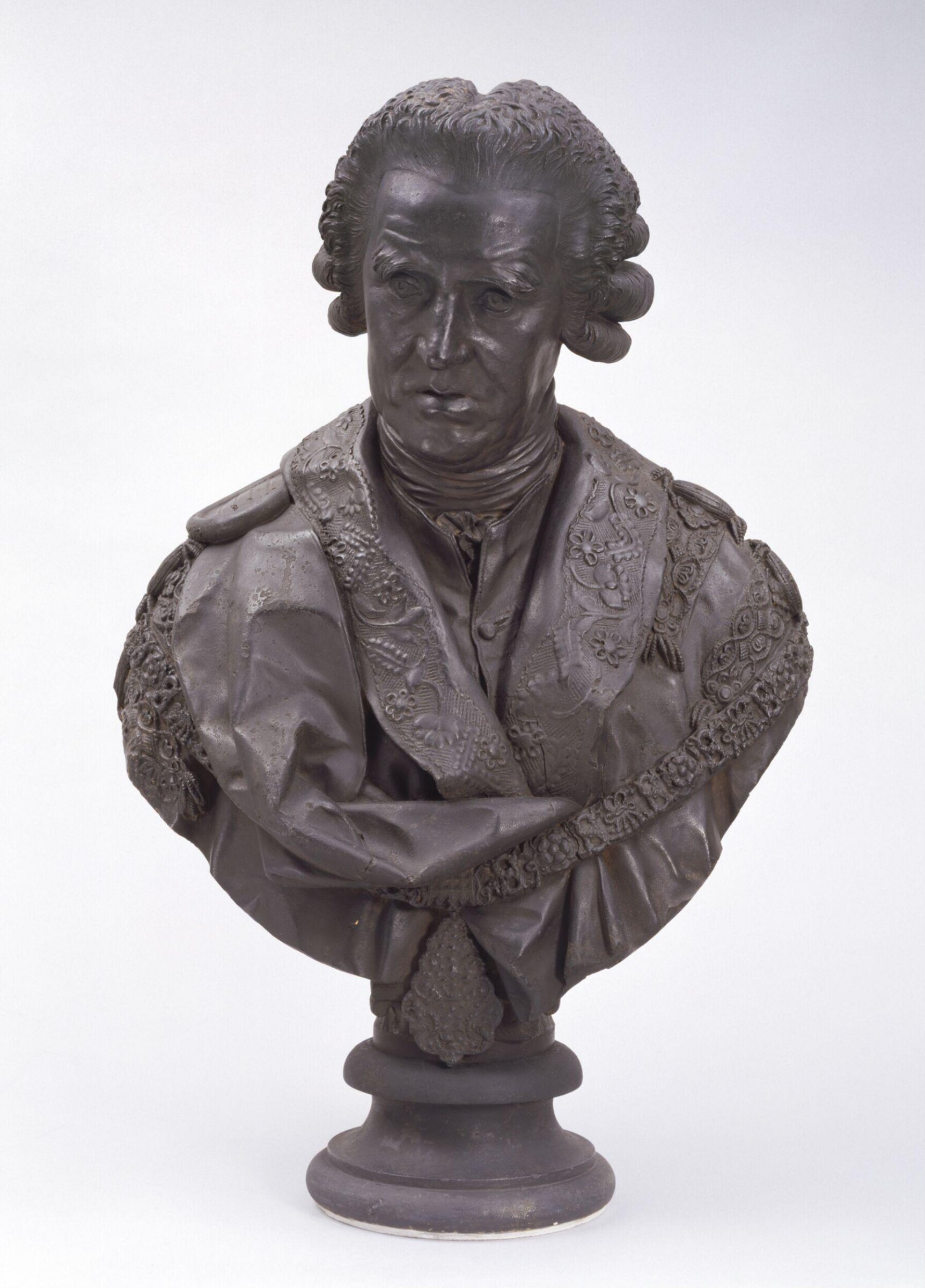
Alderman John Boydell, Lord Mayor of London in 1790, Thomas Banks, ca. 1791

Alderman John Boydell, Lord Mayor of London in 1790

ca. 1791 · Not on view · Victoria and Albert Museum

Angel in Adoration, Thomas Banks, before 1792

Angel in Adoration

before 1792 · Not on view · Victoria and Albert Museum

Model for Wellington Monument: Truth and Falsehood, Alfred George Stevens, 1867-8

Alfred Stevens

Model for Wellington Monument: Truth and Falsehood, 1867-8

Valour and Cowardice, Alfred George Stevens, 1866

Alfred Stevens

Valour and Cowardice, 1866

Pandora, John Gibson, 1856

John Gibson

Pandora, 1856

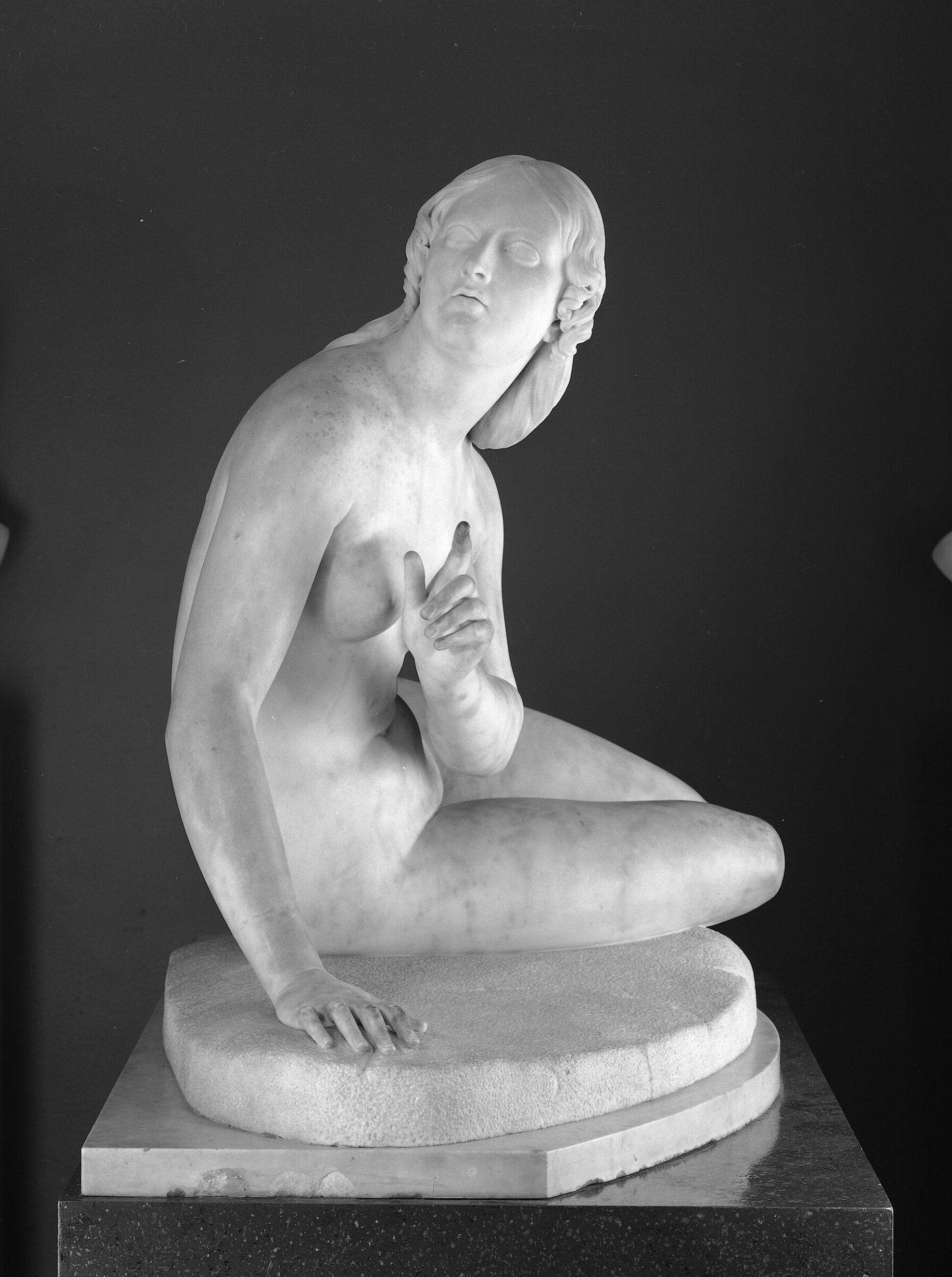
Eve listening to the voice, Edward Hodges Baily, 1842

Edward Hodges Baily

Eve listening to the voice, 1842

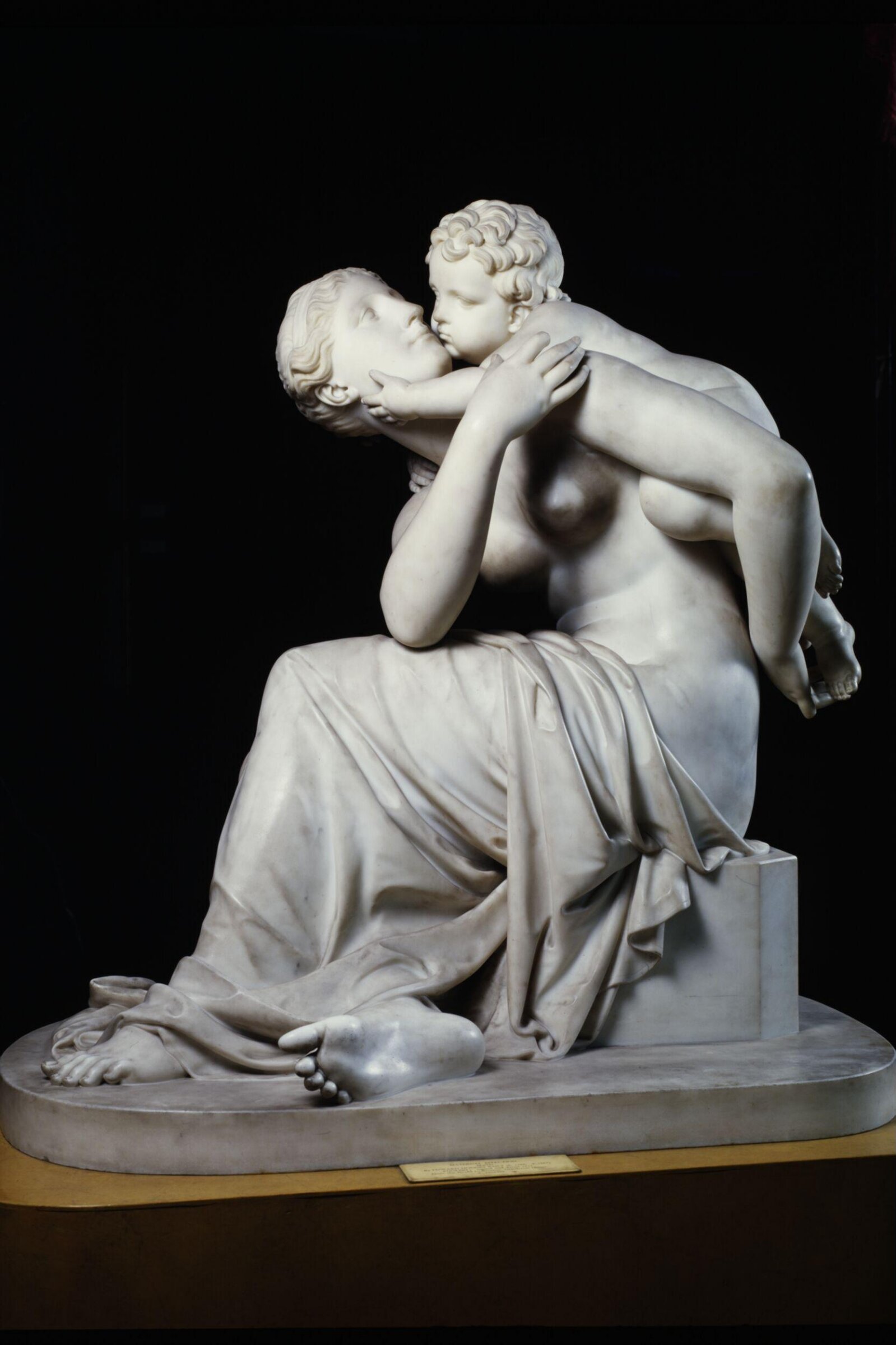
Maternal Affection, Edward Hodges Baily, 1837

Edward Hodges Baily

Maternal Affection, 1837

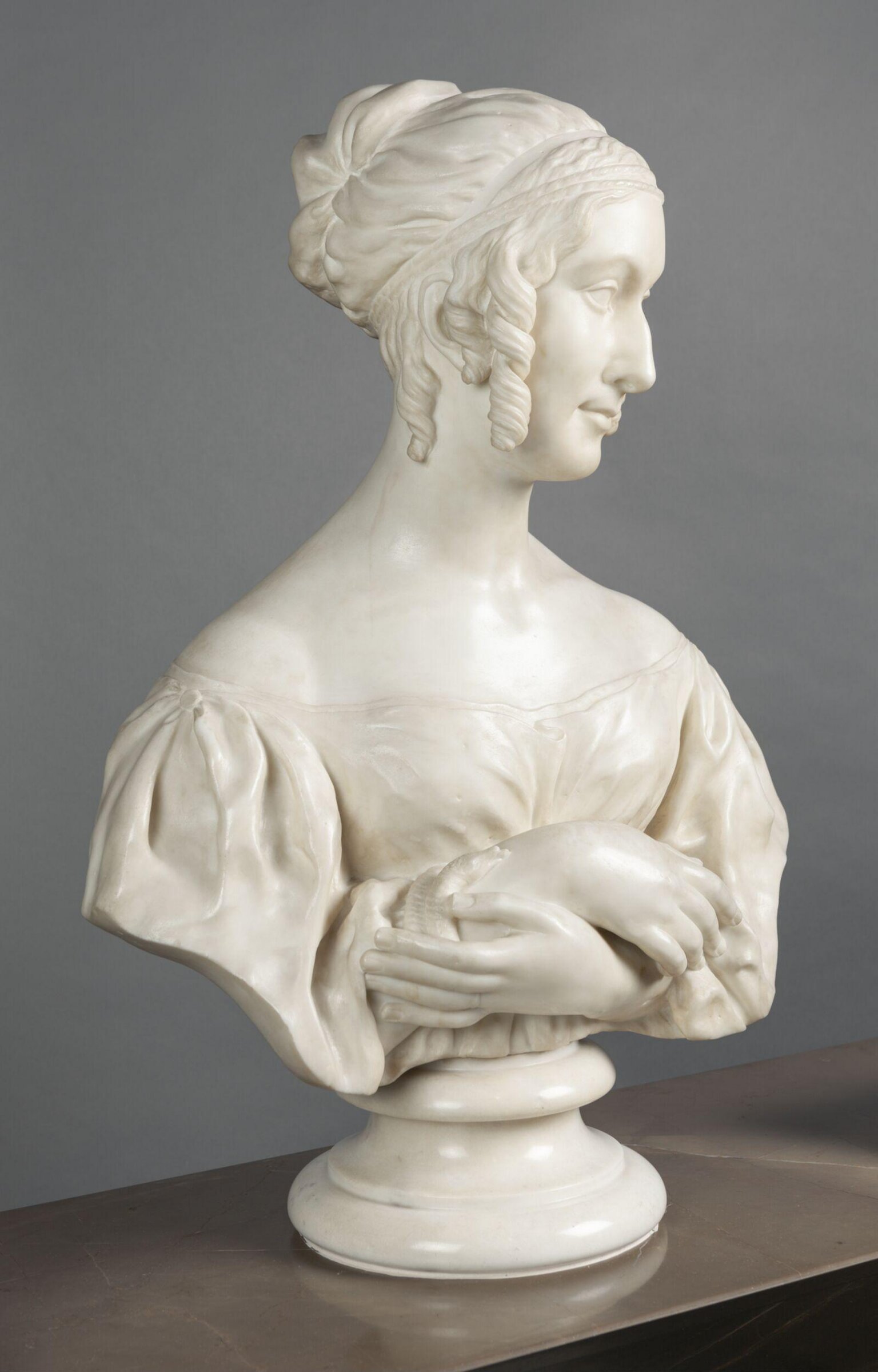
Catherine, Lady Stepney (d. 1845) as Cleopatra, Richard Cockle Lucas, ca. 1836

Richard Cockle Lucas

Catherine, Lady Stepney (d. 1845) as Cleopatra, ca. 1836

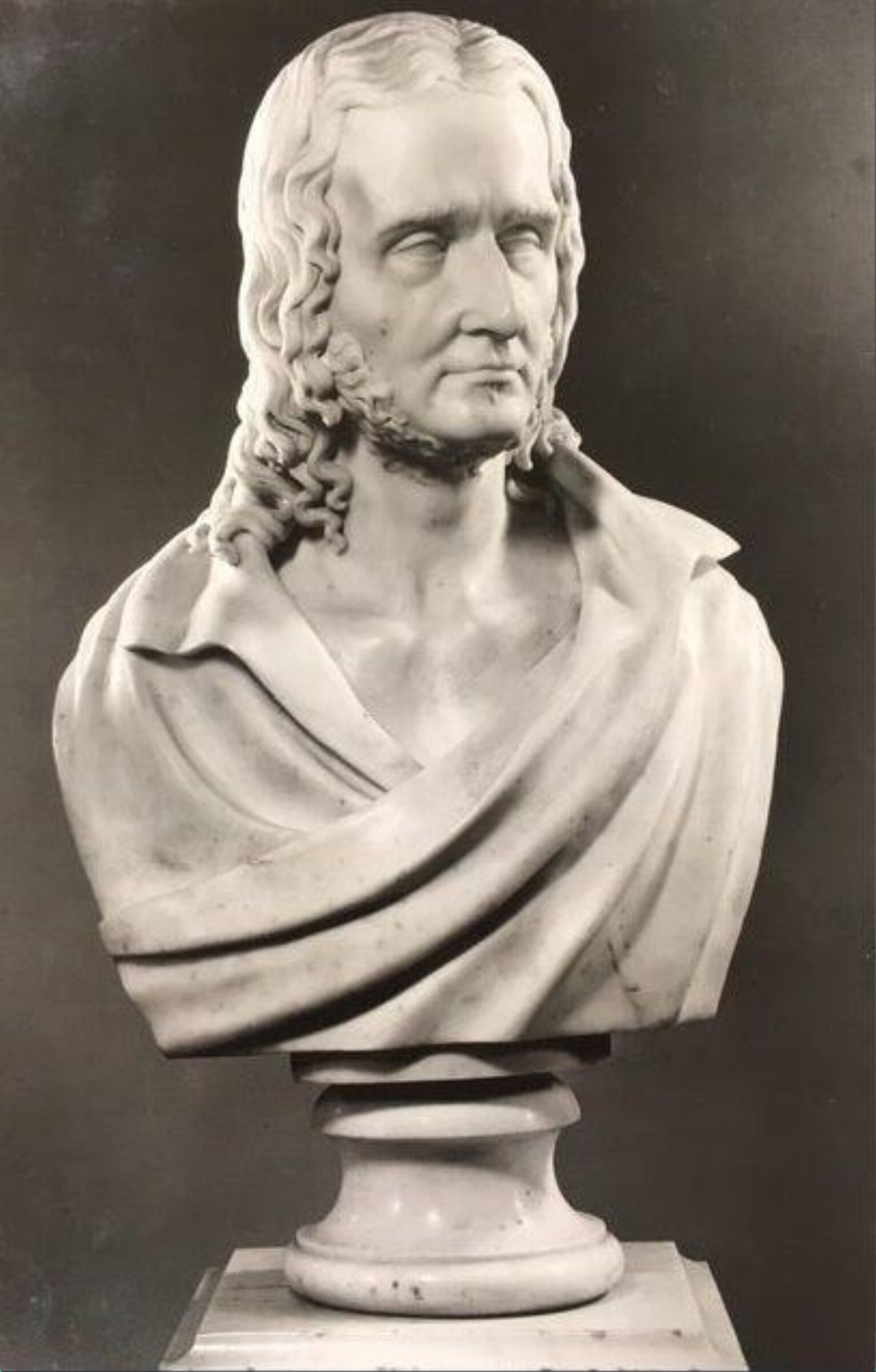
Nicolò Paganini, Henry Westmacott, 1832

Henry Westmacott

Nicolò Paganini, 1832

Cupid kindling the torch of Hymen, George Rennie, ca. 1831

George Rennie

Cupid kindling the torch of Hymen, ca. 1831

Negotiation between the Athenians and the Spartan Envoys (Accord entre les guerriers de Sparte d'Athenes), Pablo Picasso, 1934

Pablo Picasso

Negotiation between the Athenians and the Spartan Envoys (Accord entre les guerriers de Sparte d'Athenes), 1934

Not on view · National Gallery of Art

Saint Michael, Marco Dente after Raphael, c. 1520

Raphael

Saint Michael, c. 1520

Not on view · National Gallery of Art

David and Goliath, Rembrandt van Rijn, 1655

Rembrandt van Rijn

David and Goliath, 1655

Not on view · National Gallery of Art

No se convienen (They Do Not Agree), Francisco Goya, published 1863

Francisco de Goya

No se convienen (They Do Not Agree), published 1863

Not on view · National Gallery of Art

Christ before Caiaphas, Albrecht Dürer, 1512

Albrecht Dürer

Christ before Caiaphas, 1512

Not on view · The Cleveland Museum of Art

Coat of Arms with a Lion and a Cock, Albrecht Dürer, 1502/1503

Albrecht Dürer

Coat of Arms with a Lion and a Cock, 1502/1503

Not on view · National Gallery of Art

Coat of Arms with a Skull, Albrecht Dürer, 1503

Albrecht Dürer

Coat of Arms with a Skull, 1503

Not on view · National Gallery of Art

Coat of Arms with a Lion and a Cock, Albrecht Dürer, 1502/1503

Albrecht Dürer

Coat of Arms with a Lion and a Cock, 1502/1503

Not on view · National Gallery of Art