 Berenice AbbottAmerican, 1898–1991
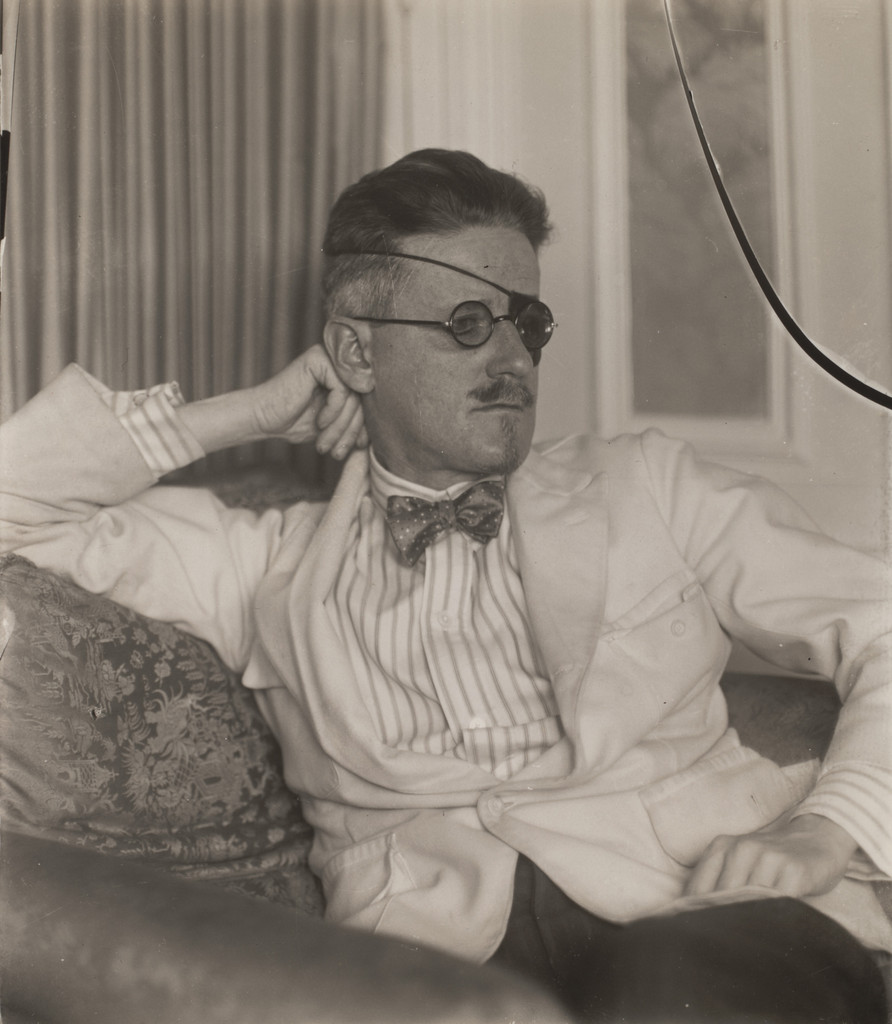
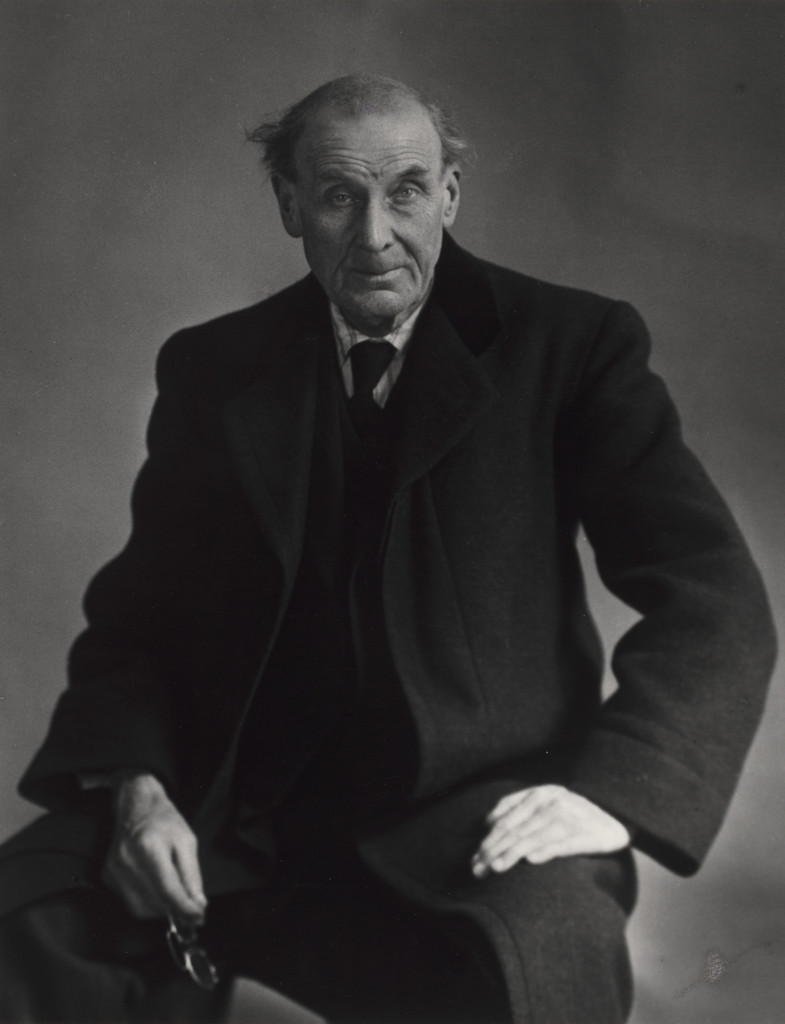
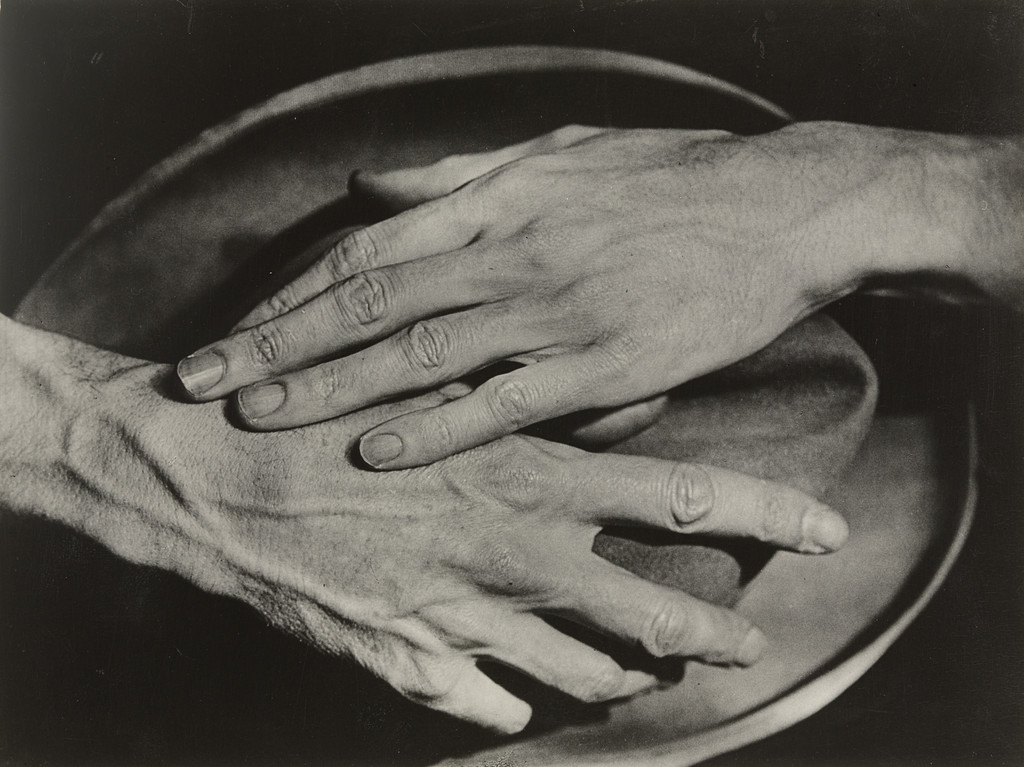
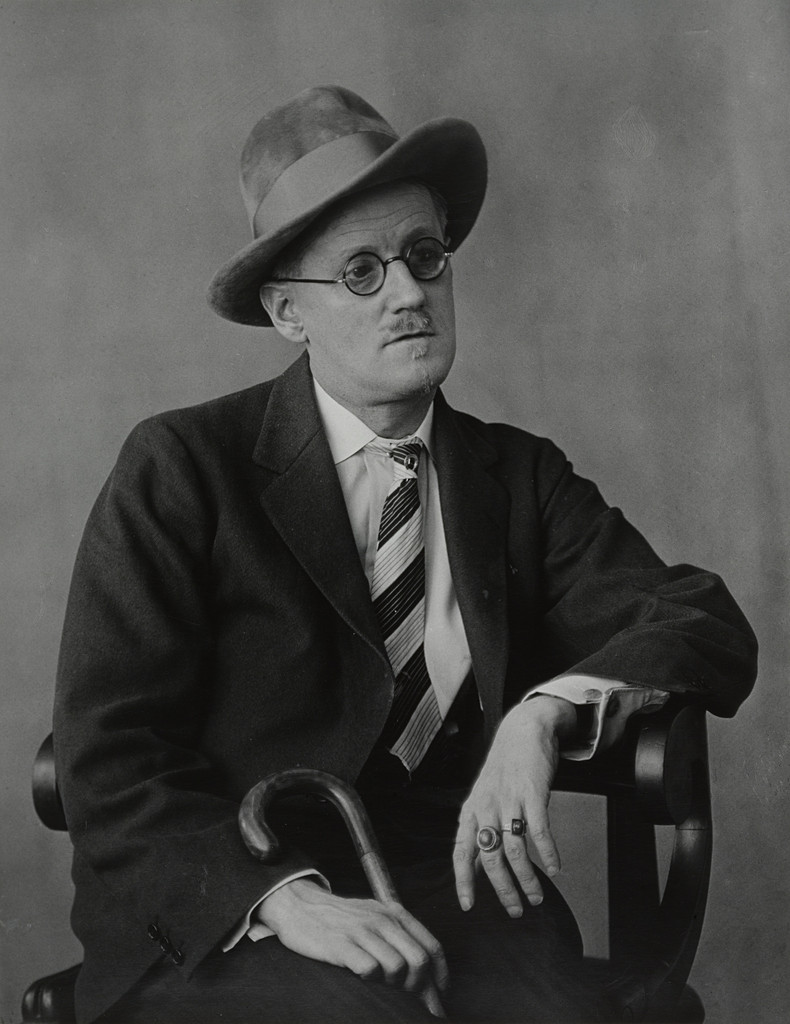
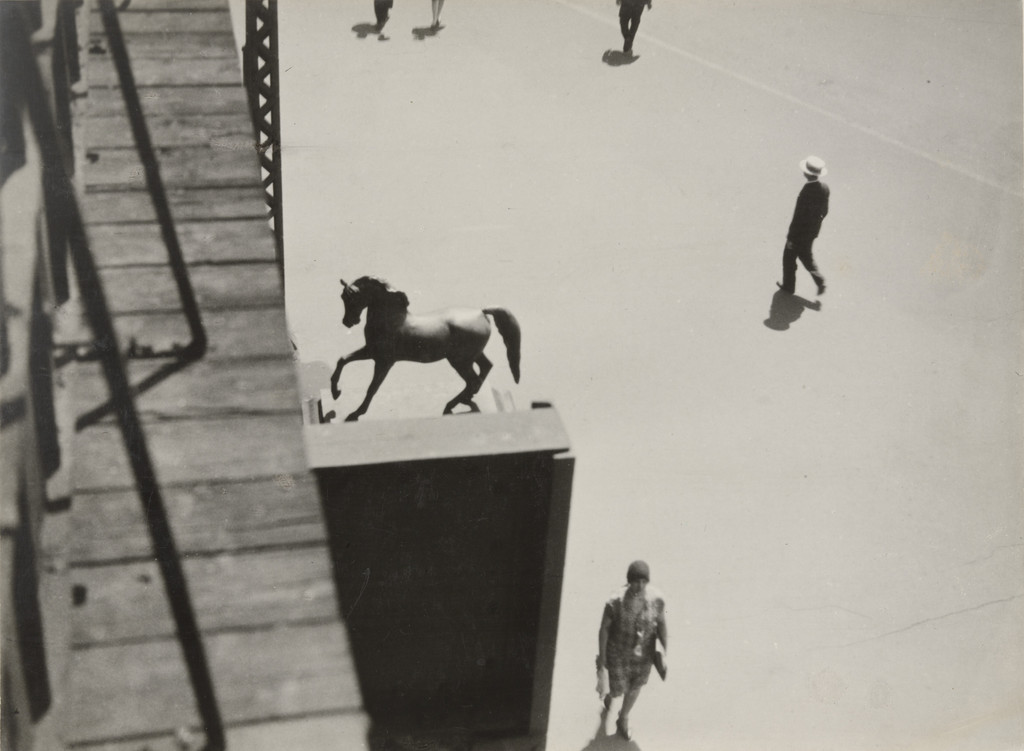
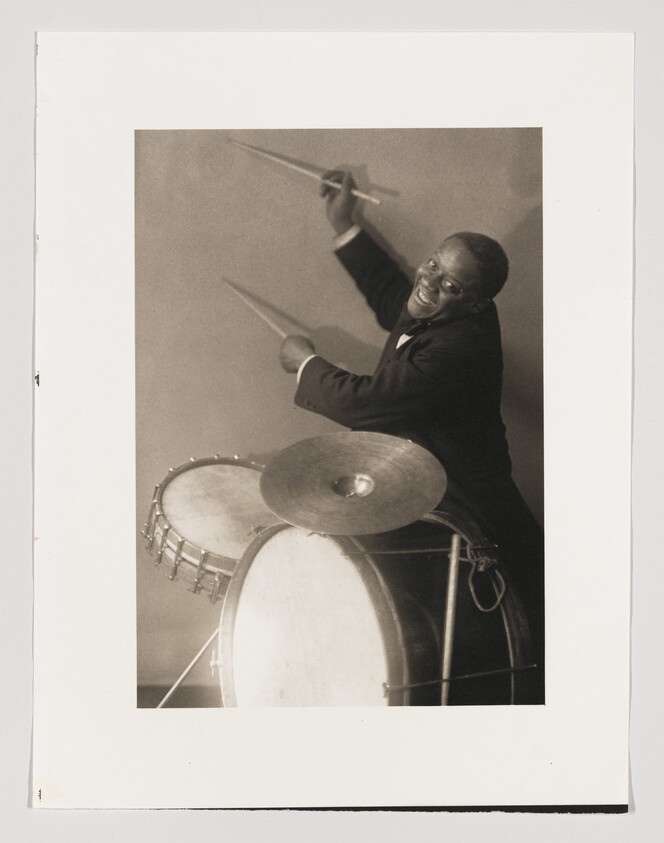
Buddy Gilmore, Paris
Can I see it?
Not on view at present
Where is “Buddy Gilmore, Paris” now? Collection: Whitney Museum of American Art, New York. Not on view at present. Checked September 25, 2026.

New York, United States
It belongs to the collection, but is not on display at present.
- Checked
- Source
- The museum
Details
- Accession number
- 2001.36
In the catalog
Sources
- Whitney Museum of American Art
- Image: Whitney Museum of American Art — © the artist or rights holder
In the life of Berenice Abbott
The whole life1925
Man Ray introduces her to Atget’s photographs
In 1925 Man Ray introduces her to the photographs of Eugène Atget, and she becomes interested in his work.
c. 1926
Opens her own studio in Paris
After three years with Man Ray she sets up her own studio and works out rules for herself: she does not seek clients, does not advertise and never photographs for free. She becomes almost the official portraitist of the intellectuals — Joyce, Cocteau and André Gide sit for her; according to Sylvia Beach, to be photographed by Man Ray or Berenice Abbott meant you rated as somebody.
1927
Photographs Eugène Atget shortly before his death
She manages to persuade Eugène Atget to sit for a portrait; he dies shortly thereafter.
June 1928
Buys the remainder of Atget’s archive
The government has already acquired much of Atget’s archive — he had sold 2,621 negatives in 1920, and his friend and executor André Calmettes sold 2,000 more immediately after his death; in June 1928 Abbott buys the remainder and quickly starts work on its promotion. Because of a lack of funding she has to sell a one-half interest in the collection to Julien Levy for $1,000.
early 1929
Travels to New York to find a publisher for Atget
In early 1929 she visits New York, ostensibly to find an American publisher for Atget’s photographs, and on seeing the city again recognises its photographic potential.
September 1929
Closes her Paris studio and returns to New York
Back in Paris she closes up her studio and in September 1929 returns to New York, where over the next decade she focuses on documentary photography and on portraying the city as it transforms into a modern metropolis. She brings over a large part of Atget’s archive; her first photographs are taken with a hand-held Kurt-Bentzin camera, soon replaced by a Century Universal producing 8 × 10-inch negatives.