 Mikhail Nesterov1862–1942
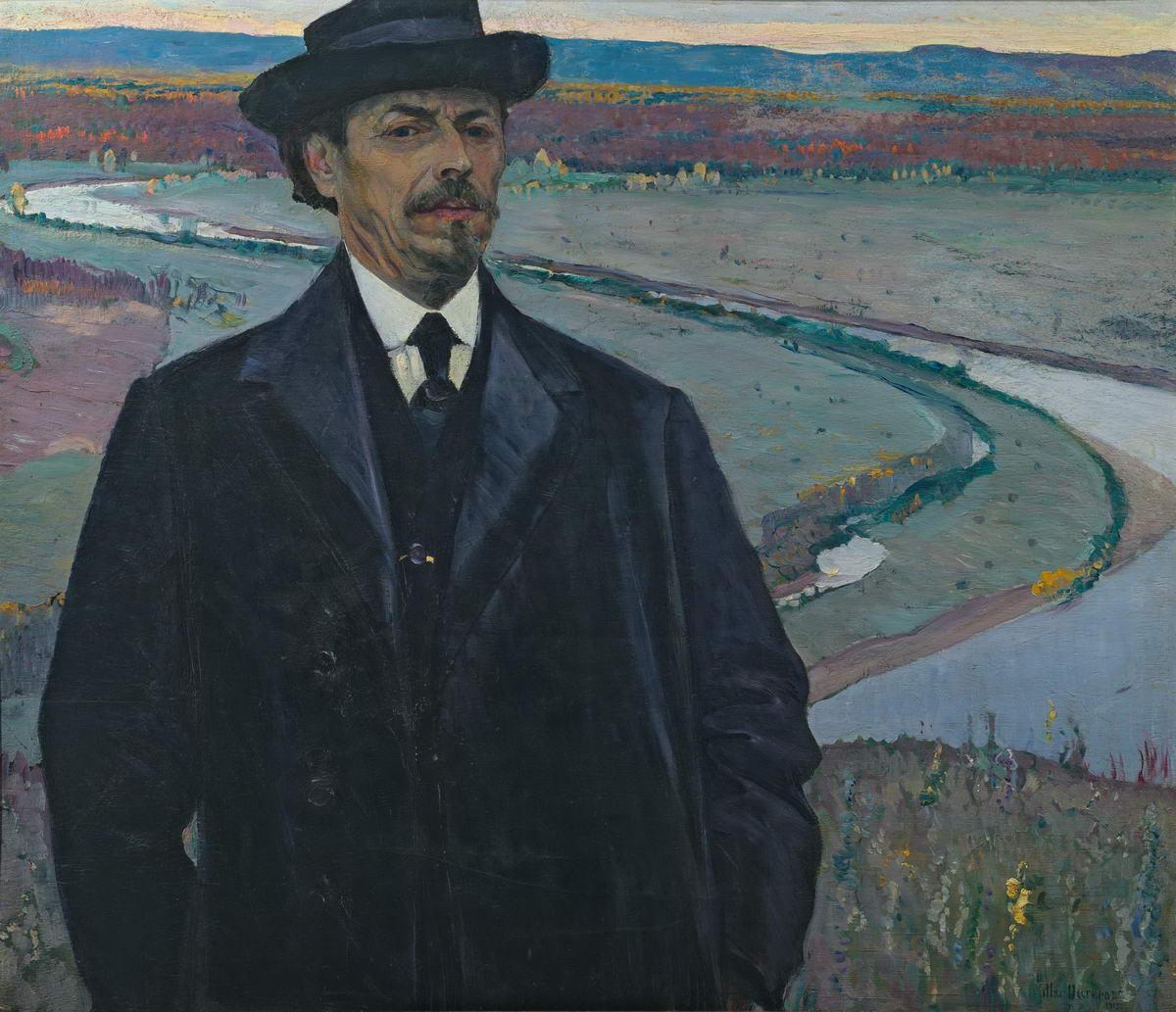
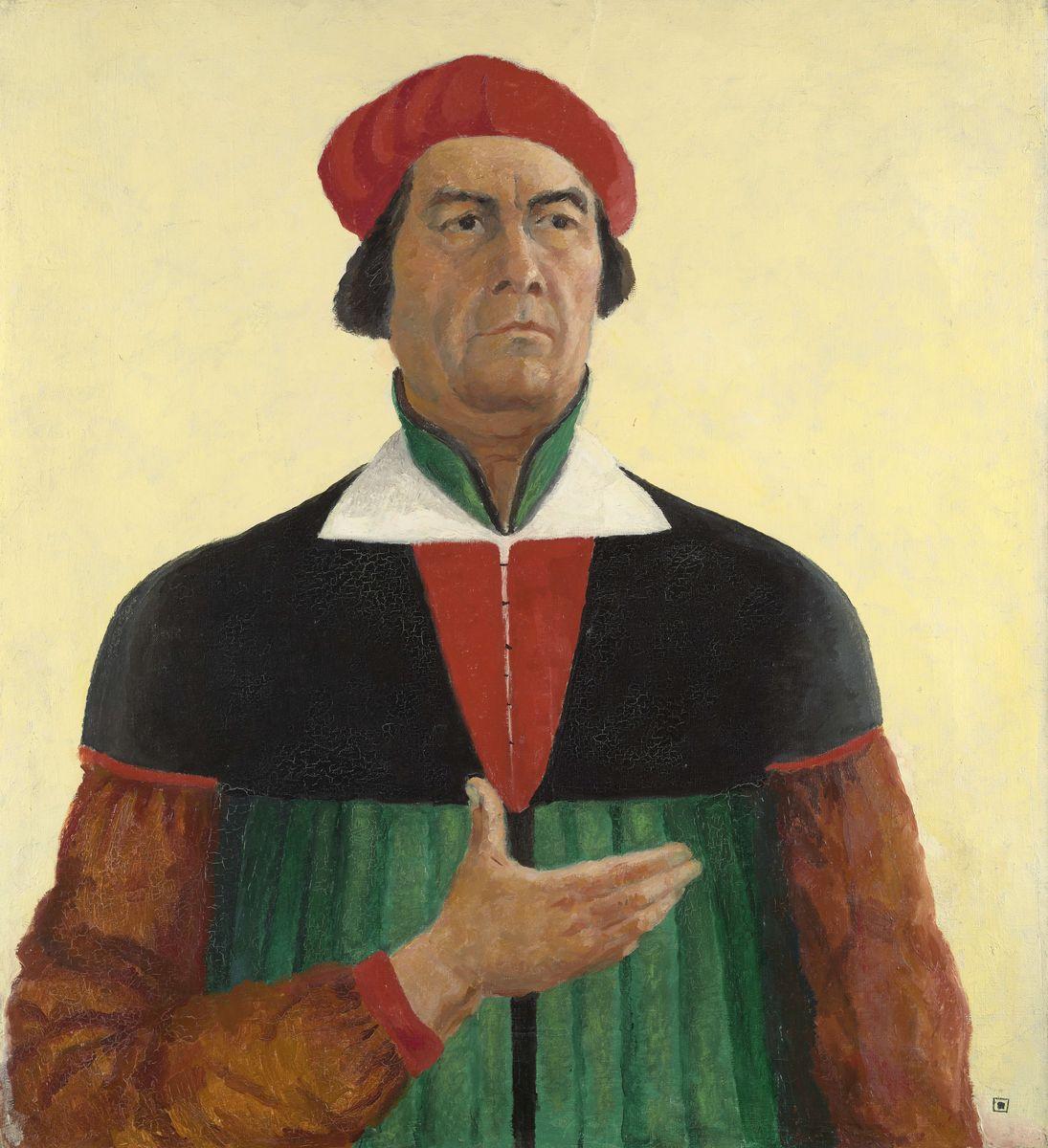
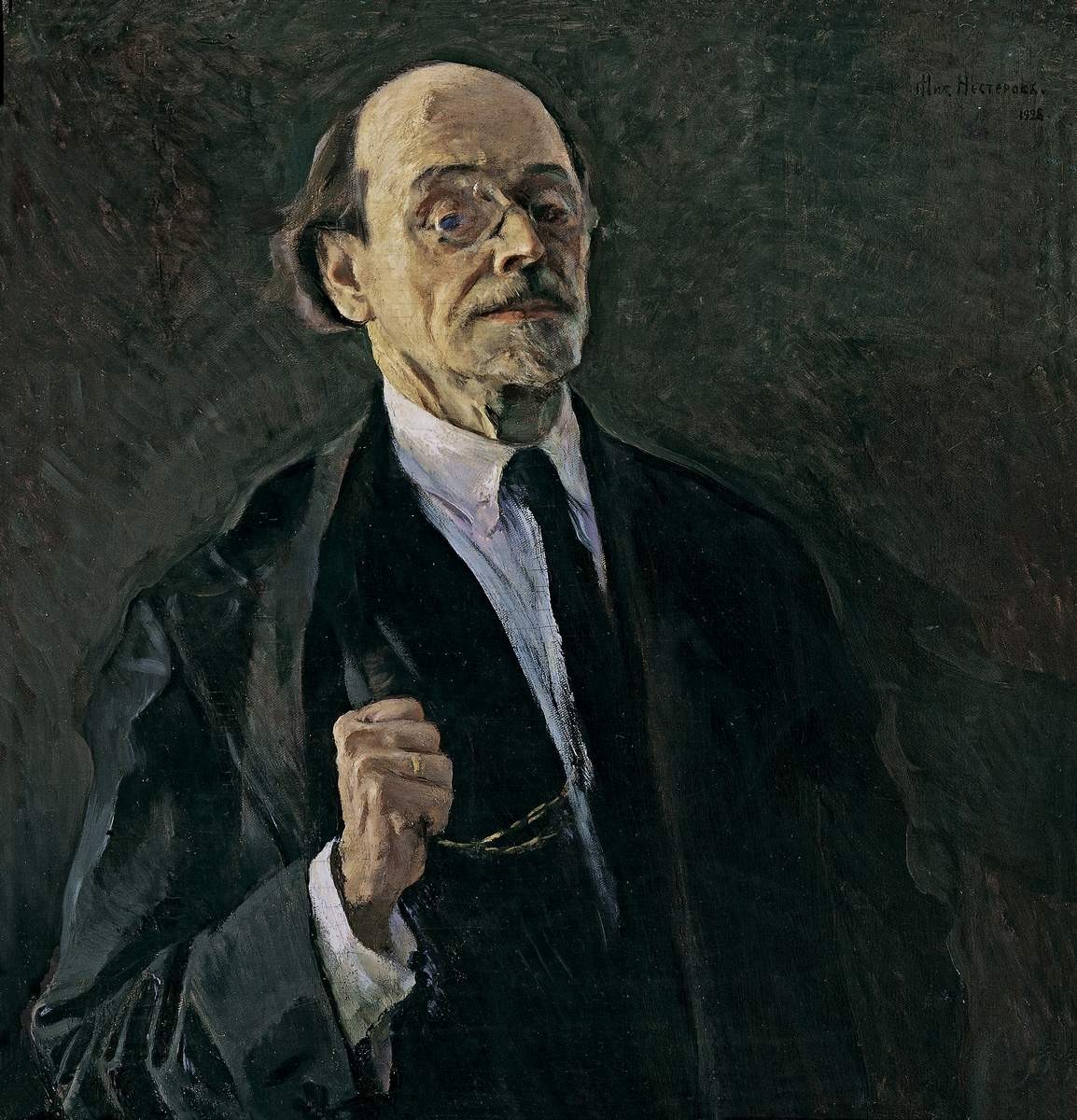
Автопортрет
Can I see it?
Unknown
Where is “Автопортрет” now? Collection: State Russian Museum, Saint Petersburg. Unknown.

Saint Petersburg, Russia
The owner is known; whether it is on view today is not.
- In this state since
- Source
- The museum
About the painting
Museum text in Russian
Художник задумал этот портрет в самом начале 1928 года. По поводу работы над ним он шутливо замечал: « Посмотрим, что выйдет у самого «пристрастного» ко мне живописца — у Нестерова ». К середине февраля картина была завершена, и мастер остался доволен результатом. В этот период художник серьезно работал над своими воспоминаниями, много писал и размышлял об искусстве, о творчестве своих современников, вел обширную переписку со своими биографами и крупными деятелями культуры. Быть может, потому на портрете такой пристальный, колючий взгляд, в котором острота и динамичность его характера, огромный творческий опыт и горький груз утрат. Несмотря на возраст, Михаил Васильевич напряженно работал, и его портретное творчество оказало огромное влияние на молодое поколение живописцев. Альфия Низамутдинова. Портрет в России. ХХ век. СПб , 2001 . С. 190.
State Russian Museum
Details
- Accession number
- Ж-4343
What it shows
In the catalog
Sources
- State Russian Museum
- Image: State Russian Museum — © State Russian Museum
In the life of Mikhail Nesterov
The whole life1926
Begins writing his memoirs
Nesterov began the memoirs on which he worked with enthusiasm in the last years of his life; they remained unfinished.
1927
Pavel Korin's inscription on “The Soul of the People”
After long hesitation on the artist's part, Pavel Korin inscribed the Gospel words “Except ye become as little children, ye shall not enter into the kingdom of heaven” at the lower left of the painting. Nesterov counted the picture among his most important: “At the start of life, ‘The Youth Bartholomew’; towards its end, ‘The Soul of the People’.”
1930s
Forced to abandon religious subjects
Under pressure from official ideology Nesterov gave up his religious subjects and turned to portraiture, yet he never joined the Soviet artists' unions, never accepted portrait commissions and kept his inner independence; his sitters included the surgeon Sergei Yudin (1933, 1935) and the sculptor Ivan Shadr (1934). By other accounts, he had to give up religious painting as early as his return to Moscow in 1920, though he privately continued the Sergius cycle.