 Vasily KandinskyFrench, 1866–1944
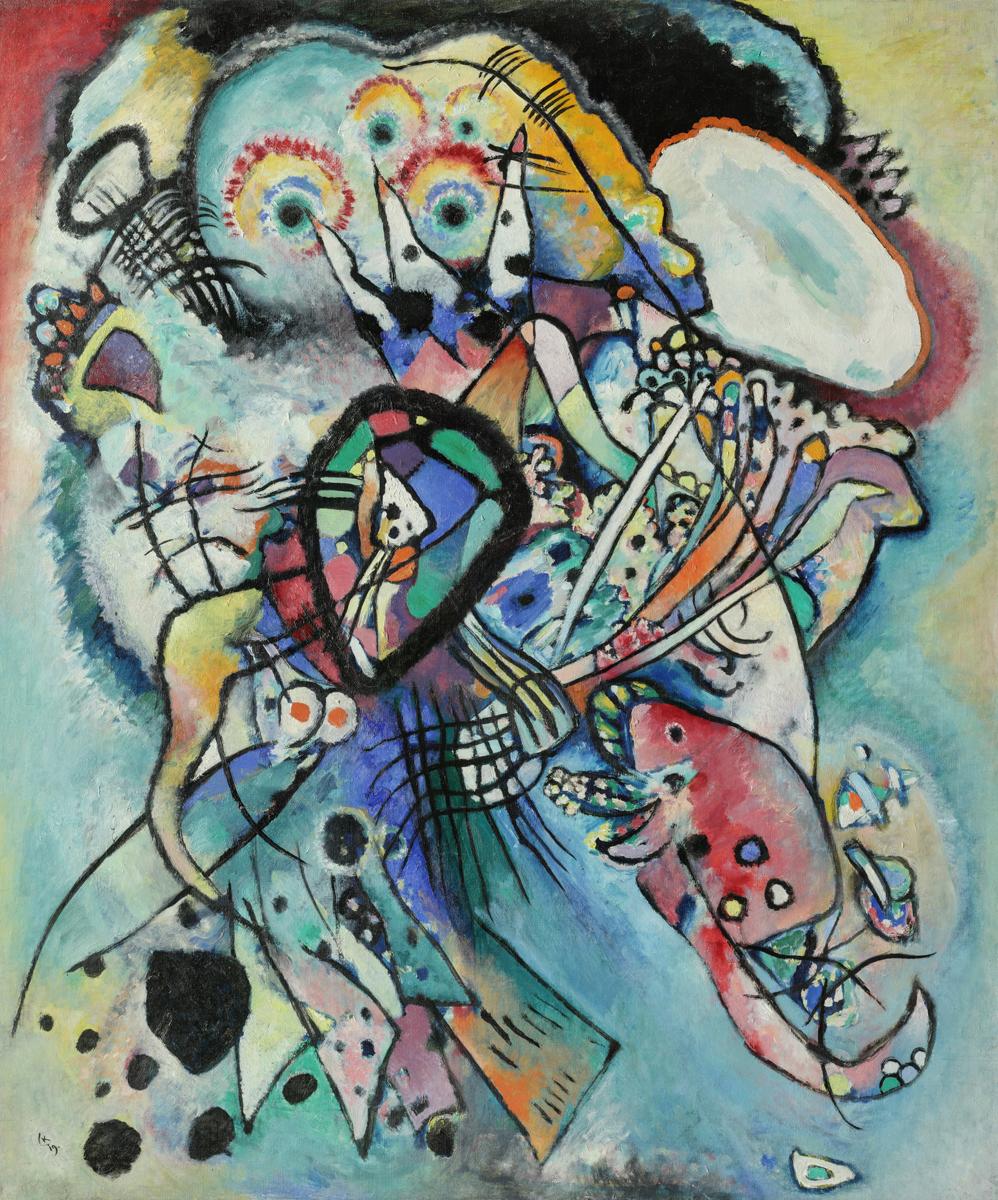
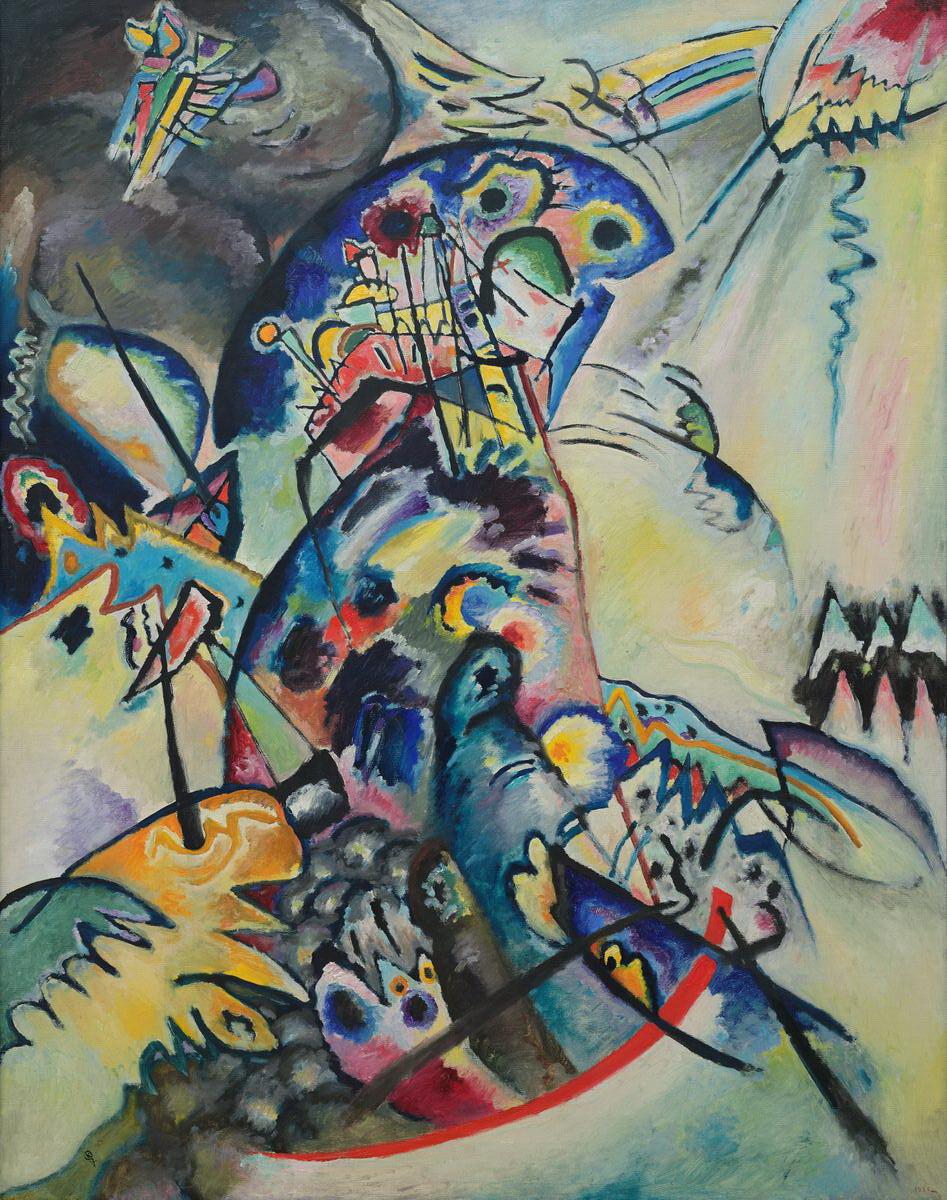
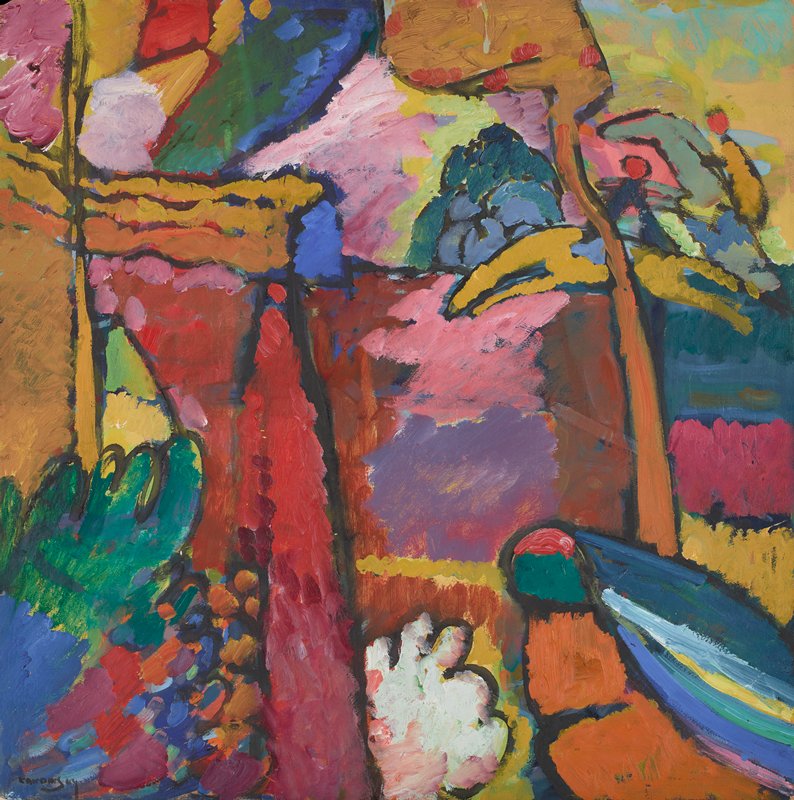
Синий гребень
May one see it?
Yes, receiving visitors

State Russian Museum
RoomKorpus Benua, Zal 75Saint Petersburg, Russia
On public display.
- Checked
- 5 days ago
- In this state since
- Sep 28, 2026
- Source
- The museum's own collection data
Particulars
- Accession number
- ЖБ-1609
What it shows
Sources
- State Russian Museum: the museum's own open data · fetched 5 days ago
- Image: State Russian Museum — © State Russian Museum
Meanwhile, in the life of Vasily Kandinsky
The whole life1916
The break with Münter in Stockholm
The relationship between Kandinsky and Münter worsened through mutual tension and disappointment over his reluctance to marry, and formally ended in Stockholm in 1916.
29 January 1917
Marries Nina Andreevskaya
Kandinsky, already fifty, married Nina Nikolaevna Andreevskaya, the daughter of a captain and a student of the Moscow Higher Courses for Women.
February 1917
Married: Nina Nikolajewna Andreevskaja
19 November 1917
Birth of his son Vsevolod
A son, Vsevolod, was born to Kandinsky and Nina; the boy was baptized in the Neopalimovskaya church near Devichye Pole in Moscow on 7 January 1918.
1917–1921
Cultural politics in revolutionary Moscow
After the revolution Kandinsky worked actively in public life: he helped protect monuments, founded the Museum of Painterly Culture and the Russian Academy of Artistic Sciences, taught at the Vkhutemas, sat on the fine arts collegium of the People's Commissariat for Education and chaired the All-Russian purchasing commission. He also became vice-president of the RAKhN.
1918–1921
The Institute of Artistic Culture: rejected by the radicals
Kandinsky became the first director of the Institute of Artistic Culture in Moscow, but the institute's radical members judged his spiritual, expressionist view of art too individualistic and bourgeois. He painted little in these years but taught a great deal, using a programme of form and colour analysis.
_MET_DP236124.jpg?width=1280)