ART WIKI32.963 ausgestellt
KarteSammlungKünstlerMuseenAusstellungenJournal
Anmelden

ART WIKI

Wo das Meisterwerk hängt und wann man vorgelassen wird.

Sammlungen: Art Institute of Chicago, Cleveland Museum of Art, Eremitage, Getty Villa, Harvard Art Museums, Hirshhorn Museum and Sculpture Garden, J. Paul Getty Museum, Louvre, Metropolitan Museum of Art, Minneapolis Institute of Art, Museum of Modern Art, National Gallery of Art, National Museum of Asian Art, National Portrait Gallery, Puschkin-Museum, Rijksmuseum Amsterdam, Russisches Museum, Smithsonian American Art Museum, Statens Museum for Kunst, Tretjakow-Galerie, Victoria and Albert Museum, Whitney Museum of American Art, Staatskatalog des Museumsfonds Russlands (274 Museen), Europeana (19 Museen), Wikidata (6 Museen), Paris Musées (12 Museen) und Joconde, die Museumsdatenbank des französischen Kulturministeriums (495 Museen). Die Bilder gehören ihren Rechteinhabern.

Rubriken

  • Karte
  • Suche
  • Sammlung
  • Meisterwerke
  • Jetzt ausgestellt
  • Künstler

Mehr

  • Museen & Galerien
  • Ausstellungen
  • Journal
  • Woher die Daten stammen
  • Datenschutz & Cookies
StartseiteKarteKatalog
  1. Sammlung/
  2. Art Institute of Chicago/
  3. Working Model for UNESCO Reclining Figure
Working Model for UNESCO Reclining Figure, Henry Moore, 1957
Henry Moore, PorträtHenry MooreEngland, 1898–1986

Working Model for UNESCO Reclining Figure

1957 · Sculpture

Darf man es sehen?

Ja, es empfängt Besucher

Art Institute of Chicago

Chicago, Vereinigte Staaten

Saal389 (corridor)

Öffentlich ausgestellt. Wer dafür bürgt, steht unten.

Geprüft
vor 3 Tagen
Unverändert seit
19. Aug. 2026
Quelle
Das Museum
Auf der KarteMuseumsseite

Über die Skulptur

In the 1950s, Henry Moore executed a number of important public commissions, including Reclining Figure for the headquarters of the United Nations Educational, Scientific, and Cultural Organization in Paris. The Art Institute’s sculpture is one of six smaller bronze versions of the unique, over-16-foot-long marble figure that Moore installed at UNESCO in 1958. The artist looked to many cultures—particularly to enduring examples of art from ancient Greece and the Yucatán region of Mexico—to give his figural works their monumental forms and profound resonance with the art of the past. This reclining figure connects not only to history but also to the earth—its swelling masses and rounded voids suggest the female form as well as a landscape of valleys, mountains, and caves.

Art Institute of Chicago · CC BY 4.0

Angaben

1957 · mit 59 Jahren
18981986
Inventarnummer
1960.9

Was es zeigt

BiomorphicAbstract forms

Im Katalog

SkulpturBronzeNachkriegskunst20. JahrhundertEngland

Quellen

  • Art Institute of Chicago
  • Bild: Art Institute of Chicago — © the artist or rights holder

Derweil im Leben von Henry Moore

Das ganze Leben
  1. 1940–1986

    A bomb in Hampstead: the move to Hoglands

    In September 1940 bomb shrapnel hit the Moores’ Hampstead home and they left London for Hoglands, a farmhouse in the hamlet of Perry Green near Much Hadham in Hertfordshire. It remained Moore’s home and workshop for the rest of his life; though he grew wealthy he never felt the need to move to larger premises.

  2. 1950s

    Assistants at Much Hadham

    In the 1950s the scale of Moore’s sculptures grew so much that he took on a growing number of assistants at Much Hadham, among them Anthony Caro, Roland Piché, Maurice Lowe and Richard Wentworth.

  3. 16. Juli 1955 – 18. September 1955

    Exhibition: documenta

  4. 11. Juli 1959 – 11. Oktober 1959

    Exhibition: Documenta II
Mehr von Henry Moore

Alle Werke
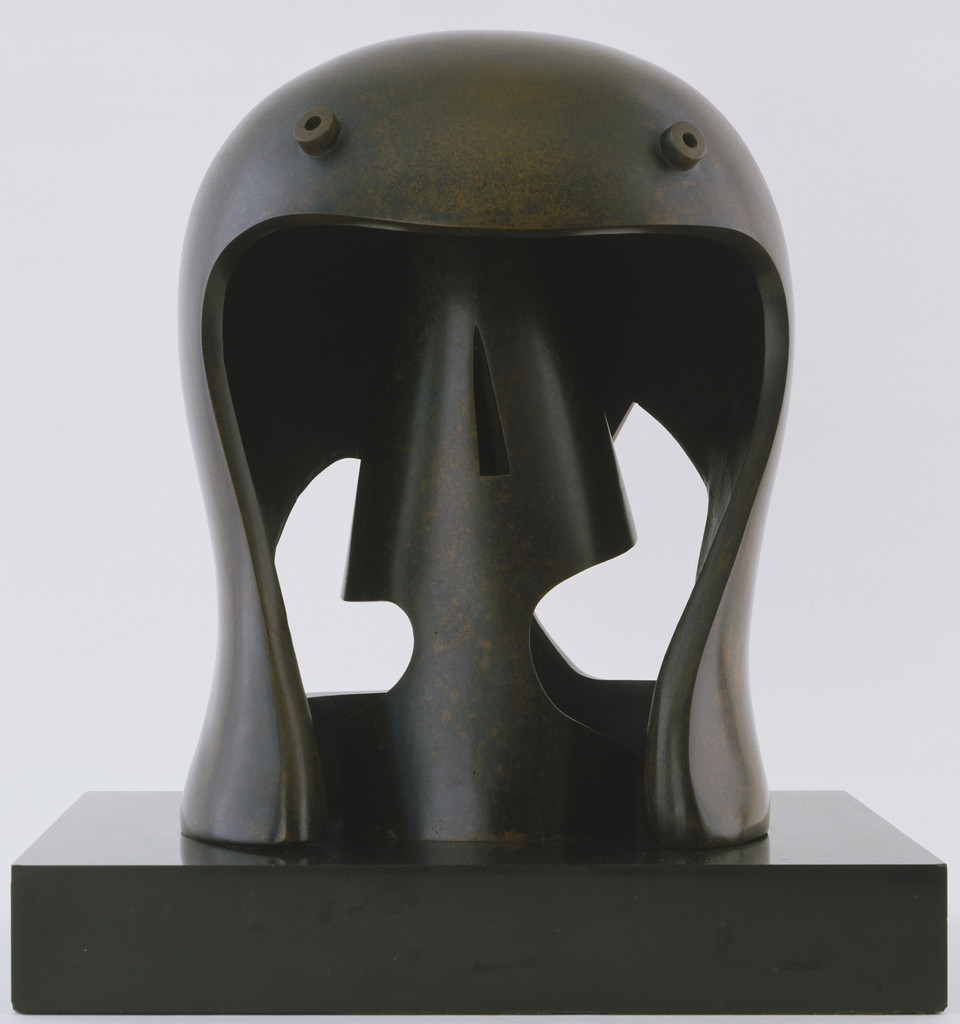
Helmet Head Number 1, Henry Moore, 1950

Helmet Head Number 1

1950 · Museum of Modern Art

Three Motives Against Wall, Number 1, Henry Moore, 1958

Three Motives Against Wall, Number 1

1958 · National Gallery of Art

Seated Woman, Henry Moore, designed 1958–1959; cast 1975

Seated Woman

designed 1958–1959; cast 1975 · J. Paul Getty Museum

Stone Memorial, Henry Moore, 1961/1969

Stone Memorial

1961/1969 · National Gallery of Art

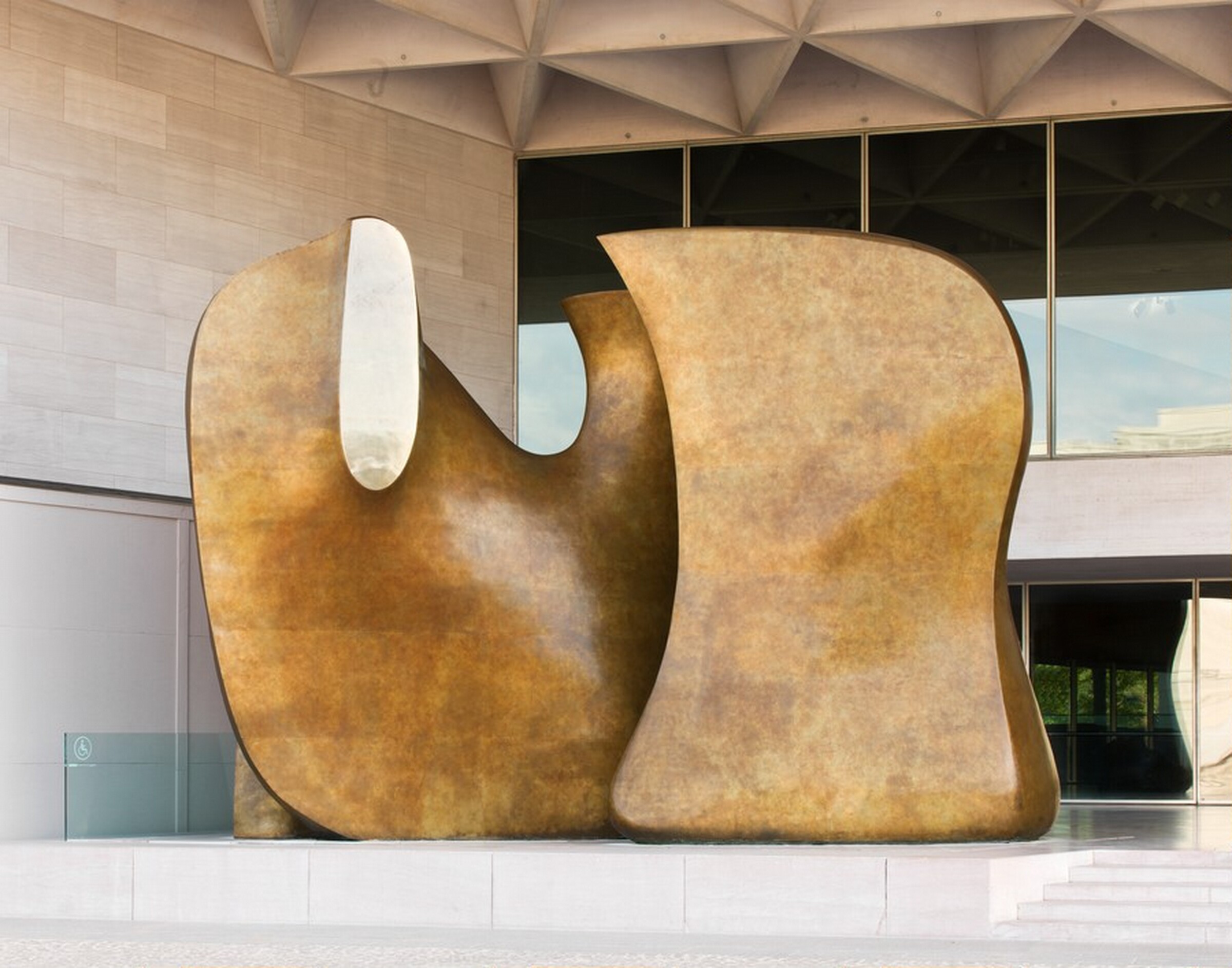
Knife Edge Mirror Two Piece, Henry Moore, 1976-1978

Knife Edge Mirror Two Piece

1976-1978 · National Gallery of Art

Bronze Form, Henry Moore, 1985

Bronze Form

1985 · J. Paul Getty Museum

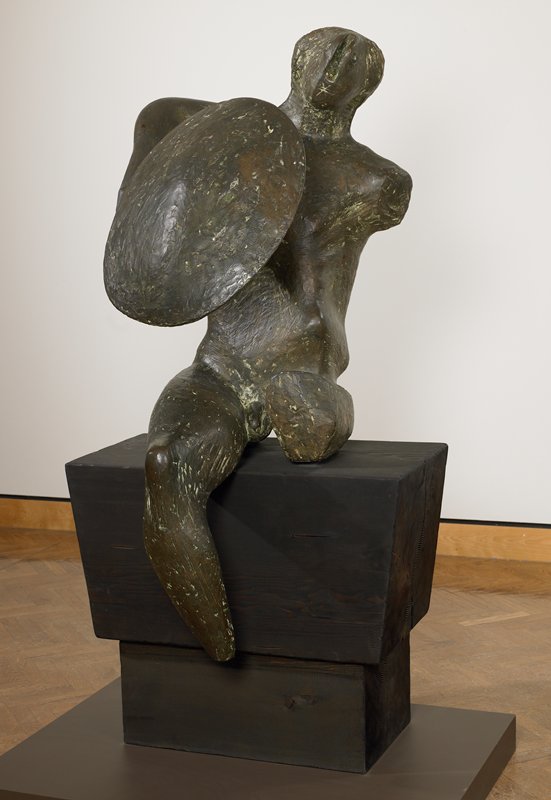
Warrior with Shield, Henry Moore, 1953–54

Warrior with Shield

1953–54 · Minneapolis Institute of Art

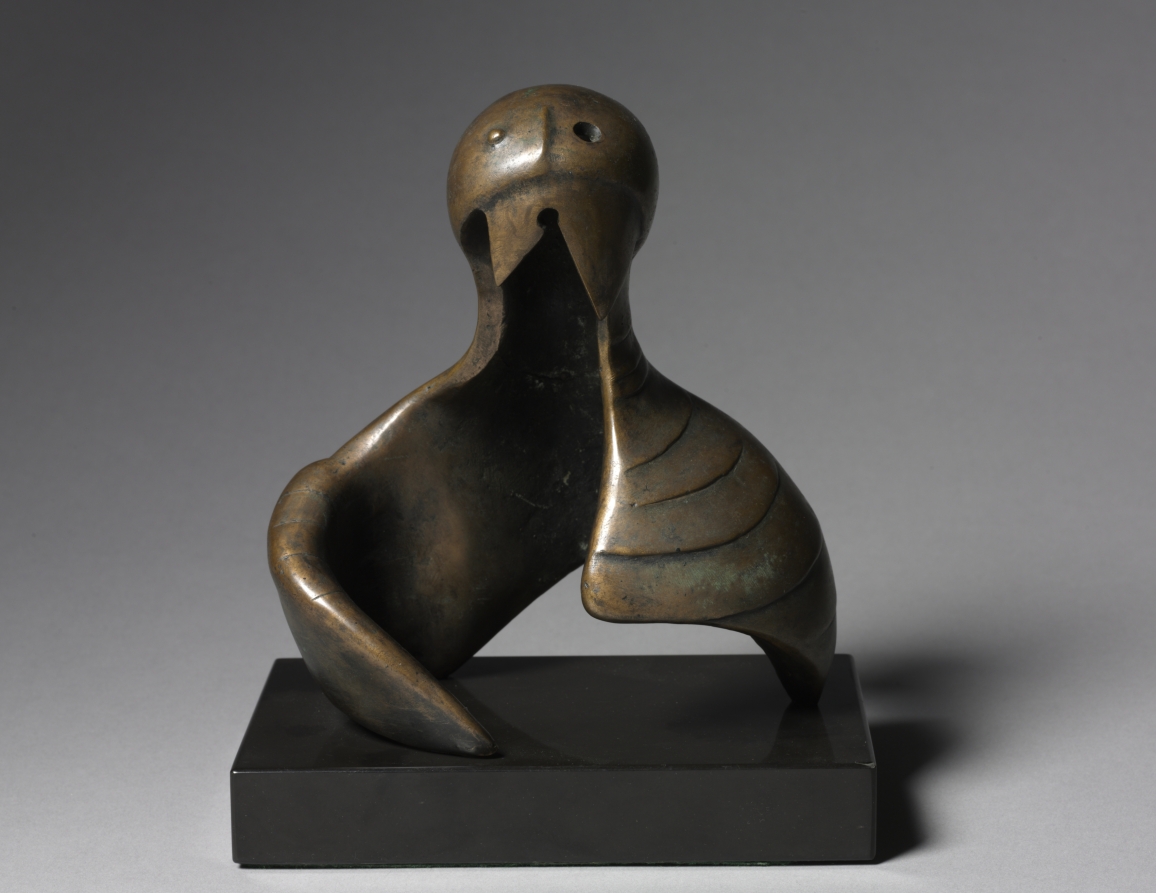
Helmet Head, Henry Moore, 1952

Helmet Head

1952 · Cleveland Museum of Art

Nachbarn im Haus: Art Institute of Chicago

Museumsseite
The Bedroom, Vincent van Gogh, 1889

Vincent van Gogh

The Bedroom, 1889

A Sunday on La Grande Jatte — 1884, Georges Seurat, 1884–86, border added 1888–89

Georges Seurat

Ein Sonntagnachmittag auf der Insel La Grande Jatte, 1884–86, border added 1888–89

Paris Street; Rainy Day, Gustave Caillebotte, 1877

Gustave Caillebotte

Straße in Paris an einem regnerischen Tag, 1877

Two Sisters (On the Terrace), Pierre-Auguste Renoir, 1881

Pierre-Auguste Renoir

Auf der Terrasse, 1881

The Basket of Apples, Paul Cézanne, c. 1893

Paul Cézanne

The Basket of Apples, c. 1893

Stacks of Wheat (End of Summer), Claude Monet, 1890–91

Claude Monet

Stacks of Wheat (End of Summer), 1890–91

American Gothic, Grant Wood, 1930

Grant Wood

American Gothic, 1930

Nighthawks, Edward Hopper, 1942

Edward Hopper

Nighthawks, 1942