Sandro BotticelliItalien, 1445–1510
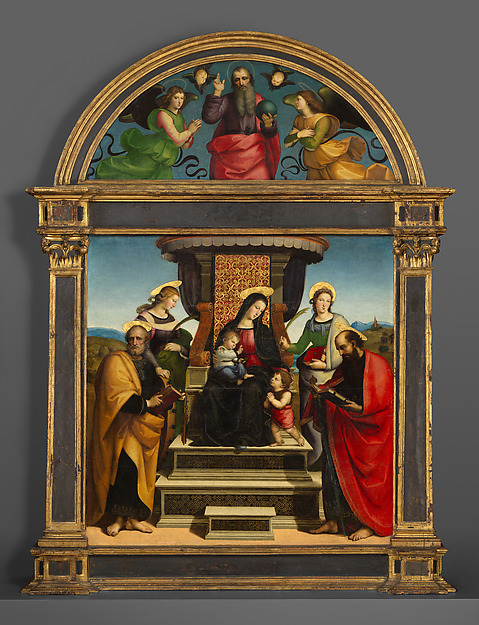
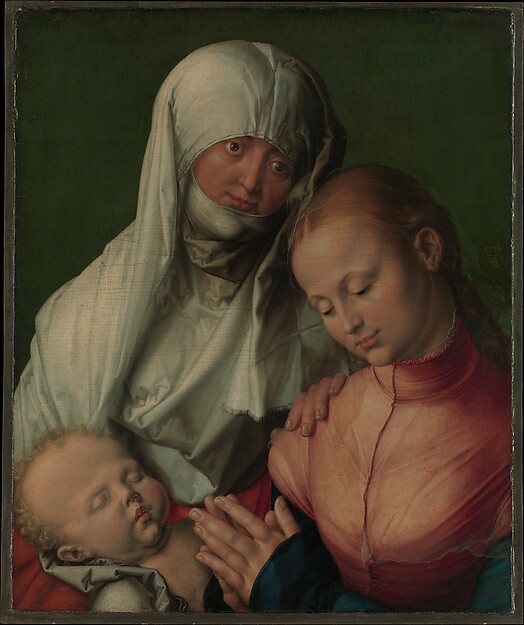
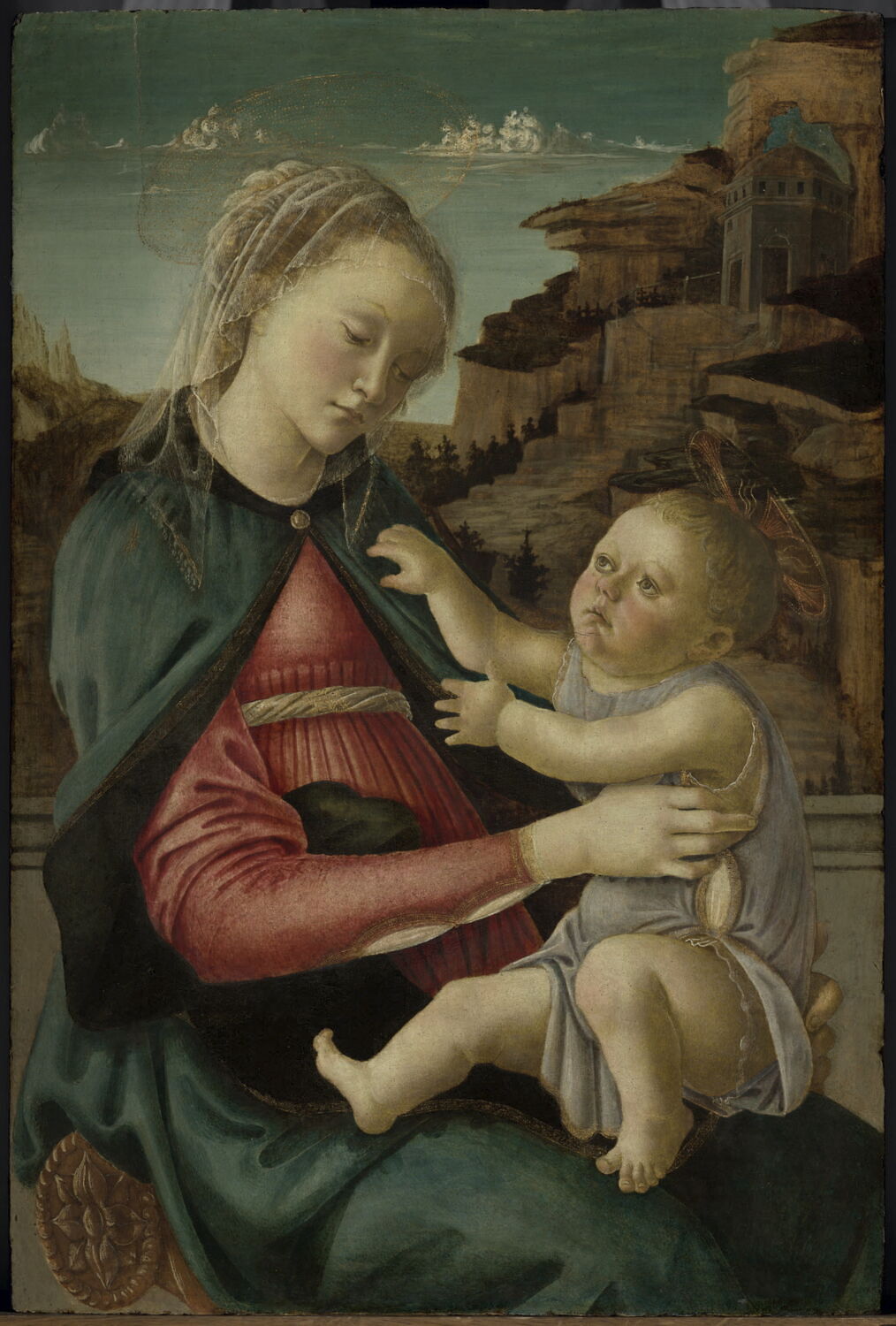
Madonna and Child with Angels
Kann ich es sehen?
Derzeit nicht ausgestellt
Wo ist „Madonna and Child with Angels“ heute? Sammlung: National Gallery of Art, Washington, D.C. Derzeit nicht ausgestellt. Geprüft 29. September 2026.

Washington, D.C., Vereinigte Staaten
Es gehört zur Sammlung, ist derzeit aber nicht ausgestellt.
- Geprüft
- Unverändert seit
- Quelle
- Das Museum
Angaben
- Inventarnummer
- 1943.4.47
Was es zeigt
Im Katalog
Quellen
- National Gallery of Art
- Bild: National Gallery of Art — Museum open access
Im Leben von Sandro Botticelli
Das ganze Lebenc. 1461 – 1467
Apprentice to Filippo Lippi
Around 1461–62 Botticelli became an apprentice of Fra Filippo Lippi, one of the leading Florentine painters and a favourite of the Medici; from him he learned to make intimate compositions of beautiful, melancholic figures drawn with clear contours. He probably left Lippi's workshop by April 1467, when Lippi went to work in Spoleto.
1464
The house on Via Nuova
In 1464 his father bought a house on the Via Nuova (now Via del Porcellana), where Sandro lived from 1470, if not earlier, until his death. He also worked there, even though his brothers Giovanni and Simone lived in it too — a rather unusual practice for a painter.
1464–1467
Frescoes in Prato Cathedral
From 1464 to 1467 Botticelli worked together with his teacher and other pupils in Prato on the frescoes of the Stories of Saint Stephen and Saint John the Baptist in the cathedral's main chapel.
1470
His own workshop
By 1469 Botticelli was already working on his own, in his own house. After Filippo Lippi died in Spoleto on 9 October 1469, he opened a workshop of his own in 1470, not far from the Church of All Saints.
1470
The nickname “Botticelli” becomes a name
The nickname Botticelli (“little barrel”) derives from that of Sandro's brother Giovanni; a document of 1470 already calls the painter “Sandro Mariano Botticelli”.
1472
The Compagnia di San Luca and his pupil Filippino Lippi
In 1472 Botticelli joined the Compagnia di San Luca, the Florentine painters' guild, and urged his fifteen-year-old friend Filippino Lippi, the son of his master, to do the same. His name first appears in the confraternity's Red Book, which records that Filippino was working for him as a pupil.

![Ginevra de' Benci [obverse], Leonardo da Vinci, c. 1474/1478](https://api.nga.gov/iiif/8f29e3c9-a289-4d53-abf0-31a66e9e98fa/full/!2400,2400/0/default.jpg)
![Wreath of Laurel, Palm, and Juniper with a Scroll inscribed Virtutem Forma Decorat [reverse], Leonardo da Vinci, c. 1474/1478](https://api.nga.gov/iiif/ff62e8d0-45c4-498f-ad36-6358de827e04/full/!2400,2400/0/default.jpg)