ART WIKI32.979 ausgestellt
KarteSammlungKünstlerMuseenAusstellungenJournal
Anmelden

ART WIKI

Wo das Meisterwerk hängt und wann man vorgelassen wird.

Sammlungen: Art Institute of Chicago, Cleveland Museum of Art, Eremitage, Getty Villa, Harvard Art Museums, Hirshhorn Museum and Sculpture Garden, J. Paul Getty Museum, Louvre, Metropolitan Museum of Art, Minneapolis Institute of Art, Museum of Modern Art, National Gallery of Art, National Museum of Asian Art, National Portrait Gallery, Puschkin-Museum, Rijksmuseum Amsterdam, Russisches Museum, Smithsonian American Art Museum, Statens Museum for Kunst, Tretjakow-Galerie, Victoria and Albert Museum, Whitney Museum of American Art, Staatskatalog des Museumsfonds Russlands (274 Museen), Europeana (19 Museen), Wikidata (6 Museen), Paris Musées (12 Museen) und Joconde, die Museumsdatenbank des französischen Kulturministeriums (495 Museen). Die Bilder gehören ihren Rechteinhabern.

Rubriken

  • Karte
  • Suche
  • Sammlung
  • Meisterwerke
  • Jetzt ausgestellt
  • Künstler

Mehr

  • Museen & Galerien
  • Ausstellungen
  • Journal
  • Woher die Daten stammen
  • Datenschutz & Cookies
StartseiteKarteKatalog
  1. Sammlung/
  2. Louvre/
  3. Le Buisson
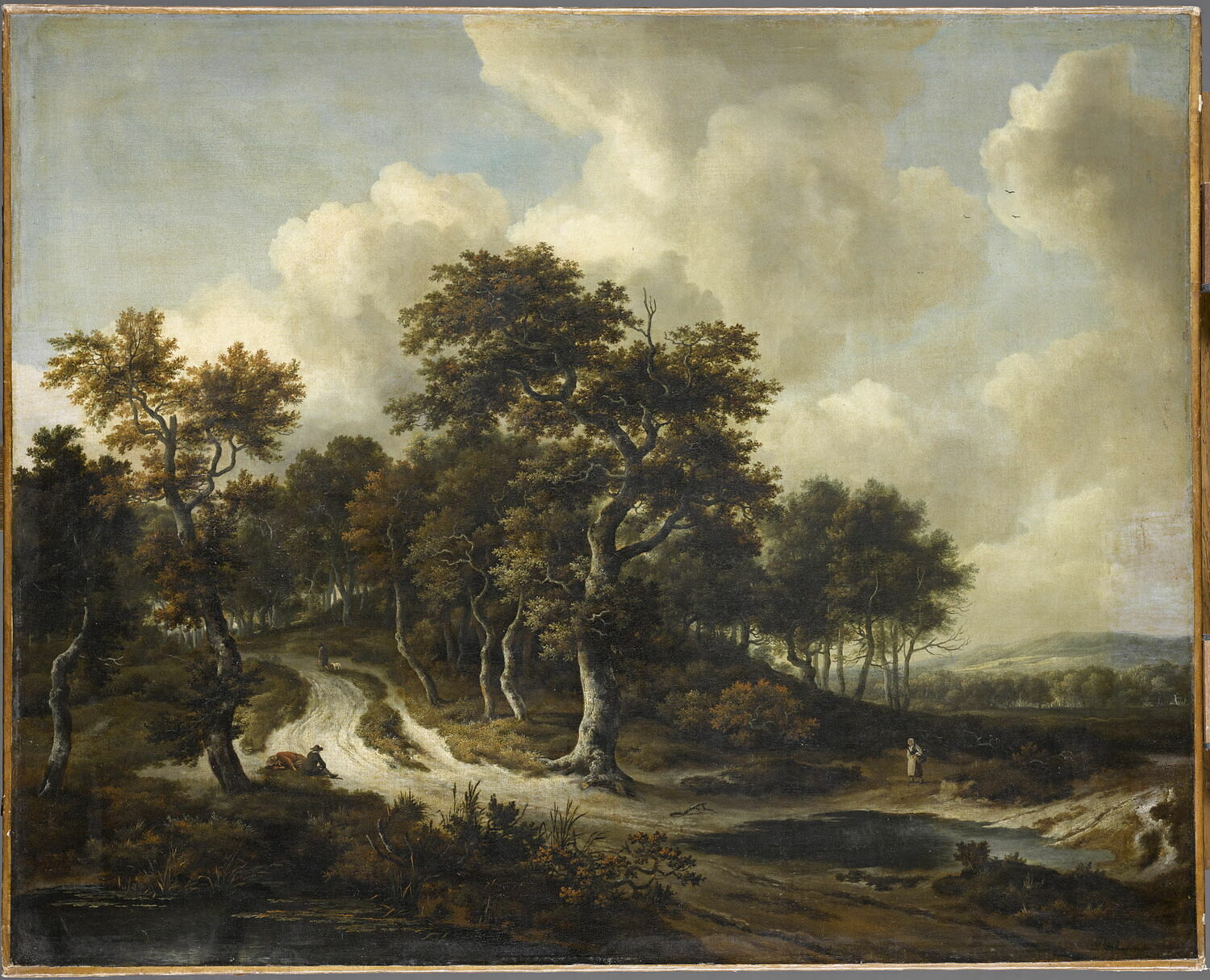
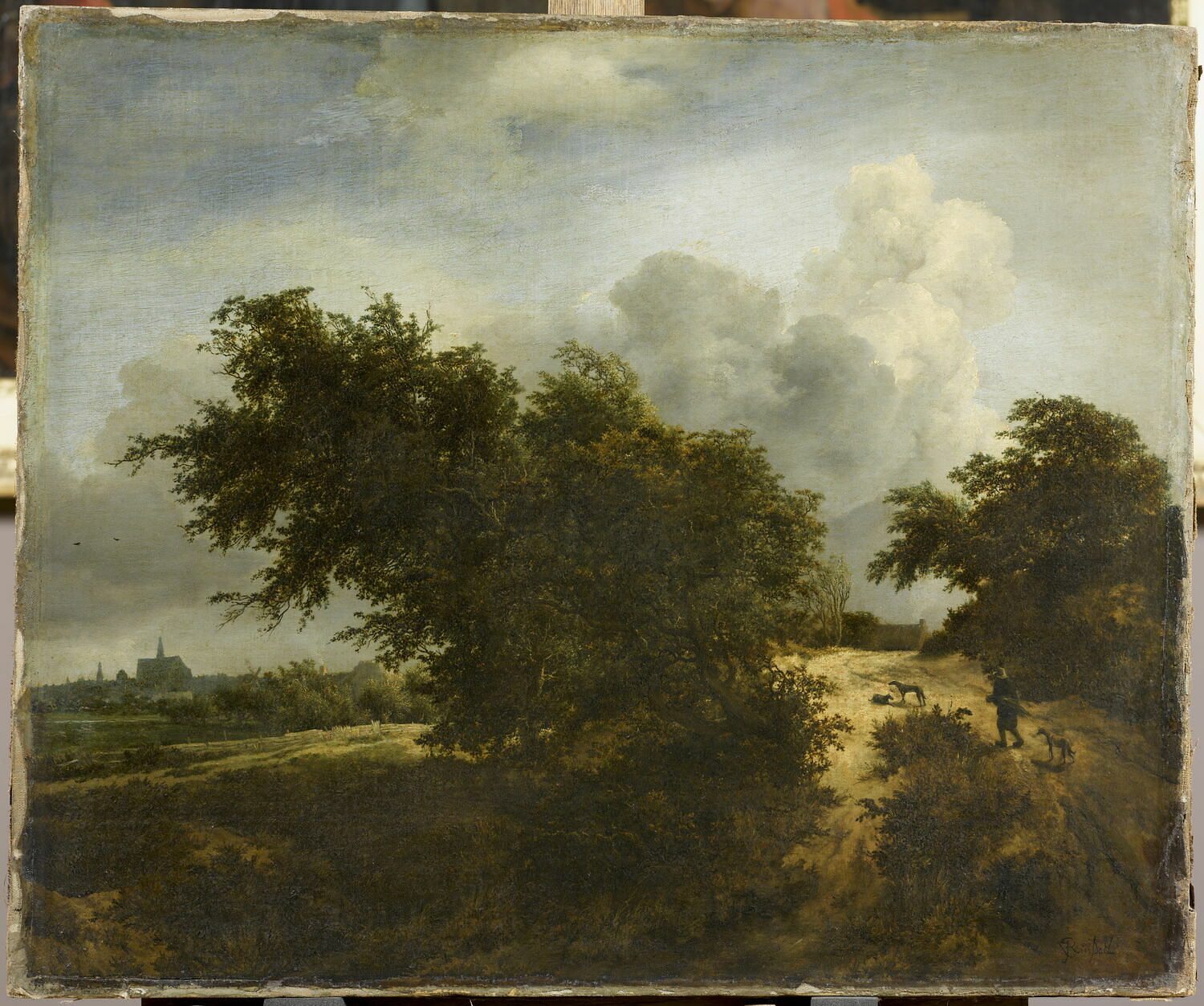
Le Buisson, Ruisdael, Jacob Isaacksz van, 3e quart du XVIIe siècle (vers 1649 - 1650)
Jacob Isaacksz. van Ruisdael, PorträtJacob Isaacksz. van RuisdaelNiederlande, 1628–1682

Le Buisson

3e quart du XVIIe siècle (vers 1649 - 1650) · Peintures

Über das Gemälde

Dune Landscape near Haarlem, also known as The Bush and The Thicket near Haarlem, is an oil on canvas painting by the Dutch Golden Age painter Jacob van Ruisdael. It is in the collection of the Louvre in Paris.

The painting is called Dune Landscape near Haarlem in Slive's 2001 catalogue raisonné of Ruisdael, catalogue number 60. Hofstede de Groot called it Landscape near Haarlem or The Bush in his 1911 catalogue raisonne; catalogue number 890.

The painting is not dated. Slive dates it to 1647. The Louvre dates it 1653.

It was in the collection of King Louis XVI.

In the 19th century Vincent van Gogh called this painting by Ruisdael, along with The Breakwater and Ray of Light, "magnificent".

The Louvre has in French: "Le Buisson ou Chemin dans les dunes harlemoises". Its inventory number is INV. 1819. Its dimensions are 68 cm x 82 cm.

Wikipedia · CC BY-SA

Angaben

3e quart du XVIIe siècle (vers 1649 - 1650)
16281682
Inventarnummer
INV 1819

Mehr von Jacob Isaacksz. van Ruisdael

Alle Werke

Im selben Saal · Salle 837, Aile Richelieu, Niveau 2, Louvre

Museumsseite

Darf man es sehen?

Ja, es empfängt Besucher

Louvre

Paris, Frankreich

Saal837, Aile Richelieu, Niveau 2

Öffentlich ausgestellt. Wer dafür bürgt, steht unten.

Geprüft
vor 12 Tagen
Unverändert seit
26. Sept. 2026
Quelle
Das Museum
Auf der KarteMuseumsseite

Im Katalog

GemäldeÖlNiederländische MalereiBarock17. Jahrhundert

Quellen

  • Louvre
  • Bild: Louvre — © 2014 GrandPalaisRmn (musée du Louvre) / Michel Urtado
Wheat Fields, Jacob van Ruisdael, ca. 1670

Wheat Fields

ca. 1670 · Metropolitan Museum of Art

Peasant Cottage in a Landscape, Jacob Isaacksz. van Ruisdael, 1646

Peasant Cottage in a Landscape

1646 · Eremitage

Landscape with some houses and a sand track, Jacob Isaacksz. van Ruisdael, 1647

Landscape with some houses and a sand track

1647 · Eremitage

Dunes by the Sea, Jacob van Ruisdael, 1648

Dunes by the Sea

1648 · National Gallery of Art

Bridge with a Sluice, Jacob van Ruisdael, about 1648–1649

Bridge with a Sluice

about 1648–1649 · J. Paul Getty Museum

Landscape with a Traveller, Jacob Isaacksz. van Ruisdael, 1650

Landscape with a Traveller

1650 · Eremitage

Landscape with a Wheatfield, Jacob van Ruisdael, about late 1650s–early 1660s

Landscape with a Wheatfield

about late 1650s–early 1660s · J. Paul Getty Museum

Two Watermills and an Open Sluice, Jacob van Ruisdael, 1653

Two Watermills and an Open Sluice

1653 · J. Paul Getty Museum

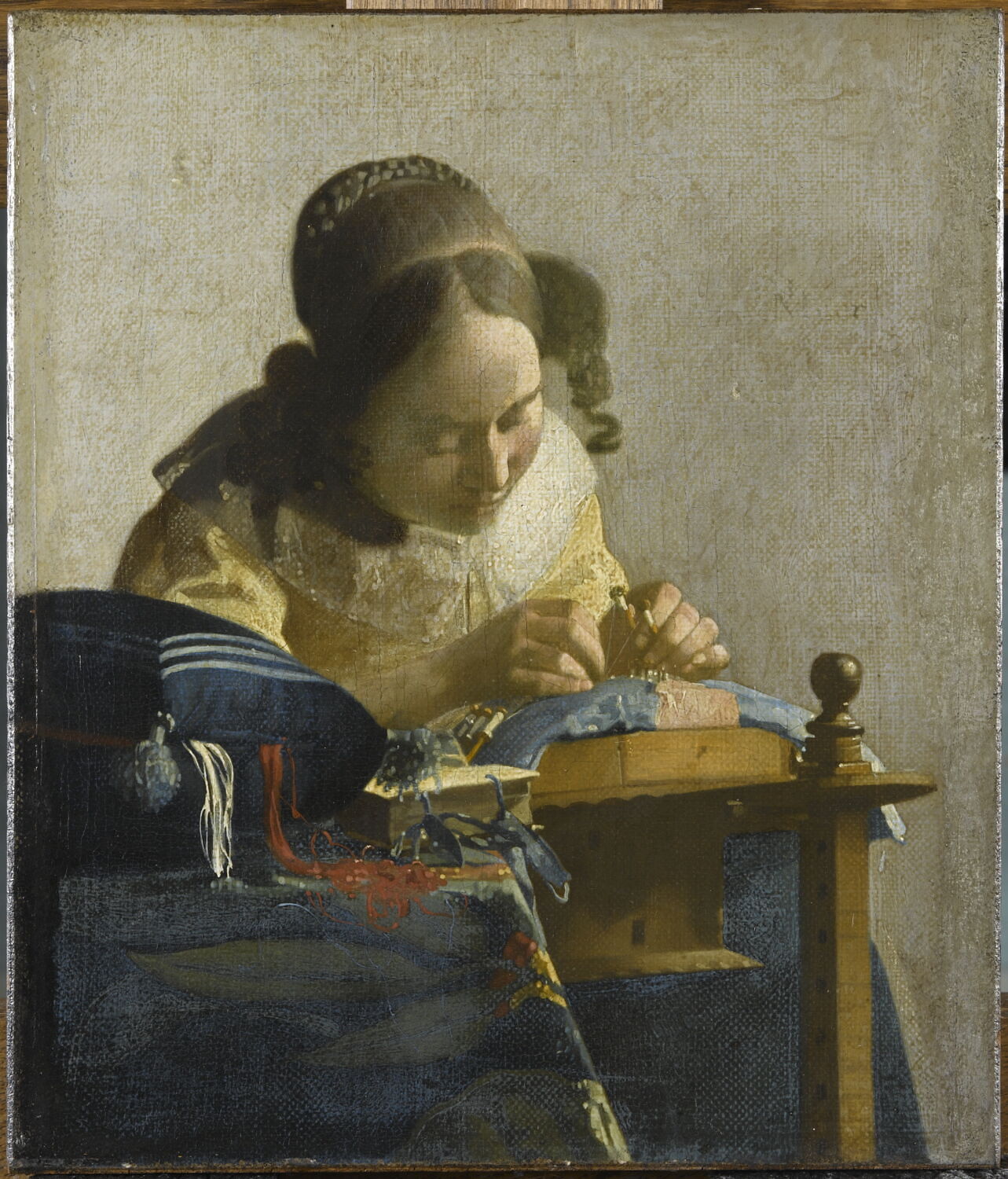
La Dentellière, Vermeer, Johannes, 3e quart du XVIIe siècle (vers 1669 - 1670)

Johannes Vermeer

Die Spitzenklöpplerin, 3e quart du XVIIe siècle (vers 1669 - 1670)

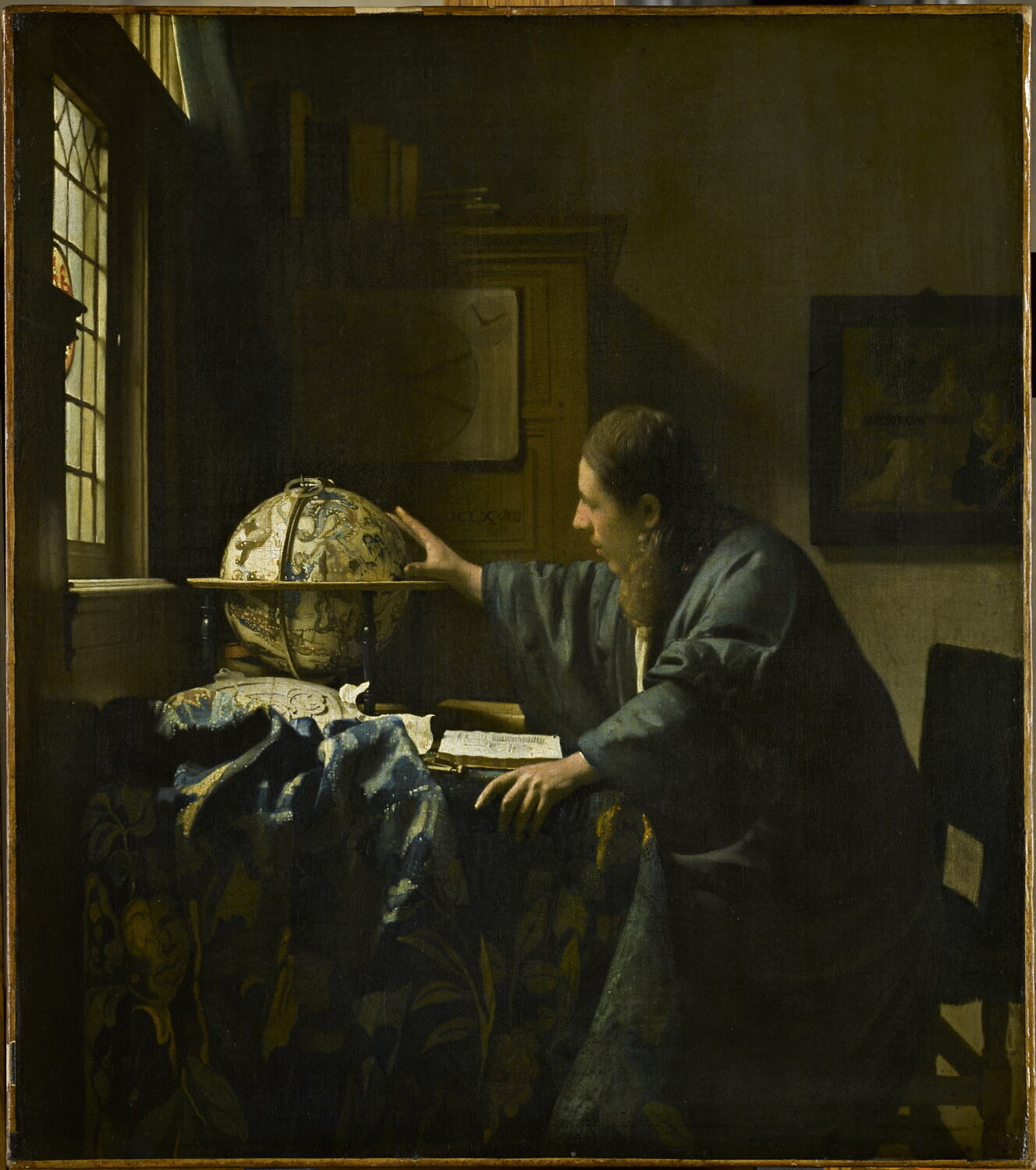
L'Astronome, Vermeer, Johannes, XVIIe siècle et 3e quart du XVIIe siècle (1668 et 1673)

Johannes Vermeer

Der Astronom, XVIIe siècle et 3e quart du XVIIe siècle (1668 et 1673)

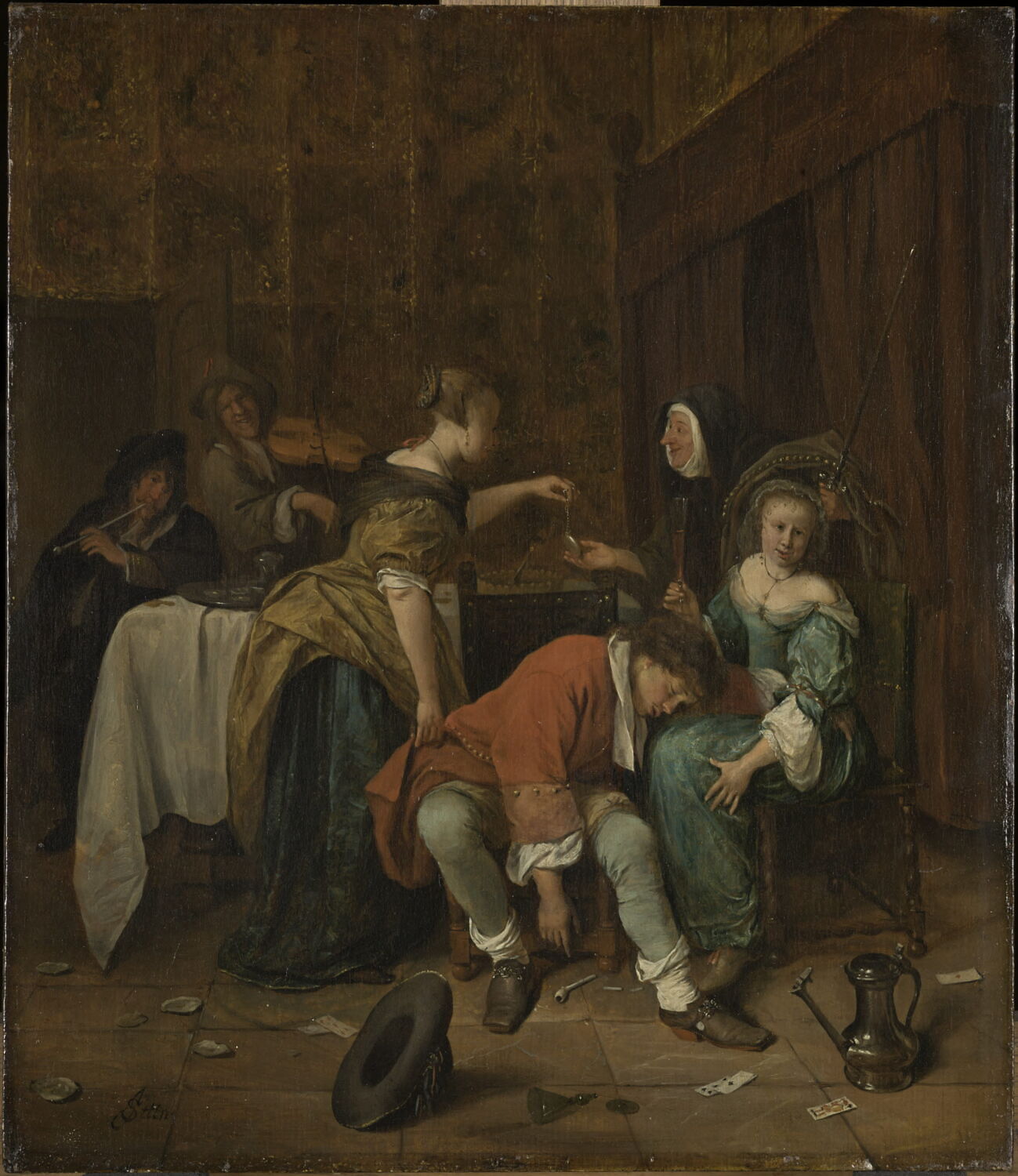
La Mauvaise Compagnie, Steen, Jan, 3e quart du XVIIe siècle (vers 1665 - 1670)

Jan Havicksz. Steen

La Mauvaise Compagnie, 3e quart du XVIIe siècle (vers 1665 - 1670)

La Route, Ruisdael, Jacob Isaacksz van, 3e quart du XVIIe siècle (vers 1660)

Jacob Isaacksz. van Ruisdael

La Route, 3e quart du XVIIe siècle (vers 1660)

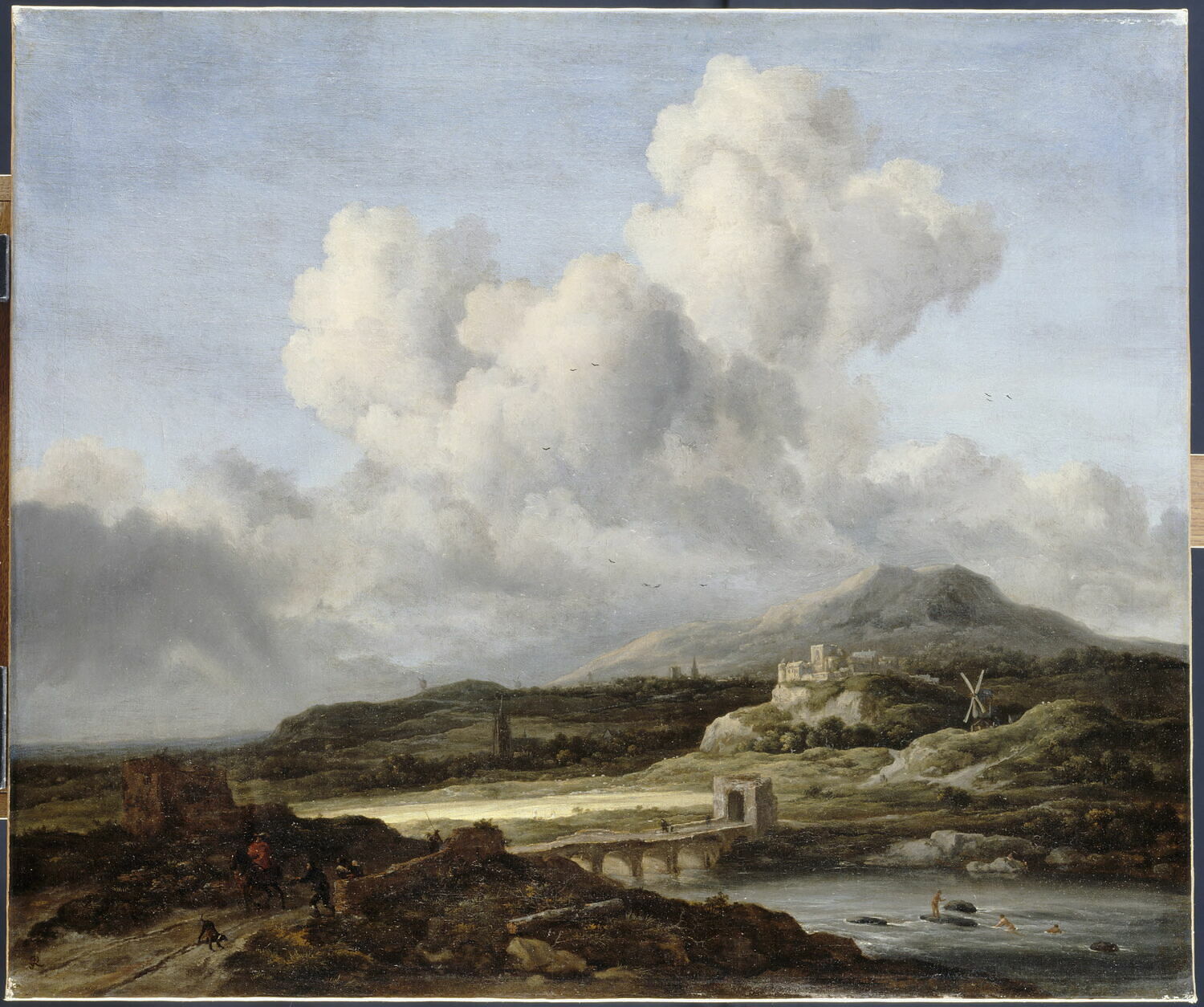
Le Coup de soleil, Ruisdael, Jacob Isaacksz van, 3e quart du XVIIe siècle (vers 1660 - 1670)

Jacob Isaacksz. van Ruisdael

Le Coup de soleil, 3e quart du XVIIe siècle (vers 1660 - 1670)

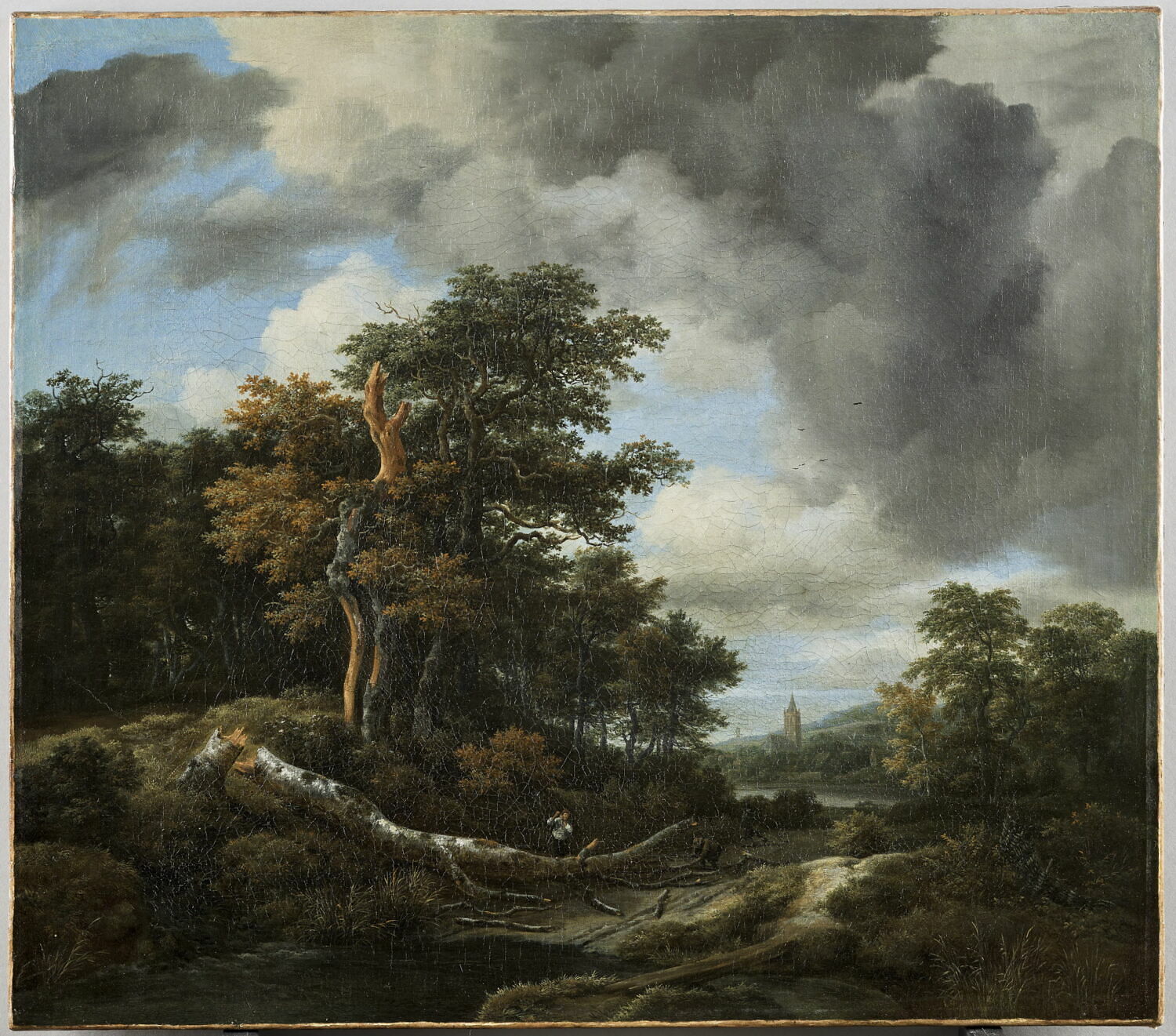
L'Entrée d'un bois, Ruisdael, Jacob Isaacksz van, 3e quart du XVIIe siècle (1660 - 1670)

Jacob Isaacksz. van Ruisdael

L'Entrée d'un bois, 3e quart du XVIIe siècle (1660 - 1670)

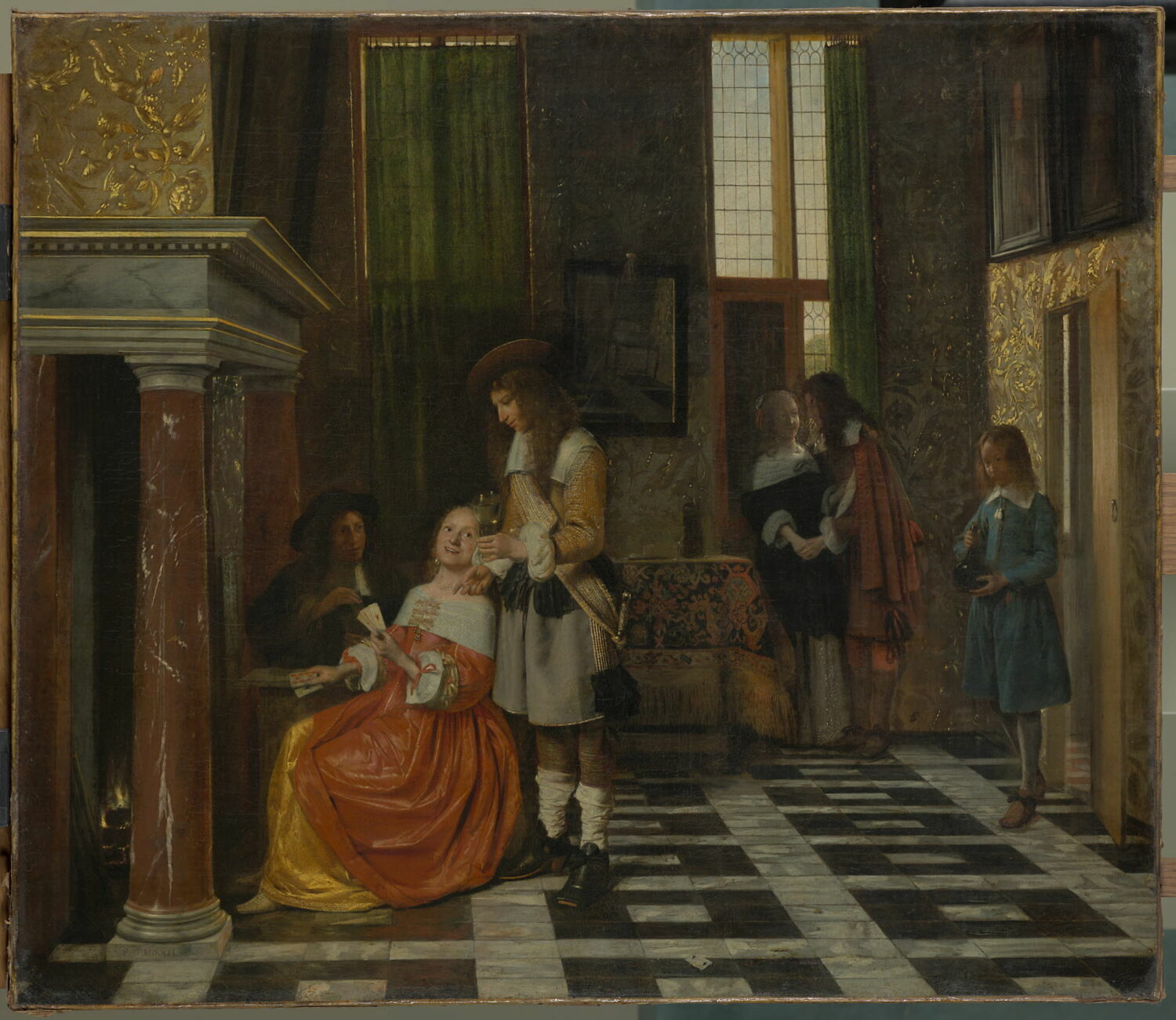
Joueurs de cartes dans un riche intérieur, Hooch, Pieter de, 2e moitié du XVIIe siècle (1663 - 1665)

Pieter de Hooch

Joueurs de cartes dans un riche intérieur, 2e moitié du XVIIe siècle (1663 - 1665)

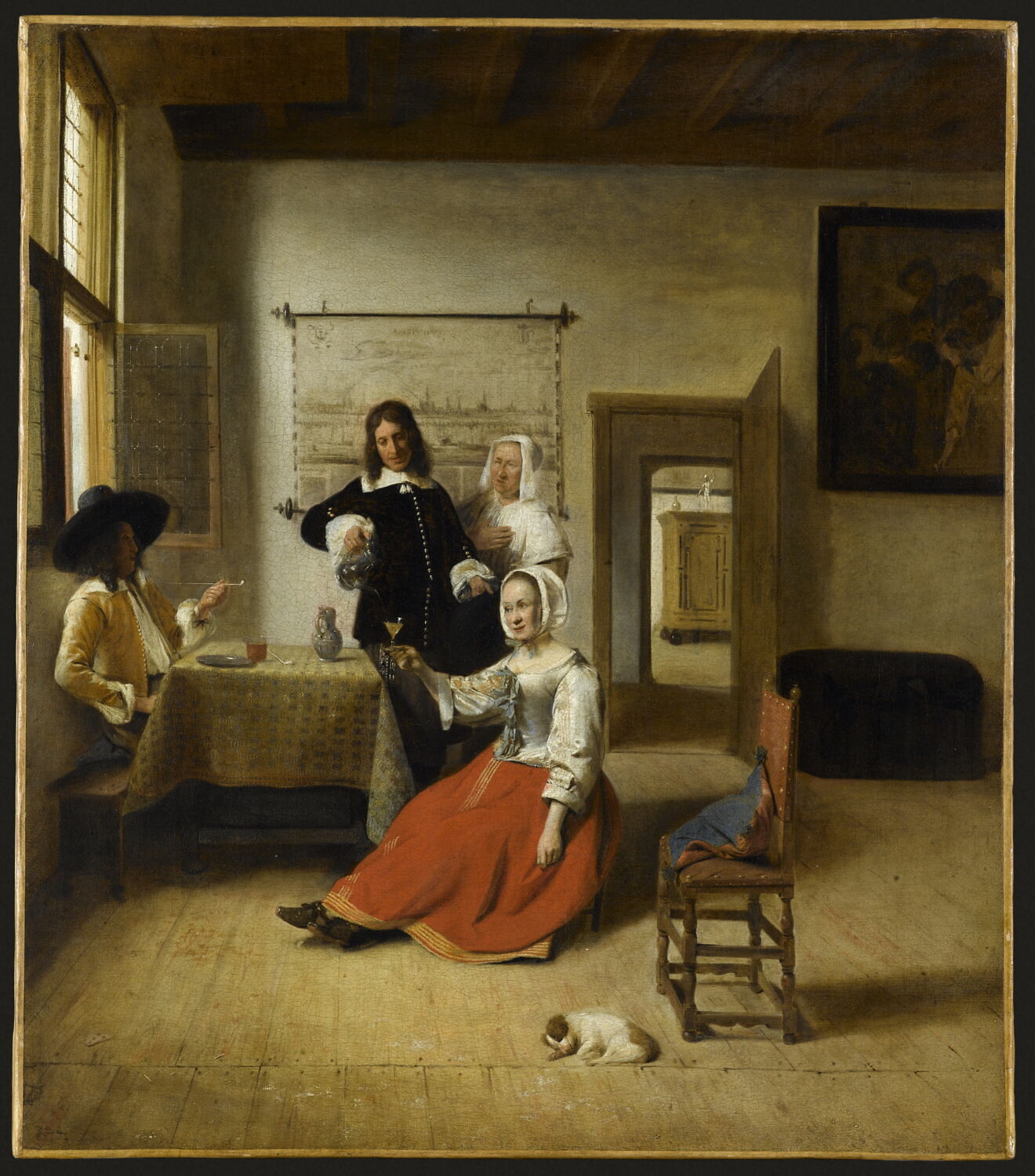
La Buveuse, Hooch, Pieter de, Milieu du XVIIe siècle (vers 1652 - 1661)

Pieter de Hooch

La Buveuse, Milieu du XVIIe siècle (vers 1652 - 1661)