
Italien, Republik Florenz · 1500–1571
Benvenuto Cellini
Benvenuto Cellini: wo die Werke heute zu sehen sind. 3 Werke ausgestellt, die meisten in New York City. Werke in unserem Katalog: 22; Sammlungen: 6. Geprüft am 16. November 2026.
Benvenuto Cellini war ein vor allem in Florenz, Rom und Fontainebleau tätiger Goldschmied, Bildhauer und Medailleur des 16.
Wo Benvenuto Cellini zu sehen ist
Fragen
- Wo kann man Benvenuto Cellini heute sehen?
- 3 Werke sind ausgestellt. Städte mit den meisten ausgestellten Werken: New York City (1). Geprüft am 16. November 2026.
- Welches Museum hat die meisten Werke von Benvenuto Cellini?
- Die meisten Werke in unserem Katalog hat Bargello: 11.
- Wie viele Werke von Benvenuto Cellini sind in Museumssammlungen?
- Werke in unserem Katalog: 22. Museumssammlungen: 6. Länder: 4.
- Wann lebte Benvenuto Cellini?
- Geboren 1500. Gestorben 1571. Nationalität: Italien, Republik Florenz.
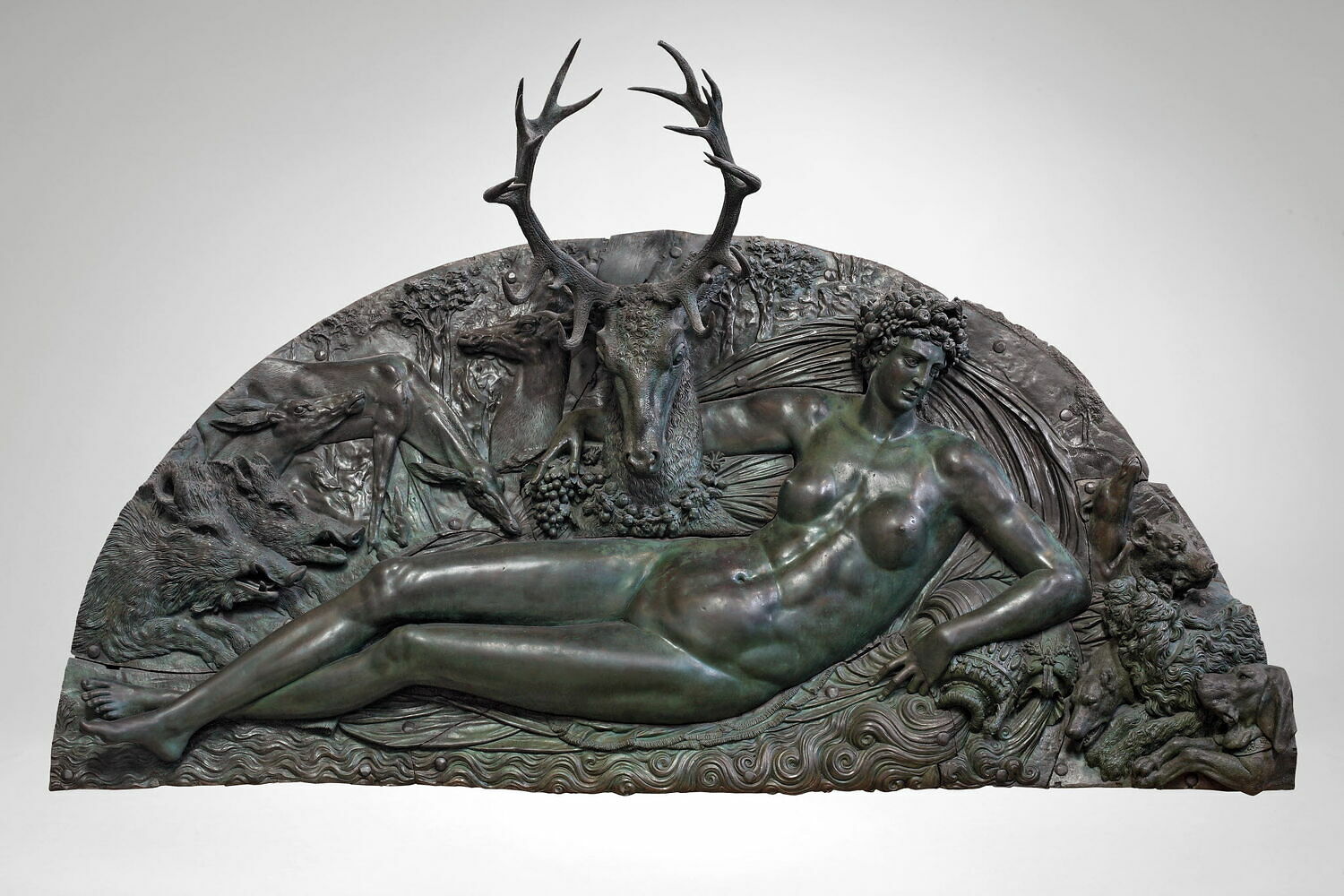
La nymphe de Fontainebleau
1542 - 1543 · Louvre
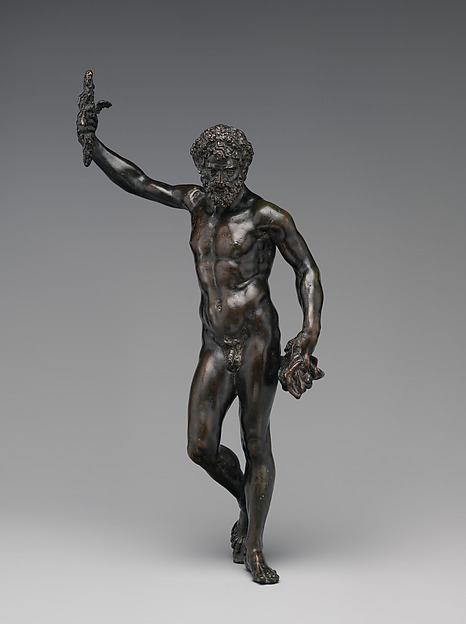
Jupiter
late 16th century · Metropolitan Museum of Art
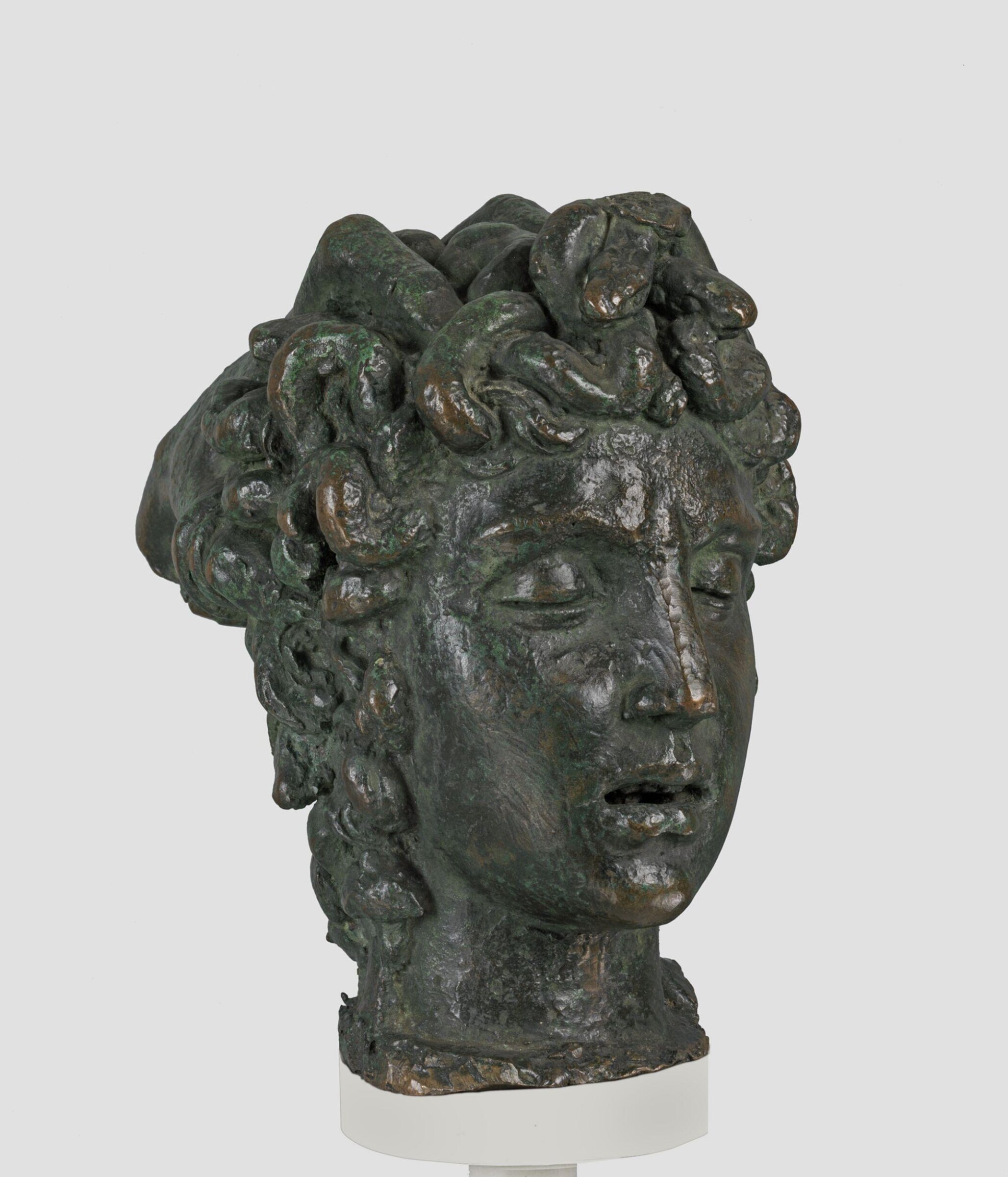
Head of Medusa
ca. 1545-1550 · Victoria and Albert Museum

Saint Cosmas and Saint Damian
1500/1571 · Nicht ausgestellt · National Gallery of Art

Giove
sec. XVI · Bargello

Minerva
sec. XVI · Bargello

Mercurio
sec. XVI · Bargello

Perseo con la testa di Medusa
sec. XVI · Bargello

Storie di Perseo e Andromeda
sec. XVI · Bargello

Apollo e Giacinto
sec. XVI · Bargello

A Satyr
1544/1545 · Nicht ausgestellt · National Gallery of Art

Perseo con la testa di Medusa
1545 · Bargello

Ritratto di Cosimo I de' Medici
1546–1547 · Bargello

Narciso
1548–1570 · Bargello
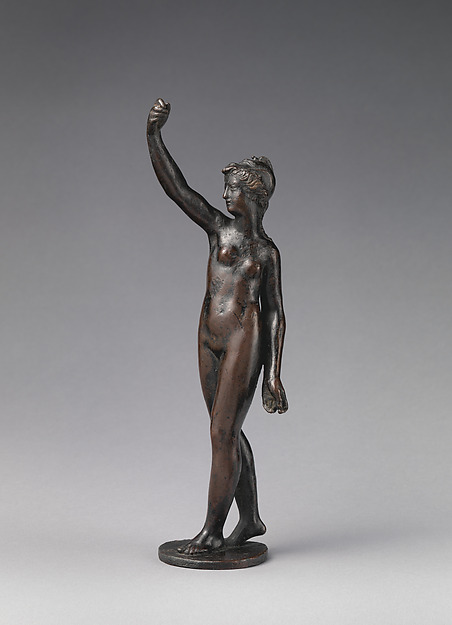
Minerva
second half 16th century · Nicht ausgestellt · Metropolitan Museum of Art
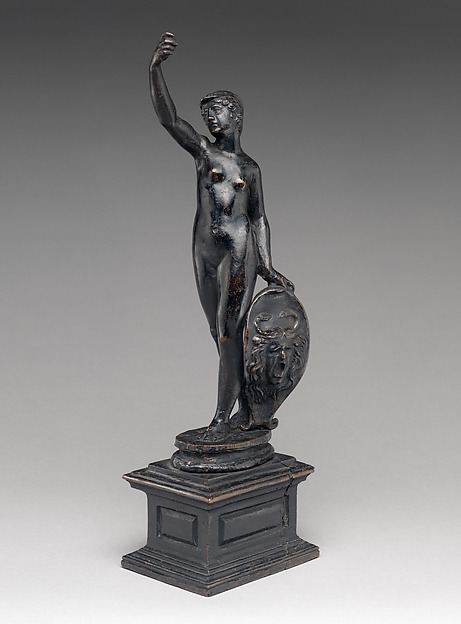
Minerva
second half 16th century · Nicht ausgestellt · Metropolitan Museum of Art

Danae e il figlio Perseo
1552–1553 · Bargello

Ganymede with eagle and eaglet
probably 18th century · Nicht ausgestellt · Metropolitan Museum of Art

Perseus with the Head of Medusa
19th century · Nicht ausgestellt · Metropolitan Museum of Art

Ganimede
sec. XVI · Bargello

Satyr
1543–1545 · Nicht ausgestellt · J. Paul Getty Museum
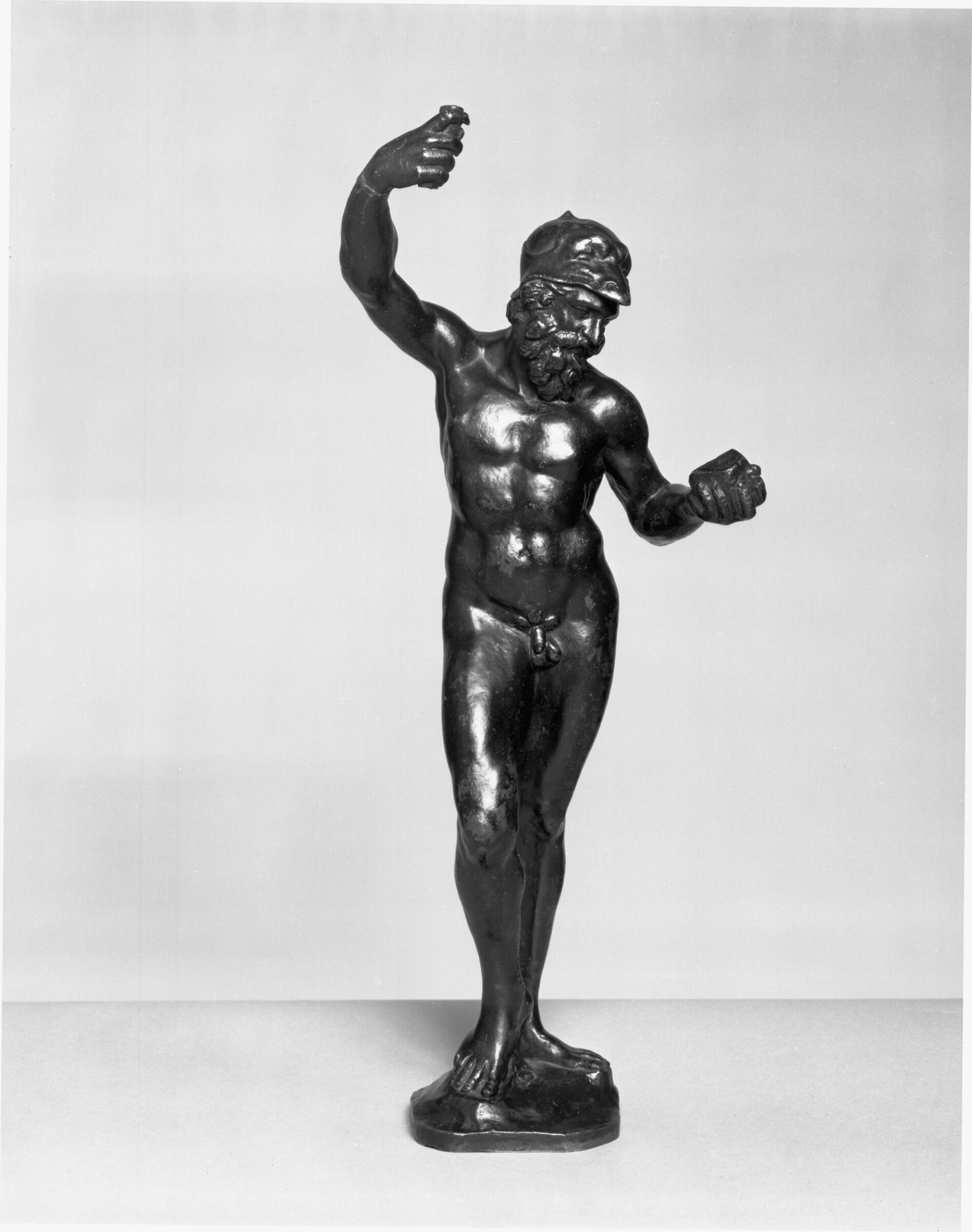
Mars
ca. 1550 · Nicht ausgestellt · Victoria and Albert Museum