 John CageUSA, 1912–1992
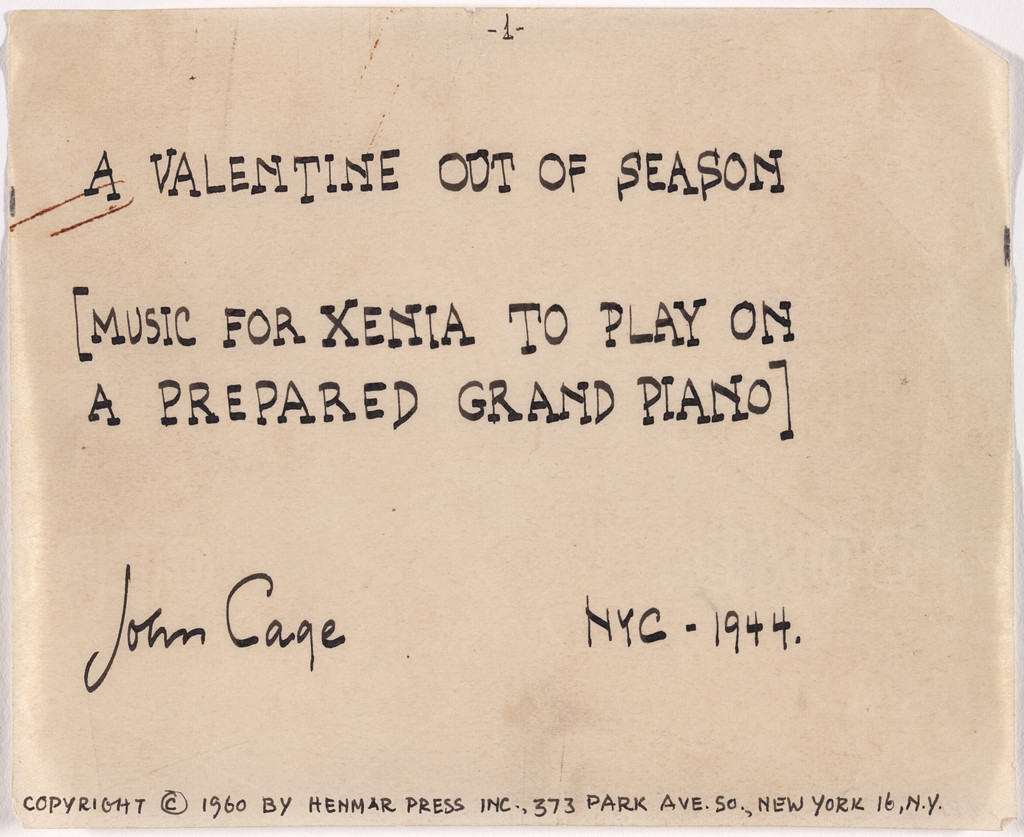
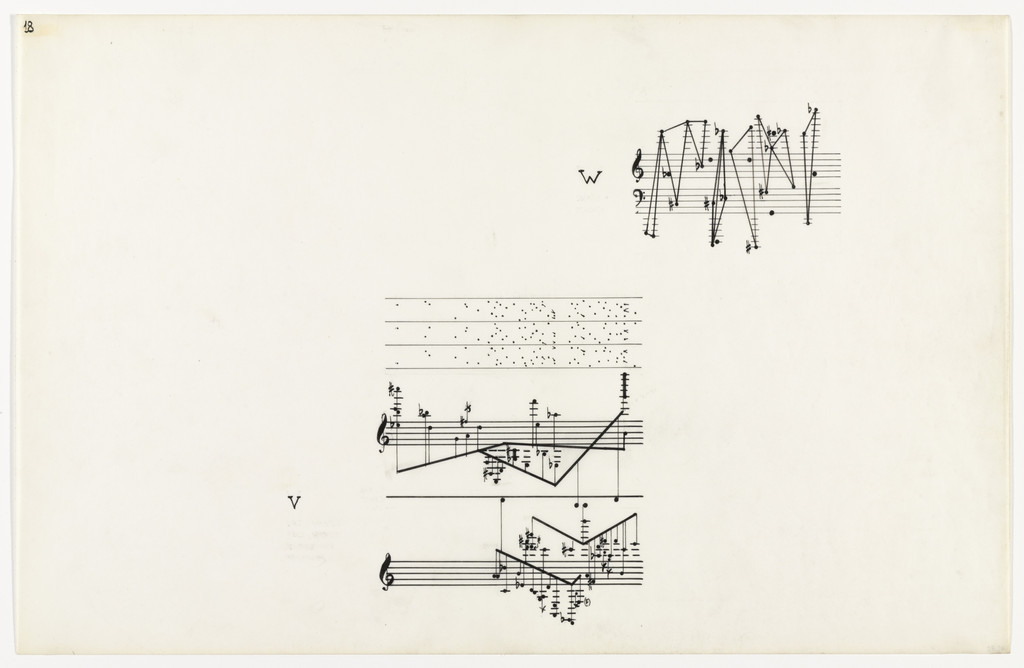
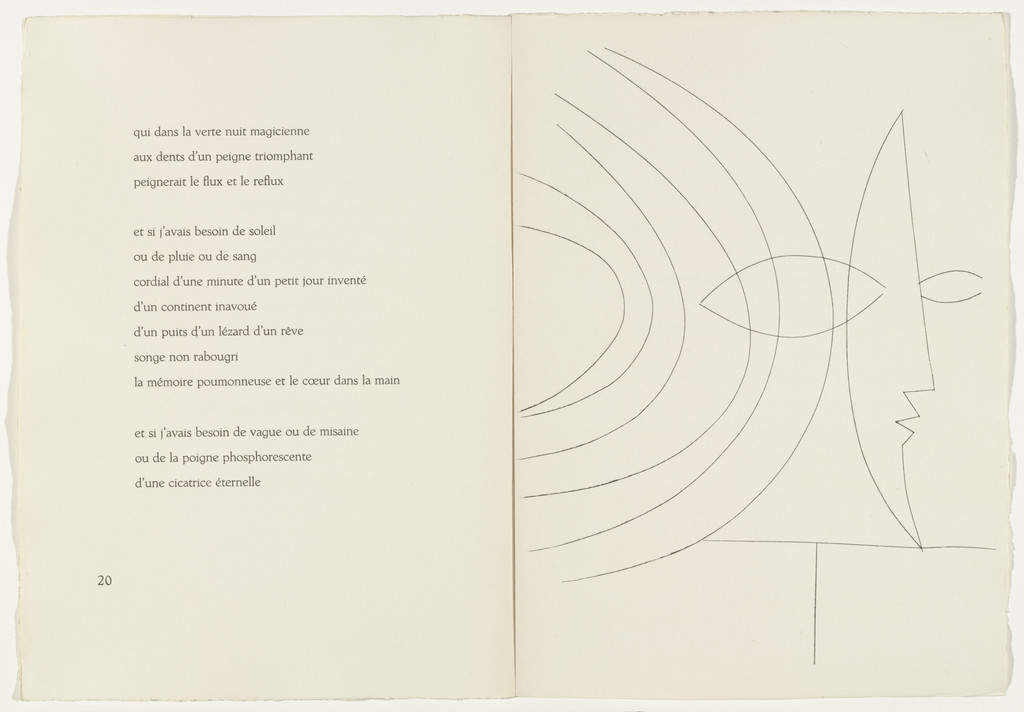
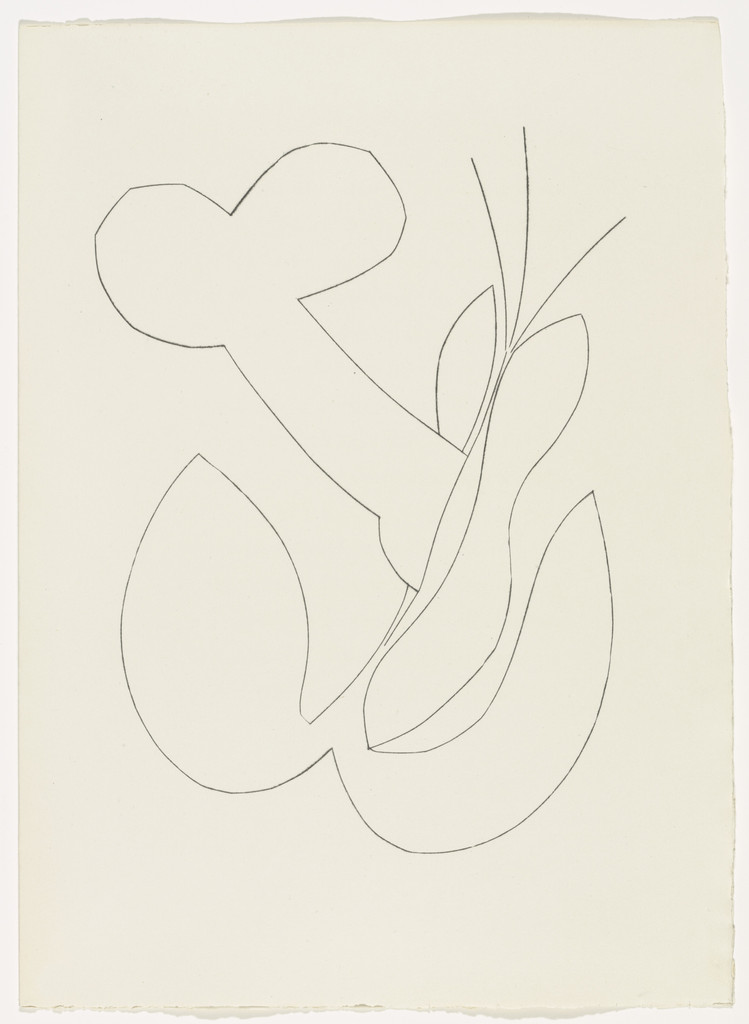
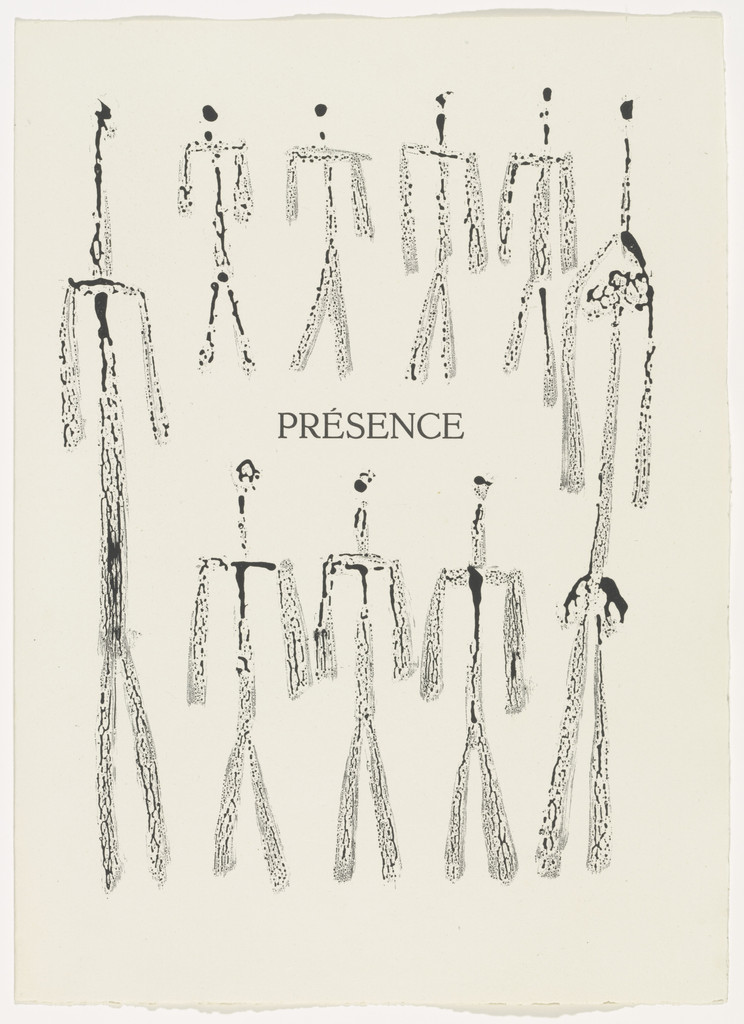
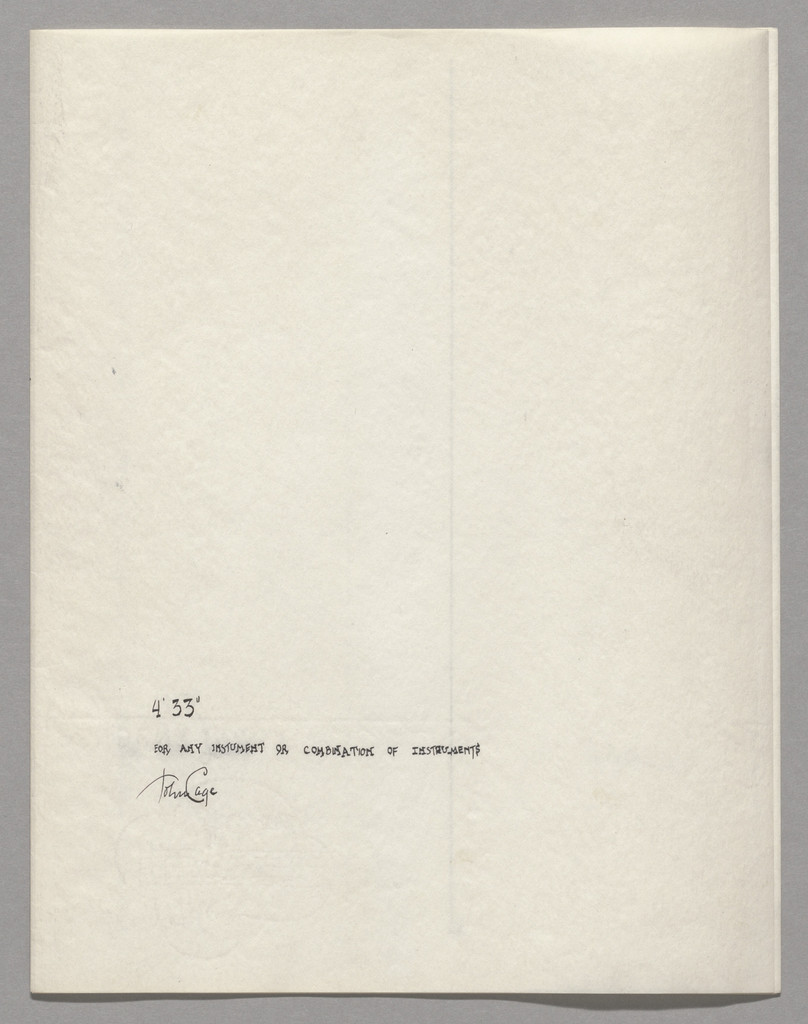
4'33" (In Proportional Notation)
Må man se det?
Tager ikke imod for tiden

Museum of Modern Art
New York City, USA
Det hører til samlingen, men er ikke udstillet for tiden.
- Kontrolleret
- for 12 dage siden
- Kilde
- Museets egne samlingsdata
Oplysninger
- Inventarnummer
- 1636.2012
Kilder
- Museum of Modern Art: the museum's own open data · hentet for 12 dage siden
- Billede: Museum of Modern Art — © the artist or rights holder
Imens i livet hos John Cage
Hele livetearly 1950
Feldman in the lobby: the “New York school”
In early 1950 at a New York Philharmonic concert Cage, overwhelmed by Webern's Symphony, leaves before the Rachmaninoff piece and in the lobby meets Morton Feldman, who is leaving for the same reason. They quickly become friends; some time later Cage, Feldman, Earle Brown, the pianist David Tudor and Cage's pupil Christian Wolff come to be referred to as “the New York school”.
1950s
Chance wrecks his reputation
The adoption of chance procedures has disastrous consequences for Cage's reputation: the press, which used to react favourably to his percussion and prepared-piano music, ignores his new works, and many valuable friendships and connections are lost. Boulez, who used to promote Cage's work in Europe, opposes his particular use of chance, as do other composers who came to prominence in the 1950s, such as Stockhausen.
early 1951
The “I Ching” from Wolff: music by chance
In early 1951 Christian Wolff presents Cage with a copy of the I Ching, the first complete English translation, published in 1950 by his father Kurt Wolff's Pantheon Books. For Cage the book becomes a tool for composing by chance, in his words “imitating nature in its manner of operation”; he will use it in practically every work composed after 1951.
summer 1952
The first “happening” at Black Mountain
In the summer of 1952 at the avant-garde Black Mountain College in North Carolina, where Cage also taught in 1948 and was in residence in 1953, he organises what has been called the first “happening” in the United States: later titled “Theatre Piece No. 1”, a multi-layered, multi-media event staged the same day he conceived it, with Cunningham and Tudor taking part.
29 August 1952
The premiere of “4′33″” in Woodstock
On 29 August 1952 at a benefit concert in Woodstock David Tudor gives the first performance of “4′33″”: he walks on stage, places the score and a stopwatch on the piano and sits silent, only opening and closing the lid to mark the start and end of each part. The audience is in an uproar; sceptics say anyone could have done it, and Cage agrees: yes, but no one had until now.
from 1953
Music for Cunningham's dances
From 1953 Cage is busy composing music for modern dance, particularly Cunningham's dances — his partner adopts chance too, out of fascination with the movement of the human body — while developing new methods of using chance in a series of works he calls “The Ten Thousand Things”.