 Nathaniel Hone1718–1784
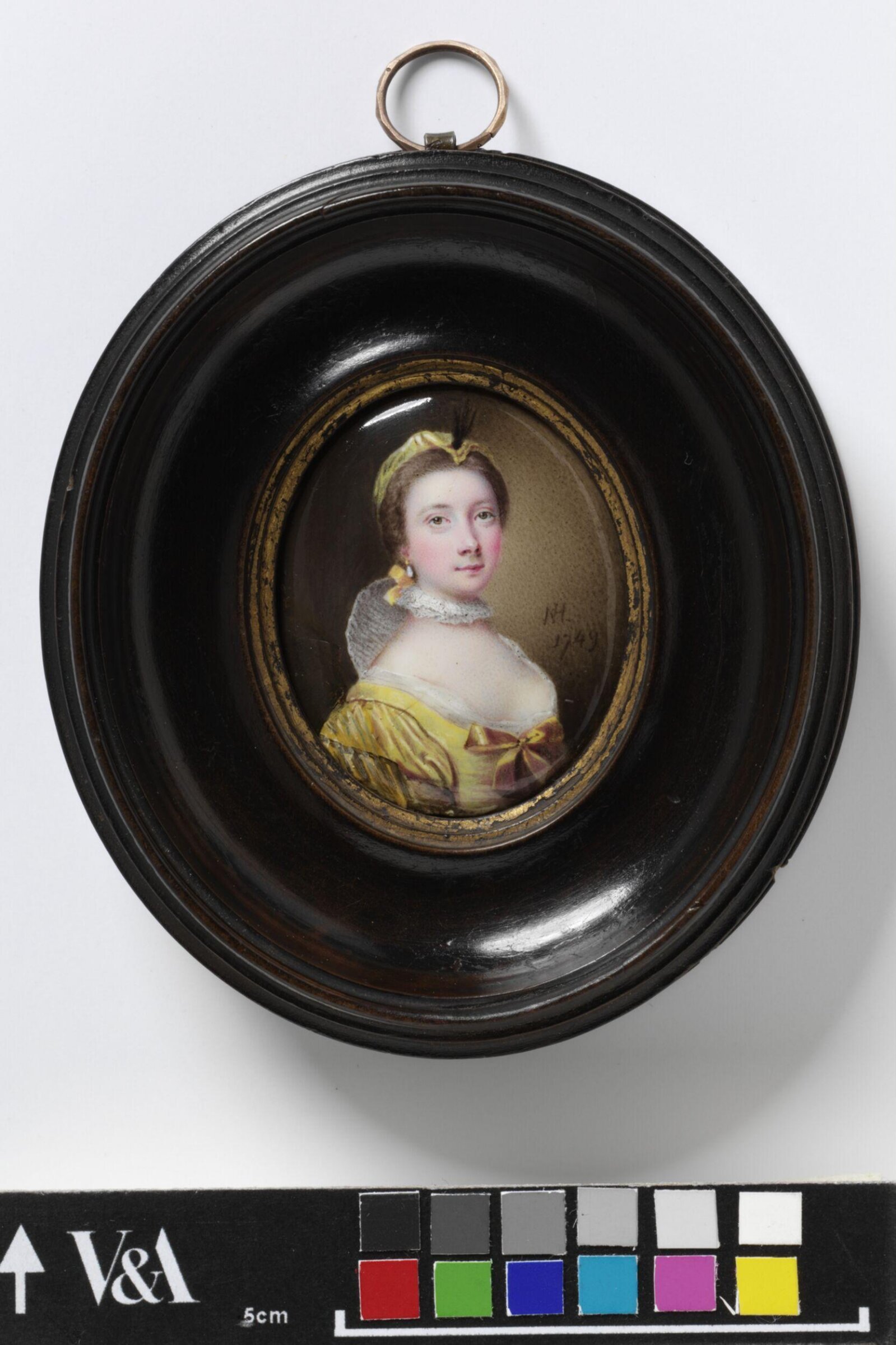
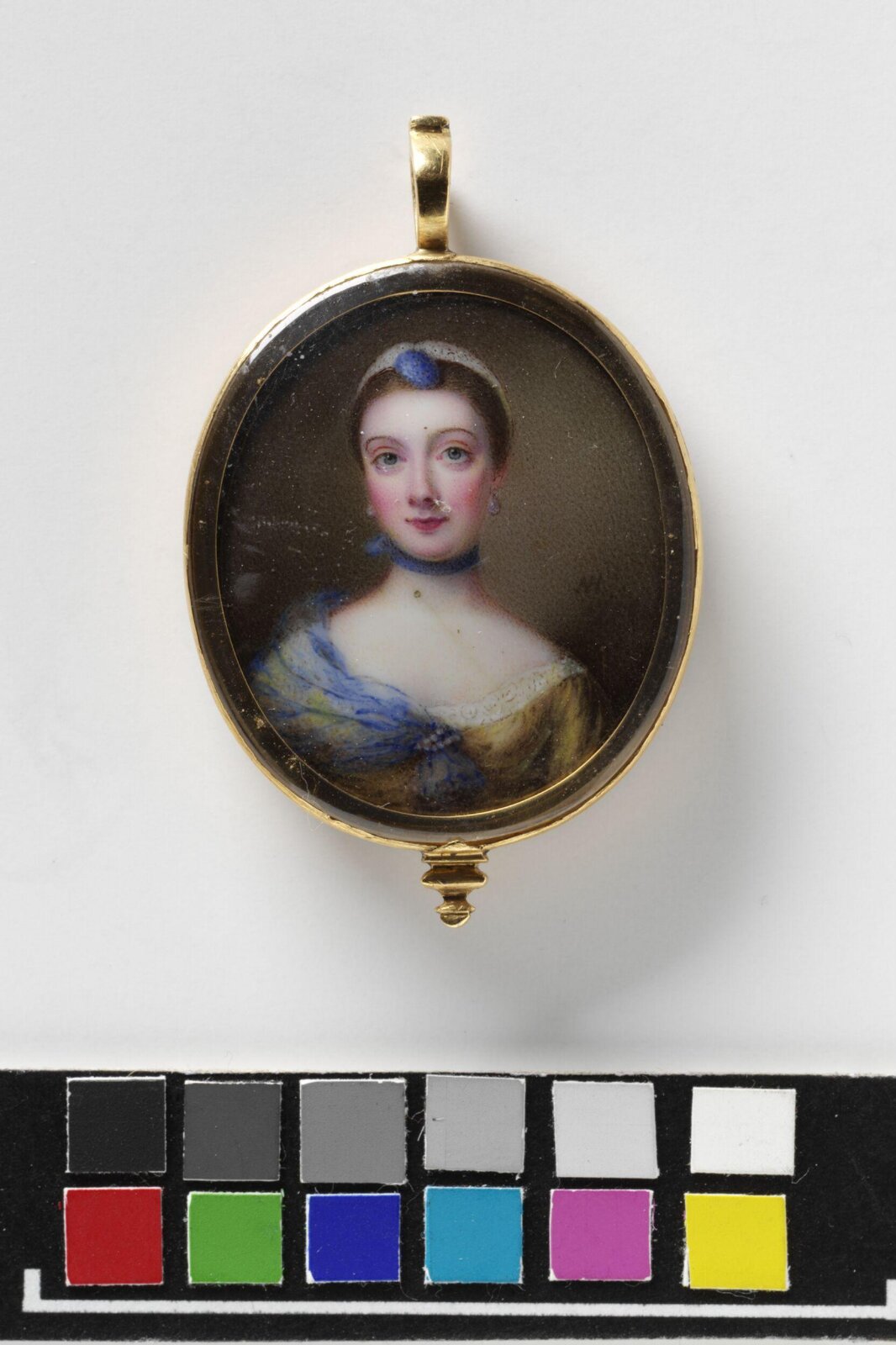
Unknown woman
可否一睹真容?
可以,正在迎客

维多利亚和阿尔伯特博物馆
倫敦, 英国
展厅Portrait Miniatures, Room 90a, The International Music and Art Foundation Gallery
正对公众展出。由谁担保,见下文。
- 核实
- 此状态始于
- 出处
- 博物馆
关于这幅画
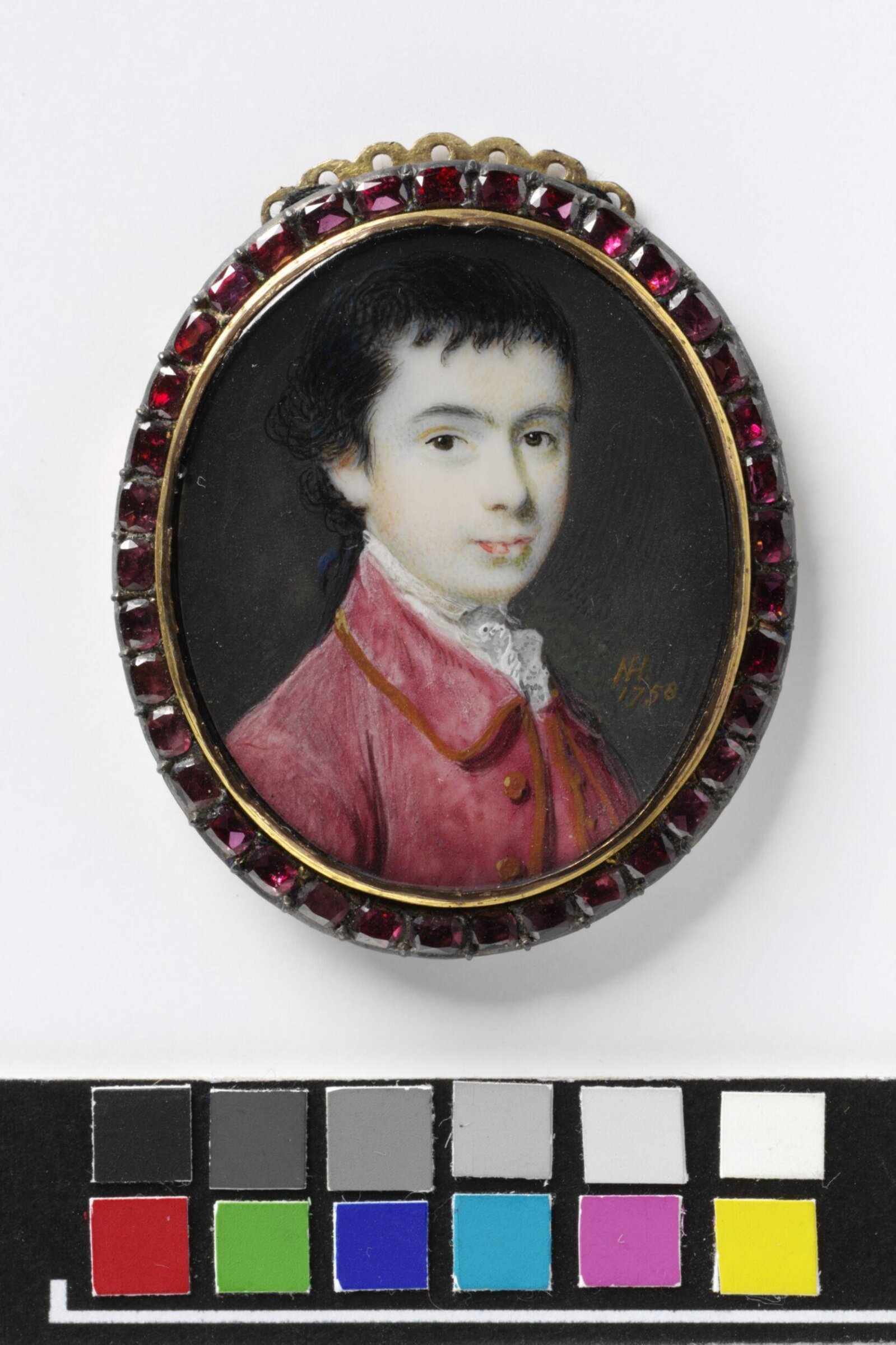
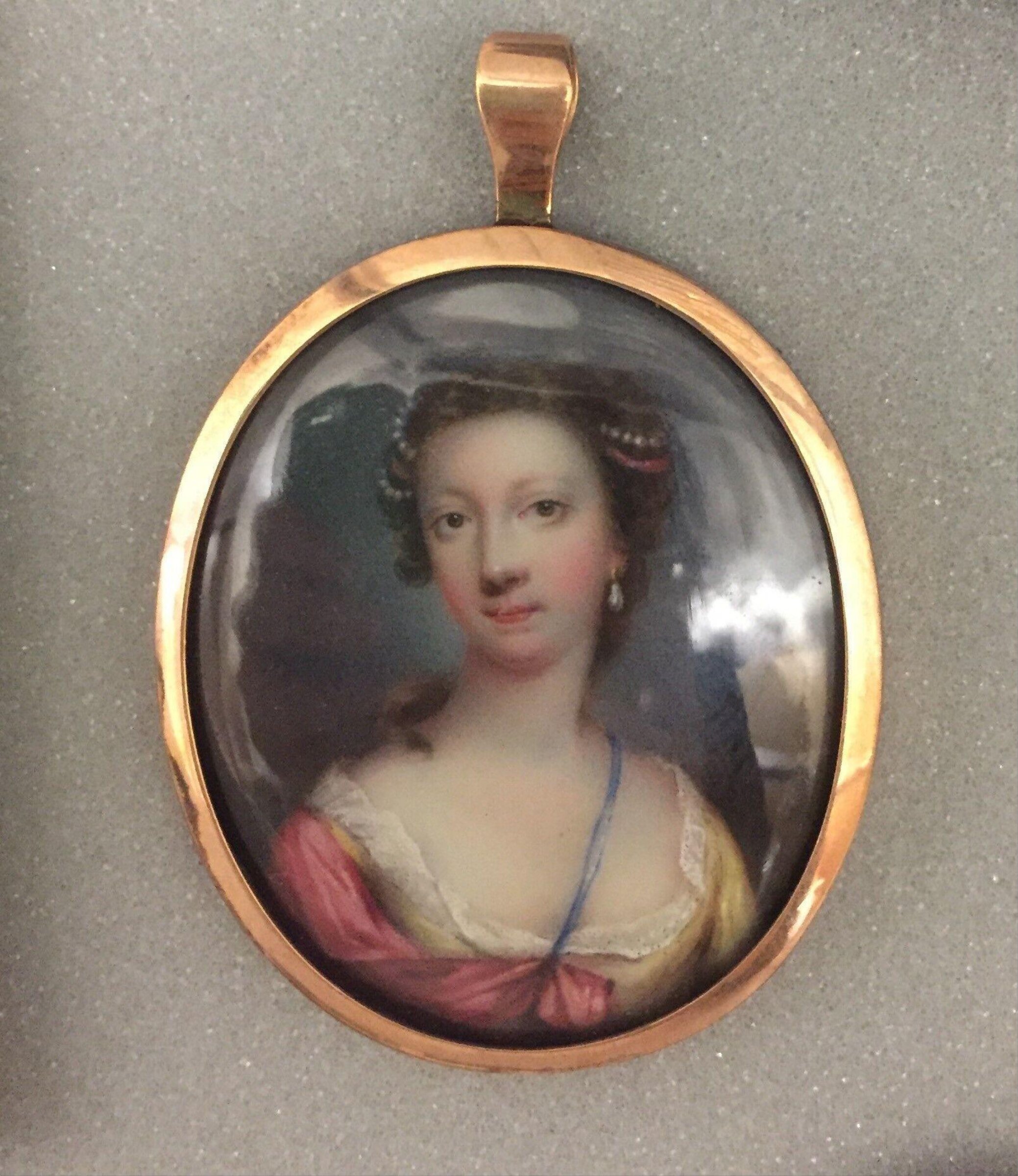
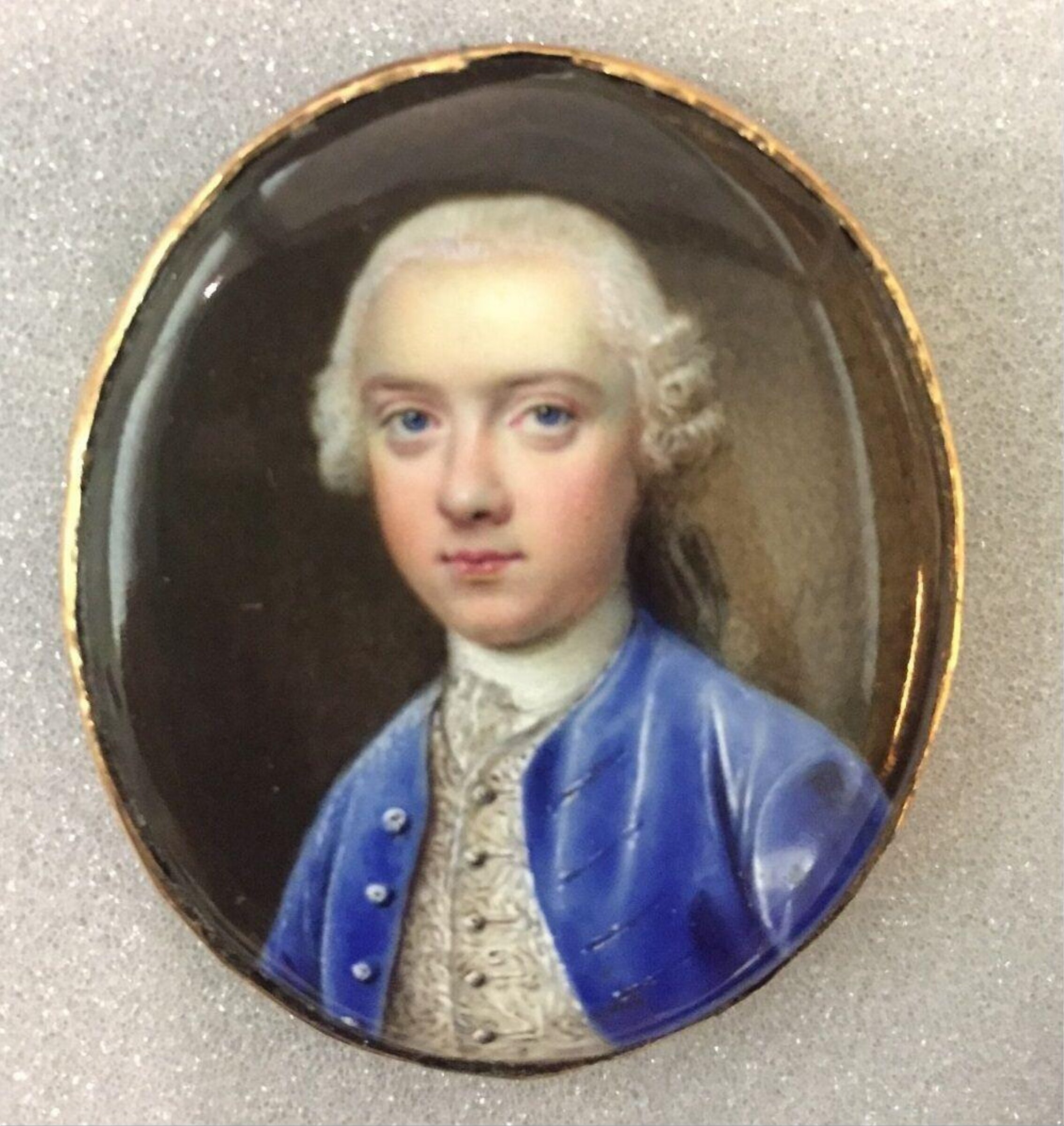
This portrait is painted in enamel on metal. The advantage of enamel over traditional miniature painting (watercolour painted on vellum or, from about 1700, on ivory) is that it does not fade when exposed to light. The process of painting with enamels is, however, less free than the miniature technique and is fraught with danger. The first colours to be laid on the metal support have to be those needing the highest temperature when firing. More colour is added and the enamel refired, the process ending with the colours needing the lowest temperature. Such labour meant that it was an expensive option.
继续阅读
Enamel was first practised in England in the 1630s by the Swiss goldsmith Jean Petitot at the court of Charles I. It was reintroduced around 1680 by a Swede, Charles Boit, and achieved wide popularity with the work of Christian Friedrich Zincke of Germany. Both Boit and Zincke were goldsmiths by training. In the early 18th century a number of miniaturists took up enamel in order to offer their clients a choice. But as the market for all portraiture grew and as miniature painters worked on ivory with increasing confidence and bravura, enamel painters decided to learn their rivals’ art.
Nathaniel Hone, who painted this lovely enamel, is an example of the kind of painter who worked both in watercolour on ivory and in enamel on metal; he also painted oil portraits. Hone was born in Dublin in 1718 and came to England to work as an itinerant portrait painter. In 1750 he went to Rome to study the works of antiquity. In 1769, he was a founder member of the Royal Academy, by which date he had abandoned miniature painting to concentrate on the more prestigious art of oil painting.
维多利亚和阿尔伯特博物馆
作品信息
- 馆藏编号
- P.91-1962
画面内容
已收入目录
出处
- 维多利亚和阿尔伯特博物馆
- 图片: 维多利亚和阿尔伯特博物馆 — © Victoria and Albert Museum, London