 Beatrix Potter1866–1943
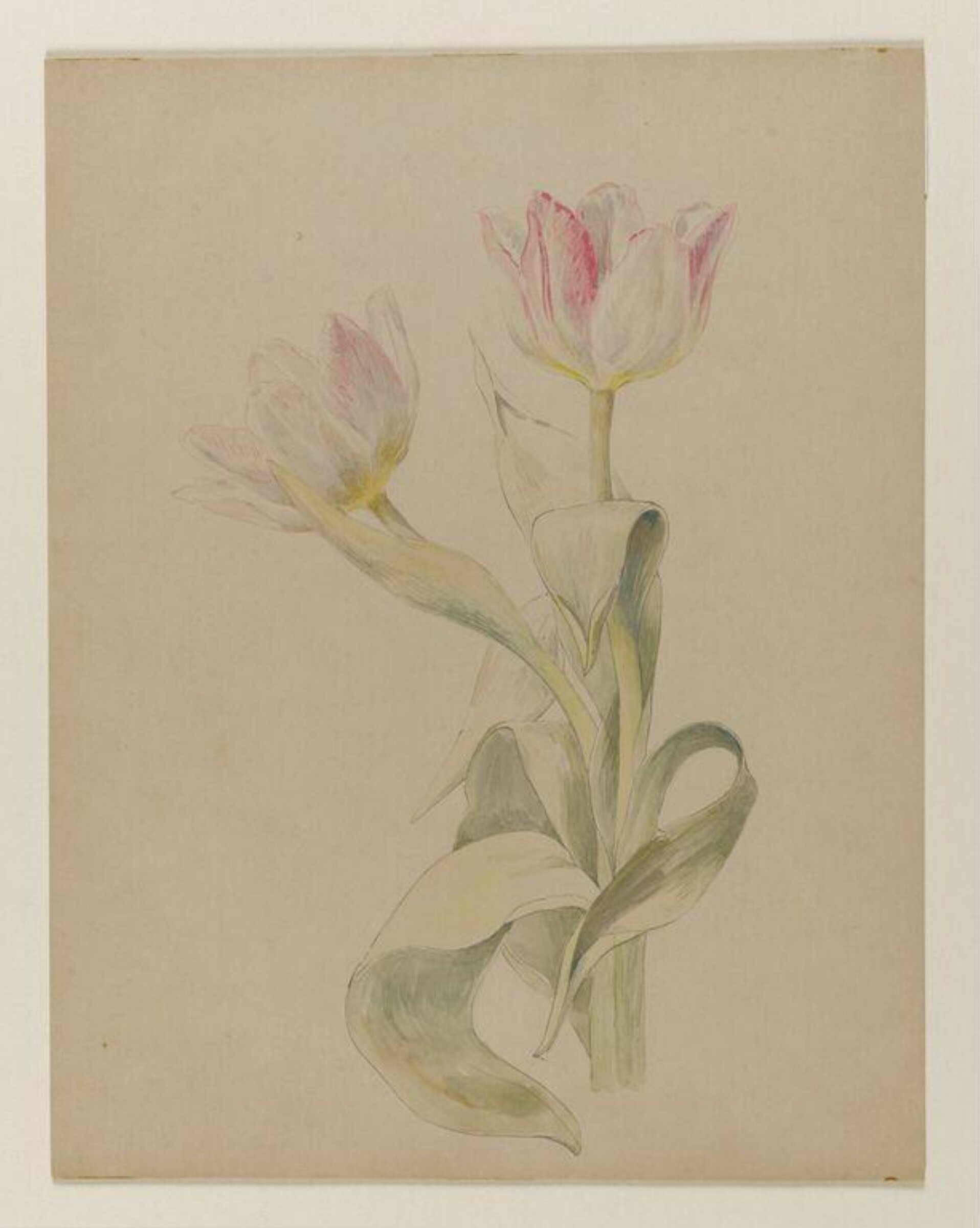
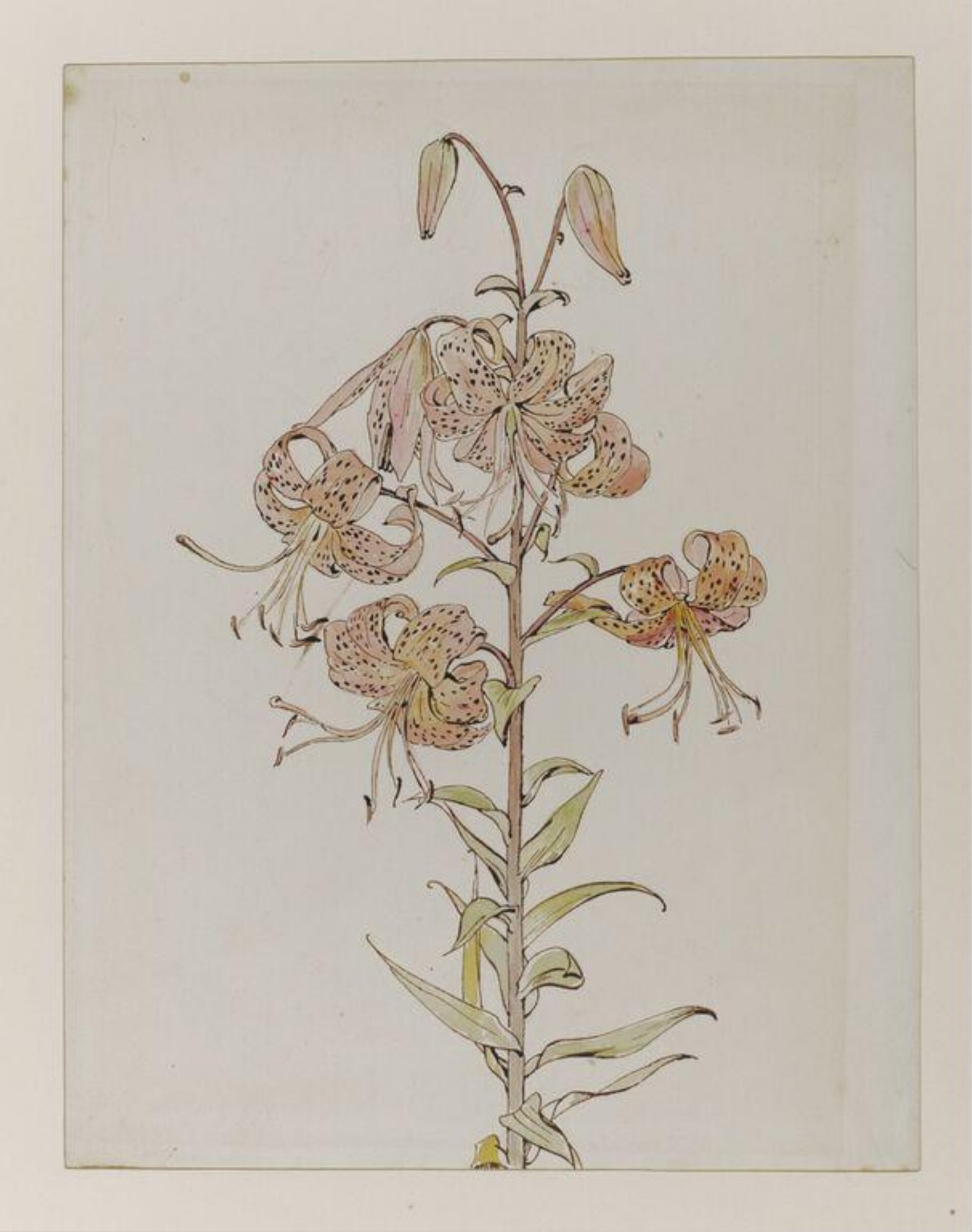
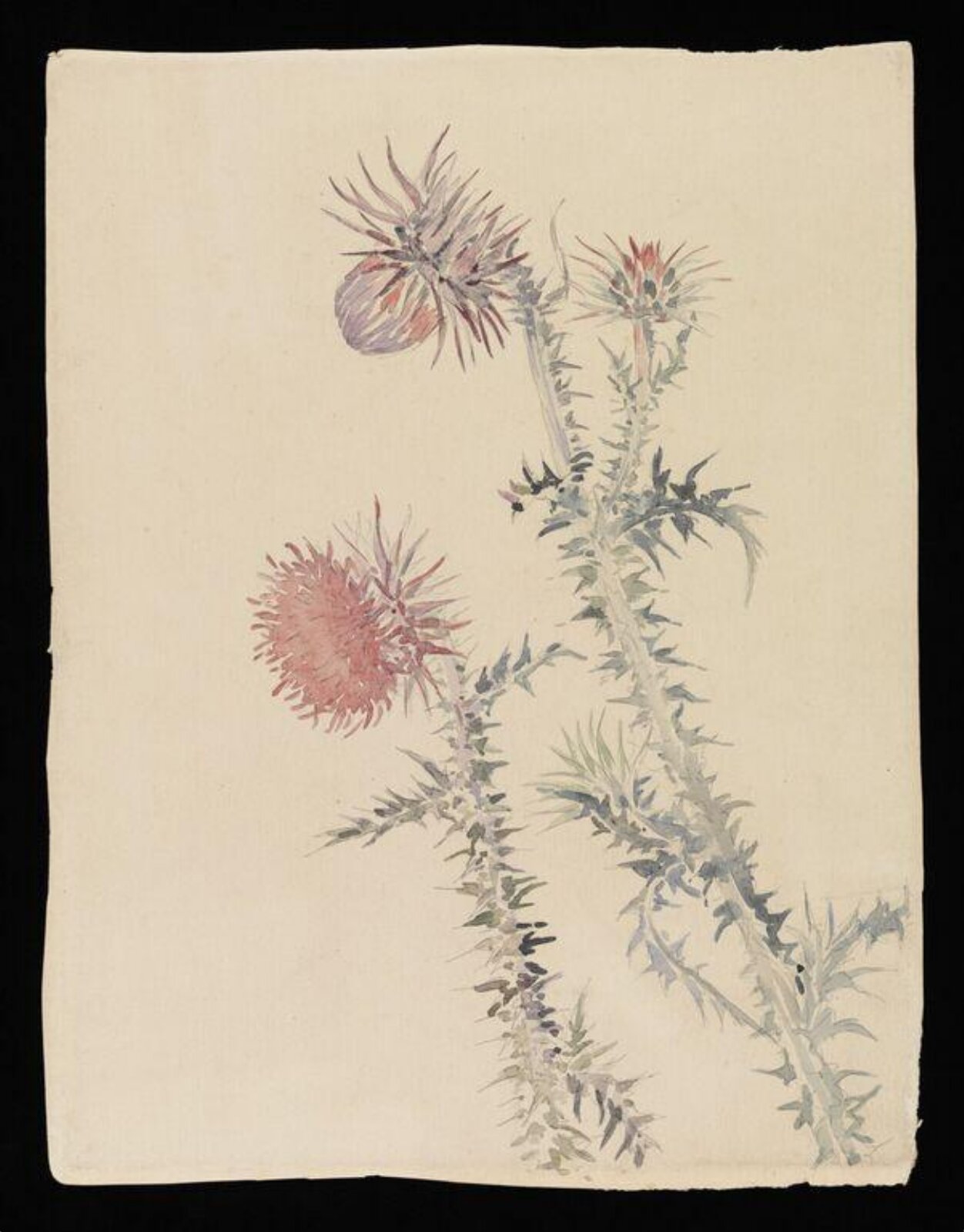
Two pink thistle plants
可否一睹真容?
眼下不见客

维多利亚和阿尔伯特博物馆
倫敦, 英国
仍属馆藏,只是目前没有展出。
- 核实
- 此状态始于
- 出处
- 博物馆
关于作品
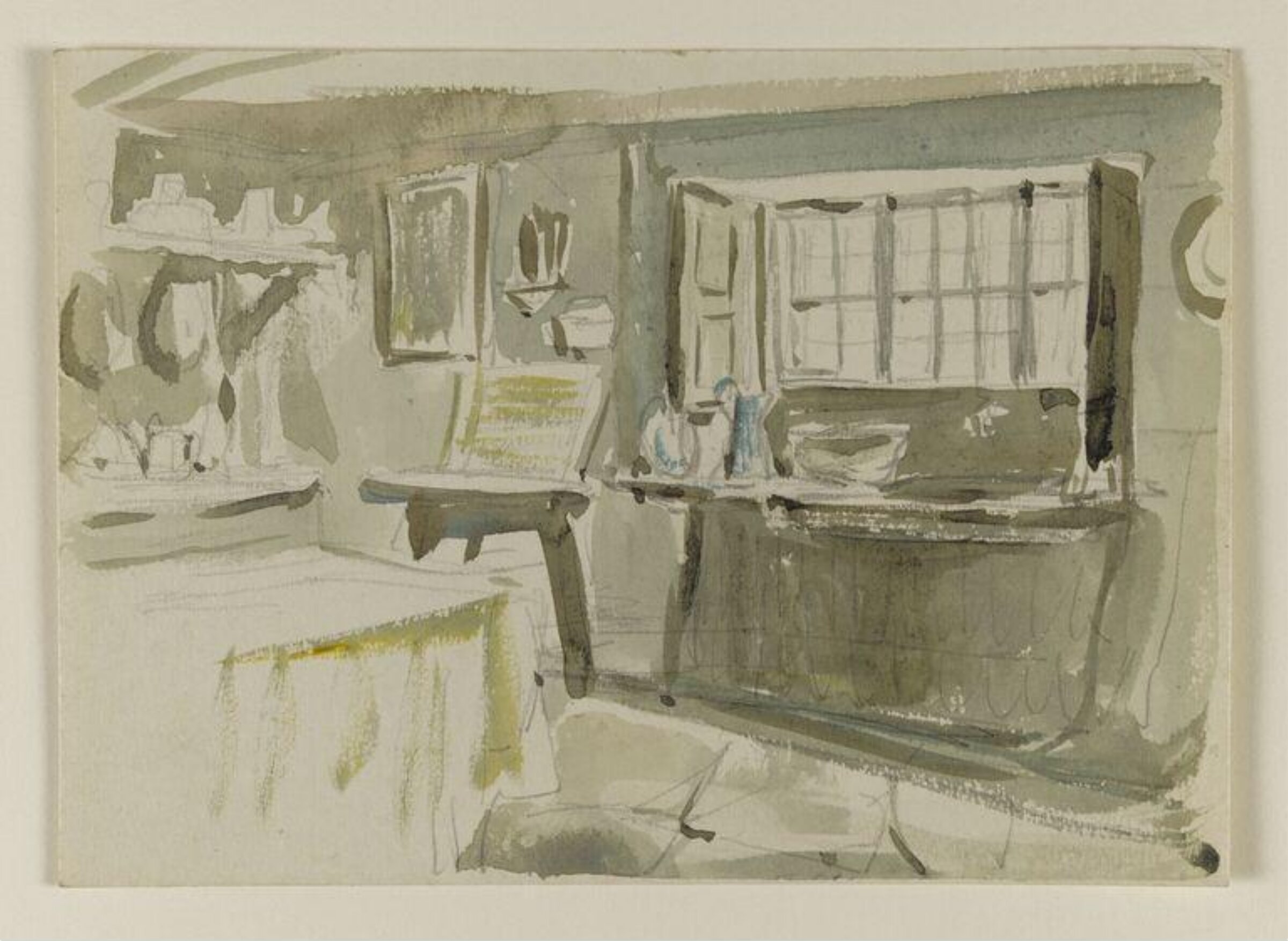
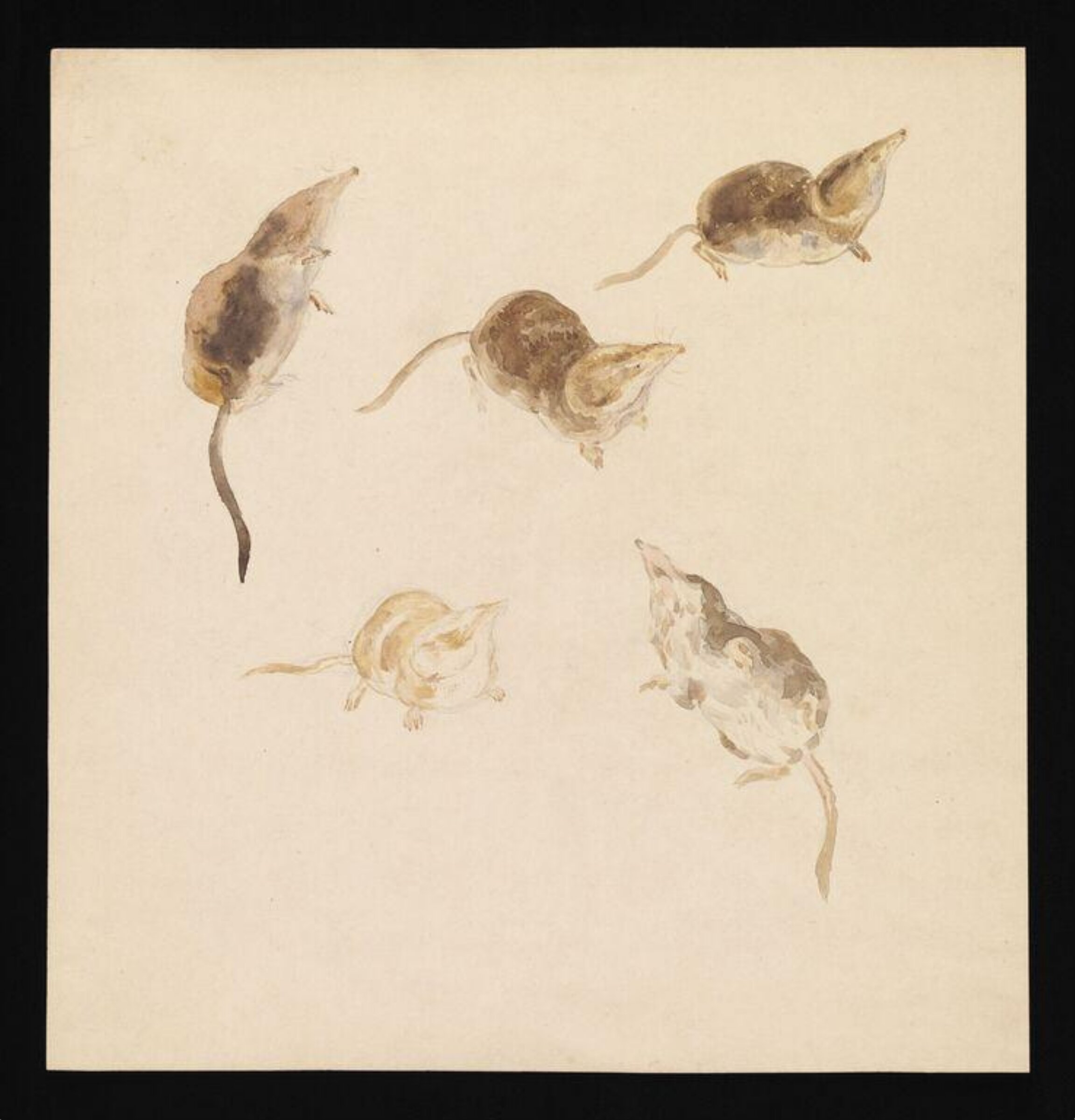
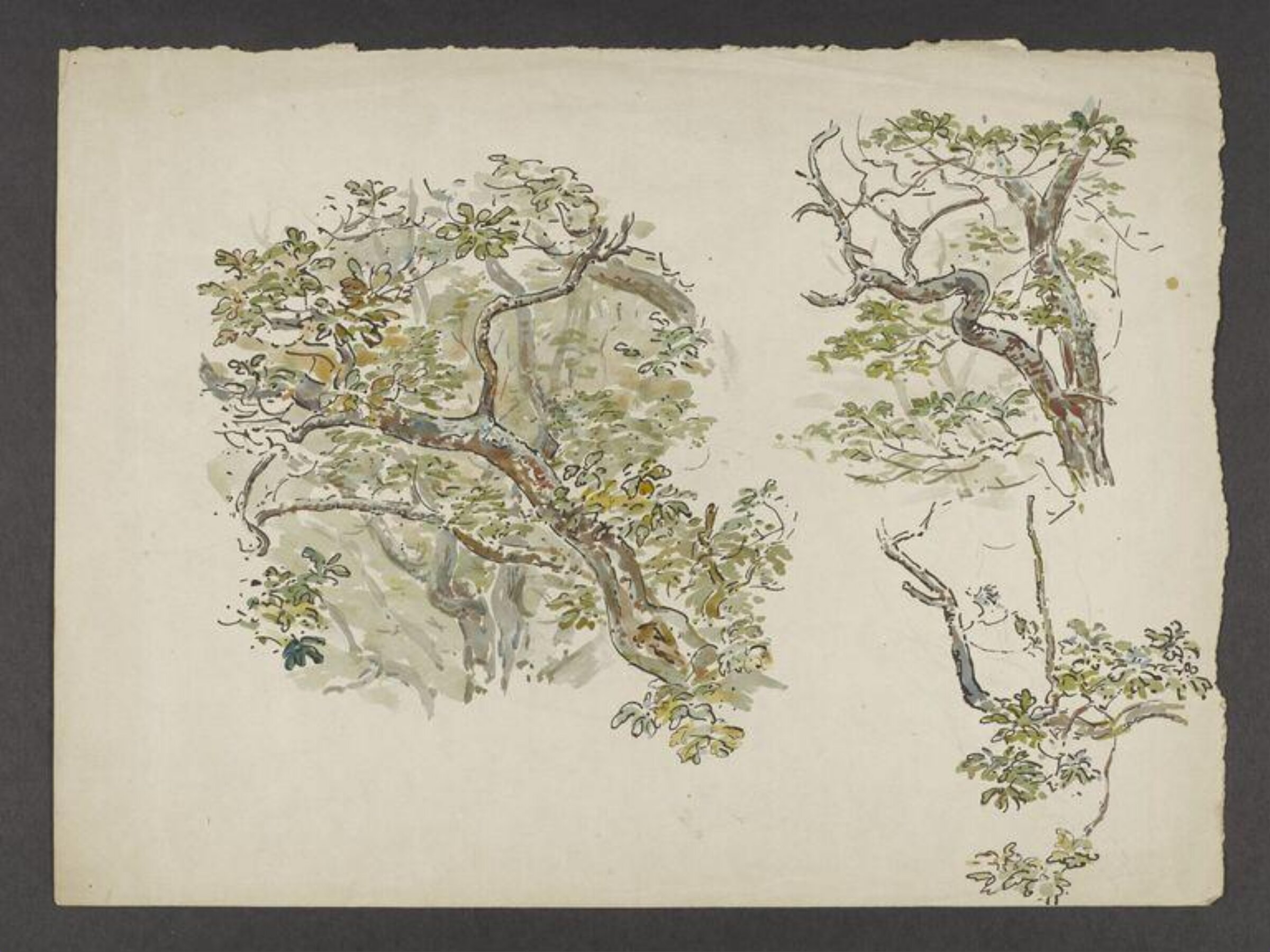
Beatrix Potter (1866-1943) is one of the world's best-loved children's authors and illustrators. She wrote the majority of the twenty-three Original Peter Rabbit Books between 1901 and 1913. The Tale of Peter Rabbit (Frederick Warne, 1902) is her most famous and best-loved tale.
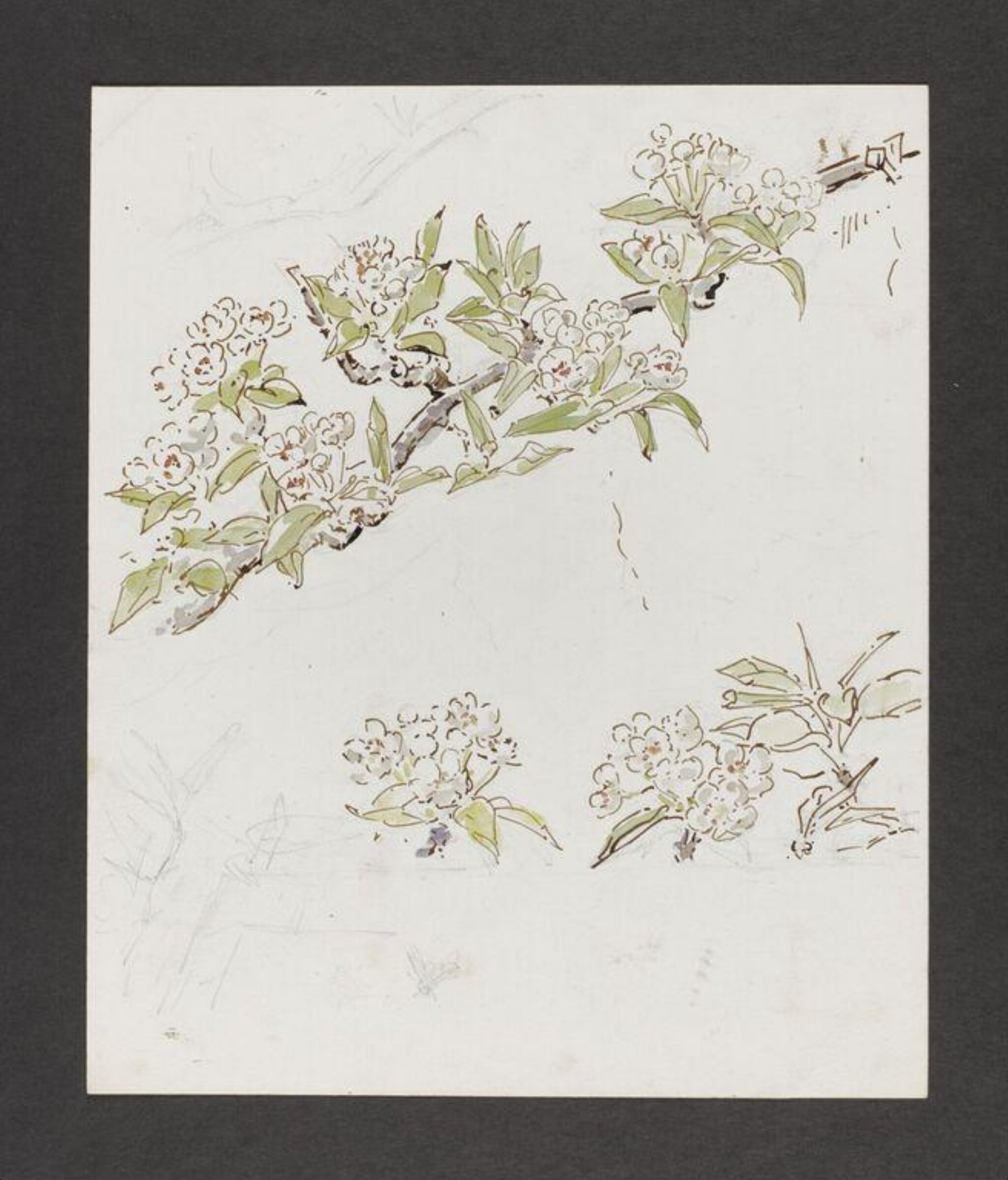
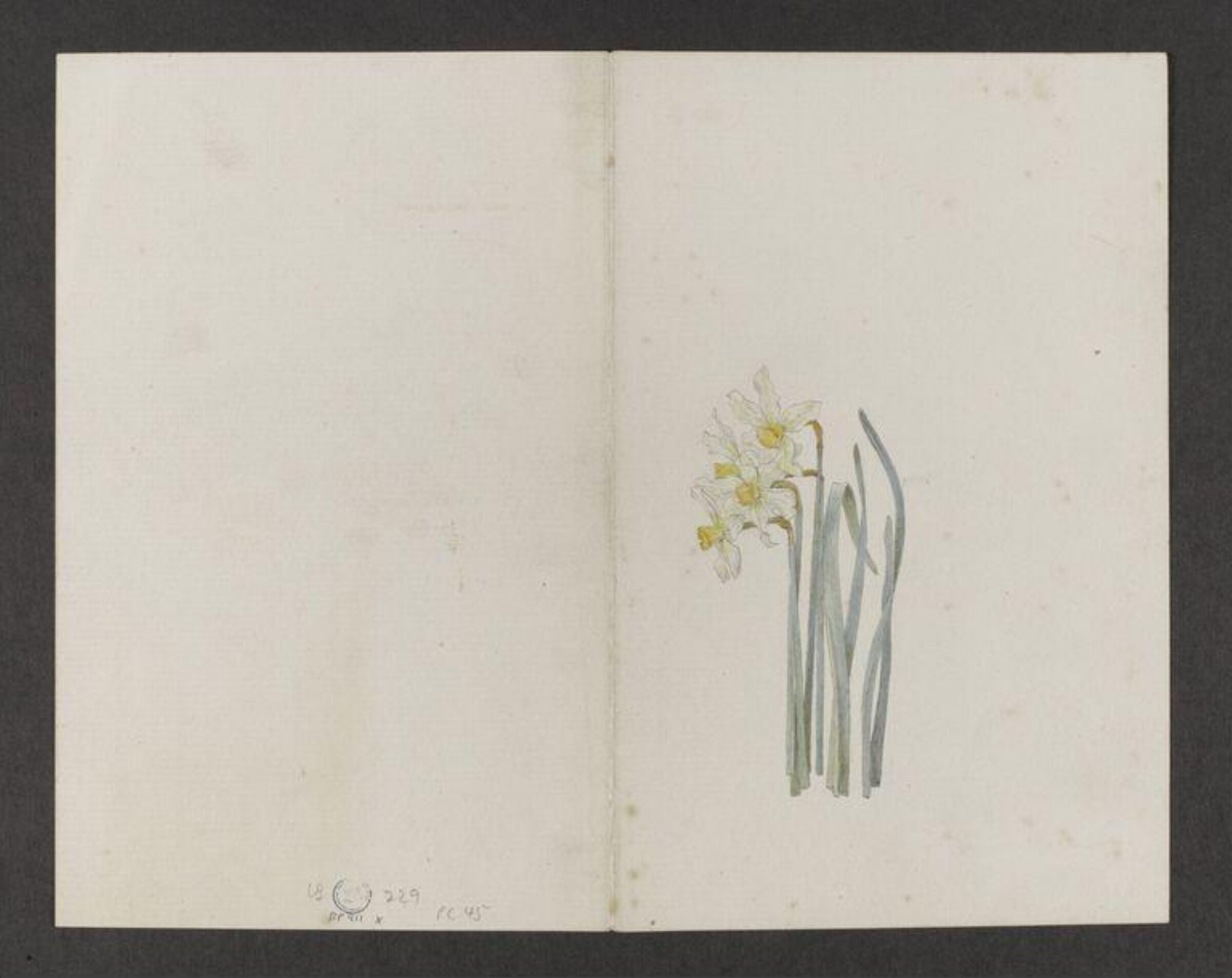
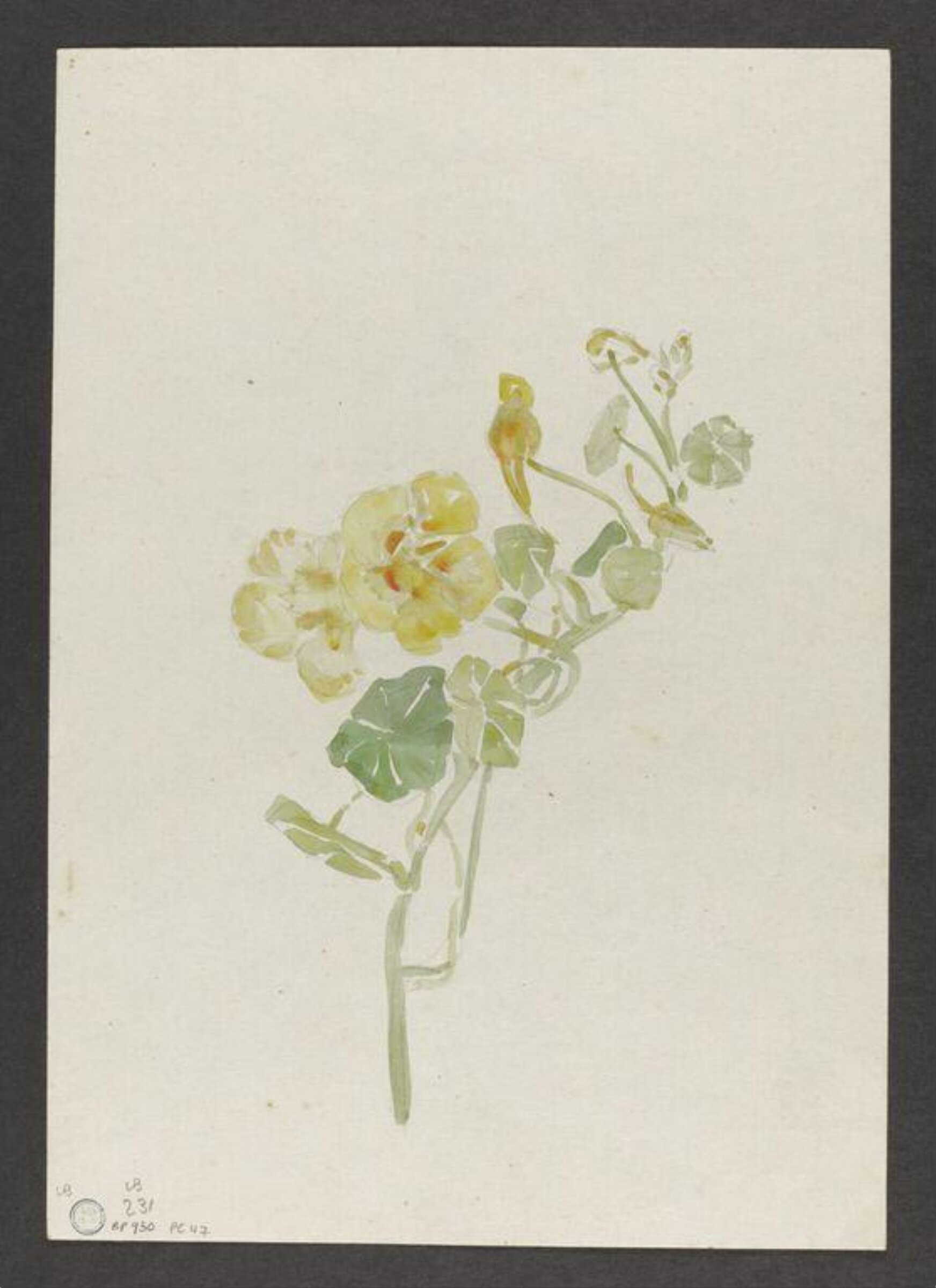
Beatrix Potter made many studies of flowers and plants and was keenly interested in natural history. On this sheet she has made two studies of pink thistle plants in watercolour over pencil. Her carefully observed plant and flower studies would have an impact on her book illustration; she later commented that the ‘careful botanical studies of my youth’ informed the reality of her imagined scenes.
维多利亚和阿尔伯特博物馆
作品信息
- 馆藏编号
- BP.364
与此同时,在Beatrix Potter的生活中
完整生平1866年7月28日
Birth in London
Helen Beatrix was born at 2 Bolton Gardens in West Brompton, London, into a comfortable Unitarian family: her father, the barrister Rupert Potter, was also a keen amateur photographer, and her paternal grandfather, Edmund Potter, owned the largest calico-printing works in England and sat in Parliament. She was educated by three governesses; she and her younger brother Walter Bertram, born in 1872, had few friends outside their large extended family.
1882
The Lake District and Hardwicke Rawnsley
When Dalguise was no longer available, the Potters spent their first summer in the Lake District in 1882, at Wray Castle near Lake Windermere; sixteen-year-old Beatrix fell in love with its beauty and resolved to live there one day. There she met Hardwicke Rawnsley, the vicar of Wray and later founding secretary of the National Trust, whose views on the countryside left a lasting mark on her.
summer 1892
Charles McIntosh and the fungi
In the summer of 1892, at Dunkeld in Perthshire, Beatrix met Charles McIntosh, a revered naturalist and amateur mycologist: he helped make her illustrations more accurate, taught her taxonomy and supplied her with live specimens to paint in winter. By the 1890s her scientific interests had centred on mycology; she was first drawn to fungi by their colours and their evanescence.
1893
A letter to Noel Moore about four rabbits
In September 1893, on holiday at Eastwood near Dunkeld, Beatrix ran out of things to write to Noel, the often-ill eldest son of her former governess Annie Carter Moore, and told him a story about “four little rabbits whose names were Flopsy, Mopsy, Cottontail, and Peter”. It became one of the most famous children’s letters ever written and the basis of her future career; it was Annie who later suggested that such letters might make good children’s books.