 Beatrix Potter1866–1943
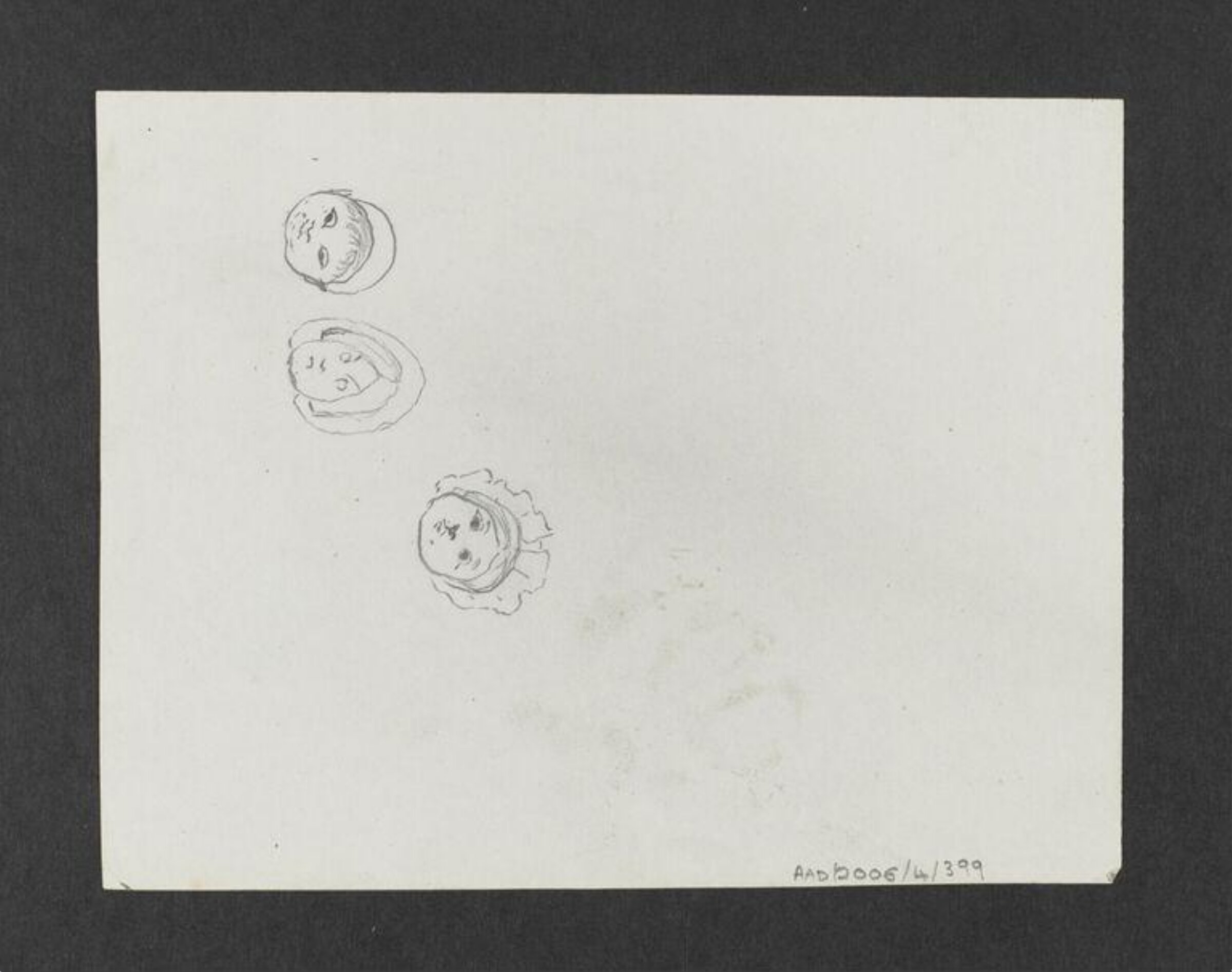
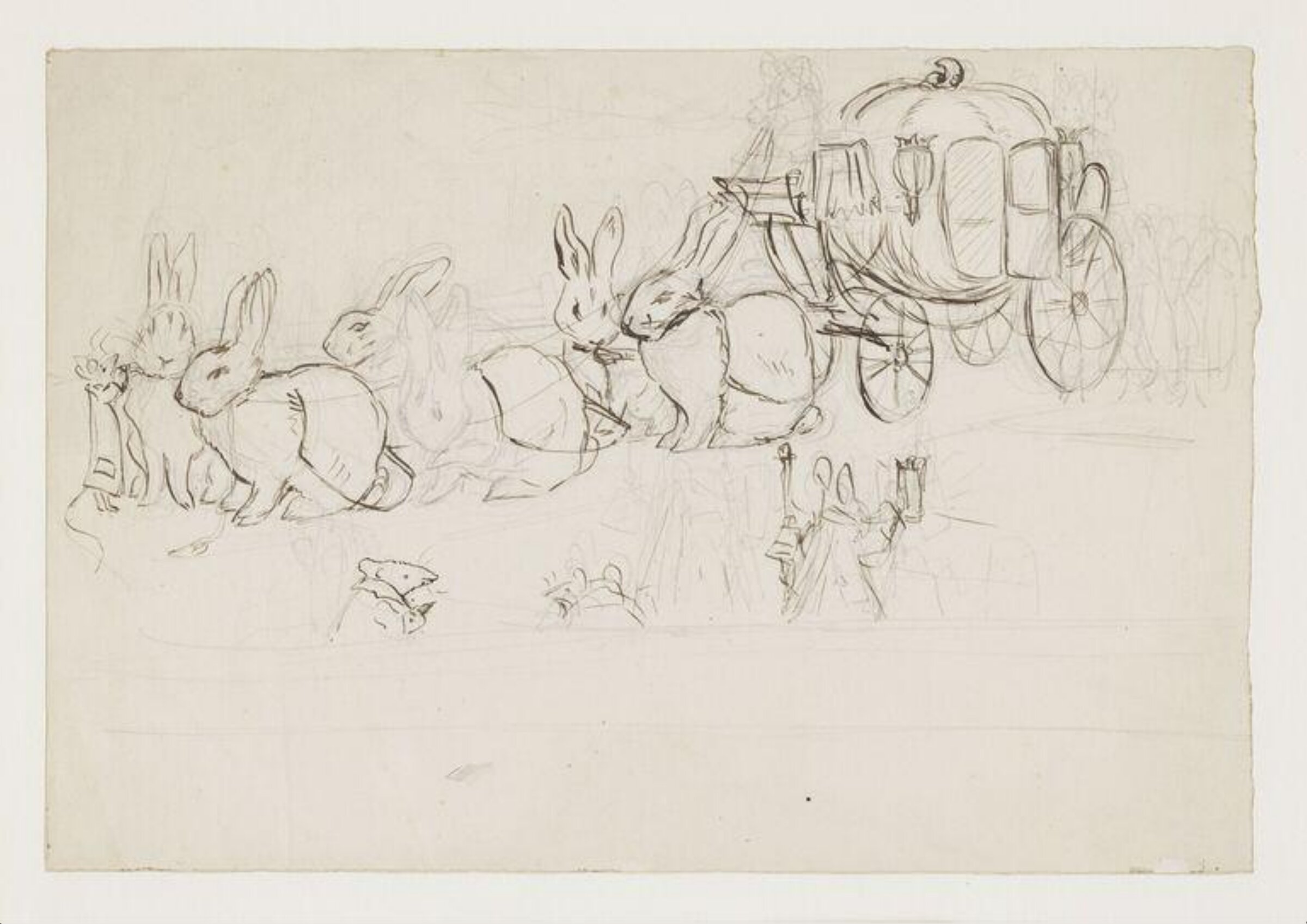
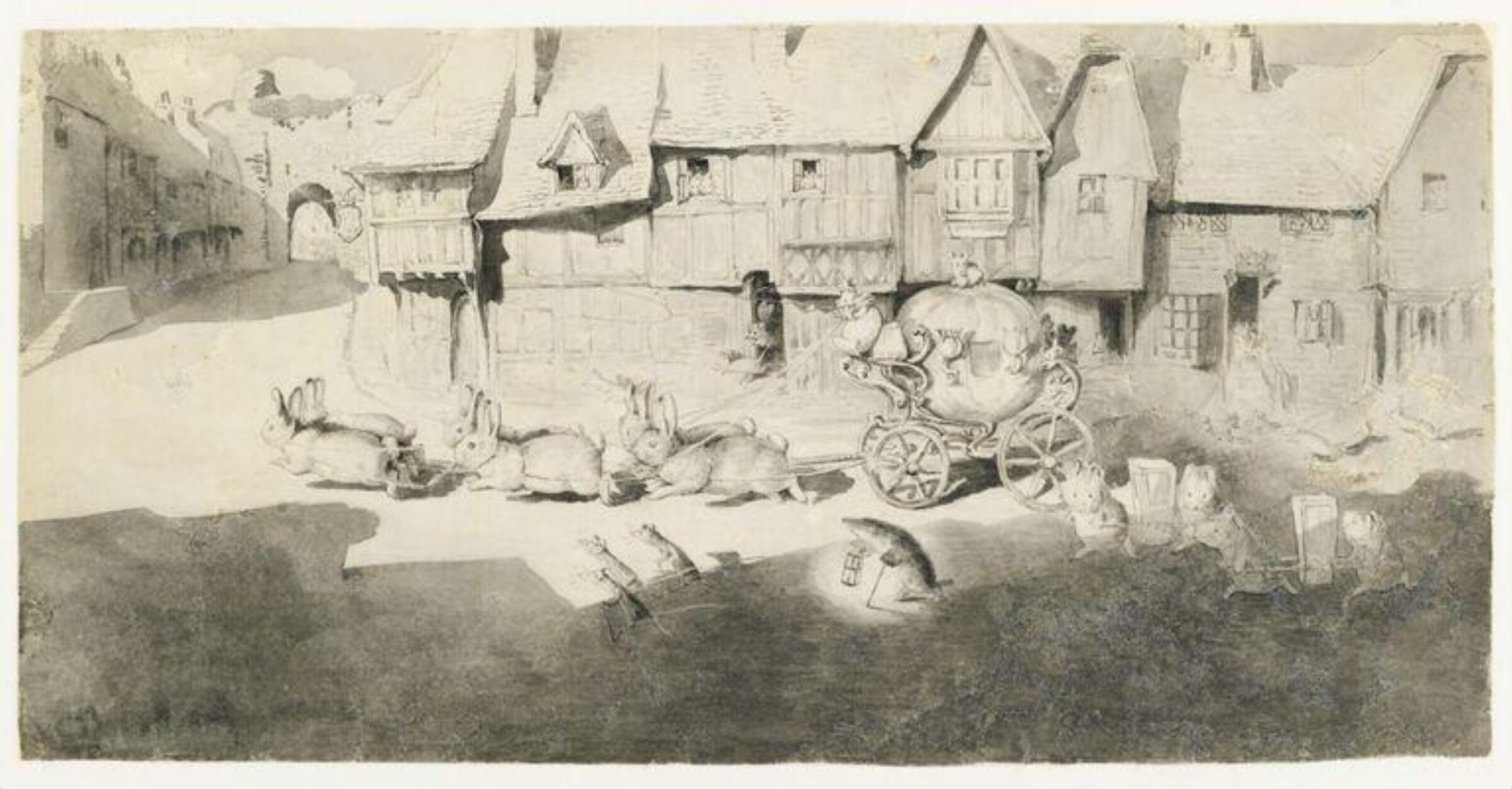
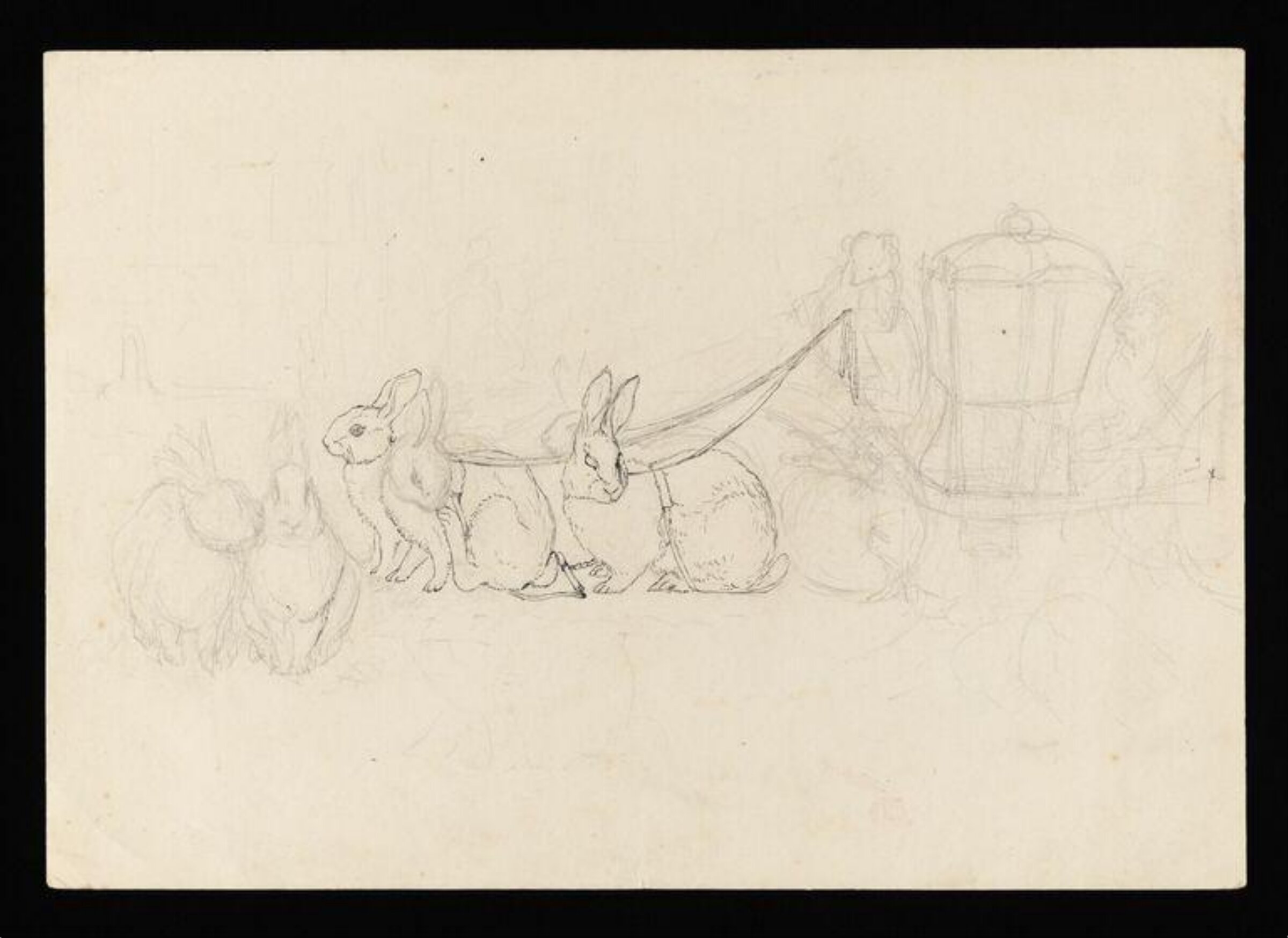
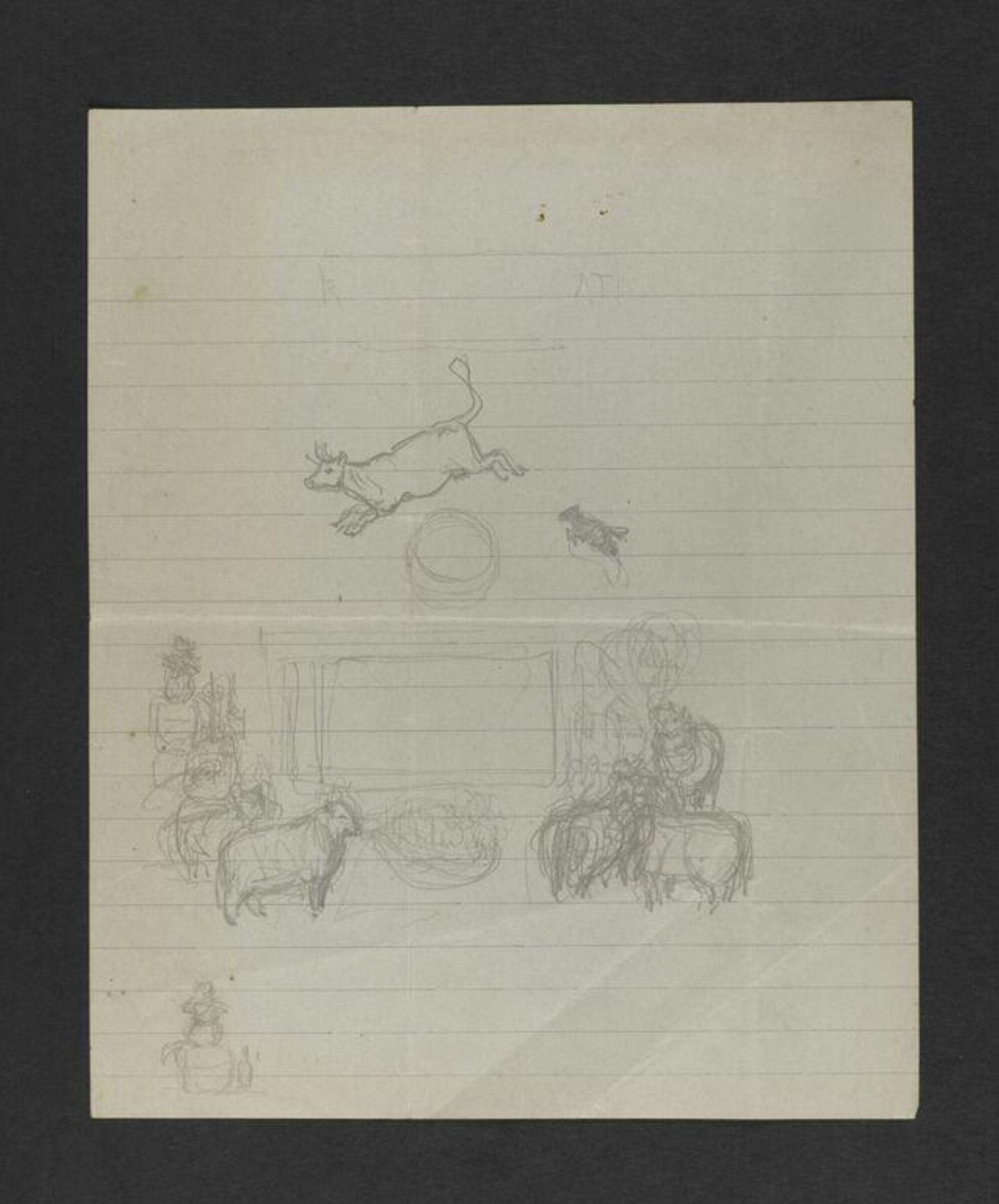
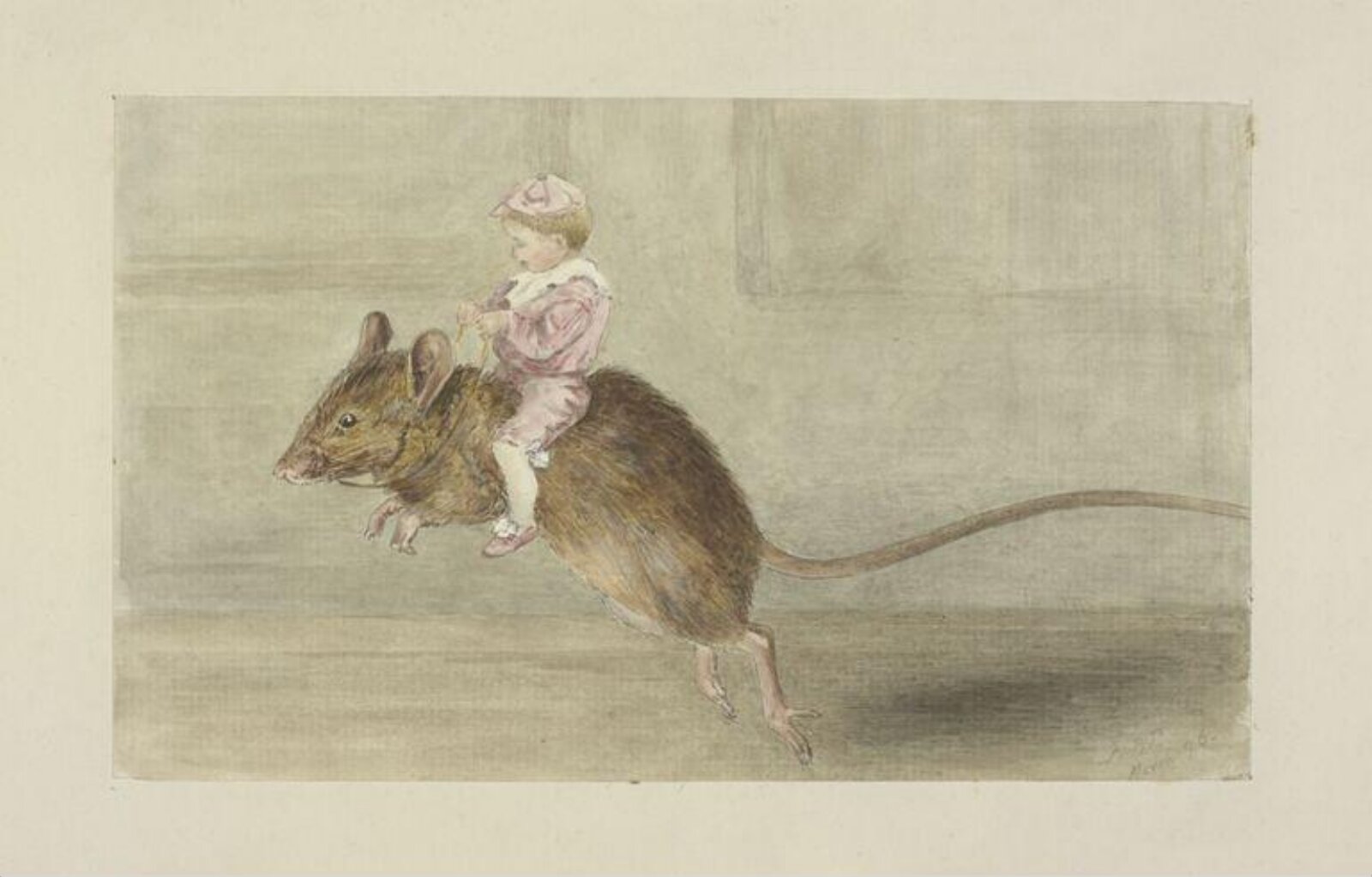
Tom Thumb
可否一睹真容?
眼下不见客

维多利亚和阿尔伯特博物馆
倫敦, 英国
仍属馆藏,只是目前没有展出。
- 核实
- 9天前
- 此状态始于
- 2026年9月25日
- 出处
- 博物馆自己的馆藏数据
作品信息
- 馆藏编号
- LC 21/A/4
What it shows
已收入目录
出处
- 维多利亚和阿尔伯特博物馆: the museum's own open data · 9天前获取
- 图片: 维多利亚和阿尔伯特博物馆 — © Victoria and Albert Museum, London
与此同时,在Beatrix Potter的生活中
完整生平1881–1897
A journal in a cipher of her own
From 1881 Beatrix kept a journal in a simple substitution cipher of her own devising — in tiny handwriting, serving as both sketchbook and literary experiment, in which she described society, her impressions of art and the life around her. The entries stop in 1897, when her energies were absorbed in scientific study and in efforts to publish her drawings.
1890–1894
First commissions: cards, rabbits and frogs
In the 1890s Beatrix printed Christmas and other greeting cards of her own design — her first commercially successful works. In 1890 the firm of Hildesheimer and Faulkner bought several drawings of her rabbit Benjamin Bunny to illustrate Frederic Weatherly’s verses “A Happy Pair”, in 1893 several more for “Our Dear Relations”, and in 1894 the publisher Ernest Nister took a series of frog illustrations and verses for the annual “Changing Pictures”.
1895–1897
A theory of spore germination, and Kew Gardens
In 1895, curious about how fungi reproduce, Beatrix began microscopic drawings of agaric spores and developed a theory of their germination. Through her uncle, the chemist Sir Henry Roscoe, she consulted botanists at Kew and convinced George Massee of her ability to germinate spores, but William Thiselton-Dyer, the director of Kew, rebuffed her because of her sex and amateur status.
1897
A paper for the Linnean Society
In 1897 Beatrix submitted a paper, “On the Germination of the Spores of the Agaricineae”, to the Linnean Society, but as a woman she could neither attend the meeting nor read it herself — George Massee introduced it. She later withdrew it on realising that some of her samples were contaminated, yet she continued her microscopic studies for several more years.